Residential Solar Panel Recycling 2026: The Homeowner’s Guide
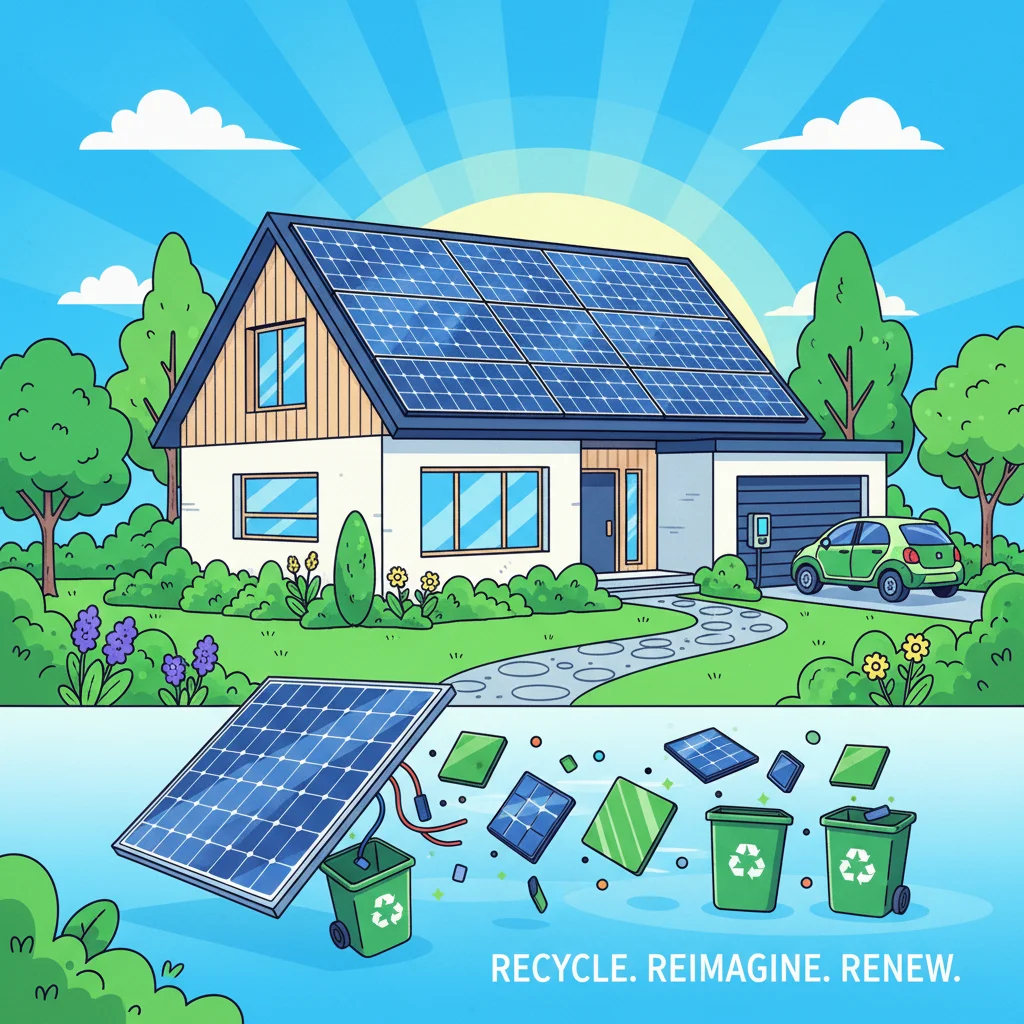
Residential Solar Panel Recycling: A 2026 Overview for Homeowners
The sun, an inexhaustible source of energy, has been harnessed by humanity for millennia. In the modern era, solar panels have become a beacon of hope for a sustainable future, adorning rooftops across the globe. As we move closer to 2026, the proliferation of residential solar installations has brought forth an important, yet often overlooked, aspect of this green revolution: solar panel recycling. For homeowners, understanding the end-of-life options for their solar panels is becoming increasingly critical. This comprehensive guide aims to shed light on the current landscape and future prospects of residential solar panel recycling, providing you with the knowledge needed to make informed decisions.
The rapid growth of solar energy, while undeniably beneficial for reducing carbon footprints and energy costs, also presents a challenge: what happens to solar panels once they reach the end of their operational lifespan? Typically, solar panels are designed to last 25 to 30 years. Given the surge in installations over the past decade, a significant wave of panels will begin to retire around 2030 and beyond. However, factors like damage, upgrades, or early replacements mean that some panels will enter the recycling stream even sooner. Preparing for this influx is paramount for ensuring that solar energy remains truly sustainable. This article will delve into the intricacies of solar panel recycling, exploring the processes, costs, environmental benefits, and regulatory landscape that homeowners need to be aware of in 2026.
The Growing Need for Residential Solar Panel Recycling
The global solar energy market has witnessed exponential growth, driven by technological advancements, decreasing costs, and supportive government policies. Millions of homeowners have embraced solar power, transforming their residences into clean energy hubs. While this transition is overwhelmingly positive, it necessitates a robust infrastructure for managing solar panel waste. Without effective solar panel recycling programs, the environmental benefits of solar energy could be partially offset by the accumulation of electronic waste. The materials used in solar panels, such as silicon, aluminum, glass, and trace amounts of heavy metals, are valuable resources that can be recovered and reused, reducing the need for virgin materials and minimizing landfill waste.
By 2026, the volume of retired solar panels, particularly from residential installations, is projected to increase. This isn’t just about waste management; it’s about resource efficiency and establishing a true circular economy for solar technology. Homeowners who invested in solar early on are now approaching the point where their panels may need replacement. Understanding how to responsibly dispose of or recycle these panels is a key component of being a responsible solar owner. The demand for efficient and accessible solar panel recycling solutions is therefore not just an environmental imperative but also an economic opportunity, fostering new industries and creating jobs.
Understanding the Components of a Solar Panel
To appreciate the importance of solar panel recycling, it’s helpful to understand what these panels are made of. A typical photovoltaic (PV) solar panel consists of several layers:
- Glass (approximately 75% by weight): The front layer, which is highly durable and transparent, protecting the solar cells.
- Aluminum Frame (approximately 10%): Provides structural integrity and protection, making it a relatively easy material to recycle.
- Silicon Cells (approximately 5%): The core component responsible for converting sunlight into electricity. Silicon is a valuable semiconductor material.
- Polymer Encapsulants (approximately 5%): Layers like EVA (ethylene-vinyl acetate) that protect the silicon cells from moisture and degradation.
- Copper and Silver (trace amounts): Used in the electrical contacts and wiring. These are highly valuable metals.
- Junction Box and Cables: Contains diodes and provides electrical connections.
The diverse composition means that different recycling techniques are required to recover each material effectively. The goal of solar panel recycling is to maximize the recovery rate of these valuable components, turning what would be waste into new raw materials.
The Solar Panel Recycling Process in 2026
As of 2026, the technology and processes for solar panel recycling are becoming more sophisticated and standardized. While the exact methods can vary between recycling facilities, the general steps involve material separation and purification. The industry is continuously innovating to improve efficiency and reduce costs, making recycling a more viable option for homeowners.
Collection and Transportation
The first step in solar panel recycling is the collection of retired or damaged panels. For homeowners, this typically involves contacting their original installer, a specialized waste management company, or a dedicated solar recycling program. Some manufacturers are also beginning to offer take-back programs as part of their extended producer responsibility initiatives. Transportation to a recycling facility is a crucial logistical consideration, as panels are bulky and can be fragile.
Pre-processing and Disassembly
Once at the recycling facility, panels undergo initial pre-processing. This usually involves manual or automated disassembly to separate the larger components. The aluminum frame is often removed first, as it’s relatively easy to detach and has a high recycling value. The junction box and cables are also removed for separate processing.
Material Separation and Recovery
This is the most complex stage of solar panel recycling. Various techniques are employed to separate the remaining materials:
- Thermal Treatment: High temperatures can be used to burn off the polymer encapsulants (like EVA), allowing for easier separation of the glass and silicon cells. However, this method requires careful control to prevent hazardous emissions.
- Mechanical Separation: Panels can be shredded, and then different materials are separated using techniques like eddy current separators (for metals), vibratory screens (for size separation), and air classification (for lighter materials).
- Chemical Treatment: Acids or other chemical solvents can be used to dissolve certain layers, allowing for the recovery of valuable materials like silicon and silver. This method requires careful handling and waste treatment.
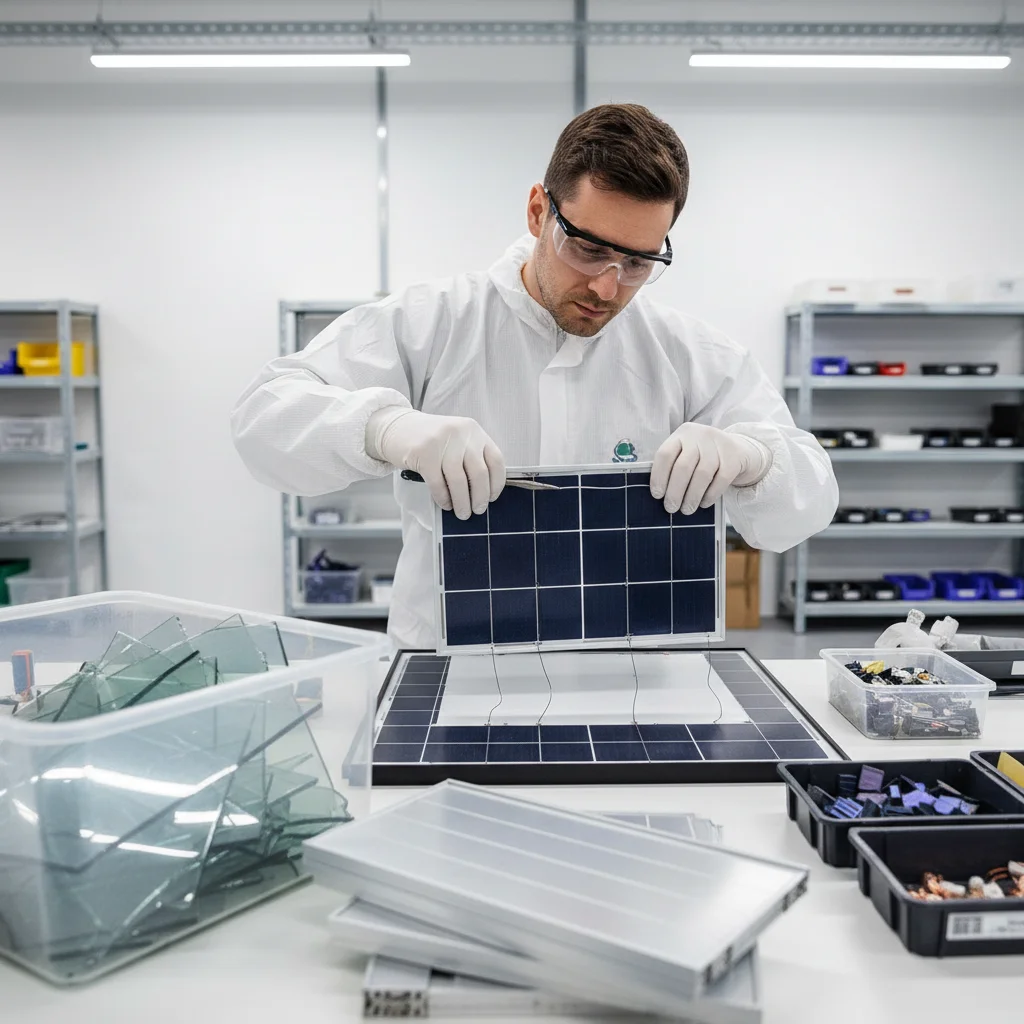
The goal is to achieve high purity levels for the recovered materials, making them suitable for reuse in new products, including new solar panels. For instance, recycled silicon can be refined and used to produce new solar cells, closing the loop on the manufacturing process. Glass can be used in various industries, and aluminum is almost infinitely recyclable.
Advanced Recycling Technologies
By 2026, several advanced solar panel recycling technologies are gaining traction:
- Robotic Disassembly: Automation is being introduced to improve the efficiency and safety of disassembling panels, reducing manual labor and increasing throughput.
- Enhanced Material Purity: Research is focused on developing processes that yield higher purity recovered materials, which command better market prices and expand their applications.
- Closed-Loop Recycling: The ultimate aim is to create a fully circular economy where nearly all materials from retired panels are recovered and fed back into the production of new panels, minimizing reliance on virgin resources.
Costs Associated with Solar Panel Recycling for Homeowners
One of the primary concerns for homeowners regarding solar panel recycling is the cost. Unlike general household recycling, solar panel recycling can incur fees due to the specialized processes and logistics involved. However, these costs are continually evolving and are influenced by several factors:
- Collection and Transportation Fees: These depend on your location, the number of panels, and the distance to the nearest recycling facility. Some installers may offer removal services as part of a new installation package.
- Processing Fees: Recycling facilities charge for the labor, energy, and specialized equipment required to break down and separate the panel components.
- Market Value of Recovered Materials: The price of recovered materials (e.g., silicon, silver, aluminum) can offset some of the recycling costs. As recycling technologies improve and material recovery rates increase, these offsets may become more significant.
- Regulatory Frameworks: In some regions, extended producer responsibility (EPR) laws are emerging, where manufacturers are responsible for the end-of-life management of their products. This can shift some of the recycling costs away from homeowners.
As of 2026, homeowners should anticipate paying a fee for solar panel recycling, though this cost is generally a fraction of the original installation price. It’s advisable to inquire about recycling options and potential costs when initially purchasing solar panels or when considering replacement. Some manufacturers or installers might offer programs that include recycling fees upfront or at the time of decommissioning.
Comparing Recycling vs. Landfilling
While landfilling might seem like a cheaper option in the short term, it comes with significant environmental drawbacks. Solar panels contain materials that can be harmful if not properly managed in a landfill, and it represents a loss of valuable resources. Furthermore, many jurisdictions are implementing or considering bans on landfilling electronic waste, including solar panels. Therefore, investing in solar panel recycling is not only environmentally responsible but also a forward-thinking financial decision that aligns with future regulations and sustainability goals.
Environmental Benefits of Solar Panel Recycling
The environmental advantages of robust solar panel recycling programs are substantial and reinforce the overall sustainability message of solar energy.
Resource Conservation
Recycling solar panels allows for the recovery of valuable materials like silicon, aluminum, copper, and silver. This reduces the need to mine and process virgin raw materials, which is often energy-intensive and environmentally disruptive. By conserving these resources, we lessen the ecological footprint associated with solar panel manufacturing.
Reduced Waste and Landfill Burden
Without recycling, millions of tons of solar panels would end up in landfills, occupying valuable space and potentially leaching hazardous substances into the environment. Solar panel recycling diverts this waste, significantly reducing the landfill burden and preventing potential pollution.
Lower Carbon Footprint
Producing new materials from recycled content generally requires less energy than producing them from raw materials. For example, recycling aluminum saves approximately 95% of the energy needed to produce primary aluminum. By recycling solar panels, the overall carbon footprint associated with the solar energy lifecycle is reduced, making it an even greener technology.
Prevention of Hazardous Material Leaching
While solar panels are generally safe during operation, some components contain trace amounts of heavy metals like lead and cadmium (especially in older thin-film technologies). If panels are improperly disposed of in landfills, there’s a risk that these materials could leach into soil and groundwater. Solar panel recycling ensures these materials are safely recovered and managed, preventing environmental contamination.
Regulatory Landscape and Future Trends for 2026
The regulatory environment for solar panel recycling is evolving rapidly, with different regions adopting various approaches to ensure responsible end-of-life management. By 2026, we can expect to see more harmonized and stringent regulations.
Extended Producer Responsibility (EPR)
EPR schemes are becoming a cornerstone of waste management policy, particularly for electronic waste. Under EPR, manufacturers are held responsible for the entire lifecycle of their products, including collection, recycling, and disposal. Europe has been a pioneer in this regard with its WEEE (Waste Electrical and Electronic Equipment) Directive, which includes PV panels. Similar legislation is being considered or implemented in parts of the United States, Australia, and Asia. For homeowners, EPR can mean easier access to recycling services and potentially lower direct costs, as manufacturers absorb some of the expenses.
Government Incentives and Subsidies
To stimulate the development of solar panel recycling infrastructure, governments are offering incentives and subsidies for recycling facilities and for homeowners who choose to recycle. These can include grants for research and development in recycling technologies, tax breaks for recycling companies, and rebates for homeowners who responsibly dispose of their panels.
Certification and Standards
The establishment of industry-wide certification and standards for solar panel recycling is also gaining momentum. These standards aim to ensure that recycling processes are environmentally sound, safe for workers, and achieve high material recovery rates. Homeowners should look for recycling partners that adhere to recognized certifications.
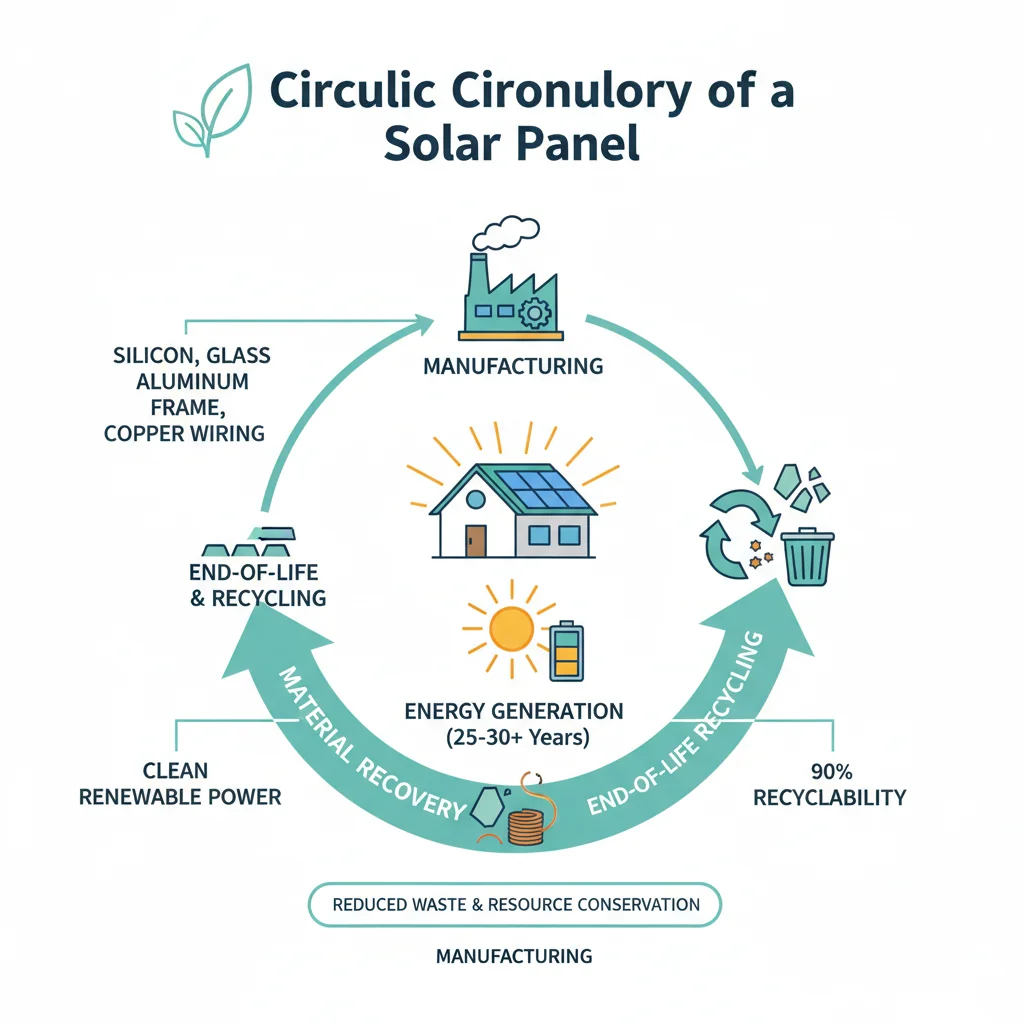
Looking ahead to 2026 and beyond, several trends are likely to shape the future of solar panel recycling:
- Increased Automation: Robotics and AI will play a larger role in disassembling and sorting materials, improving efficiency and reducing costs.
- Chemical Recycling Advancements: New chemical processes will likely emerge that can recover high-purity silicon and other rare earth elements more effectively and sustainably.
- Design for Recyclability: Manufacturers will increasingly design solar panels with end-of-life in mind, using fewer hazardous materials and making panels easier to disassemble and recycle.
- Global Harmonization: As solar energy becomes a global phenomenon, there will be a greater push for international cooperation and harmonized regulations for recycling.
- Emergence of Recycling Hubs: Regional recycling hubs dedicated to solar panels will likely emerge, reducing transportation costs and making recycling more accessible.
What Homeowners Can Do Now and in the Future
As a homeowner with solar panels, or one considering installing them, you have an important role to play in promoting sustainable solar panel recycling. Here are some steps you can take:
1. Inquire About End-of-Life Options Before Installation
When getting quotes for solar panel installation, ask prospective installers about their company’s policy on end-of-life management. Do they offer take-back programs? Can they recommend certified recycling facilities? Understanding these options upfront can help you choose a more environmentally responsible installer.
2. Keep Records of Your Solar Panel Information
Note down the manufacturer, model number, and installation date of your solar panels. This information will be crucial when seeking recycling options, as different manufacturers may have different programs or recommendations. Knowing the type of panel (e.g., crystalline silicon vs. thin-film) can also be important for recycling processes.
3. Research Local Recycling Programs
Stay informed about solar panel recycling initiatives in your local area, state, or country. Websites of environmental agencies, waste management authorities, and solar industry associations are good starting points. New programs and facilities are constantly emerging.
4. Choose Certified Recyclers
When it’s time to recycle, opt for facilities that are certified and adhere to environmental and safety standards. This ensures that your panels are processed responsibly and that valuable materials are recovered effectively, rather than simply being discarded or handled unsafely.
5. Consider Panel Longevity and Durability
While recycling is important, extending the life of your solar panels through proper maintenance and choosing durable, high-quality products is the first step in sustainable management. A longer lifespan means less frequent replacement and and, consequently, less waste generated.
6. Advocate for Stronger Recycling Policies
Support policies and legislation that promote extended producer responsibility and incentivize solar panel recycling. Your voice as a homeowner can contribute to shaping a more sustainable future for solar energy.
The Role of Innovation in Sustainable Solar Panel Recycling
Innovation is at the heart of making solar panel recycling more efficient, cost-effective, and environmentally friendly. Researchers and companies are continuously exploring new methods and technologies. For instance, advancements in material science are leading to the development of solar panels that are inherently easier to recycle, with fewer embedded hazardous materials and more easily separable components. This concept, known as ‘design for recyclability,’ is gaining traction within the manufacturing sector.
Furthermore, the development of specialized robotics and AI-driven sorting systems is revolutionizing the labor-intensive aspects of recycling. These technologies can precisely disassemble panels, identify different materials, and sort them with high accuracy, significantly increasing recovery rates and reducing manual effort. The integration of these innovations promises to make solar panel recycling a seamless and economically attractive part of the overall solar energy ecosystem by 2026 and beyond.
Economic Opportunities in Recycling
Beyond the environmental benefits, solar panel recycling also presents significant economic opportunities. The recovered materials, particularly high-purity silicon, silver, and copper, have substantial market value. As the volume of retired panels grows, so too will the market for these secondary raw materials. This creates a new segment within the green economy, fostering job creation in collection, processing, and material refinement. Investment in recycling infrastructure can also lead to local economic development, reducing reliance on international supply chains for critical materials needed in solar panel manufacturing.
Addressing the ‘Solar Waste’ Narrative
It is important to address the narrative that sometimes portrays retired solar panels as a looming ‘waste crisis.’ While end-of-life management is a challenge that requires proactive solutions, it is also an opportunity for innovation and sustainability. With proper planning, investment in recycling infrastructure, and supportive policies, the vast majority of materials in solar panels can be recovered and reused. This transforms the ‘waste’ into a valuable resource, reinforcing the circular economy model and ensuring that solar energy remains a cornerstone of a truly sustainable future. Homeowners, by understanding and engaging with solar panel recycling, play a vital role in debunking this narrative and contributing to a greener planet.
Conclusion: A Sustainable Future with Solar Panel Recycling
The journey towards a sustainable energy future is multifaceted, and solar panel recycling is an indispensable component of that journey. As we look to 2026, homeowners equipped with solar panels, or those considering joining the solar revolution, must recognize their role in ensuring that these powerful tools of clean energy are managed responsibly throughout their entire lifecycle. The industry is rapidly advancing, with improved recycling technologies, emerging regulatory frameworks, and increasing accessibility to recycling services.
By understanding the processes, appreciating the environmental benefits, and staying informed about the evolving landscape of solar panel recycling, homeowners can contribute significantly to a truly circular economy for solar energy. The shift from a linear ‘take-make-dispose’ model to a circular one where resources are continually recovered and reused is not just an ideal; it’s a necessity for long-term sustainability. Embracing responsible recycling practices ensures that solar power continues to shine as a leading light in our collective efforts to combat climate change and build a healthier planet for generations to come. Your decision to recycle your solar panels is a direct investment in a cleaner, more sustainable future.