Residential Solar Impact: Carbon Footprint Reduction by 2026
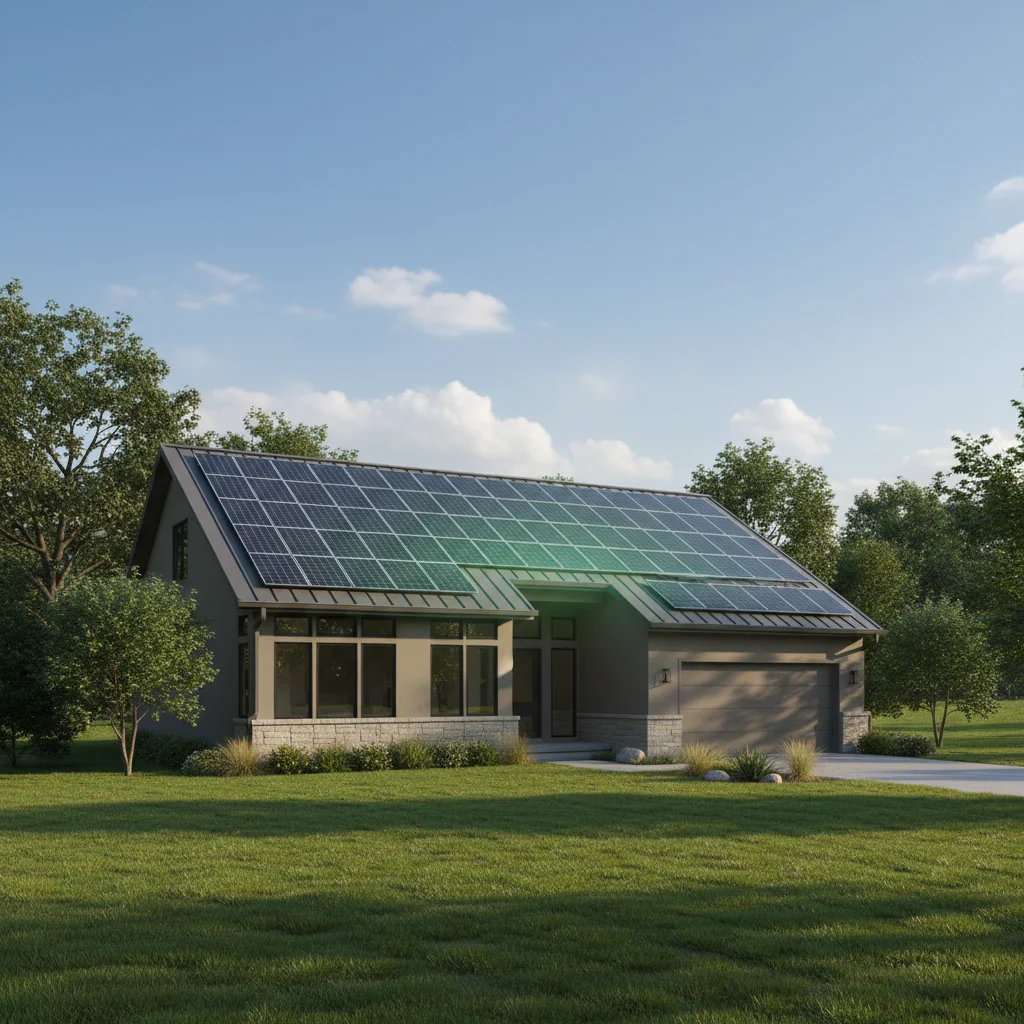
In an era defined by growing environmental concerns and an urgent call for sustainable practices, the spotlight increasingly turns to renewable energy sources. Among these, residential solar power stands out as a powerful, accessible, and increasingly affordable solution. The environmental impact of residential solar is profound, offering a tangible path toward significantly reducing our collective carbon footprint. This article explores the transformative potential of residential solar, with a particular focus on its capacity to contribute to a remarkable 25% reduction in carbon emissions by 2026.
The global energy landscape is undergoing a monumental shift. Traditional fossil fuels, long the backbone of our energy infrastructure, are not only finite but also major contributors to greenhouse gas emissions, climate change, and air pollution. The transition to clean, renewable energy is no longer a distant ideal but an immediate necessity. Residential solar, by empowering individual homeowners to generate their own electricity from the sun, plays a critical role in this transition.
Understanding the full scope of the residential solar impact requires delving into various facets: the technology itself, its direct environmental benefits, the economic advantages for homeowners, and the broader societal implications. We will examine how this technology works, the quantifiable reductions in carbon emissions it facilitates, and the policy and market trends that are accelerating its adoption. Our journey will culminate in a vision for 2026, where residential solar is not just an alternative, but a cornerstone of a sustainable future.
The Mechanics of Residential Solar: Harnessing the Sun’s Power
At its core, residential solar power involves converting sunlight into electricity using photovoltaic (PV) panels. These panels, typically installed on rooftops or ground-mounted arrays, are composed of multiple solar cells. Each solar cell contains semiconductor materials, usually silicon, which absorb photons from sunlight. When photons strike the silicon atoms, they knock electrons loose, creating an electric current. This process is known as the photovoltaic effect.
The direct current (DC) electricity generated by the solar panels is then fed into an inverter. The inverter’s crucial role is to convert this DC electricity into alternating current (AC) electricity, which is the type of electricity used by household appliances and fed into the national grid. From the inverter, the AC electricity flows into the home’s electrical panel, powering lights, appliances, and other electronic devices.
Any excess electricity not immediately consumed by the household can be sent back to the utility grid. Through a process called net metering, homeowners can receive credits for the surplus energy they contribute to the grid, effectively reducing their electricity bills. In some cases, with battery storage systems, homeowners can store excess energy for use during the night or during power outages, further enhancing their energy independence and the overall residential solar impact.
The efficiency of solar panels has steadily improved over the years, and ongoing research continues to push the boundaries of what’s possible. Modern panels are more robust, aesthetically pleasing, and capable of generating more electricity per square foot than ever before. This technological advancement, coupled with decreasing manufacturing costs, has made residential solar an increasingly attractive option for millions of homeowners worldwide.
Quantifying the Carbon Footprint Reduction: A Path to 25% by 2026
The most compelling argument for residential solar is its profound environmental benefit, specifically its ability to reduce greenhouse gas emissions. Every kilowatt-hour (kWh) of electricity generated by solar panels displaces electricity that would otherwise be produced by fossil fuel power plants. This direct substitution leads to a significant reduction in carbon dioxide (CO2) and other harmful pollutants released into the atmosphere.
To understand the potential for a 25% carbon footprint reduction by 2026, we need to consider several factors. First, the average residential electricity consumption in many developed countries is substantial. By offsetting a significant portion, or even all, of this consumption with solar power, homeowners directly eliminate their contribution to grid-related emissions. For example, a typical 6-kW residential solar system can offset approximately 6 to 8 tons of CO2 emissions annually, equivalent to planting hundreds of trees each year.
Second, the rapid growth in solar adoption rates is a key driver. Projections indicate a continued upward trend in residential solar installations. As more homes go solar, the collective impact amplifies. Government incentives, such as tax credits and rebates, alongside decreasing installation costs, make solar an increasingly accessible option for a broader demographic. This widespread adoption is crucial for achieving ambitious carbon reduction targets.
Third, the decarbonization of the broader energy grid also plays a role. As more large-scale solar and wind farms come online, and as battery storage technologies improve, the overall carbon intensity of electricity generation decreases. Residential solar complements these efforts by decentralizing energy production and reducing the strain on centralized, often fossil-fuel-dependent, power plants. The combined effect of individual residential solar installations and utility-scale renewable projects creates a powerful synergy for emissions reduction.
Fourth, advancements in energy efficiency within homes, often coupled with solar installations, further reduce overall energy demand. When homeowners invest in solar, they often become more conscious of their energy consumption, leading to additional energy-saving measures. This holistic approach to energy management maximizes the positive residential solar impact on the environment.
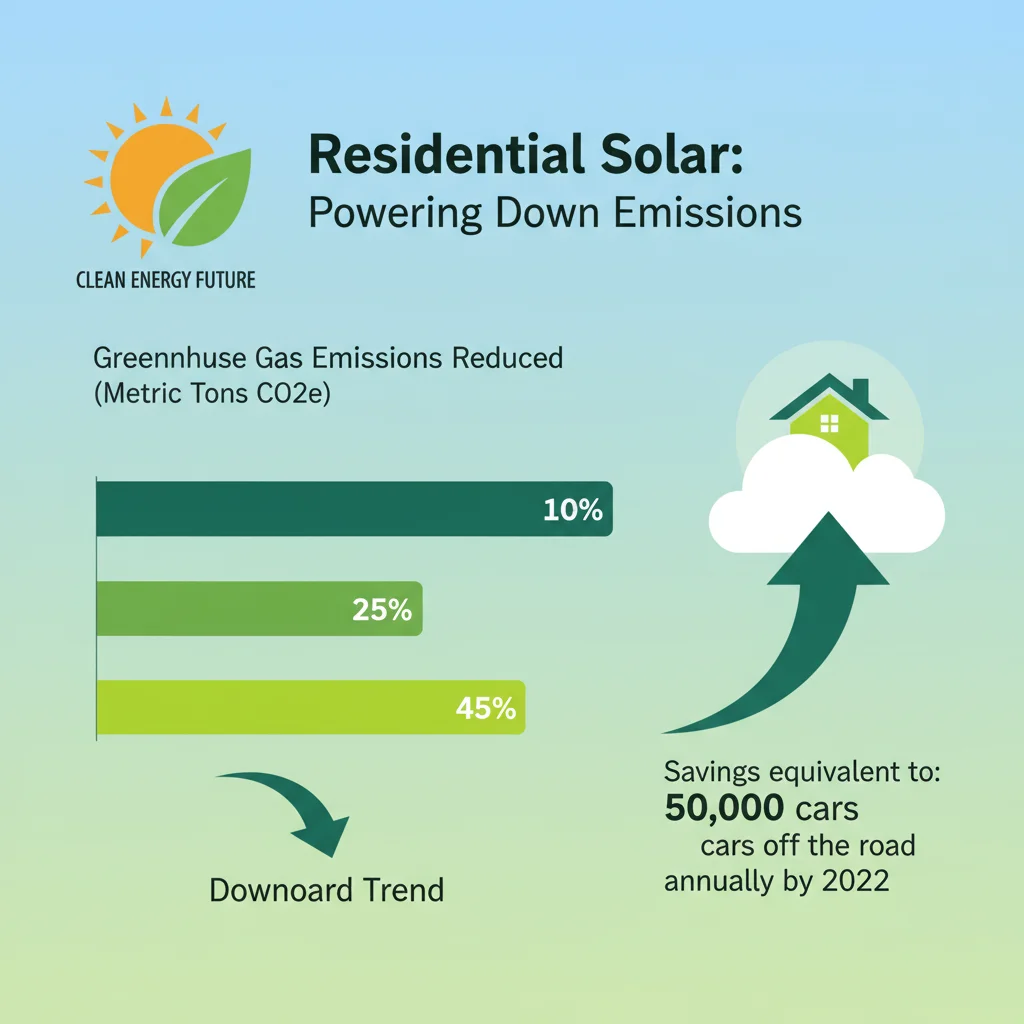
Reaching a 25% reduction in carbon footprint by 2026 is an ambitious yet achievable goal. It requires sustained growth in solar installations, supportive policy frameworks, continued technological innovation, and increased public awareness and participation. The cumulative effect of millions of homes generating clean energy will create a ripple effect, transforming our energy landscape for the better.
Beyond Carbon: Broader Environmental Benefits of Residential Solar
While carbon footprint reduction is a primary benefit, the environmental advantages of residential solar extend far beyond just CO2. Solar power contributes to a healthier planet in numerous other ways:
- Reduced Air Pollution: Fossil fuel combustion releases harmful pollutants like sulfur dioxide, nitrogen oxides, and particulate matter, which contribute to smog, acid rain, and respiratory illnesses. Solar energy produces no such emissions during operation, leading to cleaner air and improved public health.
- Decreased Water Usage: Traditional power plants, especially thermal ones, require vast amounts of water for cooling. Solar PV systems, particularly residential ones, use very little to no water during operation, conserving a precious resource.
- Lower Landfill Waste: While solar panels do have a lifespan, the industry is increasingly focusing on recycling and responsible disposal. Compared to the continuous waste generated by coal mining and ash disposal, solar’s long-term environmental footprint is significantly smaller.
- Protection of Ecosystems: The extraction and transportation of fossil fuels often lead to habitat destruction, oil spills, and other ecological damage. Solar power, especially residential installations on existing rooftops, minimizes the need for new land development, preserving natural habitats.
- Noise Reduction: Unlike noisy power plants or generators, solar panels operate silently, contributing to quieter neighborhoods and a more peaceful environment.
These multifaceted benefits underscore the holistic positive residential solar impact on the environment, making it a cornerstone of sustainable living.
Economic Incentives and Accessibility: Fueling Solar Adoption
The environmental case for residential solar is strong, but its widespread adoption is also driven by compelling economic factors. For many homeowners, the decision to go solar is not just about environmental stewardship but also about financial savings and energy independence.
Reduced Electricity Bills
The most immediate economic benefit is the reduction, and often elimination, of monthly electricity bills. By generating their own power, homeowners become less reliant on utility companies and are insulated from rising electricity rates. Over the lifespan of a solar system (typically 25-30 years), these savings can amount to tens of thousands of dollars.
Increased Home Value
Studies consistently show that homes with solar panel installations sell faster and at a higher price than comparable homes without solar. Buyers are increasingly recognizing the long-term savings and environmental benefits of solar, making it a desirable feature. This increased home value is a significant asset for homeowners.
Government Incentives and Rebates
A variety of government incentives, both federal and state, make solar more affordable. The federal solar investment tax credit (ITC) allows homeowners to deduct a significant percentage of the cost of installing a solar energy system from their federal taxes. Many states and local municipalities also offer additional rebates, property tax exemptions, and performance-based incentives (PBIs) that further reduce the upfront cost and increase the return on investment. These incentives are critical in driving the residential solar impact forward.
Net Metering Policies
Net metering policies, where available, allow homeowners to send excess electricity generated by their solar panels back to the grid in exchange for credits on their utility bill. This effectively turns the grid into a large battery, providing a financial incentive for generating more power than immediately consumed. The availability and structure of net metering programs can significantly influence the economic viability of residential solar in different regions.
Lowering Installation Costs
The cost of solar panel installation has dropped dramatically over the past decade, making it more accessible to a wider range of income levels. Economies of scale, technological advancements, and increased competition among installers have all contributed to this downward trend. This affordability is a key factor in accelerating the residential solar impact.
Challenges and Solutions in Scaling Residential Solar
Despite the undeniable benefits, scaling residential solar to achieve a 25% carbon footprint reduction by 2026 comes with its own set of challenges. Addressing these effectively is crucial for maximizing the residential solar impact.
Upfront Costs
While costs have decreased, the initial investment for a solar system can still be substantial for some homeowners. Solutions include:
- Financing Options: Loans, leases, and Power Purchase Agreements (PPAs) allow homeowners to go solar with little to no upfront cost, paying for the electricity produced rather than the system itself.
- Community Solar Programs: For those who cannot install panels on their own roof (e.g., renters, shaded roofs), community solar allows them to subscribe to a share of a larger, off-site solar project and receive credits on their electricity bill.
Grid Integration and Modernization
As more solar power comes online, managing the grid becomes more complex. Solar energy is intermittent, meaning its output varies with sunlight availability. Solutions include:
- Smart Grid Technologies: Advanced metering infrastructure, demand response programs, and sophisticated grid management systems can help balance supply and demand.
- Battery Storage: Residential battery storage systems store excess solar energy for use when the sun isn’t shining, reducing reliance on the grid and improving energy resilience.
Policy and Regulatory Hurdles
Inconsistent or unfavorable policies, such as changes to net metering rules or complex permitting processes, can hinder solar adoption. Solutions include:
- Standardized Permitting: Streamlining and standardizing the permitting process across different jurisdictions can reduce costs and installation times.
- Stable Policy Frameworks: Long-term, predictable policies and incentives provide certainty for both consumers and solar businesses, encouraging investment and growth.
Public Awareness and Education
Many homeowners are still unaware of the benefits of solar or are intimidated by the perceived complexity. Solutions include:
- Educational Campaigns: Targeted campaigns can inform homeowners about the environmental, economic, and practical aspects of going solar.
- Trusted Resources: Providing accessible and unbiased information from reputable sources can help demystify the process and build confidence.
Overcoming these challenges requires a concerted effort from policymakers, industry stakeholders, and individual homeowners. By proactively addressing these issues, we can accelerate the growth of residential solar and maximize its positive residential solar impact.
The Role of Technology and Innovation in Future Solar Development
The solar industry is a hotbed of innovation, with continuous advancements pushing the boundaries of efficiency, aesthetics, and functionality. These technological leaps are critical for achieving our ambitious carbon reduction goals and enhancing the residential solar impact.
Improved Panel Efficiency
Researchers are constantly developing new materials and manufacturing techniques to increase the efficiency of solar cells, meaning more electricity can be generated from a smaller surface area. This is particularly important for residential applications where roof space may be limited.
Integrated Solar Solutions
Beyond traditional rooftop panels, integrated solar solutions are gaining traction. These include solar shingles and tiles that blend seamlessly with existing roofing materials, offering an aesthetically pleasing option for homeowners who prefer a less conspicuous look. Solar windows and building-integrated photovoltaics (BIPV) are also emerging, allowing entire building facades to generate electricity.
Advanced Battery Storage
Battery technology is rapidly evolving, with improvements in energy density, lifespan, and cost. Residential battery storage systems are becoming more common, enabling homeowners to store excess solar energy for use during peak demand hours or at night, thereby increasing self-sufficiency and grid independence. This integration of storage further amplifies the residential solar impact.
Smart Home Integration
Solar systems are increasingly integrated with smart home technologies. This allows homeowners to monitor their energy production and consumption in real-time, optimize appliance usage, and even control battery charging and discharging to maximize savings and efficiency. Artificial intelligence and machine learning are being used to predict energy needs and solar output, leading to more intelligent energy management.
Recycling and Sustainability
The industry is also focusing on the end-of-life management of solar panels. New recycling technologies are being developed to recover valuable materials from decommissioned panels, reducing waste and ensuring the long-term sustainability of solar energy. This commitment to a circular economy further strengthens the environmental credentials of solar power.
These innovations not only make solar power more effective and efficient but also more attractive and accessible to a broader audience, paving the way for an even greater residential solar impact in the years to come.
The Future is Bright: Envisioning 2026 and Beyond
As we look towards 2026, the trajectory for residential solar is one of continued growth and increasing dominance in the energy sector. The goal of achieving a 25% reduction in carbon footprint by leveraging residential solar is not merely aspirational; it is becoming a tangible reality through concerted efforts and accelerating trends.
By 2026, we can expect to see a significant increase in the number of solar-powered homes. This expansion will be fueled by a combination of factors: continued decreases in installation costs, more robust and streamlined government incentives, and a heightened public awareness of climate change and the individual’s role in addressing it. The ‘early adopter’ phase for residential solar is largely over; we are now entering a period of mainstream adoption, where solar becomes a standard feature for new constructions and a common upgrade for existing homes.
The integration of solar with other sustainable technologies will also deepen. Electric vehicle (EV) charging at home, powered by rooftop solar, will become a standard practice, creating a truly zero-emission transportation and energy ecosystem. Smart home energy management systems will become more sophisticated, allowing seamless optimization of solar generation, battery storage, and appliance usage to maximize efficiency and minimize reliance on the grid.
Furthermore, the concept of energy resilience will grow in importance. With more frequent extreme weather events, the ability for homes to generate and store their own power will be a highly valued asset. Residential solar, coupled with battery storage, will provide critical backup power, ensuring continuity during grid outages and enhancing the security of our energy supply. This resilience is a significant aspect of the long-term residential solar impact.
The collective action of millions of homeowners choosing solar will have a profound macroeconomic effect. It will reduce the demand for fossil fuels, stabilize energy markets, and create a robust green economy with new jobs in manufacturing, installation, and maintenance. This shift will contribute not only to environmental health but also to economic prosperity and energy security.
The journey to a sustainable future is a marathon, not a sprint, but residential solar provides a powerful and immediate means to make significant strides. The 25% carbon footprint reduction by 2026 is an ambitious yet achievable benchmark that highlights the critical role individual homeowners play in the global effort against climate change. By embracing residential solar, we are not just installing panels; we are investing in a cleaner, healthier, and more sustainable world for ourselves and for future generations. The residential solar impact is undeniable, transformative, and essential for our planet’s well-being.
Conclusion: Empowering a Sustainable Future with Residential Solar
The environmental impact of residential solar is undeniably one of the most promising avenues for combating climate change and fostering a sustainable future. From directly reducing carbon emissions and alleviating air and water pollution to enhancing energy independence and increasing home values, the benefits are extensive and far-reaching. The ambitious target of a 25% reduction in carbon footprint by 2026, driven significantly by the adoption of residential solar, is a testament to the power of decentralized, clean energy generation.
The technological advancements in solar panel efficiency, integrated solutions, and advanced battery storage continue to make solar more effective, affordable, and aesthetically pleasing. While challenges such as upfront costs and grid integration exist, innovative financing options, community solar initiatives, and smart grid technologies are providing viable solutions. Policy support and public education remain crucial levers for accelerating the transition to a solar-powered future.
Every homeowner who chooses to install solar panels contributes to a larger movement, collectively shifting our energy paradigm away from fossil fuels towards a cleaner, renewable alternative. This individual action, multiplied across millions of households, creates a powerful wave of positive change. The residential solar impact is not just about kilowatts and carbon tons; it’s about building resilient communities, fostering economic growth, and leaving a healthier planet for generations to come. The sun offers an inexhaustible source of clean energy, and by harnessing it at the residential level, we are actively shaping a brighter, more sustainable tomorrow.