Sustainable Transportation: 4 Eco-Conscious Choices for U.S. Commuters in 2026
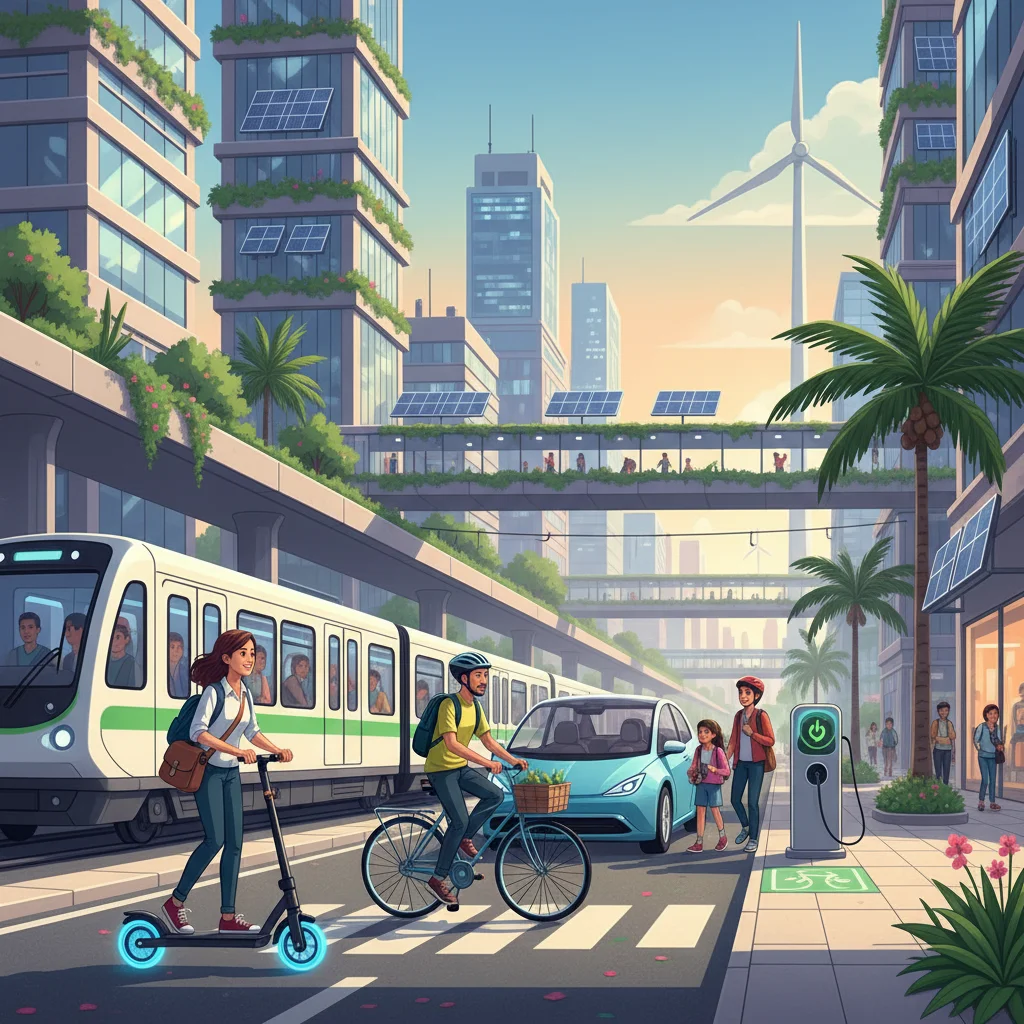
As we advance into 2026, the urgency to adopt more sustainable practices in every aspect of our lives has never been greater. For millions of U.S. commuters, the daily journey to work presents a significant opportunity to make a positive impact on the environment. The choices we make about how we travel directly affect our carbon footprint, air quality, and even our personal well-being. This comprehensive guide explores four leading eco-conscious commuter choices that are not only viable but increasingly popular for those looking to reduce their environmental impact and embrace a greener lifestyle.
The landscape of transportation is rapidly evolving, driven by technological advancements, shifting consumer preferences, and a growing collective awareness of climate change. From innovative electric vehicles to revitalized public transit systems and the timeless benefits of active commuting, there are more options than ever before for individuals to choose a path that aligns with their environmental values. This article will delve into the specifics of each option, providing insights into their benefits, challenges, and how they contribute to a more sustainable future for urban and suburban areas across the United States. Understanding these choices is the first step towards becoming a more responsible and eco-conscious commuter.
The Growing Need for Eco-Conscious Commuter Choices
The daily commute, often a mundane part of our routine, carries a heavy environmental burden. Traditional gasoline-powered vehicles are major contributors to greenhouse gas emissions, urban air pollution, and reliance on fossil fuels. These impacts extend beyond environmental degradation, affecting public health, urban planning, and economic stability. As cities grow and populations expand, the challenges posed by conventional commuting methods become more pronounced, necessitating a fundamental shift towards sustainable alternatives.
In response to these challenges, governments, industries, and communities are investing heavily in infrastructure and technologies that support sustainable transportation. Policy initiatives, tax incentives, and public awareness campaigns are all playing a crucial role in encouraging individuals to rethink their travel habits. The goal is to create a transportation ecosystem that is not only efficient and accessible but also environmentally responsible. This shift is not just about reducing emissions; it’s about building healthier communities, fostering economic resilience, and creating a more livable planet for future generations. Embracing eco-conscious commuter choices is therefore not merely a personal preference but a societal imperative.
The benefits of transitioning to sustainable commuting are multifaceted. For individuals, it can mean significant savings on fuel and maintenance costs, improved physical health through active travel, and a reduction in stress associated with traffic congestion. For communities, it translates to cleaner air, reduced noise pollution, and more vibrant public spaces. Globally, it contributes to the overarching effort to combat climate change and preserve natural resources. The momentum towards sustainable transportation is undeniable, and 2026 marks a pivotal year for many U.S. commuters to join this transformative movement.
1. Electric Vehicles (EVs): The Silent Revolution on Wheels
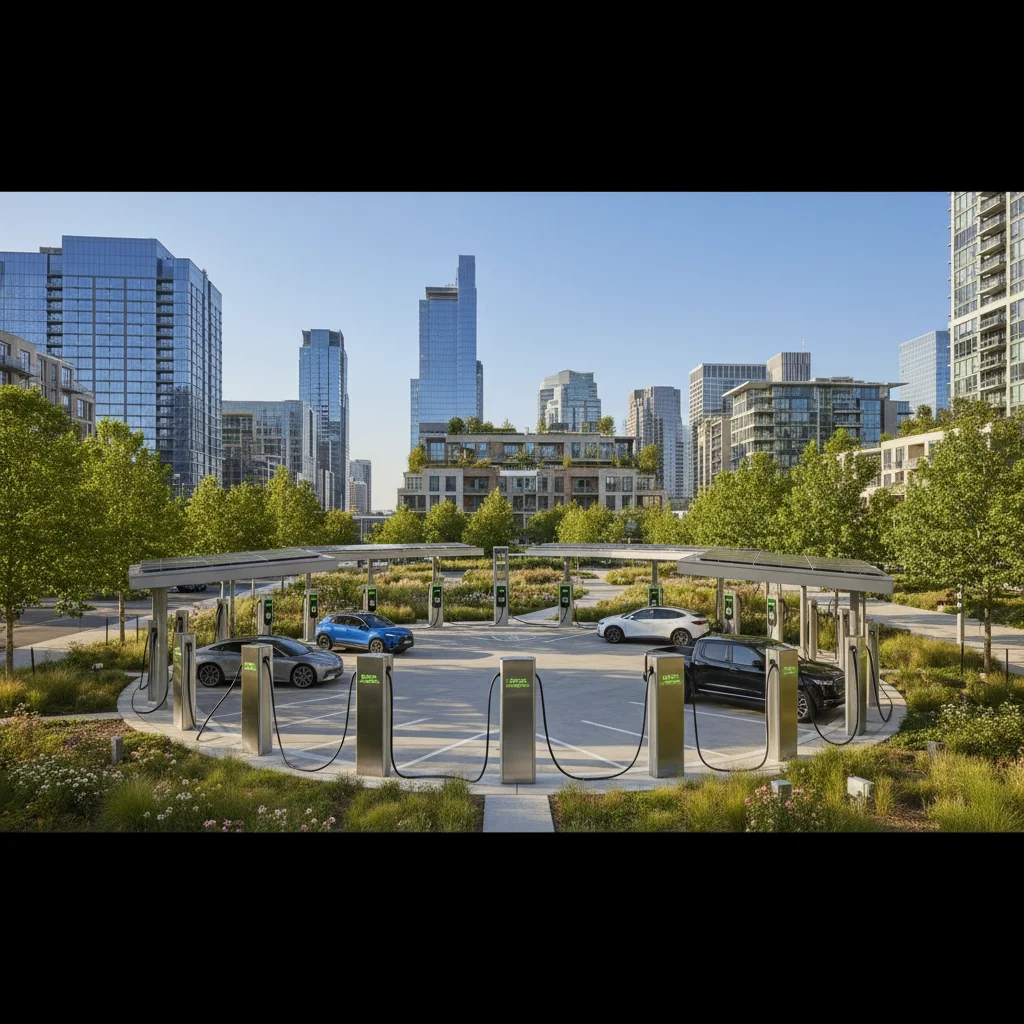
Electric Vehicles (EVs) have moved from a niche market to a mainstream contender in the automotive industry, representing one of the most significant eco-conscious commuter choices available today. The technology behind EVs has matured considerably, offering longer ranges, faster charging times, and a wider variety of models, from compact sedans to powerful SUVs and even electric trucks. For U.S. commuters, EVs offer a compelling alternative to internal combustion engine (ICE) vehicles, promising a future free from tailpipe emissions and reduced dependence on gasoline.
Advantages of Electric Vehicles for Commuters:
- Zero Tailpipe Emissions: This is the most significant environmental benefit. EVs produce no direct emissions, contributing to cleaner air in urban areas and reducing greenhouse gases.
- Lower Running Costs: Electricity is generally cheaper per mile than gasoline, leading to substantial savings on fuel costs. Additionally, EVs often require less maintenance due to fewer moving parts.
- Government Incentives: Federal tax credits, state rebates, and local incentives can significantly reduce the upfront cost of purchasing an EV, making them more accessible.
- Quieter Operation: EVs run silently, contributing to reduced noise pollution in residential areas and a more peaceful driving experience.
- Enhanced Performance: Electric motors deliver instant torque, providing quick acceleration and a responsive driving experience that many find enjoyable.
Challenges and Considerations:
- Charging Infrastructure: While rapidly expanding, the availability of charging stations, especially fast chargers, can still be a concern in some regions. Home charging solutions are becoming more common, but public access remains key.
- Upfront Cost: Despite incentives, the initial purchase price of an EV can still be higher than comparable ICE vehicles. However, the total cost of ownership often evens out over time due to lower running and maintenance costs.
- Range Anxiety: Although EV ranges are improving, some commuters may still worry about running out of charge on longer journeys. Planning routes and understanding charging options can mitigate this.
- Battery Production and Disposal: The environmental impact of battery manufacturing and disposal is a valid concern. However, significant research and development are focused on more sustainable battery production, recycling, and second-life applications.
The growth of the EV market is supported by continuous innovation in battery technology, the expansion of charging networks, and increasing consumer demand for sustainable options. For commuters in 2026, an EV represents not just a mode of transport but a statement of commitment to a greener future. With advancements in vehicle-to-grid (V2G) technology and renewable energy integration, the environmental benefits of EVs are only set to grow.
2. Public Transportation: A Collective Step Towards Sustainability
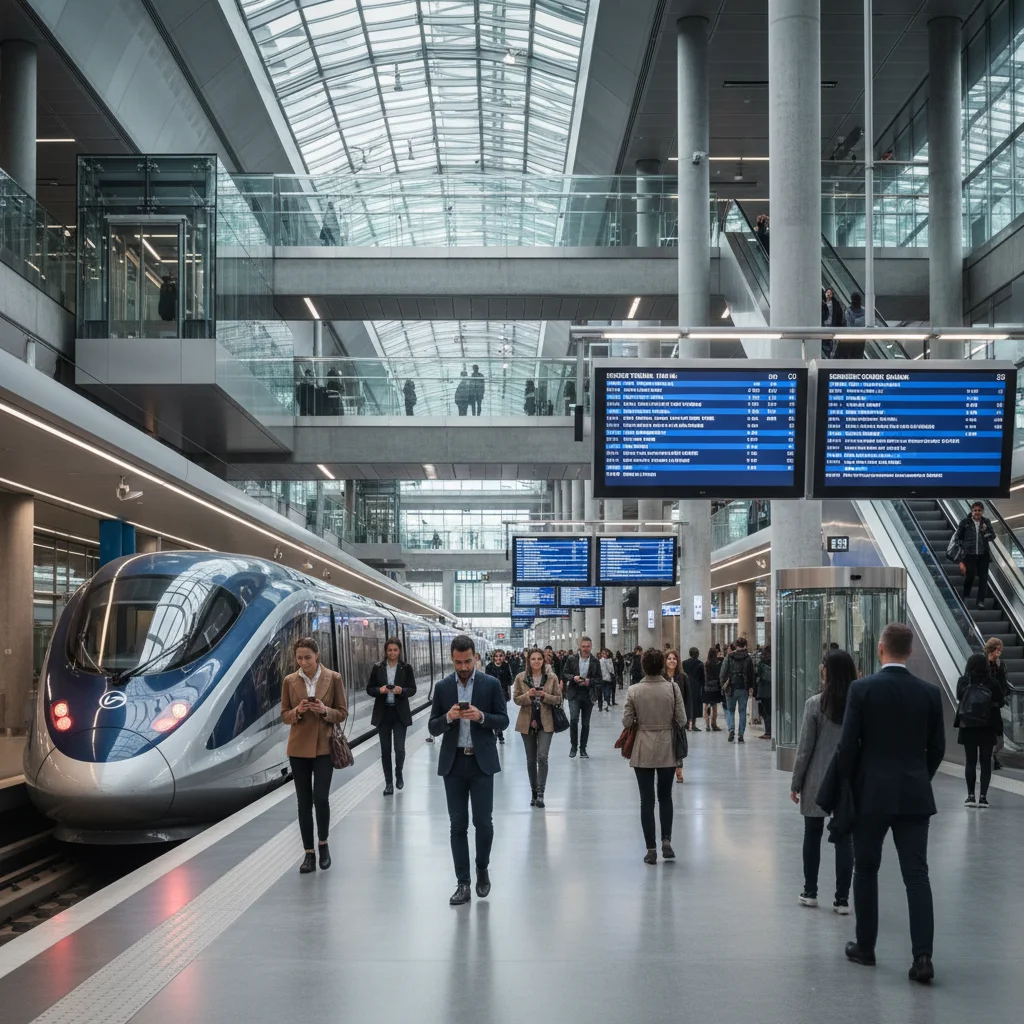
Public transportation, encompassing buses, trains, subways, and light rail systems, stands as a cornerstone of sustainable urban mobility and a prime example of eco-conscious commuter choices. By moving large numbers of people efficiently, public transit significantly reduces the number of individual vehicles on the road, thereby alleviating traffic congestion, lowering overall emissions, and conserving fuel. In 2026, many U.S. cities are continuing to invest in upgrading and expanding their public transit networks, making them more appealing and accessible to a wider range of commuters.
Benefits of Utilizing Public Transportation:
- Reduced Carbon Footprint: A single bus or train can replace dozens of cars, drastically lowering per-passenger emissions. Many transit agencies are also transitioning to electric buses and renewable energy sources for their operations.
- Cost Savings: Commuters can save substantially on gasoline, vehicle maintenance, parking fees, and insurance by relying on public transit. Monthly passes often offer excellent value.
- Reduced Stress and Increased Productivity: Commuting on public transit allows individuals to relax, read, work, or engage in other activities instead of battling traffic.
- Community Building and Equity: Public transportation provides essential access to jobs, education, and services for all segments of the population, fostering social equity and community cohesion.
- Less Traffic Congestion: Fewer cars on the road mean smoother traffic flow for everyone, including those who still need to drive.
Challenges and Opportunities for Improvement:
- Coverage and Frequency: The effectiveness of public transit varies widely by region. Suburban and rural areas often lack comprehensive service, and even in urban centers, off-peak frequency can be an issue.
- First-Mile/Last-Mile Problem: Getting to and from transit stops can be a barrier for some. Integration with micro-mobility options (bikes, scooters) and ride-sharing services is addressing this.
- Perception and Comfort: Some commuters may perceive public transit as less convenient or comfortable than driving. Investments in modern vehicles, clean stations, and real-time information systems are crucial for improving the user experience.
- Funding and Investment: Sustained government funding is essential for maintaining, upgrading, and expanding public transit infrastructure to meet growing demand and environmental goals.
For cities like New York, Chicago, San Francisco, and Washington D.C., robust public transit systems are already a lifeline for millions. In 2026, more cities are looking to emulate these successes, integrating smart technologies for real-time tracking, contactless payments, and personalized journey planning. Embracing public transit is not just an individual choice; it’s a collective effort that strengthens urban infrastructure and significantly contributes to sustainable development, making it a powerful eco-conscious commuter choice.
3. Active Commuting: Health, Wealth, and Green Travel
Active commuting, primarily walking and cycling, represents the purest form of eco-conscious commuter choices. It involves using human power to get to and from work, offering unparalleled environmental, health, and economic benefits. As urban planning increasingly prioritizes pedestrian and cyclist infrastructure, active commuting is becoming a more feasible and attractive option for a growing number of U.S. commuters in 2026.
The Multifaceted Benefits of Active Commuting:
- Zero Emissions: Walking and cycling produce absolutely no emissions, making them the most environmentally friendly modes of transportation.
- Improved Physical Health: Regular physical activity is vital for health. Active commuting incorporates exercise into the daily routine, reducing the risk of chronic diseases, improving cardiovascular health, and boosting mental well-being.
- Cost-Free Travel: Aside from the initial cost of a bicycle (if applicable) and maintenance, active commuting is virtually free, leading to significant savings compared to driving or even public transit.
- Reduced Traffic Congestion: Every person who walks or cycles is one less car on the road, contributing to smoother traffic flow and less pressure on parking infrastructure.
- Enhanced Mental Well-being: Spending time outdoors and engaging in physical activity can reduce stress, improve mood, and provide a sense of connection to one’s surroundings.
- Urban Revitalization: Cities that invest in walking and cycling infrastructure often see increased vibrancy in their commercial districts, improved public safety, and a stronger sense of community.
Overcoming Barriers to Active Commuting:
- Infrastructure Gaps: The biggest hurdle is often the lack of safe and connected pedestrian and cycling paths. Cities are addressing this by building dedicated bike lanes, multi-use trails, and pedestrian-friendly zones.
- Distance and Time: Active commuting is most practical for shorter distances. However, electric bikes (e-bikes) are extending the feasible range for cyclists, making longer commutes more manageable.
- Weather Conditions: Inclement weather can deter active commuters. Appropriate gear and alternative plans are often necessary.
- Safety Concerns: Perceived or actual dangers from vehicle traffic can be a deterrent. Continued investment in segregated infrastructure and motorist education is crucial.
- Workplace Facilities: Access to secure bike storage, showers, and changing rooms at the workplace can significantly encourage active commuting.
The rise of e-bikes has been a game-changer for active commuting, especially in hilly areas or for those with longer distances. They provide assistance, making cycling accessible to a broader demographic and extending the practical range of a bike commute. Many cities are also implementing bike-sharing programs, further lowering the barrier to entry. For U.S. commuters in 2026, embracing active commuting is not just an environmental choice but a holistic lifestyle decision that benefits personal health, finances, and the planet.
4. Carpooling and Ride-Sharing: Sharing the Journey, Sharing the Impact
Carpooling and organized ride-sharing services represent another effective category of eco-conscious commuter choices. By consolidating multiple commuters into a single vehicle, these methods significantly reduce the number of cars on the road, thereby cutting down on emissions, traffic congestion, and the demand for parking spaces. In 2026, advanced mobile applications and dedicated carpooling programs make it easier than ever for U.S. commuters to find and coordinate shared rides, fostering a more efficient and sustainable transportation network.
Advantages of Carpooling and Ride-Sharing:
- Reduced Emissions per Commuter: Sharing a ride means fewer vehicles are emitting pollutants, directly contributing to cleaner air and a smaller collective carbon footprint.
- Cost Savings: Commuters can split the costs of gasoline, tolls, and parking, leading to substantial financial savings. Some employers also offer incentives for carpoolers.
- Decreased Traffic Congestion: Fewer cars on the road mean less traffic, reducing travel times and the frustration associated with daily commutes.
- Reduced Parking Demand: Carpooling lessens the need for extensive parking infrastructure, freeing up valuable urban space for other uses.
- Social Benefits: Carpooling can foster social connections and reduce the isolation often associated with solo commuting.
- Access to HOV Lanes: In many areas, carpoolers can utilize High Occupancy Vehicle (HOV) lanes, providing faster travel times during peak hours.
Challenges and Facilitating Solutions:
- Flexibility and Scheduling: Coordinating schedules and routes among multiple people can be challenging. Modern ride-sharing apps offer dynamic matching and flexible scheduling options to address this.
- Privacy Concerns: Some individuals may have reservations about sharing their personal space or travel details with others. Dedicated carpooling platforms often include safety features and verified user profiles.
- Reliability: Ensuring all participants are punctual and reliable is key to a successful carpool. Clear communication and established expectations can help.
- Awareness and Adoption: Despite the benefits, many commuters are still unaware of or hesitant to try carpooling. Employer-sponsored programs and public awareness campaigns are crucial for increasing adoption.
The evolution of ride-sharing platforms, both commercial and community-based, has revolutionized the concept of carpooling. These apps leverage GPS technology and sophisticated algorithms to match riders and drivers efficiently, making it easier than ever to find a compatible shared ride. Employers are also playing a significant role by offering carpool matching services, preferred parking for carpoolers, and subsidies. For U.S. commuters in 2026, carpooling and ride-sharing offer a practical and social way to reduce environmental impact and improve the commuting experience, solidifying their position as essential eco-conscious commuter choices.
Integrating Multiple Eco-Conscious Commuter Choices for Maximum Impact
While each of the four options presented offers significant environmental advantages on its own, the greatest impact often comes from integrating multiple eco-conscious commuter choices into a personalized commuting strategy. This multimodal approach allows commuters to leverage the benefits of different transportation methods depending on their specific needs, distances, and daily schedules.
For instance, a commuter might drive an EV for longer trips or when carrying heavy loads, but opt for public transit for their daily work commute to avoid traffic and parking. On days with pleasant weather, they might choose to cycle to the nearest transit hub, combining active commuting with public transport. For occasional trips or when their primary vehicle is unavailable, they might utilize a carpooling app. This flexibility not only maximizes environmental benefits but also often leads to a more resilient, cost-effective, and enjoyable commuting experience.
Examples of Multimodal Integration:
- EV + Public Transit: Drive an EV to a park-and-ride station and complete the journey via train or bus.
- Cycling + Public Transit: Bike to a subway station, take the train, and then use a shared e-scooter for the ‘last mile’ to the office.
- Carpooling + Walking: Carpool with colleagues for the majority of the commute, then walk the final short distance from the drop-off point.
- EV + Micro-mobility: Drive an EV to a central location, then use a personal electric scooter or bike for short errands or meetings within the city.
Urban planners and transportation agencies are increasingly focusing on creating integrated mobility systems that support these multimodal strategies. This includes developing seamless payment systems across different modes, providing secure bike parking at transit stations, and integrating real-time information for all transportation options into single, user-friendly apps. The future of sustainable commuting in the U.S. is not about choosing one single method, but about intelligently combining several to create a personalized, efficient, and environmentally responsible travel plan.
The Future Landscape of Eco-Conscious Commuting in the U.S.
Looking beyond 2026, the trajectory for eco-conscious commuter choices in the U.S. is one of continued growth and innovation. The push for sustainability is not a fleeting trend but a fundamental shift driven by global environmental concerns, technological advancements, and evolving societal values. Several key trends are expected to shape the future of sustainable transportation:
- Autonomous Electric Vehicles: The integration of autonomous driving technology with electric propulsion promises even greater efficiency, safety, and accessibility, potentially revolutionizing ride-sharing and public transit models.
- Hyper-connected Mobility: Further integration of all transportation modes through smart city technologies, AI-powered routing, and personalized mobility-as-a-service (MaaS) platforms will make sustainable choices even more convenient.
- Renewable Energy Integration: As national grids become increasingly powered by renewable sources, the environmental benefits of EVs will multiply, reducing the lifecycle emissions associated with electricity generation.
- Micro-mobility Expansion: Electric scooters, e-bikes, and other personal mobility devices will continue to play a vital role in addressing first-mile/last-mile challenges, especially in urban environments.
- Behavioral Nudges and Incentives: Governments and employers will likely expand programs that reward sustainable commuting behaviors, from financial incentives to preferential access and gamification.
- Focus on Active Infrastructure: Continued investment in safe, extensive, and well-maintained infrastructure for walking and cycling will be paramount, further encouraging active commuting.
- Community-Led Initiatives: Grassroots efforts and local community programs will continue to drive adoption of sustainable practices, fostering a sense of collective responsibility.
The transition to a fully sustainable transportation system will not happen overnight, but the momentum is undeniable. Every commuter who chooses an eco-conscious commuter choice contributes to this larger movement, collectively building a future where daily travel is not just efficient but also in harmony with our planet. The decisions made by U.S. commuters in 2026 will lay crucial groundwork for the greener, healthier, and more connected cities of tomorrow.
Conclusion: Paving the Way for a Greener Commute
In conclusion, the options for U.S. commuters to make more eco-conscious commuter choices in 2026 are diverse, practical, and increasingly accessible. From the technological marvels of electric vehicles to the collective efficiency of public transportation, the personal benefits of active commuting, and the shared impact of carpooling, there are multiple pathways to reducing our environmental footprint. Each choice, whether adopted individually or in combination, contributes to a larger societal shift towards sustainability.
The journey towards a greener commute is a continuous one, fueled by innovation, policy support, and individual commitment. By understanding the benefits and addressing the challenges associated with each mode of sustainable transport, commuters can make informed decisions that align with their values and lifestyle. As we look ahead, the collective adoption of these eco-conscious practices will not only transform our daily routines but also play a critical role in building healthier communities, mitigating climate change, and ensuring a more sustainable future for generations to come. Make 2026 the year you embrace a greener way to travel and become a part of the sustainable transportation revolution.