Sustainable Living: 8 Daily Habits for a Greener 2026 in the U.S.
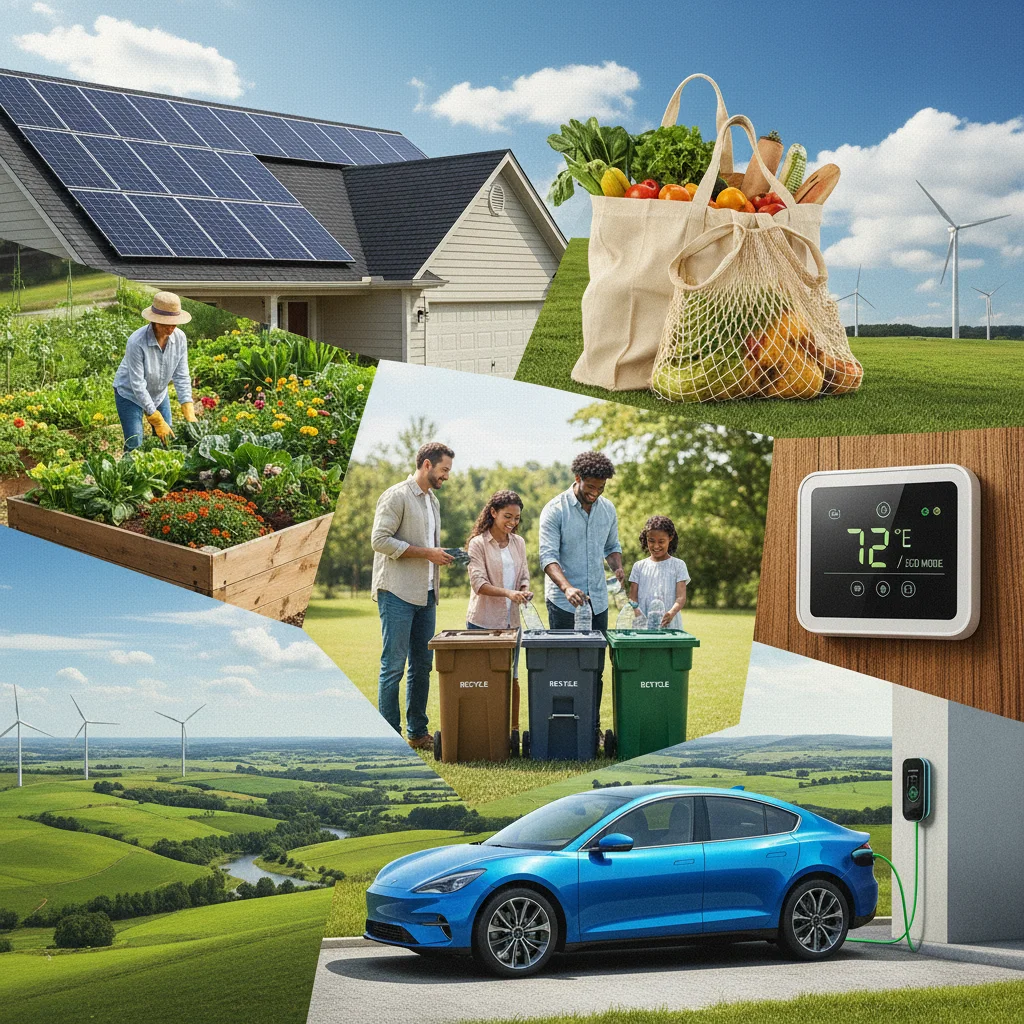
In an era defined by increasing environmental awareness and the urgent need for climate action, the concept of U.S. Sustainable Living has never been more critical. As we look towards 2026, the choices we make daily, from the food we eat to the energy we consume, collectively shape the future of our planet. This comprehensive guide delves into eight practical, impactful daily habits that every American can adopt to significantly reduce their carbon footprint and contribute to a more sustainable world.
The United States, with its vast resources and innovative spirit, holds immense potential for leading the charge in sustainable practices. However, it also has one of the largest per capita carbon footprints globally. This stark reality underscores the importance of individual action. While governmental policies and corporate responsibility play pivotal roles, the power of collective individual effort cannot be overstated. Each small step taken towards U.S. Sustainable Living contributes to a larger movement, fostering a culture of environmental stewardship and resilience.
This article aims to demystify sustainable living, transforming it from an abstract ideal into a tangible, achievable lifestyle. We’ll explore habits that are not only good for the planet but can also lead to personal benefits, such as cost savings, improved health, and a greater sense of connection to our communities and the natural world. By integrating these habits into our daily routines, we can become active participants in building a greener, healthier, and more equitable future for all.
Understanding Your Carbon Footprint: The Foundation of U.S. Sustainable Living
Before diving into specific habits, it’s essential to grasp the concept of a carbon footprint. Simply put, your carbon footprint is the total amount of greenhouse gases (including carbon dioxide, methane, and others) generated by your actions. Everything we do, from driving a car to charging our phones, has an associated carbon cost. Understanding this impact is the first step towards reducing it and embracing true U.S. Sustainable Living.
In the U.S., our carbon footprints are often higher due to consumption patterns, reliance on fossil fuels, and infrastructure. However, this also means there are significant opportunities for improvement. By becoming more aware of where our emissions come from, we can make informed decisions that lead to a substantial reduction in our environmental impact. This awareness empowers us to choose more eco-friendly alternatives and advocate for broader systemic changes.
Tools and calculators are readily available online to help you estimate your personal carbon footprint. These can be eye-opening, highlighting areas where you might be contributing more than you realize. Once you have a baseline, you can then strategically apply the habits discussed below to make meaningful reductions. Remember, the goal isn’t perfection, but continuous improvement and a conscious effort to live more harmoniously with our planet.
Habit 1: Embrace Mindful Consumption and Reduce Waste
One of the most impactful ways to practice U.S. Sustainable Living is by re-evaluating our consumption habits. The ‘reduce, reuse, recycle’ mantra is more relevant than ever, with ‘reduce’ being the most crucial. Before making a purchase, ask yourself: ‘Do I truly need this?’
Mindful consumption involves buying less, choosing durable products, and opting for items with minimal packaging. This not only conserves resources but also reduces the energy expended in manufacturing and transportation. Consider buying secondhand items, repairing what you own instead of replacing it, and borrowing or renting infrequently used goods. The rise of the sharing economy offers excellent opportunities to access items without contributing to overproduction.
Reducing waste extends beyond just buying less. It also encompasses food waste, which is a significant problem in the U.S. Plan your meals, store food properly, and compost food scraps. By minimizing what goes into landfills, you prevent the release of methane, a potent greenhouse gas. Adopting a ‘zero-waste’ mindset, even partially, can dramatically lower your environmental footprint and champion U.S. Sustainable Living principles.
Habit 2: Prioritize Plant-Based Meals and Local Produce
The food we eat has a profound impact on the environment. Animal agriculture is a major contributor to greenhouse gas emissions, deforestation, and water pollution. Shifting towards a more plant-based diet is one of the most effective ways individuals can reduce their carbon footprint.
This doesn’t necessarily mean becoming a strict vegan overnight, but rather incorporating more plant-rich meals into your weekly routine. Experiment with meatless Mondays, explore vegetarian recipes, and discover the vast array of delicious and nutritious plant-based options available. Even reducing meat consumption by a few meals a week can make a significant difference.
Furthermore, supporting local farmers and sourcing seasonal produce is another cornerstone of U.S. Sustainable Living. Locally grown food requires less transportation, reducing emissions, and often comes with less packaging. Visiting farmers’ markets not only provides fresh, healthy food but also strengthens local economies and fosters community connections. Understanding the journey of your food from farm to table empowers you to make more sustainable choices.
Habit 3: Optimize Energy Consumption at Home
Our homes are significant energy consumers, largely contributing to our carbon footprint. Implementing energy-saving practices is crucial for U.S. Sustainable Living. Start with simple changes: turn off lights when leaving a room, unplug electronics when not in use (phantom load), and use energy-efficient appliances.
Consider upgrading to LED lighting, which consumes significantly less energy and lasts longer than traditional incandescent bulbs. Optimize your heating and cooling systems by sealing drafts, insulating your home, and using smart thermostats to regulate temperatures efficiently. Even small adjustments, like lowering your thermostat by a few degrees in winter or raising it in summer, can lead to substantial energy savings and reduced emissions.
For those able, investing in renewable energy sources like solar panels is a powerful step towards energy independence and a zero-carbon lifestyle. Many states offer incentives and rebates for solar installations, making it a more accessible option. By actively managing and reducing home energy consumption, you contribute directly to a more sustainable energy grid and exemplify U.S. Sustainable Living.
Habit 4: Choose Sustainable Transportation Options
Transportation is another major source of greenhouse gas emissions in the U.S. Rethinking how we get around is vital for effective U.S. Sustainable Living. Whenever possible, opt for walking, cycling, or public transportation. These modes of transport produce zero emissions and offer numerous health benefits.
For longer distances, consider carpooling or using ride-sharing services to reduce the number of vehicles on the road. If driving is necessary, choose fuel-efficient vehicles, hybrids, or electric cars. The adoption of electric vehicles (EVs) is rapidly growing, and with increasing charging infrastructure, they represent a key component of future sustainable transportation. Planning your errands to combine multiple trips also helps reduce mileage and fuel consumption.
When planning travel, explore alternatives to flying, such as trains or buses, especially for shorter distances. If air travel is unavoidable, consider offsetting your carbon emissions through reputable programs. Every conscious decision about transportation contributes to a cleaner atmosphere and a more sustainable future for all Americans.

Habit 5: Conserve Water in All Aspects of Life
Water is a precious resource, and its conservation is a cornerstone of U.S. Sustainable Living. From our homes to our gardens, there are countless opportunities to reduce water usage. Simple changes can have a big impact: take shorter showers, turn off the tap while brushing your teeth or washing dishes, and fix leaky faucets promptly.
In the kitchen, run your dishwasher only when it’s full. In the laundry room, wash full loads and consider using cold water settings, which also saves energy. For outdoor water use, embrace xeriscaping or drought-tolerant landscaping, install rain barrels to collect rainwater for irrigation, and water your plants during cooler parts of the day to minimize evaporation.
Many household appliances now come with water-saving features. When purchasing new appliances, look for the EPA’s WaterSense label, indicating high efficiency. By being mindful of our water consumption, we not only conserve this vital resource but also reduce the energy required to treat and deliver it, further enhancing our commitment to U.S. Sustainable Living.
Habit 6: Support Sustainable Businesses and Ethical Products
Your purchasing power is a powerful tool for promoting U.S. Sustainable Living. By consciously choosing to support businesses that prioritize environmental responsibility and ethical practices, you send a clear message to the market. Look for companies that use sustainable materials, minimize waste, have transparent supply chains, and treat their employees fairly.
Research brands and products before you buy. Certifications like Fair Trade, USDA Organic, B Corp, and Energy Star can help you identify products and companies that meet specific sustainability standards. This extends to everything from clothing and personal care products to home goods and electronics. Opt for durable, high-quality items that will last, reducing the need for frequent replacements.
Beyond products, consider banking with financial institutions that invest in green initiatives, or choosing energy providers that offer renewable energy options. Every dollar you spend is a vote for the kind of world you want to live in. By aligning your spending with your values, you actively contribute to a more sustainable economy and reinforce the principles of U.S. Sustainable Living.
Habit 7: Advocate for Environmental Policies and Community Action
While individual actions are crucial, systemic change is often driven by policy and collective action. Being an advocate for environmental policies is a vital component of U.S. Sustainable Living. Stay informed about local, state, and national environmental issues, and make your voice heard.
Contact your elected officials to express your support for renewable energy initiatives, conservation efforts, and regulations that protect natural resources. Participate in local community clean-up drives, join environmental groups, or volunteer for organizations working on sustainability projects. Your involvement can inspire others and amplify the impact of individual efforts.
Educate yourself and others. Share information about sustainable practices with friends, family, and colleagues. Host discussions, organize workshops, or simply lead by example. By fostering a greater understanding of environmental challenges and solutions, you contribute to a more informed and engaged citizenry, driving widespread adoption of U.S. Sustainable Living practices.

Habit 8: Connect with Nature and Practice Outdoor Stewardship
Perhaps the most fundamental habit for fostering U.S. Sustainable Living is to regularly connect with nature. Spending time outdoors, whether in a local park, a national forest, or your own backyard, cultivates an appreciation for the natural world and reinforces the desire to protect it.
Engage in activities like hiking, gardening, birdwatching, or simply enjoying a quiet moment in a natural setting. This connection helps us understand the intricate balance of ecosystems and our place within them. It transforms abstract environmental concerns into personal, tangible experiences, motivating us to become better stewards of the earth.
Beyond personal enjoyment, practice outdoor stewardship. When you’re in nature, follow the ‘Leave No Trace’ principles: pack out everything you pack in, stay on marked trails, and respect wildlife. Consider planting native trees and plants in your garden, which support local biodiversity and require less water and maintenance. By actively engaging with and protecting our natural spaces, we deepen our commitment to U.S. Sustainable Living and inspire others to do the same.
Overcoming Challenges and Embracing Progress in U.S. Sustainable Living
Adopting these habits for U.S. Sustainable Living isn’t always easy. There can be challenges, such as the initial cost of sustainable products, the convenience of less eco-friendly options, or the sheer volume of information to process. However, the key is to approach sustainability as a journey, not a destination. Small, consistent steps lead to significant progress over time.
Start with one or two habits that resonate most with you and gradually incorporate others. Don’t be discouraged by occasional slip-ups; instead, focus on continuous improvement. Celebrate your successes, no matter how small, and remember that every effort counts. The collective impact of millions of Americans making these conscious choices will be monumental.
The landscape of U.S. Sustainable Living is constantly evolving, with new technologies, research, and best practices emerging regularly. Stay curious, keep learning, and adapt your habits as new information becomes available. Engage with online communities, read reputable environmental publications, and participate in local initiatives to stay informed and inspired.
Ultimately, U.S. Sustainable Living is about creating a lifestyle that respects the planet’s finite resources and ensures a healthy, thriving future for generations to come. It’s about recognizing our interconnectedness with nature and taking responsibility for our impact. By embracing these eight daily habits, you become a powerful agent of change, contributing to a more resilient, equitable, and sustainable United States.
The Future of U.S. Sustainable Living: A Collective Vision for 2026 and Beyond
As we navigate towards 2026 and beyond, the vision for U.S. Sustainable Living is one of widespread adoption, innovation, and unwavering commitment. Imagine communities powered by renewable energy, where waste is minimized, and local food systems flourish. Envision cities designed for walking and cycling, with abundant green spaces that support both human well-being and biodiversity.
This future is not a distant dream; it’s a tangible outcome of the daily choices we make today. The habits outlined in this article are more than just individual actions; they are building blocks for a larger societal transformation. When enough individuals embrace mindful consumption, sustainable transportation, energy efficiency, and water conservation, the ripple effect creates a powerful wave of change that can influence policy, industry, and culture.
The role of education in fostering U.S. Sustainable Living cannot be overstated. By teaching younger generations about environmental stewardship, resource management, and the importance of ecological balance, we are equipping them with the knowledge and values needed to continue this vital work. Schools, families, and communities all have a part to play in nurturing a deep respect for the planet.
Furthermore, technological advancements will continue to play a crucial role. Innovations in renewable energy storage, sustainable agriculture, waste-to-energy solutions, and eco-friendly manufacturing processes will make U.S. Sustainable Living even more accessible and efficient. Supporting research and development in these areas is an investment in our collective future.
The journey towards a truly sustainable United States is a collaborative one, requiring effort from individuals, businesses, governments, and non-profit organizations. Each person who commits to these daily habits contributes to a shared vision of a thriving planet. Your decision to adopt these practices is not just a personal choice; it’s a profound statement of hope and commitment to a better world.
Let 2026 be a landmark year where the principles of U.S. Sustainable Living are not just understood but actively practiced by a growing majority. By making these small, consistent changes, we collectively forge a path towards a future where environmental health and human prosperity are not mutually exclusive but deeply intertwined. Start today, and be a part of the solution.