Sustainable Landscaping: 5 Eco-Friendly Trends for U.S. Yards in 2026
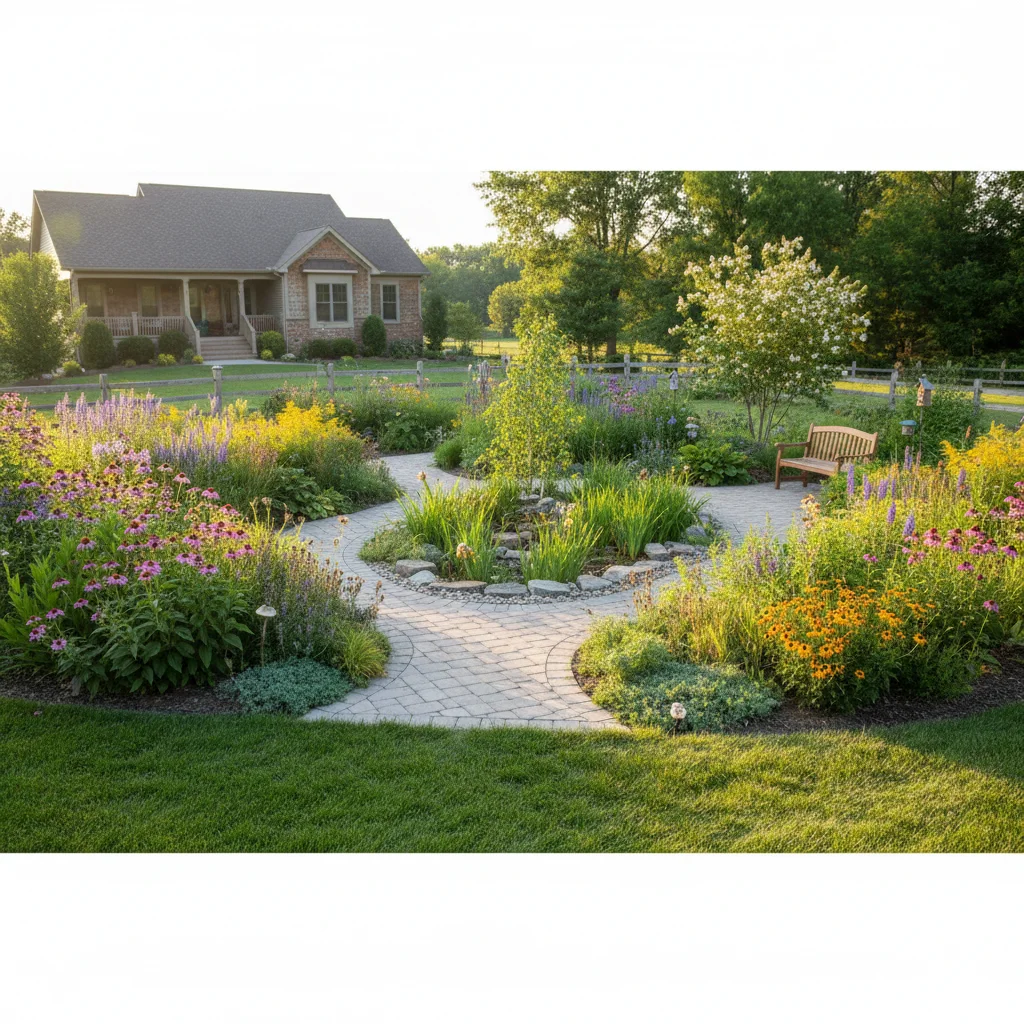
As we look towards 2026, the concept of the American yard is undergoing a profound transformation. Gone are the days when a perfectly manicured, water-guzzling lawn was the sole aspiration. Today, homeowners, designers, and environmental advocates alike are embracing a more conscious approach: sustainable landscaping. This shift isn’t just about aesthetics; it’s about creating outdoor spaces that work in harmony with nature, conserve resources, and contribute positively to our local ecosystems. The demand for Eco-Friendly Landscaping Trends is skyrocketing, driven by a growing awareness of climate change, water scarcity, and the critical need to support biodiversity.
Sustainable landscaping, at its core, is about designing, constructing, and maintaining landscapes in a way that minimizes environmental impact and maximizes ecological benefits. It involves a holistic approach that considers everything from plant selection and water management to soil health and material choices. The benefits are far-reaching: reduced water bills, less reliance on chemical fertilizers and pesticides, increased habitat for local wildlife, improved air and water quality, and ultimately, a more resilient and beautiful outdoor space.
The U.S. is a vast and diverse country, and while specific trends might vary regionally, the underlying principles of sustainability remain universal. From the arid Southwest to the humid Southeast, from the temperate Pacific Northwest to the snowy Northeast, the desire for greener, more responsible yards is a unifying force. In this comprehensive guide, we will delve into the top 5 Eco-Friendly Landscaping Trends that are poised to dominate U.S. yards in 2026, offering practical insights and actionable advice for homeowners eager to embrace this exciting future.
Understanding these trends is not just about keeping up with the latest fads; it’s about making informed choices that will benefit your property, your community, and the planet for years to come. Whether you’re planning a complete overhaul of your yard or looking to implement a few sustainable practices, this article will serve as your essential roadmap to creating a truly eco-friendly landscape.
Trend 1: The Resurgence of Native Plant Landscaping and Biodiversity Corridors
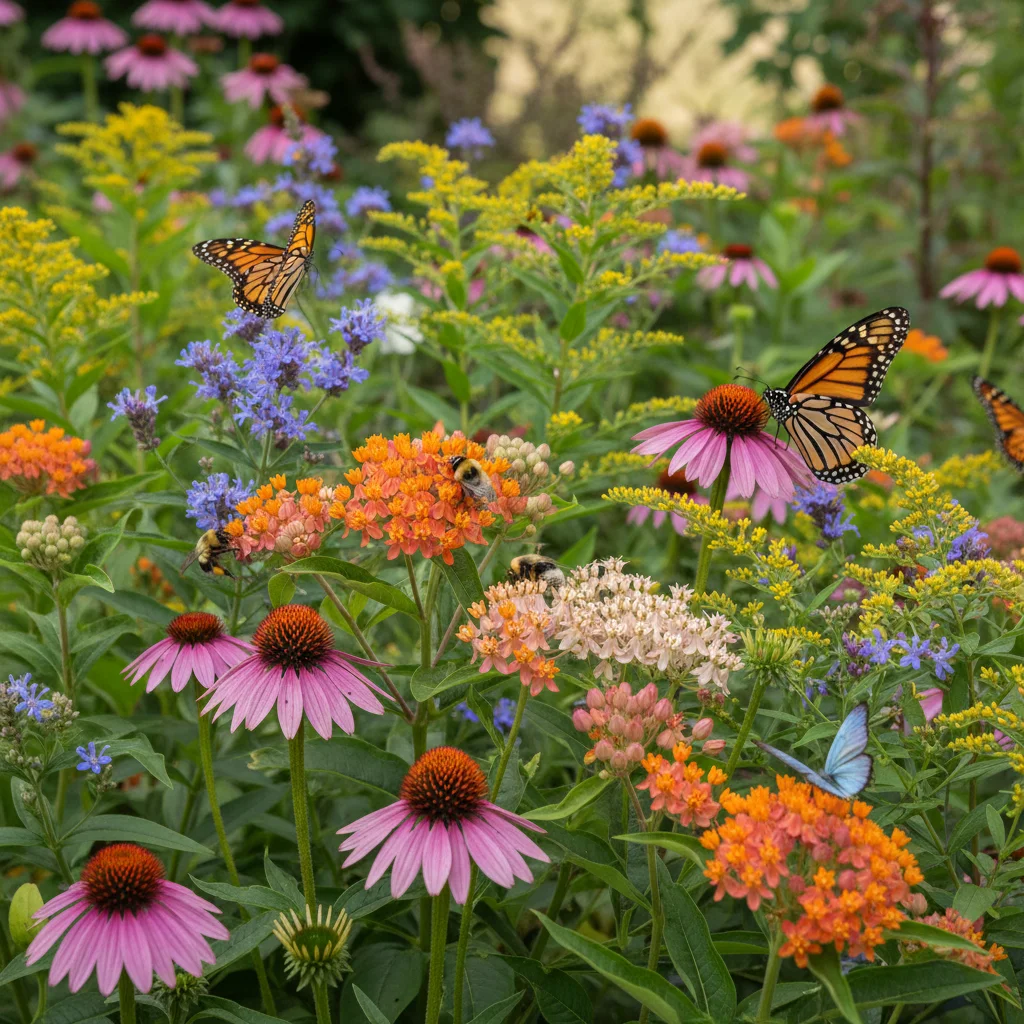
Perhaps the most impactful and widely adopted Eco-Friendly Landscaping Trend is the dedicated focus on native plant landscaping. Native plants are species that have evolved in a particular region over thousands of years, adapting to its climate, soil conditions, and local wildlife. This inherent adaptation makes them incredibly resilient and low-maintenance once established. They require less water, fewer fertilizers, and are naturally more resistant to local pests and diseases compared to non-native or ornamental species.
The benefits of native plants extend far beyond mere convenience. They are the cornerstone of local ecosystems. By planting native species, homeowners actively support biodiversity, providing essential food sources (nectar, pollen, seeds, berries) and habitats for native insects, birds, and other wildlife. This is particularly crucial for pollinators like bees and butterflies, whose populations have been in decline due to habitat loss and pesticide use. A yard filled with native plants becomes a vital link in what are increasingly being recognized as “biodiversity corridors” – networks of green spaces that allow wildlife to move and thrive across urban and suburban landscapes.
Why Native Plants Are Essential for Eco-Friendly Landscaping Trends:
- Water Conservation: Native plants are adapted to local rainfall patterns, often requiring significantly less supplemental irrigation once established. This is a huge advantage, especially in drought-prone regions.
- Reduced Chemical Use: Their natural resistance to local pests and diseases means less need for harmful pesticides and herbicides, protecting soil, water, and beneficial insects.
- Support for Local Wildlife: They provide food and shelter for native birds, bees, butterflies, and other creatures, rebuilding critical ecological connections.
- Low Maintenance: Once established, native plants generally require less pruning, fertilizing, and watering than their non-native counterparts.
- Regional Identity: They connect your landscape to the unique ecological character of your area, celebrating local flora and fauna.
In 2026, expect to see an even greater emphasis on creating layered native plant communities, mimicking natural ecosystems. This includes incorporating native trees, shrubs, perennials, and groundcovers to create diverse habitats. Homeowners are increasingly seeking out local nurseries that specialize in native plants and consulting with landscape designers who understand regional ecology. Furthermore, initiatives to create “pollinator pathways” and “Monarch waystations” are gaining traction, encouraging neighbors to connect their native gardens, forming larger, more effective biodiversity corridors.
To implement this trend, start by researching native plants specific to your ecoregion. Your local extension office, native plant societies, and reputable nurseries are excellent resources. Consider replacing portions of your lawn with native plant beds, focusing on species that provide year-round interest and support a variety of wildlife. Even small changes, like planting a native serviceberry tree or a patch of milkweed, can make a significant difference in fostering biodiversity in your yard.
Trend 2: Advanced Water Management and Drought-Tolerant Design
Water is an increasingly precious resource, and its efficient use in landscaping is no longer optional; it’s a necessity. The second major Eco-Friendly Landscaping Trend for 2026 revolves around advanced water management techniques and drought-tolerant landscape design, often referred to as xeriscaping. This trend is particularly vital in the Western and Southwestern U.S., but its principles are being adopted nationwide as communities face unpredictable weather patterns and rising water costs.
This trend goes beyond simply choosing drought-tolerant plants. It encompasses a comprehensive strategy for minimizing water consumption while maintaining a vibrant and healthy landscape. Key components include smart irrigation systems, rainwater harvesting, greywater recycling, and innovative landscape grading to capture and utilize every drop of moisture.
Key Aspects of Advanced Water Management:
- Xeriscaping Principles: This involves selecting plants with low water needs, grouping plants with similar water requirements together, using efficient irrigation, improving soil with organic matter, and applying mulches to retain soil moisture.
- Smart Irrigation Systems: These systems utilize weather data, soil moisture sensors, and plant-specific needs to deliver precisely the right amount of water, at the right time, minimizing waste. They can be controlled remotely via smartphone apps, offering unprecedented control and efficiency.
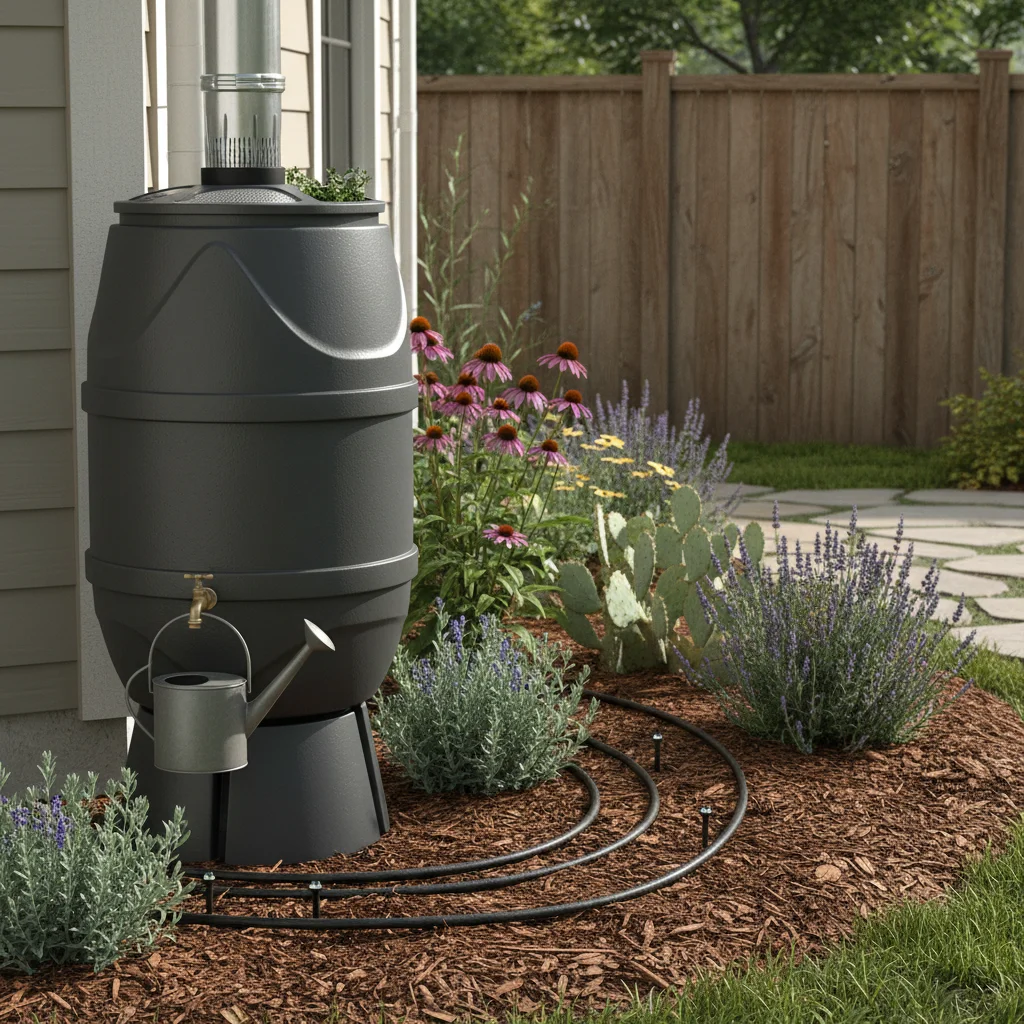
- Rainwater Harvesting: Collecting rainwater from rooftops in rain barrels or larger cisterns for later use in irrigation is becoming a standard practice. This reduces reliance on municipal water supplies and utilizes a free, natural resource.
- Rain Gardens and Bioswales: These specially designed depressions capture and filter stormwater runoff from impervious surfaces like roofs and driveways. They allow water to slowly infiltrate the ground, recharging groundwater and preventing pollutants from entering waterways. They are often planted with water-loving native species.
- Greywater Recycling: While more complex, some homeowners are exploring systems that reuse water from sinks, showers, and laundry (greywater) for irrigation purposes, further reducing potable water consumption.
- Permeable Hardscapes: Replacing traditional impervious surfaces (like concrete patios and asphalt driveways) with permeable pavers, gravel, or decomposed granite allows rainwater to soak into the ground instead of running off, reducing stormwater burden and replenishing groundwater.
The beauty of this trend is that drought-tolerant landscaping doesn’t mean a barren, desert-like yard. With careful plant selection and thoughtful design, xeriscapes can be incredibly lush, colorful, and inviting. The focus is on embracing the natural beauty of plants adapted to drier conditions, from succulents and ornamental grasses to Mediterranean-inspired flora and native wildflowers.
Implementing advanced water management starts with a water audit of your current landscape. Identify areas of waste and opportunities for improvement. Consider installing a smart irrigation controller, adding a rain barrel, or converting a thirsty lawn area into a rain garden or a bed of drought-tolerant native plants. These steps are crucial for any homeowner looking to embrace Eco-Friendly Landscaping Trends and reduce their environmental footprint.
Trend 3: Edible Landscaping and Food Forests
The third major Eco-Friendly Landscaping Trend gaining significant momentum is edible landscaping, often evolving into the more ambitious concept of “food forests.” This trend is driven by a desire for food security, fresher produce, reduced carbon footprint from food transportation, and a deeper connection to where our food comes from. Why limit your yard to purely ornamental plants when it can also provide delicious and nutritious food?
Edible landscaping seamlessly integrates fruit trees, berry bushes, vegetable plants, herbs, and other edible species into traditional ornamental garden designs. Instead of a separate vegetable patch hidden in the back, edible plants become integral parts of the front yard, borders, and foundation plantings. This approach proves that functionality and beauty can coexist harmoniously.
The Rise of Edible Landscapes and Food Forests:
- Integrating Edibles Aesthetically: Homeowners are learning to use edible plants for their ornamental value – the beautiful blossoms of a fruit tree, the vibrant colors of swiss chard, the textural appeal of artichokes, or the fragrant foliage of rosemary.
- Increased Food Security: Growing your own food reduces reliance on external food systems, providing fresh, healthy produce right outside your door.
- Reduced Environmental Impact: Locally grown food eliminates the energy consumption associated with transportation, packaging, and refrigeration, significantly lowering your carbon footprint.
- Educational Value: Edible gardens offer a fantastic opportunity for families, especially children, to learn about where food comes from, the cycles of nature, and healthy eating.
- Community Building: Sharing harvests with neighbors or participating in community food forest projects fosters stronger local ties.
The concept of a “food forest” takes edible landscaping a step further, applying permaculture principles to create a self-sustaining, multi-layered ecosystem that mimics a natural forest. A food forest typically includes:
- Canopy Layer: Large fruit and nut trees (e.g., apple, pear, pecan).
- Understory Layer: Smaller fruit trees and large shrubs (e.g., dwarf fruit trees, elderberry, serviceberry).
- Shrub Layer: Berry bushes (e.g., blueberries, raspberries), currants.
- Herbaceous Layer: Perennial vegetables and herbs (e.g., asparagus, rhubarb, mint, oregano).
- Groundcover Layer: Spreading edibles (e.g., strawberries, creeping thyme).
- Rhizosphere (Root) Layer: Root vegetables (e.g., potatoes, Jerusalem artichokes).
- Vertical Layer: Climbing plants (e.g., grapes, kiwi, pole beans).
This multi-layered approach maximizes productivity in a small space, creates diverse habitats, and builds healthy soil over time. While a full food forest might be a long-term project, even incorporating a few edible elements into your existing landscape can be a rewarding start. Consider planting a dwarf fruit tree as a focal point, lining a pathway with strawberries, or using herbs as attractive border plants. This Eco-Friendly Landscaping Trend offers not just beauty, but also bounty.
Trend 4: Organic and Regenerative Soil Management
Healthy soil is the foundation of any thriving landscape, and in 2026, the focus on organic and regenerative soil management is becoming paramount. This fourth Eco-Friendly Landscaping Trend moves away from synthetic fertilizers and pesticides, embracing practices that build living, fertile soil. It’s about feeding the soil microbes, not just the plants, to create a resilient and self-sustaining ecosystem beneath your feet.
For decades, conventional landscaping often relied on quick-fix chemical solutions that depleted soil health, killed beneficial organisms, and contributed to water pollution. Regenerative practices, by contrast, aim to reverse this damage, enhancing soil structure, water retention, and nutrient cycling naturally.
Pillars of Organic and Regenerative Soil Management:
- Composting and Organic Matter: The cornerstone of healthy soil. Incorporating compost, well-rotted manure, and other organic materials improves soil structure, increases water-holding capacity, and provides a slow-release source of nutrients for plants and soil microbes.
- No-Till/Minimum-Till Practices: Minimizing disturbance to the soil helps preserve its delicate structure, protects fungal networks, and prevents the release of stored carbon into the atmosphere. Instead of tilling, organic matter is added to the surface.
- Cover Cropping: Planting non-cash crops (like clover or vetch) in garden beds during off-seasons protects the soil from erosion, suppresses weeds, adds organic matter when turned under, and fixes nitrogen, enriching the soil for subsequent plantings.
- Mulching: Applying a layer of organic mulch (wood chips, straw, shredded leaves) around plants suppresses weeds, conserves soil moisture, moderates soil temperature, and slowly breaks down to add organic matter to the soil.
- Avoidance of Synthetic Chemicals: Eliminating chemical fertilizers, herbicides, and pesticides is crucial. These substances can harm beneficial soil organisms, pollute groundwater, and disrupt the natural balance of the ecosystem.
- Soil Testing: Regularly testing your soil provides valuable insights into its nutrient levels and pH, allowing for targeted, natural amendments rather than generic chemical applications.
The benefits of investing in healthy soil are immense. Plants grown in rich, living soil are generally healthier, more robust, and more resistant to pests and diseases. They require less supplemental watering and feeding. Furthermore, healthy soil acts as a carbon sink, sequestering atmospheric carbon dioxide, which is a vital component of climate change mitigation. This proactive approach to soil care is a fundamental element of truly Eco-Friendly Landscaping Trends.
For homeowners, starting with soil improvement can be as simple as regularly adding compost to garden beds, using organic mulches, and avoiding chemical inputs. Over time, these practices will transform your soil into a vibrant, living ecosystem capable of supporting a beautiful and sustainable landscape.
Trend 5: Smart Technology Integration and Data-Driven Design
The final Eco-Friendly Landscaping Trend for 2026 sees the increasing integration of smart technology and data-driven design. While sustainable landscaping often evokes images of rustic, natural spaces, technology is playing an ever-larger role in optimizing efficiency and environmental performance. This trend leverages data to make smarter decisions about water use, energy consumption, and plant health, taking the guesswork out of sustainable practices.
From automated irrigation to robotic lawnmowers, technology is making sustainable landscape management more accessible and effective for the average homeowner. The key is using these tools to reduce resource consumption and environmental impact, not just for convenience.
Technological Innovations in Eco-Friendly Landscaping Trends:
- Smart Irrigation Controllers: As mentioned earlier, these systems are becoming more sophisticated, integrating hyper-local weather forecasts, soil moisture sensors, and plant databases to deliver precise amounts of water only when and where it’s needed. This can lead to significant water savings.
- Robotic Lawnmowers: Battery-powered robotic mowers are becoming more common. They offer quiet operation, produce no direct emissions, and often mulch clippings back into the lawn, returning nutrients to the soil.
- LED Landscape Lighting: Energy-efficient LED lights consume far less electricity than traditional landscape lighting, reducing energy bills and carbon footprint. Smart LED systems can be programmed to operate only when needed, further conserving energy.
- Soil Sensors and Monitoring: Affordable soil sensors can provide real-time data on soil moisture, temperature, and nutrient levels, allowing homeowners to make informed decisions about watering and fertilization.
- Drone Mapping and AI for Design: For larger properties or professional landscape designers, drones can map terrain and vegetation, while AI tools can help optimize plant placement for sun exposure, water needs, and aesthetic appeal, creating highly efficient and beautiful designs.
- Apps for Plant Identification and Care: Smartphone apps are making it easier for homeowners to identify native plants, diagnose plant problems, and access tailored care instructions, empowering them to maintain their sustainable landscapes effectively.
The beauty of smart technology in sustainable landscaping is its ability to optimize resource use and reduce waste. It allows homeowners to achieve a high level of environmental performance with less effort and greater precision. While some technologies represent a significant upfront investment, the long-term savings in water, energy, and maintenance costs, coupled with the environmental benefits, make them increasingly attractive options for those embracing green yard solutions.
When considering smart tech for your yard, look for products that are truly designed for efficiency and sustainability. Prioritize systems that offer data feedback and allow for precise control. This trend is about using innovation to enhance, rather than replace, the fundamental principles of ecological design.
Integrating Eco-Friendly Landscaping Trends for a Holistic Yard
While we’ve explored these five Eco-Friendly Landscaping Trends individually, their true power lies in their integration. A truly sustainable yard in 2026 will likely incorporate elements from all these areas, creating a holistic, resilient, and beautiful outdoor space. Imagine a yard where native plants thrive, attracting local wildlife, while a smart irrigation system precisely waters them with harvested rainwater. Edible plants are woven into the design, providing fresh produce, all supported by rich, organically managed soil. This is the vision for the future of American yards.
The Synergistic Benefits:
- Enhanced Ecosystem Services: Native plants and healthy soil work together to support pollinators, clean air and water, and mitigate stormwater runoff.
- Maximized Resource Efficiency: Smart irrigation combined with drought-tolerant plants and rainwater harvesting drastically reduces water consumption. Organic soil management reduces the need for external inputs.
- Increased Resilience: A diverse landscape with healthy soil is better equipped to withstand climate extremes, pests, and diseases.
- Greater Enjoyment and Connection: A yard that provides food, attracts wildlife, and is environmentally responsible offers a deeper sense of satisfaction and connection to nature.
- Long-Term Cost Savings: While some initial investments may be required, the reduced need for water, fertilizers, pesticides, and intensive maintenance leads to significant savings over time.
The journey towards a sustainable yard doesn’t have to be overwhelming. Start small. Perhaps convert a section of your lawn into a native plant bed, install a rain barrel, or begin composting kitchen scraps for your garden. Each step, no matter how small, contributes to the larger goal of creating a more sustainable home environment.
Getting Started with Your Eco-Friendly Yard Transformation
Embracing these Eco-Friendly Landscaping Trends is an exciting and rewarding endeavor. Here are some practical steps to begin your transformation:
- Assess Your Current Yard: Understand your soil type, sun exposure, existing plants, and drainage patterns. A professional landscape designer specializing in sustainable practices can offer invaluable insights.
- Set Goals: What aspects of sustainability are most important to you? Water conservation? Supporting wildlife? Growing food? Prioritizing your goals will help guide your design choices.
- Research Local Resources: Connect with local native plant nurseries, extension offices, and environmental organizations. They can provide region-specific advice and plant recommendations.
- Start Small: Don’t feel pressured to overhaul everything at once. Begin with a manageable project, like a small rain garden, a pollinator bed, or converting a thirsty area of lawn.
- Educate Yourself: Read books, attend workshops, and explore online resources about native plants, permaculture, and water-wise gardening.
- Observe and Adapt: A sustainable landscape is a living system. Pay attention to how your plants are performing, how water moves through your yard, and what wildlife visits. Be prepared to make adjustments as you learn.
Conclusion: The Future is Green for U.S. Yards
The landscape of U.S. yards is undeniably shifting towards a more sustainable and ecologically responsible future. The top 5 Eco-Friendly Landscaping Trends for 2026 – native plant landscaping, advanced water management, edible landscapes, organic soil management, and smart technology integration – represent a collective movement towards creating outdoor spaces that are not only beautiful but also beneficial to the environment. By adopting these trends, homeowners are not just upgrading their properties; they are becoming active stewards of the environment, contributing to healthier ecosystems, conserving vital resources, and fostering a deeper connection with the natural world.
The future of landscaping is green, vibrant, and resilient. It’s about designing with nature, rather than against it. As these trends continue to evolve and become more mainstream, we can look forward to a future where every yard, regardless of size or location, plays a vital role in supporting a healthier, more sustainable planet. Embrace the change, and transform your yard into an eco-friendly haven that you, your family, and local wildlife will cherish for years to come.