Sustainable Appliances: 6 Eco-Friendly Upgrades for Your U.S. Kitchen in 2026
Sustainable Appliances: 6 Eco-Friendly Upgrades for Your U.S. Kitchen in 2026
As we step further into the 21st century, the call for sustainability grows louder, and our homes are at the forefront of this revolution. The kitchen, often considered the heart of the home, presents a significant opportunity for embracing eco-friendly practices. Upgrading to Eco-Friendly Kitchen Appliances isn’t just about reducing your carbon footprint; it’s about smart living, saving money on utility bills, and contributing to a healthier planet for future generations. In 2026, technological advancements have made sustainable options more accessible, efficient, and stylish than ever before. This comprehensive guide will walk you through six essential eco-friendly upgrades that will transform your U.S. kitchen into a beacon of sustainability.
The journey towards a greener home often begins with small, deliberate choices. When it comes to the kitchen, these choices can have a profound impact. From how we store our food to how we cook and clean, every appliance plays a role in our overall environmental footprint. Traditional appliances, especially older models, can be significant energy and water guzzlers, leading to higher utility bills and increased resource consumption. However, the landscape of home appliances has evolved dramatically. Manufacturers are now prioritizing energy efficiency, water conservation, and the use of sustainable materials, making it easier for homeowners to make responsible choices.
Before diving into specific appliance upgrades, it’s crucial to understand what makes an appliance ‘eco-friendly’. Generally, it refers to products that minimize environmental harm throughout their life cycle. This includes energy and water efficiency during operation, the use of recycled or sustainably sourced materials in manufacturing, reduced toxic chemicals, and the ability to be recycled at the end of their useful life. Certifications like ENERGY STAR® are excellent indicators of an appliance’s energy efficiency, but true eco-friendliness goes beyond just energy consumption. It encompasses a holistic approach to sustainability.
The U.S. market, in particular, has seen a surge in demand for sustainable home solutions. Consumers are becoming more conscious of the environmental impact of their purchases, driving innovation and competition among manufacturers. This means that in 2026, you have a wider array of high-performing, aesthetically pleasing, and genuinely eco-friendly options for your kitchen than ever before. Let’s explore the six key upgrades that will make your kitchen not only more sustainable but also more efficient, modern, and enjoyable.
1. The Rise of Induction Cooktops: Energy Efficiency at Your Fingertips
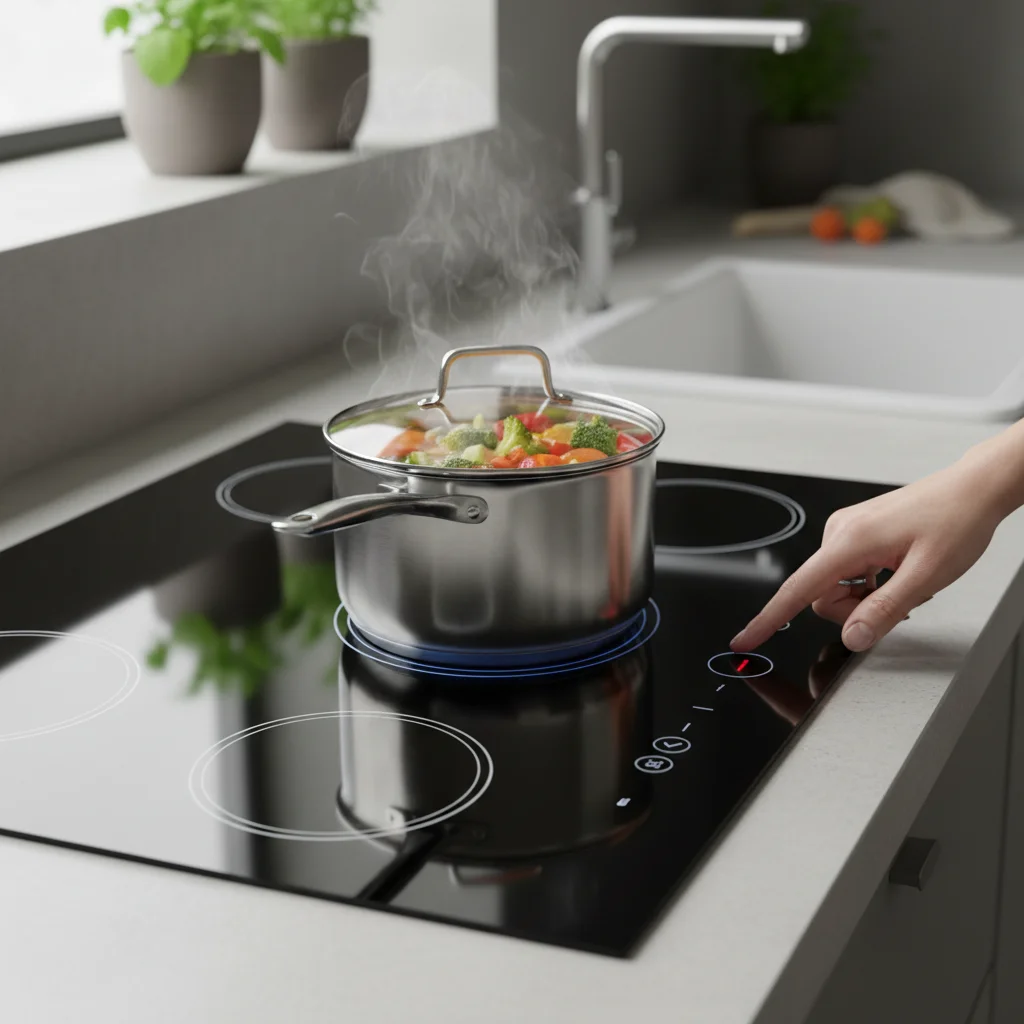
One of the most impactful upgrades for any kitchen looking to embrace Eco-Friendly Kitchen Appliances is switching to an induction cooktop. For years, gas stoves have been a popular choice for their precise temperature control, but their environmental drawbacks are becoming increasingly clear. Gas stoves release methane, a potent greenhouse gas, and can contribute to indoor air pollution. Electric coil cooktops, while avoiding gas, are notoriously inefficient, losing a significant amount of heat to the surrounding air.
Why Induction is Superior for Eco-Friendly Kitchens
- Unmatched Energy Efficiency: Induction cooktops work by creating an electromagnetic field that directly heats the cookware itself, rather than heating the cooktop surface and then transferring that heat to the pan. This direct heating method makes them incredibly efficient, with up to 90% of the energy consumed being used to cook the food. Compare this to gas stoves, which are typically only 40-55% efficient, and traditional electric coils at around 65-70%. This efficiency translates directly into lower electricity bills and a reduced carbon footprint.
- Faster Cooking Times: Because heat is generated directly in the pan, induction cooktops heat up much faster than conventional electric or gas stoves. Water boils in a fraction of the time, saving energy and your precious time.
- Precise Temperature Control: Similar to gas, induction offers incredibly precise temperature control, allowing for quick adjustments from a rolling boil to a gentle simmer almost instantaneously. This precision not only improves cooking results but also prevents wasted energy from overheating.
- Improved Indoor Air Quality: Unlike gas stoves, induction cooktops do not release combustion byproducts like nitrogen dioxide, carbon monoxide, and formaldehyde into your home. This significantly improves indoor air quality, which is beneficial for everyone, especially those with respiratory sensitivities.
- Safety Features: The cooktop surface itself doesn’t get hot, only the pan. This makes induction cooktops safer, reducing the risk of burns. They also often feature automatic shut-off functions when cookware is removed.
Considerations for Switching to Induction
While the benefits are clear, there are a few considerations. You’ll need compatible cookware – typically magnetic materials like cast iron or stainless steel. Most modern cookware is induction-ready, but it’s worth checking your existing pots and pans. The initial investment for an induction cooktop can be higher than traditional options, but the long-term energy savings and health benefits often outweigh the upfront cost.
2. Smart Refrigerators: Preserving Food & Power
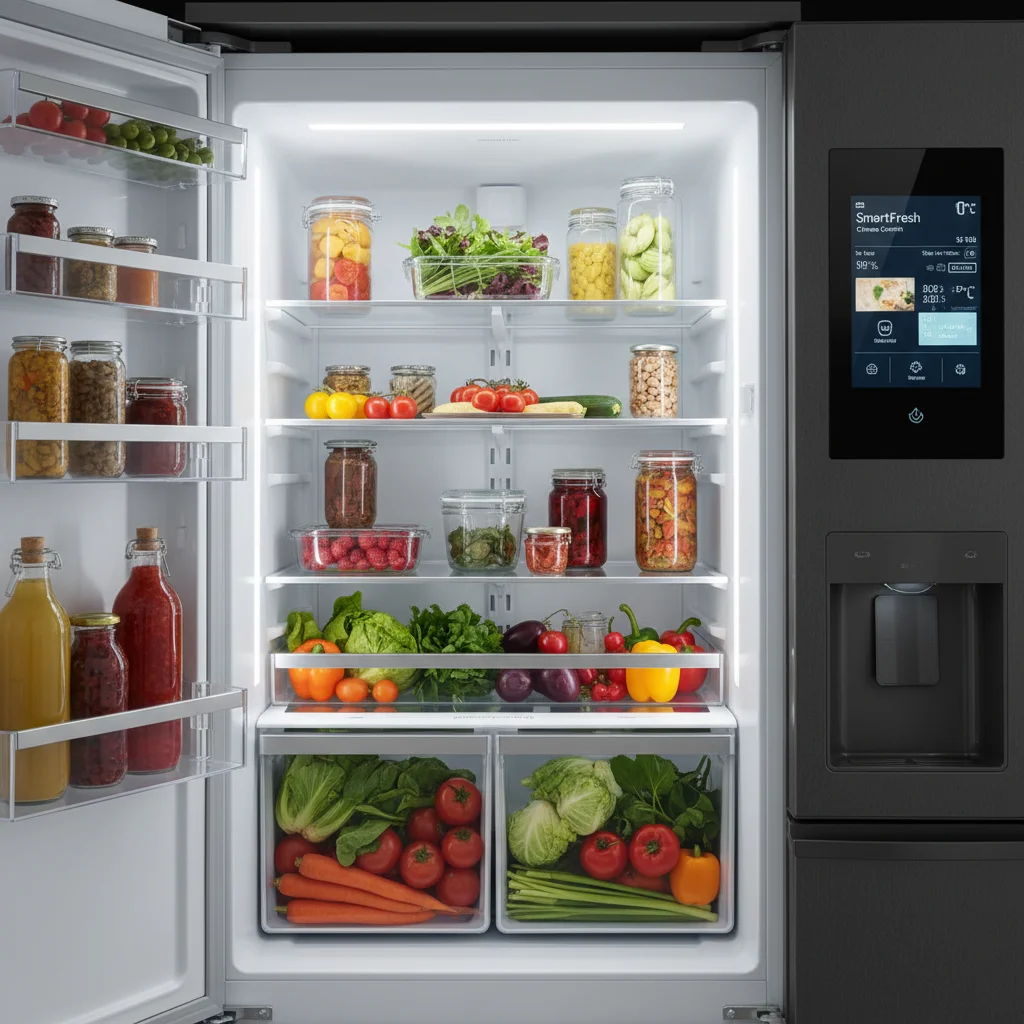
The refrigerator is one of the few appliances that runs 24/7, making its energy efficiency paramount for an eco-friendly kitchen. Modern smart refrigerators have evolved far beyond just keeping food cold; they are now sophisticated hubs designed to optimize energy use and minimize food waste.
How Smart Refrigerators Enhance Sustainability
- Advanced Energy Efficiency: New models are built with superior insulation, more efficient compressors, and often feature variable-speed compressors that adjust cooling power based on demand, rather than cycling on and off at full power. Look for ENERGY STAR® certified models, which are at least 15% more energy-efficient than minimum federal standards.
- Smart Temperature Management: Integrated sensors and AI can learn your usage patterns, optimizing cooling cycles to maintain consistent temperatures while using less energy. Some models can even detect when the door is left ajar and alert you.
- Food Management Features: Many smart refrigerators come with internal cameras that allow you to see inside your fridge from your smartphone while at the grocery store, preventing duplicate purchases and reducing food waste. Some even have inventory management systems that track expiration dates and suggest recipes based on available ingredients. Reducing food waste is a massive win for the environment, as food production is resource-intensive, and wasted food often ends up in landfills, producing methane.
- Vacation Mode & Remote Control: If you’re going away, you can remotely activate a ‘vacation mode’ that conserves energy by running at a lower power setting. You can also adjust settings from anywhere, ensuring optimal performance.
- Water & Ice Dispensers: While convenient, traditional dispensers can sometimes be less efficient. Modern smart refrigerators often feature highly efficient filtered water and ice systems that minimize water waste and use less energy for cooling.
Choosing the Right Smart Refrigerator
When selecting a smart refrigerator, consider its capacity, layout, and specific smart features that align with your lifestyle. French door and bottom-freezer models are often more energy-efficient than side-by-side models because they minimize cold air loss when opened. Prioritize models with excellent insulation and a high ENERGY STAR® rating to maximize energy savings.
3. High-Efficiency Dishwashers: Sparkling Clean with Less Water & Energy
Washing dishes by hand might seem like the more eco-friendly option, but surprisingly, a modern high-efficiency dishwasher often uses less water and energy than washing dishes manually, especially if you tend to let the tap run. Upgrading to an Eco-Friendly Kitchen Appliance like a high-efficiency dishwasher can significantly reduce your household’s water and energy consumption.
Key Features of Eco-Friendly Dishwashers
- Water Conservation: ENERGY STAR® certified dishwashers use significantly less water per cycle, sometimes as little as 3 gallons, compared to 10-20 gallons or more for handwashing. Look for models with advanced spray arm designs and soil sensors that adjust water usage based on the dirtiness of the dishes.
- Energy Efficiency: These dishwashers use less hot water, which is a major energy saver, as heating water accounts for a substantial portion of home energy use. They also feature highly efficient motors and often have ‘eco’ or ‘light wash’ cycles that use even less energy.
- Advanced Filtration Systems: Efficient filtration systems mean you don’t need to pre-rinse dishes, saving even more water. Just scrape off large food particles, and let the dishwasher do the rest.
- Delay Start Options: Many models allow you to delay the start of a cycle, enabling you to run the dishwasher during off-peak electricity hours when demand is lower and electricity might be cheaper and generated from more sustainable sources.
- Noise Reduction: While not directly eco-friendly, quieter dishwashers contribute to a more pleasant home environment, which is a desirable feature for any modern appliance.
Tips for Maximizing Dishwasher Efficiency
To get the most out of your high-efficiency dishwasher:
- Run Full Loads: Always wait until the dishwasher is full before running it.
- Use Eco-Friendly Detergents: Opt for phosphate-free and biodegradable dishwasher detergents to minimize water pollution.
- Air Dry: If your dishwasher has a heated dry option, consider turning it off and letting dishes air dry. This can save a significant amount of energy.
- Regular Maintenance: Clean the filter regularly to ensure optimal performance and prevent blockages that can reduce efficiency.
4. Energy-Efficient Ovens & Ranges: Baking a Greener Future
Whether you prefer electric or gas, modern ovens and ranges have made strides in energy efficiency. When selecting your next Eco-Friendly Kitchen Appliance, consider the features that contribute to lower energy consumption and better cooking performance.
Innovations in Eco-Friendly Ovens and Ranges
- Convection Technology: Convection ovens use a fan to circulate hot air evenly, cooking food faster and at lower temperatures. This reduces cooking time and overall energy consumption. Many modern electric and gas ovens now come with convection capabilities.
- Improved Insulation: Better insulation in oven walls and doors means less heat escapes, keeping the oven’s interior at the desired temperature with less energy input.
- Self-Cleaning Cycles: While self-cleaning cycles use high heat, modern versions are more efficient than older models. However, for maximum eco-friendliness, consider using baking soda and vinegar for lighter cleaning tasks.
- Smart Features: Some smart ovens can be preheated remotely, allowing you to optimize cooking schedules. They might also offer precise temperature control and recipe integration, reducing the likelihood of overcooking or undercooking, thus preventing food waste.
- Electric vs. Gas: The debate between electric and gas ovens continues. From a purely emissions standpoint, if your electricity comes from renewable sources, an electric oven can be more eco-friendly. However, modern gas ovens are also becoming more efficient, with better insulation and igniters that use less gas than pilot lights. The best choice often depends on your local energy grid and personal preferences.
Making the Best Choice for Your Home
When shopping for an oven or range, look for the ENERGY STAR® label. Consider dual-fuel ranges that combine a gas cooktop with an electric oven for the best of both worlds in terms of cooking performance and potential energy savings. Smaller ovens or models with multiple oven cavities can also be more efficient for smaller meals, as you only heat the space you need.
5. Water-Saving Faucets & Filtration Systems: Conserving Every Drop
While not strictly an ‘appliance’ in the traditional sense, the kitchen faucet and associated filtration systems are integral to the kitchen’s functionality and can significantly impact its eco-friendliness. Upgrading these elements is a simple yet effective way to embrace Eco-Friendly Kitchen Appliances principles.
Benefits of Water-Saving Faucets and Filters
- Low-Flow Faucets: Modern low-flow faucets and aerators reduce water flow without sacrificing pressure, thanks to advanced aeration technology. This can save thousands of gallons of water annually, especially when washing dishes or preparing food. Look for models with the WaterSense label, indicating they meet EPA criteria for water efficiency and performance.
- Touchless or Motion-Sensor Faucets: These faucets turn on and off automatically, preventing water from running unnecessarily while you’re scrubbing hands or searching for ingredients. This is a great way to conserve water that might otherwise be wasted.
- Integrated Water Filtration: Instead of relying on bottled water, which generates plastic waste, invest in an integrated water filtration system for your tap. These systems provide clean, filtered water on demand, reducing your reliance on single-use plastics. Options include under-sink filters, whole-house filters, or faucet-mounted filters.
- Hot Water Recirculation Pumps: These systems circulate hot water quickly to your faucet, eliminating the need to run the tap and wait for hot water to arrive. This saves both water and the energy used to heat it.
The Environmental Impact of Bottled Water
The production, transportation, and disposal of plastic water bottles have a significant environmental footprint. By switching to a home filtration system, you drastically reduce plastic waste, conserve resources used in bottling, and save money in the long run. It’s a win-win for your wallet and the planet.
6. Compact & Efficient Small Appliances: Powering Down the Little Guys
While large appliances often get the most attention for energy savings, don’t overlook the collective impact of your small kitchen appliances. From coffee makers to blenders, choosing energy-efficient options for these everyday items can contribute to a truly Eco-Friendly Kitchen Appliance setup.
Making Smart Choices for Small Appliances
- Energy-Efficient Coffee Makers: Look for coffee makers with programmable timers and automatic shut-off features. Single-serve brewers with reusable pods also reduce waste compared to disposable plastic pods. Some smart coffee makers can even be controlled via an app, allowing for precise brewing and energy management.
- Blenders & Food Processors: While these aren’t typically huge energy consumers, opting for models with powerful, efficient motors means they can complete tasks quicker, using less energy overall. Consider multi-functional appliances that can perform several tasks, reducing the need for multiple single-purpose gadgets.
- Toaster Ovens & Air Fryers: For smaller meals, a toaster oven or air fryer can be significantly more energy-efficient than preheating a full-sized oven. They cook food faster and use less energy due to their smaller internal volume.
- Electric Kettles: An electric kettle is often more efficient than boiling water on a stovetop, especially if it has an automatic shut-off feature once the water boils.
- Power Strips with Timers or Remote Control: Many small appliances draw ‘phantom load’ or ‘vampire power’ even when turned off but still plugged in. Use smart power strips that cut power to devices when not in use or during specific times, or simply unplug appliances when not in use.
The Importance of Longevity and Repairability
Beyond energy efficiency, consider the longevity and repairability of small appliances. Investing in higher-quality items that are built to last and can be repaired rather than replaced reduces waste and the environmental impact associated with manufacturing new products. Check for brands known for durability and good customer service regarding parts and repairs.
The Future of Eco-Friendly Kitchens in the U.S.
The trend towards Eco-Friendly Kitchen Appliances is not just a passing fad; it’s a fundamental shift in how we approach home design and consumption. In the U.S., homeowners are increasingly aware of their environmental impact and are actively seeking ways to create more sustainable living spaces. The market is responding with innovative technologies, improved efficiencies, and designs that blend seamlessly into modern aesthetics.
Integration with Smart Home Systems
The future will see even greater integration of kitchen appliances into comprehensive smart home ecosystems. Imagine your refrigerator suggesting recipes based on expiring ingredients, automatically adding items to your grocery list, and coordinating with your smart oven to preheat at the optimal time. These interconnected systems will further optimize energy use, reduce waste, and simplify daily tasks, all while contributing to a greener lifestyle.
Circular Economy Principles
Manufacturers are also beginning to adopt circular economy principles, focusing on designing products that are durable, repairable, and easily recyclable. This means appliances will be made with fewer virgin materials, have longer lifespans, and, at the end of their utility, their components can be reused or repurposed, closing the loop on waste.
Incentives and Regulations
Government incentives and regulations will continue to play a vital role in promoting eco-friendly appliances. Rebates for ENERGY STAR® certified products, stricter energy efficiency standards, and public awareness campaigns will encourage more homeowners to make sustainable choices. Staying informed about these programs can help you save money while upgrading your kitchen.
Conclusion: Your Path to a Greener Kitchen in 2026
Upgrading your kitchen with Eco-Friendly Kitchen Appliances is one of the most effective ways to reduce your household’s environmental footprint, save money, and enjoy a more modern and efficient living space. From the precision and efficiency of induction cooktops to the intelligent food management of smart refrigerators, and the water-saving prowess of high-efficiency dishwashers, each upgrade contributes to a larger goal of sustainability.
By making conscious choices about the appliances you bring into your home, you’re not just investing in new technology; you’re investing in a healthier planet and a more sustainable future. As 2026 unfolds, embrace these eco-friendly upgrades and transform your U.S. kitchen into a model of efficiency, innovation, and environmental responsibility. The benefits extend far beyond your utility bills, impacting your well-being, the health of your community, and the legacy you leave for generations to come. Start your journey towards a greener kitchen today!