Sustainable Home Improvements: Boost Property Value Up to 10% by 2026
The Financial Impact of Going Green: How Sustainable Home Improvements Can Increase Property Value by Up To 10% in 2026
In an era where environmental consciousness is no longer a niche concern but a global imperative, the real estate market is undergoing a significant transformation. Homebuyers are increasingly prioritizing properties that not only offer comfort and aesthetics but also demonstrate a commitment to sustainability. This shift isn’t just about saving the planet; it’s about saving money and making smart investments. The financial impact of going green, particularly through sustainable home improvements, is becoming undeniably clear, with experts projecting an increase in property value by up to 10% by 2026 for homes that embrace these eco-friendly upgrades. Understanding this trend, and strategically implementing sustainable home value enhancements, is crucial for homeowners looking to maximize their investment and appeal to a growing segment of the market.
This comprehensive guide delves into the multifaceted benefits of sustainable home improvements, exploring how they translate into tangible financial gains. We will examine the specific types of upgrades that offer the best return on investment, discuss the evolving preferences of modern homebuyers, and provide a roadmap for homeowners to embark on their journey towards a more valuable and environmentally responsible property. From energy efficiency to water conservation and the use of eco-friendly materials, each aspect contributes to a holistic approach that elevates both the market appeal and intrinsic worth of your home. The goal is to empower you with the knowledge and actionable insights needed to capitalize on the burgeoning demand for sustainable living, ensuring your property stands out in a competitive market and secures a higher valuation in the coming years.
The Rising Tide of Green Real Estate: Why Sustainability Matters More Than Ever
The real estate landscape is dynamic, constantly evolving with economic shifts, technological advancements, and societal values. Over the past decade, one of the most profound shifts has been the escalating importance of sustainability. What was once considered a niche interest for a select few has now become a mainstream expectation, driven by a confluence of factors including rising energy costs, increased awareness of climate change, and governmental incentives for eco-friendly practices. This shift has fundamentally altered how properties are valued and marketed, with sustainable home value becoming a key differentiator.
Homebuyers today are more informed and environmentally conscious than ever before. They are not just looking for a house; they are looking for a lifestyle that aligns with their values. This often translates into a demand for homes that offer lower utility bills, a reduced carbon footprint, and a healthier indoor environment. A study by the National Association of Realtors (NAR) consistently shows that buyers are willing to pay more for homes with energy-efficient features. This willingness to invest in sustainability upfront is a clear indicator of the market’s direction and the increasing premium placed on green homes.
Moreover, the long-term financial benefits of sustainable features are undeniable. Lower energy consumption translates directly into reduced monthly expenses for homeowners, providing a significant financial incentive that extends far beyond the initial purchase price. This economic advantage, coupled with the positive environmental impact, creates a compelling value proposition that resonates with a broad spectrum of buyers. As climate concerns intensify and energy prices continue their upward trajectory, the appeal of a sustainable home will only grow, solidifying its position as a highly desirable asset.
Beyond individual buyer preferences, regulatory bodies and financial institutions are also increasingly recognizing and rewarding sustainable practices. Green building certifications, such as LEED or Energy Star, can significantly enhance a property’s marketability and even qualify homeowners for special financing options or tax credits. These external validations further underscore the credibility and value of sustainable home improvements, making them a strategic investment for any homeowner aiming to boost their property’s appeal and financial standing. The future of real estate is green, and understanding this fundamental shift is the first step towards capitalizing on its immense potential.
Quantifying the Gain: Up to 10% Increase in Property Value by 2026
The projection of a potential 10% increase in property value by 2026 for homes with sustainable upgrades is not an arbitrary figure; it’s an informed estimate based on current market trends, economic forecasts, and evolving consumer behavior. Several reputable studies and analyses from organizations like the National Association of Home Builders (NAHB), the Department of Energy, and various real estate analytics firms consistently point towards a growing premium for green homes. This premium is driven by a combination of factors, each contributing to the enhanced appeal and long-term financial viability of sustainable properties.
One of the primary drivers of this increased value is the tangible savings on utility costs. Homes equipped with energy-efficient windows, superior insulation, solar panels, and high-efficiency HVAC systems significantly reduce monthly energy bills. For a prospective buyer, these ongoing savings represent a direct financial benefit that can offset a higher purchase price over time. This makes the property more affordable in the long run, even if the initial investment is slightly higher. Appraisers are beginning to incorporate these ‘green premiums’ into their valuations, recognizing the inherent value of reduced operating costs.
Furthermore, the durability and reduced maintenance associated with many sustainable materials and systems contribute to a higher perceived and actual value. For instance, drought-resistant landscaping requires less water and upkeep, while high-quality, sustainably sourced building materials often boast a longer lifespan. This translates to fewer repair costs and a more robust property, which is highly attractive to buyers seeking a hassle-free homeownership experience. The peace of mind that comes with a well-built, eco-friendly home is a significant, albeit sometimes intangible, value adder.
The increasing availability of green financing options, such as energy-efficient mortgages (EEMs), also plays a role. These specialized loans allow borrowers to finance energy-efficient upgrades directly into their mortgage, making sustainable improvements more accessible and financially viable. As more financial institutions recognize the reduced risk associated with energy-efficient homes (due to lower utility bills making mortgage payments easier), these options will become even more prevalent, further driving demand and, consequently, property values for green homes. The convergence of these factors paints a clear picture: investing in sustainable home value is not just good for the environment, it’s a shrewd financial move with a substantial return.
Key Sustainable Home Improvements Driving Value
To truly capitalize on the trend of increasing sustainable home value, homeowners need to understand which improvements offer the most significant impact. Not all green upgrades are created equal in terms of their return on investment. Focusing on key areas that directly address energy consumption, water usage, and indoor air quality will yield the best results.
Energy Efficiency: The Cornerstone of Sustainable Value
Energy efficiency is arguably the most impactful category of sustainable home improvements. These upgrades directly reduce utility bills, a benefit that resonates deeply with almost all homebuyers. Here are some top contenders:
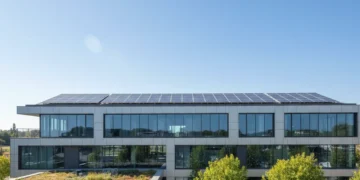
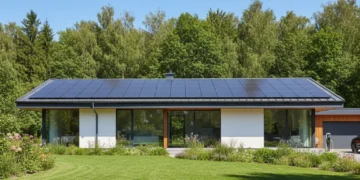
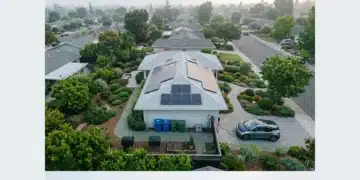
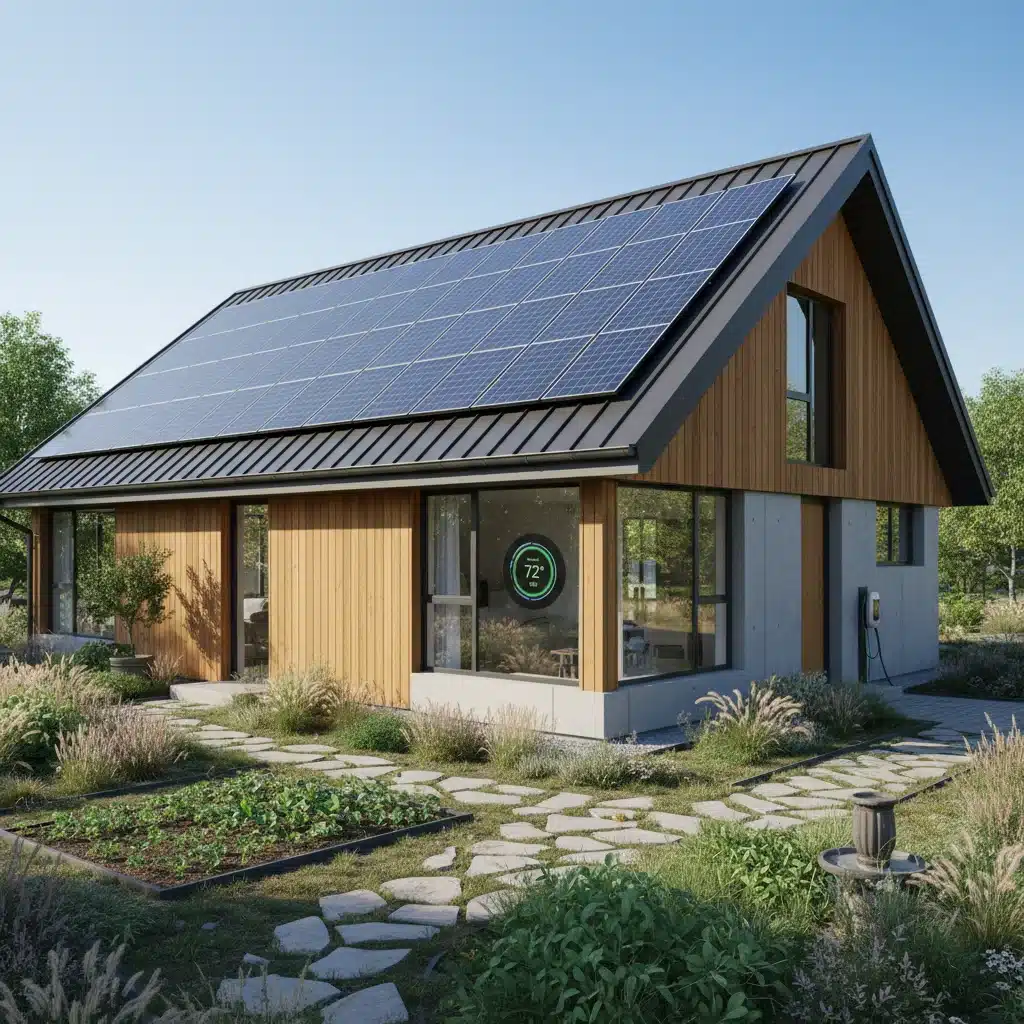
- Solar Panels: Installing solar photovoltaic (PV) systems is a significant investment, but it offers substantial returns. Not only do they drastically cut or eliminate electricity bills, but they also provide energy independence and often qualify for tax credits and rebates. Homes with solar panels consistently sell for a premium.
- High-Efficiency Windows and Doors: Upgrading to double or triple-pane windows with low-emissivity (Low-E) coatings can prevent significant heat loss in winter and heat gain in summer. This directly reduces the workload on HVAC systems, leading to lower energy consumption and improved indoor comfort.
- Improved Insulation: Enhancing attic, wall, and floor insulation is a relatively cost-effective way to improve a home’s thermal envelope. Proper insulation keeps conditioned air inside and unconditioned air outside, leading to more consistent indoor temperatures and reduced energy usage.
- Energy-Efficient HVAC Systems: Replacing old, inefficient furnaces, air conditioners, and water heaters with Energy Star-rated models can lead to substantial energy savings. Modern heat pumps, for example, offer both heating and cooling with remarkable efficiency.
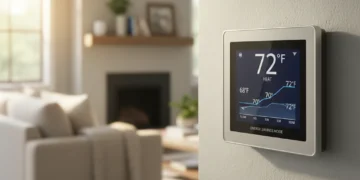
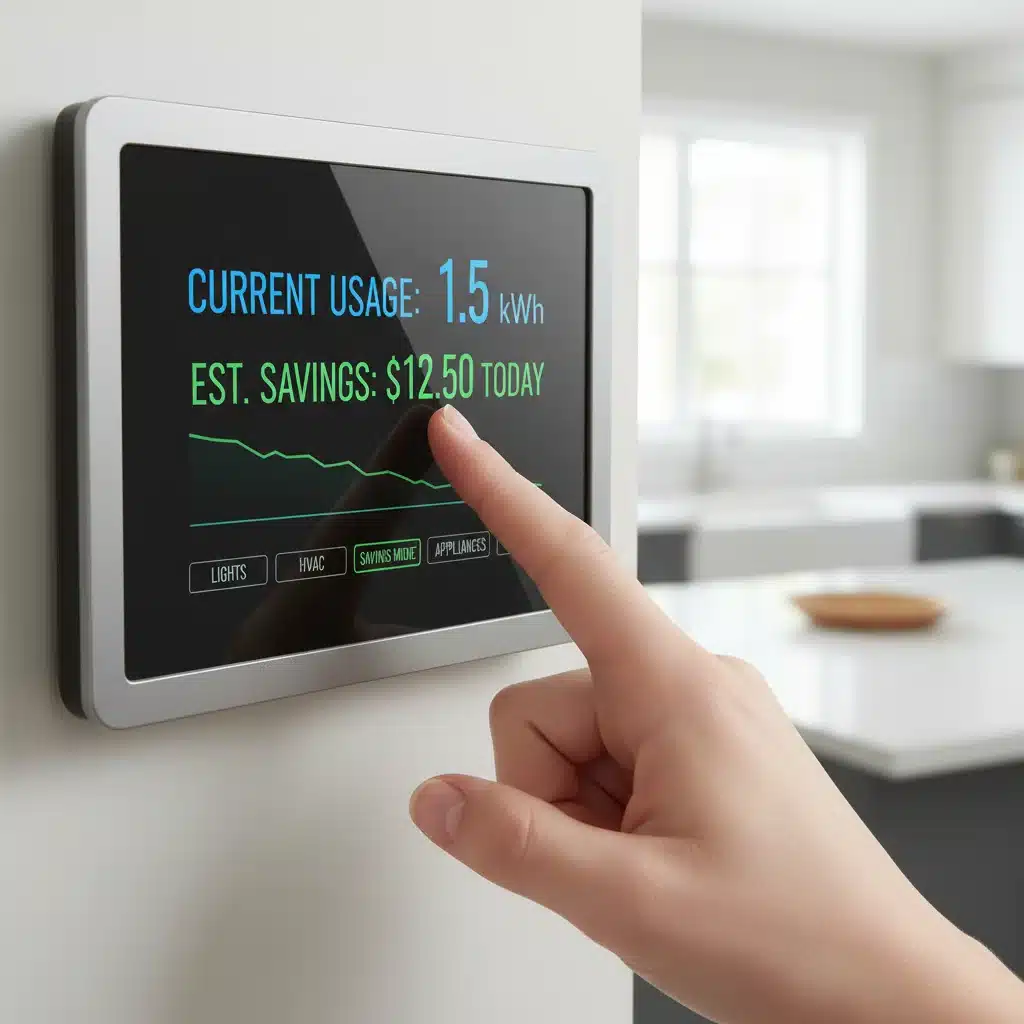
- Smart Thermostats and Home Energy Management Systems: Devices like Nest or Ecobee learn homeowner preferences and optimize heating and cooling schedules, often leading to significant energy savings without sacrificing comfort. These systems also appeal to tech-savvy buyers.
Water Conservation: A Growing Priority
As water resources become scarcer and utility costs rise, water-efficient homes are increasingly attractive. These improvements not only save money but also contribute to environmental stewardship:
- Low-Flow Fixtures: Installing low-flow showerheads, toilets, and faucets significantly reduces water consumption without compromising performance.
- Rainwater Harvesting Systems: Collecting rainwater for irrigation or other non-potable uses can dramatically cut down on municipal water usage and costs.
- Drought-Resistant Landscaping (Xeriscaping): Replacing water-intensive lawns with native, drought-tolerant plants, mulching, and efficient irrigation systems (like drip irrigation) can reduce outdoor water use by a substantial margin.
Eco-Friendly Materials and Indoor Air Quality
Beyond energy and water, the materials used in a home and its indoor air quality are becoming critical factors for buyers:
- Sustainable Building Materials: Opting for recycled, rapidly renewable, or locally sourced materials (e.g., bamboo flooring, recycled content countertops, reclaimed wood) reduces environmental impact and often offers unique aesthetic appeal.
- Non-Toxic Paints and Finishes: Using low-VOC (volatile organic compound) paints and finishes improves indoor air quality, which is a major draw for buyers concerned about health and allergies.
- Improved Ventilation Systems: High-efficiency particulate air (HEPA) filters and energy recovery ventilators (ERVs) can significantly improve indoor air quality by filtering out pollutants and allergens while maintaining energy efficiency.
Each of these improvements, when strategically implemented, contributes to a higher sustainable home value, making your property more appealing and financially rewarding in the long run.
Understanding the Modern Homebuyer: What They Seek in a Sustainable Home
The modern homebuyer is a sophisticated consumer, often armed with more information and a broader set of priorities than previous generations. When it comes to sustainable homes, their motivations extend beyond simple cost savings. They are looking for a blend of financial prudence, environmental responsibility, and enhanced quality of life. Understanding these nuanced desires is crucial for homeowners aiming to maximize their sustainable home value.
Firstly, the desire for reduced operational costs remains a paramount driver. In an era of fluctuating energy prices and increasing cost of living, a home that promises lower monthly utility bills is inherently more attractive. Buyers are increasingly savvy about long-term ownership costs, not just the upfront purchase price. They understand that a slightly higher initial investment in energy-efficient features can lead to significant savings over the lifespan of the home, effectively making the property more affordable in the long run.
Secondly, there’s a strong and growing emphasis on health and wellness. Sustainable homes often translate to healthier living environments. Features like improved indoor air quality (achieved through better ventilation, low-VOC materials, and natural light), reduced exposure to toxins, and comfortable thermal regulation are highly valued. Buyers with families, or those with sensitivities, are particularly drawn to these aspects, recognizing the positive impact on their well-being. A home that supports a healthy lifestyle is a powerful selling point.
Thirdly, environmental stewardship and ethical consumption play a significant role. Many modern homebuyers are genuinely concerned about their environmental footprint and seek to align their housing choices with their values. Owning a home that minimizes its impact on the planet—through renewable energy, water conservation, and sustainable materials—provides a sense of pride and contributes to a larger societal good. This emotional and ethical appeal can significantly differentiate a property in the market.
Finally, durability and low maintenance are increasingly important. Sustainable building practices often involve higher-quality, more resilient materials and systems designed for longevity. This translates to fewer repairs, less upkeep, and a more robust home overall. Buyers are willing to pay a premium for the peace of mind that comes with a home built to last, reducing the time and expense associated with ongoing maintenance. Ultimately, the modern homebuyer views sustainable home value as a holistic package of financial benefits, environmental responsibility, and a superior living experience.
Navigating the Investment: Cost vs. Return on Sustainable Upgrades
While the benefits of sustainable home improvements are clear, homeowners often grapple with the initial investment costs. It’s essential to approach these upgrades with a strategic mindset, focusing on those that offer the best return on investment (ROI) in terms of both increased property value and ongoing savings. Not every green upgrade will yield the same financial benefits, and careful planning is key to maximizing your sustainable home value.
One of the most effective ways to evaluate ROI is to consider the ‘payback period’ – the time it takes for the savings generated by an improvement to offset its initial cost. For instance, while solar panels have a higher upfront cost, they can significantly reduce or eliminate electricity bills, leading to a relatively quick payback period, especially when factoring in tax incentives and rebates. Similarly, upgrading to high-efficiency insulation or windows might have a moderate upfront cost but will provide immediate and continuous savings on heating and cooling, making them excellent long-term investments.
It’s also important to factor in the potential for increased resale value. As previously discussed, buyers are willing to pay a premium for sustainable homes. This ‘green premium’ can vary depending on the specific upgrades, the local market, and the overall quality of the improvements. For example, a home with a comprehensive suite of energy-efficient features will likely command a higher premium than one with only a few isolated upgrades. The cumulative effect of multiple sustainable improvements often outweighs the sum of their individual parts.
Furthermore, look for opportunities to bundle improvements or take advantage of local and federal incentives. Many governments offer tax credits, grants, or rebates for specific energy-efficient or renewable energy installations. These incentives can significantly reduce the net cost of an upgrade, thereby improving its ROI. Consulting with energy auditors or green building experts can help identify the most impactful and cost-effective improvements for your specific property and climate.
Finally, consider the long-term maintenance costs. While some sustainable materials might have a higher initial price, they often boast superior durability and require less maintenance over time, leading to additional savings. For example, a metal roof, though more expensive upfront, can last two to three times longer than traditional asphalt shingles. By carefully weighing the initial outlay against the ongoing savings, increased property value, and reduced maintenance, homeowners can make informed decisions that optimize their sustainable home value investment.
The Role of Certifications and Green Appraisals
In the burgeoning market for sustainable homes, third-party certifications and specialized green appraisals play a pivotal role in validating and quantifying the sustainable home value. These tools provide credibility, transparency, and a standardized framework for assessing the environmental performance and financial benefits of green properties. For homeowners, understanding and leveraging these resources can significantly enhance market appeal and ensure a fair valuation.
Green building certifications, such as LEED (Leadership in Energy and Environmental Design), Energy Star, Green Globes, or local green home programs, serve as official stamps of approval. They indicate that a home meets specific criteria for energy efficiency, water conservation, indoor air quality, and sustainable materials. These certifications are increasingly recognized by buyers, real estate agents, and lenders as indicators of a high-quality, efficient, and environmentally responsible home. A certified green home often stands out in listings, attracting a broader pool of environmentally conscious buyers and commanding a higher selling price.
However, simply having green features isn’t always enough to ensure they are fully reflected in a property’s appraisal. This is where green appraisals come into play. Traditional appraisals often struggle to accurately value sustainable features because they lack comparable sales data for truly green homes. Green appraisers, on the other hand, are trained to understand and quantify the value of these features. They consider factors like energy savings, renewable energy generation, water efficiency, and the use of healthy materials, incorporating these into a comprehensive valuation.
A green appraisal utilizes specific methodologies, such as the Appraisal Institute’s Green Addendum, to provide a more accurate assessment. This addendum allows appraisers to document a home’s green features and their impact on utility costs, comfort, and durability. By providing this detailed information, green appraisals help lenders understand the true value of these investments, potentially leading to better financing terms for buyers and a higher valuation for sellers. For homeowners who have invested significantly in sustainable upgrades, obtaining a green appraisal can be crucial for ensuring that these investments are properly recognized and reflected in the property’s market price.
In essence, certifications provide the proof of green performance, while green appraisals provide the financial validation. Together, they create a robust framework that supports the growing sustainable home value, making it easier for buyers to identify and value green homes, and for sellers to realize the full financial potential of their eco-friendly investments.
Looking Ahead: The Future of Sustainable Home Value
The trajectory of sustainable home value is clearly upward, and the trends suggest that this is not a fleeting phenomenon but a fundamental shift in the real estate market. As we approach and move beyond 2026, several factors will continue to solidify the premium associated with green homes, making them an increasingly integral part of the housing landscape.
Firstly, technological advancements in renewable energy and energy efficiency will make sustainable solutions even more accessible and cost-effective. Innovations in solar panel technology, battery storage, smart home systems, and sustainable building materials will continue to lower the barriers to entry for homeowners, making green upgrades more appealing to a wider audience. As these technologies become more mainstream, the expectation for homes to incorporate them will also rise, further driving sustainable home value.
Secondly, regulatory pressures and incentives are likely to intensify. Governments worldwide are setting ambitious climate targets, and building codes are continually evolving to mandate higher standards of energy efficiency and sustainability. This means that features currently considered ‘upgrades’ may become standard requirements in the future, making existing green homes even more valuable as they already meet or exceed these forthcoming standards. Furthermore, financial incentives for sustainable improvements are expected to remain robust, encouraging continued investment in eco-friendly properties.
Thirdly, consumer awareness and demand will only grow. Younger generations, in particular, are highly attuned to environmental issues and are more likely to prioritize sustainable living in their housing choices. As these demographics gain more purchasing power, their preferences will exert an even greater influence on the real estate market. The desire for healthy, efficient, and environmentally responsible homes will become a dominant force, ensuring that properties with high sustainable home value remain in high demand.
Finally, the long-term economic benefits of sustainable living—lower utility bills, reduced maintenance, and resilience against climate impacts—will become even more apparent. In an unpredictable world, the stability and cost savings offered by a green home provide a significant advantage. This enduring financial appeal, combined with the ethical and health benefits, guarantees that investing in sustainable home improvements today is not just a trend-following decision, but a forward-thinking strategy that will continue to pay dividends well into the future. The homes of tomorrow will undoubtedly be green, and those who embrace sustainability now will reap the greatest rewards.
Conclusion: Invest in Green, Invest in Your Future
The evidence is clear: sustainable home improvements are no longer just an environmental choice; they are a sound financial investment. With projections indicating a potential increase in property value by up to 10% by 2026, homeowners have a compelling reason to embrace eco-friendly upgrades. From the immediate benefits of reduced utility bills to the long-term advantages of enhanced market appeal and a healthier living environment, the financial impact of going green is substantial and growing.
By strategically investing in areas such as energy efficiency through solar panels and improved insulation, water conservation with low-flow fixtures and xeriscaping, and the use of eco-friendly materials that promote superior indoor air quality, you are not only contributing to a more sustainable planet but also significantly boosting your sustainable home value. Understanding the modern homebuyer’s evolving preferences, leveraging green certifications, and seeking specialized appraisals are all crucial steps in maximizing this return on investment.
The real estate market is undeniably moving towards a greener future. By aligning your property with this trajectory, you ensure its relevance, desirability, and ultimately, its financial success in the years to come. Don’t view sustainable upgrades as mere expenses; see them as strategic investments that secure your property’s future value, attract discerning buyers, and provide a comfortable, cost-effective, and environmentally responsible home for you and your family. The time to invest in a green home is now, to reap the rewards of a more valuable and sustainable future.