Beyond Solar: Innovative Green Tech for Sustainable U.S. Homes
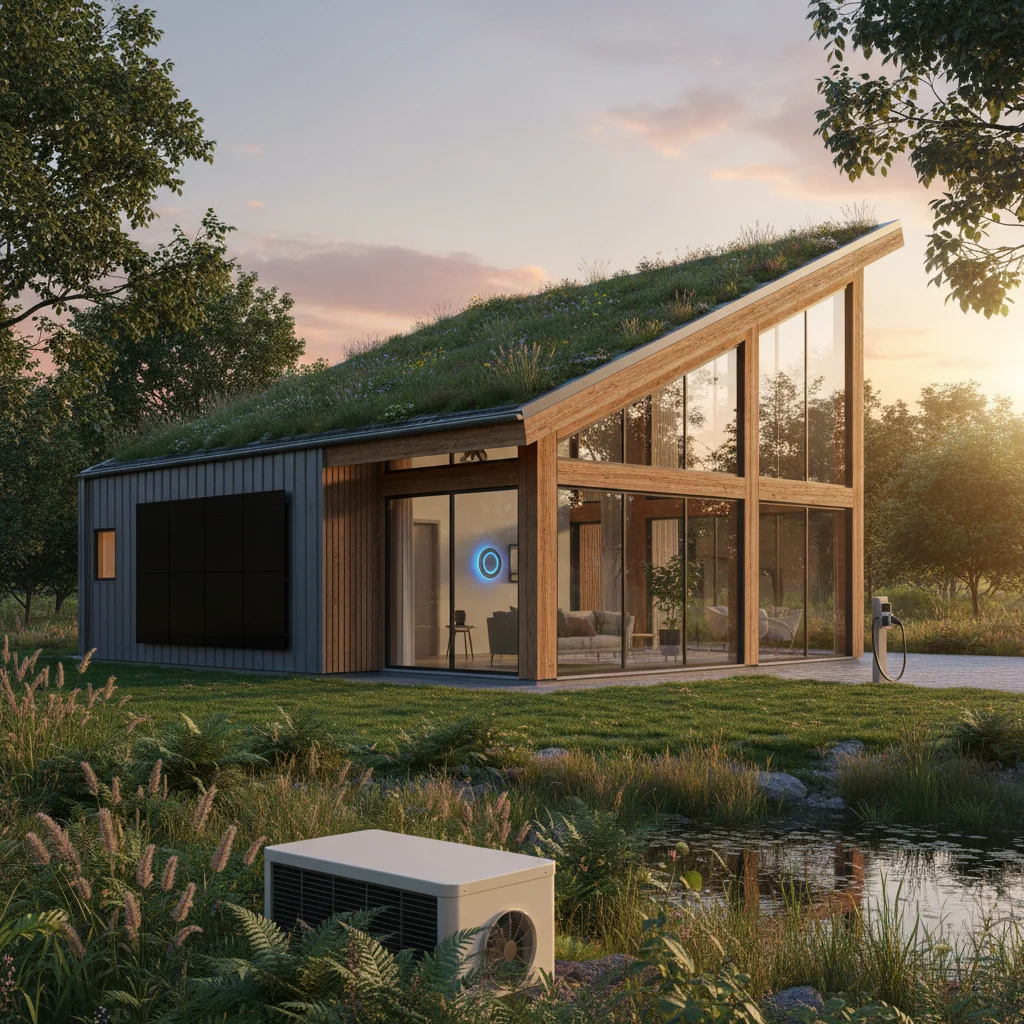
In the quest for a more sustainable future, U.S. households are increasingly looking for ways to reduce their environmental footprint and energy consumption. While solar panels have long been the poster child for residential green technology, the landscape of eco-friendly innovations is rapidly expanding. There’s a whole world of innovative green home technologies that go far beyond harnessing the sun’s rays, offering exciting new avenues for energy efficiency, resource conservation, and overall sustainable living. This comprehensive guide will delve into four groundbreaking technologies that are transforming homes across the nation, providing a deeper understanding of their benefits, implementation, and impact on creating truly sustainable U.S. households.
The urgency to adopt sustainable practices is more critical than ever. Climate change, resource depletion, and rising energy costs are driving consumers and policymakers alike to seek more efficient and environmentally responsible solutions. For homeowners, this means not only contributing to a healthier planet but also realizing significant long-term savings on utility bills and increasing property value. Moving beyond the well-trodden path of solar, we’ll explore systems and approaches that offer complementary or entirely new ways to achieve energy independence and ecological harmony within your living space. Embracing innovative green home technologies is not just a trend; it’s a fundamental shift towards a smarter, more resilient way of life.
1. Geothermal Heating and Cooling Systems: Tapping into Earth’s Stable Energy
When most people think of renewable energy for their homes, solar often comes to mind first. However, beneath our very feet lies a vast, stable, and often overlooked energy source: the Earth itself. Geothermal heating and cooling systems, or ground-source heat pumps (GSHPs), represent one of the most powerful and efficient innovative green home technologies available today. These systems harness the constant temperature of the earth a few feet below the surface to provide highly efficient heating, cooling, and even hot water for your home, regardless of the outside air temperature.
How Geothermal Systems Work
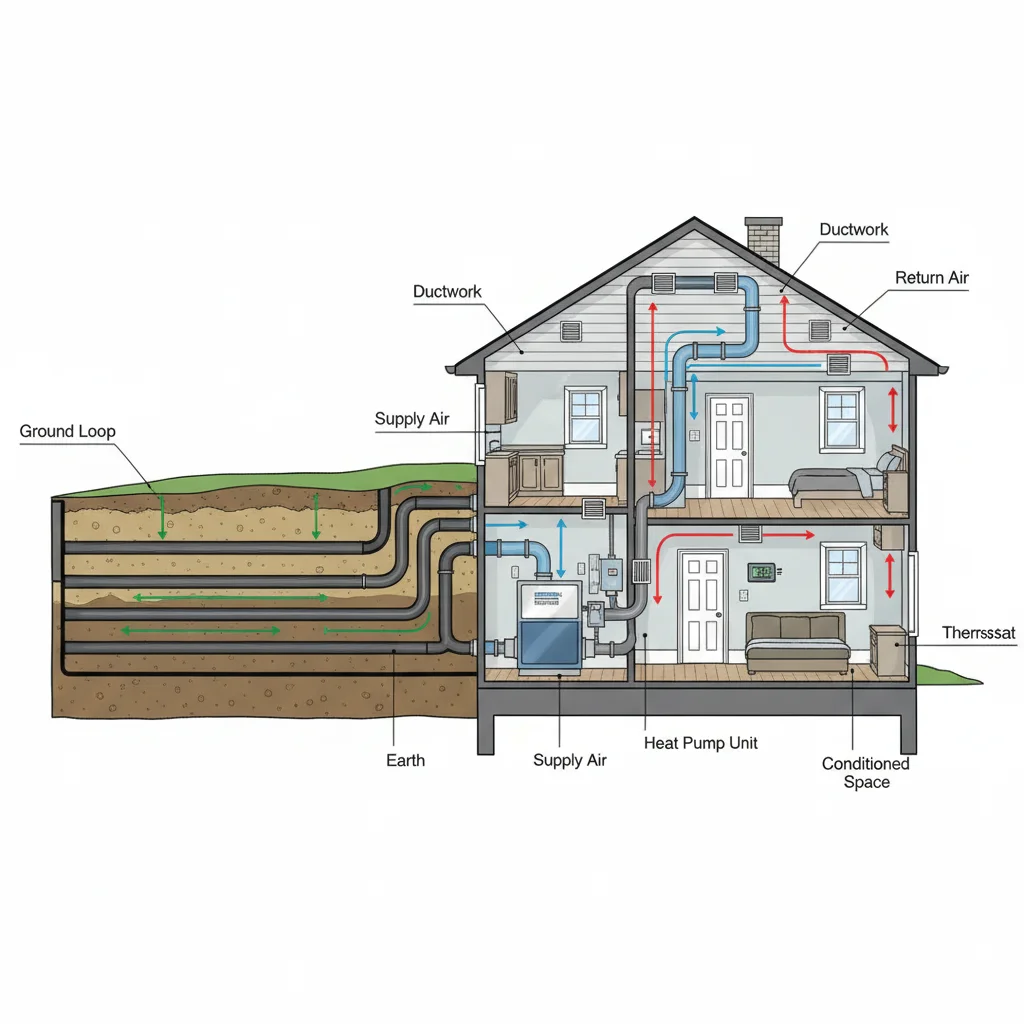
The principle behind geothermal systems is remarkably simple yet ingenious. The ground maintains a relatively constant temperature of 45-75°F (7-24°C) year-round, depending on the geographical location. A geothermal system consists of three main components: an earth loop (a series of pipes buried underground), a heat pump unit (typically located indoors), and an air delivery system (ductwork). In winter, the system extracts heat from the earth through the buried loop, transfers it to the heat pump, which then concentrates and distributes it as warm air throughout your home. In summer, the process reverses: the system pulls heat from your home’s air and transfers it back into the cooler earth, providing efficient cooling. This constant exchange makes geothermal an incredibly effective and energy-efficient solution.
Benefits for U.S. Households
- Exceptional Energy Efficiency: Geothermal systems are often cited as the most energy-efficient HVAC systems available. They don’t generate heat by burning fuel; instead, they simply move heat. This means they can deliver three to five units of energy for every unit of electricity consumed, resulting in efficiency ratings of 300-500%. This translates to significant savings on utility bills, often reducing heating and cooling costs by 25-70% compared to conventional systems.
- Reduced Carbon Emissions: By relying on the Earth’s natural heat and using electricity primarily to move that heat, geothermal systems drastically reduce a home’s carbon footprint. They eliminate the need for fossil fuels for heating, contributing to cleaner air and a healthier environment.
- Long Lifespan and Low Maintenance: The underground loop system can last for 50 years or more, while the indoor components typically have a lifespan of 20-25 years, far exceeding conventional HVAC systems. Because the major components are protected from the elements, they require less maintenance.
- Quiet Operation: Unlike noisy outdoor air conditioning units, geothermal systems operate quietly because the compressor and fan are located indoors and the primary heat exchange happens underground.
- Consistent Comfort: Geothermal systems provide very even heating and cooling throughout the home, eliminating hot and cold spots often associated with traditional HVAC.
- Potential for Tax Credits and Incentives: The U.S. federal government and many states offer substantial tax credits and incentives for installing geothermal systems, making the initial investment more manageable.
Considerations for Implementation
While the benefits are compelling, installing a geothermal system requires a significant upfront investment, which can be higher than traditional HVAC. However, the long-term savings and available incentives often make it a wise financial decision over the system’s lifespan. Installation involves drilling wells or trenching for the ground loops, which requires space and access. It’s crucial to work with experienced and certified geothermal installers to ensure proper design and installation for optimal performance. Despite these considerations, geothermal remains a leading example of innovative green home technologies that offer profound environmental and economic advantages.
2. Advanced Smart Home Energy Management Systems: Intelligent Efficiency
The rise of smart home technology has opened new frontiers for energy conservation, moving beyond simple programmable thermostats to comprehensive energy management systems. These advanced systems are among the most exciting innovative green home technologies, offering homeowners unprecedented control and insight into their energy consumption. By integrating various smart devices and leveraging artificial intelligence, these systems optimize energy use across the entire household, leading to greater efficiency and significant savings.
Components and Functionality
A sophisticated smart home energy management system typically comprises several interconnected elements:
- Smart Thermostats: Go beyond programming by learning your habits, adjusting temperatures based on occupancy, weather forecasts, and even utility peak pricing signals.
- Smart Plugs and Outlets: Allow remote control and monitoring of individual appliances, identifying ‘vampire’ loads (devices drawing power even when off) and enabling scheduled power-offs.
- Smart Lighting: Utilizes occupancy sensors, daylight harvesting, and dimming capabilities to ensure lights are only on when and where needed, at the appropriate brightness.
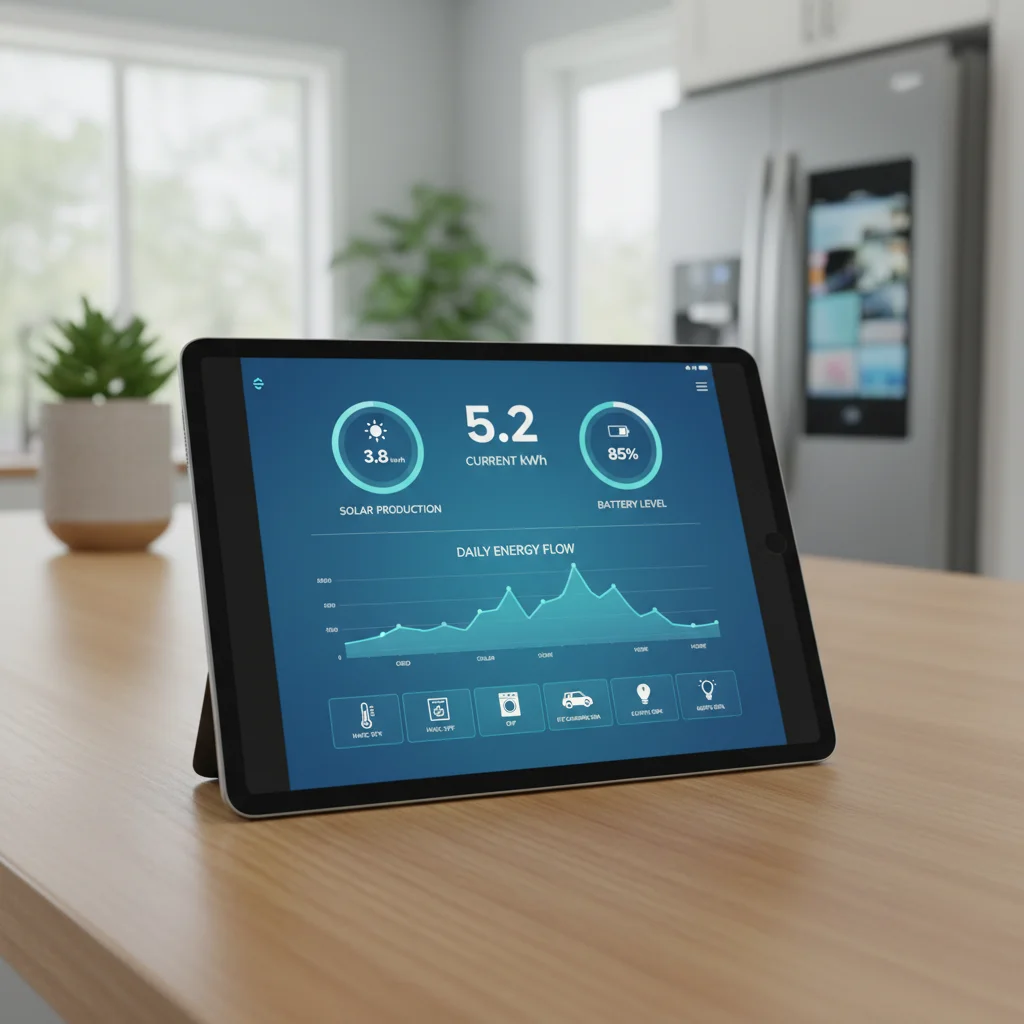
- Energy Monitors: Provide real-time data on whole-home or circuit-specific energy consumption, often broken down by appliance, helping homeowners identify energy hogs.
- Integrated Hubs/Platforms: These are the brains of the system, collecting data from all connected devices, analyzing patterns, and making intelligent decisions. They often come with user-friendly interfaces (apps) for remote control and reporting.
- Renewable Energy Integration: Many advanced systems can seamlessly integrate with solar panels, battery storage, and even electric vehicle (EV) charging, optimizing energy flow and maximizing self-consumption of renewable energy.
Benefits for U.S. Households
- Optimized Energy Consumption: By intelligently managing heating, cooling, lighting, and appliance use, these systems can significantly reduce overall energy demand. They learn your preferences and adapt to minimize waste without sacrificing comfort.
- Cost Savings: Reduced energy consumption directly translates to lower utility bills. Furthermore, some systems can automatically shift energy-intensive tasks (like charging an EV or running a dishwasher) to off-peak hours when electricity rates are lower, leading to additional savings.
- Increased Awareness and Control: Real-time data and detailed reports empower homeowners to understand their energy usage patterns, identify inefficiencies, and make informed decisions about their consumption habits. Remote control via smartphone apps adds convenience and peace of mind.
- Enhanced Comfort and Convenience: Smart systems can pre-condition your home before you arrive, adjust lighting based on natural light levels, and automate routines, creating a more comfortable and effortless living experience.
- Grid Flexibility and Resilience: By allowing utility companies to send signals for demand response programs (with homeowner consent), these systems can help stabilize the grid during peak demand, potentially earning homeowners incentives. When paired with battery storage, they can also provide backup power during outages.
Considerations for Implementation
The initial cost of installing a comprehensive smart home energy management system can vary widely depending on the number of devices and the level of integration. Compatibility between different brands and ecosystems can sometimes be a challenge, making it important to research and plan carefully. Data privacy and cybersecurity are also important considerations when connecting numerous devices to the internet. However, as the technology matures and becomes more standardized, these systems are becoming increasingly accessible and user-friendly, solidifying their place as essential innovative green home technologies for the modern era.
3. Advanced Building Envelopes and Insulation Materials: Passive Efficiency
While flashy gadgets often grab headlines, some of the most fundamental and impactful innovative green home technologies lie within the very structure of our homes: the building envelope. This refers to the physical separation between the conditioned interior and the unconditioned exterior, including walls, roofs, foundations, windows, and doors. By enhancing the performance of the building envelope with advanced insulation and construction techniques, homeowners can dramatically reduce energy loss, improve indoor comfort, and create a truly sustainable living environment, often with minimal ongoing operational costs.
Key Innovations in Building Envelopes
- Airtight Construction and Air Sealing: Preventing uncontrolled air leakage is paramount. Modern building practices emphasize meticulous air sealing around penetrations, joints, and gaps using specialized tapes, caulks, and foams. This significantly reduces drafts and prevents conditioned air from escaping, which can be as impactful as adding more insulation.
- High-Performance Insulation Materials: Beyond traditional fiberglass, newer materials offer superior thermal resistance (R-value) and other benefits:
- Spray Foam Insulation (Open-cell and Closed-cell): Creates an excellent air seal, conforms to cavities, and offers high R-values. Closed-cell foam also acts as a vapor barrier.
- Structural Insulated Panels (SIPs): Factory-made panels consisting of an insulating foam core sandwiched between two structural facings (e.g., OSB). SIPs offer superior insulation and airtightness compared to traditional stick framing.
- Aerogel and Vacuum Insulated Panels (VIPs): Though more expensive, these cutting-edge materials offer exceptionally high R-values in very thin profiles, ideal for space-constrained applications.
- Recycled Content Insulation: Materials like denim, cellulose (recycled paper), and sheep’s wool offer good thermal performance with reduced environmental impact from manufacturing.
- Advanced Window Technologies: Windows are often a weak point in the building envelope. Innovations include:
- Triple-Pane Glazing: Offers significantly better insulation than double-pane, especially when combined with inert gas fills (argon, krypton) between panes.
- Low-Emissivity (Low-E) Coatings: Microscopic metallic coatings on glass surfaces that reflect infrared light, keeping heat inside during winter and outside during summer.
- Insulated Frames: Fiberglass or composite frames with thermal breaks further reduce heat transfer through the window assembly.
- Green Roofs (Living Roofs): While visually appealing, green roofs also provide excellent insulation, reduce stormwater runoff, mitigate urban heat island effects, and improve air quality.
Benefits for U.S. Households
- Substantial Energy Savings: A well-designed and executed building envelope can reduce heating and cooling loads by 30-50% or more, leading to significant and continuous utility bill savings over the home’s lifetime.
- Enhanced Comfort: Consistent indoor temperatures, elimination of drafts, and reduced temperature differences between walls and interior air create a much more comfortable living environment.
- Improved Indoor Air Quality: An airtight envelope, when combined with controlled mechanical ventilation (like an HRV/ERV), prevents the infiltration of pollutants, allergens, and moisture, leading to healthier indoor air.
- Reduced Noise Pollution: Denser insulation and airtight construction also contribute to a quieter indoor environment by dampening external noise.
- Increased Durability and Resilience: Proper air sealing and moisture control within the envelope protect the building structure from moisture damage, mold growth, and premature degradation.
- Higher Property Value: Energy-efficient homes are increasingly attractive to buyers and can command a premium in the real estate market.
Considerations for Implementation
Implementing advanced building envelope strategies is often most cost-effective during new construction or major renovations. Retrofitting existing homes can be challenging but still yield significant benefits. Proper ventilation is crucial in airtight homes to maintain indoor air quality and prevent moisture issues. Working with architects and builders experienced in high-performance construction is essential to ensure that all components of the building envelope work together effectively. Investing in these passive innovative green home technologies creates a foundation of efficiency that amplifies the benefits of active systems like geothermal or solar.
4. Advanced Rainwater Harvesting and Greywater Recycling Systems: Water Wisdom
Water conservation is another critical pillar of sustainable living, especially in regions prone to drought or facing increasing water costs. While often overlooked in favor of energy-focused solutions, advanced rainwater harvesting and greywater recycling systems are powerful innovative green home technologies that can drastically reduce a household’s reliance on municipal water supplies and minimize wastewater discharge. These systems represent a proactive approach to managing one of our most precious resources.
Rainwater Harvesting: Capturing the Sky’s Bounty
Rainwater harvesting involves collecting and storing rainwater from impervious surfaces, typically rooftops, for later use. Modern systems go beyond simple barrels at the downspout:
- Collection System: Gutters and downspouts direct rainwater to a filtration system that removes leaves, debris, and larger particulates.
- Storage Tanks: Ranging from above-ground decorative barrels to large underground cisterns, these tanks store the filtered water. Materials vary from plastic to concrete or fiberglass.
- Pumping and Distribution: A pump moves the stored water to its points of use. For non-potable uses, simple filtration might suffice. For potable uses, more advanced filtration (sediment filters, UV sterilization, carbon filters) is required.
- Uses: Rainwater is excellent for irrigation (gardens, lawns), toilet flushing, laundry, and even showering (with proper treatment).
Greywater Recycling: Reusing Within the Home
Greywater refers to wastewater generated from sinks, showers, bathtubs, and laundry machines – essentially, all household wastewater except that from toilets (blackwater). Greywater recycling systems capture this relatively clean water, treat it, and make it available for non-potable uses:
- Separation Plumbing: Requires a separate plumbing system to divert greywater from blackwater. This is easier to implement in new construction but can be retrofitted.
- Filtration and Treatment: Greywater passes through a series of filters to remove hair, lint, soap scum, and other solids. More advanced systems may include biological treatment or UV sterilization depending on the intended use.
- Storage and Distribution: Treated greywater is stored in a small tank and then pumped to its points of use, typically for toilet flushing and outdoor irrigation.
- Uses: Most commonly used for subsurface irrigation (watering plants directly at the root zone to minimize human contact) and toilet flushing. Advanced systems can treat greywater to a higher standard for laundry or even showering.
Benefits for U.S. Households
- Significant Water Savings: These systems can reduce a household’s potable water consumption by 30-50% or more, leading to substantial savings on water bills, especially in areas with high water rates or restrictions.
- Reduced Strain on Municipal Water Supplies: By using alternative water sources, homes lessen the demand on local water utilities, which is crucial during droughts or in growing communities.
- Lower Wastewater Discharge: Greywater recycling diverts a significant portion of household wastewater from the sewer system, reducing the load on municipal treatment plants.
- Environmental Benefits: Reduces stormwater runoff (which can carry pollutants into natural waterways), recharges groundwater, and lessens the energy required for water treatment and pumping by municipal systems.
- Resilience: Provides a backup water source during utility outages or restrictions, increasing household self-sufficiency.
Considerations for Implementation
The legality and regulations surrounding rainwater harvesting and greywater recycling vary significantly by state and even by local municipality in the U.S. It’s essential to research and comply with all local codes and permitting requirements. Initial installation costs can be substantial, particularly for complex systems requiring separate plumbing. Proper design, filtration, and maintenance are critical to prevent health risks and ensure system longevity. Despite these hurdles, as water scarcity becomes a more pressing issue, these water-wise innovative green home technologies are becoming increasingly vital for sustainable living.
Integrating Innovative Green Home Technologies for Maximum Impact
While each of these innovative green home technologies offers significant benefits on its own, their true power is unleashed when integrated into a holistic sustainable home design. Imagine a home that combines the following:
- An advanced building envelope with superior insulation and airtightness, drastically reducing heating and cooling loads.
- A geothermal system efficiently handling the remaining heating and cooling needs with minimal electricity.
- A smart home energy management system orchestrating all energy flows, optimizing appliance use, and potentially integrating with rooftop solar (if desired) and battery storage for true energy independence.
- Rainwater harvesting providing water for irrigation and toilet flushing, while a greywater system recycles shower and laundry water for additional non-potable uses.
Such a home wouldn’t just be ‘green’; it would be a highly efficient, resilient, and virtually self-sufficient ecosystem. This integrated approach maximizes energy and water savings, minimizes environmental impact, and provides unparalleled comfort and control for the homeowner. It moves beyond simply adding a few eco-friendly features to fundamentally rethinking how a home interacts with its environment and resources.
The Future is Green: Making the Investment in Innovative Green Home Technologies
The upfront investment for many of these innovative green home technologies can be higher than conventional alternatives. However, it’s crucial to view these expenses as long-term investments rather than mere costs. The financial returns come in the form of significantly lower (or even eliminated) utility bills, increased property value, and eligibility for various federal, state, and local incentives, rebates, and tax credits. Beyond the financial, the environmental returns are immeasurable, contributing to a healthier planet for future generations.
Moreover, the technologies themselves are continually evolving, becoming more efficient, affordable, and user-friendly. As awareness grows and demand increases, we can expect further innovations and widespread adoption. For U.S. homeowners looking to build, renovate, or simply upgrade their living spaces, exploring these cutting-edge solutions offers a pathway to a future that is not only sustainable but also more comfortable, resilient, and economically sound.
Embracing innovative green home technologies is a powerful statement. It’s a commitment to responsible resource management, a stand against climate change, and an investment in a better quality of life. By looking beyond the familiar and exploring the full spectrum of available solutions, U.S. households can become pioneers in the movement towards a truly sustainable future, one home at a time.
The journey towards a fully sustainable home is a continuous one, but with the array of advanced technologies now available, it’s more accessible and rewarding than ever before. From tapping into the earth’s stable temperatures with geothermal systems to intelligently managing energy with smart home platforms, enhancing structural efficiency with advanced building envelopes, and wisely conserving water with harvesting and recycling systems, the options for creating a truly green home are abundant. The time to innovate, integrate, and invest in these transformative solutions is now.