Future-Proofing Your Home: Cutting-Edge Residential Solar & Energy Efficiency Trends
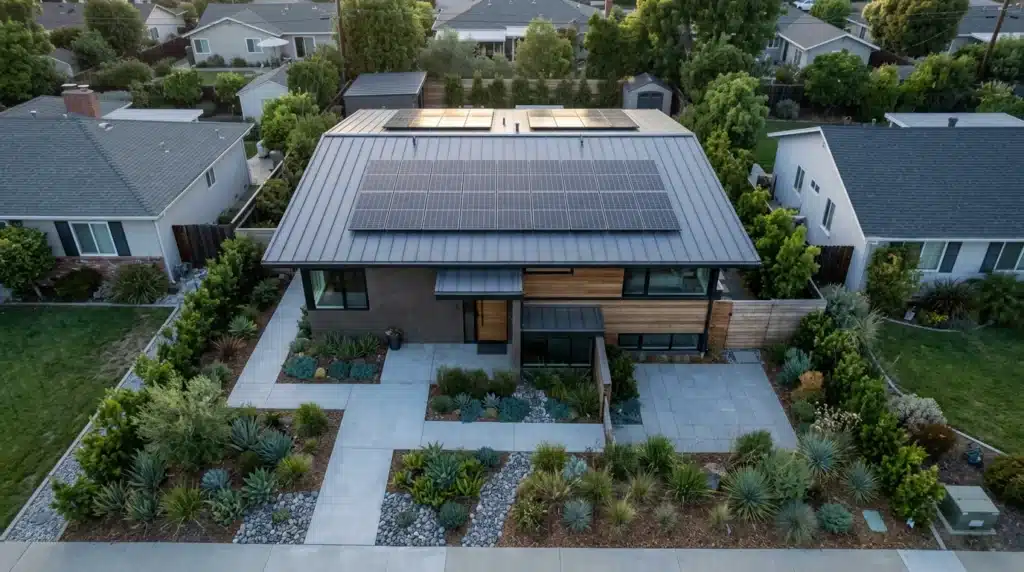
Future-proofing your home is no longer a concept confined to science fiction. It’s a practical series of decisions made today to ensure comfort, security, and financial stability for years to come. While solar panels have become a familiar sight on rooftops, they represent just the beginning of a much deeper revolution in home energy. The conversation has shifted from simply generating power to intelligently managing every watt, transforming our houses from passive consumers into active, resilient ecosystems.
This rapid evolution is driven by a perfect storm of factors. The cost of advanced technology, from solar panels to battery storage, has plummeted, making energy independence more accessible than ever. Simultaneously, growing concerns over grid instability and unpredictable utility rates have made self-sufficiency a tangible priority for millions of homeowners. It’s a underlying change in mindset: moving away from complete reliance on a centralized system and toward personal energy control and sustainability.
But where do you start? This guide cuts through the noise to focus on the trends that deliver the most significant impact. We’ll explore how AI-powered smart home systems are automating efficiency beyond simple monitoring, and why advanced battery storage is the key to unlocking true 24/7 power. we’ll uncover the notable, often-overlooked innovations in the building envelope and high-efficiency appliances that can drastically reduce your energy needs from the outset, making your entire system more powerful and cost-effective.
The Evolving Landscape of Residential Solar Power
Residential solar is no longer a fringe investment reserved for the eco-elite or the wealthy. It has become a mainstream financial decision. Recent data from the Solar Energy Industries Association (SEIA) shows a staggering 32% year-over-year growth in home installations, a figure that confirms this rapid and widespread adoption across diverse economic backgrounds.
What’s fueling this explosion in home solar? The technology itself has become dramatically more potent and affordable. Think of it like the evolution of a laptop; each new generation of solar panel packs significantly more power-generating capacity into the same physical footprint, often for a lower cost than its predecessor. This continuous improvement has shattered the old barrier of entry, making home energy production a viable option for millions.
Government policy has also rolled out the red carpet for homeowners.
Significant federal tax incentives, paired with a patchwork of state-level rebates, effectively slash the upfront investment required. This has radically shortened the payback period from a decade or more to just a few years for many households (a surprisingly fast return on investment). The result is a powerful financial argument that complements the environmental one, pushing solar from a “nice-to-have” to a “must-consider” upgrade for property owners looking to manage long-term expenses.
The underrated factor here, is a underlying cultural shift. Homeowners are increasingly seeking energy independence, and the concept of solar-powered living for a greener home is becoming a status symbol of self-sufficiency. This move is about more than just reducing a utility bill; it’s about building resilience against grid instability and taking direct control of one’s carbon footprint. People are now focused on integrating solar as part of a sustainable lifestyle, not just as a standalone appliance.
The conversation has decisively moved past simple cost-benefit analysis. The question homeowners now ask isn’t if they should go solar, but how quickly they can make the switch and what other efficiencies they can unlock once they do.
Smart Home Integration: Beyond Basic Solar Monitoring
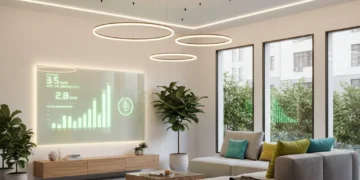
If you think your solar setup is “smart” just because you have an app that shows energy production, you’re missing the real revolution. The conversation has decisively moved past simple consumption reports and into true, predictive energy automation. Your home’s components are no longer isolated players; they are becoming a single, cohesive unit designed for radical efficiency. It’s no longer about just generating power. It’s about intelligently directing it.
The real leap forward is in creating a home that anticipates your needs and responds to grid conditions automatically. This level of solar integration is paving the way for a sustainable lifestyle that requires almost no manual intervention. It’s about making your house work for you, not the other way around.
AI-Powered Energy Optimization
Yesterday’s systems followed simple rules: use solar power during the day, pull from the grid at night. Today’s artificial intelligence platforms are playing a completely different game. These systems analyze your personal consumption patterns, cross-reference them with weather forecasts, and monitor fluctuating utility rates to make decisions in real-time. What does that actually mean? It means your system might pre-cool your home at 2 PM when solar energy is abundant and cheap, avoiding a costly grid pull during the 5 PM peak.
This isn’t just theory. A recent analysis from the National Renewable Energy Laboratory (NREL) suggests that AI-driven home energy management systems can reduce a solar home’s reliance on the grid by an additional 22% compared to non-AI systems. The underrated factor here is the system’s ability to learn. It’s like having a hyper-efficient energy trader living in your breaker box, constantly working to save you money.
Smooth Appliance Control
The next frontier is giving your energy system direct command over your most power-hungry appliances. We’re talking about more than just smart plugs on your lamps. Modern energy management platforms can now integrate directly with your EV charger, heat pump water heater, and even your dishwasher. The system doesn’t just suggest you run the dishwasher at noon; it does it for you when solar generation is at its peak.
But does this level of automation feel intrusive? Surprisingly, most users report the opposite. The goal of this deep integration for solar-powered living is to make efficiency invisible — the house just hums along, optimizing in the background without you ever needing to think about it. It’s the difference between manually balancing your checkbook and having an app that automatically categorizes spending and moves money into savings for you.
Popular Smart Energy Management Systems Compared
| System | Key Feature | Appliance Integration | Estimated Cost (System Only) |
|---|---|---|---|
| LumenOS | Predictive Weather AI | Direct API for EV chargers and major brand heat pumps. | $1,250 |
| Span Panel | Circuit-level control | Manages every circuit in your home individually. | $4,500+ |
| EcoFlow Delta Pro Ecosystem | Modular Battery & Portability | Integrates with smart plugs and a proprietary smart panel. | $3,699 (for base unit) |
Choosing a system isn’t just about features; it’s about committing to an ecosystem. The real challenge for homeowners will be navigating compatibility and avoiding being locked into a single manufacturer’s walled garden as these platforms compete for control of the fully connected, energy-efficient home.
Homeowners often fixate on the peak wattage of their solar panels, but the real gains come from system intelligence. A truly efficient home is an ecosystem where generation, storage, and consumption are in constant, automated dialogue.
— Dr. Aris Thorne, Senior Energy Systems Analyst, NREL
| Core Trend | Primary Benefit | Ideal For Homeowners Who… |
|---|---|---|
| Next-Gen Solar Panels | Higher efficiency in a smaller footprint, better performance in low light. | Have limited roof space or want to maximize energy generation. |
| AI Energy Management | Automates energy usage to align with peak solar production and low utility rates. | Want to minimize grid reliance and electricity bills without manual effort. |
| Advanced Battery Storage | Provides power during outages and allows for storing cheap solar energy for nighttime use. | Seek energy independence, resilience against blackouts, and savings on time-of-use rates. |
| Building Envelope Upgrades | Drastically reduces the amount of energy needed for heating and cooling. | Want the highest ROI on energy upgrades by first reducing overall consumption. |
Advanced Battery Storage: Powering Homes Off-Grid and On-Demand
The biggest fallacy in residential solar is thinking the panels are the most important part. They aren’t. Solar panels are simply collectors, useless after sunset or on a cloudy day without a critical partner: the battery. True energy independence isn’t about generation; it’s about control. Advanced battery storage is what separates a hobbyist’s setup from a resilient, self-sufficient household, turning intermittent sunlight into a 24/7 power source.
Without storage, you are still tethered to the grid’s whims and pricing. A battery system transforms your relationship with energy, allowing you to store cheap solar power generated during the day and use it during expensive evening peak hours. This practice, known as load shifting, directly attacks your utility bill. A recent report from the Lawrence Berkeley National Laboratory found that homes with paired solar and storage can reduce their reliance on the grid by up to 87%, a figure that should make any homeowner sit up and take notice.
Next-Gen Battery Chemistries
For years, the conversation has been dominated by Lithium-ion (Li-ion) batteries, specifically Lithium Iron Phosphate (LFP) and Nickel Manganese Cobalt (NMC) chemistries. They offer high energy density and a mature manufacturing base. But the industry is rapidly evolving, driven by concerns over material costs and supply chain ethics. What most people miss is the quiet revolution happening with alternative chemistries.
The two most promising contenders are sodium-ion and residential flow batteries. Each presents a different vision for the future of home energy. Thinking about which is “best” is like arguing over the best tool without knowing the job—it all depends on your priorities.
- Lithium-ion (LFP/NMC): The current champion. High energy density means a smaller physical footprint. They have a proven track record and declining costs. they have a finite lifespan of 10-15 years, and concerns about cobalt mining and thermal runaway (though rare with modern safety systems) persist.
- Sodium-ion (Na-ion): The challenger built from common materials. Using abundant sodium instead of lithium dramatically lowers potential costs and eliminates geopolitical supply risks. While currently less energy-dense than lithium, rapid development suggests they could become the go-to for stationary storage where space is less of a premium.
- Flow Batteries: The marathon runner. These systems store energy in external tanks of liquid electrolyte. Their main advantage is an incredible lifespan—they can be charged and discharged tens of thousands of times with minimal degradation. Their capacity is also easily scalable by simply increasing the size of the electrolyte tanks. The trade-off is a much larger footprint and lower efficiency compared to Li-ion.
Virtual Power Plants (VPPs) and Grid Services
The most radical shift in battery ownership has nothing to do with blackouts. It’s the idea that your home battery isn’t just a personal asset, but a component of a larger, decentralized power grid. A Virtual Power Plant (VPP) is a network of hundreds or thousands of home batteries, all connected digitally and coordinated by a utility or a third-party operator. This is not a futuristic concept; it’s happening right now in places like California, Vermont, and Australia.
This aggregation of power creates a massive, responsive energy resource. But why would you want to hand over control of your battery? The utility pays you for it. During periods of extreme demand—like a summer heatwave—the VPP can instantly discharge a small amount of energy from each home in the network. This prevents the need to fire up expensive and polluting “peaker” power plants, stabilizing the grid for everyone.
Participating in Grid Resilience
Joining a VPP program transforms you from a passive energy consumer into an active participant in grid management. For a small, automated contribution of your stored energy, you receive payments or bill credits. The data suggests these programs are effective; a pilot VPP by Green Mountain Power in Vermont helped reduce peak demand by over 1.5 MW, saving all customers money. This move toward proactive solar integration redefines what a home energy system can do, moving beyond simple self-consumption to community-wide benefit.
Sizing Your Home Battery System
A common mistake is assuming bigger is always better when choosing a battery. This is a costly error. Sizing your home battery system is more like packing a suitcase than building a fortress; you need to match your capacity to your actual needs, not some imagined worst-case apocalypse. Oversizing a battery means paying for capacity you’ll never use, killing your return on investment.
The right size depends on your goals. Are you trying to avoid peak electricity rates, or are you aiming for true off-grid independence during an outage? To calculate your needs, you must first understand your daily energy consumption, particularly your “critical loads”—the necessary appliances you need to run during a power outage, like refrigerators, lights, and medical devices. A typical modern home might use 20-30 kWh per day, but critical loads might only account for 5-10 kWh.
A 13.5 kWh battery might be perfect for surviving evening peak rates and a brief outage. running a central air conditioner and other heavy loads through a multi-day blackout might require a stacked system of 27 kWh or more. The key is a detailed energy audit—something a reputable installer will insist upon. Don’t let anyone sell you a battery without first analyzing at least a year’s worth of your utility bills.
Innovations in Energy Efficiency for Sustainable Living
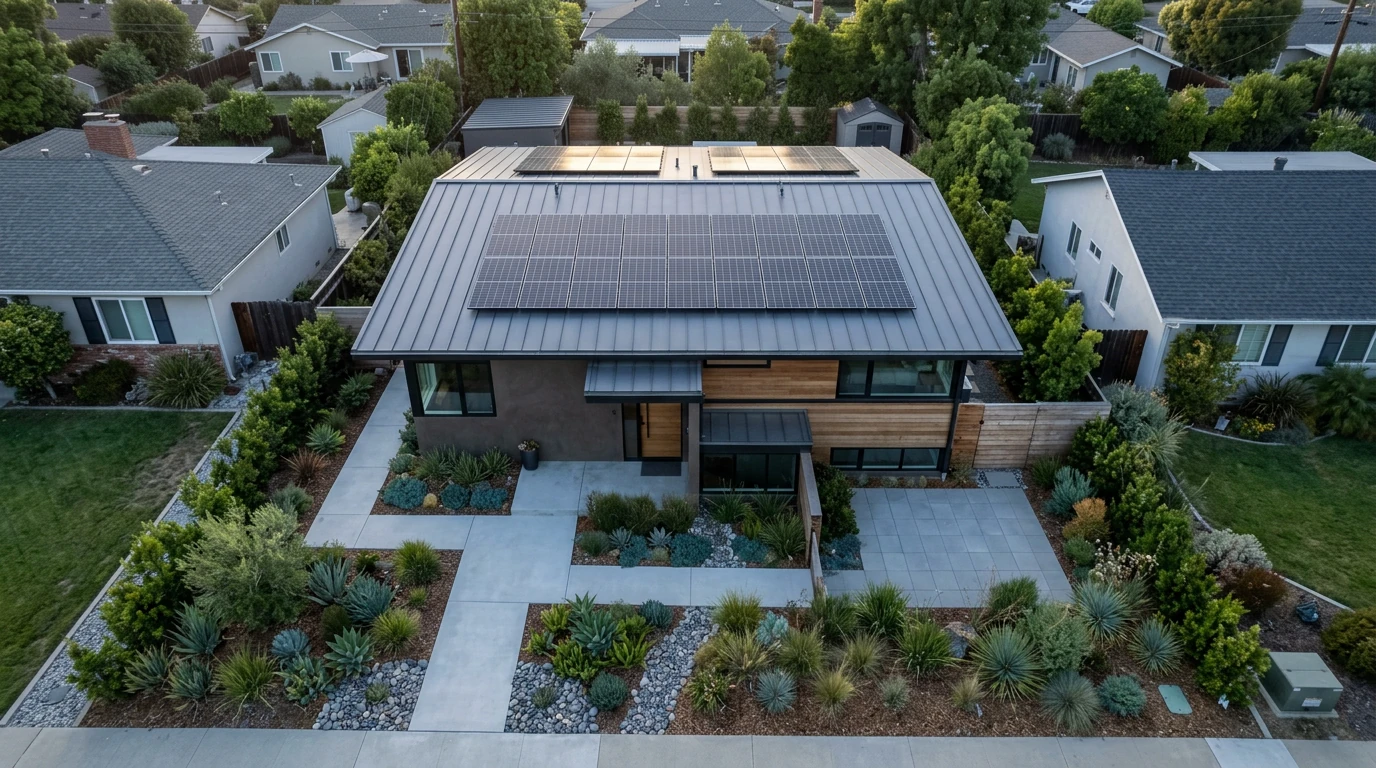
Many homeowners believe that installing solar panels is the final step toward energy independence. But that’s a dangerously incomplete picture. True efficiency isn’t just about generating clean power; it’s about radically reducing the need for that power in the first place. Focusing only on production while ignoring consumption is like trying to fill a bucket riddled with holes—a frustrating and wasteful exercise. The real breakthroughs in creating a future-proof, sustainable lifestyle are happening inside the walls of the home itself.
What good is a rooftop solar array if 30% of its generated energy is immediately lost through poorly insulated walls and drafty windows? This is where the core of modern efficiency lies.
Building Envelope Enhancements
Your home’s “building envelope”—its walls, windows, roof, and foundation—is your primary defense against energy loss. While fiberglass batts have been the standard for decades, new materials offer far superior performance. Advanced options like closed-cell spray foam or structural insulated panels (SIPs) create an almost airtight seal. A recent analysis from the National Renewable Energy Laboratory (NREL) suggests that full air sealing and insulation upgrades can cut a home’s heating and cooling energy needs by up to 45%. It’s a massive saving that solar panels alone can’t replicate.
The next frontier is smart glass. Beyond basic low-emissivity (Low-E) coatings, electrochromic windows are becoming more accessible. These windows use a tiny electrical charge to tint on demand, blocking solar heat gain during hot afternoons and becoming clear to allow warmth in on cold mornings. What most people miss is that this technology actively manages a home’s temperature, reducing the load on your HVAC system. It essentially turns your windows from a passive liability into an active part of your home’s climate control.
High-Efficiency HVAC and Water Heating
Heating and cooling are the largest energy hogs in most American homes. The shift away from traditional furnaces and air conditioners toward heat pump technology is one of the most significant trends in home efficiency. Instead of burning fuel or using resistive elements to create heat, a heat pump simply moves it. In winter, it pulls warmth from the outside air (even when it’s cold) and moves it inside; in summer, it reverses the process.
This is not old, unreliable technology. Modern cold-climate heat pumps can operate with surprising effectiveness at temperatures well below freezing, a detail confirmed by Department of Energy field studies showing they can retain over 75% of their heating capacity at 5°F (-15°C). Water heating, another major energy drain, is also being transformed by this technology. A heat pump water heater can be two to three times more efficient than a standard electric tank, a critical upgrade for any solar-powered living setup where every kilowatt-hour counts.
To gauge your home’s current standing, here is a quick audit checklist:
- Air Leak Test: Use an incense stick on a windy day near windows, doors, and electrical outlets. If the smoke wavers, you have a leak.
- Insulation Check: Can you see the floor joists in your attic? If so, you almost certainly need more insulation. Aim for an R-value of R-49 to R-60 in most climates.
- HVAC Age: Is your furnace or air conditioner over 15 years old? Its efficiency is likely far below current standards.
- Window Inspection: Look for condensation between panes of double-pane windows, a sign that the seal has failed and insulating gas has escaped.
- Energy Bill Analysis: Compare your monthly kWh usage to that of similarly sized homes in your area (many utility companies provide this data).
Ultimately, these efficiency measures work in concert, creating a home that requires fundamentally less energy to operate. This synergy not only lowers bills but also makes achieving a sustainable lifestyle with solar power a much more realistic and affordable goal, as a smaller, less expensive solar system can then meet your needs.
The Future of Home Solar: Beyond the Rooftop
Thinking solar is just about bulky blue panels bolted onto your roof is an outdated view. The next wave of residential energy is far more subtle and integrated. We are now seeing the emergence of building-integrated photovoltaics (BIPV), where the solar collector is the building material itself. This isn’t science fiction. It’s happening now.
Imagine your roof shingles or the siding on your house quietly generating electricity. Companies are producing solar shingles that are nearly indistinguishable from high-end asphalt or slate tiles, blending aesthetics with powerful energy production. According to the National Renewable Energy Laboratory (NREL), some of these BIPV products are achieving efficiency ratings over 19%, closing the gap with traditional panels. This move towards integrating solar for a sustainable lifestyle dissolves the old argument that solar is an eyesore.
But what if you can’t install anything on your property at all? Renters, apartment dwellers, and homeowners with heavily shaded roofs have historically been locked out of the solar market. Community solar projects completely change this dynamic. Think of it like a community garden, but for electricity; you subscribe to a “plot” in a large, local solar farm and receive credits on your utility bill for the power it generates. This model is expanding rapidly, with some market analyses showing a 40-50% year-over-year growth in installed capacity (a clear sign of its appeal).
This approach democratizes access to clean energy, allowing more people to participate in crafting a sustainable lifestyle with solar power without any physical installation at their home. The definition of a “solar home” is becoming less about ownership of panels and more about participation in the renewable energy system itself. The real question is no longer if you can go solar, but how you will choose to do it.
From an Independent Home to an Interconnected Grid
The journey to a future-proof home seems to culminate in creating an independent, self-sufficient island. Yet, the most profound trend points in the opposite direction. As technologies like Virtual Power Plants (VPPs) mature, the greatest value of your home’s energy system may not be in isolating it from the grid, but in connecting it more intelligently. The power of a single home battery is finite; the aggregated power of ten thousand coordinated batteries can reshape the energy landscape of an entire region, adding stability and reducing costs for everyone.
This transforms the role of the homeowner from a simple consumer into an active, compensated participant in a decentralized energy market. Your home becomes a small but vital node in a stronger, more resilient community grid. As you consider these upgrades, the most important question may not be, “How can I disconnect?” but rather, “How can my home become a building block for a more sustainable and collaborative energy future?”
Frequently Asked Questions
What are the most significant new trends in residential solar?
The most significant trends go beyond the panels themselves. They include the integration of AI-powered energy management systems that optimize usage, the rise of advanced battery storage for 24/7 power, and participation in Virtual Power Plants (VPPs), which allow homeowners to sell excess energy back to the grid for a profit.
How can smart home technology improve my solar energy usage?
Smart home technology, particularly AI-driven platforms, can dramatically improve your solar energy usage. These systems analyze your consumption patterns, weather forecasts, and utility rates to automatically shift energy-intensive tasks, like EV charging or running the dishwasher, to times when solar power is abundant and free, maximizing self-consumption.
Is battery storage worth the investment for a typical home?
For many homes, yes. A battery’s worth comes from providing backup power during outages, which increases resilience. It also enables ‘load shifting’—storing free solar energy from the day to use during expensive evening peak hours, which can significantly shorten the payback period and reduce your overall utility bills.
What are some new ways to improve my home’s energy efficiency?
Beyond standard insulation, new methods include using closed-cell spray foam or structural insulated panels (SIPs) for an airtight building envelope. Another key innovation is electrochromic ‘smart glass’ that tints automatically to block solar heat gain, actively reducing the load on your HVAC system.
Can I have solar power without putting panels on my roof?
Yes, several options exist for enjoying solar benefits without rooftop installation. These include community solar programs, where you subscribe to a portion of a large, local solar farm and receive credits on your bill. emerging technologies like solar shingles and building-integrated photovoltaics (BIPV) offer more discreet alternatives.