New Solar Panel Efficiency Standards 2026: Boosting Home Energy by 25%
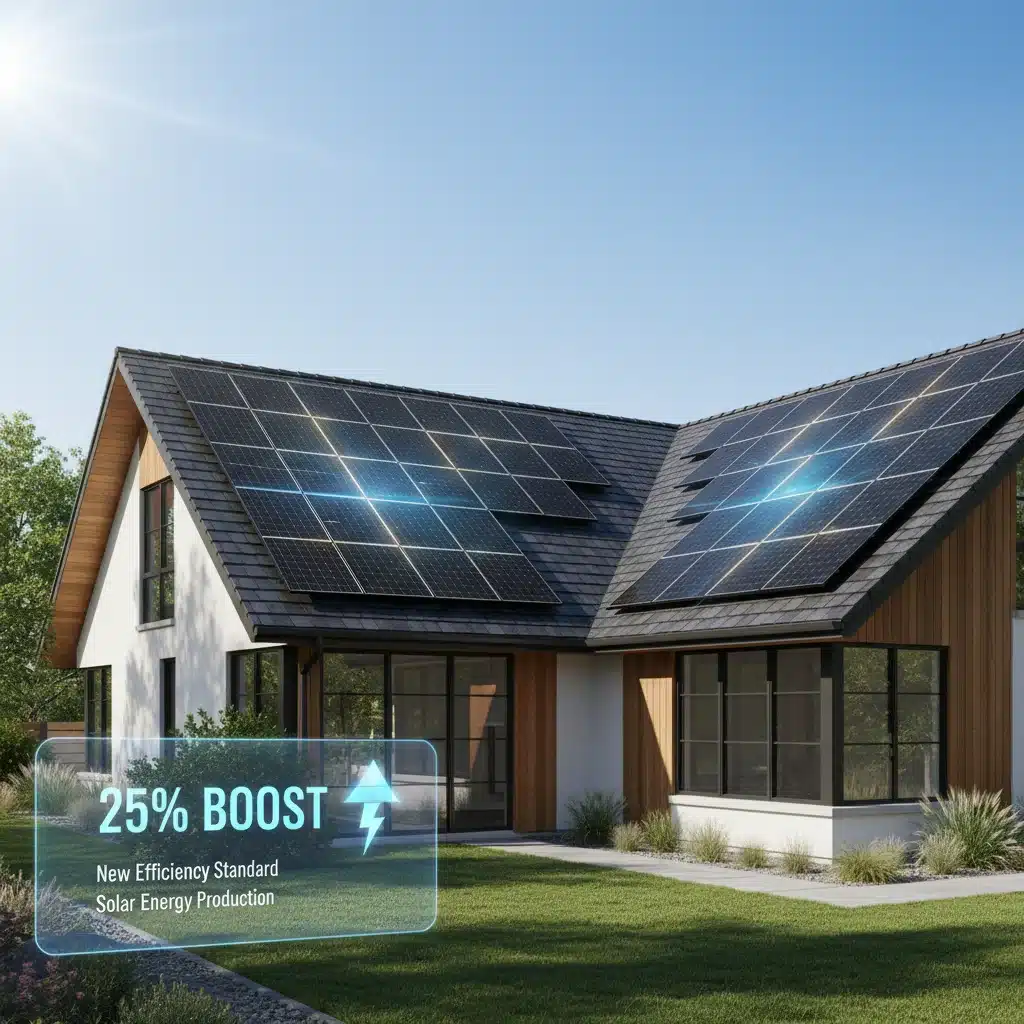
The sun, our most abundant energy source, has long been harnessed to power homes and businesses. However, the journey towards truly optimized solar energy utilization is continuous. As we approach 2026, a new era in solar technology is dawning, bringing with it new solar panel efficiency standards that promise a remarkable 25% boost in home energy production. This isn’t just a marginal improvement; it’s a significant leap forward that will redefine how we perceive and utilize solar power. For homeowners considering a transition to solar or those looking to upgrade existing systems, understanding these upcoming changes is paramount.
The implications of these new solar panel efficiency standards are far-reaching, touching upon everything from installation costs and payback periods to environmental impact and grid stability. This comprehensive guide will delve into what these standards entail, the technological innovations driving them, and what homeowners can expect as 2026 approaches. We will explore the benefits, potential challenges, and how to prepare your home to maximize the advantages of this exciting evolution in solar energy.
Understanding the New Solar Panel Efficiency Standards for 2026
The year 2026 marks a pivotal moment for the solar industry. Governments and regulatory bodies worldwide, driven by ambitious climate goals and the increasing demand for sustainable energy, are set to implement more stringent solar panel efficiency standards. These standards are not arbitrary; they are the result of years of research, development, and a collective commitment to accelerating the global transition to renewable energy. The core objective is to ensure that newly manufactured solar panels are capable of converting a significantly higher percentage of sunlight into usable electricity, with a target of a 25% boost over current average efficiencies.
Historically, solar panel efficiency has steadily improved, but this upcoming leap represents a more aggressive push. Current commercial solar panels typically operate in the 17-20% efficiency range, with premium panels reaching up to 22-23%. The 2026 standards aim to push this baseline significantly higher, meaning that a larger portion of the sun’s energy hitting your roof will be converted into power for your home. This increased efficiency translates directly into more electricity generated per square foot of panel, allowing for greater energy independence and potentially smaller solar arrays to meet the same energy demands.
These new standards are expected to be multifaceted, encompassing not only the raw conversion efficiency but also aspects like durability, degradation rates, and manufacturing sustainability. The goal is to create a more robust, reliable, and environmentally friendly solar ecosystem. For homeowners, this means investing in technology that is not only more powerful but also built to last longer and perform consistently under various environmental conditions. Understanding these benchmarks will be crucial for making informed decisions when purchasing or upgrading a solar system in the coming years.
What Drives the 25% Boost: Technological Innovations
Achieving a 25% boost in solar panel efficiency standards isn’t a matter of minor tweaks; it’s the culmination of significant breakthroughs in materials science, engineering, and manufacturing processes. Several key technological innovations are at the forefront of this revolution:
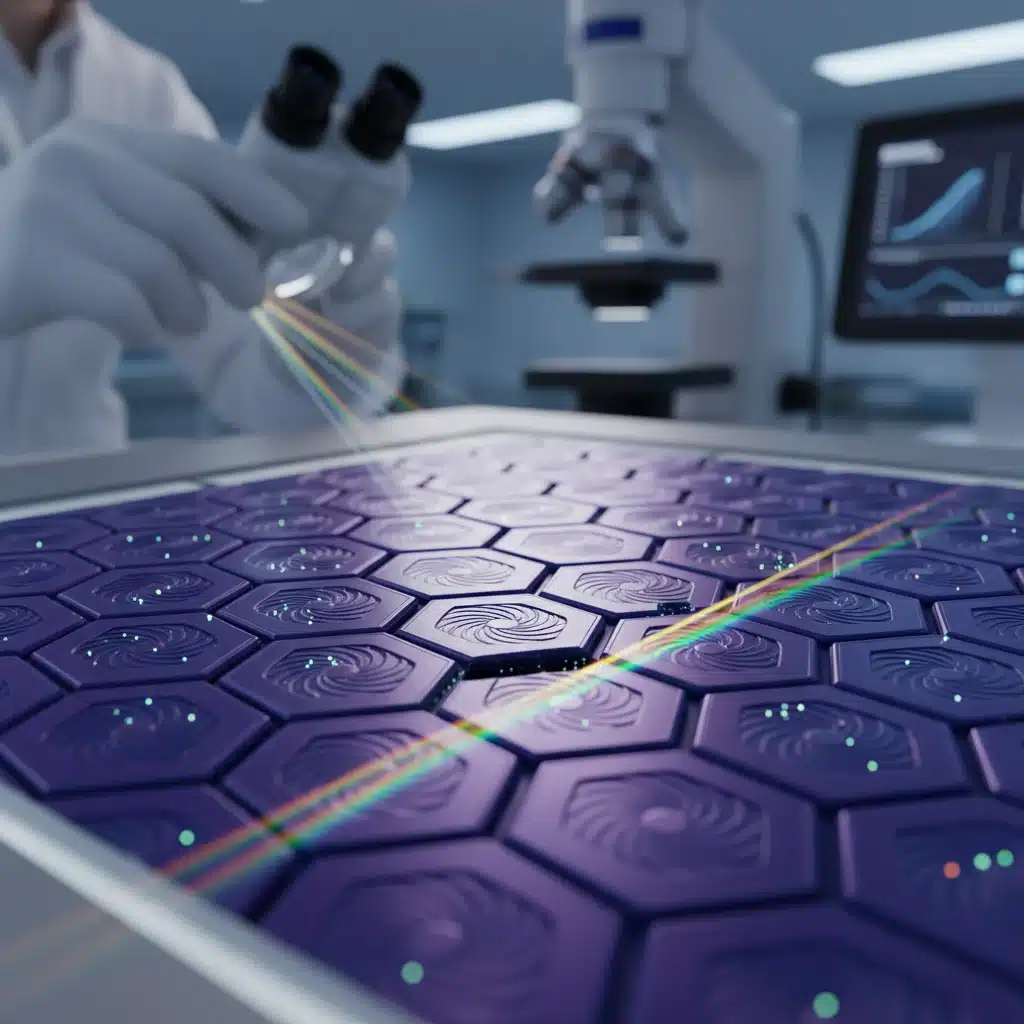
- Perovskite Solar Cells: Often hailed as the ‘next big thing’ in solar, perovskite materials offer exceptional power conversion efficiencies, even in low-light conditions. While still largely in the research and development phase for large-scale commercial applications, hybrid perovskite-silicon tandem cells are showing immense promise, potentially breaking through the 30% efficiency barrier.
- Heterojunction Technology (HJT): HJT panels combine the best aspects of crystalline silicon with thin-film technology. They boast higher efficiencies, better performance in high temperatures, and lower degradation rates compared to traditional PERC (Passivated Emitter Rear Cell) panels. This technology minimizes energy losses at the cell’s surface, leading to more power output.
- TOPCon (Tunnel Oxide Passivated Contact) Cells: TOPCon technology builds upon PERC cells by adding a thin layer of tunnel oxide, which significantly reduces electron recombination losses. This results in higher open-circuit voltage and fill factor, translating to a substantial boost in efficiency, often pushing into the 23-25% range for commercial products.
- Multi-Junction Cells: While primarily used in aerospace and specialized applications due to their high cost, multi-junction cells stack different semiconductor materials, each tuned to absorb a different part of the solar spectrum. Advances in manufacturing are slowly making these more viable for terrestrial applications, offering extremely high efficiencies.
- Advanced Module Design and Packaging: Beyond the cells themselves, innovations in how panels are constructed also contribute to overall efficiency. This includes improvements in anti-reflective coatings, optimized wiring to reduce electrical losses, and bifacial panels that can capture sunlight from both the front and back surfaces, particularly beneficial in reflective environments like snow or light-colored rooftops.
- Quantum Dot Technology: Emerging research into quantum dots could allow solar panels to capture a broader spectrum of light, including infrared and ultraviolet, which are currently less efficiently converted. This could lead to a significant jump in overall energy harvesting.
These innovations, individually and in combination, are paving the way for the 2026 solar panel efficiency standards. The competitive landscape among manufacturers is driving rapid adoption and refinement of these cutting-edge technologies, ultimately benefiting the end-consumer with more powerful and cost-effective solar solutions.
Impact on Homeowners: What to Expect
For homeowners, the introduction of the 2026 solar panel efficiency standards brings a wave of exciting changes and opportunities. The most immediate and tangible benefit will be the ability to generate more electricity from a smaller footprint. This is particularly advantageous for homes with limited roof space or those in areas with strict aesthetic guidelines. A 25% boost in efficiency means fewer panels are needed to meet the same energy demand, leading to a cleaner aesthetic and potentially simpler installations.
Increased Energy Production and Savings
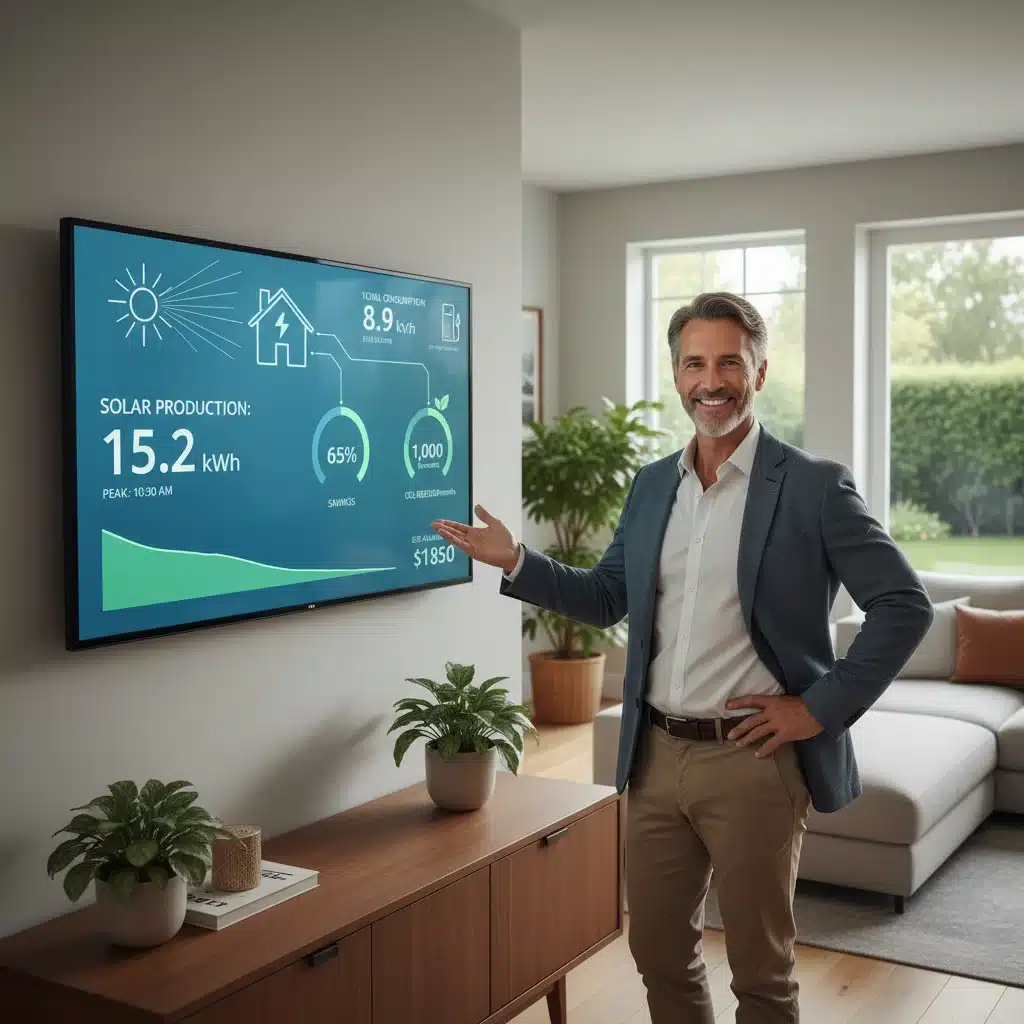
With more efficient panels, homes will generate more kilowatt-hours (kWh) per day, directly translating to higher savings on electricity bills. For a typical home, this could mean moving closer to or even achieving net-zero energy consumption, where the home produces as much energy as it consumes over a year. The enhanced output will also be beneficial during periods of lower sunlight, such as cloudy days or shorter winter days, providing more consistent energy generation throughout the year.
Cost Implications and Payback Period
While cutting-edge technology often comes with a higher upfront cost, the long-term economic benefits of these new solar panel efficiency standards are expected to outweigh the initial investment. The increased energy output means a faster payback period for the solar system. Furthermore, as these technologies become more mainstream and manufacturing scales up, the cost per watt is likely to decrease, making high-efficiency solar more accessible. Government incentives, rebates, and tax credits are also expected to continue, further reducing the net cost for homeowners.
Enhanced Home Value and Resale Appeal
Homes equipped with state-of-the-art, high-efficiency solar panels are increasingly attractive to potential buyers. Solar installations are known to boost home value, and systems adhering to the 2026 solar panel efficiency standards will be seen as a premium feature. This not only makes your home more energy-independent but also a more valuable asset in the real estate market.
Environmental Benefits
Beyond personal financial gains, adopting more efficient solar technology contributes significantly to environmental sustainability. By generating more clean energy, homeowners reduce their reliance on fossil fuels, thereby lowering their carbon footprint and contributing to cleaner air and a healthier planet. This aligns with broader global efforts to combat climate change and transition to a green economy.
Preparing Your Home for the 2026 Solar Revolution
As the 2026 solar panel efficiency standards draw nearer, homeowners have several steps they can take to prepare and ensure they are ready to capitalize on these advancements:
Energy Audit and Efficiency Upgrades
Before installing any solar system, it’s always wise to conduct a comprehensive energy audit of your home. Identify areas where energy is being wasted and implement efficiency upgrades. This could include improving insulation, sealing drafts, upgrading to energy-efficient appliances, or installing smart thermostats. Reducing your overall energy consumption means you’ll need a smaller, less expensive solar system to meet your needs, even with the new efficiency boost.
Assess Your Roof and Property
Evaluate your roof’s condition, size, and sun exposure. Ensure it’s structurally sound and free from excessive shading from trees or neighboring buildings. While higher efficiency panels require less space, maximizing unshaded roof area will always yield the best results. Consider any upcoming roof repairs or replacements to coordinate them with a potential solar installation.
Research and Consult with Experts
Stay informed about the evolving solar technology landscape. Research reputable solar installers and obtain multiple quotes. Engage with solar professionals who are knowledgeable about the upcoming solar panel efficiency standards and can guide you through the process of selecting the most appropriate system for your home. Ask about the specific technologies they offer and their projected performance.
Understand Financing and Incentives
Familiarize yourself with federal, state, and local incentives available for solar installations. These can significantly offset the upfront cost. Explore various financing options, including solar loans, leases, and power purchase agreements (PPAs), to determine which best fits your financial situation. The increased efficiency of new panels might also make financing more attractive due to faster returns.
Consider Battery Storage
To truly maximize the benefits of high-efficiency solar panels, consider integrating battery storage. Battery systems allow you to store excess electricity generated during peak sunlight hours and use it during the evening or during power outages. This enhances energy independence and can further reduce your reliance on the grid, especially as electricity rates fluctuate.
Challenges and Considerations
While the prospect of a 25% boost in solar panel efficiency standards is exciting, it’s important to acknowledge potential challenges and considerations that come with such advancements.
Initial Investment Cost
New, cutting-edge technologies can sometimes have a higher initial price tag. While economies of scale are expected to bring costs down, early adopters might face slightly higher installation costs. It’s crucial for homeowners to weigh the upfront investment against the long-term savings and increased energy production.
Installation Complexity
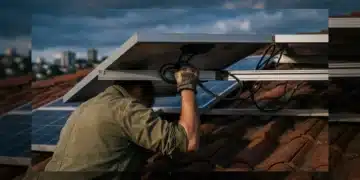
Some advanced solar technologies might require specialized installation techniques or equipment. Ensuring that your chosen installer is certified and experienced with these newer systems will be vital to guarantee optimal performance and longevity.
Grid Integration and Infrastructure
As more homes generate significant amounts of electricity, local grids will need to adapt. This could involve upgrades to infrastructure and smart grid technologies to manage the increased bidirectional flow of power. Homeowners should be aware of local utility regulations regarding grid connection and net metering policies, which may evolve in response to these changes.
Technological Obsolescence
The rapid pace of innovation means that today’s cutting-edge technology could be surpassed in a few years. While solar panels have a long lifespan (25+ years), homeowners might consider the long-term upgrade path if they wish to always have the absolute latest in efficiency. However, even panels meeting the 2026 standards will provide excellent performance for decades.
Supply Chain and Manufacturing
The global supply chain for solar components can be complex and subject to disruptions. Ensuring a steady supply of advanced materials and panels to meet the increased demand driven by the new standards will be an ongoing challenge for the industry. This could potentially impact availability and pricing.
The Future of Home Solar: Beyond 2026
The 2026 solar panel efficiency standards are not an endpoint but rather a significant milestone in the ongoing evolution of solar energy. Looking beyond this benchmark, we can anticipate even more transformative developments:
- Integrated Building Materials: Solar technology will become increasingly integrated into building materials themselves. Think solar shingles that look like regular roof tiles, solar windows that generate electricity while remaining transparent, and even solar-powered facades.
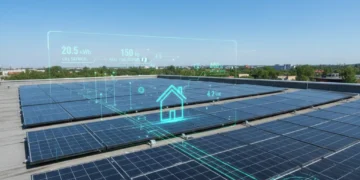
- Artificial Intelligence and Machine Learning: AI will play a crucial role in optimizing solar system performance, predicting energy generation based on weather patterns, and managing energy flow within smart homes and across the grid.
- Advanced Storage Solutions: Battery technology will continue to advance, offering higher capacities, faster charging times, and lower costs. New forms of energy storage, such as hydrogen or thermal storage, could also become more viable for residential applications.
- Decentralized Energy Grids: Homes will increasingly become prosumers (producers and consumers of energy), participating in more decentralized, resilient energy grids. Peer-to-peer energy trading among neighbors could become commonplace.
- Recycling and Sustainability: As the solar industry matures, greater emphasis will be placed on the end-of-life recycling of solar panels and components, ensuring a truly circular and sustainable energy economy.
The journey towards a fully sustainable energy future is dynamic and exciting. The 2026 solar panel efficiency standards are a testament to human ingenuity and our collective commitment to a greener planet. For homeowners, this means a future where clean, abundant, and highly efficient solar power is more accessible and impactful than ever before.
Conclusion
The advent of new solar panel efficiency standards in 2026, promising a 25% boost in home energy output, signifies a monumental shift in the renewable energy landscape. These advancements are driven by relentless innovation in materials science and engineering, making solar power more potent, reliable, and economically attractive than ever before. For homeowners, this translates into greater energy independence, substantial long-term savings, increased property value, and a significant contribution to environmental sustainability.
While preparation and careful consideration of initial costs and technological nuances are essential, the overarching benefits of embracing these new standards are undeniable. As we move closer to 2026 and beyond, solar energy will not just be an alternative; it will be a cornerstone of modern, sustainable living. By staying informed, planning strategically, and partnering with knowledgeable professionals, homeowners can confidently navigate this exciting transition and unlock the full potential of the sun’s power for their homes.