Achieving Net-Zero with Commercial Solar: A 2026 Roadmap for U.S. Businesses
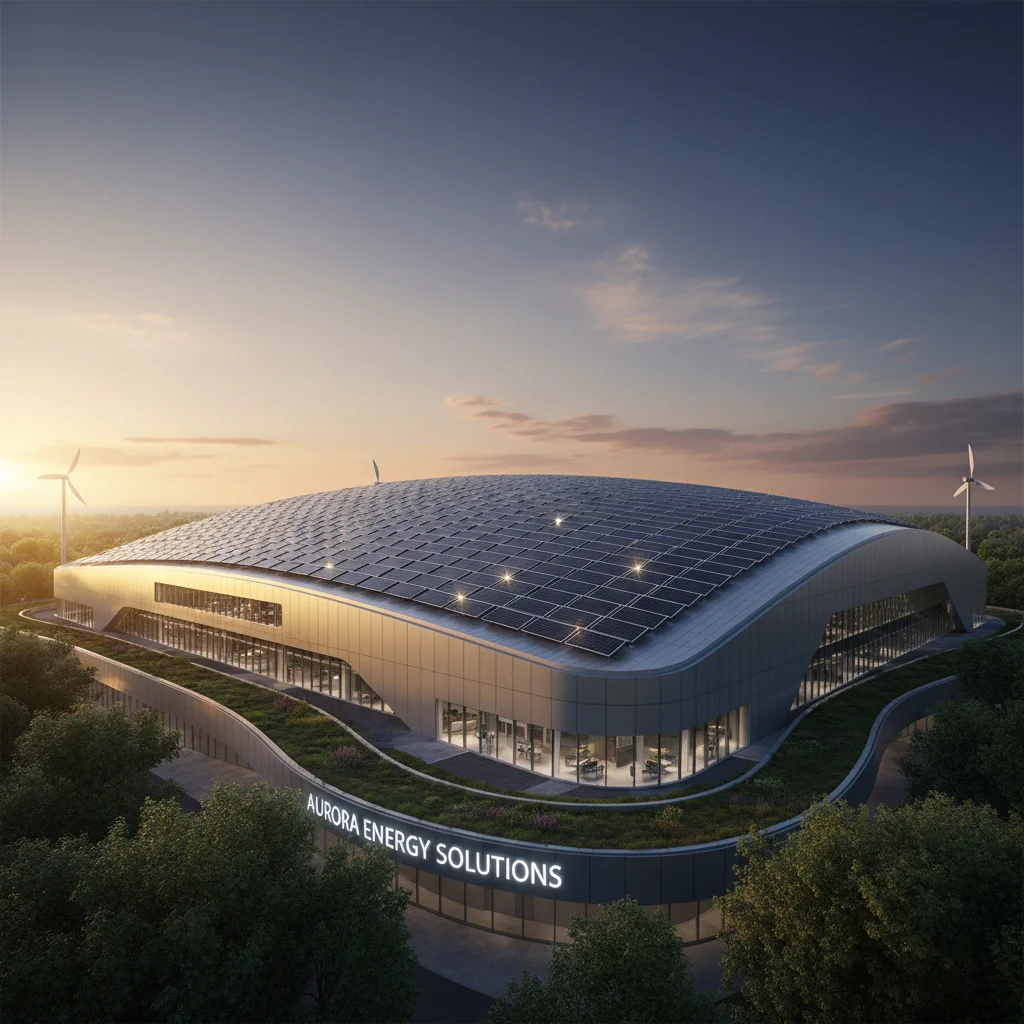
The imperative for businesses to adopt sustainable practices has never been more urgent. With climate change accelerating and consumer demand for eco-friendly products and services growing, U.S. businesses are increasingly looking towards renewable energy solutions to reduce their carbon footprint and achieve net-zero emissions. Among these solutions, commercial solar power stands out as a leading contender, offering not only environmental benefits but also significant economic advantages. This comprehensive guide outlines a strategic commercial solar roadmap for U.S. businesses aiming to achieve net-zero by 2026, detailing the steps, challenges, and opportunities involved.
The journey to net-zero is complex, requiring careful planning, significant investment, and a deep understanding of available technologies and incentives. However, the rewards – including reduced operating costs, enhanced brand reputation, and contribution to a sustainable future – are well worth the effort. By 2026, many businesses can realistically aim to offset a substantial portion, if not all, of their energy consumption with solar power, marking a critical milestone in their sustainability journey.
The Urgency of Net-Zero: Why Commercial Solar Now?
The call for net-zero emissions is no longer a distant goal but an immediate necessity. Scientific consensus points to the urgent need to drastically cut greenhouse gas emissions to limit global warming. Businesses, as significant energy consumers, play a pivotal role in this transition. Adopting commercial solar solutions offers a tangible and effective pathway to meet these environmental responsibilities.
Environmental Imperatives
Transitioning to solar power directly reduces a company’s reliance on fossil fuels, thereby lowering its Scope 2 emissions (indirect emissions from the generation of purchased electricity, heating, or cooling). This shift contributes directly to mitigating climate change and improving air quality. For businesses committed to ESG (Environmental, Social, and Governance) principles, solar adoption is a powerful statement of their environmental stewardship.
Economic Benefits
Beyond the environmental advantages, the economic case for commercial solar is compelling. Businesses can achieve substantial savings on electricity bills, especially as energy prices continue to fluctuate and trend upwards. Solar energy provides price predictability and hedges against future energy cost increases. Furthermore, various federal, state, and local incentives, such as tax credits, grants, and rebates, significantly reduce the upfront cost of solar installations, making the return on investment (ROI) increasingly attractive.
Enhanced Brand Reputation and Customer Loyalty
Consumers are increasingly conscious of the environmental impact of the products and services they purchase. Businesses that demonstrate a genuine commitment to sustainability, particularly through visible actions like solar adoption, often experience enhanced brand loyalty and a positive public image. This can translate into a competitive advantage, attracting new customers and retaining existing ones who value corporate responsibility.
Energy Independence and Resilience
Generating power on-site provides businesses with greater energy independence, reducing their vulnerability to grid outages and supply chain disruptions. Paired with battery storage, commercial solar systems can offer critical backup power, ensuring business continuity during unforeseen events. This resilience is a valuable asset in an increasingly unpredictable world.
Phase 1: Assessment and Feasibility (Now – Q2 2024)
The initial phase of the commercial solar roadmap involves a thorough assessment of your current energy consumption, facility suitability, and financial viability. This foundational step is crucial for developing a realistic and effective strategy.
Energy Audit and Baseline Establishment
Begin with a comprehensive energy audit to understand your current electricity usage patterns, peak demand, and overall energy footprint. This audit will establish a baseline against which future savings and emissions reductions can be measured. Identify areas for immediate energy efficiency improvements, as reducing demand can sometimes be more cost-effective than generating additional power.
Site Assessment and Solar Potential
Engage with reputable solar developers to conduct a detailed site assessment. This includes evaluating roof space, shading issues, structural integrity, and available ground space for solar panel installation. The assessment will determine the optimal size and configuration of a solar energy system to meet your energy needs. Factors such as sun exposure, local weather patterns, and potential for future expansion should be considered.
Financial Analysis and Incentive Exploration
A critical component of this phase is a detailed financial analysis. This involves calculating the estimated upfront costs, projected energy savings, and the overall return on investment (ROI). Research and identify all applicable federal, state, and local incentives. Key incentives include the federal Investment Tax Credit (ITC), which currently offers a significant tax credit for solar installations, accelerated depreciation (MACRS), and various state-specific programs like SRECs (Solar Renewable Energy Credits) or net metering policies. Understanding these incentives is vital for making the project financially attractive.
Internal Stakeholder Engagement
Early engagement with key internal stakeholders – including finance, operations, facilities management, and executive leadership – is essential. Secure their buy-in and address any concerns or questions they may have. A clear understanding of the project’s benefits and implications across the organization will facilitate smoother implementation.
Phase 2: Planning and Design (Q3 2024 – Q4 2024)
Once the feasibility is established, the next phase focuses on detailed planning, system design, and securing necessary approvals. This is where the theoretical becomes practical.
Selecting a Solar Partner
Choose an experienced and reputable commercial solar developer or EPC (Engineering, Procurement, and Construction) firm. Look for partners with a proven track record, strong financial standing, and expertise in projects similar to yours. Request proposals from multiple vendors, comparing not just cost but also technology, warranties, maintenance plans, and customer service.
System Design and Engineering
Work closely with your chosen solar partner to finalize the system design. This includes selecting the type of solar panels (monocrystalline, polycrystalline, thin-film), inverters (string, micro-inverters, central), and mounting systems (rooftop, ground-mount, carport). Consider incorporating battery storage solutions to enhance energy independence and maximize self-consumption, especially if your utility offers time-of-use rates. The design should optimize energy production while adhering to all building codes and safety standards.
Permitting and Grid Interconnection
Navigating the permitting process can be complex and time-consuming. Your solar partner should handle all necessary permits from local authorities and manage the grid interconnection application with your utility company. This often involves detailed engineering drawings, electrical diagrams, and adherence to specific utility requirements. Proactive communication with local authorities and the utility is key to avoiding delays.
Financing and Procurement
Secure the necessary financing for your commercial solar project. Options include direct ownership (cash or loan), Power Purchase Agreements (PPAs), and solar leases. Each option has different financial implications regarding upfront costs, tax benefits, and long-term savings. For direct ownership, explore green loans or commercial property assessed clean energy (C-PACE) financing. PPAs allow businesses to pay for the solar energy produced at a fixed rate, often with no upfront cost for the installation. Carefully evaluate which financing model best aligns with your company’s financial strategy and risk tolerance.
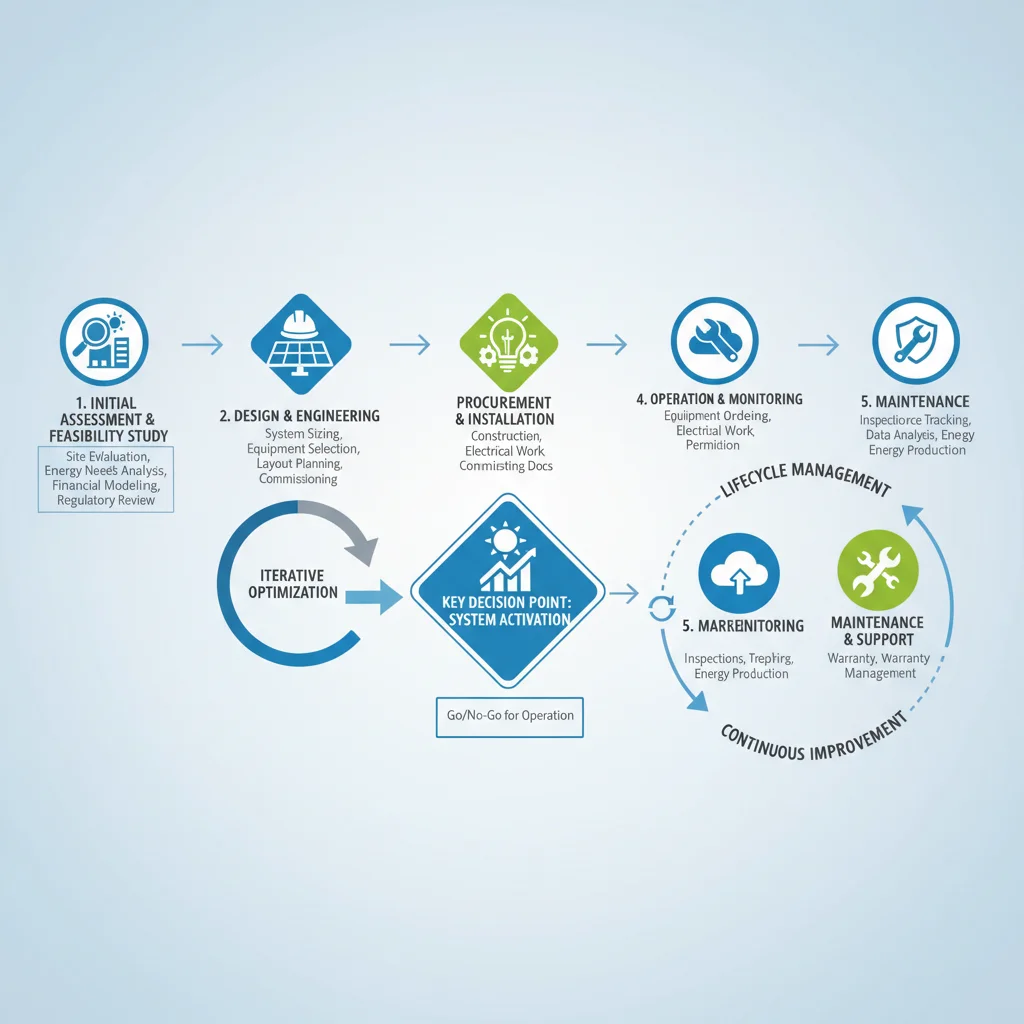
Phase 3: Implementation and Installation (Q1 2025 – Q3 2025)
This phase is about bringing the design to life. Efficient project management and adherence to safety protocols are paramount during installation.
Project Management and Schedule
Establish a clear project timeline with your solar partner, outlining key milestones and responsibilities. Regular communication and progress updates are crucial to keep the project on track. Ensure that all aspects of the installation, from equipment delivery to electrical wiring, are managed efficiently.
Installation and Commissioning
The actual installation of solar panels, inverters, and electrical infrastructure will take place during this period. Ensure that the installation team adheres to all safety regulations and industry best practices. Once the physical installation is complete, the system will undergo rigorous testing and commissioning to ensure it operates correctly and safely. This includes verifying electrical connections, inverter functionality, and monitoring system performance.
Quality Assurance and Inspection
Before the system goes live, it will typically undergo inspections by local authorities and the utility company to ensure compliance with all codes and interconnection requirements. A final quality assurance check should be performed by your solar partner to confirm that the system meets all design specifications and performance guarantees.
Phase 4: Operation, Monitoring, and Optimization (Q4 2025 – Beyond)
The final phase begins once your commercial solar system is operational. This ongoing stage focuses on maximizing energy production, ensuring system longevity, and continuously optimizing performance to achieve net-zero goals.
System Monitoring and Performance Tracking
Implement a robust monitoring system to track your solar array’s performance in real-time. This allows you to identify any issues promptly and ensure the system is generating the expected amount of electricity. Monitoring dashboards typically provide data on energy production, environmental impact (CO2 offset), and financial savings. Regular review of this data is essential for ongoing optimization.
Maintenance and Servicing
Establish a regular maintenance schedule for your solar system. This typically includes periodic inspections, cleaning of solar panels, and checking electrical components. Proactive maintenance helps prevent breakdowns, ensures optimal performance, and extends the lifespan of your investment. Your solar partner should offer ongoing maintenance and support services.
Energy Management and Optimization
Continue to optimize your overall energy consumption. This might involve implementing smart building technologies, upgrading to more energy-efficient equipment, or adjusting operational schedules to align with solar production peaks. For businesses with battery storage, optimize charging and discharging cycles to maximize self-consumption and take advantage of demand response programs where available. This continuous improvement approach is vital for maintaining net-zero status.
Reporting and ESG Integration
Integrate your solar energy performance data into your company’s ESG reporting. Transparently communicate your achievements in reducing carbon emissions and reliance on fossil fuels to stakeholders, customers, and investors. This not only reinforces your commitment to sustainability but also enhances your corporate reputation and may attract sustainable investments.
Challenges and How to Overcome Them
While the path to net-zero with commercial solar is promising, businesses may encounter several challenges. Proactive planning and a strategic approach can help overcome these hurdles.
Upfront Costs
The initial investment in a commercial solar system can be substantial. However, by thoroughly exploring financing options like PPAs, leases, and C-PACE, businesses can significantly reduce or eliminate upfront capital expenditure. Leveraging federal and state incentives further improves financial viability.
Regulatory and Permitting Hurdles
Navigating complex local regulations, zoning laws, and utility interconnection requirements can be daunting. Partnering with an experienced solar developer who has a deep understanding of the local regulatory landscape is crucial. They can streamline the permitting process and ensure compliance.
System Sizing and Design Complexity
Determining the optimal system size and design requires specialized expertise. An undersized system may not meet your energy needs, while an oversized system could lead to unnecessary costs. A detailed energy audit and professional site assessment are indispensable for accurate sizing and efficient design.
Technological Advancements and Obsolescence
The solar industry is constantly evolving with new technologies emerging. While this means improved efficiency and lower costs, businesses might worry about their system becoming obsolete. Choosing reputable manufacturers with strong warranties and partnering with developers who offer upgrade pathways can mitigate this concern. Focus on proven technologies with a strong track record.
Grid Modernization and Intermittency
Solar power is intermittent, meaning its output varies with sunlight availability. This can pose challenges for grid stability if not managed correctly. Integrating battery storage, implementing smart energy management systems, and participating in demand response programs can help manage intermittency and enhance grid stability. Policy advancements in grid modernization are also making it easier to integrate renewable energy.
The Role of Policy and Incentives in the 2026 Roadmap
Federal and state policies play a critical role in accelerating the adoption of commercial solar. Understanding these incentives is paramount for businesses developing their commercial solar roadmap.
Federal Investment Tax Credit (ITC)
The ITC is a cornerstone federal incentive, offering a significant tax credit for solar energy systems. The Inflation Reduction Act (IRA) extended and enhanced the ITC, providing a 30% tax credit for eligible systems, with potential for additional bonus credits for meeting domestic content requirements, locating projects in energy communities, or serving low-income communities. Businesses should consult with tax professionals to maximize their ITC benefits.
Accelerated Depreciation (MACRS)
The Modified Accelerated Cost Recovery System (MACRS) allows businesses to recover the capital cost of their solar energy property through depreciation deductions over a shorter period than the asset’s useful life. This provides a significant tax benefit, improving the project’s financial viability.
State and Local Programs
Many states and municipalities offer additional incentives, including property tax exemptions, sales tax exemptions, grants, rebates, and Solar Renewable Energy Credits (SRECs). SRECs allow solar system owners to earn credits for the electricity their systems generate, which can then be sold to utilities to meet renewable energy mandates. Net metering policies are also crucial, allowing businesses to receive credit for excess electricity fed back into the grid.
Green Financing Options
The availability of green loans, C-PACE financing, and other sustainability-focused financial products makes it easier for businesses to fund their solar projects. These financing mechanisms are often designed with favorable terms to encourage renewable energy adoption.

Looking Beyond 2026: Continuous Improvement and Innovation
Achieving net-zero by 2026 with commercial solar is an ambitious yet attainable goal. However, the journey does not end there. Sustainability is a continuous process of improvement and adaptation.
Integration with Other Renewables
Consider integrating other renewable energy sources, such as wind or geothermal, where feasible, to further diversify your energy portfolio and enhance energy independence. This multi-pronged approach can provide greater energy security and resilience.
Smart Grid Technologies and AI
Embrace emerging smart grid technologies and Artificial Intelligence (AI) to optimize energy management. AI-powered systems can predict energy demand, optimize solar production, manage battery storage, and even participate in energy markets, leading to greater efficiency and cost savings.
Employee Engagement and Culture Shift
Foster a culture of sustainability within your organization. Engage employees in energy-saving initiatives, educate them about the benefits of solar power, and encourage their participation in achieving environmental goals. A strong internal commitment to sustainability amplifies the positive impact of your solar investments.
Advocacy and Collaboration
Participate in industry groups and advocate for policies that support renewable energy development. Collaborate with other businesses, local communities, and policymakers to create a more sustainable energy ecosystem. Collective action can accelerate the transition to a clean energy future.
Conclusion: Powering a Sustainable Future with Commercial Solar
The 2026 commercial solar roadmap for U.S. businesses is a strategic guide for those committed to achieving net-zero emissions. It outlines a clear, actionable path from initial assessment to ongoing operation and optimization. By embracing commercial solar, businesses can not only fulfill their environmental responsibilities but also unlock significant economic benefits, enhance their brand, and build greater energy resilience.
The time for action is now. With supportive policies, advancing technology, and growing market demand, the opportunity to transition to a cleaner, more sustainable energy future has never been greater. By following this roadmap, U.S. businesses can confidently move towards a net-zero future, demonstrating leadership in sustainability and contributing to a healthier planet for generations to come.