Water Conservation 2026: Essential Practices for U.S. Sustainable Homes

Water Conservation 2026: Essential Practices for U.S. Sustainable Homes
As we navigate further into the 21st century, the imperative for water conservation becomes increasingly critical. With growing populations, unpredictable climate patterns, and aging infrastructure, the United States faces significant challenges in managing its most precious resource: water. For homeowners, especially those committed to sustainable living, understanding and implementing effective Water Conservation 2026 practices is not just an environmental responsibility but also a smart economic decision. This comprehensive guide will explore six essential practices that U.S. sustainable homes should adopt to ensure efficient water use, reduce utility bills, and contribute to a healthier planet.
The year 2026 brings with it a renewed focus on sustainability, driven by both technological advancements and increased public awareness. Government incentives, community programs, and innovative product developments are making it easier than ever for households to significantly reduce their water footprint. From simple behavioral changes to advanced home systems, every drop saved counts. Let’s dive into the core strategies that will define water-efficient homes in the coming years.
1. Embracing Smart Home Water Management Systems
The digital age has revolutionized how we manage our homes, and water usage is no exception. Smart home water management systems are at the forefront of Water Conservation 2026. These systems leverage sensors, artificial intelligence, and connectivity to monitor water consumption in real-time, detect leaks, and even automate water-saving actions.
Real-Time Monitoring and Leak Detection
Traditional water meters only tell you how much water you’ve used at the end of a billing cycle. Smart water monitors, however, provide instantaneous data, accessible via smartphone apps. This allows homeowners to pinpoint high-usage activities, understand their consumption patterns, and identify potential inefficiencies. More critically, these systems can detect leaks – often the silent culprits behind exorbitant water bills and structural damage – as soon as they occur. From a dripping faucet to a burst pipe hidden behind a wall, an alert can be sent directly to your phone, enabling immediate action and preventing significant water waste and costly repairs. Some advanced systems can even automatically shut off the water supply to prevent extensive damage.
Automated Water-Saving Features
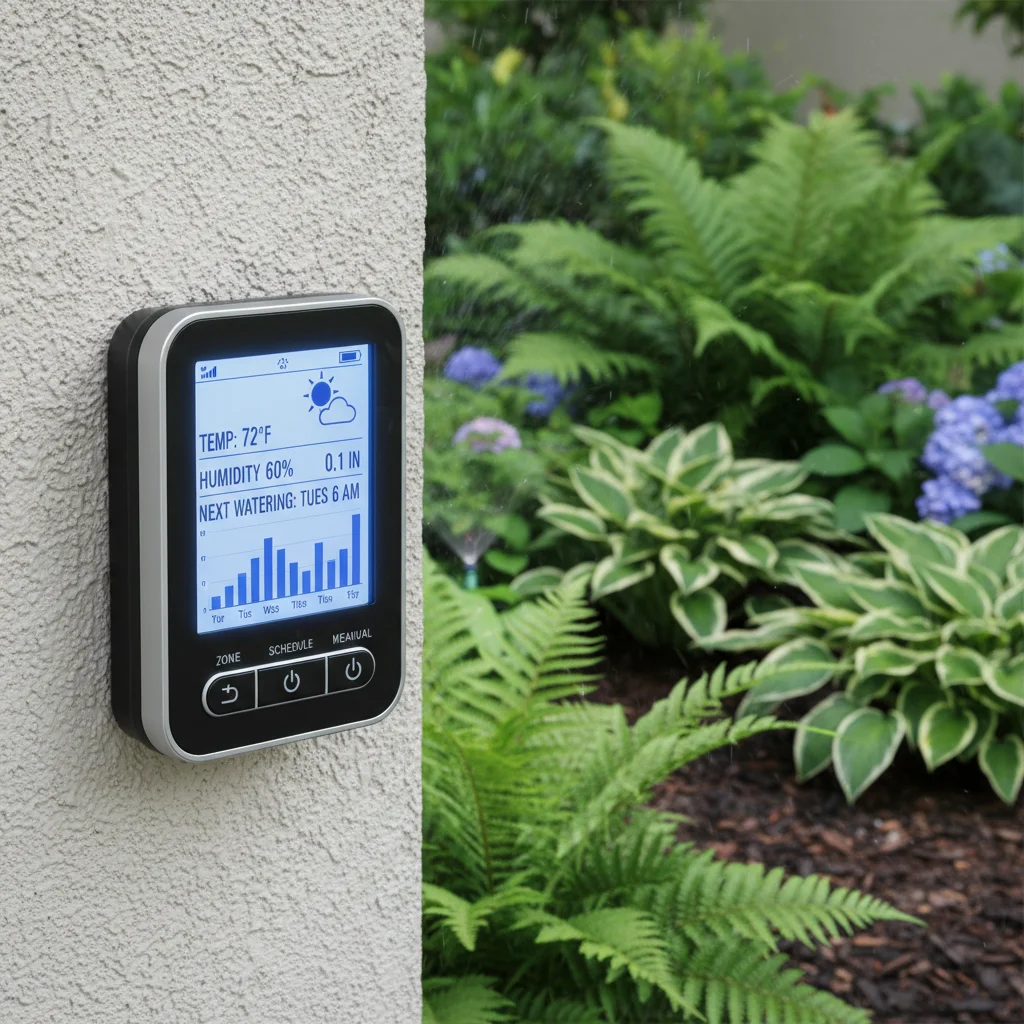
Beyond monitoring, smart systems can actively contribute to water savings. Smart irrigation controllers, for instance, use local weather forecasts, soil moisture sensors, and plant-specific needs to water your garden only when and where it’s necessary. This eliminates wasteful watering during rain or when the ground is already saturated. Similarly, smart showerheads can track water usage during your shower, signaling when you’ve reached a pre-set limit, encouraging shorter showers without sacrificing comfort. Integrating these systems into a broader smart home ecosystem can create a truly optimized and water-efficient living environment.
The Future of Smart Water Systems
Looking ahead to 2026 and beyond, we can expect even more sophisticated integration. Imagine systems that learn your family’s water habits and suggest personalized conservation tips, or those that can predict potential plumbing issues before they become emergencies. Investing in smart water technology is a foundational step for any U.S. sustainable home aiming for peak Water Conservation 2026.
2. Advanced Rainwater Harvesting and Greywater Recycling
Two of the most impactful strategies for reducing reliance on municipal water supplies are rainwater harvesting and greywater recycling. These practices are gaining significant traction in sustainable homes across the U.S.
Rainwater Harvesting Systems
Rainwater harvesting involves collecting and storing rainwater from rooftops or other surfaces for later use. This ancient practice has been modernized with advanced filtration and storage solutions, making it a viable option for residential properties. Collected rainwater, once filtered, can be used for a variety of non-potable purposes, such as irrigation, flushing toilets, and even laundry. In some regions, with appropriate treatment, it can even supplement potable water supplies. The benefits are manifold: reduced demand on municipal water, lower water bills, and decreased stormwater runoff, which can help prevent erosion and pollution of local waterways. Homeowners in areas prone to drought or with high water costs will find rainwater harvesting particularly appealing for Water Conservation 2026.
Greywater Recycling Systems
Greywater refers to wastewater generated from non-toilet plumbing fixtures, such as showers, bathtubs, bathroom sinks, and washing machines. Unlike blackwater (from toilets and kitchen sinks), greywater contains fewer pathogens and can be treated and reused for non-potable applications. Simple greywater systems might divert shower water directly to irrigate outdoor plants, while more complex systems can filter and store greywater for toilet flushing or even certain outdoor cleaning tasks. Implementing a greywater recycling system can significantly reduce a household’s freshwater consumption, sometimes by as much as 30-50%. Regulations for greywater use vary by state and municipality, so it’s essential to research local codes before installation. However, as Water Conservation 2026 becomes a priority, more regions are likely to adopt supportive policies for these sustainable solutions.
3. Xeriscaping and Drought-Tolerant Landscaping
Outdoor water use often accounts for a substantial portion of a household’s total water consumption, especially in warmer climates. Traditional lawns and thirsty ornamental plants can demand vast amounts of water. Xeriscaping, a landscaping method designed to reduce or eliminate the need for irrigation, is a cornerstone of effective Water Conservation 2026.
Principles of Xeriscaping
- Planning and Design: Grouping plants with similar water needs together and designing zones that reflect different water requirements.
- Soil Improvement: Enhancing soil with organic matter to improve water retention and reduce runoff.
- Efficient Irrigation: Using drip irrigation or soaker hoses that deliver water directly to plant roots, minimizing evaporation.
- Plant Selection: Choosing native plants and other drought-tolerant species that are adapted to the local climate and require less supplemental watering.
- Mulching: Applying a layer of mulch around plants to reduce water evaporation from the soil, suppress weeds, and regulate soil temperature.
- Turf Alternatives: Replacing water-intensive lawns with groundcovers, permeable paving, or artificial turf in appropriate areas.
- Maintenance: Regular weeding and proper pruning to ensure plants thrive with minimal water.
By adopting xeriscaping principles, homeowners can create beautiful, resilient landscapes that require significantly less water. This not only saves money on water bills but also reduces the time and effort spent on lawn maintenance. Furthermore, it supports local biodiversity by utilizing native flora that provides habitat for local wildlife. The aesthetic appeal of a well-designed xeriscape can also enhance property value, making it a win-win for sustainability and curb appeal in Water Conservation 2026 efforts.
4. Upgrading to High-Efficiency Appliances and Fixtures
One of the most straightforward ways to achieve significant water savings indoors is by replacing old, inefficient appliances and fixtures with modern, water-efficient models. This practice is fundamental to Water Conservation 2026.
Water-Efficient Toilets
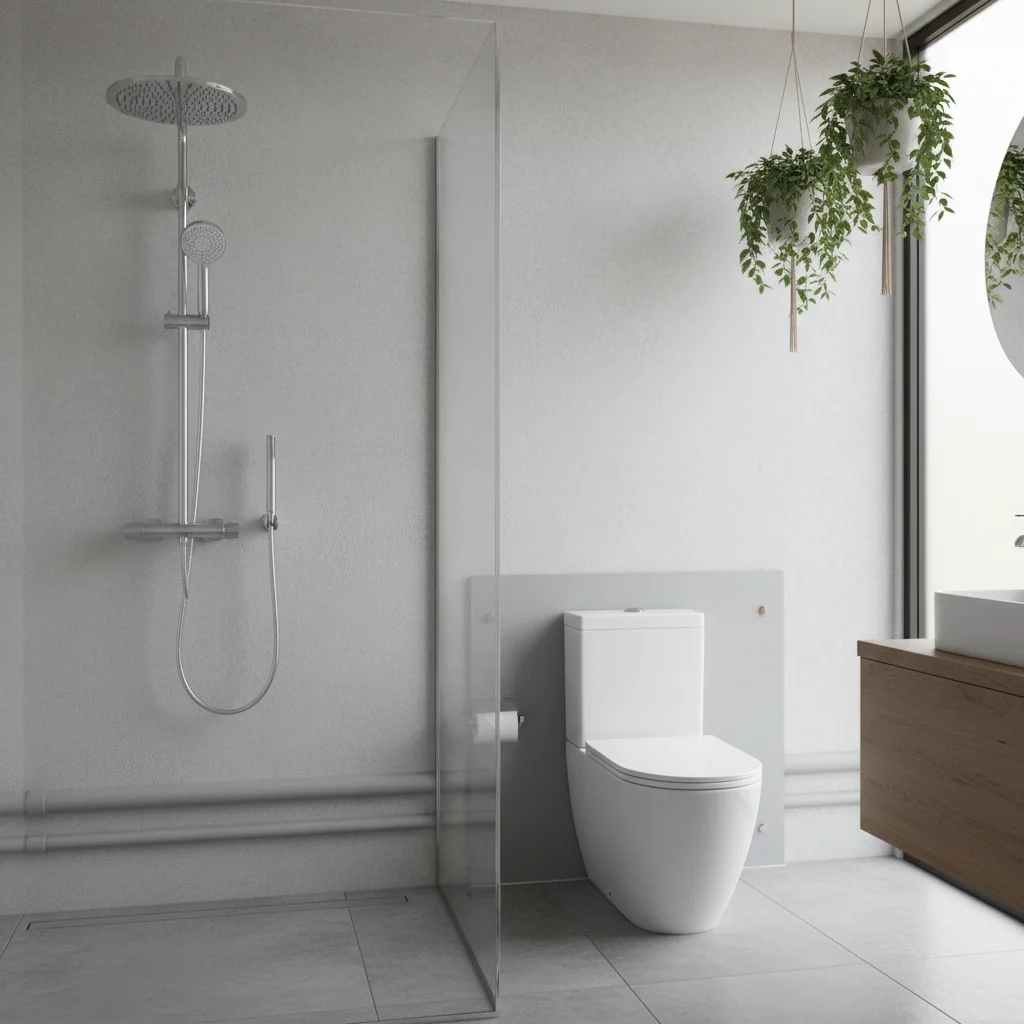
Toilets are often the biggest indoor water users. Older toilets can use as much as 3.5 to 7 gallons per flush (GPF). Modern high-efficiency toilets (HETs) use 1.28 GPF or less, with some models even using 0.8 GPF. Dual-flush models offer options for liquid waste (0.8 GPF) and solid waste (1.6 GPF). Replacing an old toilet with an HET can save thousands of gallons of water per year, making it a top priority for any water-conscious homeowner.
Low-Flow Showerheads and Faucets
Showers and faucets also contribute significantly to indoor water consumption. Traditional showerheads can flow at 2.5 gallons per minute (GPM) or more. Low-flow showerheads, certified by WaterSense, often operate at 2.0 GPM or less, providing a satisfying spray while using considerably less water. Similarly, aerators for faucets can reduce flow rates to 1.5 GPM or even 0.5 GPM without compromising water pressure for typical tasks. These simple upgrades are inexpensive and offer immediate returns in terms of water savings and reduced energy costs (due to less hot water usage).
Energy-Efficient Dishwashers and Washing Machines
Modern dishwashers and washing machines are designed to use significantly less water than their older counterparts, often outperforming handwashing in terms of water efficiency. Look for models with the Energy Star label, which indicates they meet strict water and energy efficiency guidelines. Front-loading washing machines, for example, typically use much less water than top-loaders. Investing in these appliances not only conserves water but also reduces energy consumption, leading to lower utility bills overall. As part of a comprehensive Water Conservation 2026 strategy, appliance upgrades are a no-brainer.
5. Adopting Water-Conscious Habits and Education
While technology and infrastructure play a crucial role, human behavior remains a powerful determinant of water usage. Fostering water-conscious habits and educating household members are essential for long-term Water Conservation 2026 success.
Simple Behavioral Changes
- Shorter Showers: Reducing shower time by even a few minutes can save significant amounts of water daily.
- Turn Off the Tap: Don’t let the water run while brushing teeth, shaving, or washing dishes by hand.
- Full Loads: Only run dishwashers and washing machines when they are fully loaded.
- Fix Leaks Promptly: A single dripping faucet can waste hundreds of gallons of water per year. Regularly check for and repair leaks in pipes, toilets, and outdoor spigots.
- Defrost Food Smartly: Thaw frozen food in the refrigerator overnight instead of under running water.
- Collect Cold Water: While waiting for hot water to arrive, collect the cold water in a pitcher for plants or other uses.
Education and Awareness
Educating every member of the household, especially children, about the importance of water conservation can instill lifelong habits. Discuss where water comes from, why it’s a precious resource, and the impact of waste. Visual reminders, like stickers on light switches or signs near sinks, can also help. Many local water utilities offer educational materials and even free water-saving devices. Participating in community workshops or online forums dedicated to sustainable living can also provide new insights and motivation for Water Conservation 2026 efforts.
6. Understanding and Influencing Local Water Policies
Individual actions are powerful, but systemic change often requires broader policy support. For U.S. sustainable homes, understanding local water policies and actively engaging with them can amplify Water Conservation 2026 efforts beyond your property line.
Local Regulations and Incentives
Water conservation policies vary significantly across the United States, often reflecting regional water availability and climate conditions. Familiarize yourself with your local water utility’s regulations regarding outdoor watering restrictions, rebates for water-efficient appliances, and guidelines for rainwater harvesting or greywater systems. Many municipalities offer financial incentives, such as rebates, tax credits, or low-interest loans, for homeowners who install water-saving technologies or convert to drought-tolerant landscaping. Taking advantage of these programs can significantly offset the upfront costs of sustainable upgrades.
Advocacy and Community Engagement
Beyond individual compliance, consider becoming an advocate for stronger water conservation policies in your community. Join local environmental groups, attend public meetings, and communicate with your elected officials about the importance of sustainable water management. Support initiatives that promote water-efficient building codes, invest in water infrastructure improvements, and encourage public education campaigns. Collective action can drive significant change, ensuring that water conservation remains a priority for municipal planning and resource allocation. By being an informed and active citizen, you contribute not only to your home’s sustainability but also to the water security of your entire community, embodying the spirit of Water Conservation 2026.
The Economic and Environmental Benefits of Water Conservation
The commitment to Water Conservation 2026 brings a wealth of benefits that extend far beyond simply saving a few drops. These advantages are both economic and environmental, creating a compelling case for every U.S. household to prioritize water efficiency.
Reduced Utility Bills
Perhaps the most immediate and tangible benefit for homeowners is the reduction in water utility bills. By implementing the practices outlined above – from fixing leaks to upgrading appliances and adopting water-wise landscaping – households can see a significant decrease in their monthly expenses. This financial saving can be substantial over time, making the initial investment in water-saving technologies a wise long-term decision. Furthermore, reducing hot water usage also translates to lower energy bills, as less energy is required to heat water.
Environmental Stewardship
From an environmental perspective, water conservation is paramount. It helps preserve precious freshwater ecosystems, supports biodiversity, and reduces the energy required for water treatment and distribution. Less water extraction from rivers and aquifers means healthier aquatic habitats. Less energy consumption for water processing means a smaller carbon footprint, contributing to the fight against climate change. By conserving water, sustainable homes play a direct role in protecting natural resources for future generations and mitigating the ecological impacts of human consumption.
Enhanced Home Value and Resilience
Homes equipped with modern water-saving features, such as smart irrigation systems, rainwater harvesting, and drought-tolerant landscaping, often have a higher market value. Prospective buyers are increasingly looking for properties that offer lower operating costs and a reduced environmental impact. Moreover, in regions prone to drought or water restrictions, a water-efficient home is more resilient and less vulnerable to external pressures. This enhances the long-term sustainability and desirability of the property, aligning perfectly with the goals of Water Conservation 2026.
Challenges and Solutions in Water Conservation
While the path to comprehensive Water Conservation 2026 is clear, it’s not without its challenges. Understanding these hurdles and identifying potential solutions is crucial for widespread adoption.
Awareness and Education Gap
One of the primary challenges is a lack of awareness among many homeowners about their water consumption patterns and the impact of their habits. Many simply don’t realize how much water they use or how easy it is to save. The solution lies in continued, accessible public education campaigns, both from government agencies and non-profit organizations. Providing clear, actionable tips and highlighting the financial and environmental benefits can motivate individuals to change.
Upfront Costs of Upgrades
The initial investment for high-efficiency appliances, smart systems, or extensive xeriscaping can be a barrier for some households. To overcome this, governments and utilities can expand incentive programs, rebates, and low-interest loans. Manufacturers can also work to make water-saving technologies more affordable and widely available. Highlighting the long-term savings and increased home value can also help justify the initial outlay.
Regional Variations and Regulations
Water availability and conservation needs differ significantly across the U.S. A ‘one-size-fits-all’ approach is ineffective. Regulations for practices like greywater recycling and rainwater harvesting can be complex and inconsistent. Streamlining and standardizing these regulations where appropriate, while allowing for regional adaptations, can facilitate broader adoption. Clearer guidelines and support for homeowners navigating these rules are essential.
Perception of Sacrifice
Some people equate water conservation with deprivation or a reduction in quality of life. The challenge is to shift this perception by demonstrating that modern water-saving technologies and practices do not compromise comfort or convenience. Low-flow showerheads, for example, can still deliver a powerful, satisfying spray. Efficient landscaping can be beautiful and vibrant. Emphasizing these aspects is key to making Water Conservation 2026 appealing and achievable for everyone.
Conclusion: A Sustainable Water Future for U.S. Homes
The journey towards a water-secure future for the United States is a collective effort, with sustainable homes playing a pivotal role. By embracing the six essential practices for Water Conservation 2026 – smart home water management, advanced rainwater harvesting and greywater recycling, xeriscaping, high-efficiency upgrades, water-conscious habits, and engagement with local policies – homeowners can make a profound difference.
These practices are not merely about reducing utility bills; they are about fostering resilience, protecting vital ecosystems, and ensuring that future generations have access to this indispensable resource. As technology continues to evolve and awareness grows, the tools and knowledge for effective water conservation will become even more accessible. By taking proactive steps today, U.S. sustainable homes can lead the way in building a more water-efficient and environmentally responsible society for 2026 and well beyond.
Every faucet fixed, every gallon saved, and every smart system installed contributes to a larger movement towards sustainability. Let’s commit to making Water Conservation 2026 a landmark year for responsible water stewardship in our homes and communities.