Energy Audits 2026: Why Every U.S. Home Needs One for Sustainability
Energy Audits in 2026: Why Every U.S. Home Needs One for Sustainability
As we navigate further into the 21st century, the conversation around sustainability, climate change, and personal finance continues to intensify. In 2026, the intersection of these critical topics is more pronounced than ever, particularly within the realm of residential living. For every homeowner across the United States, the concept of a Home Energy Audit has transcended from a niche recommendation to an absolute necessity. But why is this the case? Why, in 2026, should every U.S. home undergo a thorough energy assessment? This comprehensive guide will delve deep into the multifaceted reasons, exploring the environmental imperatives, financial benefits, technological advancements, and regulatory landscapes that make a Home Energy Audit an indispensable tool for modern living.
The global commitment to reducing carbon emissions and fostering a more sustainable future has never been stronger. Governments, industries, and individuals are all being called upon to contribute to this monumental effort. For the average American household, a significant portion of their environmental footprint stems directly from energy consumption. Heating, cooling, lighting, and powering appliances all contribute to greenhouse gas emissions. A professional Home Energy Audit serves as the foundational step in understanding and subsequently minimizing this impact. It’s not just about turning off lights; it’s about optimizing the entire energy ecosystem of your home.
The Environmental Imperative: Reducing Your Carbon Footprint
The urgency of climate change demands immediate and effective action. The building sector, particularly residential homes, accounts for a substantial percentage of total energy consumption and greenhouse gas emissions. In 2026, with the increasing frequency and intensity of extreme weather events, the link between our energy habits and environmental degradation is undeniable. A Home Energy Audit provides a detailed roadmap to identify areas of energy waste, allowing homeowners to implement targeted improvements that significantly reduce their carbon footprint. By making your home more energy-efficient, you are directly contributing to cleaner air, a healthier planet, and a more sustainable future for generations to come.
Consider the cumulative effect: if every home in the U.S. were to undergo an audit and implement even a fraction of the recommended improvements, the collective impact on national energy consumption and emissions would be staggering. This isn’t just about individual responsibility; it’s about collective action fueled by informed decision-making, with the Home Energy Audit as the catalyst.
Financial Freedom: Unlocking Significant Cost Savings
Beyond the undeniable environmental benefits, one of the most compelling reasons for a Home Energy Audit in 2026 is the significant financial savings it can unlock. Energy costs have been on a steady upward trajectory for years, and this trend is projected to continue. For many households, utility bills represent a substantial portion of their monthly expenses. An audit pinpoints exactly where energy is being wasted – whether it’s through poor insulation, inefficient HVAC systems, leaky windows, or outdated appliances. Once these inefficiencies are identified, homeowners can make strategic investments in upgrades that lead to substantial and long-term reductions in energy consumption.
Imagine cutting your heating and cooling costs by 15%, 20%, or even 30%. These savings accumulate rapidly, providing a tangible return on investment for the audit itself and any subsequent improvements. In an era where every dollar counts, optimizing your home’s energy performance is a smart financial move. The initial cost of a Home Energy Audit is often recouped within a short period through these reduced utility bills, making it a sound economic decision for any homeowner.
Understanding the True Cost of Inefficiency
Many homeowners are unaware of the hidden costs associated with an inefficient home. Drafts around windows and doors, an aging furnace, or an attic with inadequate insulation might seem like minor annoyances, but they are constantly siphoning money from your wallet. A professional Home Energy Audit uses specialized tools and expertise to quantify these losses, providing a clear picture of how much money you’re literally letting slip away. This data-driven approach empowers homeowners to prioritize improvements based on their potential for cost savings and return on investment.
Enhanced Comfort and Healthier Living Spaces
The benefits of a Home Energy Audit extend beyond environmental and financial considerations; they also directly impact the comfort and health of your living environment. A home that is energy-efficient is typically a more comfortable home. Eliminating drafts, improving insulation, and optimizing HVAC performance lead to more consistent indoor temperatures, fewer cold spots, and a generally more pleasant atmosphere. No one enjoys a drafty living room in winter or an upstairs bedroom that feels like an oven in summer. An audit helps address these issues at their root.
Furthermore, an efficient home often leads to a healthier indoor environment. By sealing air leaks and improving ventilation, a Home Energy Audit can help reduce the infiltration of pollutants, allergens, and moisture, which can contribute to mold growth and poor indoor air quality. This is particularly crucial for families with allergies, asthma, or other respiratory sensitivities. A healthier home translates to a healthier family, making the audit an investment in well-being as much as in energy efficiency.
Technological Advancements in 2026: Smarter Audits, Better Solutions
The landscape of energy auditing has evolved dramatically, and in 2026, auditors are equipped with an impressive array of advanced technologies that make the process more precise, comprehensive, and insightful than ever before. Gone are the days of rudimentary visual inspections alone. Today’s Home Energy Audit incorporates cutting-edge tools and methodologies to provide an unparalleled understanding of your home’s energy performance.
Infrared Thermography
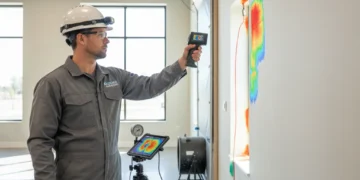
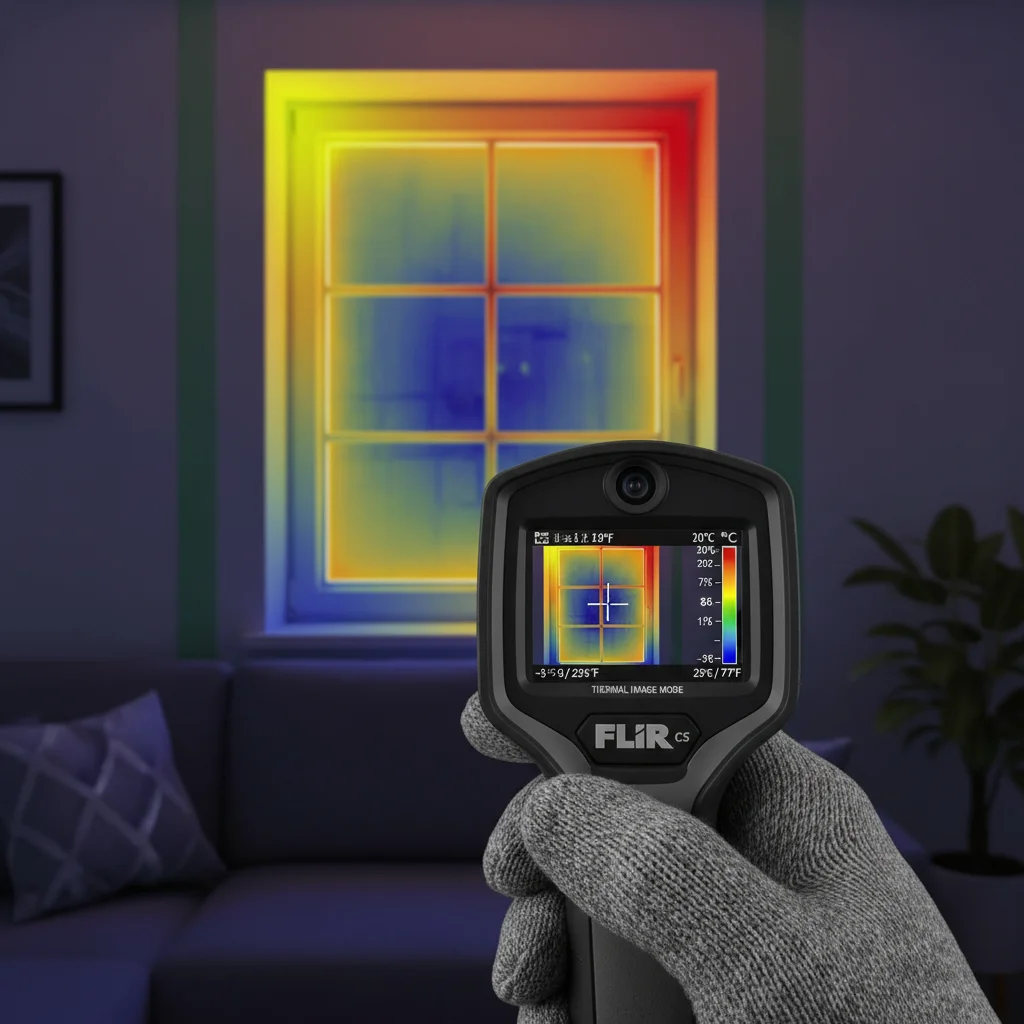
One of the most powerful tools in an auditor’s arsenal is infrared thermography. Thermal cameras can visualize heat loss and gain, revealing hidden deficiencies in insulation, air leaks around windows and doors, and even moisture problems within walls. This non-invasive technology provides a clear, color-coded map of your home’s thermal envelope, allowing auditors to pinpoint problem areas with remarkable accuracy.
Blower Door Tests
Blower door tests are another essential component of a modern Home Energy Audit. This technique involves mounting a powerful fan into an exterior doorway to depressurize the house. By measuring the airflow required to maintain a specific pressure difference, auditors can quantify the total amount of air leakage in a home. This data is crucial for understanding how much conditioned air is escaping and how much unconditioned air is entering, providing a basis for effective air sealing strategies.
Energy Modeling Software
Sophisticated energy modeling software is now standard practice. Auditors input data collected during the inspection – including insulation levels, window types, HVAC system specifications, and occupant behavior – into these programs. The software then simulates your home’s energy performance, identifying the most impactful improvements and even predicting the potential energy savings and return on investment for various upgrades. This data-driven approach removes much of the guesswork, allowing for highly targeted and effective recommendations.
Smart Home Integration and IoT
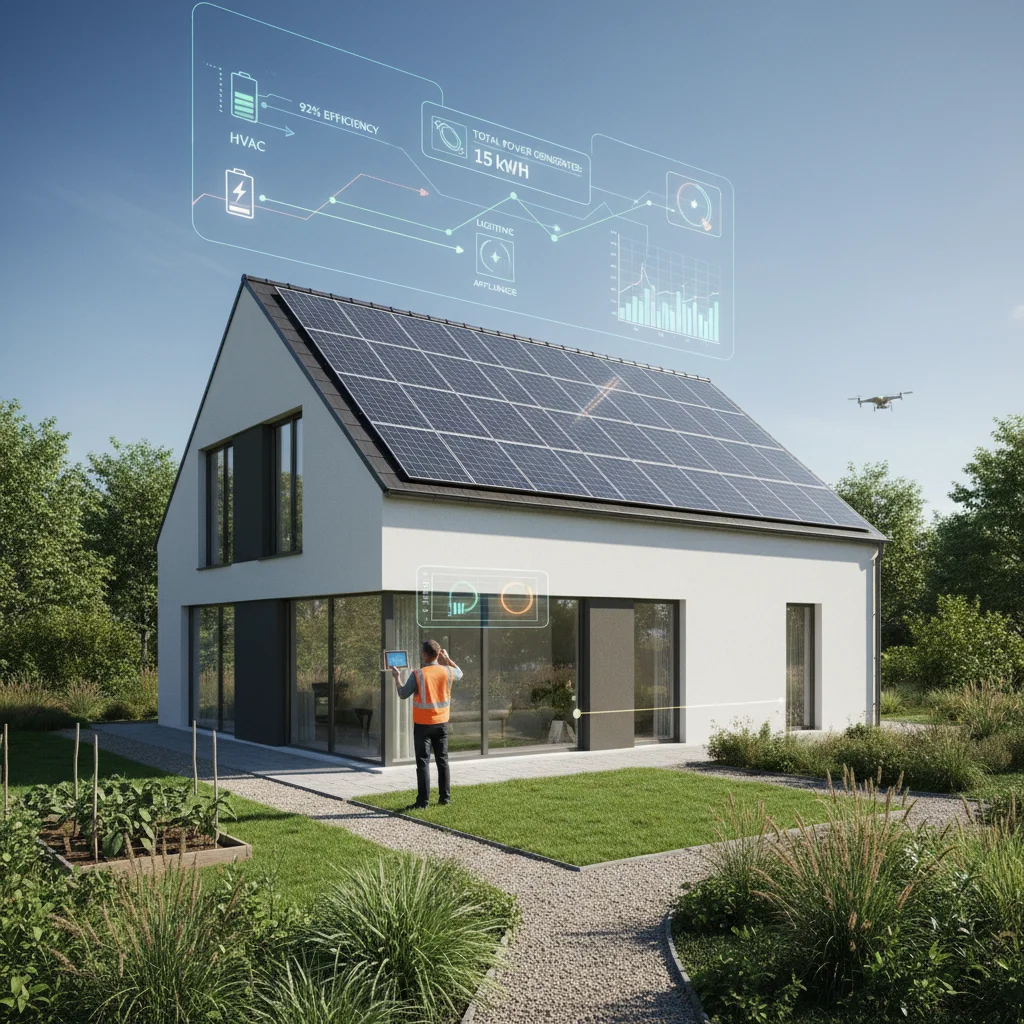
In 2026, smart home technologies are more prevalent than ever. A modern Home Energy Audit can often integrate with existing smart thermostats, energy monitors, and other Internet of Things (IoT) devices to gather real-time data on energy consumption. This integration provides a more dynamic and accurate picture of how your home uses energy, offering insights that traditional audits might miss. This synergy between auditing and smart home tech is creating an even more powerful pathway to efficiency.
Navigating Government Incentives and Rebates
In 2026, governments at federal, state, and local levels, along with many utility companies, are offering an unprecedented array of incentives, rebates, and tax credits to encourage homeowners to improve their home’s energy efficiency. These programs are designed to make energy-efficient upgrades more affordable and accessible. A professional Home Energy Audit is often a prerequisite for qualifying for these incentives. Auditors are typically well-versed in the available programs in your area and can guide you through the application process, helping you maximize your savings.
These financial incentives can significantly offset the cost of upgrades such as new insulation, high-efficiency windows, HVAC system replacements, and even renewable energy installations like solar panels. By leveraging these programs, homeowners can make substantial improvements to their homes with a much lower out-of-pocket expense, accelerating the return on their investment and making energy efficiency an even more attractive proposition.
Increasing Home Value and Marketability
In today’s competitive real estate market, an energy-efficient home is a highly desirable asset. As awareness of energy costs and environmental impact grows, prospective buyers are increasingly prioritizing homes that are not only aesthetically pleasing but also economically and environmentally sound. A comprehensive Home Energy Audit and the subsequent upgrades can significantly increase your home’s resale value and marketability.
Imagine being able to present a potential buyer with a detailed report outlining your home’s superior energy performance, lower utility bills, and reduced carbon footprint. This provides a distinct advantage over comparable homes that lack such documentation. An energy-efficient home is seen as a forward-thinking investment, offering long-term savings and peace of mind to its future occupants. In 2026, an energy-efficient certification or a record of improvements stemming from a Home Energy Audit can be a powerful selling point.
The Home Energy Audit Process: What to Expect
Understanding what a professional Home Energy Audit entails can help demystify the process and encourage more homeowners to take this crucial step. While specifics may vary slightly depending on the auditor and your home’s characteristics, a typical audit generally follows a structured approach:
1. Initial Consultation and Data Gathering
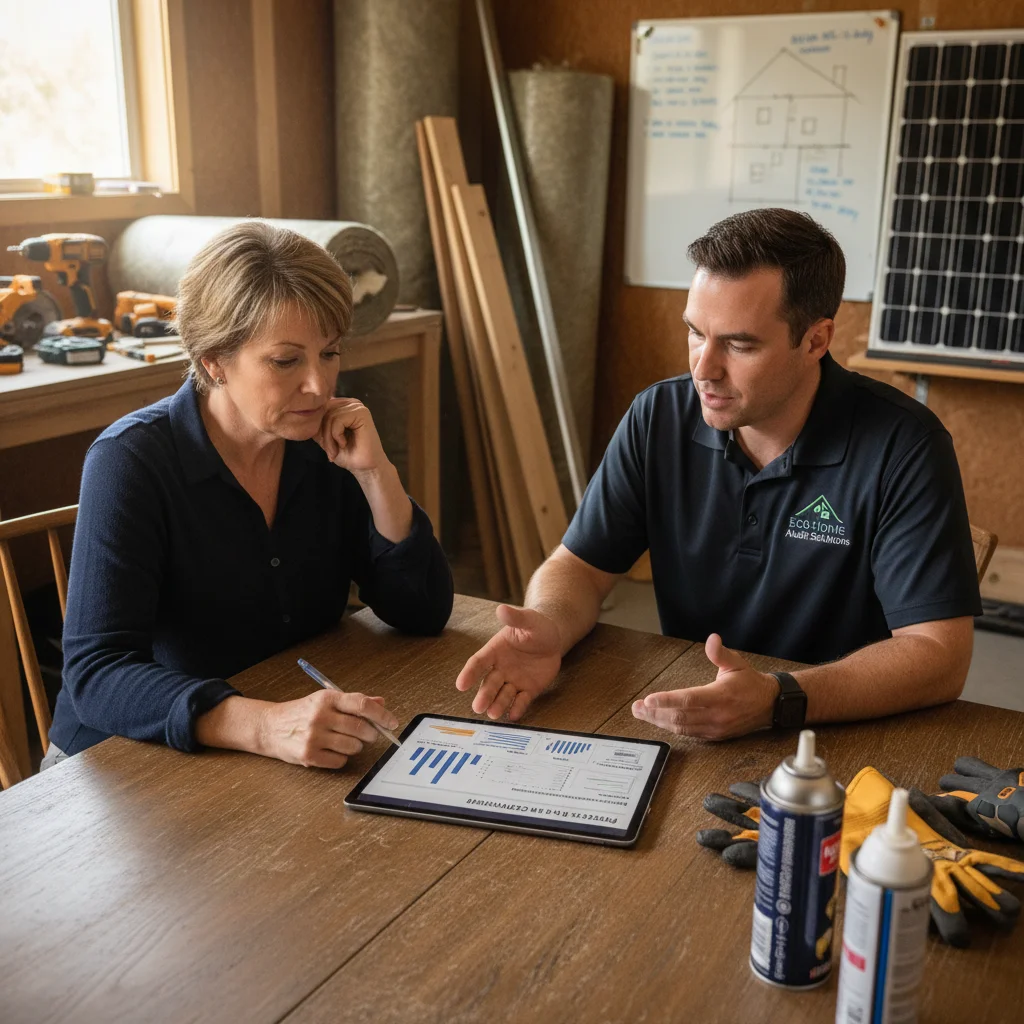
The process usually begins with an initial consultation where the auditor discusses your energy concerns, reviews your past utility bills (typically 12-24 months), and gathers information about your home’s history, construction, and any previous energy-related upgrades. This helps the auditor understand your home’s energy consumption patterns and potential problem areas.
2. Thorough Visual Inspection
A comprehensive visual inspection of your home, both inside and out, is conducted. This includes examining the exterior envelope (roof, walls, foundation), windows, doors, insulation levels in the attic, walls, and crawl spaces, and the condition of major appliances and systems (HVAC, water heater, lighting).
3. Diagnostic Testing
This is where the advanced tools come into play. As discussed earlier, diagnostic tests like blower door tests to measure air leakage and infrared thermography to identify thermal bridges and insulation gaps are performed. Combustion safety tests for gas appliances are also typically conducted to ensure proper ventilation and prevent carbon monoxide hazards.
4. Data Analysis and Recommendations
Once all the data is collected, the auditor analyzes it using specialized software. They will then develop a detailed report outlining their findings, identifying specific areas of energy waste, and providing a prioritized list of recommended improvements. Each recommendation typically includes an estimated cost, projected energy savings, and the potential return on investment. The auditor will also discuss any available rebates or incentives.
5. Post-Audit Support
Many reputable auditors offer ongoing support, including assistance with contractor selection, project management, and follow-up inspections to ensure the improvements have been implemented effectively and are delivering the expected results. This comprehensive approach ensures that homeowners are not left to navigate the upgrade process alone.
The Future is Sustainable: Making Your Home Future-Proof
Looking ahead, the emphasis on sustainable living and energy independence will only grow. A Home Energy Audit in 2026 isn’t just about addressing current inefficiencies; it’s about future-proofing your home. By understanding and optimizing your energy consumption, you are laying the groundwork for integrating future technologies, such as advanced smart grid systems, more sophisticated renewable energy solutions, and potentially even energy storage systems.
As energy regulations become stricter and environmental concerns become more pressing, homes that are already optimized for energy efficiency will be at a significant advantage. They will be more resilient to fluctuating energy prices, better equipped to adapt to new technologies, and more aligned with the evolving values of a sustainable society. Investing in a Home Energy Audit today is an investment in your home’s long-term viability and your family’s future well-being.
Choosing the Right Energy Auditor
With the increasing demand for Home Energy Audit services, it’s crucial to choose a qualified and reputable professional. Look for auditors who are certified by recognized organizations such as the Building Performance Institute (BPI) or RESNET. These certifications ensure that the auditor has met rigorous standards for knowledge, skills, and ethical conduct.
Don’t hesitate to ask for references, review past client testimonials, and inquire about the specific tools and methodologies they employ. A good auditor will be transparent about their process, provide a detailed and easy-to-understand report, and be available to answer all your questions. The quality of your audit directly impacts the effectiveness of your energy-saving efforts, so choose wisely.
Conclusion: The Indispensable Home Energy Audit in 2026
In summary, the reasons why every U.S. home needs a Home Energy Audit in 2026 are compelling and multifaceted. From the urgent environmental imperative to reduce carbon footprints and the substantial financial savings through lower utility bills, to enhanced indoor comfort and health, and the increased value and marketability of your property, the benefits are undeniable. Coupled with advanced technological tools and a plethora of government incentives, there has never been a better time to invest in understanding and optimizing your home’s energy performance.
A Home Energy Audit is more than just an inspection; it’s a strategic investment in your home, your finances, your family’s well-being, and the health of our planet. As we move deeper into this decade, making your home energy-efficient isn’t just a smart choice; it’s a responsible and necessary one. Take the proactive step today to secure a more sustainable, comfortable, and financially sound future for your home.