Maximize Home Energy Independence: 7 Proven Strategies for 2026
Discover 7 essential strategies to achieve significant home energy independence by 2026. Reduce utility bills, enhance resilience, and embrace a sustainable future.
By: Matheus Neiva on July 31, 2026
Maximize Your Home’s Energy Independence: 7 Proven Strategies for 2026
The pursuit of home energy independence is more than just a trend; it’s a strategic move towards financial stability, environmental responsibility, and enhanced resilience. As we look towards 2026, advancements in technology and a growing awareness of climate change are making it increasingly feasible for homeowners to take control of their energy consumption and generation. Achieving true home energy independence means reducing your reliance on traditional utility grids, lowering your carbon footprint, and safeguarding your household against power outages and fluctuating energy prices. This comprehensive guide will explore seven proven strategies that will empower you to maximize your home’s energy self-sufficiency in the coming years.
Understanding the Concept of Home Energy Independence
Before diving into the strategies, let’s clarify what home energy independence truly entails. It’s not necessarily about going completely ‘off-grid’ (though that is an option for some). Instead, it’s about minimizing your dependence on external energy sources and maximizing your ability to generate, store, and efficiently use your own energy. This can involve a combination of renewable energy generation, advanced energy storage solutions, and significant improvements in energy efficiency. The benefits are manifold: lower utility bills, increased property value, a reduced environmental impact, and peace of mind knowing your home is less vulnerable to external disruptions.
The journey to home energy independence is unique for every household, depending on factors like location, climate, budget, and existing infrastructure. However, the core principles remain the same: generate more, consume less, and store wisely. By adopting a holistic approach, homeowners can systematically work towards a more sustainable and self-reliant energy future.
Strategy 1: Embrace Solar Photovoltaic (PV) Systems
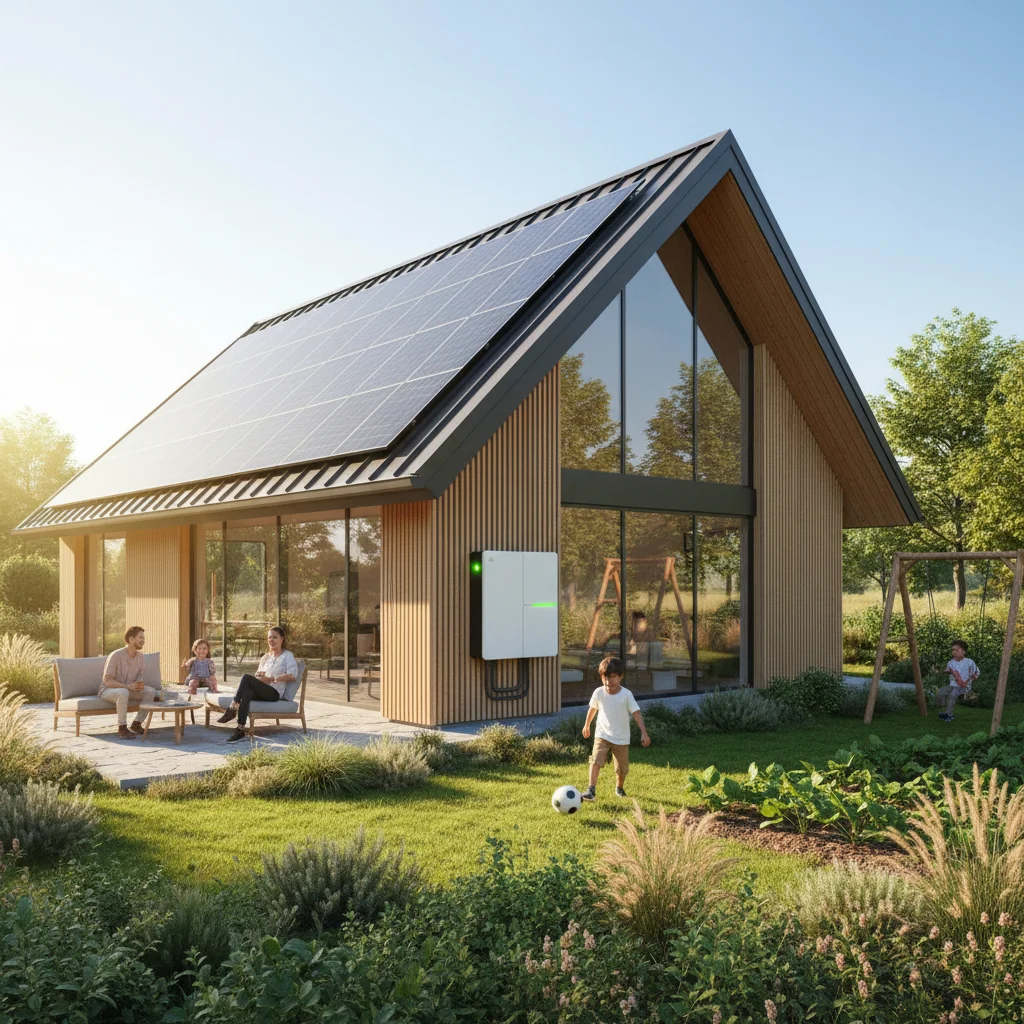
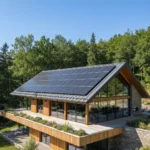
Solar power remains at the forefront of the movement towards home energy independence. Photovoltaic (PV) panels convert sunlight directly into electricity, providing a clean, renewable energy source right from your rooftop. The cost of solar technology has decreased significantly over the past decade, making it more accessible than ever. Furthermore, efficiency rates continue to improve, meaning modern panels can generate more electricity from the same amount of sunlight.
Key Considerations for Solar PV:
Panel Efficiency: Look for panels with higher efficiency ratings to maximize electricity generation in a smaller footprint.
System Sizing: A professional energy audit can help determine the optimal system size to meet your household’s energy demands.
Installation Quality: Choose reputable installers to ensure longevity and optimal performance of your system.
Government Incentives: Many regions offer tax credits, rebates, and other incentives that can significantly reduce the upfront cost of solar installation. These incentives are crucial for making solar more affordable and accelerating your path to home energy independence.
Net Metering: Understand your local net metering policies, which allow you to sell excess electricity generated by your panels back to the grid, often crediting your account or even paying you for it.
Investing in solar PV is often the first and most impactful step towards achieving substantial home energy independence. It directly addresses the generation aspect, providing a consistent, free source of electricity once the initial investment is recouped.
Strategy 2: Integrate Home Battery Storage Solutions
While solar panels generate electricity during the day, your energy needs extend into the evening and night. This is where home battery storage systems become indispensable for true home energy independence. Batteries store excess solar energy generated during peak sunlight hours, allowing you to use it when the sun isn’t shining or during power outages.
Benefits of Battery Storage:
24/7 Energy Access: Provides power even when your solar panels aren’t producing, such as at night or on cloudy days.
Backup Power: Acts as a reliable backup during grid outages, keeping essential appliances running. This is a critical component for enhancing the resilience of your home energy independence system.
Load Shifting/Time-of-Use Optimization: Allows you to draw power from your battery during peak electricity rate hours (when utility electricity is most expensive) and recharge during off-peak hours or with solar, saving money.
Increased Self-Consumption: Maximizes the use of your self-generated solar power, reducing reliance on the grid.
Battery technology is rapidly evolving, with increasing capacities, longer lifespans, and decreasing costs. Popular options include lithium-ion batteries, similar to those found in electric vehicles. When combined with solar PV, battery storage elevates your home energy independence from partial to near-total self-sufficiency for daily operations.
Strategy 3: Optimize Energy Efficiency Through Smart Home Technology
Generating your own energy is only half the battle; the other half is consuming it wisely. Smart home technologies play a crucial role in optimizing energy efficiency, allowing you to monitor, control, and automate your home’s energy usage. These systems contribute significantly to home energy independence by reducing overall demand.
Examples of Smart Energy Technologies:
Smart Thermostats: Learn your habits and adjust heating and cooling automatically, or allow remote control, preventing energy waste.
Smart Lighting:LED bulbs combined with smart controls (dimmers, motion sensors, timers) drastically reduce electricity consumption for lighting.
Smart Plugs and Outlets: Allow you to monitor and control the power consumption of individual appliances, eliminating ‘vampire drain’ from devices in standby mode.
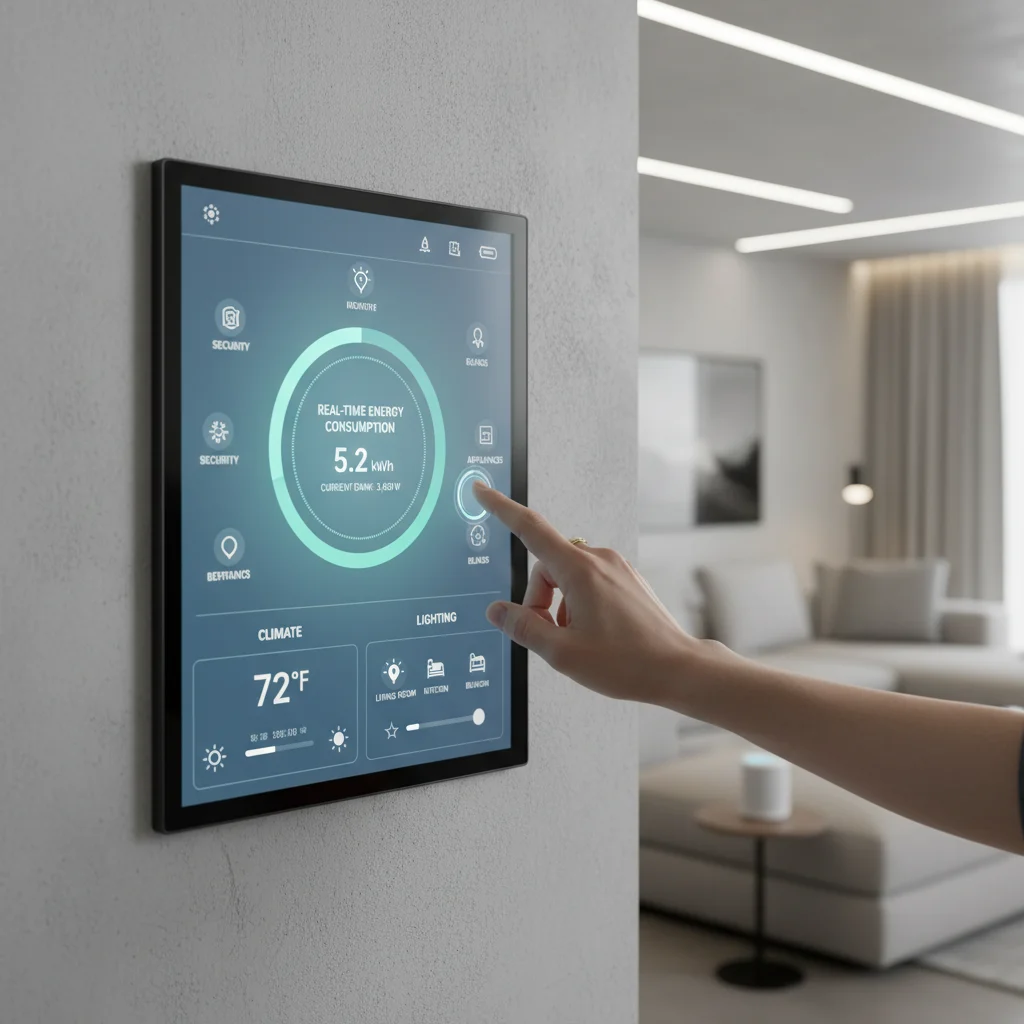
Home Energy Monitors: Provide real-time data on your household’s electricity consumption, empowering you to identify energy hogs and make informed decisions. This data is invaluable for fine-tuning your path to home energy independence.
Integrated Energy Management Systems: Advanced systems can orchestrate all these components, prioritizing energy use, managing battery charging, and even integrating with weather forecasts to optimize solar generation.
By intelligently managing your energy demand, you can make your generated power go further, thereby accelerating your journey towards complete home energy independence.
Strategy 4: Upgrade to High-Efficiency Appliances and Insulation
Beyond smart technology, the fundamental efficiency of your home’s structure and appliances is paramount. Old, inefficient appliances and poor insulation are major culprits of energy waste. Upgrading these elements provides a strong foundation for any home energy independence strategy.
Key Areas for Efficiency Upgrades:
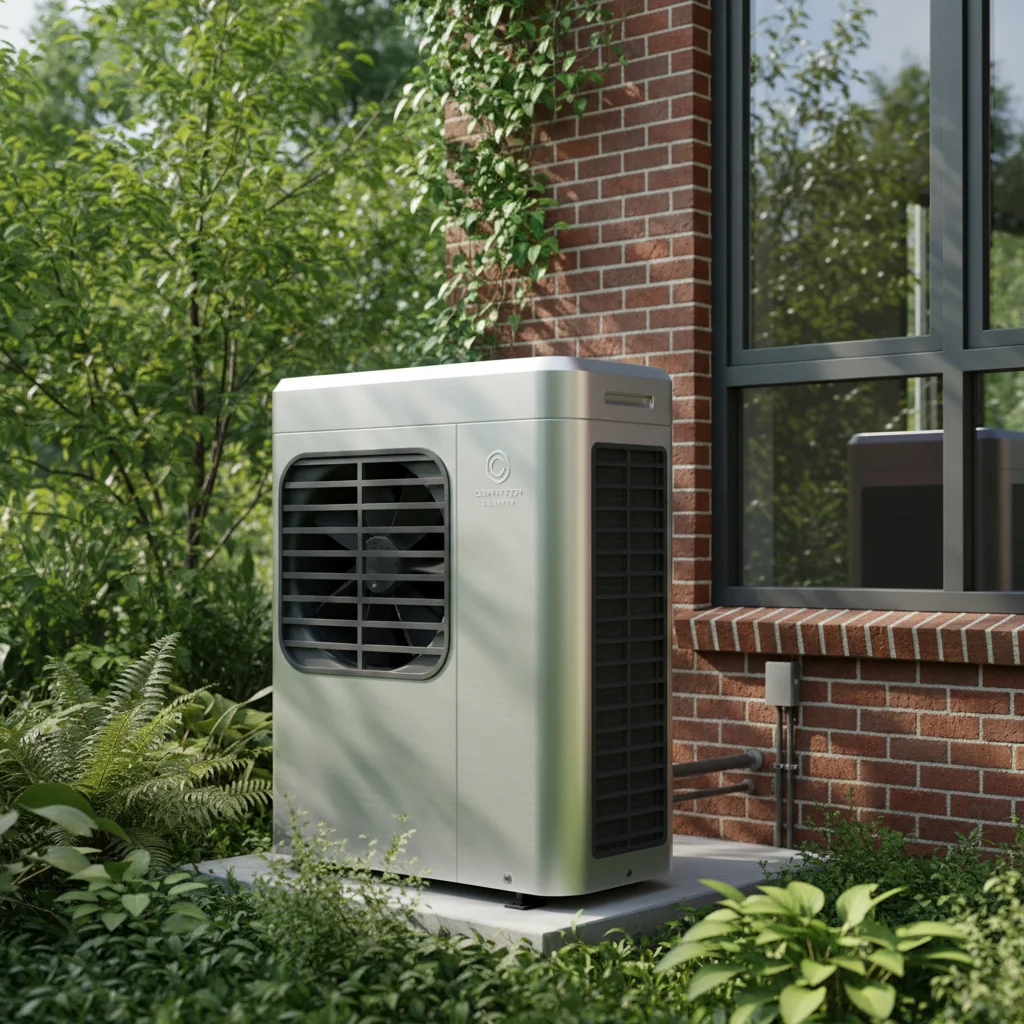
HVAC Systems: Replacing old furnaces and air conditioners with high-efficiency models, especially heat pumps (which can both heat and cool), can dramatically reduce energy consumption. Heat pumps are particularly efficient as they transfer heat rather than generate it.
Insulation and Air Sealing: Proper insulation in walls, attics, and floors, along with sealing air leaks around windows, doors, and utility penetrations, prevents heat loss in winter and heat gain in summer. This reduces the workload on your HVAC system, a critical step for home energy independence.
Energy Star Appliances: When replacing refrigerators, washing machines, dishwashers, and other major appliances, always opt for Energy Star certified models, which are designed to use significantly less energy.
Windows and Doors: Upgrading to double or triple-pane windows with low-emissivity (Low-E) coatings can greatly improve your home’s thermal performance.
Water Heaters: Consider tankless water heaters or heat pump water heaters, which are far more efficient than traditional tank models.
These upgrades might seem like significant investments, but they offer long-term savings on energy bills and contribute directly to reducing your overall energy demand, making your goal of home energy independence much more attainable.
Strategy 5: Explore Other Renewable Energy Sources (Where Applicable)
While solar is the most common and versatile renewable energy source for residential use, other options might be viable depending on your location and specific circumstances. Diversifying your energy sources can further enhance your home energy independence.
Alternative Renewable Options:
Small Wind Turbines: If you live in an area with consistent, strong winds and have sufficient property space, a small wind turbine can complement solar power, especially as wind often blows when the sun isn’t shining.
Geothermal Systems: Geothermal heating and cooling systems utilize the stable temperature of the earth to provide highly efficient climate control. While the upfront cost is higher, the operational savings are substantial. This is a powerful long-term investment in home energy independence.
Micro-Hydro Systems: For homes located near a flowing stream or river with sufficient elevation drop, micro-hydro power can be an extremely reliable and consistent source of electricity.
Solar Thermal for Hot Water: Separate from PV panels, solar thermal collectors use sunlight to heat water directly, reducing the energy needed for domestic hot water.
Researching the feasibility of these alternative sources for your specific property can reveal additional pathways to bolster your home energy independence.
Strategy 6: Implement Effective Water Conservation Practices
Although not directly about electricity generation, water conservation is an integral part of holistic home energy independence. Heating water consumes a significant amount of energy, and pumping and treating water also requires substantial energy input from municipal systems. By conserving water, you indirectly reduce your energy footprint.
Water Saving Tips for Energy Independence:
Low-Flow Fixtures: Install low-flow showerheads, toilets, and faucets to reduce water usage without sacrificing performance.
Efficient Appliances: Use Energy Star certified washing machines and dishwashers, which are designed to use less water and less energy for heating that water.
Rainwater Harvesting: Collect rainwater for irrigation and other non-potable uses, reducing your reliance on municipal water and the energy associated with its delivery.
Drought-Resistant Landscaping: Opt for xeriscaping or native plants that require minimal irrigation, especially in arid regions.
Fix Leaks Promptly: Even small leaks can waste significant amounts of water and, consequently, energy over time.
Integrating water conservation into your lifestyle complements your energy generation efforts, making your overall push for home energy independence more robust and sustainable.
Strategy 7: Monitor, Analyze, and Adjust Your Energy Strategy Continuously
Achieving and maintaining home energy independence is an ongoing process, not a one-time installation. Continuous monitoring, analysis, and adjustment of your energy strategy are crucial for optimizing performance and adapting to changing needs and technologies.
Steps for Continuous Improvement:
Utilize Energy Monitoring Systems: As mentioned in Strategy 3, smart home energy monitors provide invaluable data. Regularly review this data to understand your consumption patterns.
Perform Regular Audits: Periodically conduct professional energy audits to identify new areas for improvement or address any inefficiencies that may have developed.
Stay Informed on New Technologies: The renewable energy and energy efficiency sectors are constantly innovating. Keep abreast of new panel efficiencies, battery technologies, and smart home devices.
Adjust Habits: Sometimes, the simplest changes in daily habits, like unplugging chargers or turning off lights, can make a difference. Use the data from your monitoring system to inform these behavioral adjustments.
Plan for Expansion: As your family grows or your energy needs change (e.g., purchasing an electric vehicle), plan for potential system expansions or upgrades to maintain your level of home energy independence.
By actively engaging with your home’s energy ecosystem, you ensure that your investment in home energy independence continues to pay dividends for years to come.
The Future of Home Energy Independence by 2026 and Beyond
The landscape of energy is rapidly shifting, and 2026 is poised to be a pivotal year for residential energy solutions. We can anticipate further reductions in the cost of solar panels and battery storage, making these technologies even more accessible. The integration of artificial intelligence (AI) into smart home energy management systems will become more sophisticated, allowing for predictive energy consumption and generation optimization based on weather patterns, electricity prices, and user habits.
Furthermore, the concept of virtual power plants (VPPs) will likely gain more traction. VPPs allow homeowners with solar and battery storage to collectively contribute excess energy back to the grid, earning credits and helping stabilize the overall energy infrastructure. This collaborative approach further strengthens the resilience and economic viability of individual home energy independence efforts.
The regulatory environment is also evolving, with many governments and utility companies offering more favorable policies and incentives for renewable energy adoption. These changes will continue to make the transition to energy independence not just an environmental choice, but also a financially astute one.
As homeowners become more educated and empowered, the demand for integrated, seamless energy solutions will drive innovation, creating a future where true home energy independence is not just a dream, but a widespread reality. The strategies outlined in this article provide a clear roadmap for anyone looking to embark on or accelerate their journey towards a more sustainable, resilient, and cost-effective energy future for their home.
Conclusion: Your Path to a Self-Sufficient Home
Achieving home energy independence by 2026 is an ambitious yet entirely achievable goal. By systematically implementing these seven proven strategies – from harnessing the power of solar and integrating robust battery storage, to optimizing efficiency with smart home technology and continuous monitoring – you can significantly reduce your reliance on external energy grids. This journey not only leads to substantial financial savings and a reduced carbon footprint but also provides invaluable peace of mind through enhanced energy security and resilience.
The upfront investment in some of these technologies may seem considerable, but the long-term benefits in terms of savings, property value appreciation, and environmental impact are profound. Start with an energy audit to understand your current consumption, then prioritize the strategies that offer the greatest impact for your specific situation. With careful planning and a commitment to sustainable living, your home can become a beacon of self-sufficiency, leading the way towards a greener, more independent future. Embrace these strategies today and take control of your home’s energy destiny.
Matheus Neiva has a degree in Communication and a specialization in Digital Marketing. Working as a writer, he dedicates himself to researching and creating informative content, always seeking to convey information clearly and accurately to the public.