Residential Solar Installation Costs 2026: A $20,000 System Breakdown
Residential Solar Installation Costs 2026: A $20,000 System Breakdown
Understanding the financial aspects of transitioning to solar energy is crucial for homeowners considering this sustainable upgrade. As we look towards 2026, the landscape of Residential Solar Costs continues to evolve, influenced by technological advancements, market demands, and government incentives. This comprehensive guide will dissect the typical expenses associated with a $20,000 residential solar installation, providing a clear breakdown of where your investment goes and what you can expect.
The decision to go solar is not just about environmental consciousness; it’s a significant financial commitment that promises long-term savings and increased home value. By delving into the various components of Residential Solar Costs, from panels and inverters to labor and permitting, we aim to equip you with the knowledge needed to make an informed decision. We’ll also explore the critical role of incentives and financing options that can dramatically reduce your out-of-pocket expenses, making solar more accessible than ever before.
The $20,000 Residential Solar System: What Does It Include?
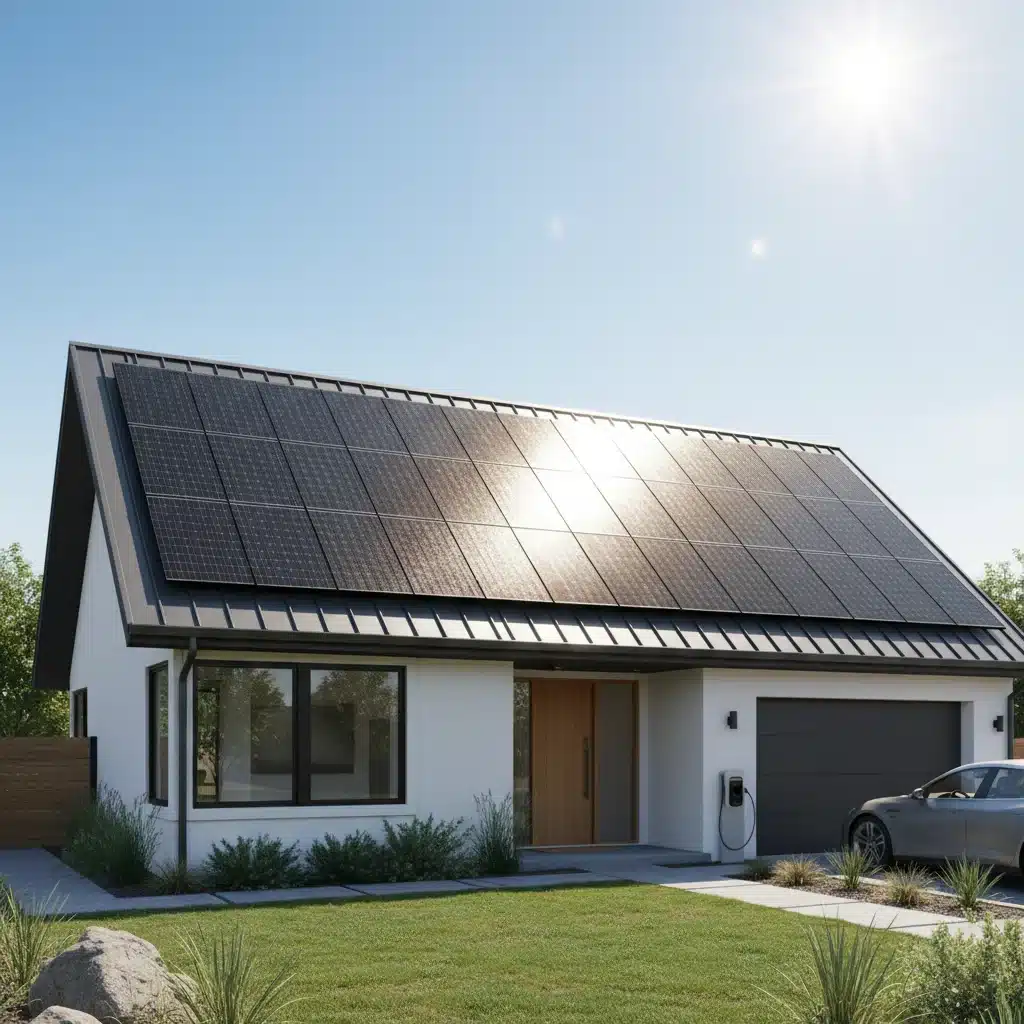
A $20,000 budget for a residential solar system in 2026 typically covers a mid-sized installation, suitable for many average American homes. The exact power output (measured in kilowatts, kW) this budget affords can vary based on geographical location, chosen equipment quality, and installer rates. However, generally, a $20,000 system, before incentives, might range from 5 kW to 8 kW. This size is often sufficient to offset a significant portion, if not all, of a household’s electricity consumption.
Breaking down the Residential Solar Costs within this budget, several key components contribute to the overall price:
- Solar Panels (Modules): These are the most visible part of your system. Their cost depends on efficiency, brand, and warranty. High-efficiency monocrystalline panels are popular for their performance in limited roof space.
- Inverter: This crucial device converts the DC electricity produced by your panels into usable AC electricity for your home. Options include string inverters, microinverters, and power optimizers, each with different cost and performance implications.
- Mounting Hardware: This includes the racks and attachments that secure the panels to your roof. The type of roof (shingle, tile, metal) can influence the complexity and cost of mounting.
- Wiring and Electrical Components: All the necessary cabling, disconnects, and protective devices to safely integrate the solar system with your home’s electrical grid.
- Monitoring System: Many modern solar installations include a system to track energy production and consumption, often accessible via a smartphone app.
It’s important to remember that the $20,000 figure is a baseline. Additional features like battery storage, which allows you to store excess energy for use during outages or at night, would significantly increase the total Residential Solar Costs, though they also offer enhanced energy independence and resilience.
Detailed Breakdown of Component Costs
Let’s dive deeper into the typical allocation of a $20,000 budget for Residential Solar Costs. While these percentages can fluctuate, they provide a general idea of where your money goes:
Solar Panels (Modules): 25-35% ($5,000 – $7,000)
The panels themselves are a substantial part of the investment. For a 6 kW system, you might need 15-20 panels, depending on their individual wattage (e.g., 300-400W per panel). Premium brands or those with higher efficiency ratings will naturally command a higher price. The choice here often balances initial cost with long-term performance and aesthetics.
Inverter(s): 10-20% ($2,000 – $4,000)
The type of inverter significantly impacts this portion of the Residential Solar Costs. String inverters are generally less expensive upfront but can be less efficient if panels are shaded. Microinverters, installed on each panel, offer panel-level optimization and are more costly but can maximize energy production in complex roof layouts. Power optimizers offer a middle ground, working with a central inverter while optimizing individual panel performance.
Mounting Hardware and Racking: 5-10% ($1,000 – $2,000)
This category covers the rails, clamps, and flashing needed to secure the panels to your roof. The material (aluminum is common) and the specific design required for your roof type are the main cost drivers. Specialized mounting for flat roofs or ground-mounted systems can be more expensive.
Balance of System (BOS) Components: 10-15% ($2,000 – $3,000)
This catch-all includes all the electrical components beyond the panels and inverters: wiring, conduits, disconnects, circuit breakers, and any necessary upgrades to your main service panel. These items are essential for the safe and efficient operation of your solar system and adherence to electrical codes.
Labor, Permitting, and Soft Costs
Beyond the hardware, a significant portion of Residential Solar Costs is attributed to what are known as ‘soft costs.’ These include labor, permitting, inspections, and customer acquisition costs. They are often overlooked but are crucial for a successful and legally compliant installation.
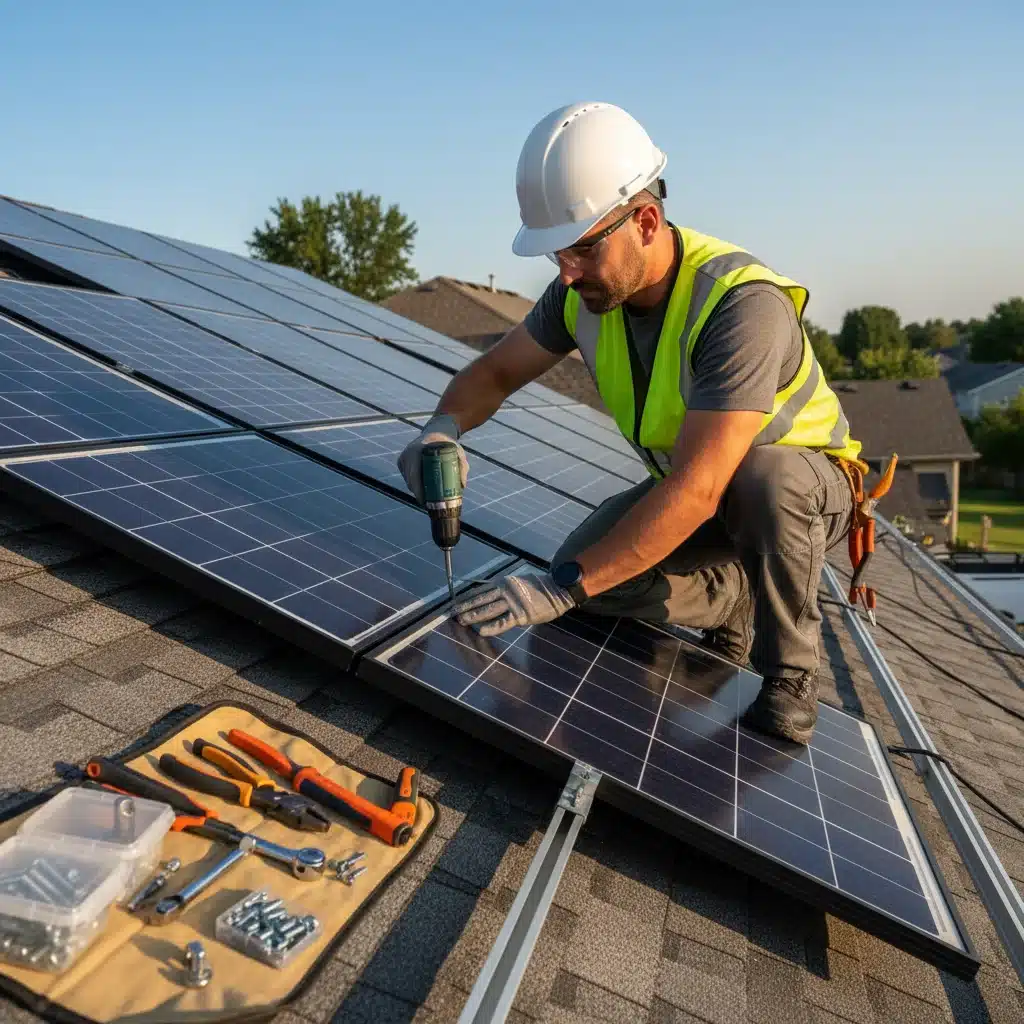
Labor and Installation: 15-25% ($3,000 – $5,000)
This covers the wages for the skilled technicians and electricians who design, install, and connect your system. Labor costs can vary based on regional wage rates, the complexity of the installation (e.g., multi-story homes, difficult roof access), and the duration of the project. A reputable installer will ensure high-quality workmanship and adherence to safety standards.
Permitting and Interconnection Fees: 5-10% ($1,000 – $2,000)
Before any installation begins, permits must be obtained from local authorities. These fees cover the cost of reviewing plans and conducting inspections to ensure the system meets local building and electrical codes. Additionally, there are fees associated with interconnecting your solar system to the utility grid, allowing you to sell excess power back to the utility (net metering). These costs vary significantly by municipality and utility provider.
Customer Acquisition Costs: 5-10% ($1,000 – $2,000)
This category includes marketing, sales commissions, and administrative overhead incurred by solar companies to acquire new customers. While not directly related to the physical installation, these are embedded in the overall price you pay for your Residential Solar Costs. The competitive nature of the solar market can sometimes drive these costs down, but they remain a factor.
System Design and Engineering: 3-5% ($600 – $1,000)
Before installation, engineers and designers create a custom plan for your home, considering roof orientation, shading, energy needs, and structural integrity. This ensures optimal performance and safety. This is a critical step to maximize the efficiency of your solar investment.
Understanding Solar Incentives and Rebates
One of the most significant factors influencing the true out-of-pocket Residential Solar Costs is the availability of incentives and rebates. These can drastically reduce the net price of your system, making solar more affordable.
Federal Solar Investment Tax Credit (ITC)
As of 2026, the Federal Solar Investment Tax Credit (ITC) is still a powerful incentive. It allows homeowners to deduct a percentage of the cost of installing a solar energy system from their federal taxes. This credit is not a rebate; it’s a direct reduction in your tax liability. The exact percentage can fluctuate, but it has historically been a cornerstone of solar affordability. For a $20,000 system, a 30% ITC would mean a $6,000 tax credit, effectively bringing your net cost down to $14,000.
State and Local Incentives
Many states and local municipalities offer their own incentives, which can include:
- State Tax Credits: Similar to the federal ITC but at the state level.
- Rebates: Direct payments or discounts from state agencies or utility companies.
- Property Tax Exemptions: Solar installations often increase home value, but some states exempt this increase from property tax assessments.
- Sales Tax Exemptions: Removing sales tax from solar equipment purchases.
- Solar Renewable Energy Certificates (SRECs): In some markets, you can earn SRECs for the solar electricity your system generates and sell them for income.
Researching the specific incentives available in your area is vital to accurately calculate your final Residential Solar Costs. These programs are dynamic and can change, so it’s always best to consult with a local solar expert or check official government and utility websites.
Financing Your Residential Solar System
Even with incentives, a $20,000 investment can be substantial. Fortunately, various financing options make solar accessible without a large upfront payment.
Cash Purchase
Paying cash for your solar system offers the highest long-term savings. You own the system outright from day one, maximizing your eligibility for all incentives and immediately benefiting from reduced or eliminated electricity bills. This option provides the best return on investment for your Residential Solar Costs.
Solar Loans
Many homeowners opt for solar loans, which are specifically designed for solar installations. These can be secured (using your home as collateral) or unsecured. Interest rates and terms vary, but a good solar loan allows you to own the system while making manageable monthly payments. The monthly loan payment is often less than or comparable to your previous electricity bill, leading to immediate savings.
Power Purchase Agreements (PPAs) and Solar Leases
In a PPA or solar lease, a third-party company owns, installs, and maintains the solar system on your roof. You pay them a fixed rate for the electricity generated (PPA) or a fixed monthly fee (lease). While these options typically require no upfront payment, you don’t own the system and therefore don’t qualify for the federal ITC or other ownership-based incentives. However, they can still lead to lower monthly energy expenses and are a good option if you prefer not to manage the system or make a significant investment.

Home Equity Loans or HELOCs
Leveraging your home equity can be another way to finance your solar system. Home equity loans offer a lump sum, while Home Equity Lines of Credit (HELOCs) provide a revolving credit line. These often come with attractive interest rates, as they are secured by your home. The interest paid on these loans may also be tax-deductible, further reducing the effective Residential Solar Costs.
Long-Term Savings and Return on Investment
Beyond the initial Residential Solar Costs, the true value of solar lies in its long-term financial benefits. A solar system is an investment that pays dividends over its lifespan, which is typically 25-30 years or more.
Reduced Electricity Bills
The most immediate and tangible saving is the reduction or elimination of your monthly electricity bill. Depending on your system size and energy consumption, you could see significant savings from day one. Over decades, these savings accumulate to tens of thousands of dollars.
Increased Home Value
Studies consistently show that homes with solar panels sell for a premium and often faster than comparable homes without solar. The exact increase varies by market, but it’s a clear benefit that offsets a portion of your Residential Solar Costs.
Protection Against Rising Energy Prices
Electricity rates have historically increased over time. By generating your own power, you insulate yourself from these future price hikes, providing long-term financial stability and predictability in your energy expenses.
Environmental Impact
While not a direct financial saving, the positive environmental impact of reducing your carbon footprint is a significant benefit. Generating clean, renewable energy contributes to a healthier planet and supports a sustainable future, aligning with growing societal values.
Factors Affecting Residential Solar Costs
While we’ve outlined a typical $20,000 system, several variables can cause Residential Solar Costs to fluctuate:
- System Size: Larger homes with higher energy demands require larger, more expensive systems.
- Equipment Quality: Premium panels and inverters offer better performance and longer warranties but come at a higher price point.
- Roof Type and Condition: Complex roof structures, older roofs needing replacement, or specific materials (like slate or cedar shake) can increase installation costs.
- Shading: Significant shading from trees or adjacent buildings might require more panels or specialized inverters to achieve desired output, impacting costs.
- Local Labor Rates: Installation costs vary geographically based on the cost of living and local wage rates.
- Permitting and Interconnection Rules: Some jurisdictions have more stringent and costly requirements than others.
- Battery Storage: Adding a battery backup system can add $10,000-$20,000 or more to the total cost, depending on capacity.
Getting multiple quotes from different reputable installers is the best way to understand the specific Residential Solar Costs for your home and ensure you’re getting a competitive price for a quality system.
Choosing the Right Solar Installer
The quality of your solar installation is as important as the equipment itself. Choosing a reputable and experienced installer is paramount to ensuring your investment in reducing Residential Solar Costs pays off.
Key Considerations When Selecting an Installer:
- Experience and Reputation: Look for installers with a proven track record, positive customer reviews, and relevant certifications.
- Licensing and Insurance: Ensure they are properly licensed and insured to protect yourself from liability.
- Warranties: Understand the warranties offered on equipment (panels, inverters) and workmanship. A good installer will stand behind their work.
- Customer Service: Evaluate their responsiveness, transparency, and willingness to answer all your questions thoroughly.
- References: Ask for references from previous customers and follow up with them.
- Customization: A good installer will conduct a thorough site assessment and design a system tailored to your specific energy needs and home characteristics, rather than offering a one-size-fits-all solution.
Don’t rush the decision. A proper vetting process for your installer will save you potential headaches and ensure the long-term performance of your solar system.