Insuring Your Residential Solar Panels: A 2026 Comprehensive Guide
Insuring Your Residential Solar Panels: A 2026 Comprehensive Guide
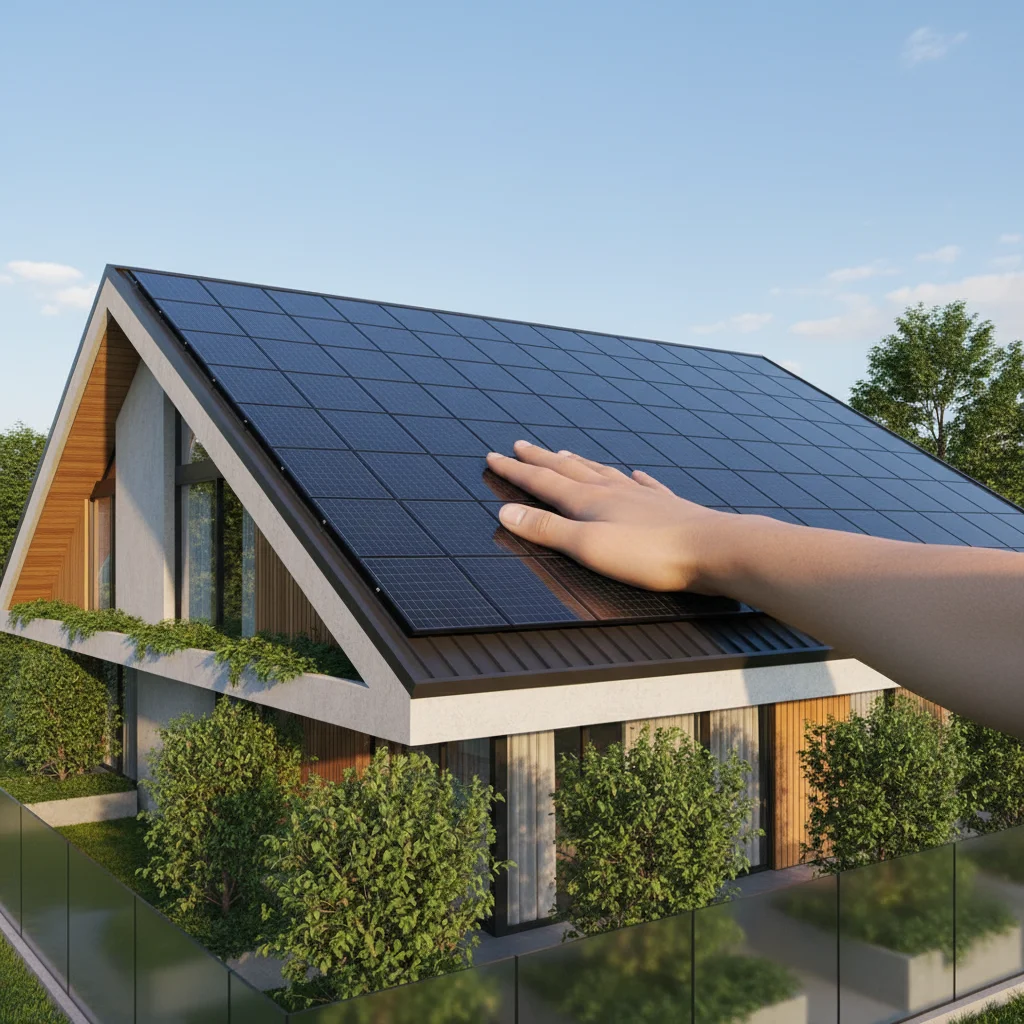
As we navigate further into 2026, the adoption of residential solar panels continues its exponential growth. Homeowners are increasingly recognizing the long-term financial and environmental benefits of harnessing solar energy. However, alongside the excitement of energy independence and reduced utility bills comes the critical need to protect this significant investment. This is where comprehensive solar panel insurance becomes indispensable. Understanding the nuances of insuring your residential solar panels in today’s evolving landscape is paramount for safeguarding your system against unforeseen damages, theft, and other potential liabilities. This guide will provide a detailed overview, ensuring you are well-equipped to make informed decisions about your solar investment’s security.
Why Is Solar Panel Insurance Essential in 2026?
The upfront cost of installing a residential solar panel system, while offset by long-term savings and incentives, still represents a substantial investment for most homeowners. A typical system can range from $15,000 to $30,000 or more, depending on its size and complexity. Given this financial commitment, it’s logical to protect it just as you would any other valuable asset in your home. Moreover, the environmental factors that solar panels are exposed to – from extreme weather events to potential accidental damage – necessitate robust protection. In 2026, with climate patterns becoming more unpredictable, the importance of safeguarding against natural disasters is higher than ever. Furthermore, as technology advances, the components within solar systems can become more specialized and, in some cases, more expensive to replace, underscoring the value of adequate solar panel insurance.
The Evolving Landscape of Solar Technology and Risks
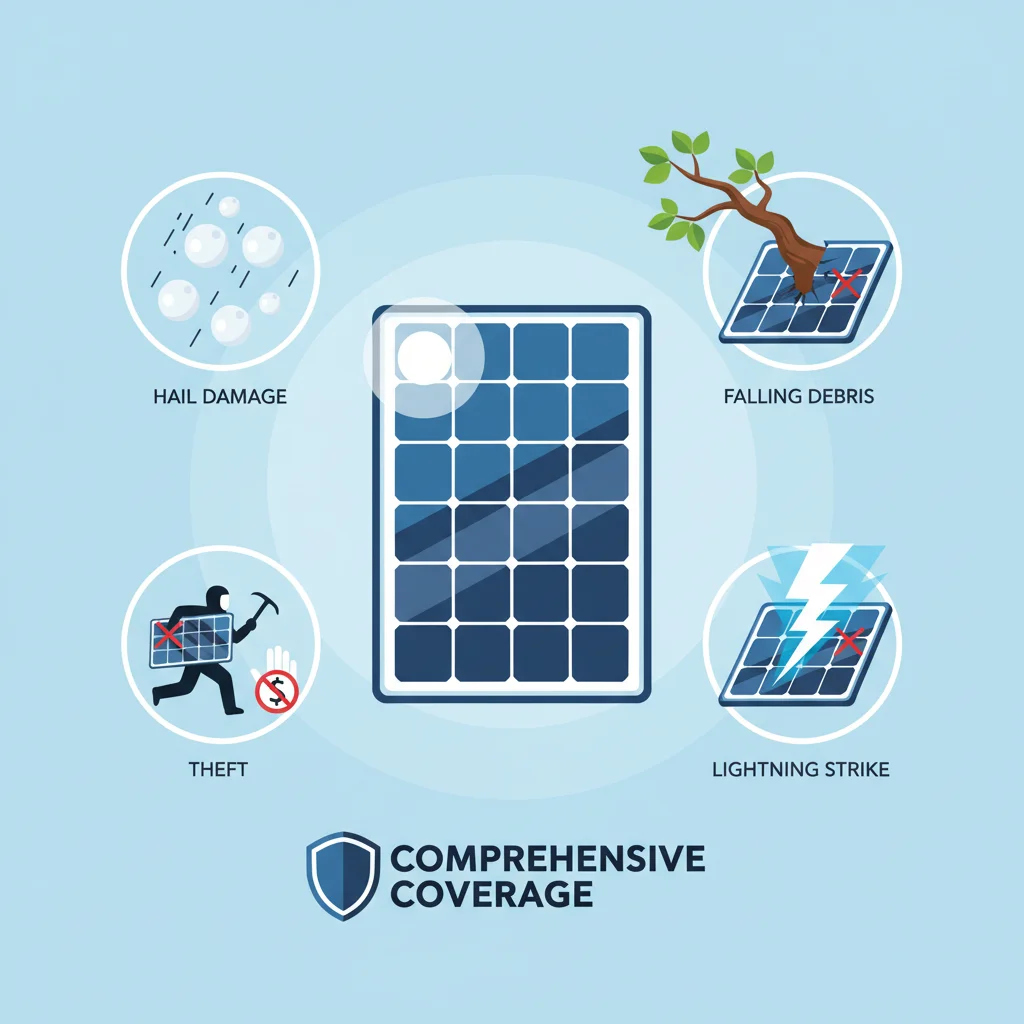
Modern solar panels are incredibly durable, designed to withstand various environmental conditions. However, they are not impervious to damage. Hailstorms, strong winds, heavy snowfall, and even lightning strikes can inflict significant harm. Beyond natural perils, accidental damage during maintenance or unforeseen issues like electrical fires can also occur. Theft, while less common, is another risk, particularly in certain areas or for easily accessible ground-mounted systems. Without proper solar panel insurance, the financial burden of repair or replacement falls entirely on the homeowner, potentially negating years of energy savings. This is why a proactive approach to insurance is not just recommended but essential for any solar-powered home.
Understanding Your Homeowner’s Policy and Solar Panel Coverage
Many homeowners initially assume that their existing homeowner’s insurance policy automatically covers their newly installed solar panels. While this is often true to some extent, the level of coverage can vary significantly, and it’s crucial not to make assumptions. Most standard homeowner’s insurance policies classify solar panels as "fixtures" or "other structures" attached to the home. This means they are typically covered under the dwelling coverage portion of your policy, or sometimes under an "other structures" clause if they are ground-mounted and separate from the main dwelling.
Key Considerations for Homeowner’s Policy Coverage:
- Dwelling Coverage Limits: Ensure that your dwelling coverage limit is sufficient to cover the replacement cost of your home plus the solar panel system. If your policy limits are too low, you might be underinsured.
- Perils Covered: Standard policies usually cover perils like fire, theft, vandalism, and certain weather-related damages (e.g., wind, hail). However, the specifics can differ. Review your policy for exclusions.
- Deductibles: Be aware of your deductible. In the event of a claim, you’ll be responsible for this amount before your insurance kicks in.
- Replacement Cost vs. Actual Cash Value: Ideally, your policy should offer replacement cost coverage, meaning it will pay to replace damaged panels with new ones of similar kind and quality, without depreciation. Actual cash value policies pay out the depreciated value, which could leave you with a significant out-of-pocket expense.
- Ground-Mounted Systems: If your solar panels are ground-mounted, they might be covered under the "other structures" portion of your homeowner’s policy. This typically has a lower coverage limit (e.g., 10% of your dwelling coverage), so verify if this is adequate for your system’s value.
It’s always recommended to notify your insurance provider once you’ve installed solar panels. They will likely need to update your policy to reflect the increased value of your property. Failure to do so could jeopardize your coverage in the event of a claim. This notification also provides an opportunity to discuss any potential gaps in your existing coverage for solar panel insurance.
Specialized Solar Panel Insurance Policies and Endorsements
While your standard homeowner’s policy offers a baseline, it might not provide the comprehensive protection you desire for your solar investment. This is where specialized solar panel insurance policies or endorsements (add-ons) to your existing policy come into play. These options are designed to address the unique risks associated with solar energy systems.
Common Endorsements and Specialized Coverage Options:
- Equipment Breakdown Coverage: This endorsement covers mechanical or electrical failures that are not typically included in standard homeowner’s policies. Think inverter malfunctions, wiring issues, or panel degradation beyond manufacturer warranties. This is a crucial aspect of comprehensive solar panel insurance.
- Loss of Production Coverage: If your solar panels are damaged and unable to generate electricity, you’ll lose out on potential energy savings or even income from net metering. This specialized coverage can reimburse you for the lost electricity production during the repair period.
- Increased Coverage for Specific Perils: In areas prone to specific risks (e.g., hurricanes, wildfires, earthquakes), you might need to add endorsements to ensure adequate coverage for these events, as they might be excluded or have high deductibles in standard policies.
- Theft and Vandalism Enhancements: While generally covered, some policies might offer higher limits or specific protections against theft of solar components, which can be costly to replace.
- Liability Coverage for Third-Party Damage: In rare cases, a solar panel issue could cause damage or injury to a third party. Your homeowner’s liability coverage generally extends to this, but reviewing the limits in the context of your solar system is wise.
When considering these options, compare the costs of adding endorsements to your existing policy versus purchasing a separate, specialized policy if available. Some insurance companies are now offering dedicated solar insurance products, reflecting the growing market for renewable energy. Always get multiple quotes and thoroughly understand what each policy or endorsement covers and, equally important, what it excludes.

Factors Affecting Solar Panel Insurance Costs
The cost of solar panel insurance isn’t a one-size-fits-all figure. Several factors influence your premiums, and understanding them can help you find the most cost-effective yet comprehensive coverage. In 2026, as the insurance market adapts to climate change and technological advancements, these factors remain critical:
Key Cost Determinants:
- System Size and Value: Larger, more expensive solar panel systems naturally cost more to insure, as the potential payout in case of damage is higher.
- Location: Your geographical location plays a significant role. Areas prone to extreme weather events (e.g., hurricanes, tornadoes, severe hailstorms, wildfires) will likely have higher premiums due to increased risk.
- Installation Type: Ground-mounted systems might be perceived as having a higher risk of theft or accidental damage compared to roof-mounted systems, which are generally more secure.
- Roof Condition: The age and condition of your roof can impact premiums, as a new, sturdy roof might reduce the risk of structural issues affecting the panels.
- Claims History: A history of previous insurance claims, both for your home and specifically for your solar system, can lead to higher premiums.
- Deductible Amount: Choosing a higher deductible typically results in lower premiums, but means you’ll pay more out-of-pocket if you file a claim.
- Coverage Limits and Type: Opting for higher coverage limits or specialized endorsements (like equipment breakdown or loss of production) will increase your premium. Replacement cost coverage is also generally more expensive than actual cash value.
- Insurance Provider: Different insurance companies have varying underwriting guidelines and pricing structures. Shopping around is essential to find the best rates for your solar panel insurance.
On average, adding solar panels might increase your homeowner’s insurance premium by a small percentage, often between $20 and $50 annually, though this can vary widely. For a more precise estimate, it’s always best to consult directly with your insurance provider or an independent agent specializing in solar energy systems.
What to Look for in a Solar Panel Insurance Policy
When reviewing potential solar panel insurance policies or endorsements, a keen eye for detail is crucial. Don’t just look at the price; delve into the specifics of the coverage to ensure it aligns with your needs and protects your investment adequately. Here’s a checklist of what to prioritize:
Essential Policy Features:
- Comprehensive Peril Coverage: Ensure the policy covers a wide range of perils, including fire, theft, vandalism, wind, hail, lightning, and falling objects. If your area is prone to specific natural disasters (e.g., earthquakes, floods), check if these are included or require separate coverage.
- Replacement Cost Value (RCV): Always aim for RCV coverage over Actual Cash Value (ACV). RCV ensures that if your panels are damaged beyond repair, the insurance company will pay the cost to replace them with new ones, without deducting for depreciation. This is vital for long-term protection of your solar panel insurance.
- Equipment Breakdown Protection: As mentioned, mechanical and electrical failures can be costly. This coverage is essential for protecting against issues with inverters, wiring, and other critical components.
- Loss of Production/Business Interruption: If your system is out of commission due to a covered peril, this coverage can compensate you for the lost energy generation, which can be a significant financial relief.
- Liability Coverage: Confirm that your policy’s liability limits are sufficient. While rare, if your solar system were to cause damage or injury to a third party, robust liability coverage is crucial.
- Deductible: Choose a deductible that you are comfortable paying out-of-pocket. A higher deductible means lower premiums, but a greater immediate expense during a claim.
- Exclusions: Carefully read the exclusions section. Understand what the policy explicitly does NOT cover. This might include damage from poor maintenance, certain types of wear and tear, or specific natural disasters.
- Reputation of the Insurer: Choose an insurance company with a strong financial rating and a good reputation for customer service and claims handling.
Don’t hesitate to ask your insurance agent detailed questions. Request clarification on any terms or conditions you don’t understand. A thorough review now can save you significant headaches and financial strain later.
Tips for Securing the Best Solar Panel Insurance
Navigating the insurance market can be daunting, but with a strategic approach, you can secure optimal solar panel insurance without overpaying. Here are some actionable tips for homeowners in 2026:
Practical Steps for Homeowners:
- Inform Your Current Insurer Immediately: As soon as your solar panels are installed (or even before, during the planning phase), notify your homeowner’s insurance provider. This ensures your policy can be adjusted proactively and prevents any potential issues with coverage.
- Get Multiple Quotes: Don’t settle for the first offer. Contact several insurance companies, including those that specialize in renewable energy, to compare coverage options and premiums. An independent insurance agent can be a valuable resource here, as they can shop around for you.
- Bundle Your Policies: Many insurers offer discounts if you bundle your homeowner’s insurance with other policies, such as auto insurance. Inquire if adding solar panel insurance to your existing homeowner’s policy qualifies for any bundling discounts.
- Maintain Your System: Regular maintenance not only prolongs the life of your solar panels but can also reduce the likelihood of claims, potentially leading to lower premiums over time. Keep records of all maintenance performed.
- Install Safety Features: If applicable, ensure your solar installation adheres to all local building codes and safety standards. Some insurers might offer discounts for enhanced safety features.
- Understand Your Warranty: Your solar panels and inverter come with manufacturer warranties. Understand what these warranties cover and for how long. Insurance typically covers perils not addressed by warranties.
- Review Your Policy Annually: Life changes, and so do insurance needs. Review your solar panel insurance policy annually with your agent to ensure it still meets your requirements, especially if you’ve made any upgrades or if your property value has changed.
- Document Everything: Keep detailed records of your solar system’s installation, including photos, invoices, and any maintenance reports. This documentation can be invaluable if you ever need to file a claim.
Common Misconceptions About Solar Panel Insurance
Despite the growing prevalence of solar energy, several misconceptions about solar panel insurance persist. Dispelling these myths is crucial for homeowners to make informed decisions and avoid potential pitfalls.
Addressing the Myths:
- Myth 1: "My standard homeowner’s policy covers everything." While most homeowner’s policies offer some coverage, it’s rarely comprehensive enough for a significant investment like solar panels. Exclusions, limited coverage for specific perils, and lack of equipment breakdown or loss of production coverage are common gaps. Always verify the specifics with your insurer.
- Myth 2: "Solar panels are indestructible, so insurance isn’t necessary." Modern solar panels are robust, but they are not immune to damage from extreme weather, accidents, or manufacturing defects. The cost of repair or replacement without insurance can be substantial.
- Myth 3: "Insurance will cover aesthetic damage." Most insurance policies cover functional damage that impairs the performance of your solar panels. Minor cosmetic damage that doesn’t affect energy production is typically not covered.
- Myth 4: "My installer’s warranty is enough." Manufacturer warranties cover defects in the panels or inverter, and installer warranties cover issues related to the installation itself. Neither typically covers damage from external factors like hailstorms, theft, or accidental damage – that’s where solar panel insurance comes in.
- Myth 5: "Insurance will significantly increase my premiums." While there will be an increase, it’s often a modest one, especially when compared to the value of the solar system and the potential cost of uninsured damages. The peace of mind and financial protection far outweigh the incremental cost.
The Future of Solar Panel Insurance in 2026 and Beyond
As solar technology continues to evolve and climate change impacts become more pronounced, the solar panel insurance market will undoubtedly adapt. We can anticipate several trends influencing coverage and costs in the coming years:
Anticipated Trends:
- Increased Specialization: More insurance providers will likely offer highly specialized solar insurance products, moving beyond simple homeowner’s policy endorsements.
- Data-Driven Risk Assessment: Insurers will increasingly use advanced data analytics, including satellite imagery and localized weather patterns, to assess risk more accurately, potentially leading to more tailored (and sometimes more expensive) premiums.
- Focus on Resilience: Policies might start offering incentives or lower premiums for systems that incorporate enhanced resilience features, such as stronger mounting systems or panels designed for extreme weather.
- Integration with Smart Home Technology: As solar systems integrate more with smart home platforms, insurance might leverage this connectivity for real-time monitoring and proactive risk mitigation.
- Standardization of Coverage: As the market matures, there might be greater standardization in what constitutes comprehensive solar panel insurance, making it easier for consumers to compare policies.
Staying informed about these evolving trends will be key for homeowners to continuously optimize their solar panel protection. Regular communication with your insurance provider will ensure your coverage remains relevant and robust.
Conclusion: Protecting Your Bright Future with Solar Panel Insurance
Investing in residential solar panels is a forward-thinking decision that promises numerous benefits, from environmental stewardship to significant financial savings. However, like any substantial asset, it requires thoughtful protection. In 2026, securing adequate solar panel insurance is not merely an option but a critical component of a responsible solar ownership strategy.
By understanding how your existing homeowner’s policy covers your system, exploring specialized endorsements, and being aware of the factors that influence costs, you can make informed choices. Remember to prioritize comprehensive coverage that includes replacement cost value, equipment breakdown, and loss of production. By following the tips outlined in this guide – informing your insurer, getting multiple quotes, maintaining your system, and reviewing your policy annually – you can ensure your solar investment is well-protected against the unforeseen.
Don’t let the excitement of clean energy overshadow the importance of security. A well-insured solar panel system provides not just energy independence, but also invaluable peace of mind, allowing you to fully enjoy the benefits of your sustainable home for years to come. Protect your bright future with the right solar panel insurance.