Commercial Solar Insurance: Essential Coverages for 2026 Projects
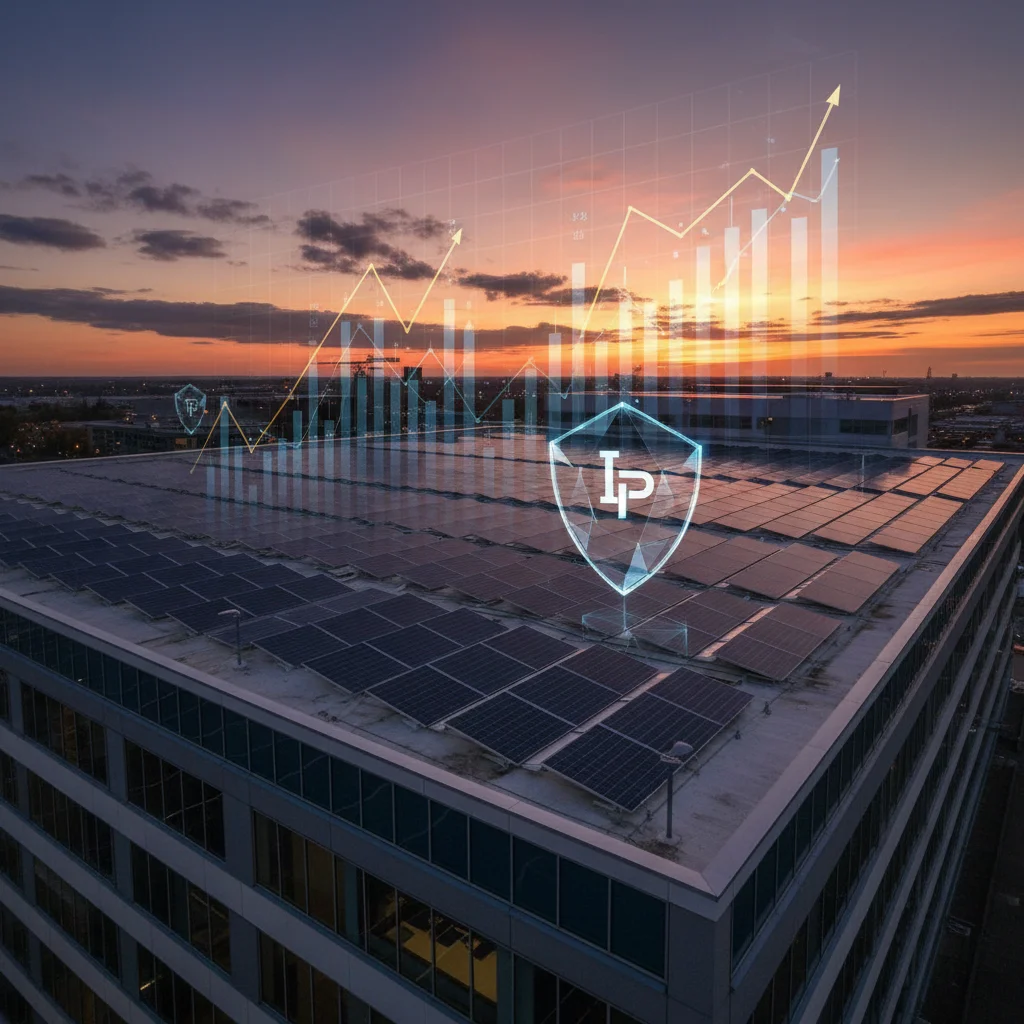
The renewable energy sector continues its meteoric rise, with solar power leading the charge in commercial applications. As businesses increasingly invest in large-scale solar installations to power their operations, reduce carbon footprints, and achieve energy independence, the need for robust risk management strategies becomes paramount. Central to this is understanding and securing adequate commercial solar insurance. For projects slated for 2026 and beyond, navigating the intricate landscape of insurance policies is not just a recommendation; it’s a critical business imperative.
Commercial solar projects, by their very nature, involve substantial capital investment, complex engineering, and long operational lifespans. These characteristics introduce a unique set of risks that traditional property or liability insurance policies often fail to address comprehensively. From the initial design and construction phases to ongoing operation and maintenance, solar arrays are exposed to a myriad of potential perils, including natural disasters, equipment failures, theft, and performance shortfalls. Without specialized commercial solar insurance, these risks can translate into significant financial losses, project delays, and even complete project failure.
This comprehensive guide delves into the essential coverages that commercial solar project developers, owners, and operators need to consider for 2026. We will explore the specific types of policies designed to protect against the unique challenges faced by the solar industry, discuss the importance of tailored solutions, and provide insights into how to effectively manage risks to ensure the long-term success and profitability of your solar investments. Our goal is to equip you with the knowledge necessary to make informed decisions regarding your commercial solar insurance strategy, safeguarding your assets and securing your future in the burgeoning renewable energy market.
The Evolving Landscape of Commercial Solar Projects and Associated Risks
The commercial solar industry is dynamic, characterized by rapid technological advancements, evolving regulatory frameworks, and increasing project scales. As panel efficiencies improve and installation costs decrease, more businesses are opting for extensive solar arrays, ranging from rooftop installations on warehouses and factories to ground-mounted systems for industrial parks and agricultural operations. These larger, more sophisticated projects inherently come with a heightened risk profile.
Technological Risks
- Module Degradation and Performance Issues: While solar panels are designed for longevity, manufacturing defects, premature degradation, or unforeseen environmental factors can lead to performance shortfalls. Insurance needs to cover the financial impact of underperforming assets.
- Inverter Failures: Inverters are critical components converting DC to AC power. Their failure can halt energy production, leading to significant revenue losses.
- Battery Storage Risks: With the integration of battery storage systems, new risks emerge, including thermal runaway, fire, and chemical spills, requiring specialized hazardous material and fire coverage.
Environmental and Natural Disaster Risks
- Hail and Wind Damage: Solar panels are exposed to the elements. Severe weather events, especially hail and high winds, can cause extensive physical damage to modules and mounting structures.
- Flooding and Earthquakes: Depending on the project location, these natural disasters can devastate ground-mounted systems and electrical infrastructure.
- Lightning Strikes: Direct or indirect lightning strikes can cause significant damage to electrical components and systems.
Operational and Financial Risks
- Business Interruption: Any event that halts power production can lead to substantial revenue losses, especially for businesses relying on solar to offset significant energy costs or sell power back to the grid.
- Cybersecurity Threats: Increasingly, solar installations are integrated with sophisticated monitoring and control systems, making them vulnerable to cyberattacks that could disrupt operations or compromise data.
- Supply Chain Disruptions: Delays in receiving critical components or increased costs due to supply chain issues can impact project timelines and budgets.
Recognizing these multifaceted risks is the first step in formulating an effective commercial solar insurance strategy. A one-size-fits-all approach is insufficient; instead, a bespoke insurance program tailored to the specific characteristics and exposures of each project is essential.
Key Coverages for Commercial Solar Insurance in 2026
A comprehensive commercial solar insurance program typically encompasses several critical policy types, each addressing distinct facets of risk. For 2026 projects, integrating these coverages strategically will be key to financial security.
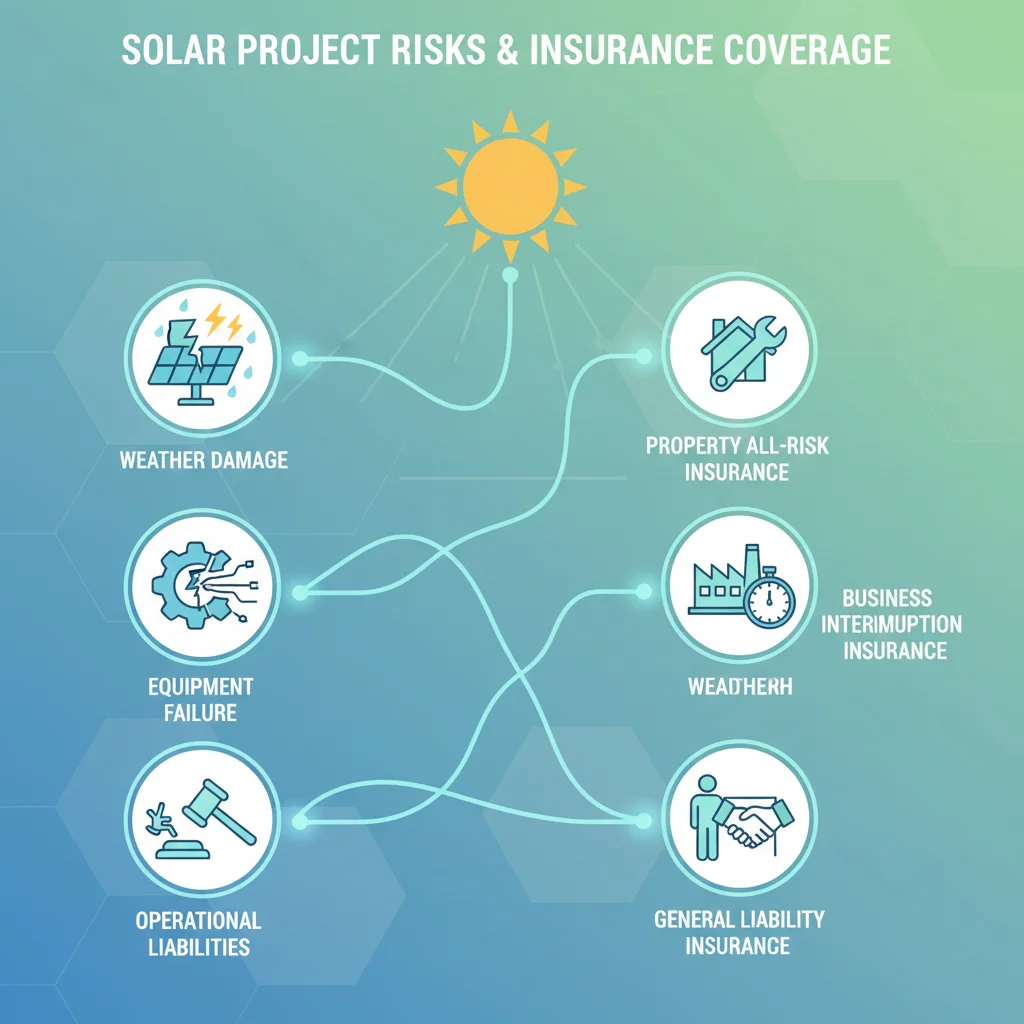
1. Property All-Risk Insurance (Builder’s Risk/Operational Property)
This is arguably the cornerstone of any commercial solar insurance program. It protects the physical assets of the solar project against a broad range of perils. During the construction phase, this is known as Builder’s Risk and covers materials, equipment, and structures from the moment they arrive on site until the project is commissioned. Once operational, it transitions to an Operational Property policy.
- Coverage Scope: Typically covers physical damage to solar panels, inverters, racking, electrical components, transformers, and other associated infrastructure due to events like fire, theft, vandalism, natural disasters (wind, hail, flood, earthquake), and accidental damage.
- Importance for 2026: With larger and more complex installations, the value of assets at risk is higher, making robust property coverage indispensable. It should also consider the specialized nature of solar equipment, ensuring repair or replacement with like-kind and quality components.
2. General Liability Insurance
General Liability protects against third-party claims of bodily injury or property damage arising from the project’s operations. This is crucial during both construction and operation.
- Coverage Scope: Covers costs associated with legal defense, settlements, and judgments if a third party is injured on the project site or if the project’s operations cause damage to neighboring properties. This can include anything from a visitor tripping on site to a panel falling and damaging a vehicle.
- Importance for 2026: As urban and commercial solar installations become more prevalent, the potential for interaction with the public and surrounding properties increases, elevating liability exposures.
3. Professional Liability (Errors & Omissions – E&O)
This coverage is vital for solar project developers, engineers, and consultants. It protects against claims arising from professional negligence, errors, or omissions in design, advice, or services rendered.
- Coverage Scope: Covers financial losses incurred by clients due to faulty design specifications, incorrect energy yield predictions, or other professional mistakes made by the solar professionals involved in the project.
- Importance for 2026: The complexity of modern solar projects, coupled with performance guarantees and financial incentives, makes E&O coverage essential for protecting against claims of inadequate performance or design flaws.
4. Business Interruption (and Contingent Business Interruption)
This policy is critical for recovering lost income and ongoing expenses when a covered peril causes a shutdown or significant reduction in energy production.
- Coverage Scope: Reimburses lost revenue that would have been generated from electricity sales or savings, as well as covering fixed operating expenses (e.g., loan payments, salaries) during the period of restoration after a covered loss. Contingent Business Interruption extends this to cover losses due to damage at a key supplier or off-taker.
- Importance for 2026: For commercial entities relying on solar to significantly offset operational costs or generate revenue, an interruption in power production can have a devastating financial impact. This coverage ensures financial stability during recovery.

5. Boiler & Machinery / Equipment Breakdown Insurance
While often overlooked, this coverage is increasingly relevant for the mechanical and electrical components of solar systems.
- Coverage Scope: Protects against sudden and accidental breakdown of critical equipment not typically covered by standard property insurance, such as inverters, transformers, switchgear, and potentially even specialized monitoring equipment. These breakdowns often stem from internal causes like mechanical stress, electrical surges, or operator error.
- Importance for 2026: The sophisticated electrical infrastructure of modern commercial solar arrays makes them susceptible to equipment breakdown, which can be costly to repair and lead to significant downtime.
6. Cyber Liability Insurance
As solar projects become more digitized and interconnected, they face growing cyber threats.
- Coverage Scope: Protects against financial losses from data breaches, network interruptions, cyber extortion, and other cyber incidents that could affect the solar project’s operational technology (OT) or information technology (IT) systems. This can include costs for forensic investigation, legal fees, notification, credit monitoring, and business interruption due to cyber events.
- Importance for 2026: Given the increasing reliance on SCADA systems, remote monitoring, and smart grid integration, cyber liability is becoming a non-negotiable component of commercial solar insurance for protecting operational integrity and sensitive data.
7. Environmental Liability Insurance
While solar is clean energy, certain components or incidents can still pose environmental risks.
- Coverage Scope: Covers costs associated with pollution cleanup, bodily injury, or property damage resulting from environmental contamination originating from the solar site. This could include spills from battery storage systems, or even the disposal of damaged panels containing trace hazardous materials.
- Importance for 2026: As battery storage becomes more common, and with increasing environmental scrutiny, this coverage provides crucial protection against unforeseen ecological incidents.
8. Workers’ Compensation Insurance
Mandatory in most jurisdictions, this covers employees who suffer work-related injuries or illnesses.
- Coverage Scope: Provides medical benefits and wage replacement for employees injured on the job, whether during construction, installation, or ongoing maintenance of the solar array.
- Importance for 2026: Solar installation and maintenance involve working at heights, with heavy equipment, and with electricity, making it an occupation with inherent risks that necessitate robust workers’ compensation coverage.
Tailoring Your Commercial Solar Insurance Program
The optimal commercial solar insurance program is never a generic package. It must be meticulously tailored to the specific characteristics of each project. Several factors influence the type and extent of coverage required:
- Project Size and Value: Larger, more valuable installations naturally require higher coverage limits.
- Location: Projects in areas prone to specific natural disasters (e.g., hurricanes, wildfires, seismic activity) will need specialized endorsements or higher limits for those perils. Urban locations may have higher liability exposures.
- Technology Used: The type of panels, inverters, and whether battery storage is integrated will dictate specific equipment breakdown and environmental liability needs.
- Contractual Requirements: Lenders, investors, power purchasers, and landlords often have specific insurance requirements that must be met.
- Operational Model: Whether the project is for self-consumption, grid export, or a combination will influence the importance of business interruption coverage.
- Developer/Owner Risk Appetite: The level of risk an organization is willing to retain versus transfer to an insurer will also shape the policy structure.
Working with an insurance broker specializing in renewable energy is invaluable. These experts understand the nuances of solar technology, project development cycles, and the unique risk exposures. They can help identify potential gaps in coverage, negotiate favorable terms, and ensure that your policies align with contractual obligations and risk management objectives.
Risk Management Strategies Beyond Insurance
While commercial solar insurance is a vital risk transfer mechanism, it’s part of a broader risk management strategy. Proactive measures can significantly reduce the likelihood and severity of losses, potentially leading to lower insurance premiums and fewer claims.
1. Robust Design and Engineering
- Quality Components: Specifying high-quality, certified solar panels, inverters, and mounting hardware from reputable manufacturers reduces the risk of equipment failure.
- Resilient Design: Designing systems to withstand anticipated environmental conditions (e.g., wind loads, snow loads, seismic activity) is crucial.
- Electrical System Protection: Implementing surge protection, grounding systems, and arc fault detection can mitigate electrical risks.
2. Professional Installation and Maintenance
- Certified Installers: Employing experienced and certified installers ensures adherence to best practices and safety standards.
- Regular Maintenance: Implementing a rigorous preventative maintenance schedule, including inspections, cleaning, and performance monitoring, helps identify and address issues before they escalate.
- Safety Protocols: Strict adherence to safety protocols during construction and operation minimizes worker injury and third-party liability.
3. Monitoring and Cybersecurity
- Real-time Performance Monitoring: Continuous monitoring of system performance allows for early detection of underperformance or equipment malfunctions.
- Cybersecurity Measures: Implementing strong cybersecurity protocols for all networked components, including firewalls, intrusion detection systems, and regular vulnerability assessments, protects against digital threats.
4. Emergency Response Planning
- Disaster Preparedness: Developing and regularly updating emergency response plans for various scenarios (e.g., fire, severe weather, equipment failure) ensures a swift and effective reaction to incidents.
- Business Continuity Planning: Having a plan in place to mitigate the impact of prolonged outages and restore operations quickly is essential.
The Future of Commercial Solar Insurance: What to Expect in 2026
The commercial solar insurance market is continually evolving to keep pace with industry advancements and emerging risks. For 2026 and beyond, several trends are likely to shape the insurance landscape:
- Increased Focus on Climate Resilience: As climate change impacts become more pronounced, insurers will place greater emphasis on resilient design and location-specific risk mitigation strategies. Projects in high-risk zones may face higher premiums or stricter underwriting requirements.
- Data-Driven Underwriting: The proliferation of IoT devices and advanced monitoring systems in solar projects will provide insurers with more granular data. This will enable more precise risk assessment and potentially more customized, usage-based insurance products.
- Integration of Battery Storage: The widespread adoption of battery energy storage systems (BESS) will necessitate more sophisticated insurance products that specifically address the unique fire, environmental, and operational risks associated with these technologies.
- Cyber Risk Sophistication: As cyber threats become more advanced, cyber liability policies for solar will likely become more specialized, potentially offering coverage for operational technology (OT) systems distinct from traditional IT systems.
- Parametric Insurance Solutions: For certain risks, such as insufficient solar irradiance or specific weather events, parametric insurance (which pays out based on predefined triggers rather than actual losses) may become more prevalent, offering faster claim settlements.
- ESG Considerations: Environmental, Social, and Governance (ESG) factors are increasingly influencing investment and insurance decisions. Projects with strong ESG credentials and robust risk management frameworks may be viewed more favorably by insurers.
Staying abreast of these trends and proactively adapting your risk management and insurance strategies will be crucial for the sustained success of your commercial solar insurance endeavors in 2026 and beyond.
Conclusion: Securing Your Solar Future with Robust Commercial Solar Insurance
Investing in commercial solar projects represents a significant commitment to sustainable energy and long-term financial benefits. However, like any major capital investment, these projects are not without their inherent risks. From the moment ground is broken to decades of operation, a complex array of potential perils can threaten the viability and profitability of your solar assets.
A well-structured and comprehensive commercial solar insurance program is not merely a compliance item; it is a strategic imperative. It serves as a vital financial safeguard, protecting your investment against unforeseen events, ensuring business continuity, and providing peace of mind. For commercial solar projects in 2026, understanding the nuances of Property All-Risk, General Liability, Professional Liability, Business Interruption, Equipment Breakdown, Cyber Liability, and Environmental Liability coverages is fundamental.
Beyond simply purchasing policies, integrating these insurance solutions within a holistic risk management framework – one that emphasizes robust design, professional installation, proactive maintenance, and vigilant cybersecurity – will yield the most effective protection. Engaging with experienced insurance professionals who specialize in the renewable energy sector is key to navigating the complexities of the market and securing tailored coverage that truly meets your project’s unique needs.
As the commercial solar industry continues its impressive growth trajectory, the risks will undoubtedly evolve. By prioritizing proactive risk management and investing in comprehensive commercial solar insurance, businesses can confidently harness the power of the sun, ensuring the resilience, sustainability, and profitability of their solar investments for years to come. Prepare your 2026 commercial solar projects today by securing the essential insurance coverages that will protect your clean energy future.