Sustainable Building Materials: Cut Home Energy by 20% in 2026
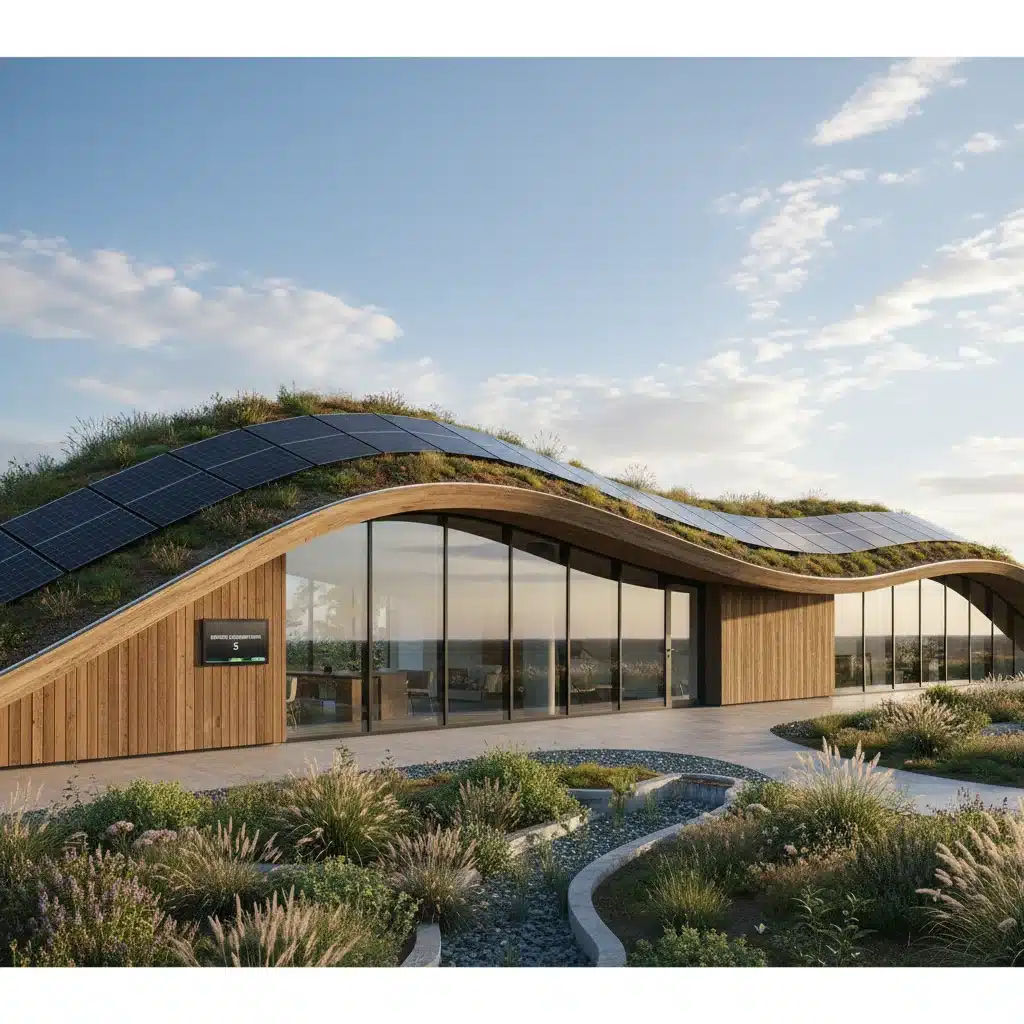
In an era defined by environmental consciousness and escalating energy costs, the quest for sustainable living has never been more urgent. Homeowners, builders, and architects alike are increasingly seeking innovative ways to reduce their ecological footprint and enhance energy efficiency. The good news? The future of construction is green, and it’s arriving faster than you might think. This comprehensive guide will delve into five overlooked sustainable building materials that are set to revolutionize home energy consumption, helping you achieve a remarkable 20% reduction by 2026. We’ll explore their unique properties, practical applications, and the myriad benefits they offer, not just for the planet, but for your wallet and well-being.
The global construction industry is a significant contributor to carbon emissions and resource depletion. However, a paradigm shift is underway, driven by advancements in material science and a growing understanding of ecological principles. By embracing cutting-edge sustainable building materials, we can move towards a future where homes are not just structures, but living, breathing entities that actively contribute to a healthier planet. This article aims to equip you with insider knowledge, highlighting materials that are often overlooked in mainstream construction but hold immense potential for energy savings and environmental stewardship.
The Urgent Need for Energy-Efficient Homes
Before we dive into the materials themselves, it’s crucial to understand why energy efficiency in homes is paramount. Residential buildings account for a substantial portion of global energy consumption, primarily for heating, cooling, and lighting. This reliance on conventional energy sources contributes to greenhouse gas emissions, climate change, and air pollution. Moreover, rising energy prices place a significant financial burden on households. By adopting sustainable building materials, we can design and construct homes that are inherently more efficient, reducing the demand for external energy and fostering a more resilient and sustainable lifestyle.
The target of a 20% reduction in home energy consumption by 2026 is ambitious but entirely achievable with the right strategies and materials. This isn’t just about incremental improvements; it’s about a fundamental rethinking of how we build. It involves integrating materials that offer superior insulation, regulate indoor temperatures naturally, and minimize thermal bridging. Beyond energy savings, these materials often boast other impressive benefits, such as improved indoor air quality, enhanced durability, and reduced waste during construction. The ripple effect of such changes extends far beyond individual homes, contributing to broader environmental goals and economic stability.
1. Mycelium-Based Insulation: The Fungal Future of Walls
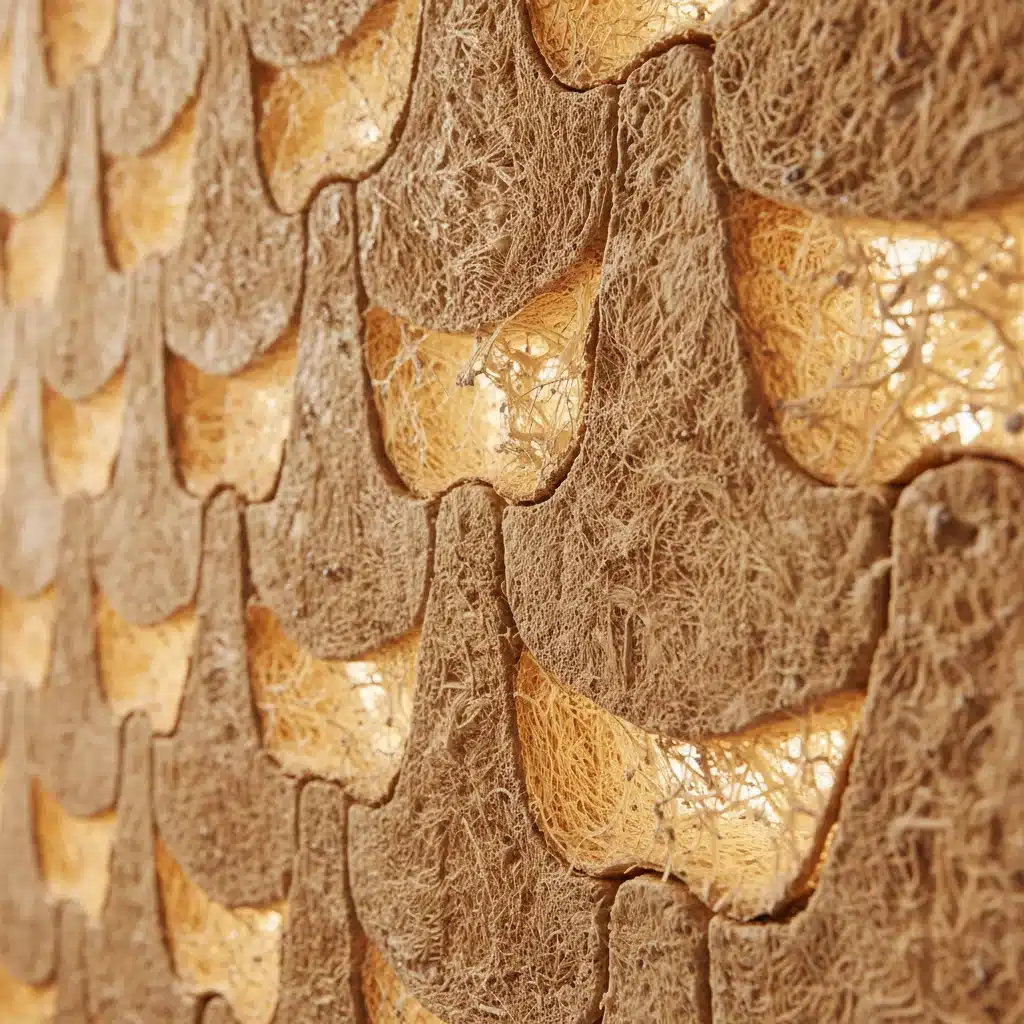
When you think of insulation, traditional materials like fiberglass or foam boards often come to mind. However, nature offers a truly revolutionary alternative: mycelium. Mycelium, the root structure of fungi, is an incredibly versatile and rapidly renewable resource. Researchers and innovators are harnessing its natural growth patterns to create highly effective and entirely biodegradable insulation panels and bricks. These aren’t just eco-friendly; they’re performance powerhouses.
What is Mycelium and How Does It Work?
Mycelium is a network of fungal threads (hyphae) that grows by digesting agricultural waste products like corn stalks or sawdust. By controlling the growth conditions, engineers can guide the mycelium to form specific shapes and densities. Once grown to the desired form, the mycelium is heat-treated to stop its growth, resulting in a lightweight, strong, and insulative material. This process is remarkably low-energy, requiring minimal processing compared to conventional insulation materials.
Energy-Saving Potential and Benefits
Mycelium-based insulation boasts excellent thermal resistance, meaning it’s highly effective at preventing heat transfer. This translates directly into significant energy savings for both heating in winter and cooling in summer. Its porous structure traps air efficiently, providing superior R-values compared to many traditional options. Beyond insulation, mycelium offers several compelling advantages:
- Biodegradability: At the end of its life cycle, mycelium insulation can be composted, returning nutrients to the earth rather than ending up in landfills.
- Low Embodied Energy: The energy required to produce mycelium products is exceptionally low, making them a truly sustainable choice from cradle to grave.
- Fire Resistance: Mycelium composites can be naturally fire-resistant, adding an extra layer of safety to your home.
- Sound Absorption: Its cellular structure also provides excellent acoustic dampening, creating quieter, more peaceful indoor environments.
- Non-Toxic: Unlike some synthetic insulation materials, mycelium is free from harmful chemicals and volatile organic compounds (VOCs), contributing to healthier indoor air quality.
Real-World Applications and Future Outlook
While still emerging, mycelium insulation is gaining traction in various pilot projects and innovative architectural designs. It can be used in wall cavities, attics, and even as structural components in the form of mycelium bricks. Companies are actively developing scalable production methods, making it increasingly accessible for mainstream construction. As awareness grows and production scales, mycelium is poised to become a cornerstone of future sustainable building materials, significantly contributing to the 20% energy reduction goal.
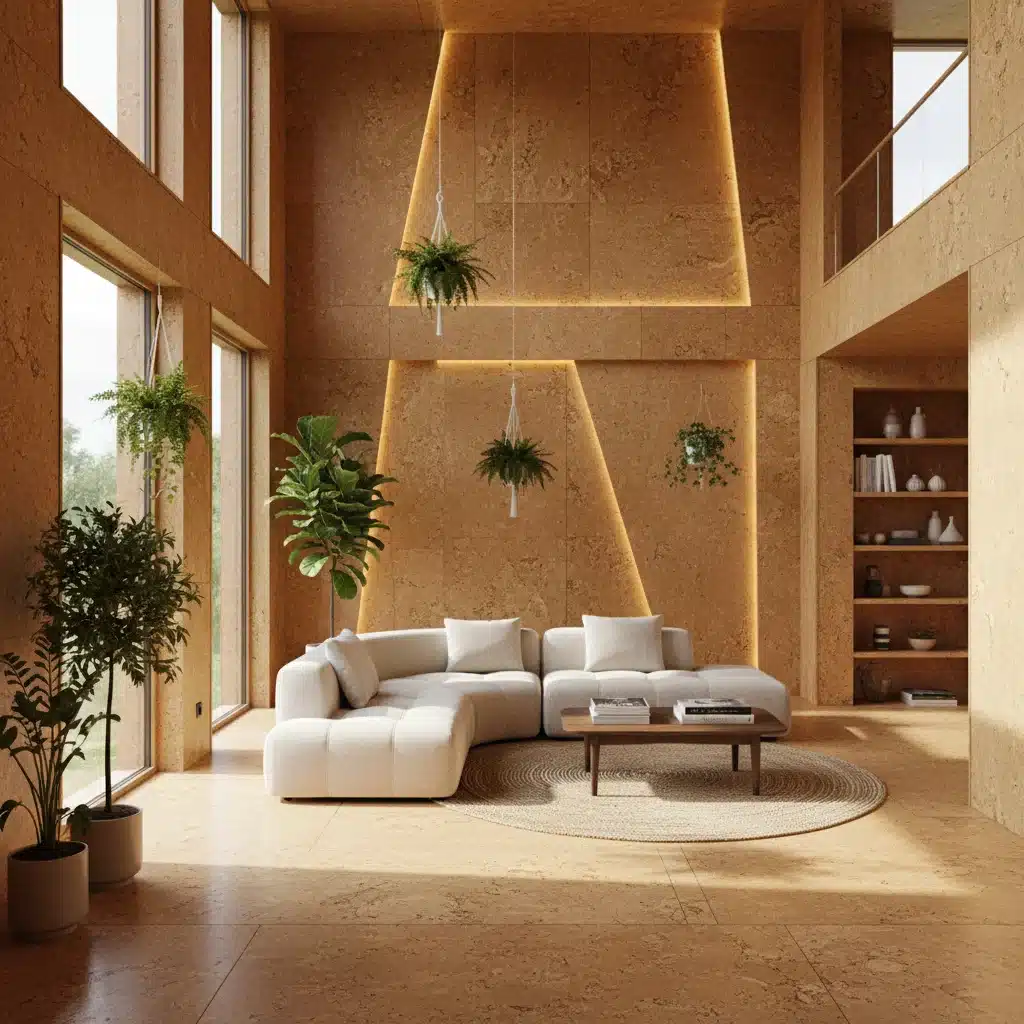
2. Cork: The Sustainable Super Material for Walls, Floors, and Roofs
Cork, often associated with wine stoppers and bulletin boards, is an incredibly versatile and highly effective sustainable building material that is often overlooked for its broader applications in construction. Harvested from the bark of the cork oak tree, cork is a rapidly renewable resource with a unique cellular structure that provides exceptional insulation, soundproofing, and durability.
The Miraculous Properties of Cork
The cork oak tree (Quercus suber) is unique because its bark can be harvested without felling the tree. The bark regenerates every 9-12 years, making it a truly renewable resource. The material itself is a marvel of nature. Its honeycomb-like cellular structure, filled with air, gives it extraordinary properties:
- Thermal Insulation: Cork’s air-filled cells make it an outstanding thermal insulator, significantly reducing heat transfer through walls, floors, and roofs. This directly translates to lower heating and cooling costs.
- Acoustic Insulation: The same cellular structure that provides thermal insulation also makes cork an excellent sound absorber, reducing noise transmission between rooms and from external sources.
- Water Resistance: Cork contains suberin, a waxy substance that makes it naturally resistant to water and moisture, preventing mold and mildew growth.
- Fire Retardant: Cork is naturally fire-resistant and does not release toxic gases when burned, enhancing home safety.
- Durability and Resilience: Cork is remarkably durable, elastic, and resistant to wear and tear, making it ideal for flooring and high-traffic areas.
- Hypoallergenic: It doesn’t attract dust mites or mold, contributing to superior indoor air quality.
Applications in Energy-Efficient Construction
Cork can be utilized in various forms throughout a home to enhance energy efficiency:
- Exterior and Interior Wall Insulation: Cork boards or granules can be used to insulate walls, preventing thermal bridging and maintaining stable indoor temperatures.
- Flooring: Cork flooring provides excellent thermal and acoustic insulation, making rooms warmer, quieter, and more comfortable. Its natural resilience also makes it soft underfoot.
- Roofing: Cork can be used as an insulating layer in flat or pitched roofs, contributing to overall thermal performance.
- Underlayment: As an underlayment for other flooring types, cork adds an extra layer of insulation and sound dampening.
Integrating cork into your home design is a smart move towards achieving that 20% energy consumption reduction by 2026. Its natural properties make it a passive energy saver, reducing reliance on active heating and cooling systems.
3. Rammed Earth: Ancient Wisdom Meets Modern Efficiency
Rammed earth construction is an ancient building technique that is experiencing a significant resurgence due to its inherent sustainability, aesthetic appeal, and exceptional thermal performance. This method involves compacting layers of damp soil, clay, sand, and gravel into a rigid formwork, creating solid, durable walls that are naturally insulative and regulate indoor temperatures with remarkable efficiency. As a sustainable building material, rammed earth offers a timeless solution to modern energy challenges.
The Science Behind Rammed Earth’s Efficiency
The secret to rammed earth’s energy efficiency lies in its immense thermal mass. Thermal mass refers to a material’s ability to absorb, store, and release heat energy. Rammed earth walls absorb heat during the day (when temperatures are higher) and slowly release it at night (when temperatures drop). This natural thermal regulation significantly reduces the need for active heating and cooling systems, leading to substantial energy savings. In hot climates, the walls keep interiors cool by absorbing heat, while in cooler climates, they retain warmth.
Key Benefits of Rammed Earth Construction
- Exceptional Thermal Mass: As mentioned, this is its strongest energy-saving feature, leading to stable indoor temperatures and reduced energy bills.
- Low Embodied Energy: The primary material is readily available earth, often sourced locally, minimizing transportation costs and the energy required for manufacturing.
- Durability and Longevity: Rammed earth structures are incredibly strong and can last for centuries with minimal maintenance, reducing the need for frequent repairs or replacements.
- Improved Indoor Air Quality: Earth walls breathe, regulating humidity and preventing the buildup of toxins. They are non-toxic, chemical-free, and hypoallergenic.
- Aesthetic Appeal: The layered texture and natural colors of rammed earth walls create a unique, organic, and aesthetically pleasing interior and exterior.
- Soundproofing: The density of rammed earth provides excellent acoustic insulation, creating quiet and serene living spaces.
Considerations for Implementation
While rammed earth offers numerous benefits, it’s important to consider factors like local soil composition, climate, and the need for skilled labor. However, with proper design and execution, a rammed earth home can be a beacon of sustainability and energy efficiency, pushing you closer to that 20% energy reduction target by 2026. It’s a testament to the idea that sometimes, the oldest solutions are the most innovative for the future of sustainable building materials.
4. Hempcrete: The Lightweight, Breathable Eco-Block
Hempcrete, a bio-composite material made from the woody inner core of the hemp plant (hemp hurds), lime, and water, is rapidly gaining recognition as a superior sustainable building material. It’s a lightweight, breathable, and highly insulative alternative to traditional concrete, offering a compelling solution for energy-efficient construction.
Understanding Hempcrete’s Composition and Advantages
Unlike concrete, which uses cement as a binder, hempcrete uses a lime-based binder. This combination creates a material with a unique set of properties:
- Excellent Thermal Performance: Hempcrete acts as both insulation and thermal mass. Its porous structure traps air, providing high R-values, while the lime binder allows it to store and release heat slowly, moderating indoor temperatures. This dual action is key to significant energy savings.
- Carbon Sequestration: As hemp grows, it absorbs large amounts of CO2 from the atmosphere. This carbon is then locked into the hempcrete walls for the lifespan of the building, making it a carbon-negative material.
- Breathability and Humidity Regulation: Hempcrete walls are vapor-permeable, meaning they can absorb and release moisture, naturally regulating indoor humidity levels. This prevents condensation, mold growth, and creates a healthier indoor environment.
- Fire Resistance: Hempcrete is naturally fire-resistant, providing a safer building envelope.
- Pest and Rot Resistance: The high alkalinity of the lime binder makes hempcrete resistant to pests and rot.
- Lightweight: Its lighter weight compared to traditional concrete reduces the structural requirements of the building, potentially lowering construction costs.
How Hempcrete Contributes to Energy Reduction
The combination of superior insulation and thermal mass in hempcrete significantly reduces the energy required for heating and cooling. Homes built with hempcrete maintain a more stable internal temperature throughout the year, minimizing the need for HVAC systems to cycle frequently. This passive approach to climate control is instrumental in achieving the ambitious 20% energy consumption reduction by 2026.
Hempcrete can be cast in situ, sprayed, or used in pre-fabricated blocks, offering flexibility in construction. Its emergence as a viable and increasingly popular sustainable building material signals a promising shift towards more eco-conscious and energy-efficient construction practices.
5. Aerogel: The Transparent Insulator for Ultimate Efficiency
Often dubbed ‘frozen smoke’ or ‘solid air,’ aerogel is a synthetic porous ultralight material derived from a gel, in which the liquid component of the gel has been replaced with gas. The result is a material with incredibly low density and the lowest thermal conductivity of any known solid. While traditionally used in high-tech applications, advancements are making aerogel an increasingly viable and revolutionary sustainable building material, particularly for superior insulation in challenging areas.
The Unrivaled Insulative Power of Aerogel
Aerogel’s exceptional insulative properties stem from its unique nanostructure. It consists of up to 99.8% air trapped within a silica-based network. Air is a poor conductor of heat, and by trapping it within such a fine, intricate structure, aerogel effectively minimizes all three forms of heat transfer: conduction, convection, and radiation. This makes it an unparalleled insulator, even at very thin thicknesses.
Benefits and Applications in Energy-Efficient Homes
- Extreme Thermal Resistance: Aerogel offers R-values significantly higher than conventional insulation materials, even in minimal thicknesses. This is crucial for maximizing insulation in spaces where thickness is limited.
- Space Saving: Its thin profile allows for superior insulation without sacrificing valuable interior space, particularly beneficial in urban environments or renovations.
- Transparency (in some forms): Transparent aerogel panels can be used in windows or skylights to provide excellent insulation while still allowing natural light to penetrate, reducing the need for artificial lighting.
- Lightweight: Its ultralight nature puts less strain on building structures.
- Hydrophobic (in some forms): Some aerogels are hydrophobic, resisting water absorption and preventing moisture-related issues.
- Durability: While seemingly fragile, aerogel composites can be quite robust.
How Aerogel Drives Energy Savings
By integrating aerogel into critical areas like window frames, wall cavities with limited space, or even as an additive to paints and plasters, homes can achieve unprecedented levels of thermal performance. This hyper-efficient insulation minimizes heat loss in winter and heat gain in summer, drastically reducing the workload on HVAC systems. The ability to achieve high R-values in thin layers makes it a game-changer for retrofits and new builds aiming for passive house standards. While currently more expensive than traditional insulation, its long-term energy savings and performance benefits make it a compelling investment for reaching the 20% energy reduction target by 2026, solidifying its place among advanced sustainable building materials.
Integrating Sustainable Building Materials for Maximum Impact
Achieving a 20% reduction in home energy consumption by 2026 isn’t about choosing just one of these materials; it’s about strategically integrating them into a holistic design. Each of these sustainable building materials offers unique advantages that can be leveraged to create a truly energy-efficient and environmentally responsible home.
Holistic Design Principles for Energy Efficiency
- Passive Solar Design: Orienting the home to maximize winter sun exposure and minimize summer sun gain is fundamental. Rammed earth’s thermal mass is particularly effective here.
- High-Performance Envelope: Combining mycelium or hempcrete walls with aerogel-insulated windows creates an incredibly tight and insulative building envelope that drastically reduces heat transfer.
- Natural Ventilation: Designing for cross-ventilation and stack effect can reduce reliance on air conditioning.
- Renewable Energy Integration: While outside the scope of materials, combining these materials with solar panels or geothermal systems amplifies energy savings.
- Material Synergy: Consider how cork flooring can complement hempcrete walls, or how mycelium panels can be used in conjunction with a rammed earth core.
The key is to think of your home as an interconnected system where each component contributes to overall energy performance. By prioritizing these overlooked sustainable building materials, you’re not just building a house; you’re crafting a high-performance, healthy, and future-proof living space.
The Economic and Environmental Benefits
Beyond the immediate goal of reducing energy consumption, embracing these sustainable building materials offers a cascade of benefits:
- Reduced Utility Bills: The most direct and tangible benefit for homeowners is significantly lower monthly energy costs.
- Increased Home Value: Energy-efficient homes are increasingly attractive to buyers, commanding higher resale values.
- Lower Carbon Footprint: Using materials with low embodied energy and carbon sequestration properties directly combats climate change.
- Improved Indoor Air Quality: Many natural and sustainable materials are non-toxic, breathable, and regulate humidity, leading to healthier living environments.
- Enhanced Comfort: Homes built with these materials often have more stable temperatures, fewer drafts, and better acoustic performance, leading to greater occupant comfort.
- Resource Conservation: Utilizing renewable, recycled, or locally sourced materials reduces the strain on finite natural resources.
- Long-Term Durability: Many sustainable materials, like rammed earth and cork, are incredibly durable, reducing maintenance and replacement costs over the home’s lifespan.
Investing in these materials now is not just an environmental choice; it’s a sound financial decision that will pay dividends for decades to come. The initial investment in some of these newer materials might be slightly higher, but the long-term savings in energy costs and the enhanced value and comfort of your home far outweigh the upfront expense.
Conclusion: Building a Greener Tomorrow, Today
The journey towards a 20% reduction in home energy consumption by 2026 is an exciting and achievable one, powered by the innovation in sustainable building materials. Mycelium-based insulation, cork, rammed earth, hempcrete, and aerogel represent the vanguard of this revolution, offering solutions that are not only environmentally friendly but also highly effective in creating comfortable, durable, and energy-efficient homes.
As homeowners, builders, and designers, we have the power to shape the future of our built environment. By looking beyond conventional options and embracing these overlooked sustainable materials, we can construct homes that are not just structures, but partners in our quest for a more sustainable and prosperous future. The time to build better, greener, and more efficiently is now. Start exploring these materials today and be a part of the movement towards a truly energy-independent and eco-conscious tomorrow.