Harnessing the Sun: A Guide to Sustainable Living with Solar Energy
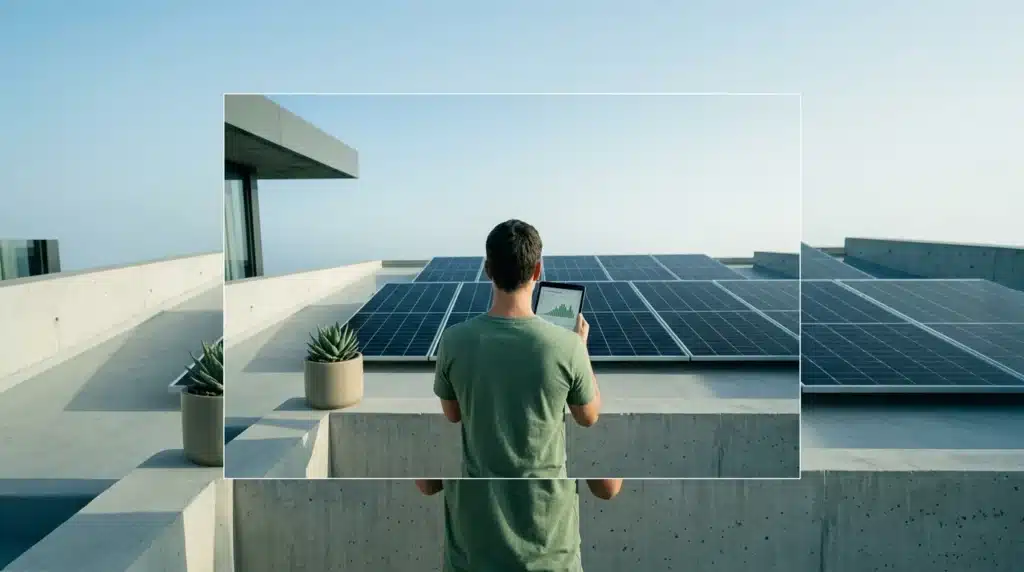
Making the switch to solar energy is often seen as a single decision—a moment you choose to install panels on a roof. But what if it’s more than that? Imagine transforming your property from a passive consumer of electricity into an active, self-sufficient power plant. This isn’t just about reducing a monthly bill; it’s a core shift in your relationship with energy, offering a degree of control and predictability that the traditional grid simply cannot match. It’s a quiet revolution happening on rooftops across the country, one home and business at a time.
This movement is fueled by two powerful, intertwined forces: environmental stewardship and financial pragmatism. On one hand, harnessing the sun directly reduces our collective reliance on fossil fuels, contributing to cleaner air and a more stable climate. Each solar installation becomes a small but meaningful part of a global solution. the economic case for solar has never been stronger. With falling installation costs and solid financial incentives, solar energy presents a compelling investment that offers tangible returns, shielding owners from the volatile price hikes that have become all too common with conventional utilities.
Whether you’re a homeowner looking to gain energy independence, a business leader aiming to cut operational costs and bolster your brand’s green credentials, or simply someone curious about sustainable living, this guide provides a detailed roadmap. We’ll explore the specifics of residential and commercial solar systems, break down the financial benefits you can expect, and reveal why integrating energy efficiency is the important, often-overlooked step to maximizing your solar investment. It’s time to understand how you can harness the sun not just for power, but for a more resilient future.
Understanding the Core of Sustainable Solar Living
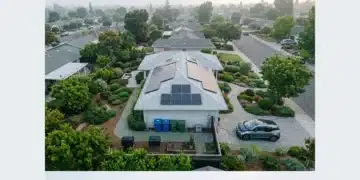
Going solar is about much more than just installing panels on your roof; it’s a underlying shift in how you interact with energy. Think of it as upgrading your home’s relationship with the planet. Instead of passively drawing power from a distant, shared source, you actively generate your own clean electricity right where you live. It’s a powerful change.
The environmental benefits are, of course, a huge part of the appeal. By harnessing the sun, you directly reduce your household’s carbon footprint. This isn’t a small contribution. According to the U.S. Energy Information Administration (EIA), renewable energy sources now account for over 22% of utility-scale electricity generation in the country, a figure that grows annually thanks to individual homeowners and businesses making the switch. Your home becomes a small power plant that runs on sunlight, offsetting the need for fossil fuels and contributing to cleaner air.
Beyond the environmental pluses, the economic advantages create a compelling case for sustainable living. But what does this actually mean for your daily life? Initially, it means lower—or even eliminated—monthly electricity bills. Over time, the system pays for itself and starts generating a return on your investment. The underrated factor here is the stability it provides; you’re no longer subject to the volatile price hikes of traditional utility companies. This energy independence is a core concept, whether you’re exploring a Grid-Tied vs. Off-Grid Solar System or simply want more control over your expenses.
Ultimately, embracing solar energy benefits is a practical step toward self-sufficiency. It transforms a property from a simple consumer of energy into an active producer, aligning your lifestyle with a more sustainable and resilient future.
Residential Solar: Powering Your Home Sustainably
Bringing solar power to your doorstep transforms your relationship with energy from passive consumption to active production. For many homeowners, this shift is about more than just reducing their carbon footprint; it’s about gaining a significant measure of energy independence. The process begins with a professional assessment of your property to determine its solar potential, considering factors like roof orientation, shading, and local weather patterns.
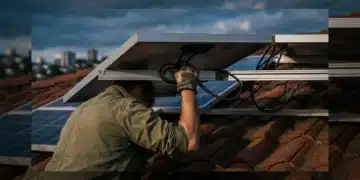
This initial step ensures a proposed system is tailored specifically to your home’s energy needs and structural characteristics. It’s a critical planning phase. From there, the installation itself is surprisingly straightforward, often completed within a few days by a certified team.
Choosing the Right Solar System for Your Home
Selecting the right hardware is like picking the right engine for a car; the decision directly impacts performance and long-term value. The most visible components are the panels themselves, and they come in several main varieties. The choice often boils down to a trade-off between efficiency, cost, and aesthetics. What works for a sprawling roof in a sunny climate might not be the best fit for a smaller, partially shaded roof elsewhere?
Most residential installations use one of three primary panel technologies. Each has distinct advantages. Understanding these differences is key to matching a system to your budget and energy goals. The performance of these panels is also directly linked to other components, which is why a resource on Understanding Solar Inverters is so valuable.
| Panel Type | Efficiency | Cost | Pros | Cons |
|---|---|---|---|---|
| Monocrystalline | 18-23% | High | Highest efficiency, sleek black appearance, longer lifespan. Ideal for limited roof space. | Most expensive option upfront. |
| Polycrystalline | 15-18% | Medium | Good balance of cost and efficiency, less waste produced during manufacturing. | Lower efficiency requires more space, blue hue can be less visually appealing to some. |
| Thin-Film | 10-13% | Low | Lightweight, flexible, and performs better in low-light or high-heat conditions. | Lowest efficiency means it requires the most space, shorter lifespan than crystalline panels. |
Financial Incentives and ROI for Homeowners
The financial case for residential solar is compelling, supported by a mix of federal and state incentives designed to lower the barrier to entry. The federal solar investment tax credit, for instance, allows homeowners to deduct a substantial percentage of the installation cost from their federal taxes. Many states and even local utility companies offer their own rebates, tax credits, or performance-based incentives that can further reduce the net cost.
This is where the return on investment (ROI) takes shape.
Beyond the initial savings, net metering policies in many areas allow you to sell excess power your system generates back to the grid — sometimes you even get a check from the utility company. According to data from Lawrence Berkeley National Laboratory, the typical payback period for a residential solar system can range from 7 to 12 years. After that break-even point, the energy you produce is essentially free. This financial upside, combined with the option of adding Battery Storage Solutions for Solar, fundamentally changes a home’s economic and environmental equation for the better.
Homeowners are often shocked to see a thermal image of their house. They can literally see heat pouring out of unsealed window frames or a poorly insulated attic hatch. It makes the abstract concept of energy loss very real and provides a clear roadmap for what to fix first.
— Dr. Marcus Thorne, Rocky Mountain Institute
| Panel Type | Efficiency | Cost | Pros | Cons |
|---|---|---|---|---|
| Monocrystalline | 18-23% | High | Highest efficiency, sleek black appearance, longer lifespan. Ideal for limited roof space. | Most expensive option upfront. |
| Polycrystalline | 15-18% | Medium | Good balance of cost and efficiency, less waste produced during manufacturing. | Lower efficiency requires more space, blue hue can be less visually appealing to some. |
| Thin-Film | 10-13% | Low | Lightweight, flexible, and performs better in low-light or high-heat conditions. | Lowest efficiency means it requires the most space, shorter lifespan than crystalline panels. |
Commercial Solar: Driving Business Towards a Greener Future
While residential solar makes headlines, the commercial sector is quietly undergoing a massive energy shift. Businesses, from small local shops to sprawling manufacturing plants, are discovering that solar power is more than just an environmental statement; it’s a strategic financial decision. The scale might be larger, but the core principle remains the same: harnessing sunlight to reduce operational costs and secure energy independence.
What many business owners miss is that commercial solar isn’t a one-size-fits-all product. It’s a customizable energy solution. The process involves a detailed analysis of a company’s energy consumption patterns, available space (rooftops, parking lots, or unused land), and financial goals to design a system that fits perfectly.
Tailoring Solar Solutions for Diverse Business Needs
Unlike a typical home installation, a commercial project can vary dramatically in size and complexity. A small retail store might only need a 25kW system, while a large data center could require a multi-megawatt array. Think of it like building with LEGOs; you can start with a foundational set and add more pieces as your energy needs grow or your budget allows. This scalability is a key advantage for businesses planning for future expansion.
The design also considers the type of business. For example, a refrigerated warehouse with consistent, high energy demand might prioritize a system paired with reliable Battery Storage Solutions for Solar to manage peak loads and avoid high utility charges. In contrast, an office building with predictable 9-to-5 usage may find a simpler Grid-Tied vs. Off-Grid Solar System to be more cost-effective. The choice of hardware, particularly when it comes to Understanding Solar Inverters, is also critical for optimizing energy output for specific commercial demands.
Maximizing ROI and Brand Image with Commercial Solar
The financial incentives for businesses are compelling. Beyond the immediate reduction in electricity bills, companies can benefit from federal tax credits, accelerated depreciation, and various local rebates. According to the Solar Energy Industries Association (SEIA), the cost of commercial solar installations has fallen significantly over the past decade, making the return on investment (ROI) quicker than ever.
Consider the case of “Acme Manufacturing,” a medium-sized metal fabrication plant in Wisconsin. Faced with volatile energy costs of over $45,000 annually, they invested $310,000 in a 200kW rooftop solar array. In the first year, their system generated enough power to cut their utility bills by an impressive 78%. With tax incentives and energy savings, their projected payback period is just under 6 years—a fantastic return for a long-term infrastructure asset. This doesn’t even account for their simple but effective Solar Panel Maintenance Guide which keeps the system at peak efficiency.
The numbers don’t lie.
But the benefits extend beyond the balance sheet. Adopting solar power sends a powerful message to customers, employees, and the community about a company’s commitment to corporate sustainability. In an age where consumers increasingly favor eco-conscious brands, displaying solar panels is a visible, tangible symbol of forward-thinking values (and a great marketing tool). It shows a business is not just talking about sustainability but is actively integrating it into its operations, often as part of a larger push towards Green Building Practices.
Integrating Energy Efficiency for Optimal Solar Performance
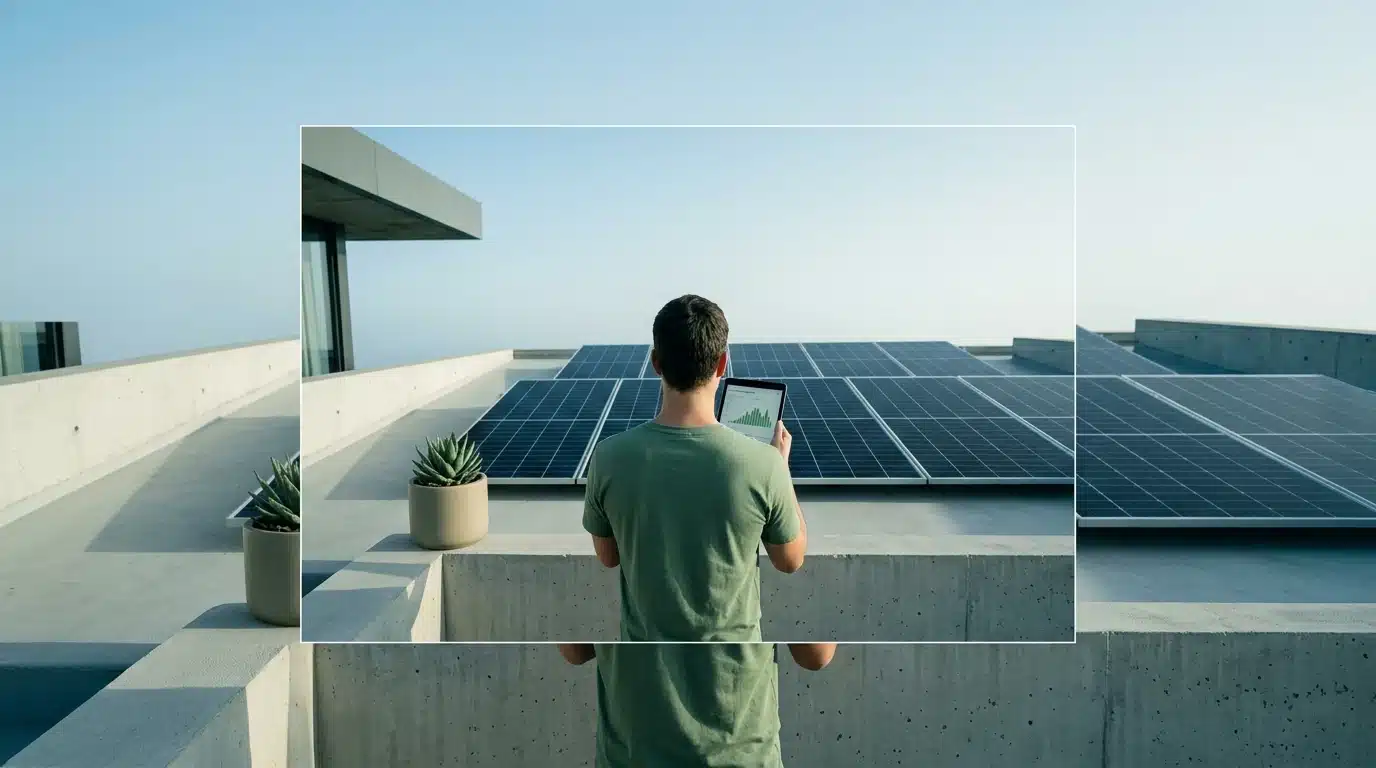
Installing solar panels on your property is a significant step toward energy independence, but it’s only half the equation. The underrated factor here is that maximizing your return on a solar investment isn’t just about how much energy you can generate; it’s about how little you need to use in the first place. Think of it like trying to fill a leaky bucket. You can add a bigger hose (more solar panels), or you can just patch the holes. Patching the holes is always cheaper.
Reducing your overall energy consumption directly impacts the size and cost of the solar system you need. A more efficient home or business requires fewer panels to cover its energy needs, leading to lower upfront installation costs and a faster payback period. It’s a powerful synergy. Energy efficiency makes your solar system more effective, and your solar system makes your efficiency efforts even more rewarding.
Strategies for Reducing Your Energy Footprint
Before you even think about complex upgrades, you can tackle some surprisingly effective changes that cost little to nothing. These behavioral and small-scale adjustments form the foundation of an energy-conscious lifestyle, reducing the baseline demand that your solar panels will need to meet. What most people miss is the cumulative impact of these minor tweaks.
Start by addressing the “phantom loads” from electronics that are turned off but still plugged in. According to the U.S. Department of Energy, these vampire loads can account for up to 10% of a household’s electricity use. Using power strips to completely shut off entertainment centers or home office setups when not in use is a simple but effective fix. This is a battle won by inches, not miles.
Here are some actionable steps to start with:
- Switch to LED Lighting: If you haven’t already, this is the easiest win. LED bulbs use at least 75% less energy and last 25 times longer than incandescent lighting.
- Optimize Appliance Settings: Use the “eco” setting on your dishwasher and washing machine. Wash clothes in cold water whenever possible, as heating water is incredibly energy-intensive.
- Unplug Unused Devices: Get into the habit of unplugging chargers, coffee makers, and other small appliances when you’re finished using them.
- Mind Your Thermostat: Adjusting your thermostat by a few degrees—lower in winter, higher in summer—can have a significant impact on your heating and cooling costs, which are often the largest energy hogs in a home.
Smart Home Technologies for Efficiency
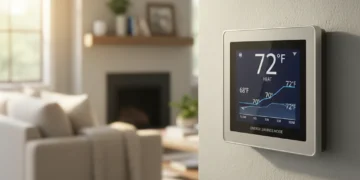
Beyond manual adjustments, smart home technology can automate energy savings with remarkable precision. These devices learn your habits and optimize energy use without you having to think about it. A smart thermostat, for instance, can learn your schedule and adjust the temperature automatically when you’re away, saving an average of 8% on heating and cooling bills, according to a study by Nest.
Smart plugs and lighting systems take this a step further. You can program lights to turn off when a room is vacant or schedule power-hungry devices to run during off-peak hours or when your solar panels are at peak production. When integrated with battery storage solutions for solar, this level of control allows you to strategically use stored solar energy for maximum savings. Is it possible to completely automate your home’s energy consumption? We are getting closer every day.
Auditing and Upgrading for Peak Performance
While small changes are great, a systematic approach uncovers the biggest opportunities for improvement. An energy audit is like a physical for your building, providing a detailed diagnosis of its energy health. It moves you from guesswork to a data-driven plan for upgrades, ensuring you spend money where it will have the most impact.
This is where you find the major energy leaks that aren’t obvious.
Professional Energy Audits Explained
A professional energy audit is far more detailed than a simple walk-through. Certified auditors use specialized equipment to pinpoint exact sources of energy waste. A key tool is the blower door test, which depressurizes your home to measure air leakage and find drafts. They also use infrared cameras to detect insulation gaps in walls and ceilings—cold or hot spots that are invisible to the naked eye.
“Homeowners are often shocked to see a thermal image of their house,” explains Dr. Marcus Thorne, an energy consultant with the Rocky Mountain Institute. “They can literally see heat pouring out of unsealed window frames or a poorly insulated attic hatch. It makes the abstract concept of energy loss very real and provides a clear roadmap for what to fix first.” The final report you receive prioritizes upgrades based on their projected return on investment.
Cost-Effective Efficiency Upgrades
An audit will likely reveal several high-impact areas for improvement, many of which are surprisingly affordable. The goal is to tackle the upgrades that offer the biggest bang for your buck. These efforts often align with broader green building practices, improving not just efficiency but also comfort and indoor air quality.
Two of the most common recommendations are adding insulation and air sealing. Sealing cracks, gaps, and leaks with caulk and weatherstripping can save up to 15% on heating and cooling costs. Upgrading attic insulation from an R-value of 19 to R-49 can slash those same costs by another 20-30% in many climates—a project that often pays for itself in just a few years.
From there, you can consider larger projects like replacing old single-pane windows with modern double-pane units or upgrading appliances to Energy Star certified models. Each upgrade further reduces your home’s energy demand, making your solar system work smarter, not just harder.
The Future of Solar: Innovations and Emerging Trends
Looking beyond current energy efficiency measures, the horizon for solar technology is incredibly bright. The next wave of sustainable living won’t just be about adding panels to a roof; it will involve integrating power generation directly into the fabric of our homes and cities. Solar is becoming less of an addition and more of a built-in feature, much like plumbing or electrical wiring.
Researchers are actively developing materials that could redefine what a solar panel looks like. Perovskite solar cells, for instance, promise higher efficiencies and lower production costs. The U.S. National Renewable Energy Laboratory (NREL) has reported lab-tested efficiencies for certain perovskite tandem cells exceeding 33%. What does this mean for you? It means more power from smaller spaces. We’re also seeing the emergence of transparent solar collectors—imagine windows that generate electricity without obstructing the view.
This shift points toward a future deeply intertwined with sustainable energy innovations. As these technologies mature, the concept of a home will change, blurring the lines between shelter and power plant. This evolution will likely be a key component in future Green Building Practices. Advanced systems will still require a solid understanding of the basics, from how power is converted with solar inverters to the best ways to keep panels clean.
Ultimately, the goal is to make solar energy more accessible, efficient, and seamlessly integrated into our daily lives. While the core principles of capturing sunlight remain, the methods are constantly improving. The future of solar isn’t just about more power; it’s about smarter, more intuitive power that works for everyone.
Beyond Panels: Your Role in the Future Energy Grid
Viewing a solar installation as the final step in a sustainability journey is to miss the larger picture. The decision to generate your own power is not an endpoint; it’s the entry ticket to participating in a smarter, decentralized energy future. As battery storage technology becomes more accessible and grid-interactive systems more refined, your home or business is poised to become more than just a self-sufficient island. It can become an active, valuable node in a community-wide energy network, sharing excess power during peak demand and enhancing grid stability for everyone. What happens when our buildings stop being passive consumers and start acting as a coordinated, responsive energy ecosystem?
Frequently Asked Questions About Solar Energy
How long do solar panels typically last?
Modern solar panels are incredibly durable, designed to last for decades. Most manufacturers offer a performance warranty of 25 to 30 years, guaranteeing the panels will still produce at least 80% of their original output by that time. many systems can continue to generate electricity effectively for 40 years or more.
What are the main differences between residential and commercial solar installations?
The primary differences are scale, complexity, and financial considerations. Commercial systems are significantly larger, requiring more extensive engineering and permitting. Financially, businesses can leverage different incentives, such as accelerated depreciation, which are not available to homeowners, leading to a distinct ROI calculation.
Can solar panels work on cloudy days?
Yes, solar panels can still produce electricity on cloudy or overcast days. While direct sunlight provides optimal output, modern panels are efficient enough to generate significant power from indirect or diffused ambient light. Production will be lower than on a bright, sunny day, but they do not stop working completely.
Are there government incentives for installing solar energy systems?
Absolutely. The most significant is the federal solar Investment Tax Credit (ITC), which allows you to deduct a percentage of the total installation cost from your federal taxes. many state and local governments, as well as utility companies, offer their own rebates, tax credits, and performance-based incentives to further reduce costs.
How can I measure my energy savings after installing solar?
Measuring your savings is straightforward. The most direct method is comparing your new, lower utility bills to your bills from before the installation. every solar system comes with monitoring software that tracks your energy production in real-time, allowing you to see exactly how much power your panels are generating versus how much you are consuming.