Programmable Thermostats: Unlock 10% Annual Energy Savings Effortlessly
Programmable Thermostats: Set It and Forget It for 10% Annual Energy Savings (PRACTICAL SOLUTIONS)
In an era where energy costs continue to rise and environmental consciousness is at an all-time high, finding effective ways to reduce household energy consumption is more critical than ever. Among the myriad of solutions available, one stands out for its simplicity, effectiveness, and significant return on investment: the programmable thermostat. This often-underestimated device is not just a fancy gadget; it’s a powerful tool that can help you achieve substantial savings on your annual energy bills, often upwards of 10%, while simultaneously enhancing your home comfort. The beauty of a programmable thermostat lies in its ability to automate your home’s heating and cooling, adapting to your lifestyle without constant manual adjustments. Imagine a home that’s always perfectly comfortable when you’re there and efficiently saving energy when you’re not. This isn’t a futuristic dream; it’s the everyday reality offered by a well-utilized programmable thermostat.
The concept is elegantly simple: why heat or cool an empty house? Or, why suffer through an uncomfortable morning because you forgot to adjust the temperature the night before? A programmable thermostat eliminates these inefficiencies and inconveniences. By allowing you to pre-set temperature schedules for different times of the day and week, it ensures your HVAC system operates only when needed, at the most efficient settings. This intelligent management of your home’s climate control system translates directly into tangible savings on your utility bills. Beyond the financial benefits, the environmental impact of reduced energy consumption is equally significant, contributing to a smaller carbon footprint and a more sustainable lifestyle. This comprehensive guide will delve deep into the world of programmable thermostats, exploring their benefits, types, installation, programming, and advanced tips to maximize your energy savings and comfort. Whether you’re a seasoned homeowner looking to upgrade or a first-time buyer seeking smart energy solutions, understanding and implementing a programmable thermostat is a crucial step towards a more efficient and comfortable home.
Understanding the Power of a Programmable Thermostat
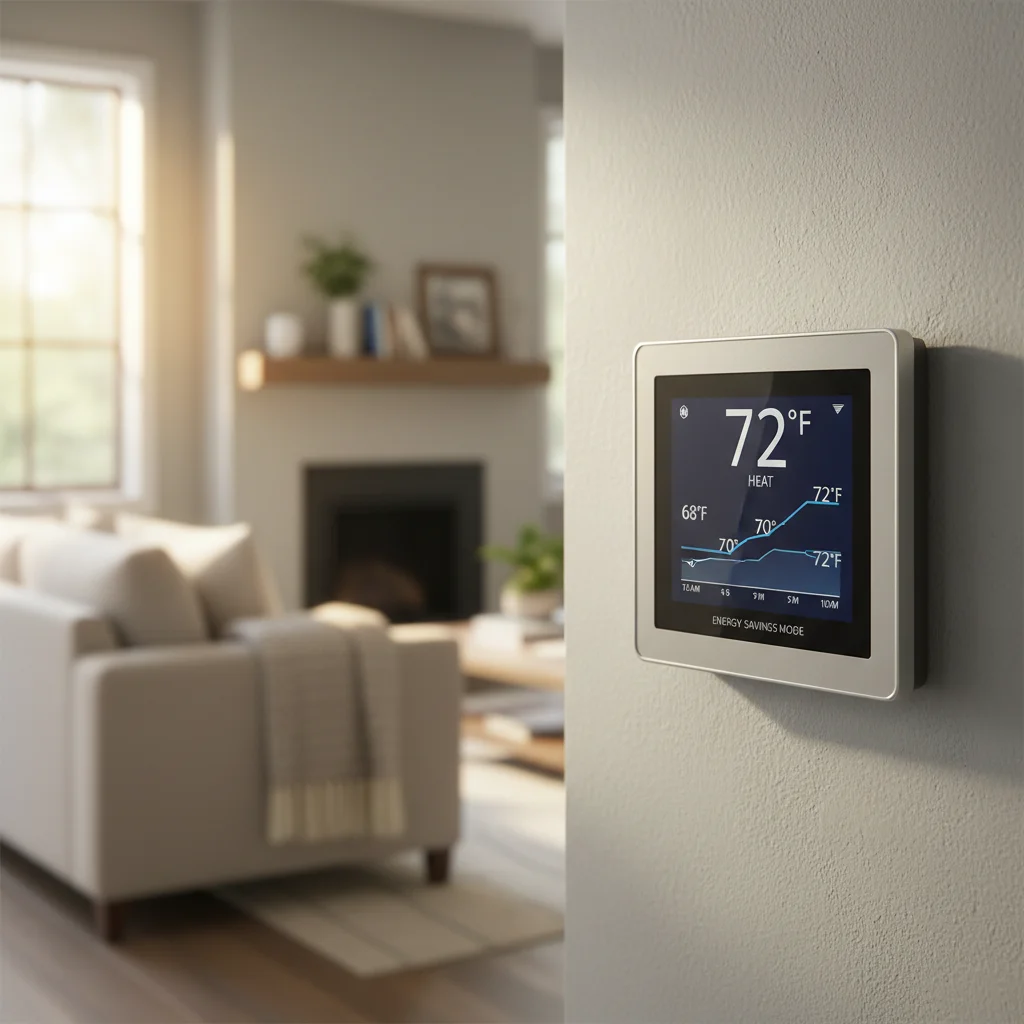
At its core, a programmable thermostat is a device that controls your home’s heating and air conditioning system based on a pre-set schedule. Unlike traditional manual thermostats, which require you to physically adjust the temperature whenever you want a change, a programmable thermostat allows you to program specific temperatures for different times of the day and days of the week. This automation is where the magic of energy savings truly begins. The U.S. Department of Energy estimates that you can save as much as 10% a year on heating and cooling costs by simply turning your thermostat back 7°-10°F for 8 hours a day from its normal setting. A programmable thermostat makes this effortless, ensuring you don’t forget or neglect to make those crucial adjustments.
The primary benefit, as highlighted, is the significant reduction in energy consumption. By automatically lowering the temperature when you’re away or asleep and raising it to a comfortable level before you return or wake up, the programmable thermostat prevents your HVAC system from working harder than necessary. This optimized operation not only saves energy but also reduces wear and tear on your heating and cooling equipment, potentially extending its lifespan and reducing maintenance costs. Furthermore, the convenience factor cannot be overstated. No more coming home to a sweltering house in summer or a freezing one in winter. Your home will always be at your preferred comfort level precisely when you need it to be, without you having to lift a finger.
Beyond basic scheduling, many modern programmable thermostats offer advanced features that further enhance their energy-saving capabilities. These include features like adaptive recovery, which learns how long it takes your home to reach a desired temperature and starts heating or cooling accordingly; vacation modes, which maintain an energy-saving temperature while you’re away for extended periods; and filter reminders, which prompt you to change your air filter for optimal system performance. Some even come with occupancy sensors or geofencing capabilities, automatically adjusting temperatures based on whether someone is home or how close your smartphone is to the house. These intelligent features transform a simple temperature controller into a sophisticated energy management system, making a programmable thermostat an indispensable tool for the modern, energy-conscious homeowner.
Types of Programmable Thermostats: Finding Your Perfect Match
The market for programmable thermostats has expanded considerably, offering a variety of options to suit different needs, budgets, and technical aptitudes. Understanding the different types available is the first step in choosing the right one for your home and maximizing your programmable thermostat savings.
7-Day Programmable Thermostats
These are perhaps the most flexible type, allowing you to set a different schedule for each day of the week. This is ideal for households with highly variable schedules, where weekdays and weekends, or even individual weekdays, have distinct occupancy patterns. For example, you might set a specific schedule for Monday, another for Tuesday, and so on, giving you granular control over your home’s climate. This level of customization ensures that your HVAC system is always optimized for your presence, leading to significant programmable thermostat savings.
5-2 Day Programmable Thermostats
A popular choice for many households, the 5-2 day model allows you to set one schedule for the five weekdays and a separate schedule for the two weekend days. This is perfect for individuals or families with a consistent Monday-Friday work/school routine and a different, more relaxed weekend pattern. It strikes a good balance between flexibility and simplicity, making it easier to program while still delivering excellent energy efficiency and contributing significantly to your programmable thermostat savings.
5-1-1 Day Programmable Thermostats
Similar to the 5-2 day model, the 5-1-1 day thermostat allows for one schedule for the weekdays, and then individual schedules for Saturday and Sunday. This offers a bit more flexibility than the 5-2 model, catering to those who might have a consistent Saturday routine but a different one for Sunday. It’s a good middle ground for those who need more customization than a 5-2 but don’t require the full 7-day individual programming.
1-Week Programmable Thermostats
These are the simplest programmable thermostats, offering a single schedule that repeats every day of the week. While less flexible, they are perfect for homes with very consistent daily routines or for vacation properties. They still offer significant advantages over manual thermostats in terms of energy efficiency and ease of use, ensuring some level of programmable thermostat savings without complex programming.
Smart Thermostats (Wi-Fi Programmable Thermostats)
Representing the cutting edge of thermostat technology, smart thermostats connect to your home’s Wi-Fi network, allowing for remote control via smartphone apps, tablets, or computers. Many smart thermostats also boast advanced features such as learning capabilities (they learn your preferences and adjust schedules automatically), geofencing (adjusting temperature based on your proximity to home), voice control integration with smart home ecosystems (like Amazon Alexa or Google Assistant), and detailed energy usage reports. While typically more expensive upfront, the enhanced control, intelligence, and deeper insights into energy consumption often lead to even greater programmable thermostat savings and a more comfortable, convenient home environment. They are particularly beneficial for those who travel frequently or have unpredictable schedules, offering unparalleled flexibility and control over their home’s climate from anywhere in the world.
When selecting a programmable thermostat, consider your daily routine, your comfort preferences, and your technical comfort level. A simpler model might suffice for consistent schedules, while a smart thermostat offers unparalleled convenience and optimization for dynamic lifestyles. Regardless of the type, the investment in a programmable thermostat is a step towards a more energy-efficient and comfortable home.
Installation: A Step-by-Step Guide for Your Programmable Thermostat
Installing a programmable thermostat might seem daunting, but for many homeowners, it’s a DIY project that can be completed in under an hour. However, it’s crucial to approach this task with caution and ensure you follow all safety guidelines. If you’re uncomfortable with electrical wiring or your HVAC system is complex, it’s always best to consult a qualified HVAC technician.
Before You Begin: Safety First!
- Turn Off Power: The most critical step is to turn off the power to your heating and cooling system at the circuit breaker. Do not proceed until you’ve confirmed the power is off.
- Gather Tools: You’ll typically need a screwdriver (Phillips and flathead), wire strippers, needle-nose pliers, and possibly a drill if new mounting holes are required.
- Read the Manual: Every programmable thermostat comes with its own specific instructions. Read them thoroughly before starting.
- Check Compatibility: Ensure your new programmable thermostat is compatible with your HVAC system. Some systems (e.g., heat pumps, multi-stage systems) require specific thermostat types. Check the packaging or manufacturer’s website for compatibility information.
Removing Your Old Thermostat
- Take a Picture: Before disconnecting any wires, take a clear photo of the existing wiring connections. This picture will be your invaluable guide when connecting the new thermostat. Note the color of each wire and the terminal it’s connected to (e.g., R, W, Y, G, C).
- Label Wires: If your new thermostat comes with labels, use them. If not, use masking tape and a pen to label each wire according to the terminal it’s connected to. This is crucial for avoiding errors.
- Disconnect Wires: Carefully disconnect the wires from the old thermostat terminals.
- Remove Old Backplate: Unscrew and remove the old thermostat’s backplate from the wall.
Installing Your New Programmable Thermostat
- Mount the New Backplate: Position the new programmable thermostat‘s backplate on the wall. If the old holes don’t line up, mark and drill new ones. Ensure it’s level.
- Connect Wires: This is where your photo and labels come in handy. Connect each labeled wire to the corresponding terminal on the new thermostat’s backplate. Most thermostats use standard color codes, but always rely on your labels and the new thermostat’s manual.
- C-Wire (Common Wire): Many smart and some advanced programmable thermostats require a C-wire (common wire) for continuous power. If your old thermostat didn’t use one and you don’t have an unused C-wire, you might need to install a power adapter or consult an electrician. Lack of a C-wire is a common hurdle for DIY installations of advanced units.
- Attach Thermostat to Backplate: Once all wires are securely connected, carefully attach the main thermostat unit to its backplate.
- Restore Power: Go back to your circuit breaker and turn the power back on to your HVAC system.
- Test the System: Follow the thermostat’s instructions to test both heating and cooling functions. Ensure it powers on, responds to temperature changes, and activates your furnace and AC unit correctly.
Proper installation is key to unlocking the full potential of your programmable thermostat and realizing those significant programmable thermostat savings. If you encounter any issues or are unsure at any step, do not hesitate to call a professional. A small investment in professional installation can prevent costly damage to your HVAC system.
Programming for Peak Efficiency: Maximizing Your Programmable Thermostat Savings
Once your programmable thermostat is installed, the real work—and the real savings—begin with proper programming. This is where you tailor your home’s climate control to your lifestyle, ensuring comfort when you need it and energy efficiency when you don’t. The goal is to maximize your programmable thermostat savings without sacrificing comfort.
The 7-10 Degree Rule: Your Golden Standard
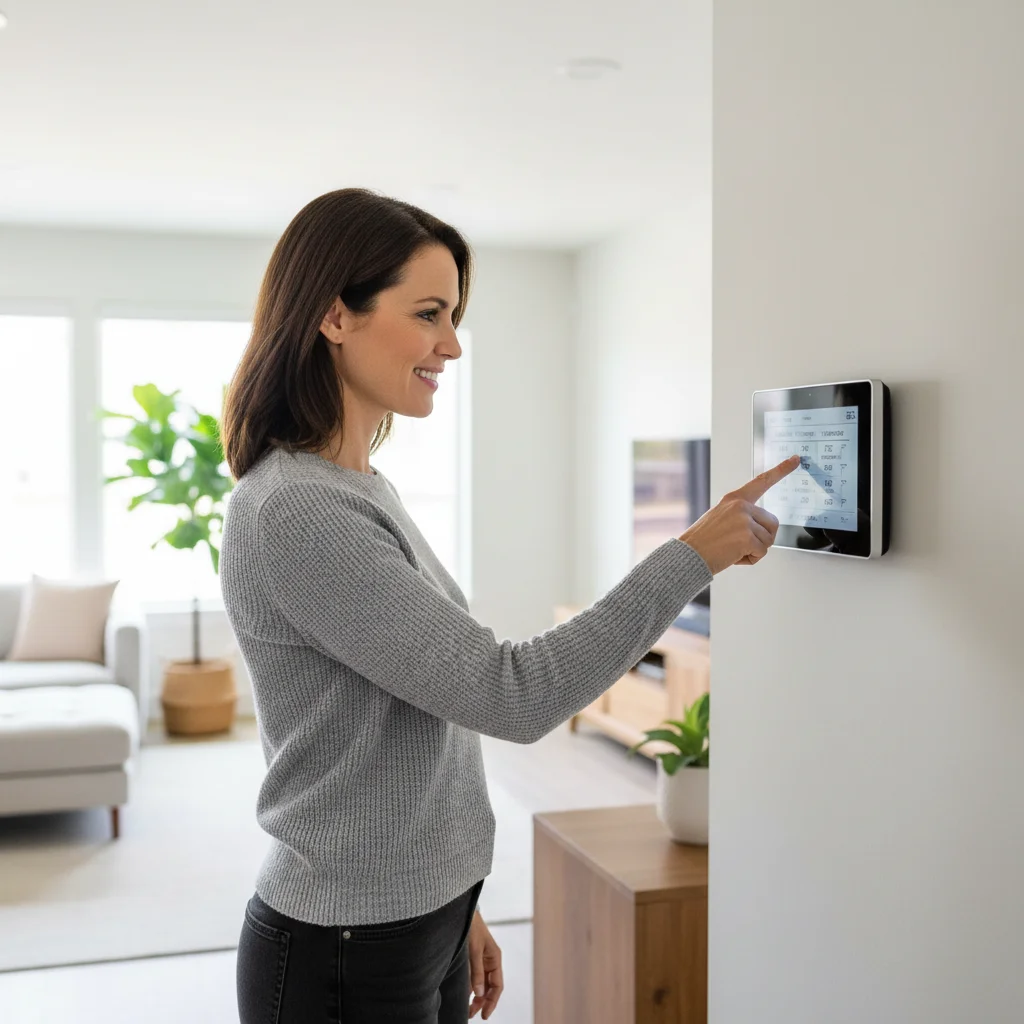
The U.S. Department of Energy suggests that you can save up to 10% on heating and cooling costs by simply setting your thermostat back 7°-10°F for 8 hours a day from its normal setting. This rule is the cornerstone of effective programmable thermostat use. For instance, in winter, if you’re comfortable at 70°F during the day, set it back to 60-63°F when you’re at work or asleep. In summer, if 75°F is your ideal, set it up to 82-85°F during unoccupied periods. The key is to make these adjustments consistent and automatic.
Crafting Your Schedule: A Personalized Approach
Think about your daily and weekly routines. Most households can benefit from at least four schedule periods:
- Wake-up: Set the temperature to your comfortable level shortly before you wake up.
- Leave for Work/School: Adjust the temperature to an energy-saving setting a few minutes after everyone has left.
- Return Home: Program the thermostat to return to your comfortable temperature shortly before you typically arrive home.
- Sleep: Set the temperature to an energy-saving level a few minutes after you usually go to bed.
For 5-2 or 5-1-1 day thermostats, you’ll apply this logic to weekdays and then separately for weekend days. For 7-day models, you have the flexibility to customize each day individually, which is particularly useful if your schedule varies significantly. The more precisely you align your schedule with your actual occupancy, the greater your programmable thermostat savings will be.
Leveraging Advanced Features
- Adaptive Recovery/Smart Start: Many modern programmable thermostats have this feature. Instead of setting your heat to turn on at 6:00 AM to reach 70°F by 7:00 AM, you tell it you want 70°F at 7:00 AM. The thermostat learns how long it takes your home to warm up or cool down and starts the HVAC system earlier, ensuring your desired temperature is reached precisely when you want it. This prevents overheating or overcooling and maximizes efficiency.
- Temporary Hold/Override: Life happens. If your schedule changes unexpectedly, use the temporary hold feature to adjust the temperature without erasing your entire program. The thermostat will revert to the schedule at the next programmed point.
- Vacation Mode: If you’re going away for an extended period, utilize the vacation or permanent hold feature. This maintains a less extreme, energy-saving temperature (e.g., 55°F in winter, 85°F in summer) to protect your home from extreme temperatures while minimizing energy use.
- Fan Settings: Experiment with your fan settings. Running the fan periodically can help circulate air and even out temperatures, reducing hot or cold spots, especially in conjunction with your programmed schedule.
Regular Review and Adjustment
Your lifestyle isn’t static, and neither should your thermostat schedule be. Periodically review your program to ensure it still aligns with your daily routines. Changes in work hours, school schedules, or even seasonal preferences might warrant adjustments. A well-maintained and regularly reviewed schedule is the secret to sustained programmable thermostat savings and optimal home comfort.
Smart Thermostats: The Next Level of Programmable Thermostat Savings
While traditional programmable thermostats offer substantial benefits, smart thermostats take energy efficiency and convenience to an entirely new level. These devices leverage advanced technology to provide even greater control, insights, and automation, pushing your programmable thermostat savings potential even higher.
Remote Control and Monitoring
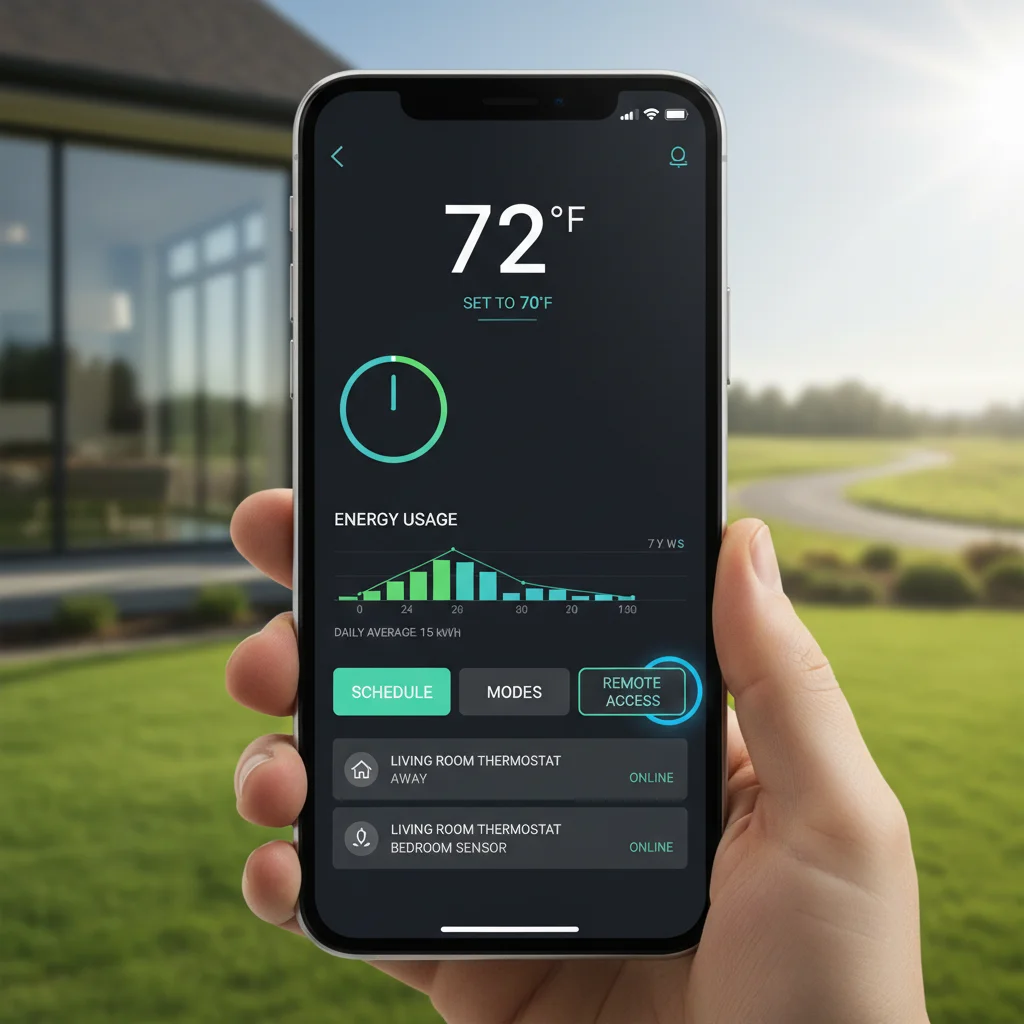
One of the most appealing features of smart thermostats is the ability to control and monitor your home’s temperature from anywhere in the world using a smartphone app. Forgot to adjust the thermostat before leaving for vacation? No problem. Heading home early and want to warm up the house? A few taps on your phone, and it’s done. This remote access not only adds immense convenience but also prevents wasted energy from forgotten settings, directly contributing to your programmable thermostat savings.
Learning Capabilities and Geofencing
Many smart thermostats, such as the Nest Learning Thermostat, are designed to learn your preferences and habits. Over time, they observe when you adjust the temperature and at what times, then automatically create an optimized schedule for you. This ‘set it and forget it’ functionality is taken to an extreme, as the thermostat continuously refines its programming based on your real-world usage. Geofencing is another powerful feature. It uses your smartphone’s location to determine if you’re home or away. As you leave a defined geographic area around your home, the thermostat automatically switches to an energy-saving mode. As you approach, it begins to heat or cool, ensuring comfort upon arrival. These intelligent features are incredibly effective at maximizing programmable thermostat savings by minimizing energy use during unoccupied periods.
Energy Usage Reports and Insights
Smart thermostats often provide detailed energy usage reports, showing you exactly how much energy your heating and cooling system is consuming and when. These insights can be invaluable for identifying patterns, understanding the impact of your settings, and making further adjustments to optimize your energy consumption. Some apps even offer personalized tips and suggestions to help you save more, empowering you with the knowledge to achieve even greater programmable thermostat savings.
Integration with Smart Home Ecosystems
For those with a broader smart home setup, smart thermostats seamlessly integrate with other devices and platforms. You can control your thermostat using voice commands through Amazon Alexa or Google Assistant, or have it interact with smart lighting, security systems, and more. For example, your thermostat could automatically lower the temperature when your smart security system is armed in ‘away’ mode. This interconnectedness creates a more cohesive and efficient smart home environment, enhancing both convenience and energy efficiency.
Cost vs. Savings
While smart thermostats typically have a higher upfront cost than basic programmable thermostats, their advanced features and greater optimization potential often lead to quicker payback periods and even more significant long-term programmable thermostat savings. The added convenience and insights they provide also contribute to a superior user experience, making them a worthwhile investment for many homeowners looking to future-proof their energy management.
Beyond the Thermostat: Holistic Energy Saving Strategies
While a programmable thermostat is a powerful tool for energy efficiency, it’s most effective when integrated into a broader strategy of home energy management. Maximizing your programmable thermostat savings involves ensuring your home itself is as efficient as possible. Think of your thermostat as the brain of your HVAC system; for it to work optimally, the body (your home) needs to be in good shape too.
Insulation and Air Sealing: The Foundation of Efficiency
One of the biggest culprits of energy waste is poor insulation and air leaks. Even the most perfectly programmed programmable thermostat will struggle if conditioned air is constantly escaping or outside air is seeping in. Conduct a thorough inspection of your home for drafts around windows, doors, electrical outlets, and plumbing penetrations. Seal these leaks with caulk or weatherstripping. Ensure your attic, walls, and crawl spaces have adequate insulation. Improving your home’s thermal envelope will significantly reduce the workload on your HVAC system, allowing your programmable thermostat to maintain comfortable temperatures with less effort and less energy, thus amplifying your programmable thermostat savings.
Regular HVAC Maintenance: Keeping Your System Healthy
Your heating and cooling system is a complex machine that requires regular attention to operate at peak efficiency. Schedule annual professional maintenance for both your furnace/boiler and air conditioner. Technicians can clean coils, check refrigerant levels, inspect ductwork, and identify potential issues before they become costly problems. A well-maintained HVAC system runs more efficiently, meaning it uses less energy to achieve your desired temperature settings as dictated by your programmable thermostat, directly contributing to greater programmable thermostat savings.
Filter Replacement: A Simple Yet Powerful Act
A dirty air filter is one of the easiest and most common reasons for reduced HVAC efficiency. A clogged filter restricts airflow, forcing your system to work harder and consume more energy. Check your air filter monthly and replace it every 1-3 months, or more frequently if you have pets or allergies. This simple act can improve system efficiency by 5-15%, directly supporting the efforts of your programmable thermostat to save energy.
Window Treatments: Harnessing Natural Elements
Your windows are significant points of heat transfer. In winter, open curtains and blinds on sunny days to allow passive solar heating, and close them at night to trap heat in. In summer, do the opposite: keep blinds and curtains closed during the hottest parts of the day to block solar gain. Energy-efficient window treatments like thermal curtains, blinds, or even window films can further reduce heat transfer, making your home easier to heat and cool and enhancing the effectiveness of your programmable thermostat.
Strategic Landscaping: Nature’s HVAC Assistant
Thoughtful landscaping can also play a role in energy efficiency. Deciduous trees planted on the south and west sides of your home can provide shade in the summer, reducing cooling loads, and allow sunlight through in the winter. Shrubs and bushes near your foundation can also offer some insulation. These natural elements work in harmony with your programmable thermostat to create a more comfortable and energy-efficient home environment.
By combining the intelligence of a programmable thermostat with these foundational energy-saving strategies, you create a holistic approach to home comfort and efficiency. This comprehensive effort not only maximizes your programmable thermostat savings but also contributes to a more sustainable and cost-effective living space overall.
Troubleshooting Common Programmable Thermostat Issues
Even with the best planning and installation, you might encounter minor issues with your programmable thermostat. Knowing how to troubleshoot common problems can save you time, money, and frustration, ensuring your device continues to deliver those valuable programmable thermostat savings.
Thermostat Not Turning On or No Display
- Check Power: The most common reason for this is a lack of power. Double-check that the circuit breaker for your HVAC system is on.
- Battery Check: Many programmable thermostats, especially older models, rely on batteries for power or to retain settings. Replace the batteries, even if you think they’re relatively new.
- C-Wire (Common Wire): If you have a smart thermostat or a model requiring a C-wire (common wire) and it’s not turning on, ensure the C-wire is securely connected at both the thermostat and the furnace/air handler. A loose or absent C-wire will prevent the unit from receiving continuous power.
HVAC System Not Responding to Thermostat Settings
- Mode Selection: Ensure your thermostat is set to the correct mode (Heat, Cool, or Auto). If it’s in ‘Off’ or ‘Fan Only’ mode, your system won’t activate.
- Temperature Differential: The thermostat won’t kick on if the ambient temperature is very close to your set temperature. There’s usually a small differential (e.g., 1-2 degrees) before the system activates.
- Time Delay: Many HVAC systems and thermostats have a built-in time delay (often 5 minutes) to protect the compressor from short cycling. Wait a few minutes after adjusting the temperature to see if the system starts.
- Wiring Check: If the system still doesn’t respond, turn off the power at the breaker and carefully re-check the wiring connections at the thermostat. A loose wire is a frequent culprit.
- Furnace/AC Unit Issues: If the thermostat seems to be sending the signal (e.g., the display shows ‘heating’ or ‘cooling’ icon) but the system doesn’t turn on, the problem might lie with the HVAC unit itself (e.g., tripped safety switch, clogged filter, pilot light out for furnace).
Inaccurate Temperature Readings
- Location: Ensure the thermostat is not located near heat sources (lamps, direct sunlight, vents, appliances) or cold drafts (windows, exterior doors). These can skew readings.
- Cleanliness: Dust and debris can sometimes interfere with the internal temperature sensor. Gently clean the vents or openings on the thermostat housing.
- Recalibration: Some advanced thermostats offer a calibration setting. Consult your manual to see if recalibration is possible.
Programming Issues / Schedule Not Working Correctly
- Review Schedule: Carefully review your programmed schedule step-by-step. It’s easy to accidentally set a wrong time or temperature.
- Hold/Override Function: Check if a ‘Hold’ or ‘Permanent Hold’ function is active, overriding your schedule. Cancel the hold to resume the programmed schedule.
- Daylight Saving Time: Some older thermostats may not automatically adjust for Daylight Saving Time. Ensure the internal clock is correct.
- Smart Thermostat Learning Mode: If you have a smart thermostat with learning capabilities, it might be adjusting the schedule based on its observations. Check the app for insights into its learning patterns.
Wi-Fi Connectivity Problems (Smart Thermostats)
- Router Check: Ensure your Wi-Fi router is powered on and working correctly.
- Signal Strength: The thermostat might be too far from your router or there might be interference. Consider a Wi-Fi extender or repositioning the router.
- Network Settings: Check your Wi-Fi password and network name (SSID). Some smart thermostats are only compatible with 2.4GHz networks.
- Reboot: Try rebooting both your router and the thermostat (usually by turning off the circuit breaker for a minute).
For persistent issues, always refer to your programmable thermostat‘s user manual. Many manufacturers also have extensive online support resources, FAQs, and customer service lines. Don’t hesitate to contact a qualified HVAC technician if you’re unable to resolve the problem, especially if it involves your main heating or cooling equipment. A functioning programmable thermostat is key to maintaining those consistent energy savings.
The Long-Term Benefits and Return on Investment of Your Programmable Thermostat
Investing in a programmable thermostat is more than just buying a new gadget; it’s a strategic decision that offers a compelling return on investment (ROI) and a host of long-term benefits for your home and your wallet. The initial outlay, whether for a basic model or a sophisticated smart thermostat, is typically quickly recouped through consistent energy savings, making it one of the most practical home improvements you can make.
Significant Financial Savings
As repeatedly emphasized, the primary benefit is the reduction in your energy bills. With potential savings of 10% or more annually on heating and cooling costs, a programmable thermostat often pays for itself within one to two years, sometimes even sooner depending on your local energy rates and usage habits. Over the lifespan of the thermostat and your HVAC system, these cumulative programmable thermostat savings can amount to hundreds, if not thousands, of dollars. This continuous saving means more money in your pocket for other household needs or investments, transforming a simple purchase into a consistent financial advantage.
Enhanced Home Comfort and Convenience
Beyond the financial aspect, the improvement in daily comfort is a significant long-term benefit. No more arriving home to an uncomfortably hot or cold house. Your programmable thermostat ensures your home is at your ideal temperature precisely when you need it to be, creating a more pleasant and welcoming environment. The convenience of automated scheduling means you don’t have to constantly think about adjusting the temperature, and with smart thermostats, remote control adds another layer of effortless management. This consistent comfort, tailored to your schedule, contributes significantly to your overall quality of life at home.
Reduced Wear and Tear on HVAC System
By optimizing your HVAC system’s operation, a programmable thermostat reduces the unnecessary cycling and prolonged running times that occur with manual adjustments or inefficient settings. This leads to less wear and tear on your furnace, air conditioner, and associated components. A system that runs more efficiently and is subjected to less stress is likely to last longer, reducing the frequency of expensive repairs and extending its overall lifespan. This indirect saving on maintenance and replacement costs further enhances the long-term ROI of your programmable thermostat.
Positive Environmental Impact
Every kilowatt-hour of electricity or cubic foot of natural gas saved contributes to a smaller carbon footprint. By reducing your home’s energy consumption, you’re playing an active role in conserving natural resources and mitigating climate change. This environmental benefit, while not directly financial, is an increasingly important consideration for many homeowners and adds significant value to the decision to install a programmable thermostat.
Increased Home Value (Especially Smart Thermostats)
In today’s real estate market, energy efficiency features are highly attractive to prospective buyers. A modern programmable thermostat, especially a smart one, can be a selling point, signaling that the home is equipped with contemporary energy-saving technology. This can potentially increase your home’s market value and appeal, making it a wise investment for both immediate savings and future resale.
In conclusion, the decision to install and effectively utilize a programmable thermostat is a clear win-win. It offers immediate and continuous financial rewards through significant energy savings, enhances daily comfort and convenience, extends the life of your HVAC system, contributes to environmental sustainability, and can even add value to your home. It’s a simple, practical solution with profound and lasting benefits, truly allowing you to ‘set it and forget it’ for a more efficient and comfortable home.