Top 4 Home Battery Storage Systems of 2026: Achieving Grid Independence
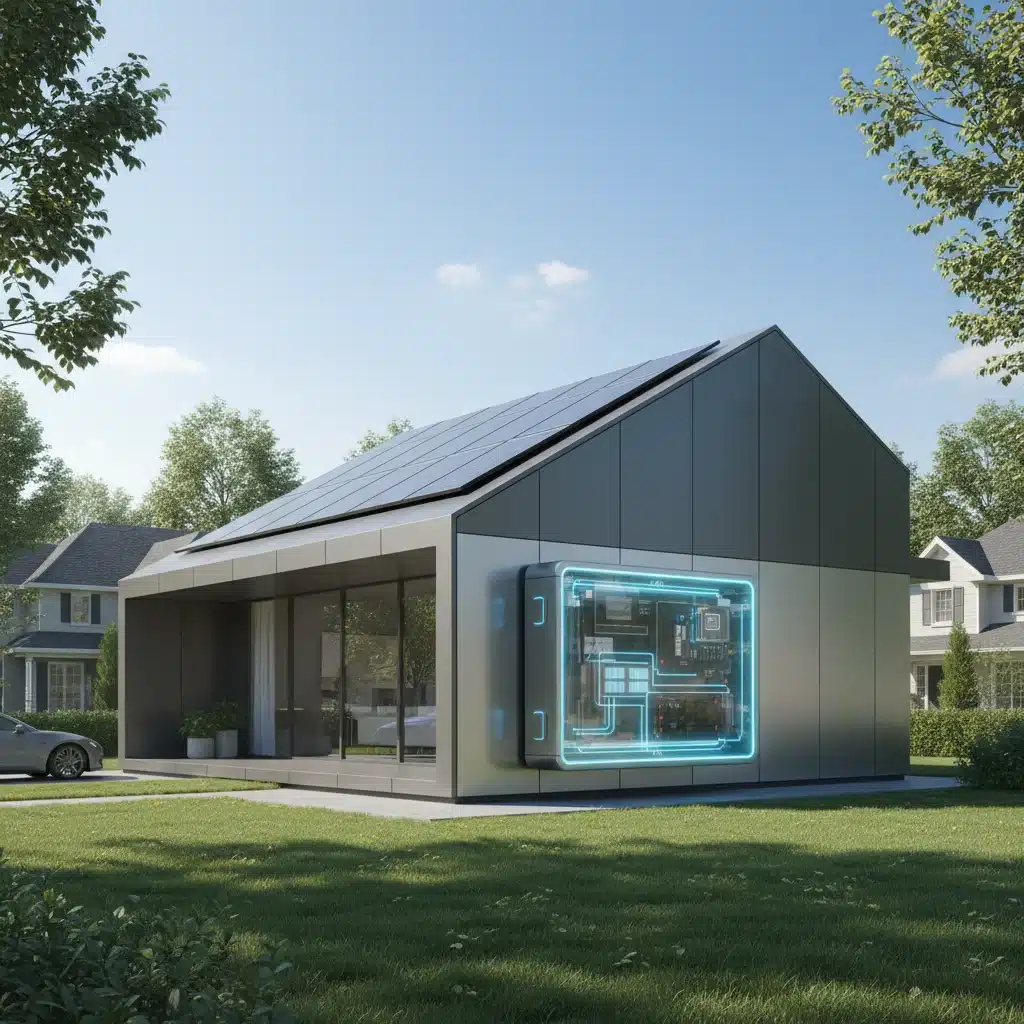
The energy landscape is rapidly evolving, and at the forefront of this transformation are home battery systems. As we look towards 2026, these systems are no longer a niche luxury but a crucial component for homeowners seeking greater energy independence, resilience against power outages, and reduced electricity bills. With advancements in technology, increased efficiency, and falling costs, the market for home battery storage is more competitive and innovative than ever before. This comprehensive guide will delve into the top 4 home battery systems expected to dominate the market in 2026, offering a detailed comparison to help you make an informed decision for your sustainable home.
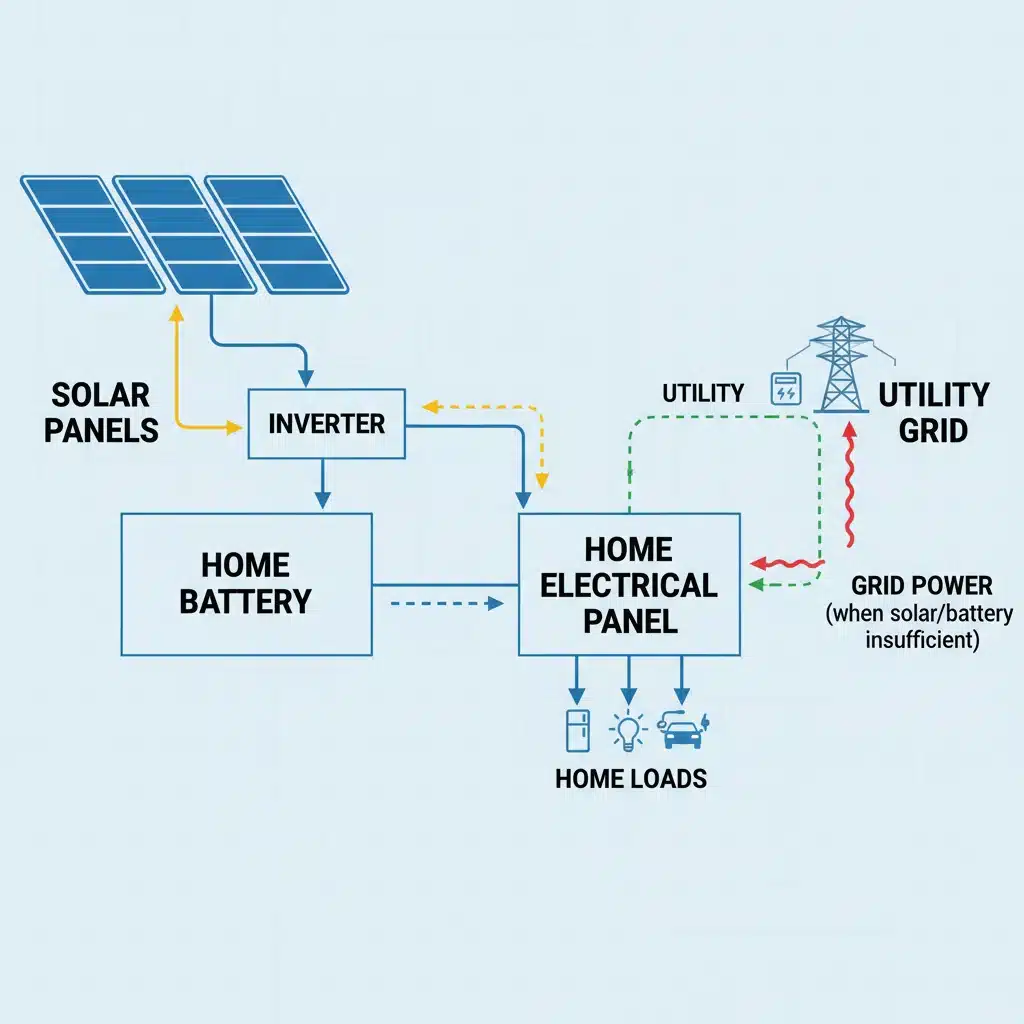
The allure of grid independence is powerful. Imagine a home that generates its own electricity, stores excess energy for later use, and remains powered even when the neighborhood goes dark. This vision is becoming a reality for a growing number of households, primarily driven by the integration of solar panels with robust home battery storage. These systems not only provide backup power but also allow homeowners to optimize their energy consumption, taking advantage of time-of-use rates and reducing their reliance on the traditional utility grid.
In this article, we will examine the key features, benefits, potential drawbacks, and estimated costs of the leading home battery systems. We’ll explore how each system contributes to a more sustainable and resilient energy future, focusing on factors such as capacity, power output, warranty, smart features, and overall value. Whether you’re a solar veteran looking to upgrade your setup or a newcomer considering your first step into residential energy storage, this guide will equip you with the knowledge needed to navigate the complex world of home battery systems.
The Rise of Home Battery Systems: Why Now?
The demand for home battery systems has surged in recent years, propelled by several converging factors. First, the increasing frequency and intensity of extreme weather events have highlighted the fragility of traditional power grids, making backup power solutions a priority for many. Second, the continued decline in solar panel costs has made renewable energy more accessible, and batteries are the natural complement, allowing homeowners to maximize their solar investment.
Third, evolving utility rate structures, such as time-of-use (TOU) billing, incentivize energy storage. With TOU rates, electricity prices fluctuate throughout the day, being higher during peak demand hours. Home battery systems enable ‘load shifting,’ where stored solar energy or cheaper off-peak grid electricity is used during expensive peak times, significantly reducing utility bills. Finally, government incentives and rebates, both federal and state-level, continue to make these systems more affordable, further accelerating their adoption across the United States.
Achieving true grid independence isn’t just about having power during an outage; it’s about having control over your energy. It’s about reducing your carbon footprint, contributing to a more sustainable energy ecosystem, and potentially even selling excess energy back to the grid (net metering), creating a revenue stream. The technology behind these batteries, predominantly lithium-ion, has matured, offering higher energy density, longer lifespans, and improved safety features. This technological evolution, combined with a greater understanding of energy management, positions home battery systems as a cornerstone of modern, resilient homes.
Understanding Key Metrics for Home Battery Systems
Before diving into specific products, it’s essential to understand the key metrics used to evaluate home battery systems. These terms will help you compare different models effectively:
- Capacity (kWh): This measures how much energy the battery can store, typically expressed in kilowatt-hours (kWh). A higher capacity means more stored energy and longer backup times.
- Power Output (kW): This indicates how much electricity the battery can deliver at any given moment, expressed in kilowatts (kW). It determines what appliances and how many can run simultaneously.
- Round-Trip Efficiency: This percentage represents the amount of energy put into the battery that can be retrieved. Higher efficiency means less energy loss during charging and discharging cycles.
- Depth of Discharge (DoD): This is the percentage of the battery’s capacity that has been discharged. Most modern lithium-ion batteries can be discharged to a very high DoD (e.g., 90-100%) without significantly impacting their lifespan.
- Cycle Life: This refers to the number of charge/discharge cycles a battery can undergo before its capacity significantly degrades. A longer cycle life indicates a more durable and long-lasting battery.
- Warranty: Crucial for long-term investment, warranties typically cover a certain number of cycles or years, often guaranteeing a minimum capacity retention after the warranty period.
- Scalability: The ability to add more battery units in the future to increase storage capacity or power output as your energy needs evolve.
Understanding these metrics is paramount when evaluating the best home battery systems for your specific needs. It’s not just about the upfront cost, but the long-term value, performance, and reliability that these specifications represent.
Top 4 Home Battery Systems of 2026: A Detailed Comparison
Based on current market trends, technological advancements, and consumer demand, here are the top 4 home battery systems poised to lead the market in 2026:
1. Tesla Powerwall 3 (Anticipated Advancements)
While the Powerwall 2 has been a market leader for years, anticipation for the Tesla Powerwall 3 is high. Expected to build upon its predecessor’s success, the Powerwall 3 is projected to offer enhanced capacity, higher continuous power output, and potentially a more integrated inverter solution directly within the unit. Tesla’s ecosystem approach, combining solar panels, electric vehicles, and home energy storage, provides a seamless experience for users.
Key Features (Projected for Powerwall 3):
- Capacity: Likely to exceed 13.5 kWh of usable capacity per unit, potentially offering options for even larger single units or more efficient stacking.
- Power Output: Continuous power output is expected to increase significantly, enabling it to handle more demanding loads and potentially power an entire home more effectively during outages.
- Integrated Inverter: Rumors suggest a more advanced integrated inverter, simplifying installation and potentially improving efficiency, especially for new solar-plus-storage installations.
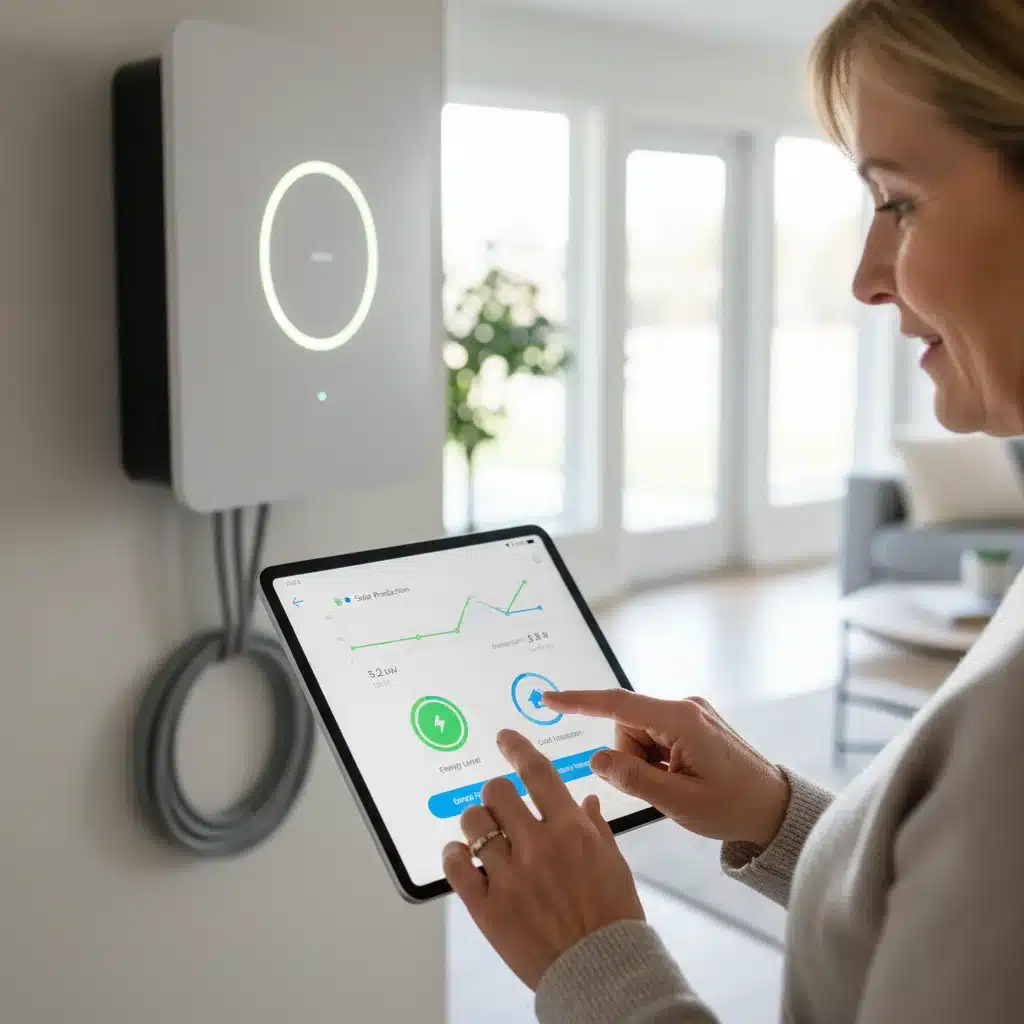
- Software & App: Tesla’s intuitive mobile app provides real-time monitoring, energy flow visualization, and intelligent control over charging and discharging based on weather forecasts and electricity prices.
- Scalability: Multiple Powerwall units can be stacked to meet higher energy demands.
- Backup Gateway: The Tesla Gateway provides seamless transition to backup power during outages and intelligent energy management.
Benefits:
- Brand Recognition & Reliability: Tesla’s reputation for cutting-edge technology and a strong support network.
- Seamless Integration: Excellent integration with Tesla Solar and EV charging.
- Advanced Software: Industry-leading energy management software and user interface.
- High Power & Capacity: Capable of backing up most essential home loads, and potentially whole-home backup with multiple units.
Considerations:
- Cost: Generally at the higher end of the market, though long-term value can be significant.
- Installation Network: Primarily installed by certified Tesla installers, which might limit options in some regions.
The Tesla Powerwall 3 is expected to continue setting the benchmark for integrated home energy solutions, particularly for homeowners looking for a comprehensive ecosystem approach to their energy needs.
2. Enphase IQ Battery 5P (and future iterations)
Enphase has carved out a significant market share with its modular and highly reliable microinverter technology, and their IQ Battery series extends this philosophy to storage. The IQ Battery 5P, already a strong contender, is likely to see further refinements by 2026, offering even greater power density and potentially more flexible configurations. Enphase’s distributed architecture means each battery module has its own microinverter, enhancing reliability and scalability.
Key Features:
- Modular Design: Composed of smaller, stackable units (e.g., 5 kWh each), allowing for highly customized system sizes from 5 kWh to much larger capacities.
- High Power Output: Known for its impressive continuous and peak power output, making it excellent for starting high-surge appliances.
- Integrated Microinverters: Each battery module includes a built-in microinverter, eliminating a single point of failure and improving overall system resilience.
- Enphase App: Provides detailed, real-time insights into energy production, consumption, and battery status.
- Black Start Capability: Can restart your solar system even without grid power, a critical feature for extended outages.
Benefits:
- Extreme Reliability: Distributed architecture means if one module fails, the others continue to operate.
- Excellent Scalability: Easily expand your system capacity as your energy needs grow.
- High Power & Efficiency: Delivers robust power for demanding loads.
- Seamless Integration: Ideal for existing Enphase solar microinverter systems.
Considerations:
- Installation Complexity: Can be more complex to install due to the modular nature, though Enphase installers are highly trained.
- Cost per kWh: May be slightly higher than some monolithic battery systems, but justified by reliability and flexibility.
The Enphase IQ Battery 5P and its successors will remain a top choice for homeowners prioritizing reliability, modularity, and seamless integration with existing Enphase solar installations, solidifying its position among leading home battery systems.
3. Generac PWRcell (Enhanced for Whole-Home Backup)
Generac, a long-standing leader in backup power generators, has successfully transitioned into the home battery storage market with its PWRcell system. By 2026, the PWRcell is expected to further refine its capabilities, particularly in whole-home backup and smart energy management. Generac’s strength lies in its robust design and its ability to pair effectively with both solar and traditional generator systems, offering unparalleled resilience.
Key Features:
- Flexible Capacity: Offers a modular design with battery modules (3 kWh each) that can be configured from 9 kWh to 36 kWh or more, catering to diverse energy needs.
- High Power Inverter: The PWRcell inverter is a powerful hybrid inverter, capable of managing solar input, battery charging/discharging, and grid interaction.
- Whole-Home Backup Focus: Designed with robust backup capabilities, often allowing for the backup of an entire home.
- Smart Management: Generac’s PWRview app provides detailed energy monitoring and control, allowing users to optimize energy usage.
- Generator Integration: Unique in its ability to seamlessly integrate with Generac standby generators, providing an ultimate layered backup solution.
Benefits:
- Powerful Backup: Excellent for whole-home backup, especially when paired with a generator.
- Flexible Sizing: Highly customizable capacity to match specific household requirements.
- Proven Reliability: Backed by Generac’s extensive experience in backup power solutions.
- Comprehensive Warranty: Strong warranty coverage on components.
Considerations:
- Footprint: The system can have a larger physical footprint compared to some other options, especially with larger capacities.
- Installation: Requires certified Generac installers, ensuring proper setup and integration.
The Generac PWRcell is ideal for homeowners who prioritize robust, whole-home backup solutions and appreciate the option of integrating with a traditional generator for ultimate peace of mind. It stands out among home battery systems for its resilience-focused design.
4. Solarwatt Battery flex (European Innovation with US Expansion)
Solarwatt, a prominent German manufacturer, has been a leader in the European solar and storage market and is increasingly making inroads into the US. By 2026, their Battery flex system is expected to gain significant traction due to its modularity, high efficiency, and commitment to sustainability. Solarwatt emphasizes a long product lifespan and a focus on minimizing environmental impact.
Key Features:
- Highly Modular: The Battery flex units offer extreme flexibility, allowing for precise capacity adjustments in increments, making it suitable for a wide range of household sizes and energy demands.
- High Efficiency: Known for excellent round-trip efficiency, ensuring minimal energy loss during storage and retrieval.
- Long Lifespan & Warranty: Solarwatt batteries are designed for durability, often coming with extended warranties and guarantees on capacity retention.
- Intelligent Energy Management: Integrated with sophisticated software for optimizing self-consumption, load shifting, and grid interaction.
- Sustainable Manufacturing: A strong emphasis on sustainable production processes and materials.
Benefits:
- Exceptional Efficiency: Maximizes the usable energy from your solar panels.
- Future-Proof Design: High modularity allows for easy expansion or reconfiguration.
- Eco-Conscious Choice: Appeals to environmentally aware consumers.
- Robust Build Quality: German engineering often translates to high standards of reliability and durability.
Considerations:
- Market Penetration in US: While growing, its installer network might not be as widespread as Tesla or Enphase in all US regions.
- Initial Cost: Premium quality often comes with a premium price tag, though justified by efficiency and longevity.
The Solarwatt Battery flex represents a strong contender for homeowners who value European engineering, high efficiency, and a sustainable approach to home battery systems. Its growing presence in the US market makes it a noteworthy option for achieving grid independence.
Factors to Consider When Choosing Your Home Battery System
Selecting the right home battery system involves more than just picking from the top contenders. Here are crucial factors to consider:
- Your Energy Needs: Calculate your daily energy consumption (kWh) and your peak power demand (kW). This will determine the necessary capacity and power output of your battery.
- Solar System Size: If you have an existing solar array, ensure the battery system is compatible and appropriately sized to store your excess solar generation.
- Backup Needs: Do you need to power essential appliances only, or do you desire whole-home backup? This significantly impacts the required battery capacity and power output.
- Budget & Incentives: Home battery systems are a significant investment. Research federal (e.g., ITC) and state-specific incentives, rebates, and tax credits that can substantially reduce the upfront cost.
- Warranty & Lifespan: A strong warranty (e.g., 10+ years) and a high cycle life are critical for long-term value.
- Installer Reputation: Choose a reputable, certified installer with experience in the specific battery system you select. Proper installation is crucial for performance and safety.
- Grid Services & Virtual Power Plants (VPPs): Some batteries can participate in VPPs, allowing you to sell stored energy back to the grid during peak demand, potentially earning you revenue.
- Smart Home Integration: Consider how well the battery system integrates with other smart home devices or energy management platforms you might use.
Careful consideration of these factors will help you narrow down your choices and select a home battery system that perfectly aligns with your lifestyle, energy goals, and budget, ultimately propelling you closer to grid independence.
The Future of Home Battery Systems and Grid Independence
The trajectory for home battery systems is one of continuous innovation and expansion. By 2026 and beyond, we can expect to see:
- Increased Energy Density: Batteries will become smaller, lighter, and capable of storing more energy.
- Faster Charging/Discharging: Improved battery chemistry will allow for quicker energy transfer.
- Enhanced AI & Machine Learning: More sophisticated algorithms will optimize energy usage, predicting consumption patterns and weather to maximize savings and efficiency.
- Vehicle-to-Grid (V2G) Technology: Electric vehicles will increasingly function as mobile energy storage, capable of powering homes or feeding energy back to the grid.
- Greater Grid Integration: Home battery systems will play a more active role in supporting grid stability, participating in demand response programs and virtual power plants.
- New Battery Chemistries: While lithium-ion dominates, research into solid-state batteries, flow batteries, and other alternatives may introduce even safer, more efficient, and more sustainable options.
Achieving grid independence is not just a personal goal for homeowners; it’s a vital step towards building a more resilient, decentralized, and sustainable energy infrastructure for the entire nation. As these home battery systems become more prevalent and sophisticated, they will empower individual households to become active participants in the energy revolution, contributing to a cleaner, more reliable power supply for everyone.
Conclusion: Powering Your Future with Home Battery Systems
The year 2026 promises an exciting landscape for home battery systems, with leading contenders like the anticipated Tesla Powerwall 3, the modular Enphase IQ Battery 5P, the robust Generac PWRcell, and the efficient Solarwatt Battery flex pushing the boundaries of what’s possible. Each system offers unique strengths, catering to different priorities, whether it’s seamless integration, ultimate reliability, whole-home backup, or sustainable engineering.
Investing in a home battery system is a strategic decision that offers numerous benefits: from unwavering backup power during outages and significant savings on electricity bills to a reduced carbon footprint and a greater sense of grid independence. As technology continues to advance and incentives remain strong, there has never been a better time to explore how these innovative solutions can transform your home’s energy future.
By carefully evaluating your specific needs, researching the options, and consulting with certified professionals, you can confidently choose the best home battery system to power your life, enhance your home’s resilience, and contribute to a more sustainable world. The journey towards energy autonomy starts now, and with these top systems, you’re well-equipped to take the leap.