LED Lighting Revolution: 75% Energy Savings by 2026
The LED Lighting Revolution: Achieving 75% Energy Savings by 2026
Welcome to the era of illumination transformation! The world is rapidly transitioning towards more sustainable and efficient lighting solutions, and at the forefront of this change is the incredible evolution of LED technology. For decades, incandescent bulbs were the standard, providing light but consuming vast amounts of energy in the process. Today, the landscape is dramatically different, with Light Emitting Diodes (LEDs) leading a profound shift that promises not only environmental benefits but also substantial economic savings for households and businesses worldwide. This article delves deep into the ongoing LED lighting revolution, exploring how the widespread replacement of traditional incandescent bulbs is set to achieve an astounding 75% more energy savings by the year 2026. We will examine the technological advancements driving this change, the policy landscape encouraging adoption, the significant environmental and financial impacts, and what the future holds for lighting.
The Dawn of the LED Era: A Historical Perspective
To truly appreciate the magnitude of the LED lighting revolution, it’s essential to understand the journey from Edison’s incandescent bulb to today’s sophisticated LED systems. For over a century, the incandescent light bulb, with its simple yet effective design, dominated our homes and workplaces. While revolutionary in its time, its fundamental flaw was inefficiency; approximately 90% of the energy it consumed was converted into heat rather than light. This made it a significant energy drain, especially as electricity became more widely available and lighting became a staple of modern life.
The first practical LED was developed in the early 1960s, but it was primarily used as indicator lights due to its low light output. Fast forward several decades, and significant breakthroughs in material science and engineering transformed LEDs into viable general lighting sources. The development of blue LEDs in the early 1990s, which paved the way for white light, was a pivotal moment. This innovation, recognized with a Nobel Prize in Physics, unlocked the potential for LEDs to compete with, and eventually surpass, traditional lighting technologies in terms of brightness, efficiency, and longevity.
The early 2000s saw the commercialization of LED bulbs for general illumination, though they were initially expensive and had a limited color spectrum. However, rapid technological advancements, coupled with decreasing manufacturing costs, quickly made LEDs a compelling alternative. Governments and environmental organizations worldwide began to recognize the immense potential of LEDs to reduce energy consumption and carbon emissions, leading to policies and incentives that accelerated their adoption. This historical trajectory sets the stage for the current push towards widespread LED integration and the ambitious energy savings targets we aim to achieve by 2026.
Why the Shift to LED is Crucial: The Energy Imperative
The global energy crisis and the urgent need to combat climate change have made energy efficiency a top priority. Lighting accounts for a significant portion of global electricity consumption, estimated to be around 15% of the world’s total electricity use. This figure, though already substantial, highlights a massive opportunity for savings. The transition to LED lighting is not merely an upgrade; it’s a critical component of a broader strategy to reduce our carbon footprint and conserve precious energy resources. The LED lighting revolution is fundamentally about smarter energy use.
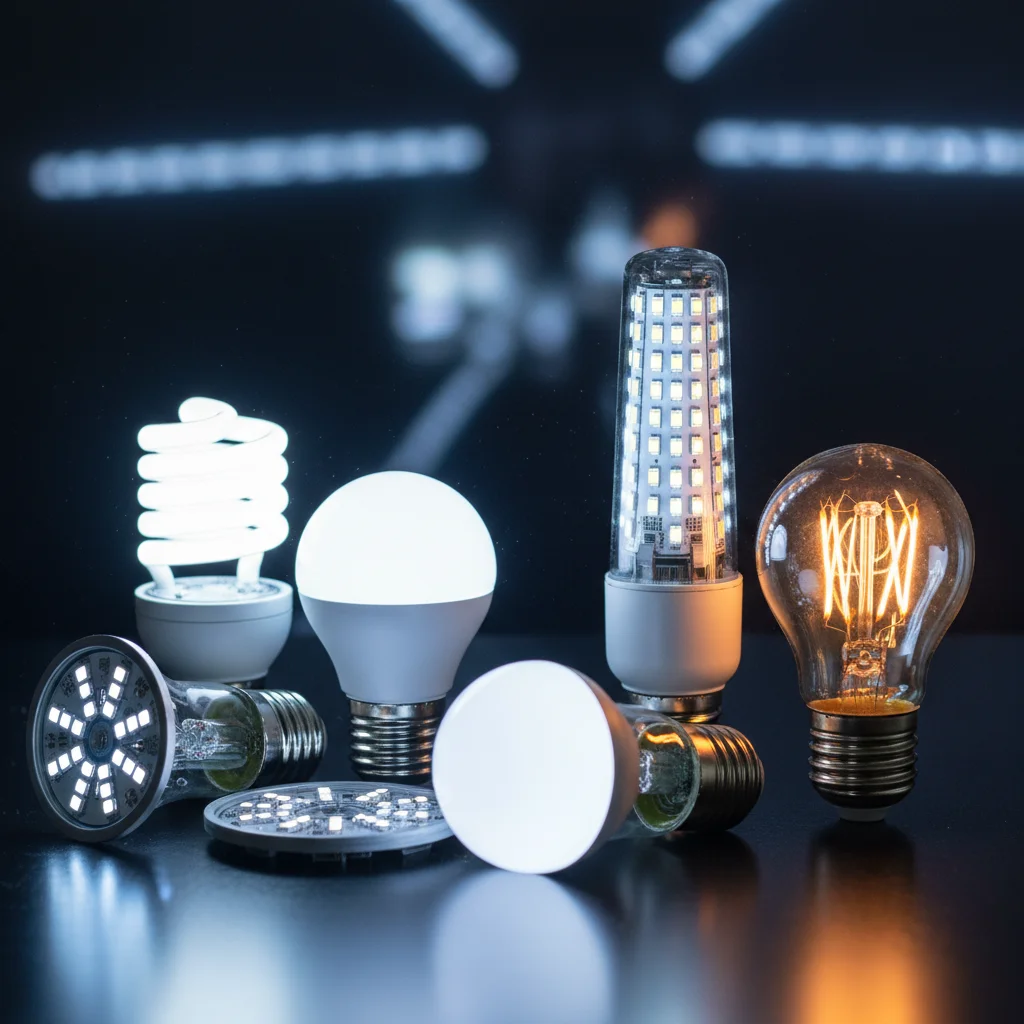
Incandescent bulbs, as mentioned, are notoriously inefficient. Compact Fluorescent Lamps (CFLs) offered an improvement, but they contained mercury and had slower warm-up times. LEDs, on the other hand, convert a much higher percentage of electricity into light, with minimal energy wasted as heat. This fundamental difference in operation is what drives their superior efficiency. A typical LED bulb can use 75% less energy than an incandescent bulb to produce the same amount of light, and in some cases, even more. This efficiency gain translates directly into lower electricity bills for consumers and reduced demand on power grids, leading to fewer power plant emissions.
Beyond individual savings, the collective impact of widespread LED adoption is staggering. Imagine the energy saved if every incandescent bulb in every home, office, and streetlamp worldwide were replaced with an LED. The reduction in electricity generation would be immense, leading to a significant decrease in greenhouse gas emissions. This is not a futuristic dream but a tangible goal, with many countries already well on their way to achieving near-total LED penetration. The energy imperative is clear: the sooner we embrace the LED lighting revolution, the sooner we reap its profound benefits.
The Mechanics of Saving: How LEDs Achieve 75% More Efficiency
Understanding the science behind LED efficiency helps explain why they are so superior. Unlike incandescent bulbs that produce light by heating a filament until it glows (incandescence), LEDs generate light through electroluminescence. This process involves electrons recombining with ‘holes’ within a semiconductor material, releasing energy in the form of photons (light). This solid-state lighting technology is inherently more efficient because it bypasses the wasteful heat generation associated with incandescence.
Several factors contribute to the impressive 75% energy savings attributed to LEDs:
- Direct Light Emission: LEDs emit light in a specific direction, unlike incandescent bulbs that emit light spherically. This directional emission means less light is trapped within the fixture or wasted, allowing for more efficient light delivery to the intended area.
- Minimal Heat Generation: As discussed, LEDs produce very little heat compared to traditional bulbs. This not only saves energy directly but also reduces the load on air conditioning systems, particularly in warmer climates or commercial buildings, leading to additional indirect energy savings.
- Longer Lifespan: While not directly an energy saving mechanism, the extended lifespan of LEDs (often 25,000 to 50,000 hours compared to 1,000-2,000 hours for incandescents) reduces the need for frequent replacements. This translates to fewer manufacturing resources, less waste, and lower maintenance costs over time, contributing to overall sustainability.
- Improved Luminous Efficacy: Luminous efficacy measures how well a light source produces visible light from a given amount of electric power. Modern LEDs boast significantly higher luminous efficacy (lumens per watt) than older technologies, meaning they produce more light for the same amount of energy input.
- Instant On and Dimmability: LEDs provide instant full brightness and are highly dimmable without changes in color temperature or efficiency loss, offering greater control and further opportunities for energy optimization.
These combined characteristics make the LED lighting revolution a powerful force for energy conservation, setting the stage for the ambitious 75% savings target by 2026. The continuous research and development in LED technology promise even greater efficiencies in the years to come.
The Road to 2026: Policies, Incentives, and Market Trends
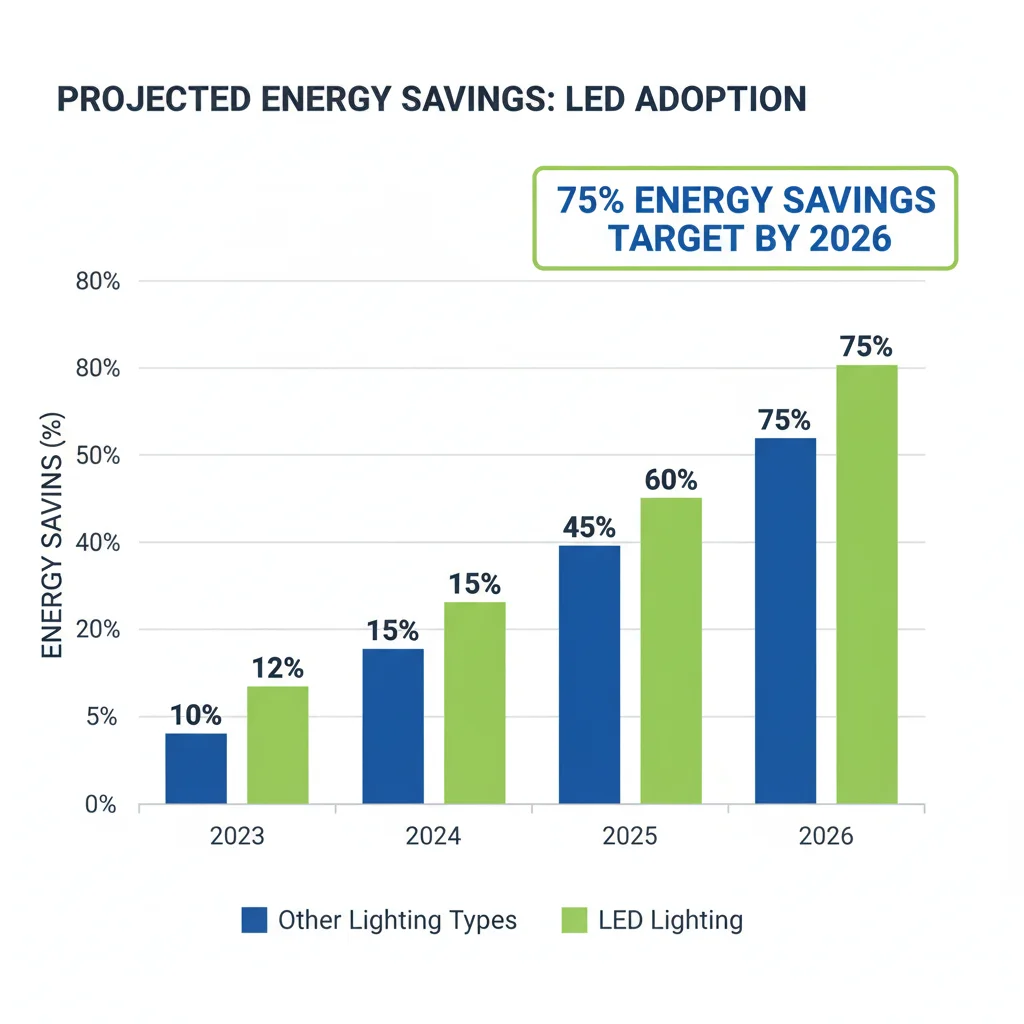
Achieving a 75% energy saving target by 2026 is an ambitious goal that requires concerted efforts from governments, industries, and consumers. Fortunately, a robust framework of policies, incentives, and evolving market trends is already in place to facilitate this transition, accelerating the LED lighting revolution.
Governmental Regulations and Bans
Many countries have implemented regulations phasing out the sale of inefficient incandescent and halogen bulbs. For instance, the United States effectively banned the sale of most incandescent bulbs in 2023, following similar actions in the European Union, Canada, and Australia. These bans are pivotal, as they remove less efficient options from the market, pushing consumers and businesses towards LEDs by default. Such regulatory measures are critical drivers for achieving large-scale energy savings.
Rebate Programs and Subsidies
To ease the financial burden of initial LED adoption, numerous governments and utility companies offer rebate programs and subsidies. These incentives reduce the upfront cost of LED bulbs and fixtures, making them more accessible and attractive to a wider range of consumers. By lowering the entry barrier, these programs significantly accelerate the rate of replacement and contribute to the overall momentum of the LED lighting revolution.
Technological Advancements and Cost Reduction
The cost of LED technology has plummeted dramatically over the past decade, making them competitive with, and often cheaper in the long run than, traditional bulbs. Simultaneously, LED performance has improved significantly, offering better light quality (higher Color Rendering Index – CRI), broader color temperature options, and advanced features like smart dimming and connectivity. These continuous improvements make LEDs an increasingly compelling choice for both new installations and retrofits.
Consumer Awareness and Demand
As consumers become more aware of the long-term cost savings and environmental benefits of LEDs, demand continues to grow. The visibility of LED lighting in public spaces, commercial buildings, and even residential areas helps normalize the technology and showcases its advantages. This growing consumer preference is a powerful market trend that supports the widespread adoption of LEDs.
By combining regulatory pressure, financial incentives, technological progress, and informed consumer choices, the path to 75% energy savings by 2026 through the LED lighting revolution appears not only feasible but increasingly inevitable.
Beyond Energy Savings: The Multifaceted Benefits of LED Adoption
While energy efficiency is the primary driver of the LED lighting revolution, the benefits extend far beyond reduced electricity bills. The widespread adoption of LED technology brings a host of environmental, economic, and societal advantages that contribute to a more sustainable and prosperous future.
Environmental Impact
- Reduced Carbon Emissions: By significantly decreasing electricity demand for lighting, LEDs directly contribute to lower greenhouse gas emissions from power plants, helping to mitigate climate change.
- Less Waste: The extended lifespan of LEDs means fewer bulbs end up in landfills. This reduction in waste, coupled with the absence of hazardous materials like mercury (found in CFLs), makes LEDs a more environmentally friendly option throughout their lifecycle.
- Decreased Light Pollution: Directional light output and better control mechanisms in LED fixtures can help reduce light spill and glare, contributing to efforts to minimize light pollution and protect nocturnal ecosystems.
Economic Advantages
- Lower Operating Costs: Businesses and homeowners experience substantial savings on electricity bills, freeing up resources for other investments or personal use.
- Reduced Maintenance Costs: The long lifespan of LEDs drastically cuts down on the frequency and cost of bulb replacement, particularly beneficial for large installations or hard-to-reach fixtures.
- Job Creation: The growing LED industry supports jobs in research, manufacturing, installation, and maintenance, contributing to economic growth.
- Grid Stability: Reduced peak electricity demand from efficient lighting can alleviate strain on power grids, potentially delaying the need for expensive infrastructure upgrades and improving grid reliability.
Societal and Health Benefits
- Improved Light Quality: Modern LEDs offer a wide range of color temperatures and high Color Rendering Index (CRI), providing illumination that is closer to natural light, which can enhance comfort, productivity, and visual acuity.
- Enhanced Safety and Security: Better and more consistent lighting in public spaces, streets, and workplaces can improve visibility, contributing to increased safety and security.
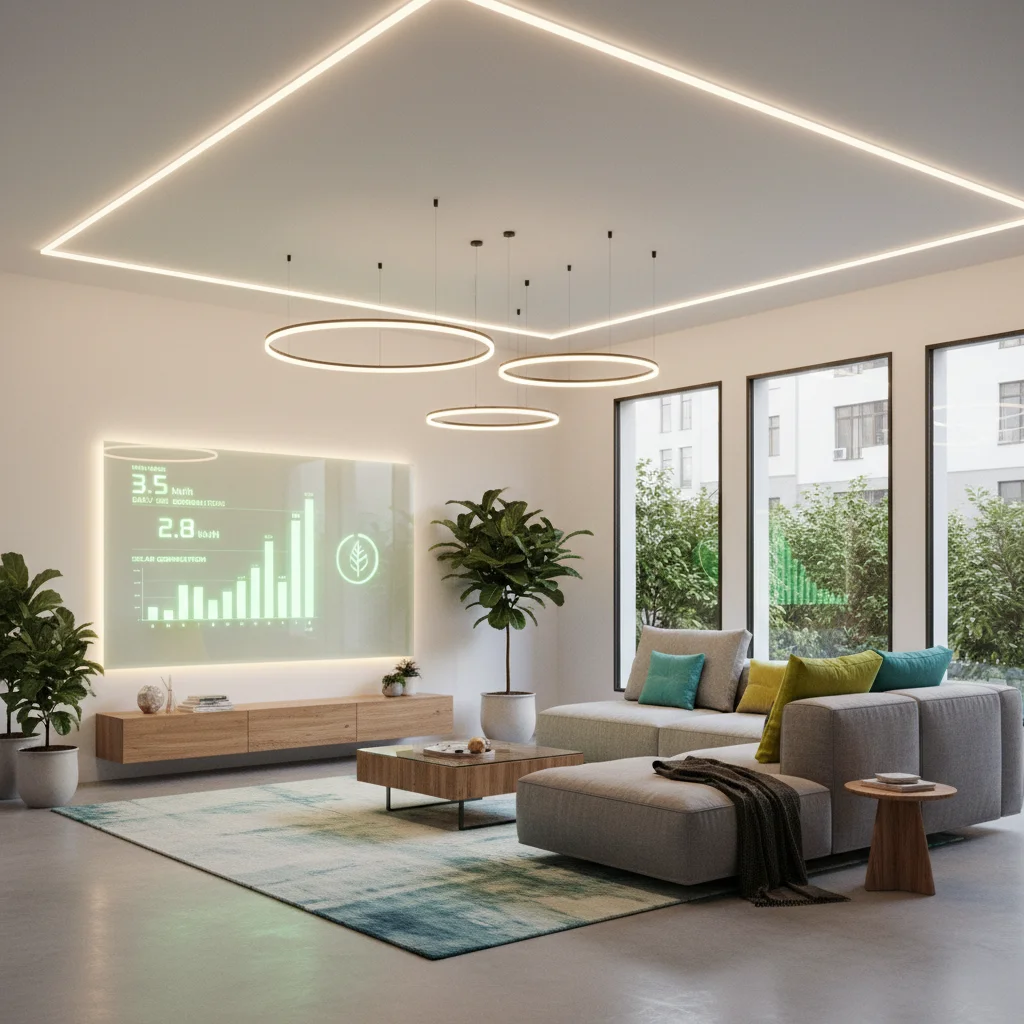
- Smart Lighting Capabilities: LEDs are easily integrated into smart home and building systems, allowing for advanced control, scheduling, and automation, which can further optimize energy use and enhance user experience.
These multifaceted benefits underscore why the LED lighting revolution is more than just an energy-saving measure; it’s a comprehensive upgrade to our built environment that yields dividends across various sectors.
Challenges and Overcoming Obstacles in LED Adoption
Despite the overwhelming advantages, the journey of the LED lighting revolution is not without its challenges. Addressing these obstacles is crucial to ensuring a smooth and accelerated transition towards the 75% energy savings target by 2026.
Initial Cost Barriers
While LED prices have significantly decreased, the upfront cost of replacing an entire lighting infrastructure (especially in large commercial or industrial settings) can still be higher than traditional alternatives. This initial investment can be a deterrent for some, despite the clear long-term savings. To overcome this, continued government incentives, financing options, and educational campaigns highlighting the total cost of ownership (TCO) are essential.
Quality and Compatibility Concerns
Early generations of LEDs sometimes suffered from issues like poor color rendering, flickering, or compatibility problems with existing dimmer switches and fixtures. While these issues have largely been resolved with newer technologies, lingering perceptions can still affect consumer confidence. Promoting standardized quality testing, clear product labeling, and providing accessible information about LED compatibility can help alleviate these concerns.
Disposal and Recycling Infrastructure
Although LEDs contain fewer harmful substances than CFLs, they do contain electronic components that require proper recycling to prevent environmental contamination. The infrastructure for collecting and recycling spent LED bulbs is still developing in many regions. Expanding and streamlining these recycling programs is vital for ensuring the environmental integrity of the LED lighting revolution.
Lack of Awareness and Education
Despite widespread media coverage, some segments of the population and certain industries may still be unaware of the full benefits of LED lighting or how to best implement it. Targeted educational campaigns, workshops, and accessible resources can empower consumers and businesses to make informed decisions and accelerate the transition.
Complexity of Smart Lighting Systems
The integration of LEDs with smart lighting controls offers immense potential for further energy savings and enhanced functionality. However, the complexity of setting up and managing these systems can be a barrier for some users. Developing user-friendly interfaces, offering professional installation services, and providing comprehensive support can help unlock the full potential of smart LED lighting.
By proactively addressing these challenges, stakeholders can ensure that the LED lighting revolution continues its strong trajectory, bringing us closer to a more energy-efficient and sustainable future.
The Future of Illumination: Beyond 2026
As we look beyond the 2026 target for 75% energy savings, the future of illumination promises even more exciting advancements and innovations. The LED lighting revolution is not a finite event but an ongoing process of evolution, driven by relentless research and development.
Human-Centric Lighting (HCL)
One of the most significant trends is Human-Centric Lighting (HCL), which designs lighting systems to support human health, well-being, and performance. HCL leverages the tunable nature of LEDs to adjust color temperature and intensity throughout the day, mimicking natural light cycles. This can improve circadian rhythms, boost mood, and enhance productivity, particularly in offices, schools, and healthcare settings.
Li-Fi Technology
Li-Fi (Light Fidelity) is an emerging technology that uses LED light to transmit data, offering a potential alternative or complement to Wi-Fi. By modulating the light waves at extremely high speeds, Li-Fi can provide secure, high-speed wireless communication, transforming how we interact with our illuminated environments. Imagine a future where your lights not only illuminate your room but also provide internet access.
Smart Cities and Connected Lighting
LEDs are integral to the development of smart cities. Connected LED streetlights, for instance, can be equipped with sensors to monitor air quality, traffic flow, and even detect gunshots. These smart lighting networks can dynamically adjust brightness based on real-time needs, further optimizing energy use and enhancing urban safety and efficiency. This integration of lighting with broader urban infrastructure is a key aspect of the evolving LED lighting revolution.
Organic Light-Emitting Diodes (OLEDs)
While currently more expensive, OLEDs offer unique properties such as flexibility, transparency, and the ability to emit light from an entire surface rather than a point source. This opens up possibilities for entirely new lighting applications, such as luminous walls, transparent displays, and wearable light sources. As OLED technology matures and costs decrease, it will likely play a more prominent role in specialized lighting applications.
Energy Harvesting and Self-Powered Lighting
Research into energy harvesting technologies, such as integrating small solar cells directly into light fixtures or using kinetic energy, could lead to self-powered or ultra-low-power LED lighting solutions, further reducing reliance on grid electricity and enhancing energy independence.
The future of lighting, spearheaded by the continuous advancements in LED technology, promises not only greater energy efficiency but also more intelligent, adaptive, and human-centric illumination. The LED lighting revolution is truly just beginning, with endless possibilities on the horizon.