Energy-Efficient Landscaping: Design Your Yard for 20% Cooling Cost Reduction
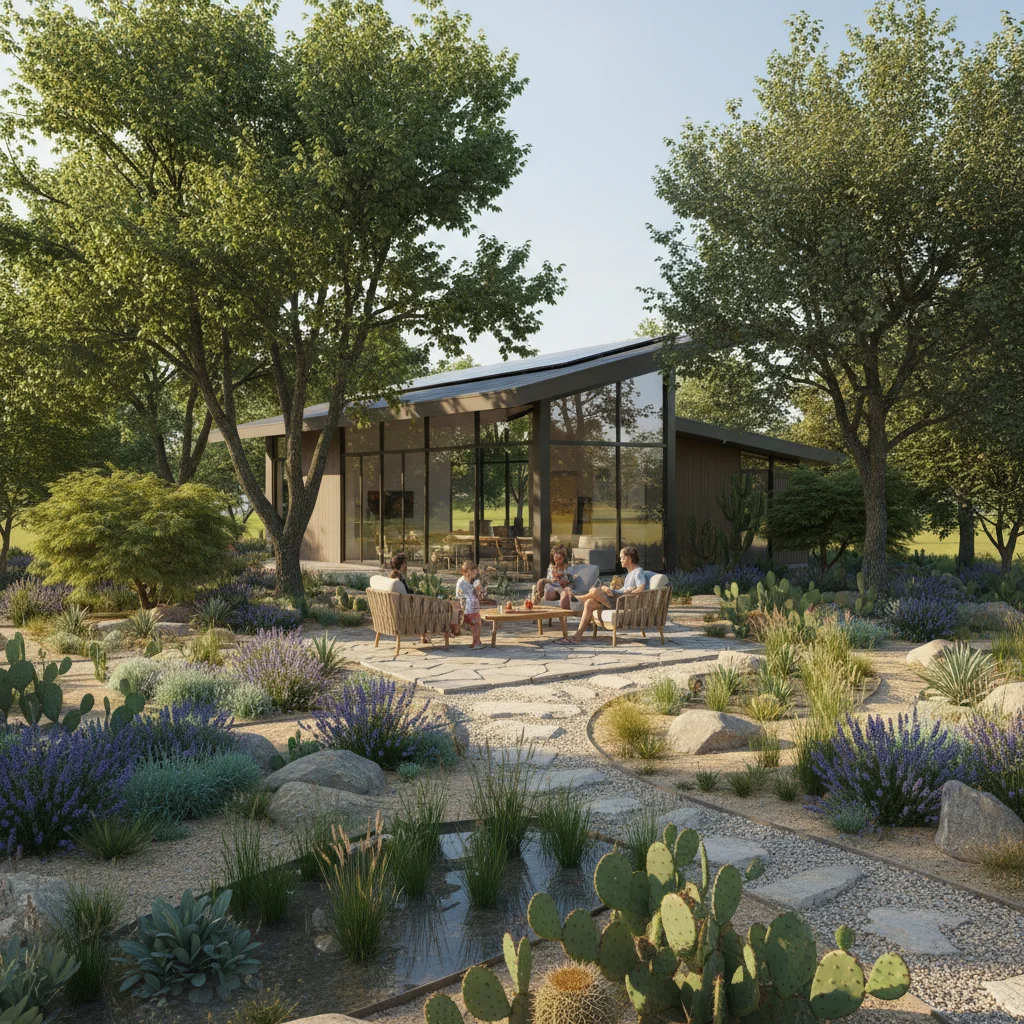
Energy-Efficient Landscaping: Design Your Yard for a 20% Reduction in Cooling Costs (PRACTICAL SOLUTIONS)
In an era where sustainability and cost-saving measures are paramount, the concept of energy-efficient landscaping has emerged as a powerful tool for homeowners. Imagine reducing your home’s cooling costs by a significant 20% or even more, simply by making smart choices in your yard design. This isn’t a futuristic dream; it’s a tangible reality achievable through thoughtful planning and execution. Your landscape is more than just an aesthetic feature; it’s an integral part of your home’s thermal envelope, acting as a natural insulator and shade provider. By strategically harnessing the power of plants, water, and hardscaping, you can transform your outdoor space into an eco-friendly oasis that actively works to keep your indoor environment comfortable and your energy bills low.
The rising temperatures and escalating energy prices make it imperative to seek innovative solutions for home cooling. Traditional air conditioning, while effective, consumes a substantial amount of energy, contributing to both your carbon footprint and your monthly expenses. Energy-efficient landscaping offers a sustainable alternative, leveraging nature’s inherent cooling mechanisms. From providing critical shade to deflecting harsh sunlight and even channeling cooling breezes, your yard has the potential to become a natural climate control system. This comprehensive guide will delve into practical, actionable strategies that you can implement to achieve substantial cooling cost reductions, enhancing both your home’s comfort and its environmental performance.
Understanding the Science of Outdoor Cooling: How Your Yard Impacts Your Home’s Temperature
Before we dive into specific strategies for energy-efficient landscaping, it’s crucial to understand the fundamental principles of how your outdoor environment influences your indoor temperature. The sun’s energy, when it hits your home, is absorbed by its surfaces – walls, roof, windows – and then radiated inwards, leading to a significant heat gain. This phenomenon, known as the ‘heat island effect,’ is exacerbated in urban areas with extensive paved surfaces and dark-colored buildings. Your landscape can either amplify or mitigate this effect.
Trees and shrubs, through their leaves, engage in a process called evapotranspiration. As water evaporates from their surfaces, it cools the surrounding air, much like how sweating cools our bodies. This natural cooling effect can significantly lower ambient temperatures in your yard, creating a cooler microclimate around your home. Furthermore, plants act as natural barriers, blocking solar radiation before it even reaches your house. Deciduous trees, in particular, are remarkable for their seasonal adaptability: they provide dense shade in the summer when leaves are present, and allow sunlight to pass through in the winter after their leaves have fallen, offering passive solar heating when it’s needed most.
Hardscapes, such as patios and driveways, also play a critical role. Dark, impermeable surfaces like asphalt and concrete absorb and store a tremendous amount of heat, radiating it back into the environment long after the sun has set. Opting for lighter-colored, permeable materials can reduce this heat absorption and improve drainage, contributing to a cooler overall environment. Understanding these basic scientific principles empowers you to make informed decisions about your energy-efficient landscaping design, maximizing its cooling potential.
Strategic Shading: The Cornerstone of Energy-Efficient Landscaping
When it comes to reducing cooling costs, strategic shading is arguably the most impactful element of energy-efficient landscaping. The goal is to block direct sunlight from hitting your home’s windows, walls, and roof during the hottest parts of the day. This can be achieved through a combination of carefully selected and positioned trees, shrubs, and even architectural elements.
Trees: Your Natural Air Conditioners
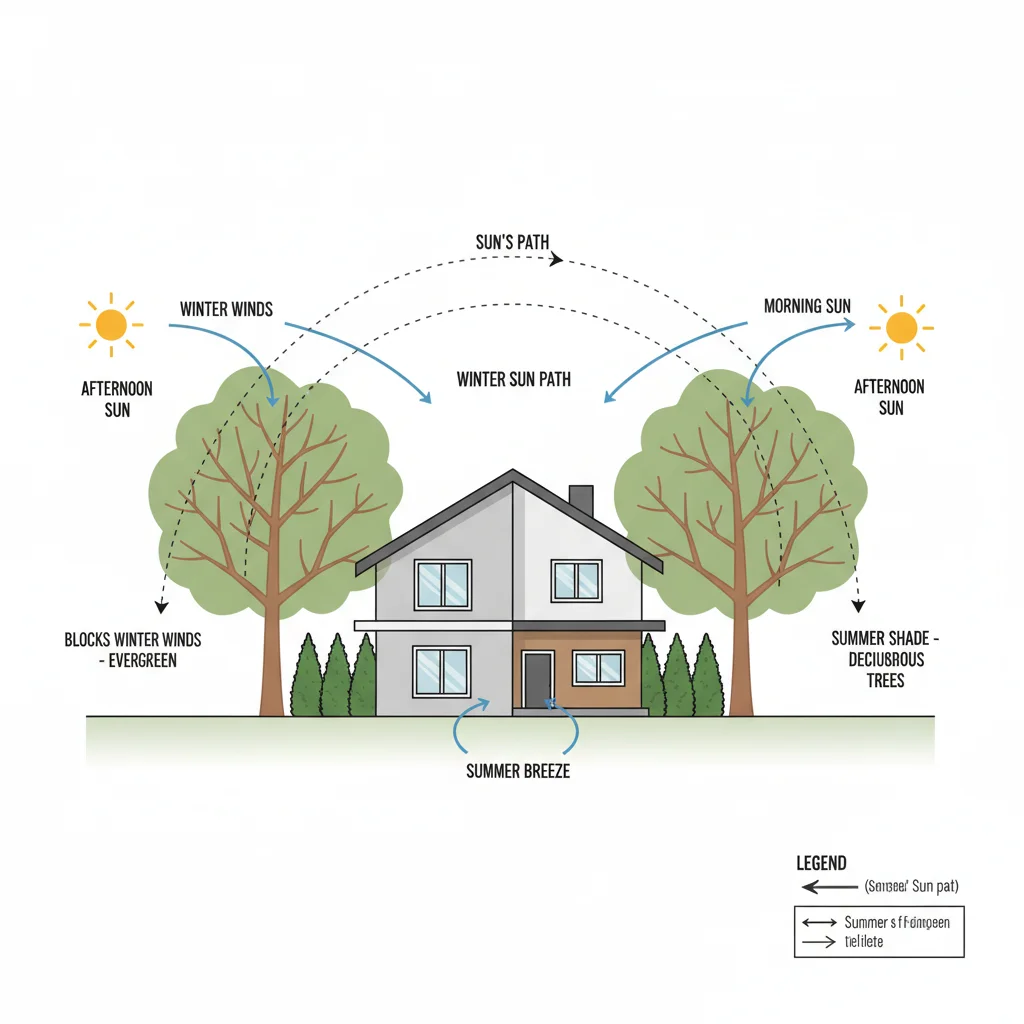
- Deciduous Trees for Summer Shade, Winter Sun: Planting deciduous trees on the east and west sides of your home is a highly effective strategy. On the east side, they can block the intense morning sun, preventing your house from heating up early in the day. On the west side, they are crucial for mitigating the scorching afternoon sun, which is often the most significant source of heat gain. In winter, these trees shed their leaves, allowing the sun’s warmth to penetrate your home, providing passive solar heating.
- Evergreen Trees for Windbreaks: While primarily known for winter wind protection, evergreens can also provide year-round shade. Strategically placed evergreens can shield your home from summer sun, especially on the south side, though care must be taken not to block desirable winter sun.
- Canopy Size and Placement: Consider the mature size of the tree when planting. A tree planted too close to the house can damage foundations or roofs, while one too far away won’t provide adequate shade. Aim for trees that will cast a shadow over your roof and walls during peak sun hours.
- Species Selection: Choose native tree species that are well-suited to your local climate. They will require less water and maintenance, further enhancing the energy efficiency of your landscape. Fast-growing species can provide quicker shade, but ensure they are structurally sound.
Shrubs and Vines: Vertical Shading Solutions
- Shrubs for Wall Shading: Planting dense shrubs close to the walls of your home, particularly on the east and west sides, can create an insulating air pocket and block direct sunlight from hitting the wall surfaces. This reduces the amount of heat absorbed by the building materials.
- Vines on Trellises: Climbing vines on trellises can create beautiful, living screens that shade windows and walls. Deciduous vines offer the same seasonal benefits as deciduous trees, providing summer shade and winter sun. Ensure vines are well-maintained to prevent them from attaching directly to your home’s siding or roof, which can cause damage.
Pergolas, Awnings, and Overhangs
Beyond living plants, built structures can significantly contribute to shading. Pergolas adorned with climbing plants or shade fabric can create cool outdoor living spaces and cast shadows on adjacent walls. Awnings over windows are incredibly effective at blocking direct solar gain, particularly on south and west-facing windows. Extended roof overhangs are also a passive design feature that provides consistent shade.
Optimizing Airflow and Ventilation with Landscaping
Effective energy-efficient landscaping isn’t just about blocking heat; it’s also about facilitating natural airflow and ventilation. By strategically guiding breezes through your property and into your home, you can enhance natural cooling and reduce the reliance on mechanical systems.
Channeling Breezes
- Funneling Effects: Use fences, hedges, or dense plantings to create channels that direct prevailing breezes towards your home’s windows. This can significantly increase air circulation inside, especially if you have windows on opposite sides of the house for cross-ventilation.
- Avoid Blocking Airflow: While dense plantings are great for shade, avoid placing them too close to windows or in locations that would impede desirable summer breezes. Maintain a balance between shading and airflow.
Cooling Patios and Outdoor Living Spaces
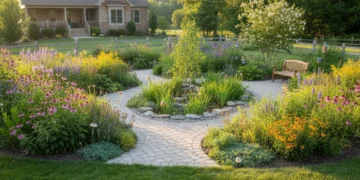
Creating cool outdoor spaces can draw heat away from your home and encourage you to spend more time outside, reducing the need for indoor cooling. Water features, such as fountains or small ponds, can have a localized cooling effect through evaporation. Light-colored paving materials for patios and walkways reflect more sunlight and absorb less heat than dark surfaces, keeping the surrounding area cooler.
Smart Water Management: Xeriscaping and Efficient Irrigation
Water is a precious resource, and efficient water management is a cornerstone of sustainable and energy-efficient landscaping. While plants contribute to cooling, excessive watering can negate some of the energy savings. Xeriscaping, a landscaping method that reduces or eliminates the need for supplemental irrigation, is an excellent approach.
Xeriscaping Principles
- Zoning: Group plants with similar water needs together. This allows you to apply water more precisely, ensuring each plant receives what it needs without overwatering others.
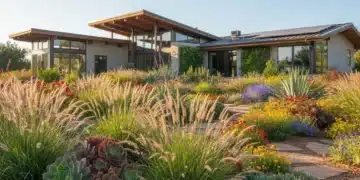
- Drought-Tolerant Plants: Select native plants and other species known for their low water requirements. These plants are adapted to your local climate and will thrive with minimal irrigation once established.
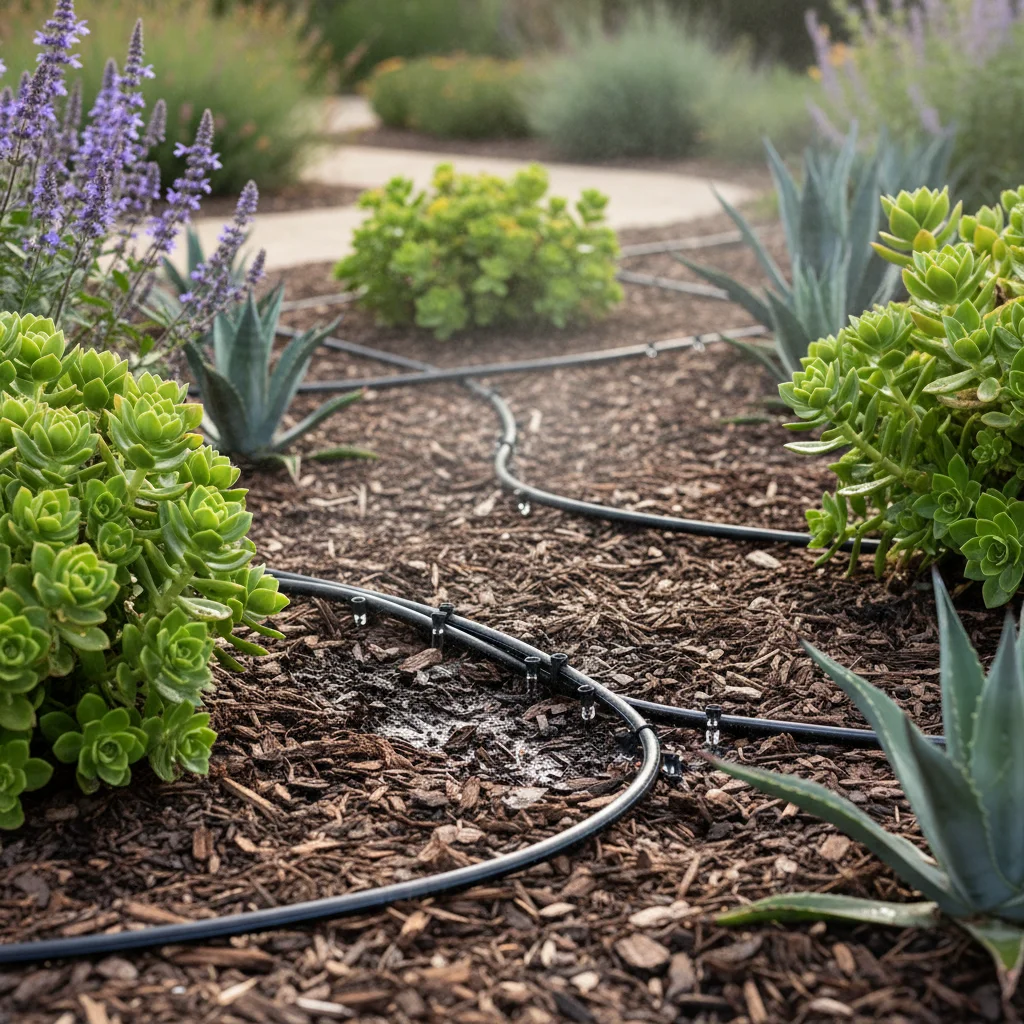
- Mulching: Apply a generous layer of organic mulch (e.g., wood chips, straw, compost) around plants. Mulch helps retain soil moisture, suppresses weeds, and moderates soil temperature, all of which reduce the need for frequent watering.
Efficient Irrigation Systems
- Drip Irrigation: This system delivers water directly to the plant roots, minimizing evaporation and runoff. It’s highly efficient and ideal for garden beds and individual plants.
- Smart Controllers: Install irrigation controllers that use weather data, soil moisture sensors, or plant needs to adjust watering schedules automatically. This prevents unnecessary watering and conserves water.
- Watering Schedule: Water early in the morning or late in the evening to reduce evaporation. Deep, infrequent watering encourages deeper root growth, making plants more resilient to drought.
Material Choices: Hardscapes and Surfaces for Cooler Yards
The materials you choose for your hardscapes – driveways, patios, walkways – significantly impact the heat absorption and radiation in your yard. Dark, dense materials like asphalt and conventional concrete can become heat sinks, contributing to the heat island effect and radiating warmth towards your home. Incorporating thoughtful material choices is a key aspect of energy-efficient landscaping.
Light-Colored and Permeable Surfaces
- Light-Colored Paving: Opt for light-colored concrete, pavers, or gravel for pathways and patios. Lighter surfaces reflect more solar radiation, absorbing less heat and keeping the surrounding area cooler.
- Permeable Paving: Permeable pavers, decomposed granite, or gravel allow water to infiltrate the soil rather than running off. This not only reduces stormwater runoff but also allows for evaporative cooling from the ground, further reducing ambient temperatures.
- Grass and Groundcovers: Where possible, replace large expanses of hardscaping with grass or low-growing groundcovers. These living surfaces absorb less heat and contribute to evaporative cooling.
Green Roofs and Walls
While often considered architectural elements, green roofs and living walls are extensions of energy-efficient landscaping. A green roof, covered with vegetation, provides excellent insulation, reducing heat transfer into the building below. Living walls can similarly cool the surfaces they cover through shading and evapotranspiration. These solutions are more complex to implement but offer significant long-term energy savings and aesthetic benefits.
Designing for Specific Climates and Orientations
No two homes or climates are exactly alike, and effective energy-efficient landscaping requires tailoring your design to your specific conditions. Understanding your local climate zone, prevailing winds, and the orientation of your home is crucial for maximizing energy savings.
Hot Climates
In hot, arid climates, the focus should be heavily on maximum shading, drought-tolerant plants (xeriscaping), and minimizing heat-absorbing surfaces. Large deciduous trees on the west and east are paramount. Consider reflective surfaces and extensive use of mulch. Water features can provide localized cooling, but their water consumption must be carefully managed.
Temperate Climates
Temperate zones benefit from a balance of summer shading and winter sun exposure. Deciduous trees are ideal here, providing shade in summer and allowing passive solar gain in winter. Windbreaks from evergreen trees can reduce winter heating loads. Consider optimizing airflow for natural ventilation during milder seasons.
Cold Climates
While cooling is less of a concern, energy-efficient landscaping in cold climates focuses on reducing heating costs. Evergreen trees strategically placed to block winter winds from the north and west can significantly reduce heat loss from your home. Allow maximum sun exposure on the south side of your home for passive solar heating. Plantings can also help insulate foundations.
Home Orientation
- South-Facing Walls: In most climates, these receive the most sun. Deciduous trees or carefully placed evergreens can provide summer shade while allowing winter sun.
- West-Facing Walls: These receive the harshest afternoon sun. Maximum shading with deciduous trees, awnings, or dense shrubs is critical here.
- East-Facing Walls: Block morning sun with deciduous trees or shrubs to prevent early heat buildup.
- North-Facing Walls: In cold climates, evergreens can act as windbreaks. In hot climates, these walls often require less shading, but dense plantings can still provide some insulation.
Beyond Cooling: Additional Benefits of Energy-Efficient Landscaping
While the primary focus of energy-efficient landscaping is reducing cooling costs, the benefits extend far beyond your utility bill. Embracing these practices contributes to a healthier environment and a more enjoyable living space.
- Increased Property Value: A well-designed, sustainable landscape enhances curb appeal and can significantly increase your home’s market value. Buyers are increasingly looking for homes with lower operating costs and environmentally friendly features.
- Reduced Water Consumption: By incorporating xeriscaping principles and efficient irrigation, you’ll conserve water, a critical resource, and potentially lower your water bills.
- Enhanced Biodiversity: Native plants, often central to energy-efficient designs, support local wildlife, including birds, bees, and butterflies, contributing to a healthier ecosystem.
- Improved Air Quality: Trees and plants absorb carbon dioxide and release oxygen, helping to purify the air. They can also filter pollutants and particulate matter.
- Reduced Noise Pollution: Dense plantings can act as natural sound barriers, muffling traffic and neighborhood noise, creating a more tranquil home environment.
- Stormwater Management: Permeable surfaces and healthy soil reduce stormwater runoff, minimizing erosion and replenishing groundwater.
- Aesthetic Appeal and Comfort: A thoughtfully designed landscape provides beautiful outdoor spaces for relaxation, entertainment, and connection with nature, enhancing your overall quality of life.
Getting Started: Your Action Plan for a Cooler Home
Embarking on an energy-efficient landscaping project can seem daunting, but by breaking it down into manageable steps, you can achieve significant results. Remember, even small changes can make a difference.
- Assess Your Current Landscape: Walk around your property at different times of the day. Identify areas that receive intense sun exposure, particularly windows and walls. Note prevailing wind directions. Consider your existing plants and hardscapes.
- Research Your Climate Zone and Native Plants: Understand your local climate, soil type, and the plants that thrive naturally in your region. Consult with local nurseries or extension offices for recommendations on drought-tolerant and climate-appropriate species.
- Develop a Master Plan: Sketch out your property, marking your home’s orientation, sun paths, and areas for potential planting or hardscape changes. Prioritize key areas for shading (west and east sides of the house).
- Start Small, Think Big: You don’t have to overhaul your entire yard at once. Begin with the most impactful changes, such as planting a shade tree on the west side of your home, or adding an awning to a sun-drenched window.
- Implement Efficient Irrigation: Convert to drip irrigation where feasible and consider a smart controller. Adjust your watering schedule to be more efficient.
- Mulch, Mulch, Mulch: Apply organic mulch generously to all planting beds to conserve moisture and regulate soil temperature.
- Consider Hardscape Upgrades: If you’re planning new patios or walkways, choose lighter, permeable materials.
- Monitor and Adjust: Observe how your changes impact your home’s temperature and your energy bills. Be prepared to make adjustments as your landscape matures and your needs evolve.
Achieving a 20% reduction in cooling costs through energy-efficient landscaping is not just an aspiration; it’s a well-documented outcome of strategic design. By embracing the principles of shading, airflow optimization, smart water management, and thoughtful material selection, you can transform your yard into a powerful ally in your quest for a more comfortable, sustainable, and cost-effective home. The investment of time and resources into your landscape will pay dividends not only in lower energy bills but also in a more beautiful, functional, and environmentally responsible living space for years to come. Start today, and let your yard work for you.