The transition to solar energy for your home is one of the most impactful decisions you can make for both your wallet and the planet. With advancements in technology, increasing environmental awareness, and a growing desire for energy independence, residential solar installations are becoming more common than ever. However, the success and longevity of your solar investment hinge significantly on one crucial factor: choosing the right residential solar installer.
As we move further into 2026, the solar industry continues to evolve at a rapid pace. New technologies, financing options, and regulatory frameworks emerge constantly, making the selection process more complex. This comprehensive guide is designed to equip you with the essential knowledge and, more importantly, the five critical questions you must ask any potential residential solar installer to ensure you make an informed, confident, and ultimately, a smart decision.
Ignoring these questions can lead to costly mistakes, underperforming systems, or even frustrating post-installation issues. By diligently asking these questions, you’ll not only vet the expertise and reliability of your chosen residential solar installer but also gain a deeper understanding of the entire solar process, from initial design to long-term maintenance. Let’s dive into what you need to know.
Choosing a residential solar installer is not just about finding the lowest bid; it’s about partnering with a company that will deliver a high-quality, efficient, and reliable solar energy system tailored to your home’s specific needs. The stakes are high, as this is a long-term investment that should provide decades of clean energy and savings. Therefore, a thorough vetting process is paramount.
Understanding the Evolving Solar Landscape in 2026
Before we delve into the questions, it’s important to acknowledge the current state of the solar industry. In 2026, we’re seeing:
- Increased Efficiency: Solar panels are more efficient than ever, converting a higher percentage of sunlight into electricity.
- Advanced Storage Solutions: Battery storage technology has become more affordable and sophisticated, allowing homeowners to store excess energy and reduce reliance on the grid, especially during peak hours or outages.
- Smart Home Integration: Solar systems are increasingly integrated with smart home technologies, offering homeowners greater control and monitoring capabilities.
- Complex Incentives and Regulations: While incentives like federal tax credits remain strong, state and local programs can vary widely and change frequently. A good residential solar installer will be up-to-date on all applicable incentives.
- Growing Demand: The demand for solar is skyrocketing, which means more installers are entering the market. While this offers more choice, it also means a greater need for careful selection to avoid inexperienced or less reputable companies.
Given this dynamic environment, the expertise of your chosen residential solar installer is more critical than ever. They need to be not just installers but also consultants, guiding you through the technical, financial, and regulatory complexities.
Question 1: What is Your Experience and Track Record in Residential Solar Installations?
This is arguably the most fundamental question to ask any potential residential solar installer. Experience is not just about how long a company has been in business, but also the breadth and depth of their work. A company that has been installing solar for many years, specifically in residential settings, is more likely to have encountered and successfully navigated a wide range of challenges.
Why This Question is Critical:
- Proven Expertise: An experienced residential solar installer will have a deep understanding of different roofing types, electrical systems, and local building codes. They’ll know how to design a system that maximizes energy production while ensuring structural integrity and safety.
- Problem-Solving Skills: Every solar installation has its unique quirks. An experienced team will be better equipped to foresee potential issues and address them proactively, preventing delays and additional costs.
- Quality of Work: Companies with a long track record often have refined installation processes and a commitment to quality that comes from years of learning and improvement.
- Stability: You want an installer who will be around to honor warranties and provide support for the lifetime of your system (25+ years). A long history suggests financial stability and commitment to the industry.
What to Look For in Their Answer:
- Years in Business: How long have they been exclusively focused on residential solar?
- Number of Installations: Ask for a rough estimate of how many residential systems they’ve installed.
- Local Experience: Do they have specific experience installing in your climate, with your local utility, and under your local permitting regulations?
- References and Portfolio: Ask for references from recent customers and a portfolio of completed projects, ideally with systems similar to what you envision for your home. Don’t just look at pictures; ask for specifics about system performance and customer satisfaction.
- Certifications and Licenses: Ensure they hold all necessary state and local licenses (e.g., electrical contractor, general contractor) and relevant industry certifications (e.g., NABCEP – North American Board of Certified Energy Practitioners). NABCEP certification is a strong indicator of a high level of expertise in solar design and installation.
A reputable residential solar installer will be transparent about their experience and proud to share their accomplishments and customer testimonials. Be wary of companies that are vague or unwilling to provide this information.
Question 2: What Specific Products and Technologies Do You Offer, and Why Are They the Best Fit for My Home?
The solar market offers a vast array of panels, inverters, and battery storage solutions. A truly consultative residential solar installer won’t just offer one brand; they’ll explain the pros and cons of different technologies and justify their recommendations based on your specific needs, budget, and property characteristics.
Why This Question is Critical:
- Optimized Performance: Not all solar panels or inverters are created equal. The right combination can significantly impact your system’s efficiency, longevity, and overall energy production.
- Future-Proofing: Technology evolves. Understanding the products offered helps ensure your system is modern and compatible with potential future upgrades, like adding more battery storage or integrating with new smart home devices.
- Understanding Value: A cheaper panel might have a lower efficiency or a shorter warranty. A good installer will help you understand the long-term value proposition of different options, not just the upfront cost.
- Component Compatibility: Ensuring that all components (panels, inverters, optimizers, batteries) work seamlessly together is vital for system reliability and efficiency.
What to Look For in Their Answer:
- Panel Brands and Types: Do they offer monocrystalline, polycrystalline, or thin-film panels? What are the efficiency ratings, temperature coefficients, and aesthetic options? What brands do they primarily use (e.g., SunPower, LG, REC, Silfab) and why?
- Inverter Technology: Do they use string inverters, microinverters (e.g., Enphase), or power optimizers (e.g., SolarEdge)? Each has distinct advantages depending on your roof’s shading, size, and layout. Ask them to explain which is best for your situation.
- Battery Storage Options: If you’re interested in energy storage, what battery brands (e.g., Tesla Powerwall, Enphase Encharge, LG Chem) do they recommend and why? What are the capacities, cycle life, and warranty terms?
- Monitoring Systems: How will you monitor your system’s performance? What kind of app or online portal do they provide?
- Customization: Do they offer a one-size-fits-all solution, or do they customize the system design based on your energy consumption, roof orientation, shading analysis, and aesthetic preferences?
A knowledgeable residential solar installer will be able to articulate the technical specifications of their products in an understandable way and clearly explain why certain choices are superior for your home’s unique energy profile.
Question 3: What are the Total Costs, Financing Options, and Available Incentives?
The financial aspect of going solar is often the most significant consideration for homeowners. A transparent and thorough residential solar installer will provide a detailed breakdown of all costs, explain various financing avenues, and meticulously outline all applicable incentives.
Why This Question is Critical:
- Budgeting Accuracy: Understanding the full cost, including equipment, installation, permitting, and interconnection fees, prevents unpleasant surprises.
- Maximizing Savings: A good installer will help you navigate federal, state, and local incentives, ensuring you take advantage of every possible financial benefit.
- Informed Financial Decision: Whether you choose to pay cash, take out a solar loan, or opt for a lease/PPA, understanding all options allows you to select the best financial path for your circumstances.
- Avoiding Hidden Fees: Some less scrupulous companies might hide fees or not fully disclose all costs. Transparency is key.
What to Look For in Their Answer:
- Detailed Proposal: Request a comprehensive proposal that itemizes all costs: equipment, labor, permitting, interconnection, and any potential upgrade costs (e.g., electrical panel upgrade).
- Net Cost Calculation: The installer should provide a clear calculation of the net cost after all incentives, such as the federal solar tax credit (ITC), state rebates, and local programs, are applied.
- Financing Options:
- Cash Purchase: Straightforward, highest long-term savings.
- Solar Loan: What are the interest rates, loan terms, and down payment requirements? Do they partner with specific lenders?
- Solar Lease/Power Purchase Agreement (PPA): Explain the difference. What are the monthly payments? What happens at the end of the term? Who owns the system? What are the escalation rates? Be very cautious with leases/PPAs and ensure you understand all clauses.
- Incentive Expertise: Can they explain how the federal ITC works and how it applies to your situation? Are they knowledgeable about state-specific incentives (e.g., SRECs, net metering policies) and local utility programs? Will they assist with the application process for these incentives?
- Expected ROI and Payback Period: While estimates, a good installer should be able to provide a realistic projection of your system’s return on investment and how long it will take to pay for itself through energy savings.
A trustworthy residential solar installer will not pressure you into a specific financing option but will instead educate you on the pros and cons of each, allowing you to make the decision that best fits your financial goals.
Question 4: What Warranties and Guarantees Do You Offer, and What is Your Plan for Post-Installation Support?
A solar energy system is a significant long-term investment, designed to last for 25 to 30 years or more. Therefore, understanding the warranties and the installer’s commitment to post-installation support is absolutely crucial. This question speaks directly to the peace of mind you will have after your system is up and running.
Why This Question is Critical:
- Protecting Your Investment: Warranties cover potential defects in equipment and installation, safeguarding you against unexpected repair or replacement costs.
- Ensuring Performance: A performance guarantee ensures your system produces the amount of electricity it was designed for.
- Long-Term Reliability: Knowing that your residential solar installer stands behind their work and will be available for support is vital for the system’s entire lifespan.
- Troubleshooting and Maintenance: Even the best systems can encounter issues. A clear support plan ensures quick resolution.
What to Look For in Their Answer:
- Equipment Warranties: What are the manufacturer warranties for the panels (typically 25 years for performance and 10-12 years for product defects), inverters (typically 10-12 years, but some microinverters/optimizers offer 25 years), and batteries (typically 10 years)?
- Workmanship/Installation Warranty: This is provided by the residential solar installer and covers the actual installation work. What is the duration (ideally 10+ years)? What exactly does it cover (e.g., roof leaks, electrical wiring issues)?
- Performance Guarantee: Does the installer guarantee a certain level of energy production? If the system underperforms, what recourse do you have?
- Monitoring and Maintenance: What kind of monitoring is included? Is there an annual maintenance plan offered? What are the costs associated with it? How do you report an issue, and what is the expected response time?
- Transferability: If you sell your home, are the warranties transferable to the new homeowner? This can be a significant selling point.
- Local Support: Do they have local technicians available for service calls, or do they rely on third parties?
Pay close attention to the details of each warranty. Read the fine print. A reputable residential solar installer will provide all warranty documentation in writing and be happy to explain every clause. Beware of installers who are vague about warranties or offer unusually short coverage periods.

Question 5: What is Your Process from Start to Finish, Including Permitting and Interconnection?
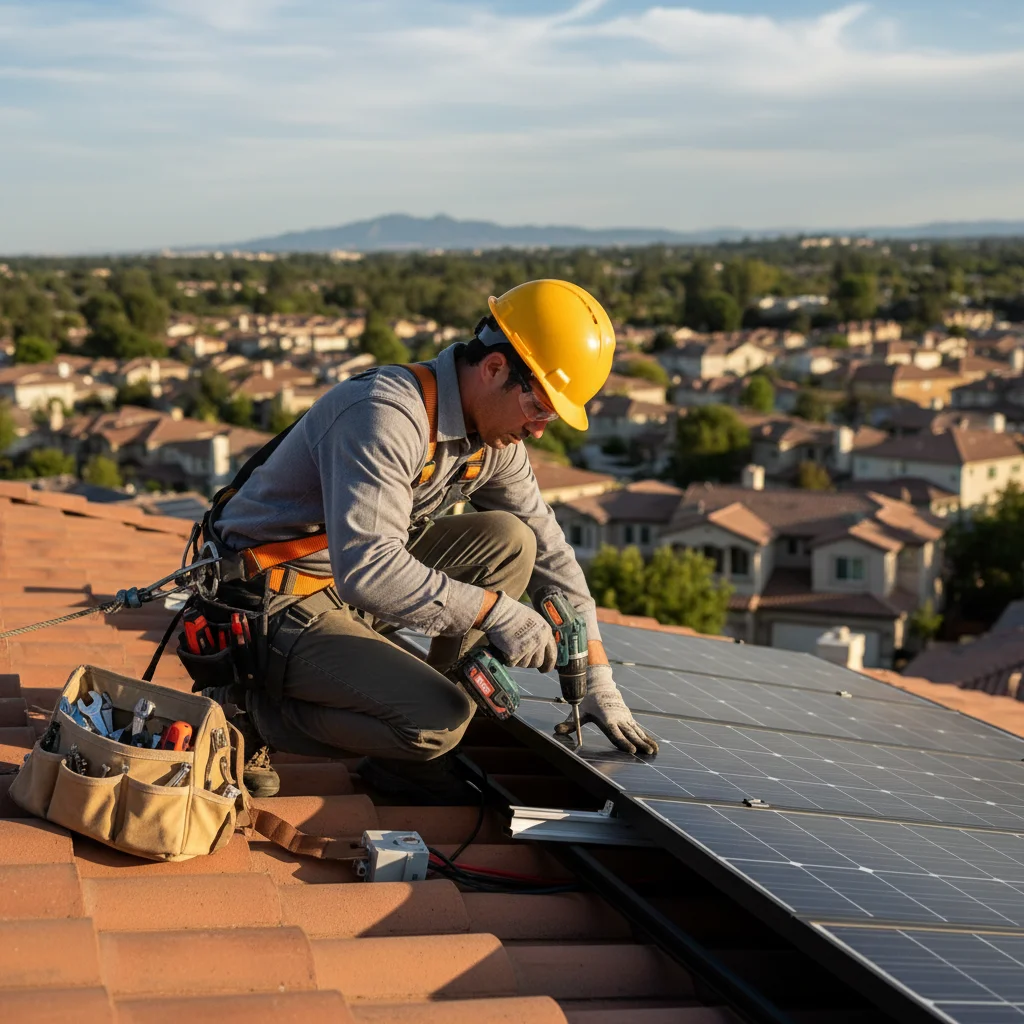
The solar installation process involves multiple steps, from initial consultation and design to permitting, installation, inspection, and utility interconnection. A professional residential solar installer will have a clear, well-defined process and be able to communicate it effectively to you.
Why This Question is Critical:
- Setting Expectations: Understanding each step helps you know what to expect and when, reducing anxiety and allowing you to plan accordingly.
- Efficiency and Timelines: A streamlined process indicates an organized and efficient company, which can minimize delays.
- Compliance: Permitting and interconnection with the utility company are complex and critical steps. An experienced installer will handle these seamlessly, ensuring your system is compliant and legally connected to the grid.
- Communication: A clear process often goes hand-in-hand with good communication, meaning you’ll be kept informed throughout the project.
What to Look For in Their Answer:
- Initial Consultation and Site Assessment: What does this involve? Do they perform a detailed shade analysis and inspect your roof and electrical panel?
- System Design and Proposal: How long does it take to get a customized design? Will they walk you through it and explain the choices?
- Permitting Process: Will they handle all local permits? How long does this typically take in your area? What is your role, if any?
- Installation Timeline: Once permits are approved, how long does the actual physical installation take? What are the typical working hours?
- Inspections: Who handles the necessary inspections (e.g., city/county, utility)?
- Utility Interconnection: How do they manage the process of connecting your system to the grid and getting your net metering agreement set up? When can you expect to ‘flip the switch’ and start producing your own power?
- Post-Installation Handover: What kind of training or documentation do they provide on how to monitor and operate your system?
- Communication Plan: Who will be your point of contact throughout the project? How often will you receive updates?
A reputable residential solar installer will have a dedicated team or individual responsible for managing each stage of the project, especially the often-complex permitting and interconnection phases. They should be able to give you realistic timelines and keep you updated on progress.
Additional Considerations When Choosing a Residential Solar Installer
Beyond these five critical questions, here are a few more points to consider:
- Online Reviews and Reputation: Check independent review sites like Google, Yelp, and the Better Business Bureau. Look for consistent themes in positive and negative reviews.
- Customer Service: How responsive are they to your inquiries? Do they listen to your needs and concerns? Good customer service from the outset is often indicative of good service throughout the project and beyond.
- Insurance: Ensure the installer carries adequate liability insurance and workers’ compensation. Ask for proof. This protects you in case of accidents or damage during installation.
- Local Presence: While national companies exist, a local residential solar installer often has a better understanding of local regulations, weather patterns, and utility specifics. They might also be more accessible for service.
- Company Culture: Do you feel comfortable with their sales team and representatives? A good relationship with your installer can make the entire process much smoother.
Conclusion: Empowering Your Solar Journey with the Right Residential Solar Installer
Investing in residential solar is a powerful step towards energy independence, environmental responsibility, and significant long-term savings. However, the success of this investment hinges on partnering with the right residential solar installer.
By diligently asking these five critical questions – about their experience, product offerings, financial transparency, warranties, and project process – you empower yourself to make an informed decision. You’re not just buying solar panels; you’re investing in a partnership that will support your home’s energy needs for decades to come.
Take your time, do your research, and don’t hesitate to get multiple quotes. A reputable residential solar installer will welcome your questions and provide clear, comprehensive answers. Armed with this knowledge, you can confidently choose an installer that will deliver a high-quality, efficient, and reliable solar energy system, paving the way for a brighter, more sustainable future for your home in 2026 and beyond.