Sustainable Living: How Smart Home Tech Reduces Energy Consumption by 15% Annually
In an era where environmental consciousness is paramount and utility bills continue to climb, the concept of smart home energy saving has emerged as a beacon of hope for homeowners worldwide. Imagine a home that anticipates your needs, adjusts its energy consumption based on your presence, and even learns your habits to optimize efficiency. This isn’t a futuristic fantasy; it’s the present reality offered by smart home technology. By integrating intelligent devices into our daily lives, we can not only contribute to a more sustainable planet but also significantly reduce our household energy expenditure, often by as much as 15% annually. This comprehensive guide will delve into the transformative power of smart home solutions, exploring how they work, the benefits they offer, and how you can begin your journey toward a more energy-efficient and sustainable lifestyle.
The Dawn of Smart Home Energy Saving: A New Paradigm
The traditional approach to energy management often involves manual adjustments and reactive measures. We turn off lights when leaving a room, unplug devices when not in use, and adjust thermostats based on the weather. While these practices are commendable, they are often inconsistent and fall short of achieving optimal efficiency. Smart home technology, however, introduces a proactive and automated paradigm. It leverages interconnected devices, sensors, and artificial intelligence to monitor, control, and optimize energy usage in real-time, often without direct human intervention.
The core principle behind smart home energy saving lies in its ability to provide granular control and insightful data. Instead of a single thermostat controlling the entire house, smart thermostats can manage individual zones. Instead of a simple on/off switch, smart lighting offers dimming, scheduling, and motion-sensing capabilities. This level of precision allows homeowners to target energy waste with unprecedented accuracy, leading to tangible savings and a reduced carbon footprint.
Understanding the Pillars of Smart Home Energy Efficiency
To fully grasp the potential of smart home energy saving, it’s essential to understand the key technological pillars that underpin this revolution:
1. Smart Thermostats: The Brains of Your HVAC System
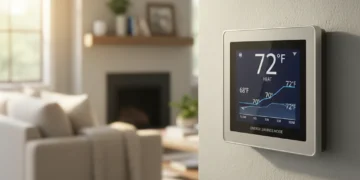
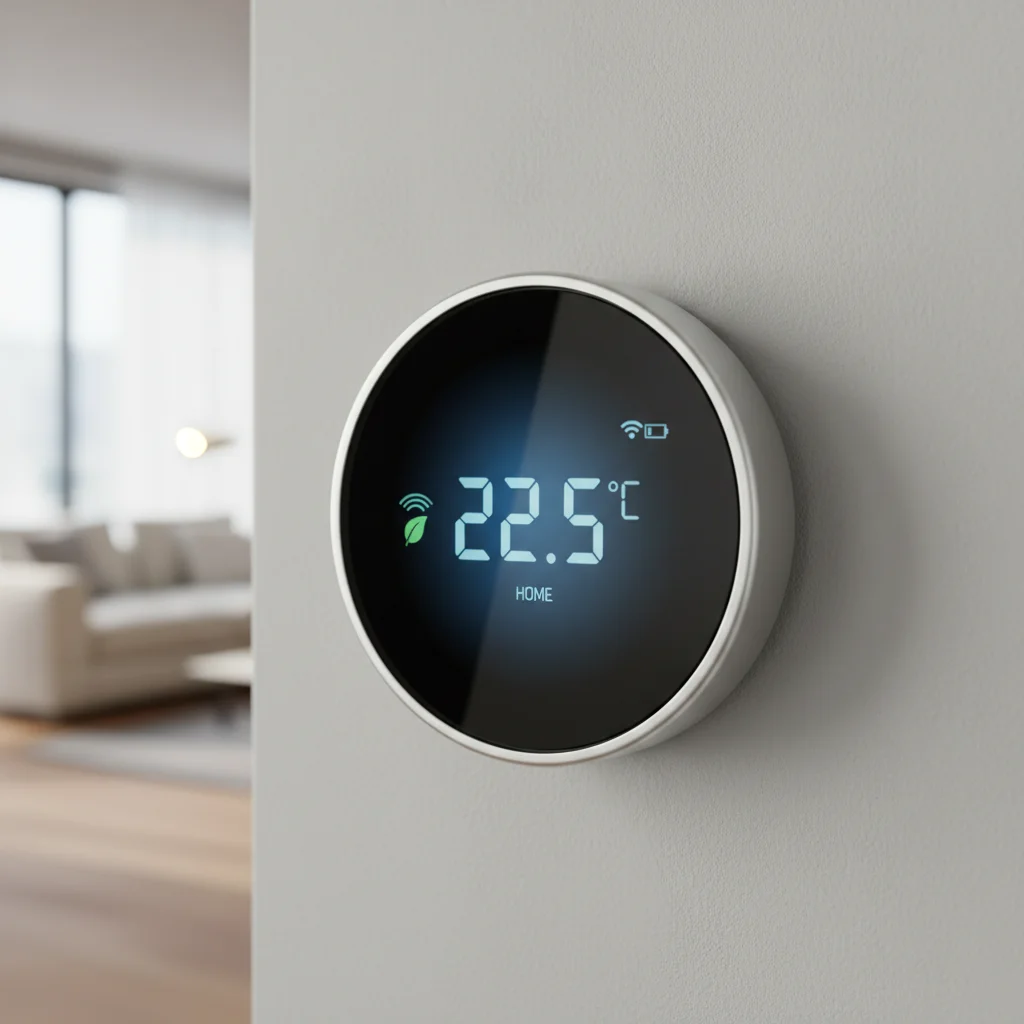
Perhaps the most widely recognized smart home device for energy saving, smart thermostats like Nest, Ecobee, and Honeywell Home have revolutionized climate control. Traditional thermostats maintain a set temperature regardless of occupancy or external conditions. Smart thermostats, on the other hand, are equipped with advanced features that enable them to:
- Learn Your Schedule: They observe your habits over time, automatically adjusting temperatures based on when you’re home, asleep, or away.
- Geofencing: Using your smartphone’s location, they can detect when you’re leaving or approaching home, automatically adjusting the temperature to save energy when you’re out and ensuring comfort upon your return.
- Remote Control: You can adjust your home’s temperature from anywhere in the world via a smartphone app. Forgot to turn down the heat before leaving for vacation? No problem.
- Occupancy Sensors: Some models integrate with sensors to detect if a room is occupied, preventing heating or cooling in empty spaces.
- Energy Reports: They provide detailed insights into your energy consumption, allowing you to identify patterns and areas for further optimization.
- Integration with Weather Forecasts: They can tap into local weather data to pre-cool or pre-heat your home during off-peak hours or in anticipation of extreme temperatures.
By intelligently managing your heating, ventilation, and air conditioning (HVAC) system, smart thermostats can account for a significant portion of the 15% annual energy reduction. They prevent unnecessary heating or cooling, ensuring comfort only when and where it’s needed.
2. Smart Lighting: Illuminating Savings
Lighting accounts for a substantial portion of household electricity usage. Smart lighting systems offer a multifaceted approach to reducing this consumption:
- LED Technology: Smart bulbs are almost exclusively LED, which are inherently more energy-efficient and longer-lasting than incandescent or even CFL bulbs.
- Dimming and Color Control: The ability to dim lights allows you to use only the necessary amount of illumination, reducing energy consumption. Color temperature control can also influence mood and productivity, indirectly impacting energy use by creating more comfortable environments.
- Scheduling: You can set lights to turn on and off at specific times, ensuring they’re not left on accidentally.
- Motion and Occupancy Sensors: Lights can be programmed to turn on only when a room is occupied and turn off automatically after a period of inactivity. This is particularly useful in bathrooms, hallways, and utility rooms.
- Daylight Harvesting: Some advanced systems can integrate with light sensors to automatically adjust indoor lighting levels based on the amount of natural light available, reducing the need for artificial illumination.
- Remote Control and Voice Activation: Conveniently turn lights off from your bed or while away from home, preventing wasted energy.
The cumulative effect of these features can lead to substantial energy savings, making smart lighting a cornerstone of smart home energy saving strategies.
3. Smart Plugs and Outlets: Eliminating Phantom Load
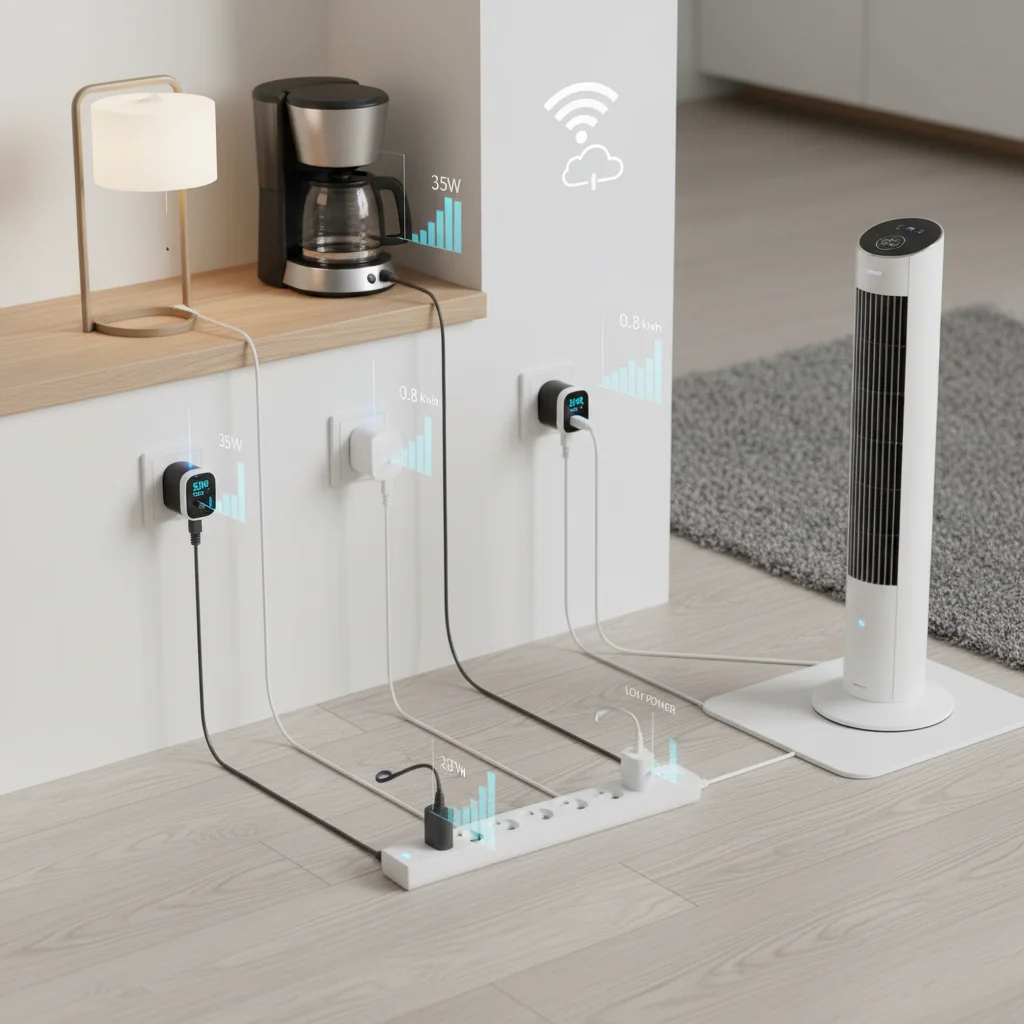
The dreaded ‘phantom load’ or ‘vampire drain’ refers to the electricity consumed by electronics even when they are turned off but still plugged in. This can account for a surprising amount of wasted energy over time. Smart plugs and outlets provide a simple yet effective solution:
- Remote On/Off Control: You can remotely turn off power to devices, completely eliminating phantom load.
- Scheduling: Set schedules for devices like coffee makers, phone chargers, or entertainment systems to ensure they only draw power when needed.
- Energy Monitoring: Many smart plugs offer energy monitoring capabilities, allowing you to see exactly how much power individual devices are consuming. This data is invaluable for identifying energy hogs and making informed decisions.
By intelligently managing the power flow to your appliances, smart plugs contribute significantly to overall smart home energy saving.
4. Smart Appliances: The Next Generation of Efficiency
From refrigerators to washing machines, a growing number of major home appliances are now available with smart capabilities:
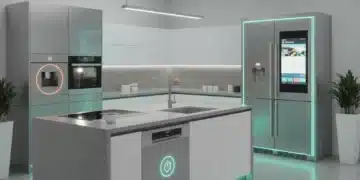
- Smart Refrigerators: Features include door-open alerts, optimized defrost cycles, and even internal cameras to check contents without opening the door, all contributing to reduced energy consumption.
- Smart Washing Machines and Dryers: These can be programmed to run during off-peak electricity hours, reducing costs. Some can also sense the load size and fabric type to optimize water and energy usage.
- Smart Dishwashers: Similar to washing machines, they can be scheduled for off-peak times and often feature soil sensors to adjust wash cycles, saving water and energy.
While the initial investment in smart appliances might be higher, the long-term energy savings and convenience often outweigh the upfront cost, making them a valuable component of a comprehensive smart home energy saving strategy.
5. Smart Blinds and Shades: Harnessing Natural Resources
Controlling natural light and heat can significantly impact a home’s energy consumption. Smart blinds and shades offer an automated solution:
- Automated Adjustment: They can be programmed to open and close based on the time of day, sunlight intensity, or even the internal temperature.
- Temperature Regulation: In summer, they can close during peak sun hours to prevent heat gain, reducing the need for air conditioning. In winter, they can open during sunny periods to allow passive solar heating, reducing reliance on the heating system.
- Integration with Thermostats: Some systems can work in conjunction with smart thermostats to create a holistic climate control strategy.
By intelligently managing solar gain and heat loss, smart blinds and shades contribute to a more stable indoor temperature, leading to further smart home energy saving.
The Tangible Benefits of Smart Home Energy Saving
Beyond the technological marvel, the adoption of smart home energy saving solutions brings a multitude of tangible benefits to homeowners and the environment:
1. Significant Cost Savings on Utility Bills
This is arguably the most immediate and appealing benefit for many. By optimizing heating, cooling, lighting, and appliance usage, smart homes can deliver substantial reductions in electricity and gas bills. The often-cited 15% annual reduction is a conservative estimate, with some homeowners reporting even greater savings, especially in older or less insulated homes where energy waste is more prevalent.
2. Reduced Carbon Footprint and Environmental Impact
Every kilowatt-hour saved translates to less demand on power grids, which often rely on fossil fuels. By reducing energy consumption, homeowners directly contribute to lower greenhouse gas emissions, mitigating climate change and promoting a healthier planet. Smart home energy saving is a practical way for individuals to participate in environmental stewardship.
3. Enhanced Comfort and Convenience
While energy saving is the primary goal, smart home technology also significantly improves daily living. Imagine waking up to a perfectly lit home, a pre-heated shower, and a comfortable ambient temperature, all without lifting a finger. The ability to control your home’s environment remotely, receive alerts, and automate mundane tasks adds an unparalleled layer of convenience and comfort.
4. Increased Home Value
As energy efficiency becomes a more significant selling point, homes equipped with smart energy-saving technology are increasingly attractive to potential buyers. A smart home is often perceived as modern, efficient, and forward-thinking, potentially increasing its market value.
5. Greater Awareness and Control Over Energy Usage
Many smart home systems provide detailed energy consumption reports and real-time monitoring. This transparency empowers homeowners to understand their energy habits better, identify areas of waste, and make informed decisions to further optimize their consumption. This educational aspect is crucial for sustained smart home energy saving.
Implementing Smart Home Energy Saving: A Step-by-Step Guide
Embarking on your smart home journey doesn’t have to be overwhelming. You can start small and gradually expand your system. Here’s a practical guide:
Step 1: Assess Your Current Energy Usage
Before investing in smart tech, understand where your energy goes. Review past utility bills, identify peak usage times, and consider a home energy audit. This will help you prioritize which smart devices will have the most significant impact on your smart home energy saving goals.
Step 2: Choose Your Smart Home Hub or Ecosystem
Many smart devices can operate independently, but for a truly integrated and efficient system, a central hub or a compatible ecosystem (like Apple HomeKit, Google Home, Amazon Alexa, or Samsung SmartThings) is recommended. This allows devices to communicate with each other and be controlled from a single interface. Consider compatibility with existing devices and future expansion plans.
Step 3: Start with High-Impact Devices
Begin with devices that offer the quickest return on investment and address your biggest energy drains:
- Smart Thermostat: Often the first and most impactful step.
- Smart Lighting: Replace frequently used bulbs with smart LEDs.
- Smart Plugs: Target devices known for phantom load.
Step 4: Expand Your System Gradually
Once you’re comfortable with your initial setup, consider adding more devices:
- Smart Door/Window Sensors: Integrate with your thermostat to turn off HVAC if a window is open.
- Smart Blinds/Shades: For automated climate control through natural light.
- Smart Appliances: If you’re due for an appliance upgrade, consider smart models.
- Energy Monitoring Systems: Dedicated whole-home energy monitors can provide even deeper insights.
Step 5: Automate and Optimize
The real power of smart home energy saving comes from automation. Set up routines, schedules, and scenes:
- ‘Away’ mode that turns off lights, lowers the thermostat, and powers down entertainment systems.
- ‘Good Morning’ scene that slowly brightens lights and adjusts the temperature.
- Automated responses to environmental changes, like closing blinds when the sun is too intense.
Overcoming Potential Challenges
While the benefits are clear, there are a few considerations when implementing smart home technology:
- Initial Cost: Smart devices require an upfront investment. However, the long-term savings often justify this cost.
- Complexity: Some systems can be complex to set up. Opt for user-friendly interfaces and consider professional installation if needed.
- Interoperability: Ensure that chosen devices are compatible with your chosen hub or ecosystem to avoid fragmentation.
- Security and Privacy: As with any connected device, be mindful of data privacy and network security. Use strong passwords and keep software updated.
The Future of Smart Home Energy Saving
The landscape of smart home energy saving is continuously evolving. We can anticipate even more sophisticated integrations and capabilities in the coming years:
- Predictive Energy Management: AI will play an even larger role, predicting energy needs based on weather patterns, user schedules, and even grid demand, optimizing usage dynamically.
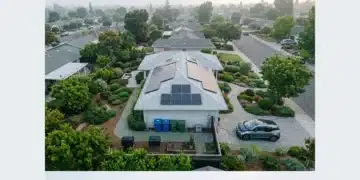
- Integration with Renewable Energy: Smart homes will seamlessly integrate with solar panels, battery storage, and electric vehicle charging, acting as micro-grids.
- Utility Company Collaboration: Closer ties with utility companies will enable demand-response programs, where smart homes automatically reduce consumption during peak load times in exchange for incentives.
- Advanced Sensors: More sophisticated sensors will monitor air quality, humidity, and other environmental factors, further optimizing HVAC and ventilation for both energy efficiency and occupant well-being.
The vision is a home that not only saves energy but actively participates in a broader, smarter energy ecosystem, contributing to grid stability and a truly sustainable future.
Conclusion: Embrace a Smarter, Greener Home
The journey towards smart home energy saving is more than just an upgrade; it’s an investment in a sustainable future, a more comfortable lifestyle, and significant financial savings. By strategically implementing smart thermostats, lighting, plugs, and appliances, homeowners can realistically achieve a 15% annual reduction in energy consumption, making a tangible difference to their wallets and the planet.
Start small, educate yourself, and gradually build a smart home system that aligns with your needs and values. The technology is readily available, user-friendly, and constantly evolving. Embrace the power of smart home technology today and transform your living space into an intelligent, efficient, and environmentally responsible haven. The future of sustainable living is here, and it’s smarter than ever.