Zero-Waste Living: 10 Essential Swaps to Reduce Household Waste by 50% Within 3 Months
Zero-Waste Living: 10 Essential Swaps to Reduce Household Waste by 50% Within 3 Months
Are you tired of overflowing trash bins and the constant stream of single-use plastics entering your home? The concept of zero-waste living might seem daunting, an extreme lifestyle reserved for a select few. However, the truth is, making significant strides towards reducing your environmental footprint can be surprisingly simple and incredibly rewarding. This comprehensive guide will equip you with 10 essential zero-waste swaps that, when consistently applied, can help you dramatically reduce household waste by a remarkable 50% within just three months. It’s not about perfection, but about progress, and every small change contributes to a healthier planet and a more mindful way of living.
The global waste crisis is undeniable. Landfills are overflowing, oceans are choked with plastic, and our planet’s resources are being depleted at an alarming rate. By embracing zero-waste principles, even in small ways, we can all become part of the solution. This article focuses on practical, actionable steps you can take today to transform your home into a more sustainable sanctuary. We’ll explore easy-to-implement alternatives to common disposable items, offering insights into their benefits and how they contribute to a significant reduction in your overall waste output.
Before we dive into the specific swaps, it’s important to understand the ‘why’ behind zero-waste living. Beyond the obvious environmental benefits, adopting a low-waste lifestyle often leads to a more organized home, healthier choices (especially in food), and even financial savings in the long run. By consciously choosing reusable and durable items, you’re investing in quality and reducing the need for constant repurchasing. So, let’s embark on this exciting journey to reduce household waste and embrace a more sustainable future.
Understanding the Impact of Your Waste
Every item we consume, from the moment it’s produced to its eventual disposal, has an environmental footprint. Packaging, manufacturing processes, transportation, and end-of-life management all contribute to greenhouse gas emissions, resource depletion, and pollution. The average household generates a significant amount of waste each week, much of which is avoidable. By consciously choosing to reduce household waste, we directly impact these cycles.
Think about your daily routine. How many single-use items do you encounter? Coffee cups, plastic bags, food wrappers, paper towels, disposable razors – the list goes on. Each of these items represents a lost opportunity for a more sustainable choice. Our goal isn’t to eliminate all waste overnight, but to identify the biggest culprits in our homes and systematically replace them with long-lasting, reusable alternatives. This incremental approach makes the transition manageable and sustainable for the long term. Remember, the journey to reduce household waste is a marathon, not a sprint.
The 5 Rs of Zero Waste: A Guiding Principle
Before diving into the specific swaps, it’s crucial to understand the foundational principles of zero waste, often summarized by the ‘5 Rs’:
- Refuse: Say no to things you don’t need. This is the first and most powerful step. Refuse freebies, plastic bags, straws, and anything that will quickly become trash.
- Reduce: Minimize what you buy and consume. Declutter your home, buy less, and focus on needs over wants. This naturally helps you reduce household waste.
- Reuse: Opt for reusable alternatives instead of disposables. This is where most of our swaps will focus.
- Recycle: When you can’t refuse, reduce, or reuse, recycle properly. Understand your local recycling guidelines.
- Rot (Compost): Compost organic waste. Food scraps and yard waste can be turned into valuable soil amendments, diverting a significant portion of your waste from landfills.
By keeping these principles in mind, you’ll be better equipped to make conscious choices that align with your goal to reduce household waste.
10 Essential Zero-Waste Swaps to Reduce Household Waste by 50%
Here are 10 impactful swaps that will help you significantly reduce household waste within three months. Start with one or two, and gradually incorporate more as you feel comfortable.
Swap 1: Ditch Plastic Bags for Reusable Shopping Bags
This is perhaps the most well-known and easiest swap. Plastic shopping bags are a major environmental pollutant, often ending up in oceans and harming wildlife. They are also notoriously difficult to recycle. By making the switch to reusable bags, you immediately eliminate a significant source of plastic waste from your life.
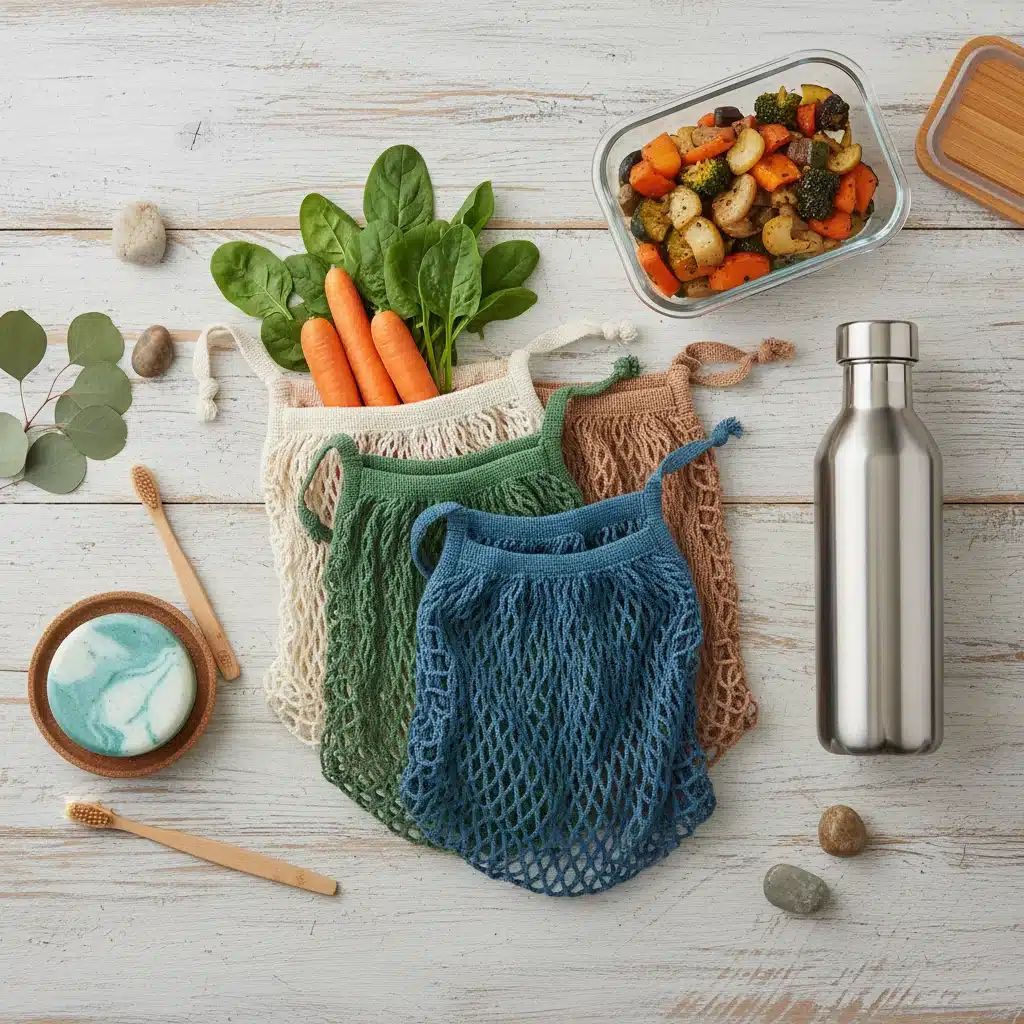
- The Swap: Replace single-use plastic grocery bags with durable, washable reusable bags made from cotton, canvas, or recycled materials.
- How to Implement: Keep several reusable bags in your car, by the front door, or even folded in your purse or backpack. Make it a habit to grab them before every shopping trip. Consider small, foldable bags for spontaneous purchases.
- Impact on Waste Reduction: Eliminates dozens, if not hundreds, of plastic bags per year, significantly contributing to your goal to reduce household waste.
Swap 2: Replace Paper Towels with Reusable Cloth Wipes/Towels
Paper towels are convenient, but their production consumes vast amounts of trees and water, and they generate a continuous stream of waste. Reusable cloth wipes are a fantastic, eco-friendly alternative.
- The Swap: Instead of paper towels, use washable cloth wipes, old t-shirts cut into rags, or designated ‘unpaper’ towels.
- How to Implement: Keep a stack of clean cloth wipes in an easily accessible spot in your kitchen. Have a designated bin or bag for used wipes that can be thrown into the laundry. For bigger spills, use a mop or sponge.
- Impact on Waste Reduction: Drastically reduces paper waste, saving trees and landfill space. This is a powerful step to reduce household waste.
Swap 3: Choose a Reusable Water Bottle and Coffee Cup
The sheer volume of disposable plastic water bottles and coffee cups consumed globally is staggering. These items are often used for mere minutes but take hundreds of years to decompose.
- The Swap: Invest in a high-quality, reusable water bottle (stainless steel or glass) and a reusable coffee cup or travel mug.
- How to Implement: Make it a habit to fill your water bottle each morning before leaving the house. Many coffee shops offer discounts for bringing your own cup. Keep your reusable cup in your bag or car.
- Impact on Waste Reduction: Eliminates countless plastic bottles and coffee cups, making a substantial dent in your efforts to reduce household waste.
Swap 4: Embrace Solid Toiletries (Shampoo, Conditioner, Soap Bars)
Bathroom waste, particularly plastic bottles from liquid toiletries, is a significant contributor to household waste. Solid alternatives are often package-free or come in recyclable/compostable packaging.
- The Swap: Replace bottled shampoo, conditioner, and body wash with solid bars.
- How to Implement: Purchase solid shampoo, conditioner, and soap bars. Store them on a soap dish that allows them to dry properly to extend their life. Many brands offer high-quality, effective options.
- Impact on Waste Reduction: Eliminates plastic bottles from your bathroom, a key area to target when aiming to reduce household waste.
Swap 5: Switch to a Reusable Razor
Disposable plastic razors are another common bathroom item that generates a lot of plastic waste. A safety razor, while requiring a small initial investment, offers a superior shave and dramatically reduces waste.
- The Swap: Replace disposable plastic razors with a durable safety razor (made of metal) and recyclable blades.
- How to Implement: Purchase a safety razor and a pack of blades. Learn the proper technique for using it (there are many online tutorials). The blades are recyclable in specific programs or through metal recycling.
- Impact on Waste Reduction: Eliminates plastic razor handles and cartridges, contributing to a cleaner bathroom and helping you reduce household waste.
Swap 6: Opt for Reusable Food Storage Solutions
Plastic wrap, aluminum foil, and single-use plastic containers are mainstays in many kitchens. There are excellent reusable alternatives that are both practical and aesthetically pleasing.
- The Swap: Replace plastic wrap and aluminum foil with beeswax wraps, silicone lids, or reusable silicone bags. Use glass containers with airtight lids for food storage instead of plastic.
- How to Implement: Gradually replace your disposable storage items. Start by buying a few beeswax wraps or silicone bags. Repurpose glass jars from food items (like jam or pickles) for dry goods or leftovers.
- Impact on Waste Reduction: Significantly reduces plastic and foil waste in your kitchen, a crucial step to reduce household waste.

Swap 7: Make Your Own Cleaning Products
Store-bought cleaning products often come in plastic bottles and contain harsh chemicals. Many effective and eco-friendly cleaning solutions can be made at home with simple, natural ingredients.
- The Swap: Replace store-bought cleaning sprays and wipes with homemade solutions using ingredients like vinegar, baking soda, and essential oils.
- How to Implement: Keep a few reusable spray bottles. Research simple recipes for all-purpose cleaner, glass cleaner, and bathroom cleaner. These are often more effective and much cheaper.
- Impact on Waste Reduction: Eliminates multiple plastic bottles and reduces exposure to chemicals, helping you to reduce household waste and create a healthier home.
Swap 8: Choose Loose Produce and Bulk Foods
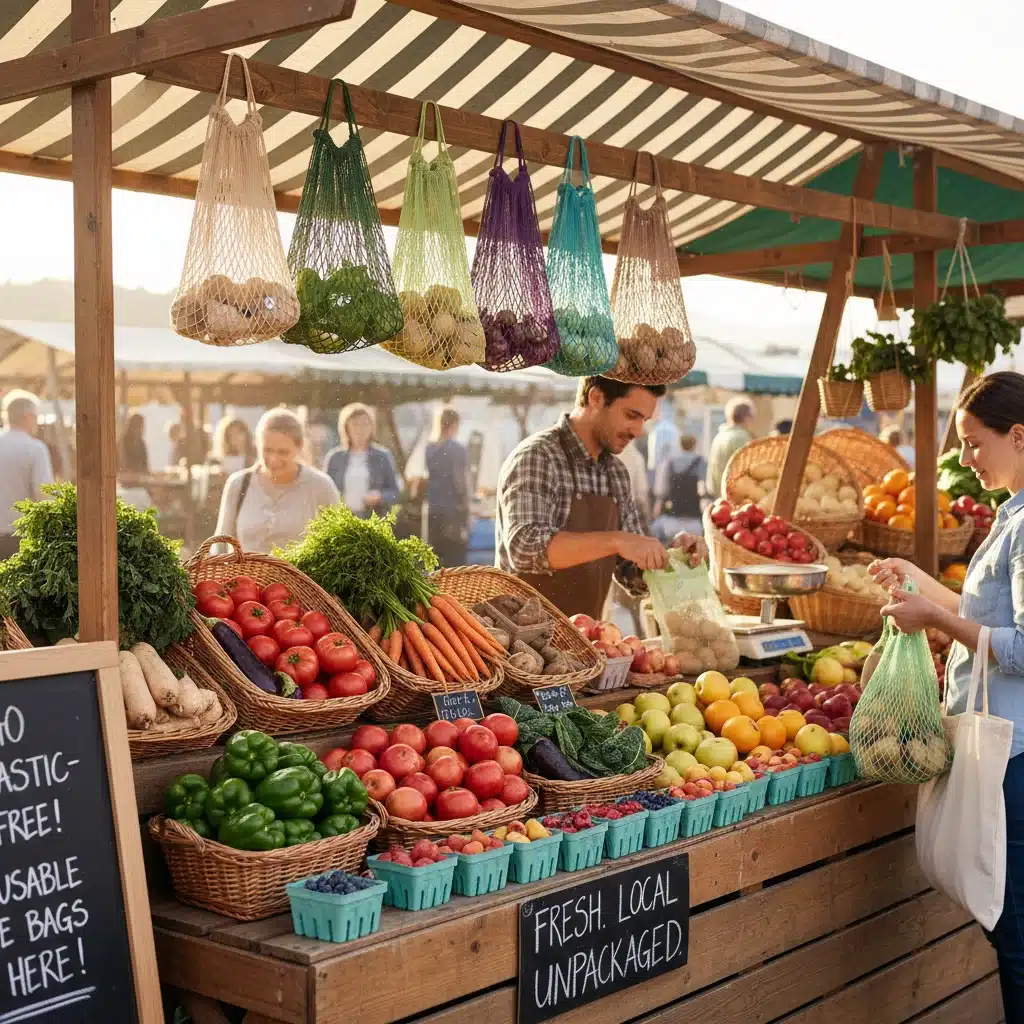
Supermarkets are notorious for excessive packaging, especially in the produce aisle. By choosing loose produce and shopping in the bulk section, you can avoid a lot of unnecessary plastic.
- The Swap: Opt for unpackaged fruits and vegetables. Bring your own reusable produce bags. Shop for grains, nuts, seeds, and even some liquids (like oils or soaps) in bulk stores using your own containers.
- How to Implement: Carry reusable mesh produce bags to the grocery store. Identify local stores with bulk sections. Start with a few items you use frequently and gradually expand.
- Impact on Waste Reduction: Dramatically reduces plastic packaging from groceries, a huge win for anyone looking to reduce household waste.
Swap 9: Use Reusable Menstrual Products
For those who menstruate, disposable pads and tampons contribute significantly to landfill waste. Reusable options are not only eco-friendly but also often more comfortable and cost-effective in the long run.
- The Swap: Replace disposable pads and tampons with menstrual cups, reusable cloth pads, or period underwear.
- How to Implement: Research the different types of reusable menstrual products to find what suits you best. There’s a learning curve, but many find them to be a game-changer for comfort and sustainability.
- Impact on Waste Reduction: Eliminates a substantial amount of non-recyclable waste, making a significant impact on your personal efforts to reduce household waste.
Swap 10: Start Composting Food Scraps
Food waste is a huge component of landfill waste, where it produces methane, a potent greenhouse gas. Composting diverts this organic material and turns it into rich soil amendment.
- The Swap: Instead of throwing food scraps in the trash, start a composting system.
- How to Implement: This can be as simple as a small countertop bin for fruit and vegetable scraps that you take to a community compost drop-off, or a backyard compost pile. Many cities also offer curbside composting programs.
- Impact on Waste Reduction: Can reduce your household waste by up to 30-50% on its own, directly contributing to your goal to reduce household waste.
Tracking Your Progress: How to Measure a 50% Reduction
Achieving a 50% reduction in household waste within three months is an ambitious but entirely achievable goal. The key is to track your progress and celebrate small victories. Here’s how you can measure your success:
Baseline Measurement
Before you begin making swaps, spend a week observing and measuring your current waste output. You don’t need to weigh every single item, but get a general idea:
- Count your trash bags: How many bags of landfill waste do you generate in a week?
- Categorize your waste: What are the main types of waste? (e.g., food scraps, plastic packaging, paper, etc.) This helps identify your ‘waste hotspots.’
- Take a photo: A visual record can be very motivating.
Monthly Check-ins
At the end of each month, repeat your baseline measurement. Compare the number of trash bags, the volume of waste, and the types of items you’re still throwing away. You should start seeing a noticeable decrease.
Focus on the ‘Big Wins’
The 10 swaps outlined above are designed to tackle the most common and voluminous waste items. By focusing on these, you’ll see the most significant impact on your overall waste reduction. For example, eliminating single-use plastic bags and paper towels alone can represent a massive reduction in volume.
Adjust and Adapt
Zero-waste living is a journey, not a destination. If one swap isn’t working for you, don’t get discouraged. Find an alternative or focus on another area. The goal is continuous improvement, not perfection. Keep refining your methods to better reduce household waste.
Overcoming Challenges and Staying Motivated
Transitioning to a zero-waste lifestyle can present some challenges. You might encounter:
- Initial Cost: Some reusable items have a higher upfront cost, but they save money in the long run.
- Convenience: It takes effort to remember your reusable bags or bottle.
- Social Pressure: Friends or family might not understand your choices.
- Availability: Bulk stores or specific zero-waste products might not be readily available everywhere.
Here are some tips to overcome these hurdles and stay motivated to reduce household waste:
- Start Small: Don’t try to change everything at once. Pick one or two swaps that feel manageable and build from there.
- Educate Yourself: Learn about the environmental impact of your choices. This knowledge can be a powerful motivator.
- Find Your Community: Connect with other zero-waste enthusiasts online or locally for support and ideas.
- Be Prepared: Keep your reusable items visible and accessible. Pack a ‘zero-waste kit’ for outings (reusable bag, water bottle, coffee cup, cutlery).
- Don’t Be Hard on Yourself: There will be days when you forget your reusable bag or end up with a plastic item. Acknowledge it, learn from it, and move on. Progress, not perfection, is the goal.
- Focus on the Positives: Enjoy the cleaner home, the money saved, and the satisfaction of knowing you’re making a positive impact.
Beyond the 10 Swaps: Continuing Your Zero-Waste Journey
Once you’ve mastered these 10 essential swaps and successfully managed to reduce household waste by 50% or more, you might find yourself inspired to delve deeper into zero-waste living. Here are some additional areas to explore:
- Mindful Consumption: Before buying anything new, ask yourself: Do I really need this? Can I borrow it, buy it used, or make it myself?
- Repair and Mend: Instead of discarding broken items, try to repair them. Learn basic sewing skills for clothes, or find local repair shops for electronics and appliances.
- DIY Projects: Explore making more of your own products, such as deodorant, toothpaste, or even bread. This not only reduces waste but also gives you control over ingredients.
- Second-hand Shopping: Embrace thrift stores, consignment shops, and online marketplaces for clothing, furniture, and other goods.
- Minimalism: Consider decluttering your home and owning fewer possessions. A minimalist lifestyle naturally leads to less waste.
- Advocacy: Share your journey and inspire others. Support businesses that prioritize sustainability and advocate for policy changes that promote waste reduction.
Every step you take, no matter how small, contributes to a larger movement towards a more sustainable and equitable world. By committing to these essential swaps, you’re not just changing your habits; you’re actively participating in creating a better future.
Conclusion: Your Path to a Lower-Waste Lifestyle
Embarking on a zero-waste journey to reduce household waste by 50% within three months is an empowering and impactful decision. By focusing on these 10 essential swaps – from reusable shopping bags and water bottles to solid toiletries and composting – you can make tangible, measurable progress towards a more sustainable lifestyle. Remember the 5 Rs: Refuse, Reduce, Reuse, Recycle, and Rot, as your guiding principles.
This isn’t about perfection, but about conscious choices and consistent effort. Celebrate each plastic bottle avoided, each food scrap composted, and each reusable item embraced. You’ll not only see a significant reduction in your trash bins but also experience a greater connection to your consumption habits and a deeper appreciation for our planet. Start today, choose one swap, and watch as your commitment to reduce household waste transforms your home and inspires those around you. The future is in our hands, and it starts with the choices we make every day.