Zero Waste Living: 7 Practical Tips for U.S. Households to Start Today

Zero Waste Living: 7 Practical Tips for U.S. Households to Start Today
In an era where environmental consciousness is no longer a niche interest but a global imperative, the concept of zero waste living has emerged as a powerful and actionable philosophy. For U.S. households, embracing a zero-waste lifestyle isn’t just about reducing trash; it’s about re-evaluating consumption patterns, fostering resourcefulness, and contributing to a healthier planet. The journey to zero waste can seem daunting at first, conjuring images of extreme minimalism and radical lifestyle changes. However, it’s a gradual process, often starting with small, manageable steps that collectively make a significant impact. This comprehensive guide will break down seven practical tips that U.S. households can adopt today to embark on or further their zero waste living journey, demonstrating that sustainability is accessible, affordable, and incredibly rewarding.
The average American generates approximately 4.9 pounds of trash per day, totaling an astonishing 1,786 pounds per year. This waste often ends up in landfills, contributing to greenhouse gas emissions and environmental pollution. By adopting zero waste living principles, households can drastically reduce their contribution to this problem, conserving natural resources, reducing energy consumption, and minimizing pollution. Beyond the environmental benefits, a zero-waste lifestyle often leads to financial savings, as it encourages mindful consumption, reduces impulse purchases, and favors durable, reusable items over disposable ones. It also promotes a deeper connection to the products we use, encouraging us to understand their lifecycle and impact.
This article will delve into actionable strategies, from conscious shopping habits to efficient waste management at home. We’ll explore how simple shifts in daily routines can lead to profound environmental benefits and a more fulfilling, less cluttered life. Whether you’re a seasoned environmentalist or just starting to consider your ecological footprint, these tips are designed to be practical, easy to implement, and relevant to the unique challenges and opportunities faced by households across the United States. Let’s dive into how you can transform your home into a beacon of sustainable living, one thoughtful choice at a time.
1. Embrace Reusables: The Foundation of Zero Waste Living
One of the most fundamental and impactful steps toward zero waste living is to replace single-use items with their reusable counterparts. This simple switch can dramatically reduce the amount of waste generated in your daily life. Think about the items you use and discard most frequently:
Reusable Shopping Bags
Plastic shopping bags are a notorious environmental pollutant, often ending up in oceans and harming wildlife. Investing in a few sturdy, reusable shopping bags and keeping them in your car, purse, or by the door is a habit that pays dividends. Many grocery stores in the U.S. now offer incentives or charge for plastic bags, making the switch even more practical. Cotton, canvas, or jute bags are excellent choices, often lasting for years.
Water Bottles and Coffee Cups
The convenience of bottled water and disposable coffee cups comes at a steep environmental cost. An estimated 50 billion plastic water bottles are consumed in the U.S. each year, and disposable coffee cups, often lined with plastic, are rarely recyclable. Carrying a reusable water bottle and a travel coffee mug is a straightforward way to reduce this waste. Many coffee shops even offer discounts for bringing your own cup, making it a win-win for your wallet and the planet.
Food Containers and Utensils
Packing lunches, storing leftovers, and getting takeout often involve a plethora of single-use plastics. Transition to glass or stainless steel food containers for storage and meal prep. For on-the-go meals, consider a reusable utensil set and a cloth napkin. This not only cuts down on waste but also ensures you’re eating with higher-quality, safer materials.
Beyond the Basics: Reusable Produce Bags and Straws
Extend your reusable philosophy to produce bags – those flimsy plastic bags for fruits and vegetables at the grocery store. Mesh or cloth produce bags are lightweight, washable, and durable. If you enjoy straws, opt for stainless steel, bamboo, or glass straws instead of plastic ones. These small changes, when adopted consistently, form the bedrock of a successful zero waste living strategy.
2. Shop Smart: Prioritize Package-Free and Bulk Options
The packaging industry is a significant contributor to waste. By being more intentional about where and how you shop, you can significantly reduce the amount of packaging entering your home. This is a crucial aspect of zero waste living that requires a shift in purchasing habits.
Explore Bulk Sections
Many grocery stores, especially co-ops and health food stores across the U.S., offer extensive bulk sections where you can purchase dry goods like grains, pasta, nuts, seeds, spices, and even liquids like oils and soaps. Bring your own reusable containers or cloth bags, weigh them before filling, and then fill them with your desired products. This eliminates single-use plastic bags and boxes, and often, bulk items are cheaper per pound.
Farmer’s Markets and Local Producers
Farmer’s markets are a treasure trove for package-free goods. You can buy fresh fruits, vegetables, eggs, and sometimes even bread and meat directly from producers, often without any packaging. This not only reduces waste but also supports local economies and provides access to fresher, seasonal produce. Don’t forget your reusable shopping bags and produce bags!
Consider Package-Free Personal Care and Cleaning Products
The beauty and cleaning industries are notorious for excessive plastic packaging. Look for solid shampoo and conditioner bars, bar soap, and refillable options for lotions and detergents. Many zero-waste stores are popping up across the U.S. that specialize in package-free alternatives for almost every household need. Making your own cleaning products with ingredients like vinegar, baking soda, and essential oils is another excellent, cost-effective, and waste-reducing strategy.
Read Labels and Choose Wisely
When package-free options aren’t available, make conscious choices. Opt for products packaged in glass, metal, or paper/cardboard, which are generally more easily recyclable or compostable than plastic. Avoid excessive packaging, such as items individually wrapped within a larger box. Every purchasing decision is an opportunity to practice zero waste living.
3. Master the Art of Composting: Divert Organic Waste from Landfills
Organic waste, including food scraps and yard waste, makes up a significant portion of what ends up in landfills. When organic matter decomposes in an anaerobic (oxygen-free) environment like a landfill, it produces methane, a potent greenhouse gas. Composting, therefore, is an incredibly powerful tool in the zero waste living arsenal.
Why Compost?
Composting transforms organic waste into nutrient-rich soil amendment, benefiting your garden or houseplants. It reduces landfill waste, mitigates methane emissions, and returns valuable nutrients to the earth, completing a natural cycle. For U.S. households, composting can be done in various ways, depending on space and preference.
Home Composting Options
- Backyard Composting: If you have a yard, a simple compost pile or bin is an effective way to compost food scraps (excluding meat, dairy, and oily foods to avoid pests), leaves, grass clippings, and other garden waste. It requires a balance of ‘greens’ (nitrogen-rich, like food scraps) and ‘browns’ (carbon-rich, like dry leaves and shredded paper), moisture, and occasional turning.
- Vermicomposting (Worm Composting): For smaller spaces or apartment dwellers, vermicomposting uses red wiggler worms to break down food scraps into nutrient-dense worm castings. It’s an odorless and efficient method for composting kitchen waste indoors or on a balcony.
- Bokashi Composting: This anaerobic fermentation process uses inoculated bran to break down all types of food waste, including meat and dairy. The fermented material is then buried or added to a traditional compost pile to finish decomposing.
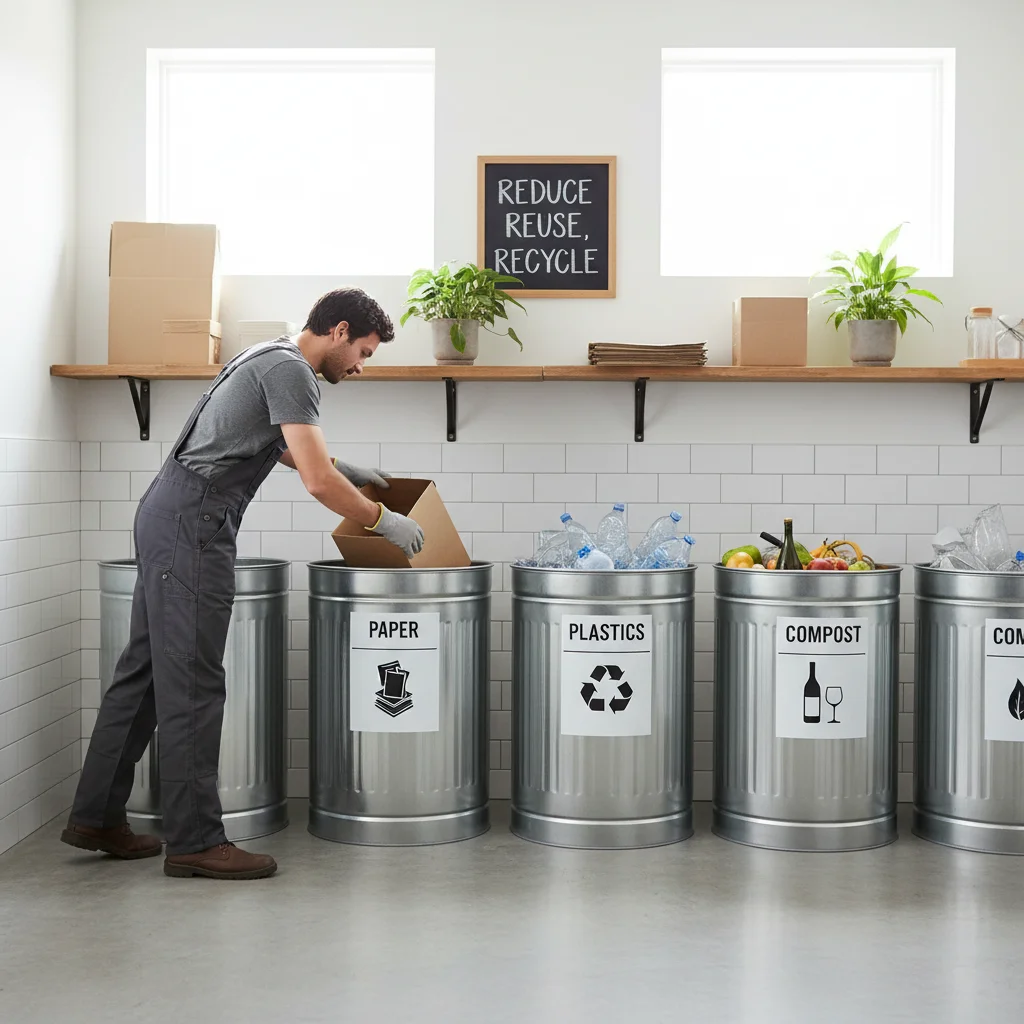
Community Composting and Food Scrap Drop-Offs
If home composting isn’t feasible, many U.S. cities and towns offer community composting programs or food scrap drop-off sites. Check with your local municipality or waste management service to see what options are available in your area. Some private companies also offer subscription-based compost pick-up services. Utilizing these services is a fantastic way to participate in zero waste living without the need for a backyard compost system.
4. Reduce, Reuse, Repair: The Hierarchy of Consumption
The mantra of zero waste living extends beyond just avoiding packaging; it encompasses a broader philosophy of consumption. Before recycling or composting, the most impactful actions are to reduce, reuse, and repair.
Reduce Consumption
The most effective way to reduce waste is to simply buy less. Before making a purchase, ask yourself: Do I truly need this? Can I borrow it? Can I make do with what I already have? Mindful consumption means prioritizing needs over wants, choosing quality over quantity, and resisting the urge for impulse buys. This mindset shift is central to a sustainable lifestyle.
Reuse What You Have
Before discarding an item, consider if it can be given a second life. Old clothes can become cleaning rags. Glass jars from food can be repurposed for storage or DIY projects. Plastic containers can be used for organizing. Get creative with how you can extend the lifespan of items already in your home. Donation centers, thrift stores, and online marketplaces are excellent avenues for giving unwanted items a new home, preventing them from ending up in landfills.
Repair Before Replacing
In our disposable society, it’s often easier and seemingly cheaper to replace a broken item than to repair it. However, learning basic repair skills or seeking out repair services can save money and significantly reduce waste. Fix a torn garment, mend a broken appliance, or resole worn shoes. Repair cafes, where volunteers help people fix their broken items, are gaining popularity in the U.S. and embody the spirit of zero waste living.
5. Ditch Disposables in the Kitchen and Bathroom
The kitchen and bathroom are often hotspots for single-use items. Targeting these areas for reduction can yield significant results in your zero waste living efforts.
Kitchen Swaps
- Paper Towels: Replace paper towels with reusable cloth rags or Swedish dishcloths. They are more absorbent, washable, and durable, saving you money in the long run.
- Plastic Wrap and Aluminum Foil: Opt for beeswax wraps, silicone food covers, or simply use plates to cover bowls of leftovers.
- Sponges: Traditional sponges are often made of plastic and harbor bacteria. Switch to natural loofahs, wooden brushes, or compostable scrubbers.
- Tea Bags: Many tea bags contain plastic. Choose loose leaf tea and a reusable tea infuser.
- Coffee Pods: These are a major source of plastic waste. Invest in a reusable coffee filter for your drip machine or a French press.
Bathroom Swaps
- Plastic Toothbrushes: Switch to bamboo toothbrushes, which are biodegradable.
- Liquid Soap Bottles: Use bar soap for hands and body, and solid shampoo/conditioner bars.
- Cotton Balls and Swabs: Replace disposable cotton rounds with reusable, washable cloth pads. Opt for bamboo-stick cotton swabs or simply avoid them where possible.
- Feminine Hygiene Products: Explore reusable options like menstrual cups or washable cloth pads.
- Razors: Invest in a safety razor with replaceable blades, significantly reducing plastic waste from disposable razors.
Each of these swaps is a small step, but collectively, they significantly reduce the amount of waste leaving your home and contribute to a more comprehensive zero waste living strategy.
6. Plan Meals and Minimize Food Waste
Food waste is a colossal problem in the U.S., with an estimated 30-40% of the food supply going uneaten. This not only represents wasted resources (water, energy, labor) but also contributes to landfill emissions. Effective meal planning and mindful food management are cornerstones of successful zero waste living.
Strategic Meal Planning
Before you shop, plan your meals for the week. Make a detailed shopping list based on your plan and stick to it. This prevents impulse buys of items you don’t need, which often end up spoiling. Consider incorporating ingredients that can be used in multiple meals to minimize waste and maximize efficiency.
Smart Food Storage
Proper storage is key to extending the life of your food. Learn the best ways to store different fruits, vegetables, and pantry items. For example, storing herbs in a glass of water in the fridge, or keeping bread in a cloth bag instead of plastic, can make a big difference. Utilize your freezer to preserve leftovers or ingredients you won’t use immediately.
Creative Cooking with Leftovers and Scraps
Get creative in the kitchen! Transform leftovers into new meals. Vegetable scraps can be saved to make homemade broths. Stale bread can become croutons or breadcrumbs. Overripe fruits can be used in smoothies or baked goods. There are countless recipes and ideas available to help you minimize food waste and maximize flavor.
Understand Expiration Dates
Many ‘best by’ or ‘sell by’ dates are indicators of peak quality, not food safety. Learn to distinguish between these and ‘use by’ dates. Trust your senses – if food looks, smells, and tastes fine, it’s likely still good to eat. This critical understanding helps prevent perfectly edible food from being thrown away prematurely, a vital component of zero waste living.

7. Advocate and Educate: Spread the Zero Waste Message
While individual actions are powerful, collective action amplifies impact. A critical aspect of zero waste living is to advocate for systemic change and educate others. Your actions can inspire friends, family, and your wider community.
Lead by Example
The most effective way to spread the message of zero waste living is to embody it. When others see your reusable water bottle, your bulk purchases, or your composting efforts, they become curious. Be open to sharing your journey, tips, and challenges. Demonstrate how accessible and beneficial this lifestyle can be.
Support Zero Waste Businesses and Policies
Vote with your dollar by supporting businesses that prioritize sustainability, offer package-free options, or have strong recycling and waste reduction policies. Engage with local government to advocate for better recycling infrastructure, composting programs, and policies that encourage businesses to reduce waste. For example, supporting legislation that bans single-use plastics can have a far-reaching impact beyond your household.
Educate and Engage Your Community
Share resources, articles, and documentaries about waste reduction. Organize or participate in community clean-up events. Start a conversation with your neighbors about composting or sharing resources. The more people who understand the importance and feasibility of zero waste living, the greater the positive change we can achieve.
Be Patient and Persistent
Remember that zero waste living is a journey, not a destination. There will be times when it’s challenging or when you generate more waste than you’d like. The goal isn’t perfection, but continuous improvement. Celebrate small victories, learn from setbacks, and remain persistent in your efforts. Every single step, no matter how small, contributes to a healthier planet for current and future generations.
Conclusion: Your Zero Waste Living Journey Starts Now
Embracing zero waste living in your U.S. household is a powerful statement of commitment to environmental stewardship. It’s a lifestyle that encourages mindful consumption, fosters creativity, and ultimately leads to a more sustainable and fulfilling existence. From the simple act of carrying a reusable water bottle to the more involved process of composting, each of the seven tips outlined above offers a practical pathway to reducing your environmental footprint.
The journey may seem overwhelming initially, but remember that progress, not perfection, is the key. Start with one or two tips that resonate most with you, integrate them into your routine, and then gradually build upon your successes. You don’t need to eliminate all waste overnight; every piece of plastic avoided, every food scrap composted, and every item repaired contributes positively to the larger goal. By adopting these practical strategies, U.S. households can play a vital role in addressing the global waste crisis, conserving resources, and inspiring a broader movement towards a more sustainable future. Your commitment to zero waste living is an investment in the health of our planet and a legacy for generations to come. Start today, and witness the profound impact of your conscious choices.