Residential Solar Monitoring 2026: Optimize Your System’s Performance
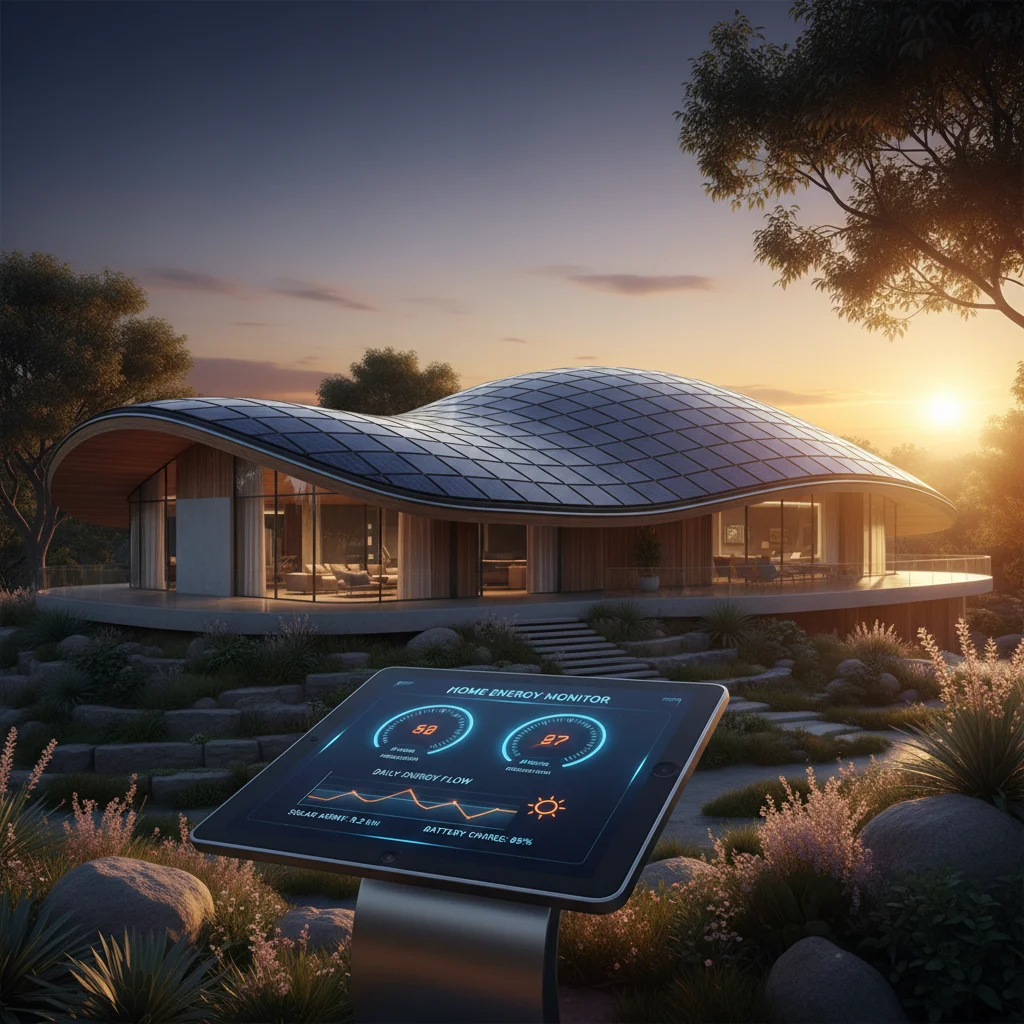
As we step into 2026, residential solar energy continues its rapid ascent as a cornerstone of sustainable living. For homeowners, the initial investment in solar panels is just the beginning. The true power and efficiency of a solar system are unlocked through effective solar monitoring 2026. This isn’t merely about knowing your panels are generating electricity; it’s about understanding every watt, optimizing every ray of sunlight, and ensuring your system operates at peak performance for decades to come.
The landscape of solar technology is constantly evolving, and monitoring solutions are no exception. What was considered cutting-edge just a few years ago has been refined, integrated, and enhanced to offer unprecedented levels of insight and control. This comprehensive guide will delve into the critical aspects of residential solar monitoring in 2026, exploring the technologies, benefits, and best practices that empower homeowners to take full command of their renewable energy investment.
From maximizing your return on investment to proactively identifying potential issues, robust solar monitoring is indispensable. It transforms your solar array from a passive energy generator into an active, intelligent part of your smart home ecosystem. Let’s embark on a journey to understand how solar monitoring 2026 is setting new standards for energy independence and efficiency.
The Evolution of Solar Monitoring: From Basic to Brilliant
In its nascent stages, solar monitoring was often rudimentary, relying on simple meters to show overall production. Fast forward to 2026, and the capabilities have expanded exponentially. Modern solar monitoring 2026 systems are sophisticated networks that collect, analyze, and present data in highly granular and user-friendly formats. This evolution has been driven by advancements in sensor technology, data analytics, artificial intelligence (AI), and the Internet of Things (IoT).
Early Monitoring Systems: A Glimpse into the Past
Initially, homeowners might have had a single meter displaying total kilowatt-hours produced. While better than nothing, this offered limited insight. If production dropped, pinpointing the exact cause – be it a shaded panel, a faulty inverter, or simply a cloudy day – was challenging and often required professional intervention.
The Rise of String and Panel-Level Monitoring
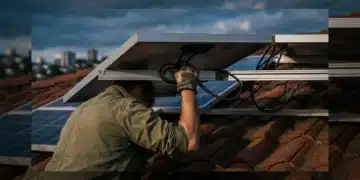
The first major leap came with string-level monitoring, where an inverter would provide data for a group of panels connected in a ‘string’. This was an improvement, but the real game-changer has been panel-level monitoring, enabled by microinverters or power optimizers. These devices, attached to individual solar panels, allow for precise tracking of each panel’s performance. This means if one panel is underperforming due to shade, dirt, or a defect, the system can immediately flag it without affecting the output of other panels. This granular data is a cornerstone of effective solar monitoring 2026.
Integration with Smart Home Ecosystems
Today, solar monitoring 2026 is not an isolated function. It’s increasingly integrated into broader smart home ecosystems. This means your solar data can communicate with other smart devices in your home – thermostats, EV chargers, smart appliances – to optimize energy consumption, storage, and even participate in demand-response programs with your utility. This interconnectedness allows for a truly holistic approach to home energy management.
Why is Advanced Solar Monitoring Crucial in 2026?
Beyond the simple satisfaction of seeing your clean energy production, advanced solar monitoring 2026 offers a multitude of tangible benefits that directly impact your wallet and the longevity of your solar investment.
Maximizing Energy Production and ROI
The primary goal of any solar system is to generate as much electricity as possible. Monitoring allows you to ensure this is happening. By identifying underperforming panels or system inefficiencies, you can take corrective action quickly, preventing prolonged periods of reduced output. This directly translates to more energy generated, greater savings on your electricity bills, and a faster return on your initial investment.
Proactive Problem Detection and Maintenance
Imagine a scenario where a single panel is consistently producing 20% less than its neighbors. Without monitoring, this issue might go unnoticed for months, costing you significant energy. With robust solar monitoring 2026, such anomalies are immediately highlighted through alerts or visual dashboards. This allows for proactive maintenance, addressing minor issues before they escalate into major, costly repairs. It extends the lifespan of your system components and reduces downtime.
Understanding Energy Consumption Patterns
Effective solar monitoring doesn’t just track what your panels produce; it also monitors what your home consumes. This dual insight is invaluable. You can see how much of your generated solar energy is being used directly, how much is sent back to the grid, and how much you’re pulling from the grid. This understanding empowers you to adjust your energy usage habits, shifting high-demand activities (like charging an EV or running laundry) to times when your solar production is at its peak, further maximizing your self-consumption and savings.
Ensuring System Longevity and Warranty Compliance
Most solar equipment comes with extensive warranties, often contingent on proper operation and maintenance. Detailed performance logs provided by solar monitoring 2026 systems can be crucial for warranty claims, providing irrefutable evidence of system behavior. Furthermore, consistent monitoring ensures your system is operating within its specified parameters, preventing undue stress on components and contributing to their overall longevity.
Key Technologies Driving Solar Monitoring in 2026
The sophistication of today’s monitoring systems stems from several interconnected technologies. Understanding these components helps homeowners appreciate the depth of insights available.
Microinverters and Power Optimizers
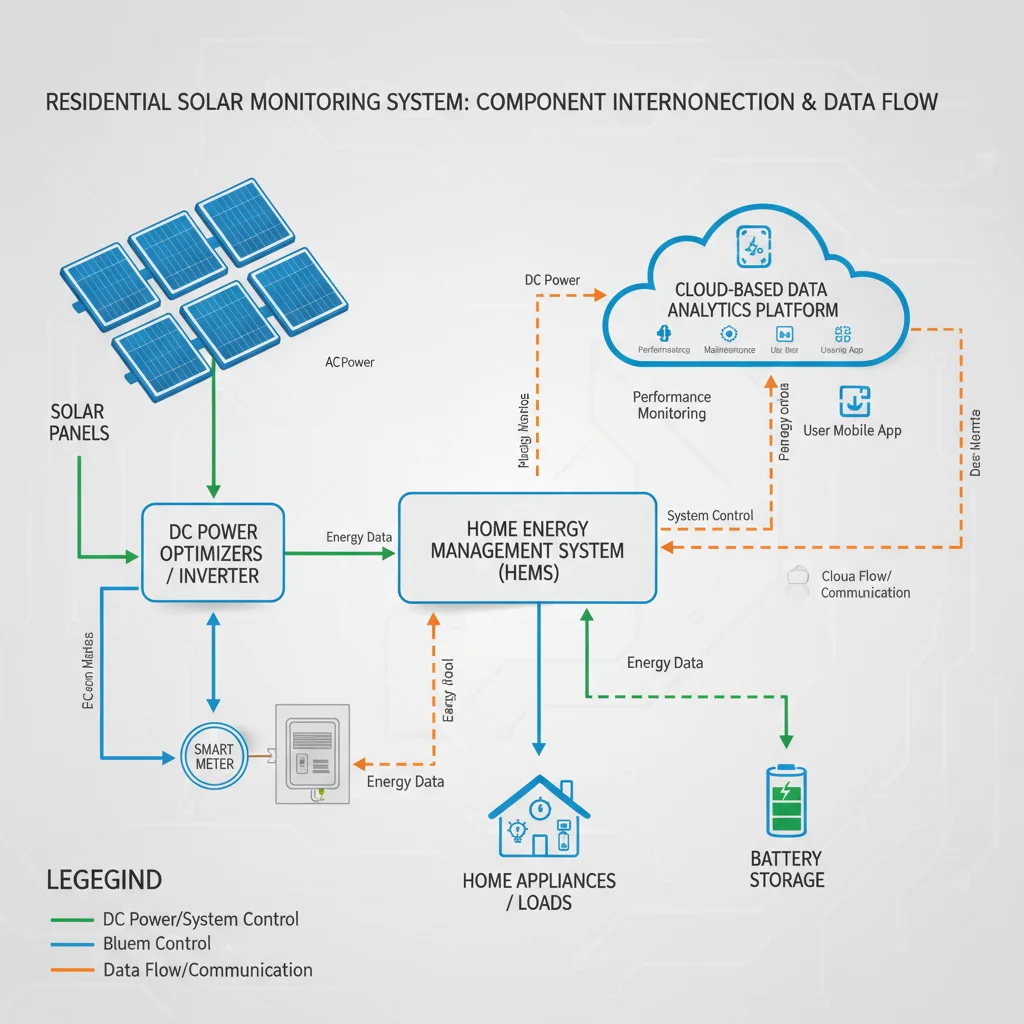
These devices are fundamental to panel-level monitoring. Microinverters convert DC electricity from individual panels into AC electricity right at the panel, while power optimizers condition the DC power before it goes to a central inverter. Both provide granular data for each panel, making it possible to identify and diagnose issues with pinpoint accuracy. They are a cornerstone of modern solar monitoring 2026 setups.
Smart Meters and Home Energy Management Systems (HEMS)
Smart meters, often installed by your utility, provide real-time data on your home’s overall electricity consumption and grid interaction. When integrated with a Home Energy Management System (HEMS), this data is combined with your solar production data. HEMS are the brains of your smart energy home, allowing you to visualize energy flow, set automation rules, and even control smart appliances based on energy availability and cost. This integration is vital for advanced solar monitoring 2026.
Cloud-Based Data Platforms and AI Analytics
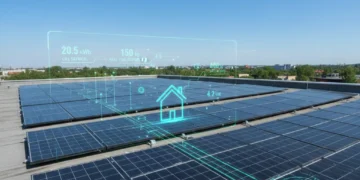
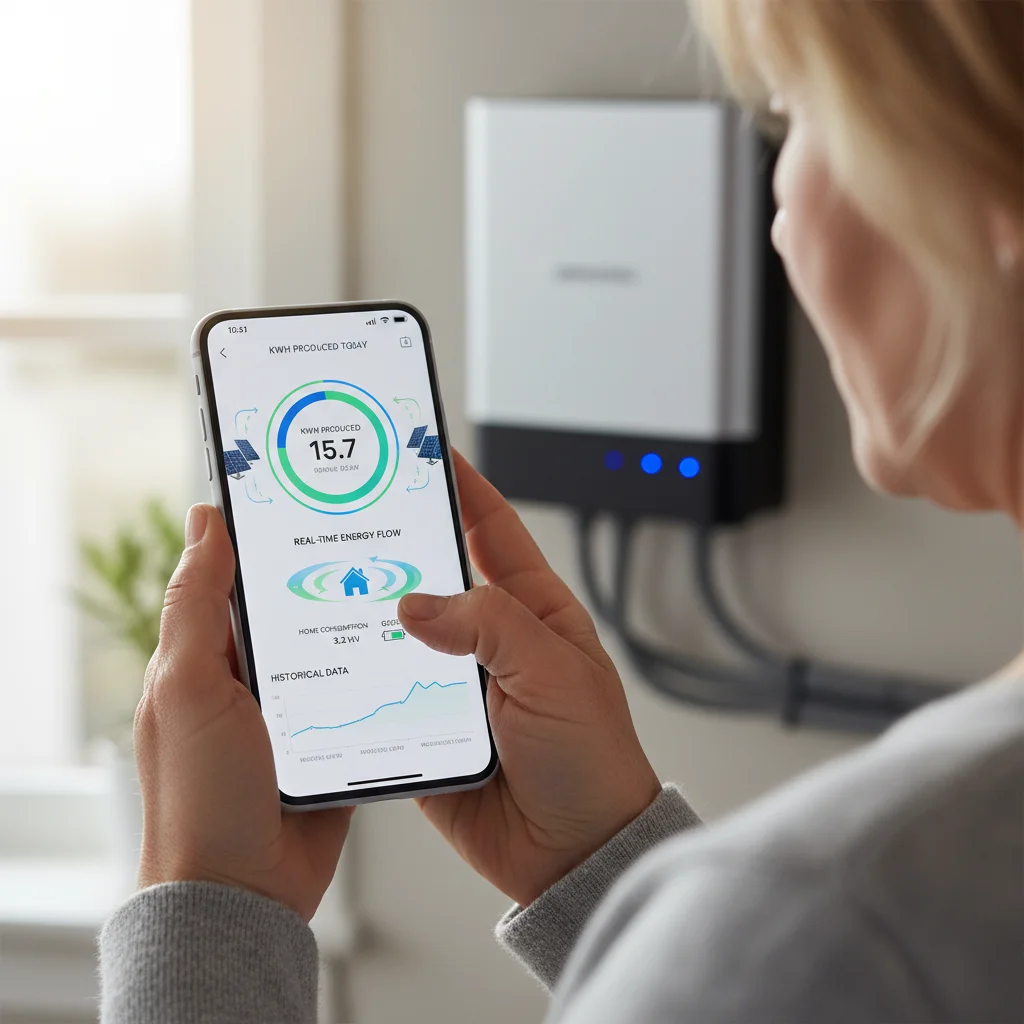
The vast amounts of data collected from solar panels, inverters, and smart meters are sent to cloud-based platforms for storage and analysis. Here, powerful AI algorithms get to work. They can detect subtle performance degradation, predict potential failures, identify shading patterns, and even forecast future production based on weather patterns. These platforms are accessible via web portals and mobile apps, providing homeowners with intuitive dashboards and alerts.
Wireless Communication Protocols (Wi-Fi, Zigbee, Z-Wave)
Reliable communication is essential for data transfer. Modern solar monitoring 2026 systems leverage various wireless protocols to connect devices across your home and to the internet. Wi-Fi is common for direct internet connectivity, while low-power protocols like Zigbee and Z-Wave are often used for communicating between sensors and a central hub, ensuring seamless data flow without extensive wiring.
Choosing the Right Solar Monitoring System for Your Home in 2026
With a plethora of options available, selecting the ideal solar monitoring 2026 system can seem daunting. Here are key factors to consider:
Inverter Type Compatibility
Your monitoring options will largely depend on your inverter technology. Systems with microinverters (like Enphase) or power optimizers (like SolarEdge) inherently offer panel-level monitoring. String inverter systems might offer string-level data, or require add-on sensors for more granular insights.
Data Granularity and Real-time Updates
How much detail do you want? Do you need panel-level data, or is system-wide data sufficient? Do you want real-time updates every few seconds, or is hourly data acceptable? More granular, real-time data provides better diagnostic capabilities but might come at a higher cost or require more robust internet connectivity.
User Interface and Accessibility
The monitoring dashboard should be intuitive and easy to navigate. Look for systems that offer clear visualizations, customizable reports, and accessible mobile apps. The best solar monitoring 2026 solutions provide actionable insights, not just raw data.
Integration with Other Smart Home Devices
If you have a smart home or plan to build one, consider how well the solar monitoring system integrates with other devices and platforms (e.g., Google Home, Amazon Alexa, Apple HomeKit). This allows for a truly unified energy management experience.
Alerts and Notifications
A good monitoring system should notify you immediately of any significant performance drops, system faults, or other anomalies. Customizable alerts via email, SMS, or push notifications are crucial for proactive management.
Cost and Subscription Fees
While some basic monitoring might be included with your inverter, advanced features or third-party monitoring solutions may involve additional hardware costs or monthly/annual subscription fees. Factor these into your long-term budget.
Getting the Most Out of Your Solar Monitoring System in 2026
Having a sophisticated monitoring system is only half the battle; actively using it is what truly unlocks its potential. Here’s how to maximize the benefits of your solar monitoring 2026 setup:
Regularly Review Your Data
Make it a habit to check your solar production and home consumption data regularly. Daily glances can help you spot immediate issues, while weekly or monthly reviews can reveal trends and patterns. Look for:
- Consistent dips in production: Could indicate shade, dirt, or a faulty component.
- Discrepancies between panels: Highlighted by panel-level monitoring.
- Changes in consumption patterns: Helps identify energy hogs or opportunities for efficiency.
Set Up and Customize Alerts
Don’t wait to discover a problem. Configure your system to send you alerts for significant performance drops or errors. This ensures you’re immediately aware of issues that require attention.
Understand Your Energy Profile
Use the historical data to understand when your home consumes the most energy and how that aligns with your solar production. This knowledge is invaluable for optimizing appliance usage, managing battery storage, and even planning future energy-efficient upgrades.
Optimize for Self-Consumption
If you have a net metering agreement, sending excess power back to the grid is beneficial. However, if your utility offers time-of-use (TOU) rates, it might be more advantageous to consume your solar energy directly, especially during peak demand hours when grid electricity is most expensive. Use your solar monitoring 2026 data to inform these decisions.
Keep Your System Clean
Monitoring can highlight when dirt, dust, or pollen buildup is impacting your panel’s efficiency. Regular cleaning, guided by your monitoring data, can maintain optimal performance.
The Future of Residential Solar Monitoring: Beyond 2026
The trajectory of solar monitoring 2026 is one of increasing intelligence, automation, and integration. What can we expect in the years to come?
Predictive Maintenance with Advanced AI
AI will move beyond detecting current issues to predicting potential failures before they occur. By analyzing vast datasets and identifying subtle precursors, systems will be able to recommend maintenance actions proactively, minimizing downtime and extending component life even further.
Hyper-Personalized Energy Management
Future systems will offer even more granular control, learning your specific habits and preferences to automate energy usage. Imagine your home automatically pre-cooling when solar production is high, or prioritizing EV charging when electricity prices are lowest, all without manual intervention.
Blockchain for Energy Trading and Grid Stability
Blockchain technology could play a role in peer-to-peer energy trading within local microgrids, enabling homeowners to buy and sell excess solar power directly to neighbors. Monitoring systems would be key to verifying and facilitating these transactions, contributing to greater grid stability and resilience.
Enhanced Cybersecurity Measures
As solar monitoring systems become more interconnected, the importance of cybersecurity will grow. Expect to see more robust encryption, authentication protocols, and threat detection mechanisms to protect sensitive energy data and prevent unauthorized access.
Integration with Virtual Power Plants (VPPs)
Residential solar systems, especially those with battery storage, will increasingly form part of Virtual Power Plants (VPPs). These networks of distributed energy resources can collectively provide services to the grid, earning homeowners additional revenue. Advanced solar monitoring 2026 will be essential for managing and optimizing participation in VPPs.
Conclusion: Empowering Homeowners with Intelligent Solar Monitoring
In 2026, residential solar energy is no longer just about installing panels; it’s about intelligent energy management. The advancements in solar monitoring 2026 have transformed the homeowner’s relationship with their solar system, offering unparalleled insights, control, and optimization capabilities. From maximizing your return on investment to ensuring the long-term health of your system, a robust monitoring solution is an indispensable tool.
By embracing these technologies and actively engaging with your system’s data, you are not only securing your energy independence but also contributing to a more sustainable and resilient energy future. The power to understand, control, and optimize your solar production is now firmly in your hands, making 2026 an exciting time to be a solar homeowner. Invest in smart monitoring, and watch your solar investment truly shine.