Commercial Solar Rooftop Mounts: 2026 Innovations & Installation Guide
The Latest in Commercial Solar Rooftop Mounts: Innovations for 2026 Installations
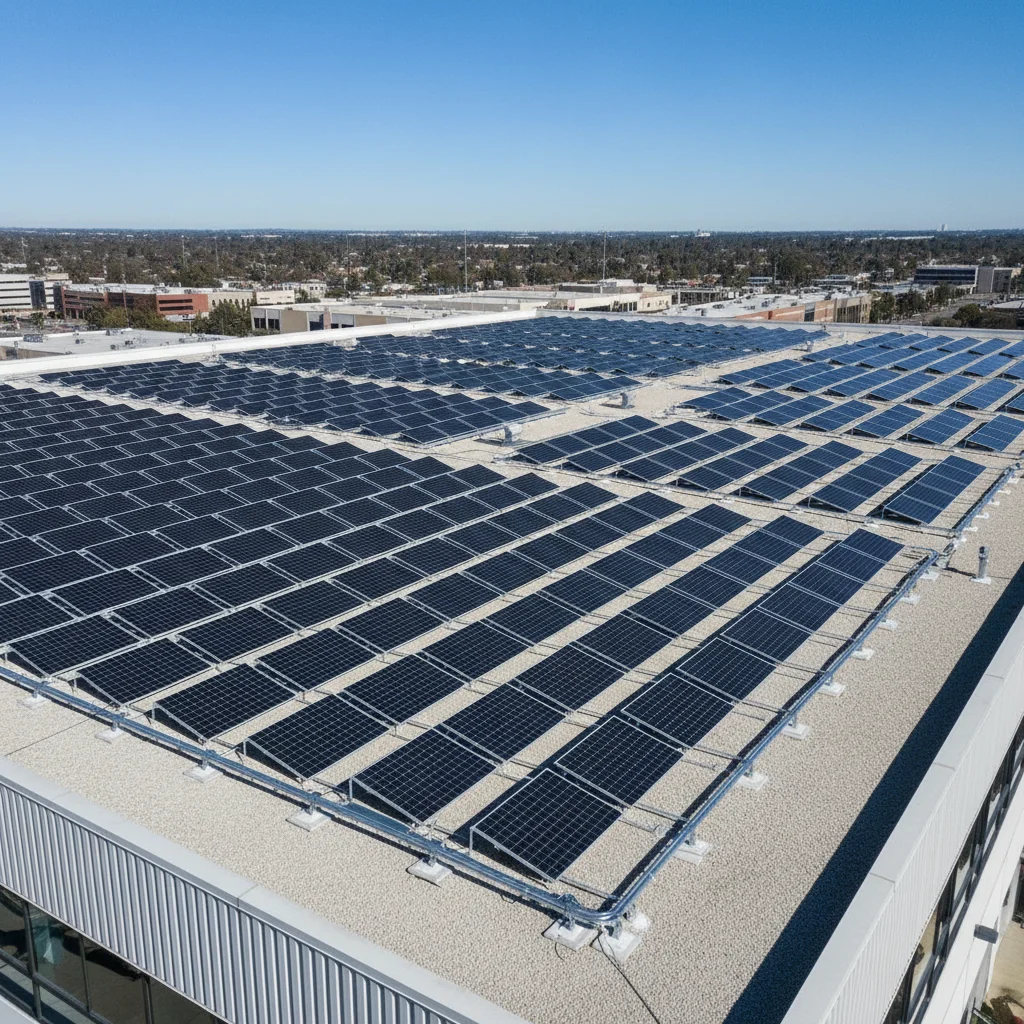
The renewable energy landscape is continuously evolving, and at the heart of this transformation for businesses lies the efficiency and reliability of commercial solar installations. As we look towards 2026, the technology behind commercial solar rooftop mounts is experiencing significant innovation, promising enhanced performance, easier installation, and greater adaptability. Businesses considering a solar investment are now presented with an array of sophisticated options designed to maximize energy production and minimize operational costs. Understanding these advancements is crucial for making informed decisions that will impact energy independence and sustainability goals for years to come.
The drive for more efficient and cost-effective solar solutions has led manufacturers to develop mounting systems that address common challenges faced by commercial properties. These include varying roof types, structural integrity concerns, wind uplift resistance, and the need for rapid deployment. The focus for 2026 is squarely on smart, integrated solutions that offer not just a physical support structure but a comprehensive system that contributes to the overall efficacy of the solar array. This article delves into the cutting-edge innovations in commercial solar mounts, providing a detailed look at what businesses can expect for their 2026 installations.
The Evolution of Commercial Solar Mounts: A Brief Overview
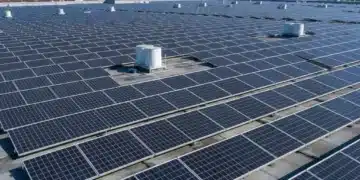
Historically, commercial solar rooftop mounts were often bulky, labor-intensive, and sometimes required extensive roof penetrations, which could lead to waterproofing concerns. Early systems prioritized structural stability above all else, often at the expense of aesthetic appeal or installation speed. However, as the solar industry matured, so did the demands for more refined and versatile mounting solutions. The last decade has seen a shift towards lighter, modular designs that reduce material usage and simplify the installation process. The advent of non-penetrating systems marked a significant leap forward, offering a solution for roofs where penetrations were undesirable or impossible.
Today, the evolution continues at an accelerated pace. Manufacturers are leveraging advanced materials, computational design, and smart technologies to create mounting systems that are not only robust but also highly adaptable to diverse commercial roofing environments. The emphasis is on systems that can withstand extreme weather conditions, optimize panel orientation for maximum sunlight exposure, and integrate seamlessly with other building management systems. For 2026, we anticipate even greater sophistication, with a strong focus on sustainability in manufacturing processes and end-of-life recycling for mounting components.
Key Innovations in Commercial Solar Mounts for 2026
The upcoming year promises several exciting developments in the realm of commercial solar mounts. These innovations are designed to tackle current industry challenges head-on, offering superior performance and value.
1. Advanced Non-Penetrating Ballasted Systems
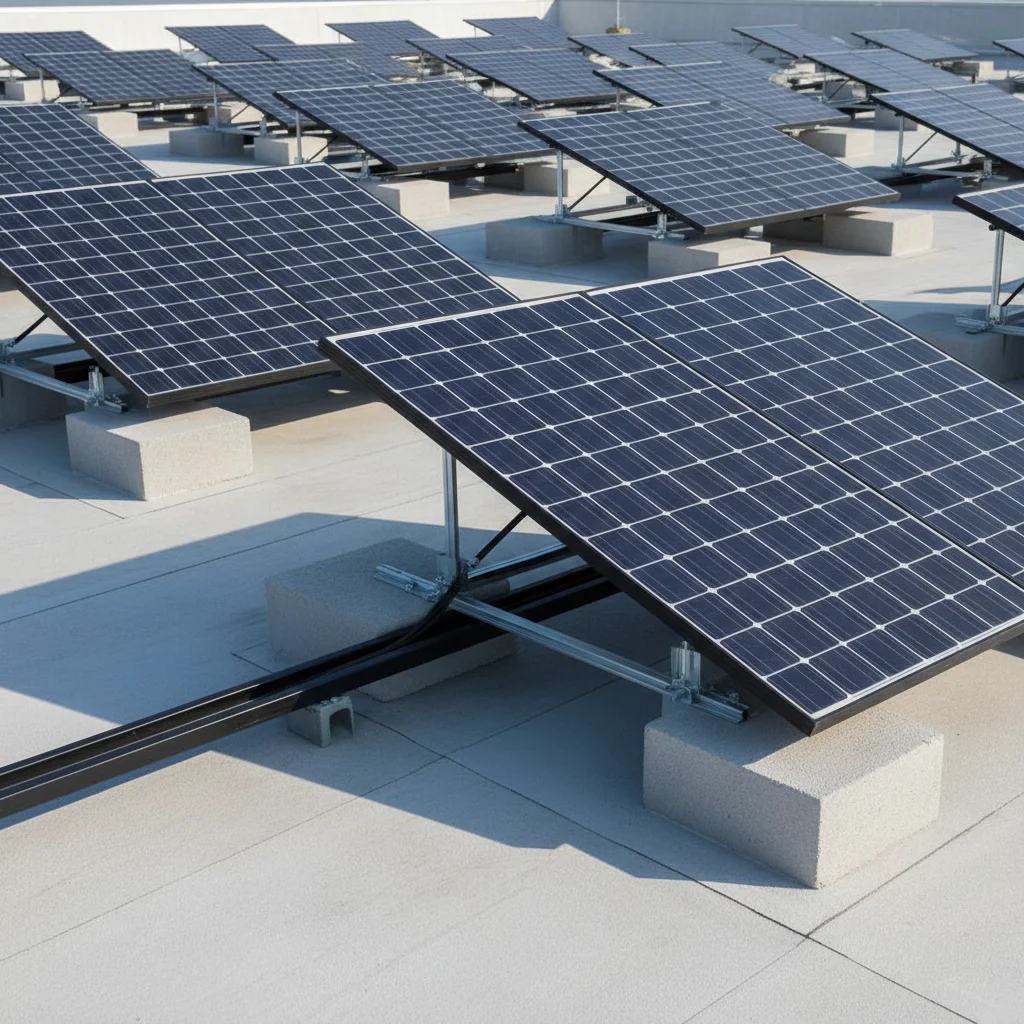
Non-penetrating ballasted systems have been a game-changer for flat commercial roofs, eliminating the need to drill into the roof membrane. For 2026, these systems are becoming even more sophisticated. Expect to see:
- Optimized Weight Distribution: New designs will feature more intelligent weight distribution, reducing the overall ballast required and therefore the load on the roof structure. This is achieved through aerodynamic analysis and innovative tray designs that use the weight of the panels themselves more effectively.
- Integrated Wind Deflectors: Enhanced aerodynamic profiles and integrated wind deflectors will further improve wind uplift resistance, making these systems suitable for higher wind zones without excessive ballast. These deflectors are often designed to be part of the mounting structure, simplifying assembly.
- Modular & Pre-assembled Components: To speed up installation, more components will come pre-assembled or with snap-together features, significantly reducing labor time on site. This modularity also allows for greater flexibility in array layout.
- Recycled and Sustainable Materials: A growing trend is the use of recycled plastics and metals in ballast trays and other components, aligning with corporate sustainability goals.
2. Lightweight & High-Strength Materials
The quest for lighter yet stronger materials continues. Aluminum alloys remain popular, but new advancements include:
- High-Strength Steel Alloys: While steel is heavier, new high-strength steel alloys offer thinner profiles with superior structural integrity, reducing material usage and contributing to a lighter overall system weight. These alloys often come with advanced corrosion-resistant coatings.
- Fiber-Reinforced Composites: For certain components, fiber-reinforced polymers are being explored. These materials offer excellent strength-to-weight ratios and are corrosion-resistant, making them ideal for challenging environmental conditions.
- Hybrid Systems: Combinations of different materials, such as aluminum rails with composite clamps or steel bases, are being engineered to leverage the best properties of each, optimizing both performance and cost for commercial solar mounts.
3. Smart & Integrated Mounting Solutions
The future of commercial solar mounts isn’t just about physical support; it’s about intelligent integration:
- Integrated Cable Management: Systems will increasingly feature built-in conduits and channels for wiring, protecting cables from UV degradation and physical damage, and ensuring a cleaner, more organized installation. This also simplifies maintenance and troubleshooting.
- Module-Level Power Electronics (MLPE) Integration: Mounting systems may come with dedicated spaces or pre-installed brackets for microinverters or power optimizers, streamlining the electrical connection process and ensuring optimal performance.
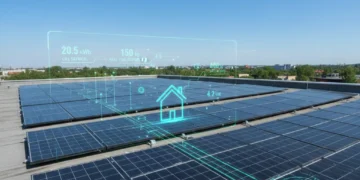
- Sensor Integration: Some advanced systems might incorporate sensors for temperature, wind speed, or even structural integrity monitoring, providing valuable data for predictive maintenance and performance optimization.
4. Enhanced Adaptability for Diverse Roof Types
Commercial buildings come with a variety of roof types, from flat to pitched, membrane to metal. 2026 innovations aim for greater versatility:
- Adjustable Tilt & Azimuth: While fixed-tilt systems are common, more advanced adjustable systems will allow for seasonal or even automated tilt adjustments to maximize energy harvest throughout the year, especially in regions with significant seasonal solar path variations.
- Universal Clamping Mechanisms: Manufacturers are developing more universal clamping solutions that can accommodate a wider range of panel frame thicknesses and types, reducing inventory and simplifying procurement.
- Specialized Metal Roof Clamps: For standing seam or corrugated metal roofs, specialized non-penetrating clamps are becoming more robust and easier to install, offering secure attachment without compromising the roof’s integrity.
Installation Best Practices for 2026 Commercial Solar Mounts
Even with the most innovative mounting systems, proper installation is paramount to ensuring the longevity and efficiency of a commercial solar array. As technology advances, so do the best practices for deployment.
1. Thorough Roof Assessment and Engineering
Before any installation begins, a comprehensive roof assessment is critical. This includes:
- Structural Analysis: Engaging a structural engineer to assess the roof’s load-bearing capacity is non-negotiable. Modern commercial solar mounts are lighter, but the cumulative weight of panels, mounting, and ballast (if applicable) still requires careful consideration.
- Roof Membrane Inspection: For membrane roofs, a detailed inspection for existing damage, potential vulnerabilities, and the membrane’s age is essential. Any necessary repairs should be completed before installation.
- Wind Load Calculations: Accurate wind load calculations based on local building codes and site-specific conditions are crucial for designing a system that can withstand extreme weather events. Innovative mounting systems often come with sophisticated software tools to aid in these calculations.
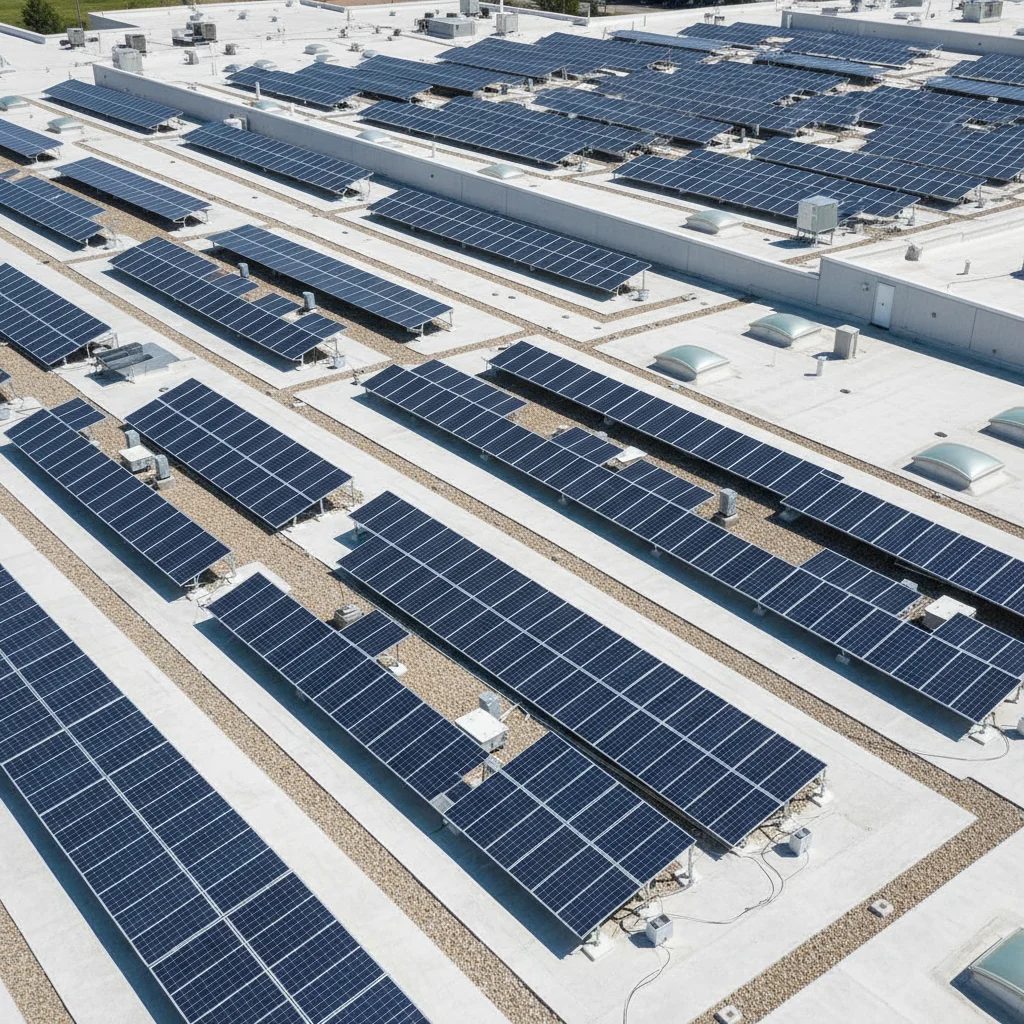
- Drainage & Obstruction Mapping: Identifying existing drainage patterns, HVAC units, skylights, and other roof obstructions is vital for optimal array layout and ensuring efficient water runoff.
2. Adherence to Manufacturer Specifications
Each mounting system comes with specific installation guidelines from the manufacturer. Deviating from these can void warranties and compromise system integrity. Installers must be thoroughly trained on the specific system being deployed, understanding torque specifications for fasteners, proper component assembly, and module clamping procedures. The modular nature of 2026 commercial solar mounts often means precise alignment and secure connections are more critical than ever.
3. Prioritizing Safety
Rooftop solar installations inherently carry risks. Safety protocols must be rigorously followed, including:
- Fall Protection: Implementing robust fall protection measures, such as guardrails, safety nets, or personal fall arrest systems, is mandatory.
- Electrical Safety: Proper lockout/tagout procedures and adherence to electrical codes are essential when working with wiring and electrical components.
- Equipment Handling: Safe lifting and handling of panels and mounting components, especially in windy conditions, are crucial to prevent accidents and equipment damage.
4. Quality Control and Post-Installation Checks
After installation, a thorough quality control check is necessary. This includes:
- Visual Inspection: Verifying that all components are correctly installed, tightened, and aligned according to specifications.
- Electrical Testing: Performing electrical tests to ensure proper wiring and functionality of the solar array.
- Documentation: Maintaining comprehensive documentation of the installation, including as-built drawings, component serial numbers, and warranty information.
Benefits of Adopting Advanced Commercial Solar Mounts
Investing in the latest commercial solar mounts offers a multitude of benefits for businesses:
1. Enhanced Energy Production
Modern mounting systems are designed for optimal panel orientation and airflow, contributing to higher energy yields. Features like adjustable tilt and improved thermal management (by allowing better air circulation around panels) can significantly boost electricity generation over the lifetime of the system.
2. Reduced Installation Costs & Time
The modularity, pre-assembly, and lighter weight of 2026 mounting systems translate directly into faster installation times and reduced labor costs. This accelerated deployment minimizes disruption to business operations and brings the system online sooner, allowing for quicker returns on investment.
3. Increased Roof Longevity and Integrity
Non-penetrating systems are particularly beneficial as they eliminate the risk of roof leaks associated with penetrations. Even penetrating systems are designed with advanced flashing and sealing techniques to maintain roof integrity. This protects the building asset and reduces future maintenance liabilities.
4. Improved Aesthetics
Sleeker, lower-profile designs and integrated cable management contribute to a more aesthetically pleasing solar array. This can be important for businesses where visual impact is a consideration, enhancing the building’s overall appearance.
5. Greater Durability and Resilience
Utilizing high-strength, corrosion-resistant materials and designs engineered for extreme weather conditions ensures that the solar array will withstand the test of time. This translates to lower maintenance costs and a longer operational lifespan for the entire system.
6. Environmental Sustainability
Beyond generating clean energy, the use of recycled materials in mounting systems and more efficient manufacturing processes contributes to a more sustainable supply chain for solar components. This aligns with broader corporate social responsibility initiatives.
Challenges and Considerations for 2026 Installations
While the advancements in commercial solar mounts are exciting, businesses should also be aware of potential challenges and key considerations:
1. Initial Investment
Some cutting-edge mounting systems, especially those incorporating advanced materials or smart features, might have a higher upfront cost. However, it’s crucial to consider the long-term savings in installation time, enhanced energy production, and reduced maintenance. A comprehensive cost-benefit analysis is essential.
2. Installer Expertise
As mounting systems become more sophisticated, the need for highly trained and experienced installers becomes even more critical. Businesses should partner with reputable solar providers who have a proven track record with the latest technologies and a commitment to ongoing training for their teams.
3. Local Building Codes & Permitting
Building codes and permitting requirements can vary significantly by location and are continuously updated. Staying abreast of these regulations is crucial to ensure compliance and avoid project delays. Advanced mounting systems often require specific documentation to demonstrate compliance with wind, snow, and seismic load requirements.
4. Roof Warranty Implications
For non-penetrating systems, it’s generally easier to maintain roof warranties. However, for penetrating systems, it’s imperative to work with installers who are certified by the roof membrane manufacturer to ensure the roof warranty remains intact. Always review existing roof warranties before planning an installation.
5. Future-Proofing
While 2026 innovations are forward-looking, consider the long-term evolution of solar technology. Will the mounting system be adaptable to potential future panel upgrades or changes? Modular systems often offer greater flexibility in this regard.
The Future is Bright for Commercial Solar
The continuous innovation in commercial solar mounts is a testament to the industry’s commitment to making solar energy more accessible, efficient, and reliable for businesses. As we approach 2026, the focus on lighter, stronger, smarter, and more adaptable mounting systems will empower commercial property owners to harness solar power with greater confidence and return on investment.
By understanding these technological advancements and adhering to best installation practices, businesses can ensure their solar arrays are not only generating clean energy but are also built to last, providing significant financial and environmental benefits for decades. The strategic adoption of these cutting-edge mounting solutions is a key step towards a sustainable and energy-independent future for commercial enterprises.
Make sure to consult with experienced solar professionals to assess your specific needs and determine the most suitable and innovative mounting solution for your commercial rooftop in 2026 and beyond. The right mounting system is the foundation of a successful and high-performing solar investment.