Advanced Solar Monitoring: Cut O&M Costs 15% by 2026
Advanced Monitoring Systems for Commercial Solar: Reducing O&M Costs by 15% in 2026
The global energy landscape is rapidly shifting towards sustainable sources, with solar power leading the charge. Commercial solar installations, from rooftop arrays to vast solar farms, are becoming increasingly common. While the initial investment in solar technology is significant, the long-term profitability hinges on efficient operations and maintenance (O&M). Historically, O&M has been a reactive process, often leading to unexpected downtime and increased expenses. However, a new era of advanced monitoring systems is poised to revolutionize how commercial solar assets are managed, promising a significant reduction in solar O&M costs – a projected 15% by 2026.
This article delves into the transformative potential of these advanced monitoring technologies, exploring how they empower asset owners and operators to move from reactive repairs to proactive, predictive maintenance strategies. We will examine the core components of these systems, their benefits, and the strategic roadmap to achieving substantial cost savings while enhancing overall system performance and reliability.
The Evolution of Solar O&M: From Reactive to Predictive
For years, commercial solar O&M largely relied on scheduled inspections and emergency repairs. This traditional approach, while functional, was inherently inefficient. It meant that issues were often only addressed after they had already impacted performance, leading to lost revenue, extended downtime, and higher repair costs. The sheer scale and complexity of modern commercial solar projects further exacerbate these challenges, making manual oversight increasingly impractical.
The paradigm shift towards predictive maintenance, driven by advanced monitoring systems, is fundamentally changing this dynamic. Instead of waiting for a component to fail, these systems leverage real-time data and sophisticated analytics to anticipate potential issues before they escalate. This proactive stance is not just about fixing problems faster; it’s about preventing them altogether, thereby directly impacting solar O&M costs.
Understanding Solar O&M Costs: A Detailed Breakdown
Before we delve into solutions, it’s crucial to understand the various components that contribute to overall solar O&M costs. These typically include:
- Preventive Maintenance: Scheduled inspections, cleaning, and routine checks.
- Corrective Maintenance: Repairs and replacements due to equipment failure.
- Performance Monitoring: Data collection and analysis to track system output.
- Warranty Management: Tracking and utilizing manufacturer warranties.
- Administrative Costs: Staffing, reporting, and regulatory compliance.
- Software and Hardware: Costs associated with monitoring platforms and sensors.
- Lost Revenue from Downtime: The financial impact of underperforming or offline systems.
Each of these areas presents an opportunity for optimization. Advanced monitoring systems target multiple facets, offering a holistic approach to cost reduction and performance enhancement.
Key Technologies Driving Advanced Solar Monitoring
The advancements in monitoring systems are a confluence of several cutting-edge technologies. These innovations work in concert to provide unparalleled visibility into solar asset performance and health, directly addressing the challenge of high solar O&M costs.
1. High-Resolution Data Acquisition and Real-time Analytics
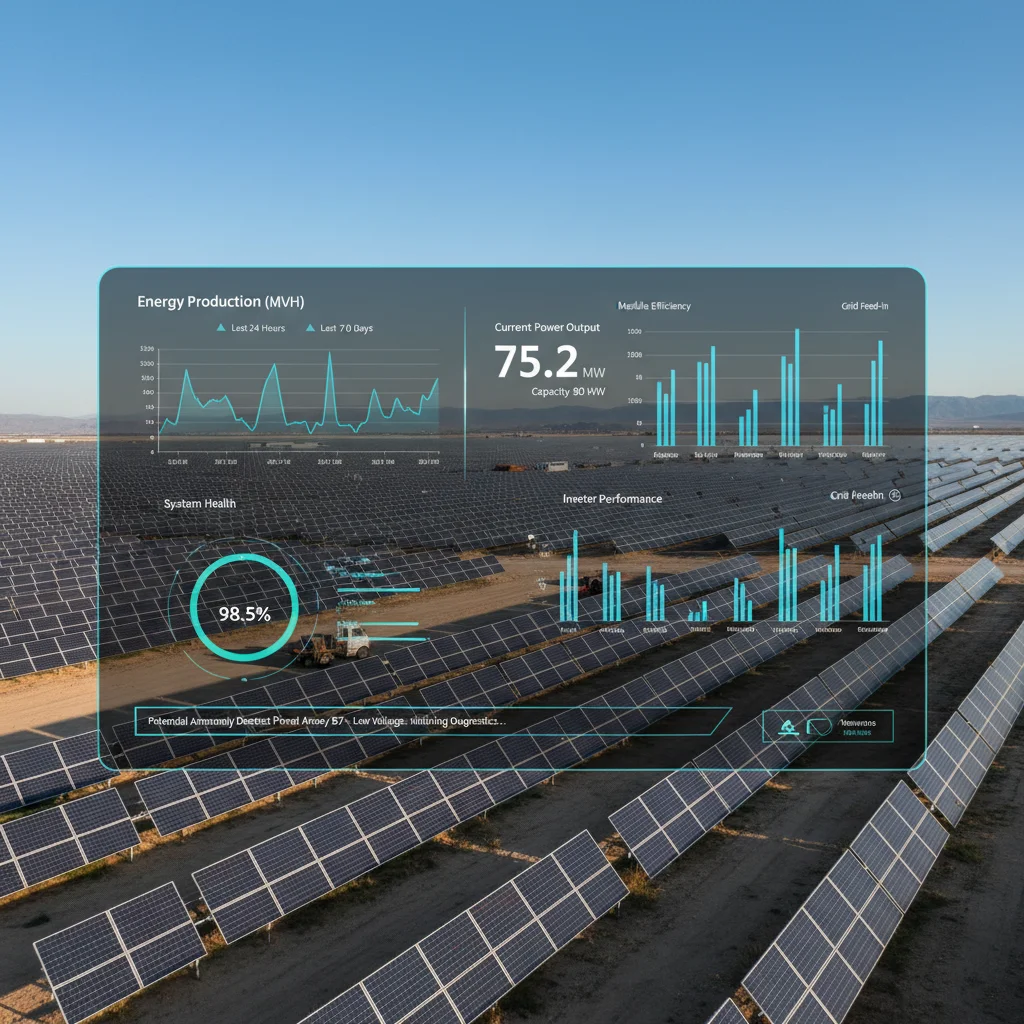
Modern monitoring systems collect vast amounts of data from various points across a solar installation. This includes irradiance levels, panel temperatures, inverter performance, string current and voltage, and even environmental factors like wind speed and humidity. The key is not just data collection, but real-time processing and analysis. Cloud-based platforms and edge computing enable instantaneous feedback, allowing operators to identify deviations from expected performance almost as soon as they occur. This immediate insight is critical for minimizing energy losses and preventing minor issues from escalating into major faults, thus keeping solar O&M costs in check.
2. Artificial Intelligence (AI) and Machine Learning (ML)
AI and ML algorithms are at the heart of predictive maintenance. These technologies analyze historical and real-time data to identify patterns, predict potential failures, and even suggest optimal maintenance schedules. For instance, AI can detect subtle changes in panel performance that might indicate degradation or soiling, long before these issues become visible to the human eye. Machine learning models can learn from past failures and successful interventions, continuously refining their predictive capabilities. This intelligent foresight significantly reduces the need for costly emergency repairs and optimizes maintenance resource allocation, directly impacting solar O&M costs.
3. Internet of Things (IoT) Sensors and Smart Devices
The proliferation of IoT sensors has made it possible to embed intelligence directly into solar components. Smart inverters, optimizers, and even individual panels can now communicate their status, performance, and health data directly to a central monitoring platform. This granular level of data provides an unprecedented view of system health, enabling pinpoint accuracy in fault detection and diagnosis. The ability to monitor individual components ensures that maintenance efforts are targeted and efficient, contributing to lower solar O&M costs.
4. Drone and Robotic Inspections
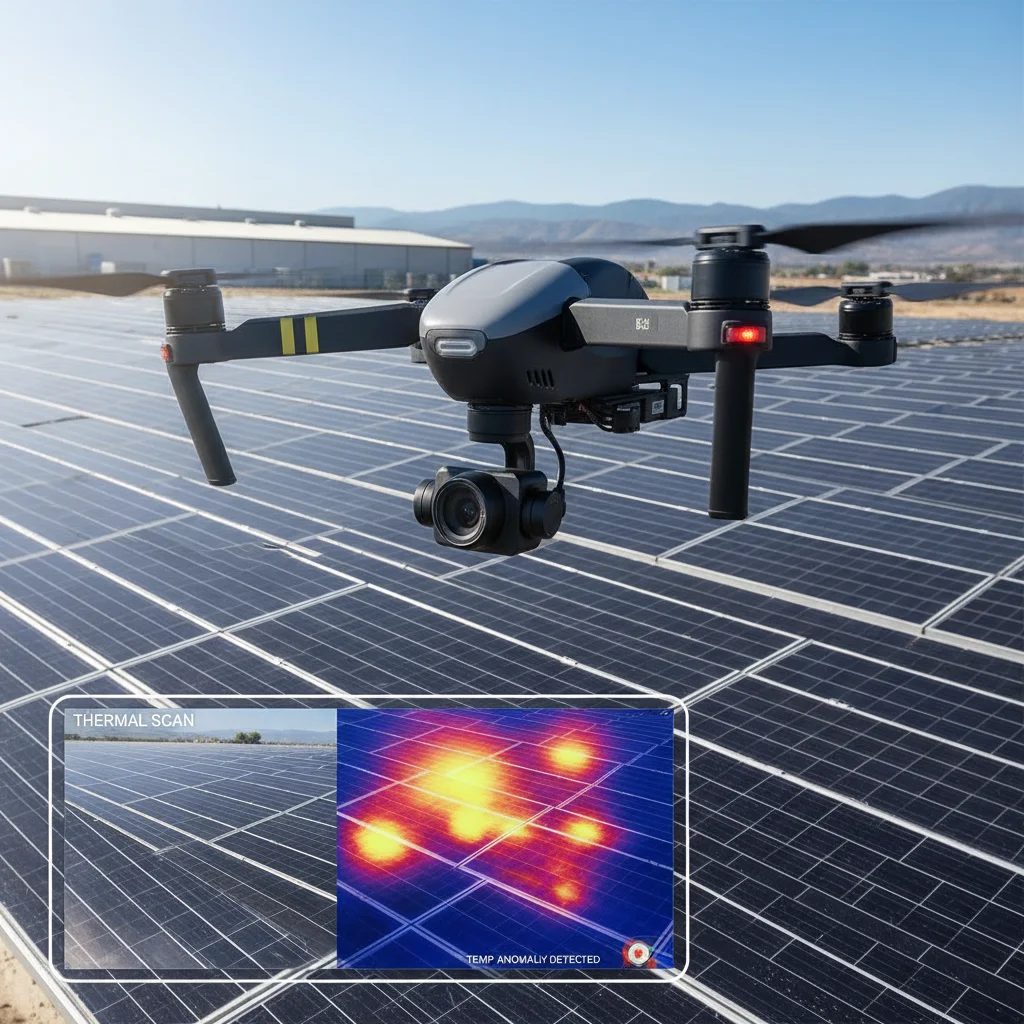
Manual inspections of large solar farms are time-consuming, labor-intensive, and can pose safety risks. Drones equipped with high-resolution cameras, thermal imaging, and even AI-powered analytics are transforming this aspect of O&M. They can quickly scan vast areas, identify hot spots, cracked panels, and other anomalies that indicate performance issues. Robotic cleaning solutions are also emerging, offering automated and efficient panel cleaning, which is crucial for maintaining optimal energy production and reducing solar O&M costs associated with manual cleaning.
5. Digital Twin Technology
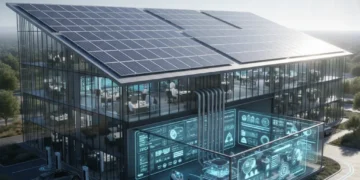
A digital twin is a virtual replica of a physical solar asset. This sophisticated model integrates real-time data from sensors with historical performance data, design specifications, and environmental conditions. It allows operators to simulate various scenarios, test maintenance strategies, and predict the impact of different operational decisions without affecting the actual system. This powerful simulation capability helps in optimizing performance and proactively identifying potential issues, further driving down solar O&M costs.
How Advanced Monitoring Reduces Solar O&M Costs: A Deep Dive
The 15% reduction in solar O&M costs by 2026 is an ambitious yet achievable goal, primarily through the strategic application of these advanced monitoring systems. Here’s a detailed look at the mechanisms through which these savings are realized:
1. Minimized Downtime and Maximized Energy Production
The most direct impact of predictive maintenance is the reduction in unplanned downtime. By identifying and addressing potential issues before they cause system failures, solar installations can operate at peak efficiency for longer periods. Every hour a commercial solar system is offline or underperforming translates directly to lost revenue. Advanced monitoring ensures that system availability is maximized, directly boosting profitability and reducing the financial burden of solar O&M costs associated with lost production.
2. Optimized Maintenance Scheduling and Resource Allocation
Instead of fixed, time-based maintenance schedules, advanced monitoring enables condition-based maintenance. This means maintenance is performed only when and where it’s truly needed. AI algorithms can predict the optimal time for cleaning, inspections, or component replacements, ensuring that resources (labor, parts, equipment) are deployed efficiently. This eliminates unnecessary maintenance activities and reduces the frequency of costly emergency call-outs, significantly lowering solar O&M costs.
3. Extended Equipment Lifespan
Proactive maintenance not only prevents sudden failures but also helps in extending the operational lifespan of critical components like inverters, panels, and tracking systems. By identifying early signs of wear and tear or suboptimal operating conditions, corrective actions can be taken to mitigate stress on equipment, delaying the need for expensive replacements. This long-term benefit contributes substantially to reducing the overall lifetime solar O&M costs of a commercial solar asset.
4. Enhanced Fault Detection and Diagnosis
Pinpointing the exact location and nature of a fault in a large solar array can be a time-consuming and complex task. Advanced monitoring systems, with their granular data collection and AI-powered analytics, can rapidly identify the root cause of performance issues. This precision reduces diagnostic time and the need for extensive on-site troubleshooting, allowing maintenance teams to arrive prepared with the right tools and parts, thus streamlining repairs and reducing solar O&M costs.
5. Improved Safety for O&M Personnel
By leveraging drones and remote monitoring, the need for personnel to be in potentially hazardous situations (e.g., on rooftops, near high-voltage equipment) is reduced. This not only improves worker safety but also decreases the associated costs of safety equipment, training, and potential liability, indirectly contributing to lower solar O&M costs.
6. Better Performance Benchmarking and Reporting
Advanced systems provide detailed insights into system performance against design specifications, environmental conditions, and even peer benchmarks. This allows asset owners to accurately assess the effectiveness of O&M strategies and make data-driven decisions for continuous improvement. Robust reporting capabilities also aid in regulatory compliance and stakeholder communication, further optimizing administrative solar O&M costs.
Implementing Advanced Monitoring: A Strategic Roadmap
Achieving a 15% reduction in solar O&M costs by 2026 requires a strategic approach to implementing advanced monitoring systems. It’s not merely about installing new hardware; it’s about integrating technology with operational processes and fostering a data-driven culture.
Phase 1: Assessment and Planning
- Current State Analysis: Evaluate existing O&M practices, identify pain points, and quantify current solar O&M costs.
- Goal Setting: Define specific, measurable, achievable, relevant, and time-bound (SMART) objectives for cost reduction and performance improvement.
- Technology Selection: Research and select monitoring platforms, sensors, and analytics tools that align with the project’s scale, complexity, and budget. Consider scalability and integration capabilities.
- Vendor Evaluation: Partner with reputable technology providers who offer robust support and continuous innovation.
Phase 2: Implementation and Integration
- Hardware Installation: Deploy sensors, smart inverters, and communication gateways.
- Software Configuration: Set up the monitoring platform, define dashboards, alerts, and reporting mechanisms.
- Data Integration: Ensure seamless flow of data from all components to the central platform.
- Cybersecurity Measures: Implement robust security protocols to protect sensitive operational data.
Phase 3: Training and Optimization
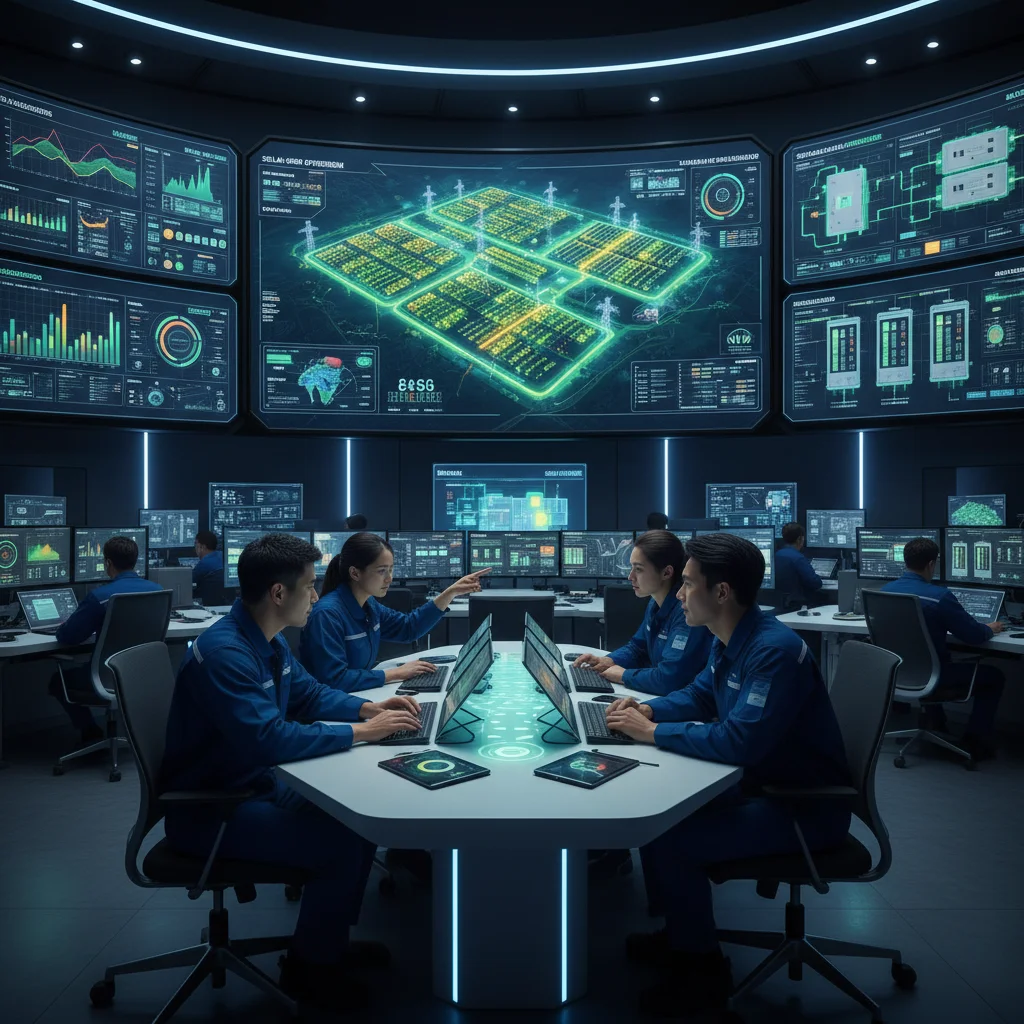
- Staff Training: Educate O&M teams on how to use the new monitoring systems, interpret data, and respond to alerts.
- Process Adjustment: Adapt existing O&M workflows to incorporate predictive maintenance strategies.
- Performance Validation: Regularly compare actual performance against predicted outcomes and refine models.
- Continuous Improvement: Leverage insights from the monitoring data to continually optimize operations and further reduce solar O&M costs.
Case Studies and Success Stories
Numerous commercial solar operators are already realizing significant benefits from advanced monitoring. For instance, a large-scale solar farm in California implemented an AI-powered predictive maintenance system, leading to a 12% reduction in unplanned downtime within the first year and a 10% decrease in overall solar O&M costs. Another example involved a distributed commercial portfolio that used drone inspections with thermal imaging, identifying faulty panels much faster than manual methods, resulting in a 7% increase in annual energy production and a direct reduction in corrective maintenance expenses.
These examples underscore the tangible impact of these technologies on the bottom line, demonstrating that the 15% target for solar O&M costs reduction is not just aspirational but well within reach for commercial solar operators committed to embracing innovation.
Challenges and Considerations
While the benefits are clear, implementing advanced monitoring systems comes with its own set of challenges:
- Initial Investment: The upfront cost of sophisticated hardware and software can be a barrier for some operators. However, the ROI often justifies this expense in the long run through reduced solar O&M costs.
- Data Overload: Managing and interpreting vast amounts of data requires skilled personnel and robust analytics tools.
- Integration Complexities: Integrating new systems with legacy infrastructure can be challenging.
- Cybersecurity Risks: Increased connectivity also means increased vulnerability to cyber threats, necessitating strong security measures.
- Skill Gap: The need for specialized skills in data science, AI, and advanced analytics for O&M teams.
Addressing these challenges requires careful planning, strategic partnerships, and a commitment to continuous learning and adaptation.
The Future Outlook: Beyond 2026
The journey towards optimized solar O&M doesn’t end in 2026. As technology continues to evolve, we can expect even more sophisticated monitoring capabilities. Imagine self-healing grids where AI autonomously reroutes power around faults, or fully autonomous robotic maintenance crews. The integration of blockchain for enhanced data security and transparency, and advanced materials science leading to more resilient components, will further contribute to reducing solar O&M costs and increasing the overall efficiency and reliability of commercial solar assets.
The trend is clear: data-driven, intelligent O&M is the future of commercial solar. By embracing advanced monitoring systems, asset owners and operators are not just cutting solar O&M costs; they are building more resilient, efficient, and profitable solar portfolios for decades to come.
Conclusion
The commercial solar industry stands at the precipice of a significant transformation in operations and maintenance. Advanced monitoring systems, powered by AI, IoT, and sophisticated analytics, are no longer a luxury but a necessity for maximizing profitability and ensuring the long-term viability of solar assets. By strategically adopting these technologies, commercial solar operators can confidently target and achieve a 15% reduction in solar O&M costs by 2026, paving the way for a more sustainable, efficient, and economically robust renewable energy future. The time to invest in intelligent O&M is now, securing not just operational excellence but a competitive edge in a rapidly evolving market.