Residential Solar Warranties 2026: Decoding Your 25-Year Guarantee
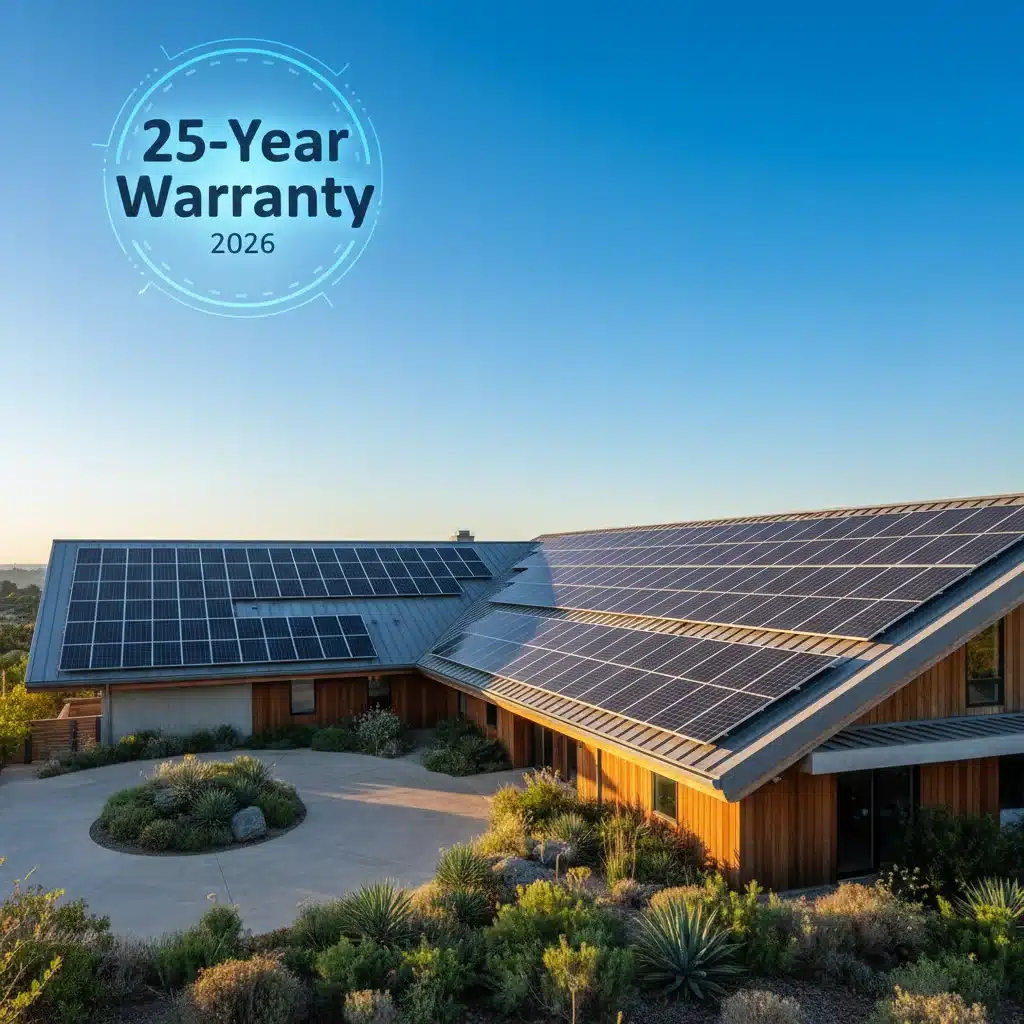
Investing in solar energy for your home is a significant decision, promising long-term savings and environmental benefits. As we look towards 2026, the solar industry continues to evolve, bringing with it advancements in technology, installation practices, and, crucially, warranty offerings. One of the most compelling aspects that often sways homeowners is the promise of a 25-year guarantee. But what does a 25-year solar warranty truly mean for a residential solar system, and what should you, as a homeowner, understand before making this substantial commitment?
This comprehensive guide will demystify the intricacies of residential solar warranties in 2026, focusing specifically on the common 25-year guarantee. We’ll explore the different types of warranties, what they cover (and don’t cover), essential questions to ask your installer, and how to ensure your investment is protected for decades to come. Understanding your solar warranty is paramount to safeguarding your energy independence and financial outlay.
The Foundation of Your Solar Investment: Understanding the 25-Year Solar Warranty Landscape
When you hear ’25-year solar warranty,’ it’s easy to assume a blanket coverage for everything related to your solar system. However, the reality is more nuanced. A typical residential solar installation involves several distinct components, each potentially covered by different types of warranties, often from various manufacturers or installers. The 25-year timeframe predominantly refers to the performance warranty of the solar panels themselves, but it’s vital to recognize that other elements have their own specific guarantees.
The solar industry has matured considerably, leading to standardized warranty periods that reflect the expected lifespan and reliability of modern solar technology. By 2026, a 25-year warranty has become a benchmark, signifying confidence in product longevity and performance. Yet, the devil is in the details, and understanding these details is crucial for any homeowner considering solar.
Key Types of Residential Solar Warranties
To fully grasp the scope of your 25-year guarantee, it’s essential to differentiate between the primary types of warranties you’ll encounter:
- Product Warranty (Equipment Warranty): This warranty covers the physical components of your solar system against manufacturing defects, material flaws, and premature wear and tear. It applies to the solar panels, inverters, racking, and sometimes even optimizers or microinverters. The duration for product warranties can vary significantly. While solar panels often come with a 10-12 year product warranty, some premium manufacturers now offer 25 years or even longer, matching the performance warranty. Inverters typically have a shorter product warranty, ranging from 5 to 12 years, though extended warranties are often available for an additional cost.
- Performance Warranty (Power Output Warranty): This is arguably the most critical warranty for solar panels and is usually where the ’25-year’ promise comes into play. A performance warranty guarantees that your solar panels will produce a certain percentage of their rated power output over time. Solar panels naturally degrade slightly year over year, so this warranty ensures that the degradation rate does not exceed a specified limit. For instance, a common performance warranty might guarantee 90% of the original power output after 10 years and 80% after 25 years. This protects you against panels underperforming significantly due to defects or excessive degradation.
- Workmanship Warranty (Installation Warranty): This warranty covers the quality of the installation itself. It ensures that the solar system was installed correctly, according to industry standards and local building codes. This includes the mounting of the panels, electrical wiring, roof penetrations, and overall system integration. A poor installation can lead to leaks, electrical failures, or reduced system efficiency, even if the equipment itself is flawless. Workmanship warranties typically range from 5 to 10 years, though some reputable installers offer 20 or even 25-year guarantees, demonstrating confidence in their installation teams. This is a critical warranty to scrutinize, as even the best panels won’t perform optimally if not installed correctly.
By 2026, the trend is towards longer and more comprehensive warranties across the board, driven by technological advancements and increased consumer demand for long-term reliability. However, it’s still rare to find a single, all-encompassing 25-year warranty that covers all three aspects from a single entity.
Diving Deeper into the 25-Year Performance Guarantee: What It Really Means
The 25-year performance warranty is a cornerstone of solar panel reliability. It’s a testament to the fact that solar panels are built to last and continue generating electricity for a quarter-century and beyond. But let’s unpack what this guarantee truly entails:
Understanding Degradation Rates
All solar panels experience a natural, gradual decrease in power output over their lifespan, a phenomenon known as degradation. This is normal and expected. The performance warranty specifies the maximum allowable degradation. For example, a common structure is:
- Year 1: 97-98% of original power output guaranteed.
- Years 2-25: A linear degradation rate, typically 0.5% to 0.7% per year.
- Year 25: 80-85% of original power output guaranteed.
This means that if your panels are rated for 400 watts, by year 25, they should still be producing at least 320-340 watts under standard test conditions. If your panels degrade faster than this rate, the manufacturer is obligated to repair, replace, or provide financial compensation to bring the output back to the guaranteed level.
Why Degradation Matters for Your Solar Warranty 25-Year
The degradation rate directly impacts your system’s long-term energy production and, consequently, your savings. A panel with a lower degradation rate will generate more electricity over its lifetime, leading to greater financial returns. When comparing solar panel options, always scrutinize the performance warranty’s degradation clause. A panel guaranteeing 85% output after 25 years is generally considered better than one guaranteeing 80%, as it implies higher quality and better long-term performance.
Standard Test Conditions (STC)
It’s important to remember that performance warranties are based on Standard Test Conditions (STC). These are ideal laboratory conditions (e.g., specific temperature, solar irradiance, air mass) that allow for consistent comparison between panels. In real-world conditions, your panels will rarely operate at STC, meaning their actual output will vary. The warranty protects against underperformance relative to STC, not against fluctuations due to weather or shading.
Beyond the Panels: Inverter and Workmanship Warranties
While the 25-year performance warranty for panels gets much of the attention, the warranties for other components and the installation itself are equally, if not more, critical for your system’s overall reliability and peace of mind.
Inverter Warranties
The inverter is the brain of your solar system, converting the DC electricity generated by your panels into AC electricity usable by your home. Inverters are complex electronic devices and are often the first component to require replacement. Their warranties typically range from 5 to 12 years, depending on the type (string inverter, microinverter, or power optimizer). Microinverters and power optimizers often come with longer warranties (15-25 years) because they are designed to be more robust and integrated with individual panels.
When evaluating inverter warranties, consider:
- Duration: Is the standard warranty sufficient, or should you invest in an extended warranty?
- Coverage: Does it cover parts and labor? What are the conditions for replacement?
- Manufacturer Reputation: Is the inverter manufacturer financially stable and known for reliable products and customer service?
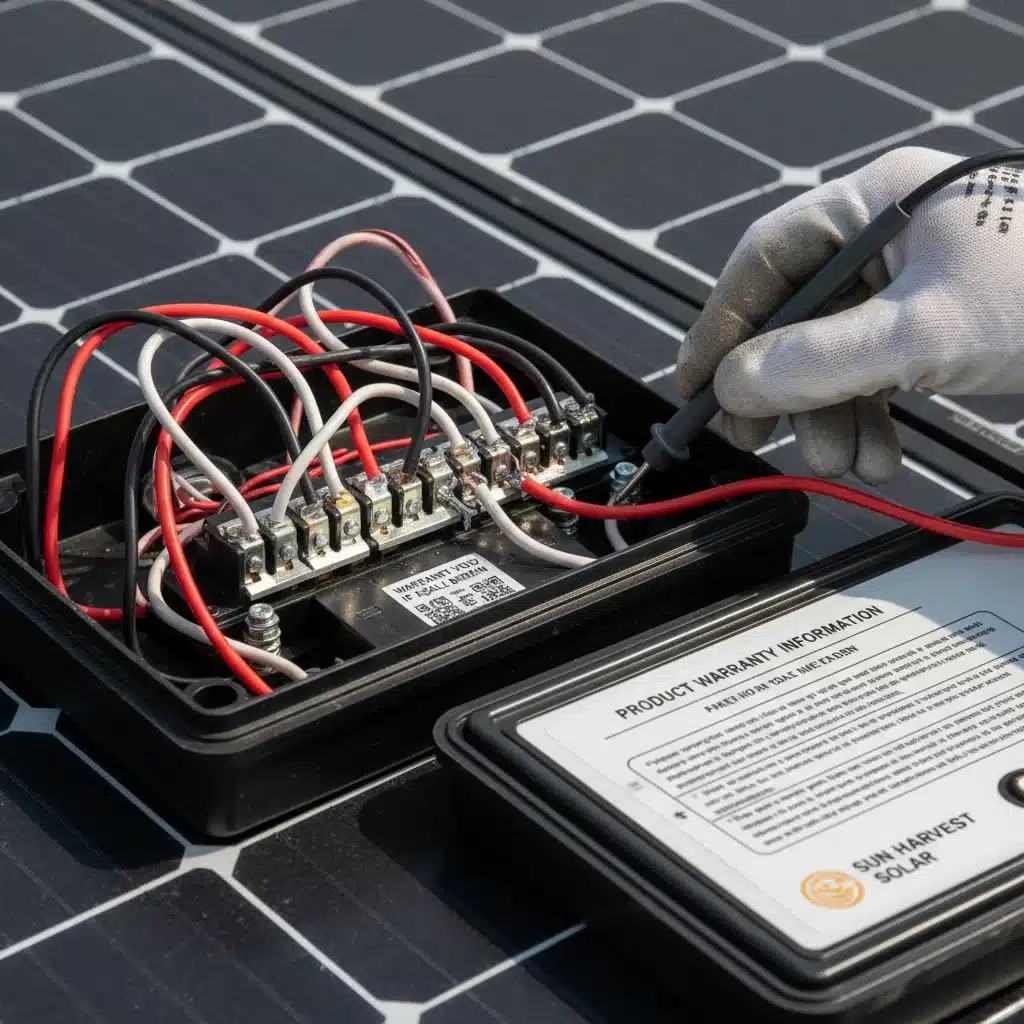
Workmanship Warranties: The Unsung Hero of Your Solar Warranty 25-Year
A strong workmanship warranty from your installer is invaluable. Even the best solar panels and inverters can fail prematurely or cause issues if not installed correctly. This warranty covers:
- Roof Leaks: Protection against roof damage or leaks caused by the installation process.
- Electrical Issues: Ensuring all wiring and connections are safely and correctly installed.
- System Performance: Guaranteeing that the system is installed to optimize energy production.
Look for installers who offer a workmanship warranty of at least 10 years, and ideally 20-25 years. A longer workmanship warranty indicates that the installer stands behind their work and has confidence in their installation quality. This warranty is often tied to the financial stability of the installer; if they go out of business, the warranty may become void. Therefore, choosing a reputable and established installer is paramount.
Crucial Questions to Ask About Your Solar Warranty 25-Year in 2026
Before signing any contracts, arm yourself with specific questions to ensure you fully understand your solar warranty 25-year and all other guarantees:
- Who is the warrantor? For each type of warranty (product, performance, workmanship), identify the entity responsible for honoring it. Is it the panel manufacturer, inverter manufacturer, or the installer? This is crucial for knowing whom to contact if an issue arises.
- Is the warranty transferable? If you sell your home, will the remaining warranty coverage transfer to the new homeowner? This can significantly increase your property’s value. Most reputable warranties are transferable, but always confirm.
- What is the claims process? How do you initiate a warranty claim? What documentation is required? What are the typical response times? A clear and straightforward claims process is vital.
- What does the warranty specifically exclude? Understand what circumstances might void your warranty. Common exclusions include damage from natural disasters (acts of God), unauthorized repairs, or improper maintenance.
- Are labor costs covered for replacements? Some product warranties only cover the cost of a replacement part, leaving you responsible for the labor costs of removing the old component and installing the new one. Ensure your workmanship warranty or a comprehensive product warranty covers labor for repairs and replacements.
- What is the expected degradation rate over 25 years? Get the precise figures for the performance guarantee.
- What is the financial stability of the manufacturers and installer? A warranty is only as good as the company backing it. Research the financial health and longevity of the companies providing your warranties.
- Are there any hidden fees or deductibles for warranty claims? Clarify if you’ll incur any costs when making a claim.
- What happens if a specific product (e.g., inverter) is discontinued? Will the manufacturer provide an equivalent replacement?
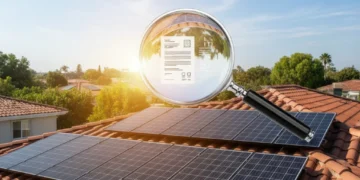
Don’t hesitate to ask for copies of all warranty documents in writing and read them thoroughly before committing. A reputable installer will be transparent and happy to answer all your questions.
Maximizing Your Solar Warranty 25-Year: Best Practices for Homeowners
While warranties provide a safety net, proactive measures can help you avoid issues and ensure your system performs optimally for its entire lifespan, maximizing the value of your solar warranty 25-year.
Regular Monitoring and Maintenance
Most modern solar systems come with monitoring software that allows you to track your energy production in real-time. Regularly check your system’s performance. If you notice a significant drop in output that isn’t attributable to weather or shading, it could indicate an issue that needs attention. Early detection can prevent minor problems from escalating.
While solar panels require minimal maintenance, occasional cleaning (especially in dusty areas or after heavy pollen seasons) can help maintain optimal performance. Professional inspections every few years can also identify potential issues before they become serious.
Document Everything
Keep meticulous records of your solar installation, including:
- All contracts and agreements.
- Copies of all warranty documents for panels, inverters, and workmanship.
- Installation dates and details.
- Any communication with your installer or manufacturers.
- Records of maintenance or repairs.
This documentation will be invaluable if you ever need to file a warranty claim.
Understand Your Responsibilities
Read your warranty documents carefully to understand any responsibilities you have as the homeowner. This might include ensuring proper ventilation around inverters, avoiding modifications to the system, or adhering to recommended maintenance schedules. Failing to meet these responsibilities could potentially void parts of your warranty.

The Future of Residential Solar Warranties in 2026 and Beyond
As solar technology continues its rapid advancement, we can anticipate further evolution in warranty offerings. Here are some trends to watch for in 2026 and beyond:
- Longer Product Warranties: With increasing reliability of solar panels, more manufacturers are extending product warranties to 20-25 years, aligning them with performance warranties.
- More Comprehensive System Warranties: The industry is moving towards more integrated system solutions, where a single manufacturer or installer provides a comprehensive warranty covering all major components (panels, inverters, optimizers) and workmanship under one umbrella. This simplifies the claims process for homeowners.
- AI and Predictive Maintenance Integration: Advanced monitoring systems leveraging AI could predict potential failures before they occur, allowing for proactive warranty claims and maintenance, further enhancing system uptime and performance.
- Increased Focus on Energy Storage Warranties: As battery storage becomes more common, warranties for solar batteries will become a more significant consideration, focusing on cycle life, capacity retention, and overall longevity. These are typically already quite robust, often extending for 10-15 years with guarantees on retaining a certain percentage of capacity.
- Improved Transferability and Portability: Warranties may become even more standardized and easily transferable, reflecting the long-term asset value of solar installations.
These trends suggest an even more robust and homeowner-friendly warranty landscape in the coming years, further solidifying solar as a secure and reliable long-term investment.
The Importance of Choosing the Right Installer
While manufacturer warranties are crucial, the installer you choose plays an equally, if not more, significant role in your long-term satisfaction and the effectiveness of your warranties. An experienced and reputable installer will:
- Recommend high-quality products: They will partner with manufacturers known for reliable products and strong warranties.
- Provide a robust workmanship warranty: A long workmanship warranty from a stable company is a strong indicator of quality.
- Handle warranty claims: In many cases, your installer will be your first point of contact for any warranty issues and can facilitate the claims process with manufacturers.
- Ensure proper design and installation: A correctly designed and installed system will maximize energy production and minimize the likelihood of warranty-triggering issues.
- Offer ongoing support: Post-installation support, including monitoring assistance and maintenance advice, is invaluable.
Don’t base your decision solely on the lowest bid. Research installer reviews, check their certifications, and inquire about their track record and commitment to customer service. A slightly higher upfront cost for a reputable installer can save you significant headaches and expenses down the line, ensuring your 25-year guarantee is truly meaningful.
Conclusion: Securing Your Solar Future with a Solid Warranty
The 25-year guarantee offered with residential solar panels in 2026 is a powerful statement about the durability and longevity of this renewable energy technology. However, it’s crucial for homeowners to look beyond the headline number and delve into the specifics of product, performance, and workmanship warranties. Understanding what each covers, who is responsible, and what exclusions apply is fundamental to protecting your investment.
By asking the right questions, choosing a reputable installer, and actively monitoring your system, you can ensure that your solar system provides reliable, clean energy and substantial savings for decades. The peace of mind that comes from a comprehensive and well-understood solar warranty allows you to truly embrace energy independence and contribute to a sustainable future, knowing your investment is secure.
As the solar industry continues its upward trajectory, homeowners are empowered with more choices and better protections than ever before. Make an informed decision, and let the sun power your home with confidence for the next 25 years and beyond.