Navigating New Grid Interconnection Standards for U.S. Commercial Solar Projects in 2026
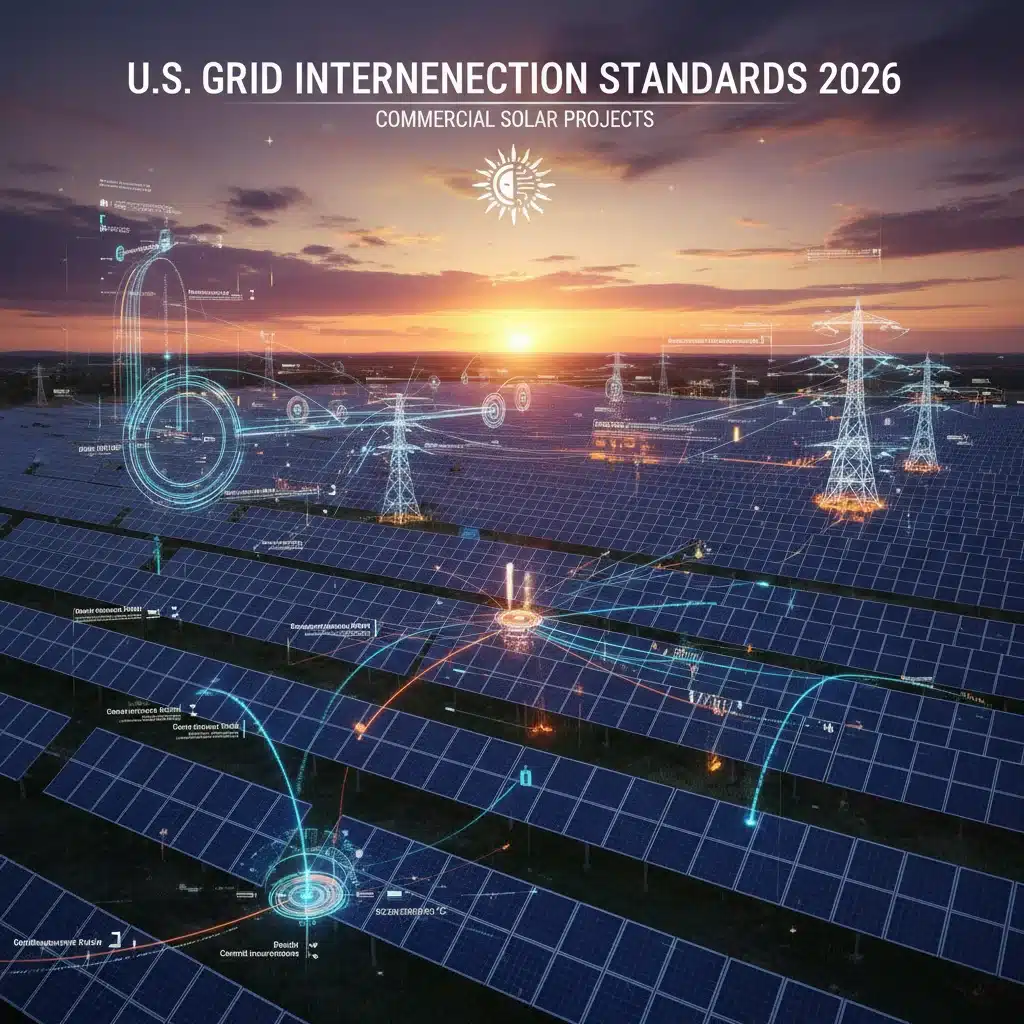
The Impact of New Grid Interconnection Standards on Commercial Solar Projects in the U.S. for 2026
The renewable energy landscape in the United States is constantly evolving, driven by technological advancements, environmental imperatives, and regulatory shifts. Among the most critical aspects influencing the deployment of solar energy, particularly in the commercial sector, are grid interconnection standards. As we approach 2026, the U.S. is poised for significant changes in these standards, which will undoubtedly reshape how commercial solar projects are planned, developed, and integrated into the national grid. Understanding these forthcoming regulations is not just beneficial but essential for developers, investors, and stakeholders in the commercial solar industry.
The push for updated grid interconnection solar standards stems from several factors, including the increasing penetration of intermittent renewable energy sources, the need for enhanced grid stability and resilience, and the desire to streamline the interconnection process while maintaining safety and reliability. These new standards aim to address current bottlenecks, improve efficiency, and ensure that the grid can accommodate the growing influx of solar power without compromising its operational integrity. For commercial solar projects, this means navigating a new set of requirements that will impact everything from initial feasibility studies to final commissioning.
Understanding the Current Landscape of Grid Interconnection Solar
Before delving into the specifics of the 2026 changes, it’s important to grasp the existing framework of grid interconnection solar in the U.S. Currently, interconnection rules are largely governed by a patchwork of federal, state, and utility-specific regulations. The Federal Energy Regulatory Commission (FERC) provides a foundational framework through its pro forma interconnection agreements, particularly for transmission-level projects. However, for distribution-level commercial solar projects, state public utility commissions (PUCs) and individual utilities often dictate the specific technical requirements, application processes, and cost allocation methodologies.
This decentralized approach has led to inconsistencies, varying timelines, and often complex, opaque processes that can be challenging for developers. Project queues can be long, studies can be costly and protracted, and the technical requirements for grid modernization and host utility upgrades can add significant financial and temporal burdens. The lack of uniformity has been a persistent pain point, hindering the pace of commercial solar deployment despite strong market demand and declining technology costs.
Existing standards often focus on ensuring that distributed generation (DG) does not adversely affect grid safety, reliability, and power quality. This includes requirements for protective relaying, voltage regulation, power factor correction, and sometimes, ride-through capabilities during grid disturbances. However, as the scale and sophistication of commercial solar projects increase, so does the need for more advanced functionalities and a more holistic approach to grid integration. The current system, while functional, is often reactive and not fully optimized for the rapid expansion of renewable energy.
Key Drivers for New Grid Interconnection Standards in 2026
The impending changes to grid interconnection solar standards by 2026 are not arbitrary; they are a response to several critical drivers shaping the future of the U.S. energy sector. These drivers collectively necessitate a more robust, standardized, and forward-looking approach to integrating commercial solar projects.
Increased Renewable Energy Penetration
The most obvious driver is the exponential growth of renewable energy, especially solar, across the U.S. Both utility-scale and commercial solar installations are expanding rapidly, putting unprecedented strain on existing grid infrastructure and interconnection queues. The sheer volume of projects demanding interconnection necessitates a more efficient and scalable process.
Grid Modernization and Resilience
Aging grid infrastructure, coupled with the increasing frequency and intensity of extreme weather events, highlights the urgent need for grid modernization and enhanced resilience. New interconnection standards are expected to incorporate requirements that contribute to a more robust and adaptive grid, capable of handling distributed resources and potential disruptions more effectively. This might include advanced inverter functionalities, microgrid capabilities, and improved communication protocols.
Technological Advancements in Solar and Storage
The capabilities of solar inverters and energy storage systems (ESS) have advanced significantly. Modern inverters are no longer just one-way power converters; they can provide advanced grid services like voltage support, frequency regulation, and fault ride-through. The new standards are likely to leverage these ‘smart inverter’ capabilities, moving towards a ‘grid-forming’ rather than merely ‘grid-following’ paradigm for distributed energy resources (DERs). The integration of battery storage with commercial solar projects also adds a new layer of complexity and opportunity, requiring updated interconnection guidelines.
Federal and State Policy Goals
Both federal and state governments have ambitious clean energy targets, including decarbonization goals and mandates for renewable energy deployment. To achieve these targets, efficient and predictable grid interconnection processes are paramount. The new standards are expected to align with these broader policy objectives, facilitating rather than impeding the transition to a clean energy economy.
Addressing Interconnection Queue Backlogs
A persistent challenge has been the extensive backlog in interconnection queues across various regions. Developers often face years of waiting, uncertainty, and escalating study costs. The new standards are anticipated to introduce measures aimed at streamlining the queue management process, potentially through more standardized study methodologies, cluster studies, and greater transparency.
Expected Changes in Grid Interconnection Standards for 2026
While the exact details may vary by region and regulatory body, several key themes and specific changes are anticipated to emerge in the 2026 grid interconnection solar standards for commercial projects.
Standardization and Harmonization
One of the most significant anticipated changes is a greater emphasis on standardization and harmonization of interconnection rules across different jurisdictions and utilities. This could manifest as more uniform technical requirements, application procedures, and study methodologies, reducing complexity and uncertainty for developers operating across multiple service territories.
Advanced Inverter Requirements (IEEE 1547-2018)
The updated IEEE 1547-2018 standard for interconnecting distributed resources with electric power systems is expected to be more widely adopted and mandated. This standard requires advanced inverter functionalities, including ride-through capabilities during grid disturbances, voltage and frequency regulation, and remote control capabilities. For commercial solar projects, this means ensuring that inverters are compliant with these advanced features, which can add to equipment costs but also provide greater grid benefits.
Host Utility Study Process Enhancements
Improvements to the interconnection study process are highly anticipated. This could include:
- Cluster Studies: Grouping multiple projects in a geographic area for a single study, potentially accelerating the process and sharing costs.
- Enhanced Transparency: Greater clarity on study methodologies, assumptions, and results.
- Faster Timelines: Mandated deadlines for utilities to complete studies and provide interconnection agreements.
- Data Sharing: Requirements for utilities to provide more granular grid data to developers to facilitate initial screening and project siting.
Cost Allocation and Network Upgrades
The allocation of costs for necessary network upgrades has long been a contentious issue. New standards might introduce clearer guidelines or even new mechanisms for cost sharing, particularly for upgrades that benefit the broader grid rather than solely the interconnecting project. This could involve different cost responsibility assignments based on the nature and scale of the upgrade.
Cybersecurity and Data Exchange Protocols
As commercial solar projects become more integrated and ‘smart,’ cybersecurity becomes paramount. New standards are likely to include requirements for secure data exchange protocols and cyber-resilience measures to protect both the solar facility and the broader grid from cyber threats.
Implications for Commercial Solar Project Developers
The upcoming changes in grid interconnection solar standards will have profound implications for commercial solar project developers. Proactive planning and adaptation will be crucial for success.
Increased Technical Complexity
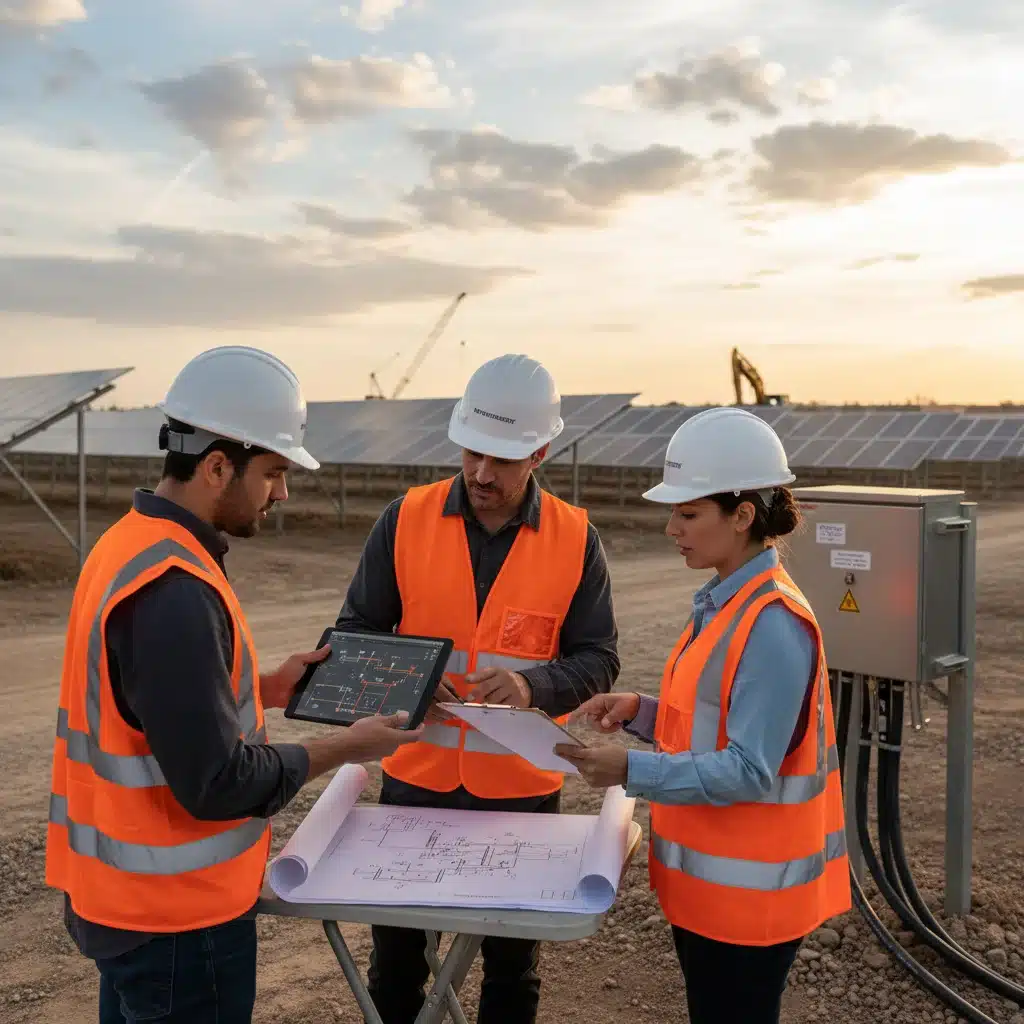
Developers will need to ensure their engineering teams and equipment suppliers are fully conversant with the new technical requirements, especially those related to advanced inverter functionalities (IEEE 1547-2018). This may necessitate investing in new technologies, conducting additional modeling and simulation, and potentially retraining staff.
Project Development Timelines and Costs
While some changes aim to streamline the process, initial adaptation to new standards might introduce temporary delays or increased costs. However, in the long run, greater standardization and efficiency in the interconnection queue could lead to more predictable timelines and potentially lower overall soft costs associated with interconnection.
Enhanced Due Diligence
Early-stage project due diligence will become even more critical. Developers will need to thoroughly assess grid capacity, potential upgrade requirements, and the specific interconnection rules of the host utility at the outset to accurately forecast project viability and costs.
Strategic Partnerships
Forging strong relationships with utilities, regulatory bodies, and experienced interconnection consultants will be more important than ever. Navigating the evolving regulatory landscape will require expert guidance and effective communication.
Opportunity for Innovation
The new standards also present an opportunity for innovation. Projects that can effectively leverage advanced inverter capabilities or incorporate storage solutions that provide grid services may find themselves with a competitive advantage or qualify for additional incentives.
Strategies for Navigating the New Grid Interconnection Solar Standards
To successfully navigate the new grid interconnection solar standards slated for 2026, commercial solar developers should consider implementing several strategic approaches.
Stay Informed and Engage
Actively monitor regulatory developments at federal, state, and utility levels. Participate in public comment periods, industry workshops, and stakeholder meetings. Engaging early and providing constructive feedback can help shape the final rules and ensure your voice is heard.
Invest in Technical Expertise
Ensure your internal team or external consultants possess deep expertise in grid engineering, power systems analysis, and the latest interconnection standards (e.g., IEEE 1547-2018). This will be critical for accurate project design, modeling, and successful navigation of technical reviews.
Adopt Advanced Technology
Prioritize the use of advanced inverters and consider integrated battery storage solutions that can provide valuable grid services. These technologies will not only help meet new compliance requirements but can also enhance project economics by offering additional revenue streams or improving grid stability.
Proactive Site Selection and Grid Analysis
Conduct thorough grid impact assessments and capacity analysis during the very early stages of site selection. Understanding the existing grid infrastructure and potential upgrade needs for a given site can significantly reduce risks and costs down the line. Tools for advanced geospatial analysis and grid modeling can be invaluable here.
Develop Robust Interconnection Applications
Prepare comprehensive and accurate interconnection applications, ensuring all technical documentation, studies, and data are meticulously presented. A well-prepared application can expedite the review process and minimize requests for additional information.
Financial Planning for Potential Upgrades
Budget for potential grid upgrade costs and incorporate these into financial models from the outset. While some cost allocation mechanisms may shift, it’s prudent to have contingencies for network upgrades that might be deemed necessary for your project’s interconnection.
Embrace Digitalization and Automation
Leverage digital tools and automation where possible for managing interconnection applications, tracking progress, and communicating with utilities. This can improve efficiency and reduce administrative burdens.
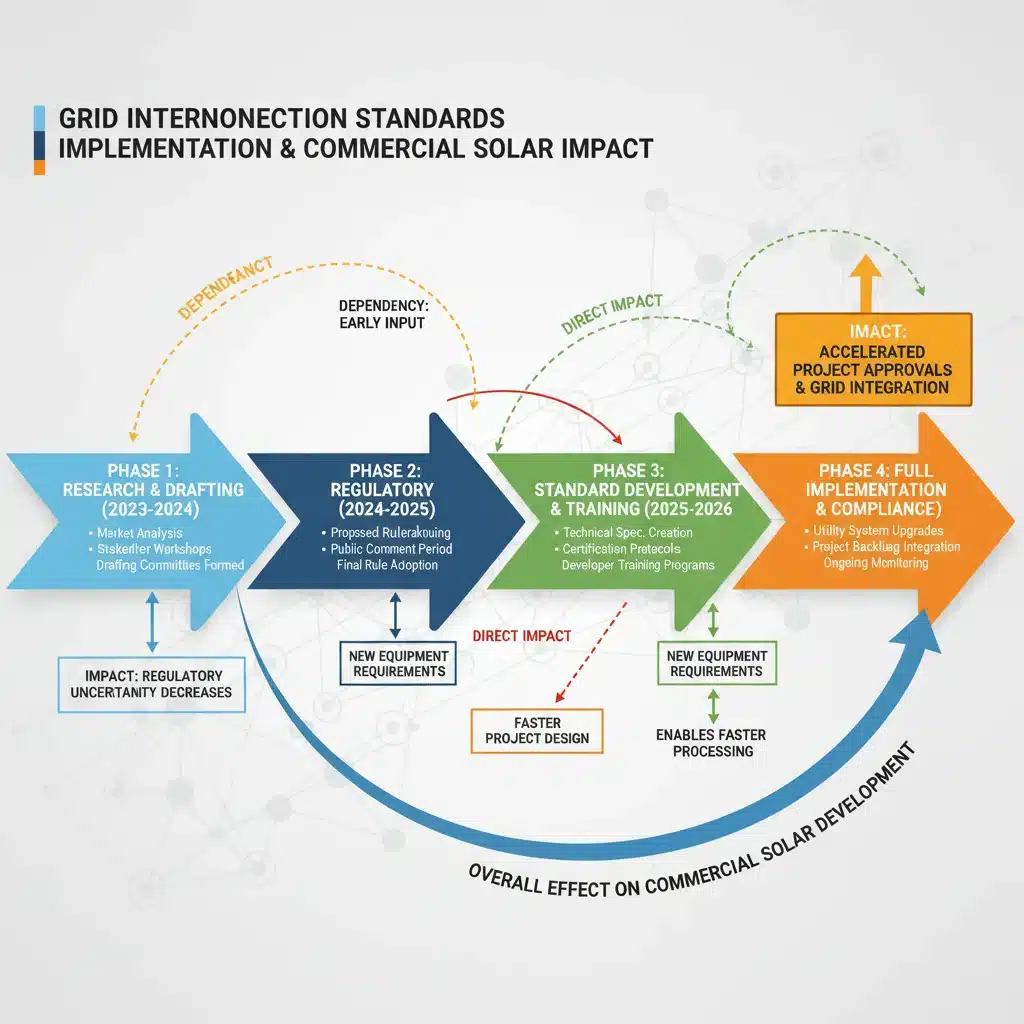
The Role of Regulatory Bodies and Utilities
Regulatory bodies, such as FERC and state PUCs, along with individual utilities, play a pivotal role in the successful implementation of new grid interconnection solar standards. Their responsibilities extend beyond simply issuing new rules; they must also facilitate a smooth transition and ensure equitable outcomes.
For Regulators:
- Clear and Consistent Guidance: Provide unambiguous interpretations and consistent application of new standards across their jurisdictions.
- Stakeholder Engagement: Continue to engage with all stakeholders—developers, environmental groups, consumer advocates, and utilities—to ensure the standards are practical and fair.
- Oversight and Enforcement: Establish mechanisms for monitoring compliance and enforcing timelines to prevent undue delays.
- Incentivizing Grid Modernization: Explore policies that incentivize utilities to invest in grid modernization necessary to accommodate more distributed solar.
For Utilities:
- Resource Allocation: Allocate sufficient staffing and resources to manage the increased workload associated with new interconnection studies and processes.
- System Upgrades: Proactively plan and invest in necessary grid infrastructure upgrades to accommodate growing solar penetration.
- Transparency: Enhance transparency in their interconnection queues, study methodologies, and cost allocation practices.
- Communication: Maintain open and clear communication channels with developers throughout the interconnection process.
- Training: Ensure their engineering and operations teams are fully trained on the new technical requirements and advanced inverter functionalities.
Long-Term Outlook for Commercial Solar Under New Standards
While the transition to new grid interconnection solar standards in 2026 may present initial challenges, the long-term outlook for commercial solar remains overwhelmingly positive. These changes are ultimately designed to create a more efficient, reliable, and scalable framework for integrating renewable energy into the grid. A more standardized and predictable interconnection process could unlock significant value for developers, reduce project risks, and accelerate the deployment of commercial solar across the U.S.
The emphasis on advanced inverter capabilities and grid services also positions commercial solar projects not just as power generators, but as active participants in grid management. This evolution could open up new revenue streams for project owners through participation in ancillary services markets or demand response programs. As the grid becomes smarter and more decentralized, commercial solar installations, equipped with advanced functionalities, will be integral to achieving a resilient and sustainable energy future.
Moreover, the increased clarity and efficiency in interconnection could attract more investment into the commercial solar sector, fostering greater competition and innovation. The U.S. commercial solar market is poised for continued growth, driven by corporate sustainability goals, favorable economics, and supportive policies. The 2026 grid interconnection standards, while a hurdle to clear, represent a necessary step towards a more robust and renewable-powered energy system.
Conclusion
The impending changes to grid interconnection solar standards in the U.S. for 2026 mark a pivotal moment for the commercial solar industry. These updates, driven by the imperative for grid modernization, increased renewable energy penetration, and technological advancements, will reshape how projects are developed and integrated. While developers must prepare for increased technical complexity and adapt their processes, the long-term benefits of a more standardized, efficient, and resilient interconnection framework are substantial.
Success in this new era will hinge on proactive engagement with regulatory bodies, investment in technical expertise and advanced technologies, meticulous planning, and strategic partnerships. By embracing these changes, commercial solar developers can not only ensure compliance but also position themselves to thrive in a rapidly evolving energy landscape, contributing significantly to the nation’s clean energy goals and the stability of its power grid. The future of grid interconnection solar is one of enhanced sophistication and greater integration, promising a more sustainable and resilient energy future for all.