Top 5 Residential Solar Panel Technologies for US Homes in 2026: Achieving 90% Roof Coverage
Top 5 Residential Solar Panel Technologies for US Homes in 2026: Achieving 90% Roof Coverage
As the world pivots towards sustainable energy, homeowners across the United States are increasingly looking to solar power as a viable, cost-effective, and environmentally friendly solution. The year 2026 promises even more advanced and efficient residential solar technologies that can transform how we power our homes. The goal for many is not just to install solar, but to maximize energy generation, aiming for up to 90% roof coverage to achieve near-total energy independence. This comprehensive guide will delve into the top five residential solar panel technologies poised to dominate the US market by 2026, offering insights into their benefits, applications, and how they can help you achieve unprecedented energy efficiency.
The solar industry is dynamic, with continuous innovations pushing the boundaries of efficiency, aesthetics, and affordability. Gone are the days of bulky, inefficient panels. Today, and even more so by 2026, residential solar technologies will be sleeker, more powerful, and better integrated into home architecture. Understanding these advancements is crucial for any homeowner considering making the switch or upgrading their existing solar setup.
The Drive Towards 90% Roof Coverage: Why It Matters
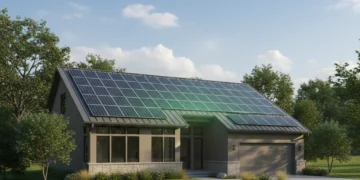
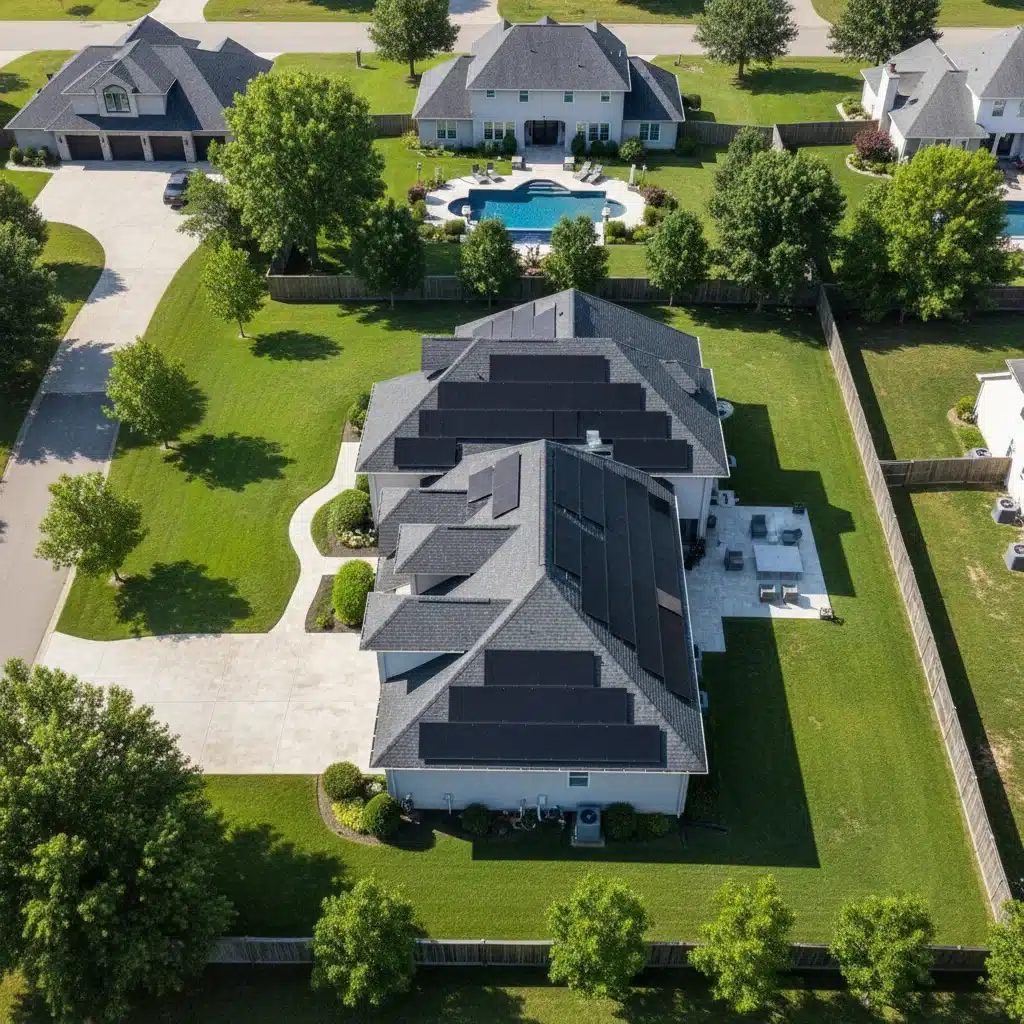
Achieving 90% roof coverage with solar panels isn’t just an ambitious goal; it’s a strategic move towards significant energy savings and environmental impact. Maximizing the solar footprint on your roof means generating more electricity, potentially covering almost all of your home’s energy needs. This reduces reliance on the grid, hedges against rising electricity prices, and dramatically shrinks your carbon footprint. For many, it’s the ultimate step towards energy self-sufficiency.
However, reaching such high coverage requires more than just installing standard panels. It demands innovative residential solar technologies that can adapt to various roof shapes, withstand diverse weather conditions, and deliver high power output in limited spaces. The technologies we will explore are designed to meet these exact demands, making 90% roof coverage a realistic and achievable target for many US households.
1. High-Efficiency Monocrystalline PERC Solar Panels
Monocrystalline PERC (Passivated Emitter and Rear Cell) solar panels have been a staple in the solar industry for years, but by 2026, their efficiency and cost-effectiveness will reach new heights. These panels are characterized by their uniform dark appearance and high efficiency ratings, often exceeding 22% in commercial products. The PERC technology enhances light capture and electron flow, allowing the panels to produce more energy from the same amount of sunlight compared to traditional monocrystalline cells.
Advantages for Residential Use:
- Superior Efficiency: High power output per square foot, ideal for maximizing energy generation on limited roof space. This is crucial for achieving high roof coverage.
- Durability: Excellent performance in varying temperatures and low-light conditions, ensuring consistent energy production throughout the year.
- Aesthetics: Their sleek, uniform black appearance is often preferred by homeowners who want their solar array to blend seamlessly with their roof.
- Established Technology: A proven track record of reliability and longevity, often coming with 25-year performance warranties.
Innovations by 2026:
Expect to see further refinements in PERC technology, including improved passivation layers, advanced cell interconnection techniques (like shingling or half-cut cells for better shade tolerance), and even higher efficiencies pushing towards 24-25% for commercially available residential panels. These advancements will make high-efficiency monocrystalline PERC panels an even more compelling choice for homeowners aiming for maximum energy yield from their available roof area, directly supporting the goal of extensive roof coverage.
2. Bifacial Solar Panels: Capturing Light from Both Sides
Bifacial solar panels represent a significant leap in solar technology, designed to capture sunlight from both their front and rear sides. While traditionally more common in commercial or utility-scale ground-mounted installations, bifacial technology is increasingly making its way into residential applications, especially for flat roofs or elevated installations where reflected light can be effectively utilized.
How They Work:
These panels use transparent backsheets or dual glass designs, allowing sunlight that reflects off the roof surface (albedo) to be absorbed by the rear side of the solar cells. This can increase overall energy production by an additional 5-30% depending on the surface beneath the panels and the installation method.
Benefits for Homeowners:
- Increased Energy Yield: More electricity generated from the same footprint, crucial for homes with limited roof space or complex shading patterns.
- Improved Durability: Dual-glass bifacial panels are often more robust and resistant to environmental degradation than traditional panels with polymer backsheets.
- Enhanced Aesthetics: The transparent nature of some bifacial designs can offer a unique, modern look, especially if the panels are slightly elevated.
Residential Applications by 2026:
By 2026, expect more integrated bifacial solutions for residential use, including mounting systems designed to optimize rear-side light capture on residential roofs. While challenging for sloped, shingled roofs, they will be ideal for flat roof homes, carports, pergolas, and even as integrated architectural elements like balcony railings or awnings, contributing to the overall energy generation capacity of a property beyond just the main roof. This expansion of application areas helps in achieving a higher percentage of energy needs met by solar.
3. Thin-Film Solar (CIGS and CdTe) with Enhanced Flexibility
Thin-film solar panels, particularly those made from Copper Indium Gallium Selenide (CIGS) or Cadmium Telluride (CdTe), have long been known for their flexibility and performance in low-light conditions. While historically less efficient than crystalline silicon panels, advancements are rapidly closing this gap, making them a compelling option for specific residential scenarios.
Key Characteristics:
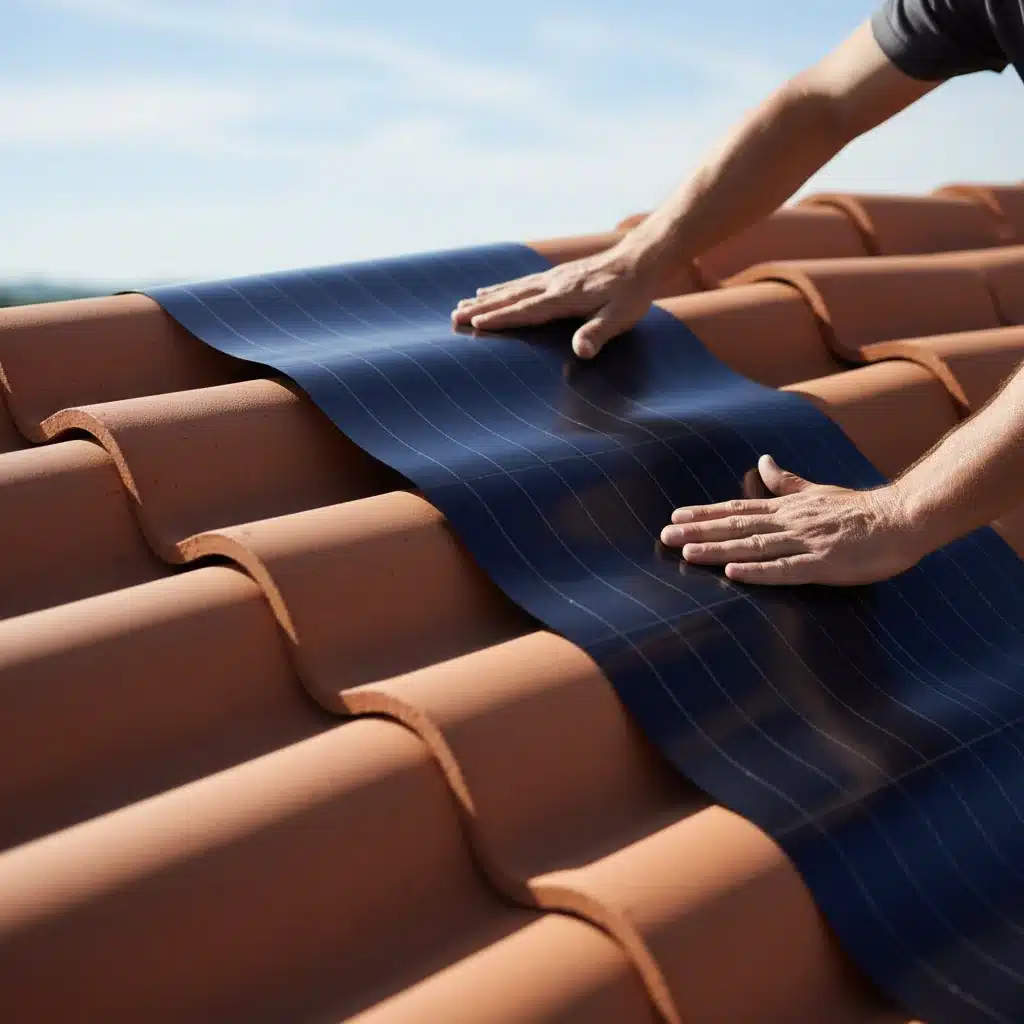
- Flexibility: Can be integrated onto curved surfaces, uneven roofs, or even as building-integrated photovoltaics (BIPV) where traditional rigid panels cannot go.
- Lightweight: Significantly lighter than crystalline panels, making them suitable for roofs with lower load-bearing capacities.
- Aesthetics: Often come in a uniform, dark, and less obtrusive appearance, easily blending with roofing materials.
- Performance in Suboptimal Conditions: Generally perform better in high temperatures and low-light conditions (e.g., cloudy days) compared to crystalline silicon.
Innovations and Residential Impact by 2026:
By 2026, thin-film residential solar technologies will see substantial efficiency improvements, making them more competitive with monocrystalline panels. Their flexibility will be a major advantage for achieving 90% roof coverage, especially on complex or unusually shaped roofs where rigid panels are impractical. Imagine solar shingles or flexible solar films that can adhere directly to existing roofing materials, turning virtually every square foot of roof into an energy generator. This makes them perfect for overcoming architectural limitations that prevent full coverage with traditional panels.
4. Perovskite Solar Cells: The Next-Generation Frontier
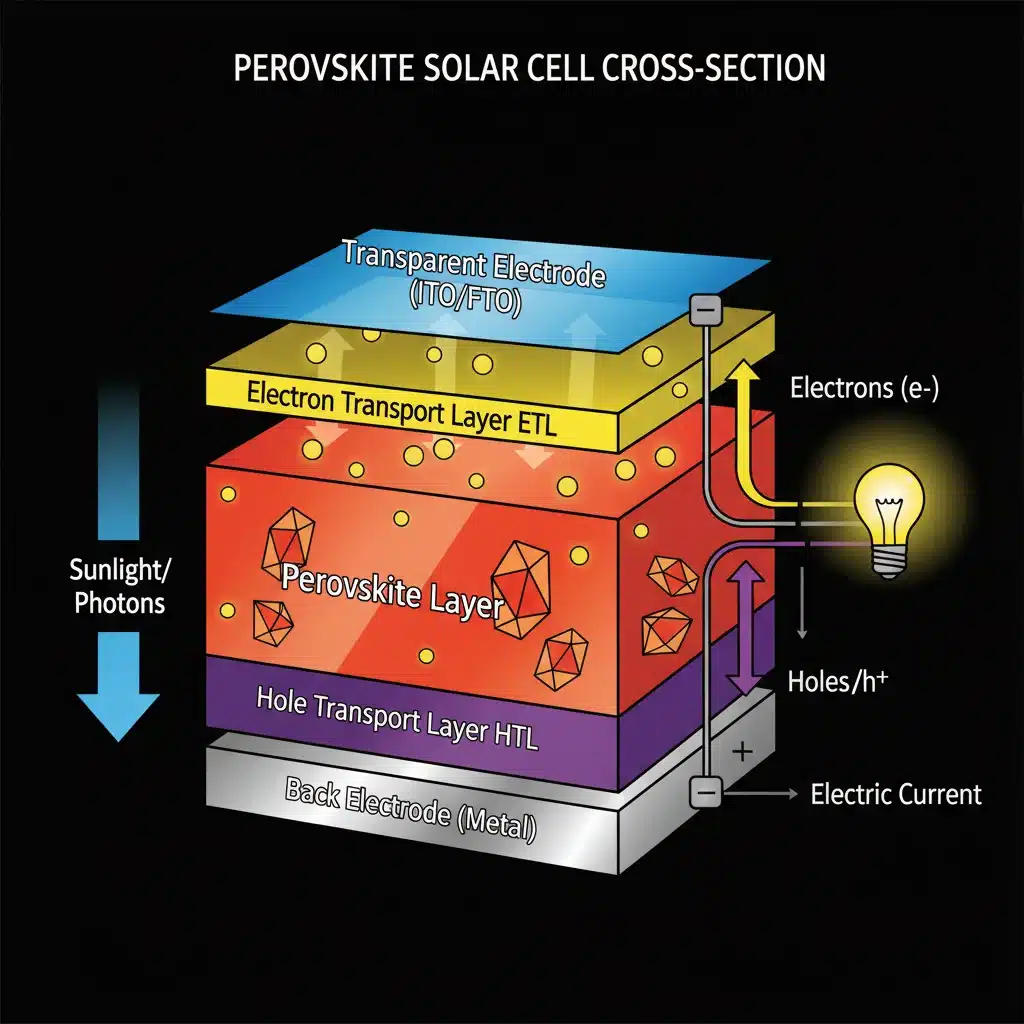
Perovskite solar cells are arguably the most exciting development in photovoltaics, holding the promise of ultra-high efficiency at a potentially lower cost than silicon. While still largely in research and early commercialization phases for large-scale applications, their potential for residential use by 2026 is immense, particularly as a complementary technology or in niche applications.
Why Perovskites are Revolutionary:
- High Efficiency Potential: Research cells have already surpassed silicon in lab settings, with theoretical efficiencies much higher than current commercial silicon panels.
- Low Manufacturing Cost: Perovskites can be processed using solution-based methods, potentially leading to cheaper and faster production.
- Tunability: Their optical and electronic properties can be tuned, allowing them to absorb different parts of the solar spectrum, making them ideal for tandem cells.
- Lightweight and Flexible: Can be manufactured on flexible substrates, opening up possibilities for integration into various surfaces.
Residential Outlook for 2026:
By 2026, while full perovskite panels might still be emerging for widespread residential use, we can expect to see them integrated into tandem solar cells. This involves layering perovskite cells on top of traditional silicon cells to capture a broader spectrum of sunlight, thereby boosting overall efficiency significantly (potentially over 30% in commercial products). This ‘perovskite-on-silicon’ approach will allow homeowners to generate unprecedented amounts of power from smaller areas, making 90% roof coverage not just about physical space, but about energy density, maximizing every inch of available roof.
5. Building-Integrated Photovoltaics (BIPV): Solar as a Building Material
Building-Integrated Photovoltaics (BIPV) refers to solar materials that serve as both building envelopes and power generators. This category is not a single technology but an approach that integrates various solar cell types (monocrystalline, thin-film, perovskite) directly into building components. By 2026, BIPV will be a cornerstone for achieving maximum roof coverage and aesthetic integration.
Types of BIPV for Residential Use:
- Solar Shingles/Tiles: PV cells integrated into roofing shingles or tiles, replacing traditional roofing materials while generating electricity.
- Solar Glass: Transparent or semi-transparent PV cells integrated into windows, skylights, or curtain walls.
- Solar Facades: PV panels designed to be part of the building’s exterior walls.
The BIPV Advantage for 90% Roof Coverage:
BIPV is the ultimate solution for homeowners who want solar power without the visible panels. By replacing conventional roofing materials with solar-generating ones, you effectively turn your entire roof into a solar farm. This not only maximizes surface area utilization but also enhances the home’s aesthetic appeal and potentially its resale value. For new constructions or roof replacements, BIPV offers a seamless way to achieve extensive solar integration.
Future of BIPV by 2026:
Expect BIPV solutions to become more efficient, cost-effective, and widely available. Manufacturers will offer a greater variety of styles, colors, and textures to match diverse architectural preferences. The integration will extend beyond just roofs to other parts of the home’s exterior, ensuring that virtually every sun-exposed surface can contribute to energy production. This holistic approach to solar integration is key to pushing residential solar coverage to its maximum potential.
Factors to Consider When Choosing Residential Solar Technologies
While these advanced residential solar technologies offer exciting prospects, selecting the right one for your home involves several considerations:
- Roof Type and Condition: The slope, material, and structural integrity of your roof will influence which technologies are suitable. Flexible thin-film or BIPV might be better for complex or older roofs, while high-efficiency monocrystalline PERC panels are excellent for standard, well-maintained roofs.
- Sunlight Exposure: Analyze your home’s sun exposure throughout the day and year. Shading from trees or neighboring buildings can impact panel performance. Technologies like thin-film or half-cut PERC cells might offer better performance in partially shaded conditions.
- Budget: While solar is an investment, the upfront costs vary significantly between technologies. Consider government incentives, tax credits, and financing options to make it more affordable.
- Aesthetics: How important is the visual appearance of your solar system? BIPV and sleek monocrystalline panels offer more integrated looks compared to traditional rack-mounted systems.
- Energy Needs: Calculate your household’s average energy consumption to determine the system size required to meet your goals, including aiming for 90% coverage.
- Local Regulations: Check local building codes, HOA rules, and utility interconnection requirements.
The Role of Energy Storage in Maximizing Residential Solar
Achieving 90% roof coverage and maximizing self-consumption from your residential solar technologies goes hand-in-hand with robust energy storage solutions. By 2026, home battery storage systems will be more affordable, efficient, and intelligent, allowing homeowners to store excess solar energy generated during the day for use at night or during power outages. This significantly enhances energy independence and the overall value proposition of a high-coverage solar installation.
Smart home energy management systems will also play a crucial role, integrating solar production, battery storage, and home appliance usage to optimize energy flow and minimize reliance on the grid. These systems can learn your energy consumption patterns and automatically manage your solar power to ensure maximum efficiency and savings.
Conclusion: Powering the Future of US Homes with Advanced Solar
The landscape of residential solar technologies is evolving rapidly, offering homeowners in the US unprecedented opportunities to generate clean, sustainable energy. By 2026, the advancements in high-efficiency monocrystalline PERC, bifacial panels, flexible thin-film, perovskite cells, and building-integrated photovoltaics will make achieving 90% roof coverage not just a dream, but a practical reality for many. These innovations promise not only significant reductions in electricity bills and carbon footprints but also enhanced home aesthetics and increased property value.
As you plan your transition to solar or consider upgrading your existing system, staying informed about these cutting-edge technologies will be key. Consult with reputable solar installers who are familiar with these advanced solutions to design a system that perfectly fits your home’s needs and helps you unlock a future of energy independence. The sun is an abundant resource; 2026 will be the year many US homes fully harness its power.