Advanced Solar Monitoring: Cut Commercial Maintenance Costs 20%
Advanced Monitoring Systems for Commercial Solar: Reducing Maintenance Costs by 20% in the Next 12 Months
The commercial solar industry is experiencing unprecedented growth, driven by increasing energy demands, environmental consciousness, and favorable economic incentives. As more businesses invest in large-scale solar installations, the focus is shifting not just to initial setup, but also to long-term operational efficiency and cost management. A critical component of this is maintenance. Traditional reactive maintenance approaches can be costly, inefficient, and lead to significant downtime. This is where advanced monitoring systems come into play, offering a transformative solution to significantly reduce maintenance costs, with a realistic target of a 20% reduction within the next 12 months. This article will delve into how these cutting-edge systems achieve such impressive results, explore their core functionalities, and outline a strategic roadmap for implementation and success.
The Economic Imperative: Why Reducing Solar Maintenance Costs Matters
For any commercial solar installation, the initial capital expenditure is substantial. However, the true profitability and return on investment (ROI) are heavily influenced by the ongoing operational and maintenance (O&M) costs. These costs can include everything from routine inspections and cleaning to unexpected repairs and component replacements. High O&M costs erode profitability, extend payback periods, and can even deter future investments in solar. Therefore, optimizing O&M is not just a matter of efficiency; it’s an economic imperative that directly impacts the bottom line of businesses relying on solar energy.
Traditional maintenance often involves scheduled inspections or reactive repairs when a problem manifests. This can be likened to waiting for a car to break down before taking it to the mechanic. While seemingly straightforward, this approach is fraught with inefficiencies: unscheduled downtime, potential for larger and more expensive repairs, and the inability to anticipate issues before they escalate. The goal, then, is to shift from a reactive to a proactive and, ideally, predictive maintenance model. This paradigm shift is precisely what advanced monitoring systems facilitate, making solar monitoring cost reduction a tangible and achievable goal for commercial entities.
Understanding Advanced Solar Monitoring Systems
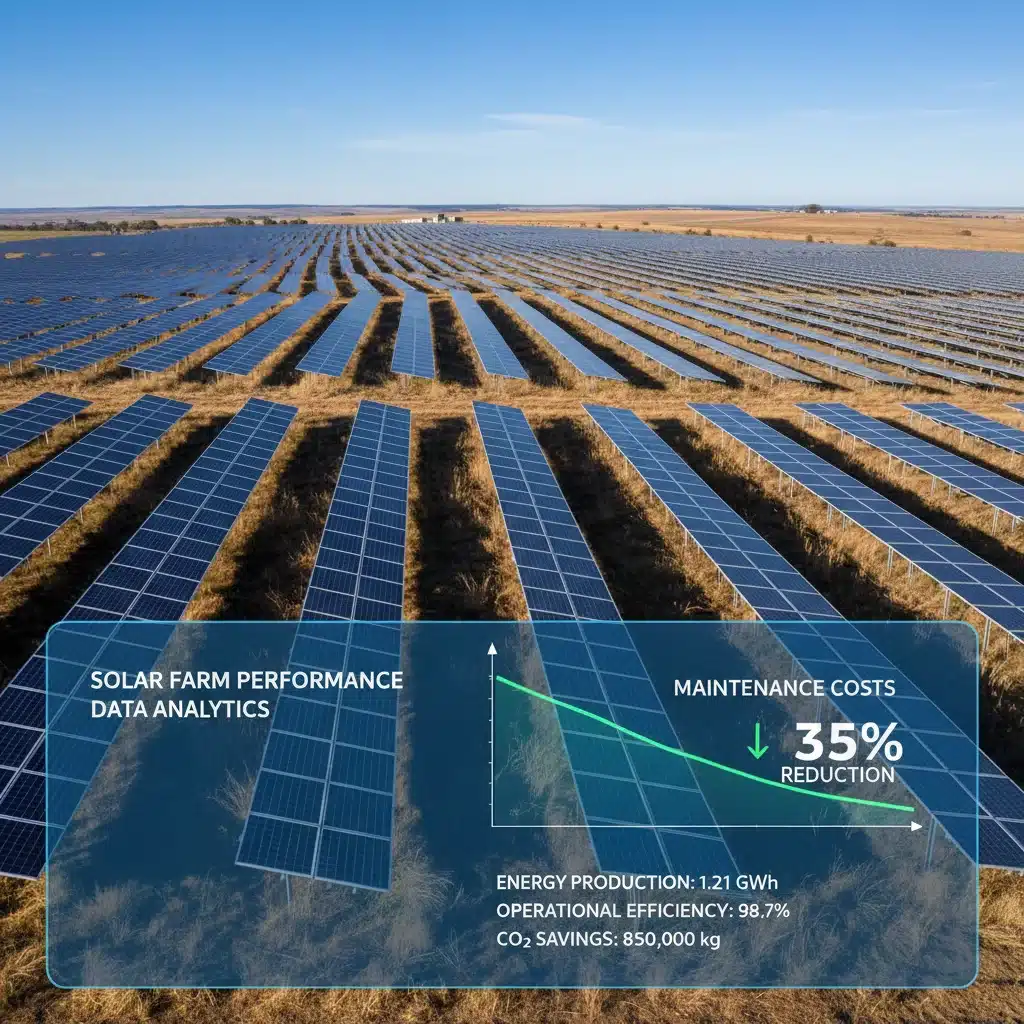
At its core, an advanced solar monitoring system is a sophisticated network of sensors, data loggers, communication devices, and analytical software designed to collect, transmit, and interpret real-time performance data from a solar installation. These systems go far beyond simply telling you if the system is on or off. They provide granular insights into every aspect of the solar array’s operation, from individual panel performance to inverter efficiency and grid interaction.
Key Components and Features:
- Sensors: These are deployed across the array to measure critical parameters such as irradiance (sunlight intensity), ambient temperature, panel temperature, wind speed, and humidity.
- String and Panel-Level Monitoring: Unlike older systems that might only monitor at the inverter level, advanced systems can track the performance of individual strings or even individual panels. This pinpoint accuracy is crucial for identifying underperforming units.
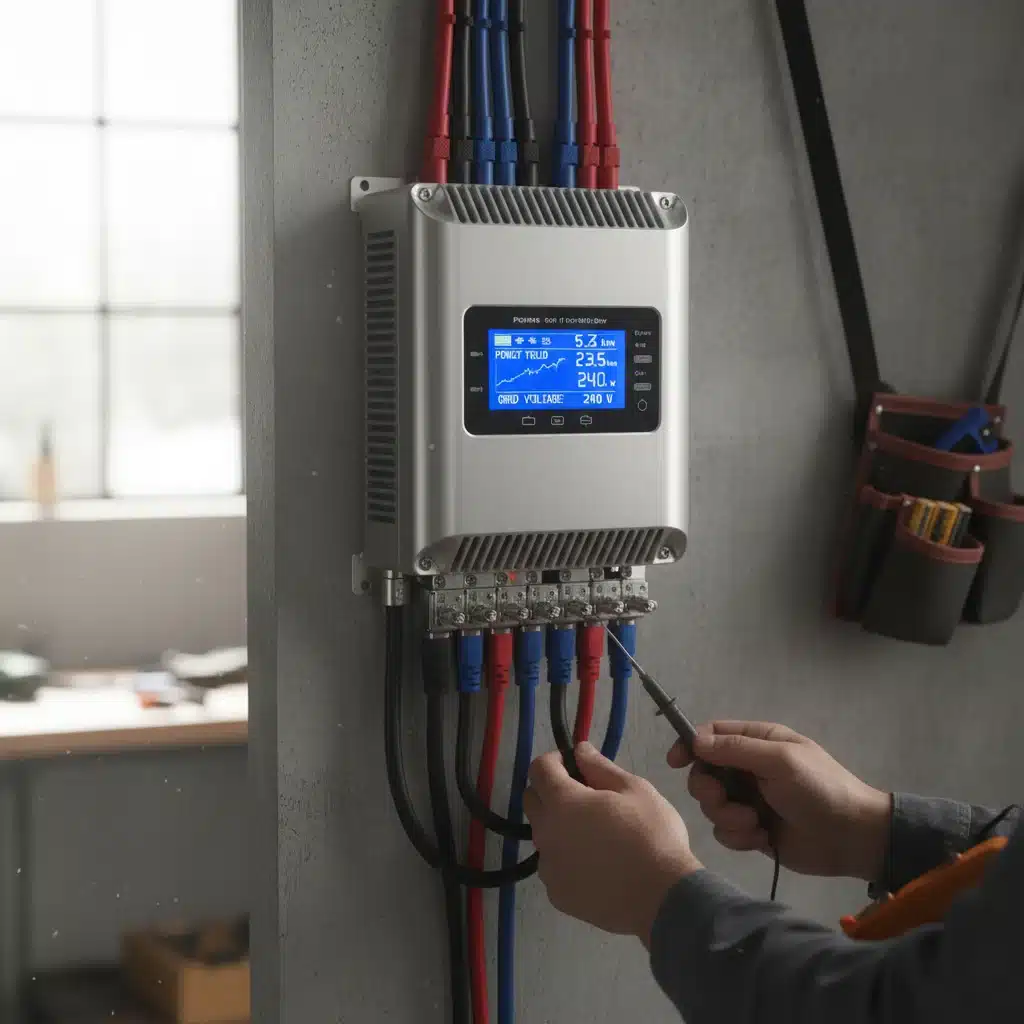
- Inverter Monitoring: Inverters are the heart of a solar system, converting DC electricity from panels into AC electricity for use or grid export. Monitoring their efficiency, voltage, current, and temperature provides vital health indicators.
- Data Loggers and Communication: Devices collect data from sensors and inverters, then transmit it to a central server or cloud platform via various communication protocols (e.g., cellular, Ethernet, Wi-Fi).
- Cloud-Based Platforms and Dashboards: This is where the magic happens. Data is stored, processed, and presented in user-friendly dashboards, often accessible via web browsers or mobile apps. These platforms offer visualizations, historical trends, and customizable alerts.
- Analytics and AI/Machine Learning: The most advanced systems leverage artificial intelligence and machine learning algorithms to analyze vast datasets. These algorithms can detect subtle anomalies, predict potential failures, and even identify the root cause of performance issues.
The ability to gather and analyze such comprehensive data empowers asset managers and O&M teams with unprecedented visibility and control, paving the way for significant solar monitoring cost reduction.
How Advanced Monitoring Leads to 20% Cost Reduction
Achieving a 20% reduction in maintenance costs within 12 months is an ambitious yet entirely attainable goal with the strategic implementation of advanced solar monitoring. Here’s a breakdown of the mechanisms through which these savings are realized:
1. Early Detection and Predictive Maintenance:
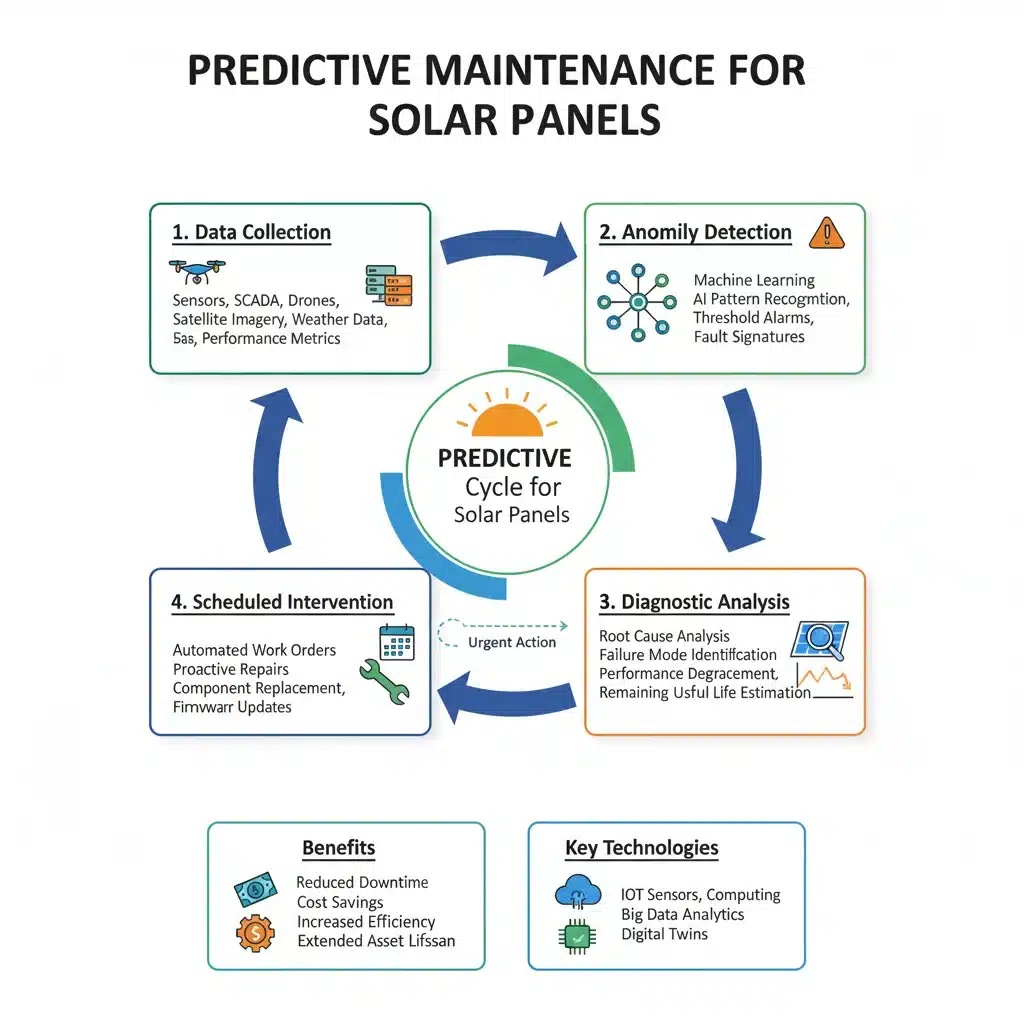
One of the most significant benefits is the shift from reactive to predictive maintenance. Instead of waiting for a fault to occur, advanced systems can identify subtle deviations from normal operating parameters that indicate an impending issue. For example, a slight drop in output from a specific string or panel, or an unusual temperature reading from an inverter, can signal a problem long before it leads to a complete failure. This early detection allows for:
- Scheduled Repairs: Maintenance can be scheduled during off-peak hours or when the impact on energy production is minimal, avoiding costly emergency call-outs.
- Reduced Downtime: Addressing issues proactively prevents minor problems from escalating into major system outages, ensuring maximum uptime and energy generation.
- Optimized Resource Allocation: O&M teams can dispatch technicians with the right tools and parts, knowing exactly what the problem is before arriving on site, thus reducing diagnostic time and multiple visits.
2. Pinpoint Problem Identification:
Traditional monitoring might only tell you that overall system output is down. Advanced systems, with their string and panel-level monitoring, can identify the exact problematic component. Is it a single dirty panel? A faulty bypass diode? A failing optimizer? This precision:
- Eliminates Guesswork: Technicians don’t waste time searching for the problem, leading to faster repairs.
- Reduces Labor Costs: Less diagnostic time means fewer labor hours spent on site.
- Minimizes Unnecessary Replacements: Accurate diagnosis prevents the replacement of healthy components.
3. Performance Optimization and Revenue Maximization:
While not directly a maintenance cost, maximizing energy production indirectly reduces the ‘cost per kilowatt-hour’ and increases overall profitability, effectively offsetting O&M expenses. Advanced monitoring ensures the system is always operating at its peak potential by:
- Identifying Underperforming Assets: Panels or strings that are consistently underperforming due to shading, soiling, or degradation can be flagged for attention.
- Optimizing Inverter Performance: Ensuring inverters are operating within optimal parameters and alerting to any inefficiencies.
- Validating Warranties: Detailed performance data can be used to validate warranty claims for underperforming components, leading to free replacements.
4. Remote Diagnostics and Troubleshooting:
Many issues can be diagnosed and even resolved remotely through the monitoring platform. Technicians can access data, run diagnostics, and sometimes even reset inverters or adjust settings without a physical site visit. This significantly reduces:
- Travel Costs: Fewer truck rolls mean savings on fuel, vehicle wear, and technician travel time.
- Labor Hours: Remote work is often more efficient than on-site troubleshooting.
5. Data-Driven Maintenance Scheduling and Strategy:
Over time, the accumulated data from advanced monitoring systems provides invaluable insights into the long-term behavior and degradation patterns of the solar array. This data can be used to:
- Optimize Cleaning Schedules: Instead of fixed schedules, cleaning can be performed only when data indicates significant soiling-induced power loss.
- Forecast Component Lifespans: Predictive analytics can estimate when certain components are likely to fail, allowing for proactive, bulk purchasing of replacements at better prices.
- Refine O&M Contracts: Data-backed insights enable more informed negotiations with O&M providers, potentially leading to more favorable terms.
These combined benefits contribute directly to a substantial solar monitoring cost reduction, making the 20% target realistic within a year of full system integration.
Implementing Advanced Monitoring: A Strategic Roadmap
To achieve the targeted 20% maintenance cost reduction, a phased and strategic approach to implementing advanced monitoring is essential. It’s not just about installing hardware; it’s about integrating the technology into existing O&M workflows and fostering a data-driven culture.
Phase 1: Assessment and Planning (Months 1-2)
- Current O&M Audit: Begin by thoroughly auditing your current maintenance costs, including labor, parts, travel, and downtime-related losses. Establish a baseline for comparison.
- Define Objectives and KPIs: Clearly articulate what you aim to achieve beyond just cost reduction, e.g., improved uptime, faster resolution times, enhanced safety. Define Key Performance Indicators (KPIs) to measure success.
- System Selection: Research and select an advanced monitoring system that aligns with your installation’s size, complexity, and budget. Consider factors like scalability, data granularity, analytical capabilities (AI/ML), user interface, and vendor support.
- Integration Plan: Develop a detailed plan for integrating the new system with existing infrastructure and O&M processes. This includes data communication, dashboard access, and alert protocols.
Phase 2: Installation and Data Collection (Months 2-4)
- Hardware Deployment: Install sensors, data loggers, and communication devices across your solar array. Ensure proper calibration and connectivity.
- Software Configuration: Set up the cloud platform, configure dashboards, establish user permissions, and define alert thresholds based on your system’s specifications and operational norms.
- Initial Data Collection: Allow the system to collect data for a few weeks to establish a baseline of normal operation. This period is crucial for the AI/ML algorithms to ‘learn’ the system’s behavior.
Phase 3: Analysis, Optimization, and Training (Months 4-8)
- Data Interpretation and Anomaly Detection: Begin actively using the monitoring platform to identify performance anomalies. Leverage the system’s analytical tools to diagnose potential issues.
- Refine Alerting Mechanisms: Adjust alert thresholds and notification preferences to ensure O&M teams receive timely and actionable insights without being overwhelmed by false positives.
- Team Training: Provide comprehensive training to your O&M staff on how to use the new monitoring system, interpret data, respond to alerts, and integrate predictive maintenance into their routines. This is vital for successful solar monitoring cost reduction.
- Pilot Predictive Maintenance: Start with a few identified potential issues and implement predictive maintenance actions. Document the results, including time saved and costs avoided.
Phase 4: Continuous Improvement and Scaling (Months 8-12+)
- Performance Review: Regularly review the system’s performance against your defined KPIs. Track actual maintenance costs against the baseline.
- Feedback Loop: Establish a feedback loop between O&M teams and the monitoring system provider to address any issues, suggest improvements, and leverage new features.
- Refine Strategies: Continuously refine your maintenance strategies based on the insights gained from the monitoring data. For example, adjust cleaning frequencies or preventative replacement schedules.
- Scale Best Practices: Once successful, scale the new data-driven maintenance practices across your entire portfolio of commercial solar assets.
By following this roadmap, businesses can systematically leverage advanced monitoring to achieve their 20% maintenance cost reduction target within the specified timeframe, ensuring a robust and profitable solar investment.
Challenges and Considerations
While the benefits of advanced monitoring are clear, implementation can present certain challenges that need to be addressed:
- Initial Investment: The upfront cost of purchasing and installing an advanced monitoring system can be significant. However, this should be viewed as an investment with a clear and measurable ROI through cost savings and increased revenue.
- Data Overload: Advanced systems generate vast amounts of data. Without proper analytical tools and skilled personnel to interpret it, this data can become overwhelming rather not insightful.
- Cybersecurity: As systems become more interconnected, cybersecurity becomes a critical concern. Ensuring the monitoring platform and data communication channels are secure is paramount to prevent unauthorized access or data breaches.
- Integration Complexity: Integrating a new monitoring system with legacy equipment or disparate systems can be complex. Choosing a vendor with strong integration capabilities is key.
- Training and Adoption: The success of any new technology hinges on user adoption. Adequate training and ongoing support for O&M teams are essential to maximize the system’s benefits.
Addressing these challenges proactively, perhaps by phasing in the implementation or working closely with experienced technology partners, will pave the way for successful solar monitoring cost reduction.
Case Studies and Real-World Impact
Numerous commercial solar operators have already demonstrated the profound impact of advanced monitoring on their O&M costs and overall profitability. For instance, a large-scale solar farm in California reported a 15% reduction in truck rolls and a 10% increase in energy yield within the first six months of implementing a comprehensive monitoring system. Another case involved a commercial rooftop installation in the Northeast that identified and rectified a persistent shading issue, previously undetected, leading to a 7% boost in annual production and a subsequent drop in the effective cost of maintenance per MWh.
These examples underscore that the 20% cost reduction target is not theoretical but based on real-world outcomes. The key lies in consistent application of the data, proactive problem-solving, and continuous optimization of maintenance strategies based on granular insights provided by the monitoring platforms.
The Future of Solar O&M: AI, Machine Learning, and Beyond
The evolution of solar monitoring systems is far from over. The integration of artificial intelligence (AI) and machine learning (ML) is rapidly advancing, moving beyond simple anomaly detection to truly predictive and even prescriptive analytics. Future trends include:
- Self-Healing Systems: AI-powered systems that can automatically detect and potentially resolve minor issues without human intervention.
- Drone Inspections with AI: Drones equipped with thermal and visual cameras, combined with AI, can rapidly inspect large arrays, identify hotspots or physical damage, and feed data directly into the monitoring platform for analysis.
- Digital Twins: Creating virtual replicas of physical solar assets that can simulate performance under various conditions, predict degradation, and test maintenance strategies.
- Blockchain for Data Security: Enhanced security and transparency in data management through blockchain technology.
- Integration with Grid Management Systems: Seamless communication between solar assets and smart grids for optimized energy dispatch and demand-response programs.
These advancements promise even greater efficiencies and further opportunities for solar monitoring cost reduction, solidifying the role of technology as the backbone of sustainable and profitable commercial solar operations.
Conclusion
For commercial solar asset owners and operators, the imperative to reduce maintenance costs is clear. Advanced monitoring systems offer a powerful, data-driven solution to achieve this goal, with a realistic and actionable target of a 20% reduction within the next 12 months. By enabling early detection, pinpoint diagnostics, remote troubleshooting, and data-informed decision-making, these systems transform O&M from a reactive expense into a strategic advantage.
Embracing this technology requires an initial investment and a commitment to integrating new workflows, but the long-term benefits – increased uptime, optimized performance, and significantly lower operational costs – far outweigh the challenges. As the commercial solar landscape continues to expand, leveraging advanced monitoring will not just be a competitive edge, but a fundamental requirement for maximizing ROI and ensuring the sustainable success of large-scale solar investments. The time to invest in smart, predictive O&M is now, paving the way for a more efficient and profitable solar future.