Maximizing Commercial Solar Incentives: A Q1 2026 Guide to State-Level Programs
Maximizing Commercial Solar Incentives: A Q1 2026 Guide to State-Level Programs
As we step into Q1 2026, the landscape of renewable energy continues to evolve, presenting unprecedented opportunities for businesses looking to invest in solar power. The financial benefits of going solar extend far beyond reduced utility bills, primarily driven by a robust framework of federal and state-level commercial solar incentives. Understanding and strategically leveraging these incentives can significantly enhance your return on investment, making solar adoption an even more attractive proposition for businesses of all sizes.
This comprehensive guide aims to demystify the array of commercial solar incentives available in Q1 2026, with a specific focus on state-level programs that complement federal offerings. By the end of this article, you will have a clear understanding of how to identify, apply for, and maximize these financial benefits, propelling your business towards a sustainable and profitable future.
The Enduring Appeal of Commercial Solar
The transition to solar energy is no longer just an environmental statement; it’s a shrewd business decision. Beyond the obvious ecological advantages, commercial solar installations offer a myriad of financial benefits. Businesses can lock in energy costs for decades, protecting themselves from volatile electricity price fluctuations. Furthermore, the enhanced brand image associated with sustainability can attract environmentally conscious customers and talent, providing a competitive edge.
However, the initial capital outlay for a commercial solar system can be substantial. This is where commercial solar incentives play a pivotal role. They significantly reduce the upfront costs and accelerate the payback period, making solar power accessible and financially viable for a wider range of businesses. In Q1 2026, these incentives are more crucial than ever, as businesses navigate economic shifts and seek reliable, cost-effective energy solutions.
Federal Commercial Solar Incentives: The Foundation
Before diving into state-specific programs, it’s essential to understand the foundational federal commercial solar incentives. These programs provide a baseline of financial support that can be stacked with state and local offerings, leading to substantial overall savings.
The Investment Tax Credit (ITC) for Businesses
The federal Investment Tax Credit (ITC), also known as the Solar Tax Credit, remains a cornerstone of solar financing. For commercial solar projects initiated in Q1 2026, the ITC allows businesses to deduct a significant percentage of the cost of installing a solar energy system from their federal taxes. While the exact percentage can vary based on project commencement dates and specific eligibility criteria, it generally hovers around 30% for projects meeting certain domestic content and prevailing wage requirements outlined in the Inflation Reduction Act (IRA).
It’s crucial for businesses to consult with tax professionals to understand the nuances of the ITC, including its phase-down schedule (if any applies beyond 2026) and how to maximize its value through adders for energy communities or domestic content. The ITC is a direct dollar-for-dollar reduction in tax liability, making it one of the most powerful commercial solar incentives available.
Bonus Depreciation (MACRS)
Another significant federal incentive is the Modified Accelerated Cost Recovery System (MACRS), which allows businesses to rapidly depreciate the cost of their solar energy equipment. Under MACRS, businesses can recover a substantial portion of the capital cost of their solar system through depreciation deductions over a shorter period (typically five years) than the asset’s actual useful life. This accelerated depreciation reduces taxable income in the early years of the system’s operation, improving cash flow and further enhancing the financial attractiveness of solar investment.
Combined with the ITC, bonus depreciation can cover a substantial portion of the initial investment, making the financial case for commercial solar undeniable. Businesses should work with their accountants to ensure they are correctly applying MACRS deductions.
Navigating State-Level Commercial Solar Incentives in Q1 2026
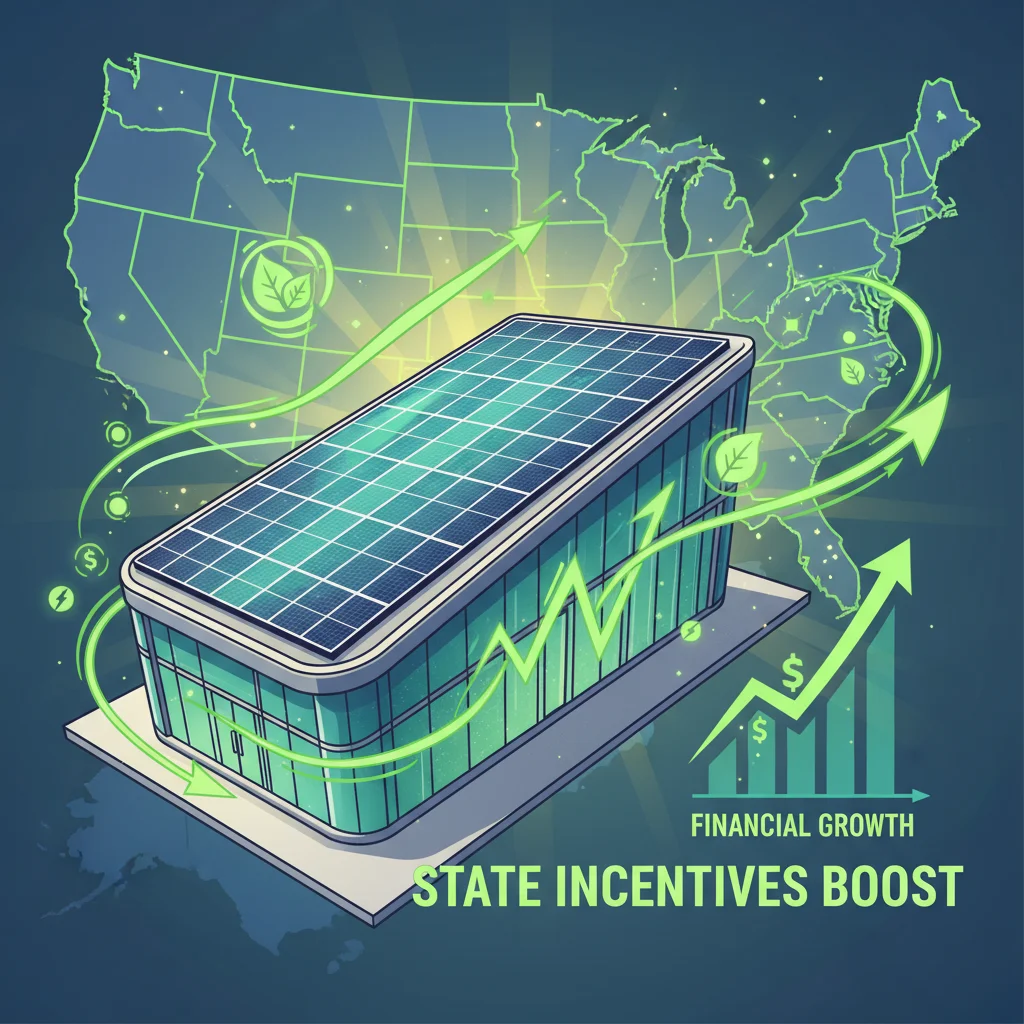
While federal incentives provide a strong foundation, state-level commercial solar incentives often provide the additional push that makes projects truly shine. These programs are diverse, ranging from direct rebates and grants to performance-based incentives and property tax exemptions. The availability and generosity of these incentives vary significantly from state to state, making it imperative for businesses to research their specific location’s offerings.
Direct Rebates and Grants
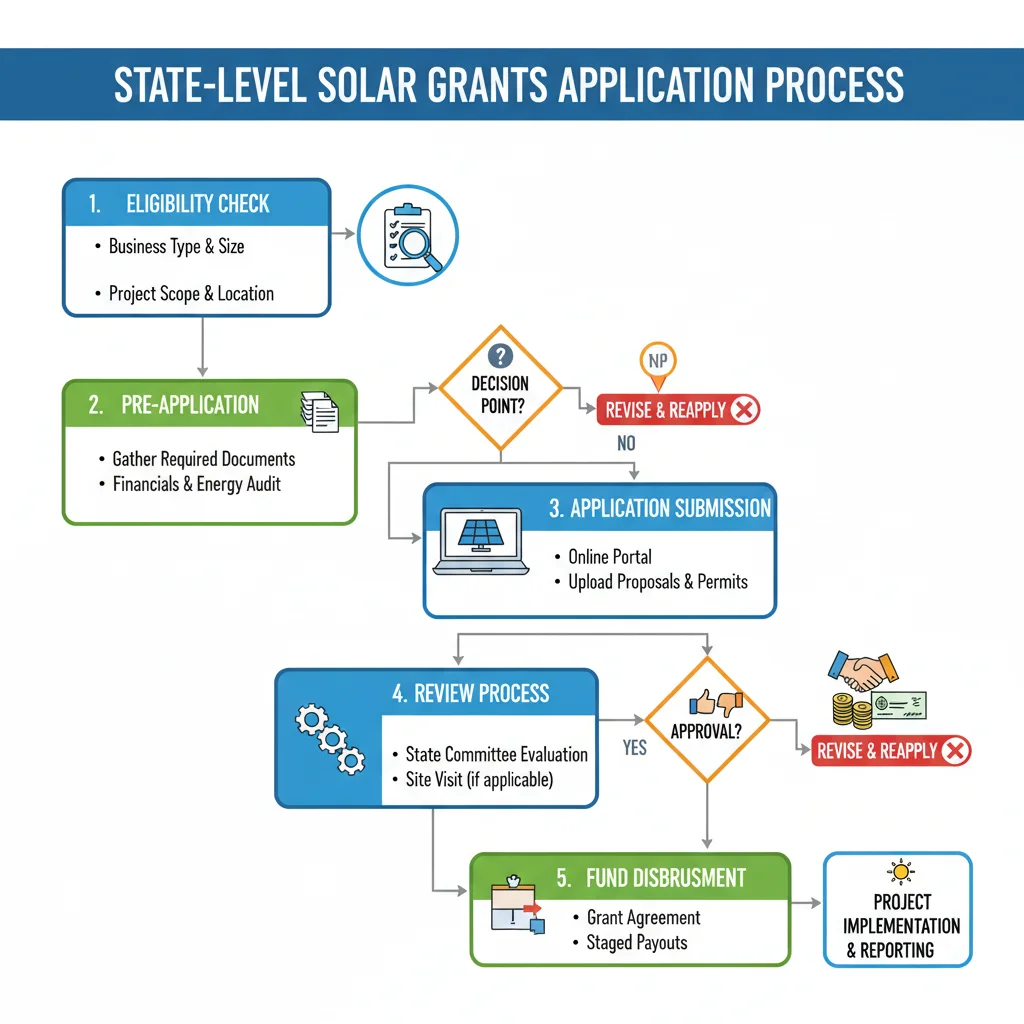
Many states and local utilities offer direct rebates or grants for commercial solar installations. These programs typically provide an upfront payment or reduction in the system’s cost, either on a per-watt basis or as a fixed amount. Grants are often competitive and may target specific types of businesses or projects, such as those in low-income communities or those committed to significant job creation.
Key States to Watch for Q1 2026:
- California: Continues to lead with various programs, though direct rebates have evolved. Focus is often on battery storage add-ons and specific sector support.
- New York: NY-Sun program offers significant incentives for commercial and industrial solar projects, often tiered based on system size and location.
- Massachusetts: Known for its SMART program (Solar Massachusetts Renewable Target), which provides long-term fixed payments for solar energy generation, often combined with battery storage.
- New Jersey: Offers various incentives, including a robust SREC market (discussed below) and potential for direct grants through specific programs.
- Illinois: The Adjustable Block Program (ABP) provides incentives based on the size and type of solar project, paid out over time.
Businesses should regularly check their state’s energy office websites and local utility programs for the most up-to-date information on direct rebates and grants, as these programs can change frequently.
Performance-Based Incentives (PBIs) and Renewable Energy Credits (RECs)
Performance-Based Incentives (PBIs) reward solar system owners for the actual electricity their systems generate. These incentives are often paid out over several years, providing a consistent revenue stream. Solar Renewable Energy Credits (SRECs) are a type of PBI that allows solar system owners to earn one credit for every megawatt-hour (MWh) of electricity produced. These credits can then be sold in a market to utilities that need to meet Renewable Portfolio Standards (RPS).
The value of SRECs fluctuates based on supply and demand within a state’s market. States with strong RPS mandates often have robust SREC markets. For Q1 2026, businesses in states like Massachusetts, New Jersey, Pennsylvania, Maryland, Delaware, and Ohio should investigate SREC opportunities. Understanding the SREC market dynamics is crucial for projecting long-term revenue from your solar investment.
Property Tax Exemptions and Sales Tax Exemptions
Several states offer property tax exemptions for the added value that a solar energy system brings to a commercial property. Without such exemptions, the increased property value due to solar installation could lead to higher property taxes, offsetting some of the financial benefits. These exemptions ensure that businesses are not penalized for making a sustainable investment.
Similarly, many states offer sales tax exemptions on the purchase and installation of solar equipment. This can lead to significant upfront savings on the total project cost. Businesses should verify if their state and local jurisdictions offer these valuable exemptions.
Net Metering and Interconnection Policies
While not direct financial incentives in the form of rebates or tax credits, robust net metering and interconnection policies are critical for maximizing the economic benefits of commercial solar. Net metering allows solar system owners to send excess electricity generated back to the grid in exchange for credits on their utility bill. This ensures that businesses are compensated for the energy they produce but don’t immediately consume.
Favorable interconnection policies ensure a smooth and cost-effective process for connecting a solar system to the grid. Businesses should investigate their state’s net metering rules and utility interconnection standards, as these can significantly impact the overall financial viability of a project. Some states may be transitioning away from traditional net metering, so staying informed about current policies in Q1 2026 is paramount.
Strategic Considerations for Maximizing Commercial Solar Incentives
Successfully navigating the world of commercial solar incentives requires more than just knowing what’s available. It demands a strategic approach to project planning and execution.
Early Planning and Due Diligence
Start your research early. Incentive programs often have application deadlines, funding caps, and specific eligibility requirements. Missing a deadline or failing to meet a criterion can mean losing out on valuable financial support. Engage with solar developers and consultants who specialize in commercial projects and are well-versed in the current incentive landscape.
Understanding Stacking Opportunities
One of the most powerful aspects of commercial solar incentives is the ability to ‘stack’ them. This means combining federal incentives (like the ITC and MACRS) with state and local programs (rebates, grants, SRECs, tax exemptions). The cumulative effect of these stacked incentives can dramatically reduce the net cost of your solar system, sometimes by 50% or more.
However, some incentives may have rules about how they can be combined, or one incentive might reduce the basis for another. A thorough financial analysis by a qualified professional is essential to optimize the stacking strategy.
Partnering with Experienced Solar Developers
The complexity of incentive programs, technical design, and installation processes makes partnering with an experienced commercial solar developer invaluable. A reputable developer will not only design and install an efficient system but also guide you through the incentive application process, ensuring all documentation is accurate and submitted on time. They often have deep knowledge of state-specific programs and can advise on the best strategies to maximize your benefits.
Monitoring Policy Changes
The policy landscape for renewable energy is dynamic. Incentive programs can be introduced, modified, or phased out. Staying informed about potential legislative changes at both federal and state levels in Q1 2026 and beyond is crucial. Subscribing to industry newsletters, engaging with trade associations, and working with proactive solar partners can help your business stay ahead of the curve.
State Spotlights: Key Programs to Consider in Q1 2026
Let’s take a closer look at some states that are particularly strong in offering commercial solar incentives in Q1 2026.
California: A Pioneer in Solar Adoption
California continues to be a leader in solar energy. While some direct rebates have diminished for general solar, the state is heavily focused on energy storage integration. Programs like the Self-Generation Incentive Program (SGIP) offer significant rebates for commercial energy storage systems, which can be paired with solar to maximize self-consumption and grid resilience. California also has strong property tax exclusions for solar, ensuring that the added value of your system doesn’t increase your property tax burden.
New York: Ambitious Clean Energy Goals
New York’s NY-Sun program is a cornerstone of its ambitious clean energy targets. For commercial businesses, NY-Sun offers various incentives, often structured as performance-based payments or upfront capacity-based incentives. These vary by utility territory and system size. The state also has favorable net metering policies and continues to explore new avenues for renewable energy deployment, making it a prime location for commercial solar investment.
Massachusetts: The SMART Program Advantage
The Solar Massachusetts Renewable Target (SMART) program is unique in its approach, providing long-term, fixed-price payments for solar energy generated. This creates a predictable revenue stream for businesses. The program also offers adders for pairing solar with energy storage, for projects located in low-income communities, or for those using community-shared solar models. Massachusetts also boasts a robust SREC market that can provide additional revenue.
New Jersey: A Strong SREC Market and Beyond
New Jersey has historically been one of the strongest SREC markets in the nation, offering significant financial returns for solar generation. While the program has evolved, it continues to provide substantial value. The state also offers various grants and loan programs through agencies like the New Jersey Economic Development Authority (NJEDA) for businesses looking to go solar, particularly those focused on energy efficiency and sustainability.
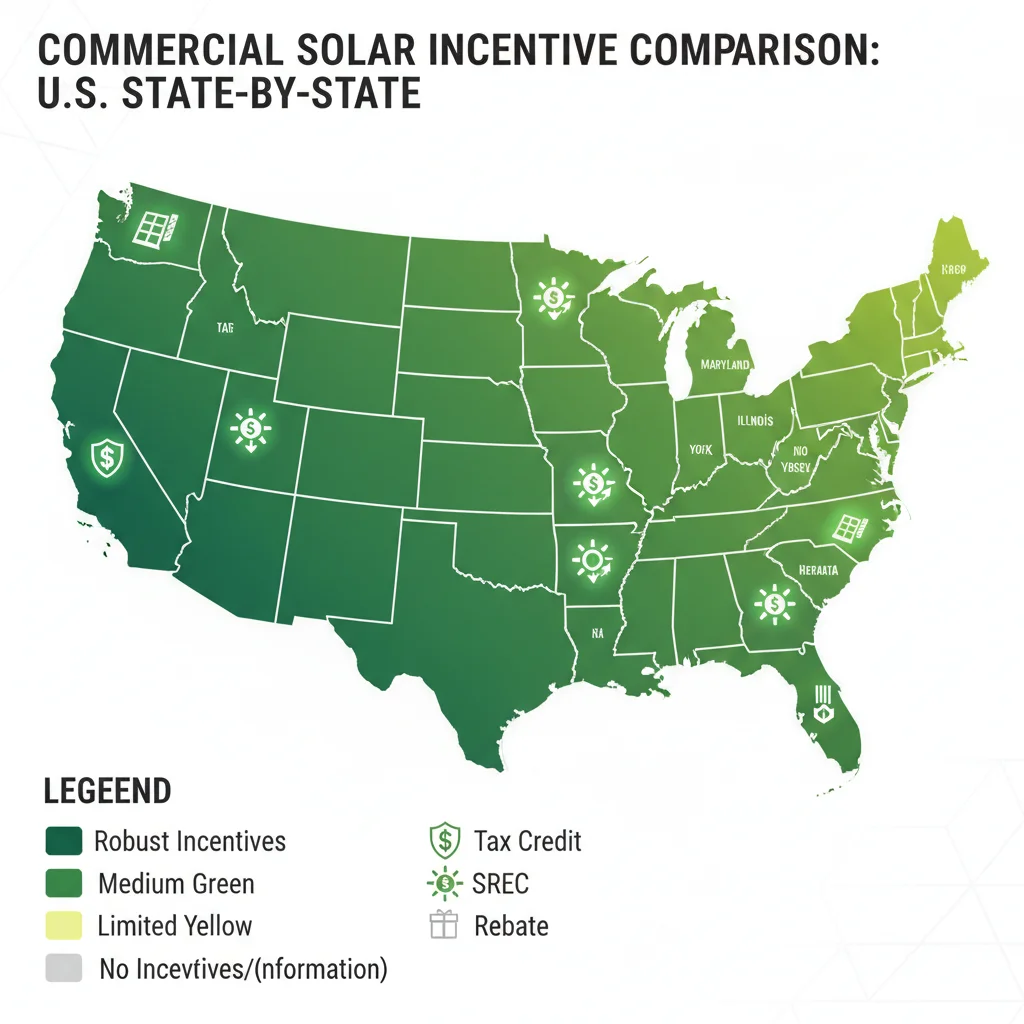
Other Notable States for Commercial Solar Incentives
- Maryland: Offers a strong SREC market and various grant opportunities.
- North Carolina: While direct state incentives have decreased, federal incentives coupled with low installation costs and a growing solar industry make it attractive.
- Texas: Although known for its oil and gas, Texas has a surprisingly robust commercial solar market driven by competitive electricity prices, large available land, and some utility-specific incentives.
- Florida: Benefits from abundant sunshine and some local utility programs, though statewide incentives are less prominent compared to other leading states.
- Arizona: Another sun-rich state with favorable solar policies, though specific commercial incentives can vary by utility.
The Future of Commercial Solar Incentives
The trajectory for commercial solar incentives remains positive, driven by national and global commitments to combat climate change and achieve energy independence. While specific programs may evolve, the underlying support for renewable energy is expected to strengthen.
Future trends may include:
- Increased Focus on Energy Storage: Incentives for battery storage paired with solar are likely to grow, enhancing grid reliability and enabling greater self-consumption.
- Community Solar Expansion: Policies supporting community solar projects, where multiple businesses or residents can benefit from a shared solar array, are expected to expand.
- Emphasis on Equity and Environmental Justice: More incentives may be directed towards projects in underserved communities or those that provide clear environmental justice benefits.
- Green Building Standards: Integration of solar into broader green building certifications and associated incentives may become more common.
Businesses that stay informed and adaptable will be best positioned to capitalize on these evolving opportunities.
Case Study: A Small Business’s Journey to Solar Savings
Consider ‘GreenLeaf Manufacturing,’ a medium-sized enterprise in New Jersey. In late 2025, facing rising electricity costs, GreenLeaf decided to explore solar. Their initial quote for a 200 kW system was $450,000. Here’s how commercial solar incentives transformed their investment:
- Federal ITC: With an estimated 30% ITC, GreenLeaf received a $135,000 tax credit.
- MACRS Depreciation: Over five years, accelerated depreciation provided significant deductions, further reducing their taxable income.
- New Jersey SRECs: Based on historical SREC values and projected generation, GreenLeaf estimated an annual SREC revenue of approximately $15,000 for the first 10 years, totaling $150,000.
- Local Utility Rebate: A modest upfront rebate of $10,000 from their local utility.
- Sales Tax Exemption: Saved approximately $22,500 on the purchase of equipment.
- Property Tax Exemption: Ensured their property taxes did not increase due to the solar installation.
When factoring in all these commercial solar incentives, GreenLeaf’s net upfront cost was significantly reduced, and their projected payback period dropped from over 8 years to less than 4 years. This enabled them to redirect saved capital into other business growth initiatives while enjoying stable, clean energy for decades.
Actionable Steps for Your Business in Q1 2026
Ready to explore commercial solar incentives for your business? Here are your next steps:
- Assess Your Energy Needs: Understand your current electricity consumption and future projections.
- Research State and Local Programs: Visit your state’s energy office website, local utility sites, and DSIRE (Database of State Incentives for Renewables & Efficiency) for a comprehensive list of available incentives.
- Consult with Experts: Engage with reputable commercial solar developers, financial advisors, and tax professionals who specialize in renewable energy.
- Obtain Multiple Quotes: Compare proposals from several solar providers to ensure competitive pricing and optimal system design.
- Understand Financing Options: Explore various financing models, including outright purchase, power purchase agreements (PPAs), and solar leases, and how they interact with incentives.
- Plan for the Long Term: Consider maintenance, monitoring, and future energy storage needs as part of your overall strategy.
Conclusion
The opportunity to invest in commercial solar has never been more attractive, especially with the robust array of federal and state-level commercial solar incentives available in Q1 2026. By diligently researching, strategically planning, and partnering with experienced professionals, businesses can significantly reduce their energy costs, enhance their sustainability profile, and secure a predictable energy future.
Don’t let the complexity deter you. The financial and environmental rewards of going solar are substantial. Take the first step today to unlock the full potential of commercial solar for your enterprise.