Boost Water Heater Efficiency: Cut 10% Off Bills with 2026 Tech
In an era where every penny counts and environmental consciousness is paramount, optimizing home energy consumption has become a top priority for homeowners. Among the biggest energy guzzlers in a typical household, the water heater often goes unnoticed, silently contributing a significant chunk to your monthly utility bills. However, with the rapid advancements in technology, particularly as we look towards 2026, achieving substantial savings and boosting your home’s overall water heater efficiency is not just a dream but a tangible reality.
Imagine cutting 10% or more off your energy bill simply by upgrading or optimizing the water heating system. This isn’t just about saving money; it’s about embracing a more sustainable lifestyle, reducing your carbon footprint, and enjoying consistent, on-demand hot water with greater peace of mind. The landscape of water heating is evolving, bringing forth innovations that promise not only economic benefits but also enhanced convenience and reliability.
This comprehensive guide will delve deep into the world of modern water heating solutions, focusing on the technologies that are set to dominate the market by 2026. We’ll explore how these systems work, their benefits, and practical steps you can take to significantly improve your home’s water heater efficiency. Whether you’re considering a new installation, an upgrade, or simply want to get more out of your existing unit, this article will equip you with the knowledge to make informed decisions and truly make a difference in your energy consumption.
Understanding Your Current Water Heater’s Energy Footprint
Before we dive into the future, it’s crucial to understand the present. Your current water heater, especially if it’s an older model, is likely consuming more energy than you realize. Traditional tank-style water heaters continuously heat and store water, leading to standby heat loss – essentially, you’re paying to keep water hot even when you’re not using it. This constant heating cycle can account for a significant portion of your home’s energy usage, often second only to heating and cooling your home.
To truly appreciate the potential savings from improved water heater efficiency, consider these facts:
- Average Energy Consumption: Water heating typically accounts for about 18% of the average home’s energy bill. For some households, especially those with larger families or higher hot water demands, this percentage can be even higher.
- Standby Heat Loss: Conventional storage tank water heaters lose between 10-20% of their heat through the tank walls and piping, even with good insulation. This energy is wasted.
- Age Matters: Older water heaters are inherently less efficient. Sediment buildup, deteriorating insulation, and less advanced heating elements mean they have to work harder and longer to heat water, consuming more electricity or gas.
Identifying your current water heater’s energy consumption is the first step towards improvement. Check its EnergyGuide label for estimated annual energy use and cost. This baseline will help you quantify the savings you can achieve by upgrading to a more efficient model, directly impacting your goal of cutting 10% off your energy bill through enhanced water heater efficiency.
The 2026 Horizon: Key Technologies for Enhanced Water Heater Efficiency
The next few years promise a revolution in water heating technology, driven by stricter energy efficiency standards and a growing consumer demand for sustainable solutions. Here are the leading technologies poised to redefine water heater efficiency by 2026:
1. Heat Pump Water Heaters (HPWHs): The Efficiency Champions
Heat pump water heaters, also known as hybrid electric water heaters, are arguably the most significant advancement in residential water heating. Unlike conventional electric resistance water heaters that generate heat directly, HPWHs move heat from the surrounding air to the water in the tank. This process is incredibly efficient because it’s easier to move heat than to generate it.
How They Work:
HPWHs operate much like a refrigerator in reverse. An evaporator coil extracts heat from the ambient air, a compressor raises the temperature of this heat, and a condenser coil then transfers this heat to the water in the storage tank. For every unit of electricity consumed, a HPWH can deliver two to three units of heat energy to the water, making them 2-3 times more efficient than conventional electric models.
Benefits for 2026 and Beyond:
- Drastic Energy Savings: HPWHs can reduce water heating costs by 50-70% compared to standard electric water heaters. This is a primary driver for achieving and exceeding the 10% overall energy bill reduction goal.
- Environmental Impact: Lower electricity consumption translates directly to a reduced carbon footprint.
- Rebates and Incentives: Due to their energy-saving potential, many utilities and government programs offer significant rebates and tax credits for installing HPWHs, making the initial investment more palatable.
- Smart Features: Newer HPWH models often come with smart controls, allowing for remote management, energy usage tracking, and integration with home energy management systems.
While they require a certain amount of unconditioned space (like a garage or basement) to operate optimally and can be more expensive upfront, the long-term savings and environmental benefits make HPWHs a leading choice for boosting water heater efficiency.
2. Advanced Tankless Water Heaters (On-Demand): Hot Water on Your Terms
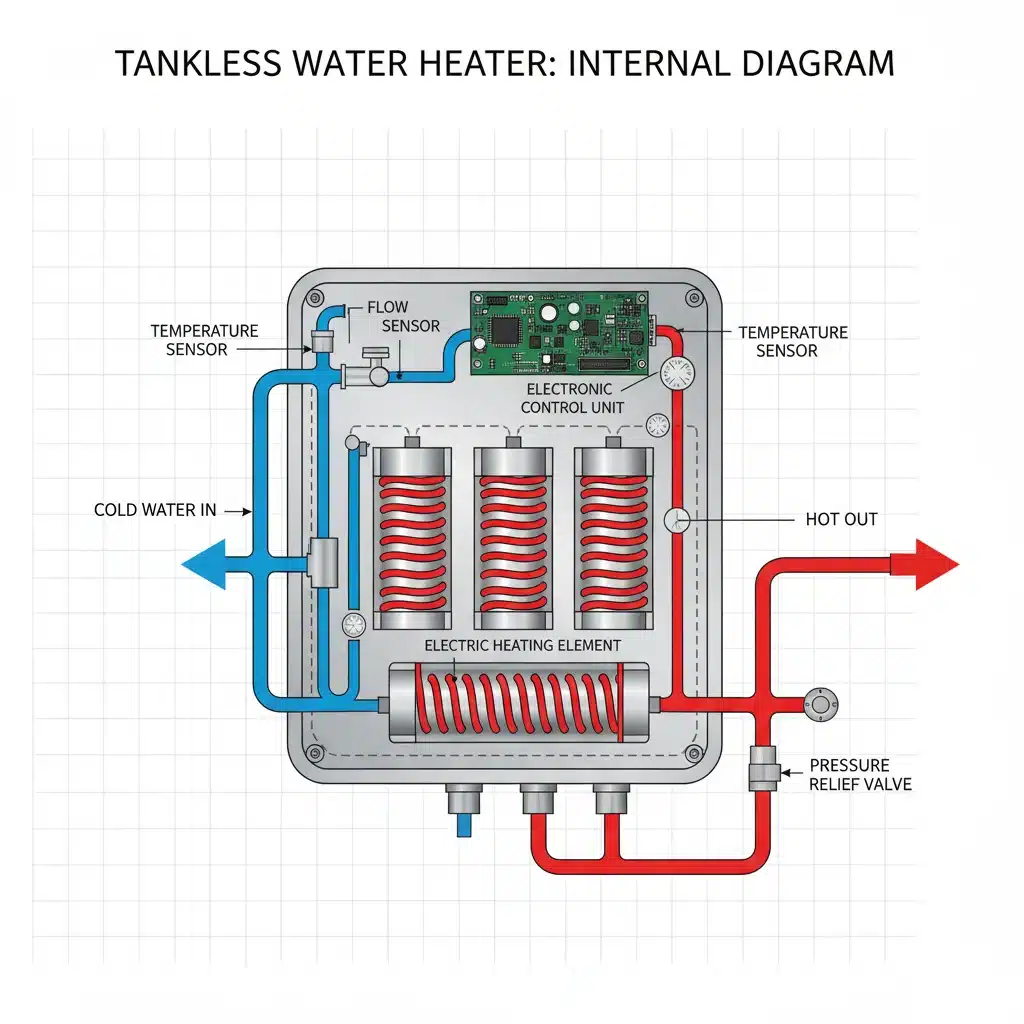
Tankless water heaters, also known as on-demand water heaters, heat water directly without the use of a storage tank. When a hot water tap is turned on, cold water travels through a pipe into the unit, where either a gas burner or an electric element heats it. As a result, tankless water heaters deliver a constant supply of hot water, and you don’t pay to keep water hot when you’re not using it.
Innovations for 2026:
- Improved Flow Rates: Newer models are designed to handle higher flow rates, ensuring multiple hot water demands can be met simultaneously without a drop in temperature.
- Enhanced Modulation: Advanced modulating burners and heating elements precisely adjust heat output based on demand, leading to even greater efficiency and consistent temperatures.
- Condensing Technology: Condensing tankless units capture heat from exhaust gases, further improving efficiency to over 0.95 Uniform Energy Factor (UEF).
- Integrated Smart Controls: Like HPWHs, modern tankless units offer app-based control, diagnostic capabilities, and energy monitoring.
While tankless units are generally more expensive to purchase and install than conventional storage tank water heaters, their operational savings, extended lifespan, and endless hot water supply make them an attractive option for improving water heater efficiency.
3. Smart Water Heaters: The Brains Behind the Brawn
The integration of smart technology is transforming even traditional water heaters into intelligent appliances. Smart water heaters, whether tank-style, tankless, or heat pump, come equipped with Wi-Fi connectivity and advanced algorithms that learn your hot water usage patterns.
Key Smart Features:
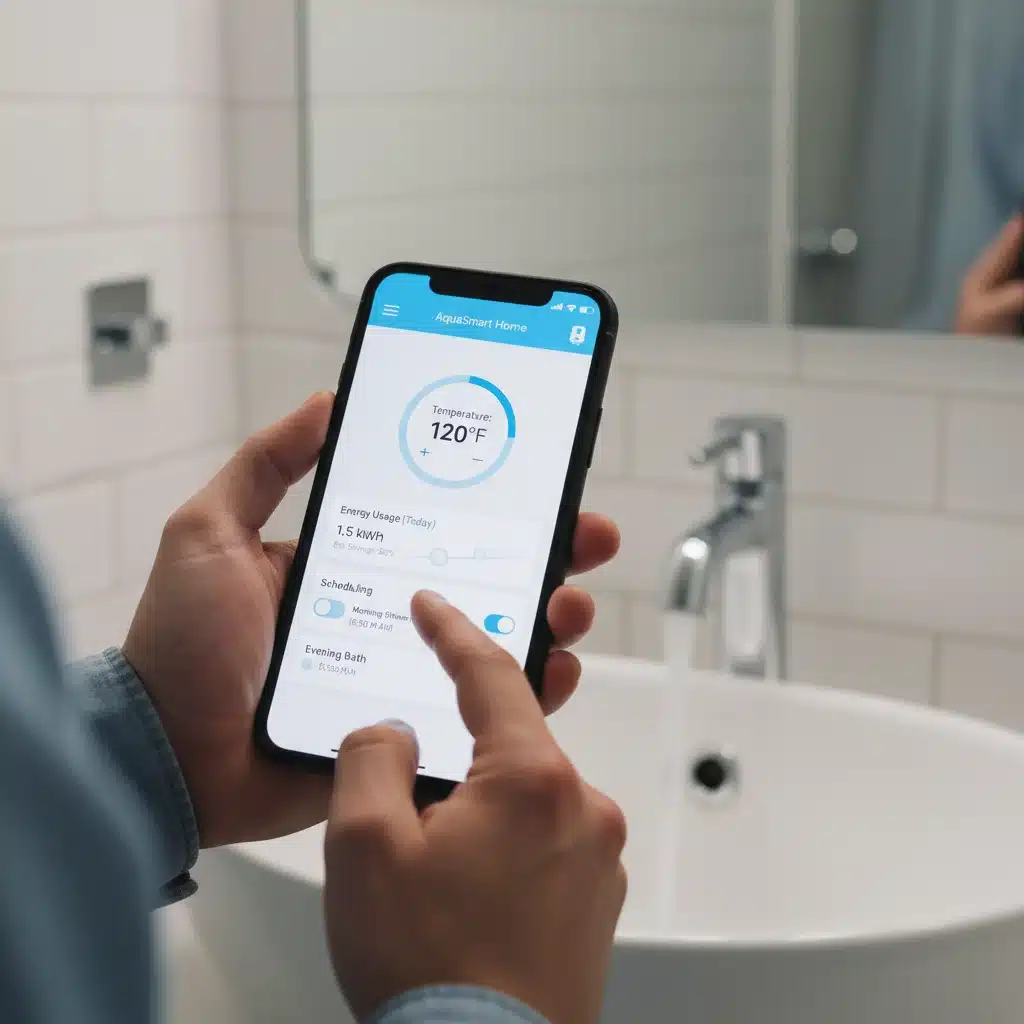
- Learning Algorithms: These systems learn your household’s hot water usage over time and optimize heating schedules accordingly, ensuring hot water is available when needed and reducing standby losses during off-peak hours.
- Remote Control and Monitoring: Via a smartphone app, you can adjust settings, put the heater into “vacation mode,” monitor energy consumption in real-time, and receive alerts for potential issues.
- Leak Detection: Some smart water heaters integrate leak detection sensors that can alert you to a leak, potentially preventing costly water damage.
- Integration with Home Automation: They can connect with broader smart home ecosystems (e.g., Google Home, Amazon Alexa) for voice control and integrated energy management.
Smart features enhance water heater efficiency by precisely matching supply with demand, minimizing wasted energy, and providing homeowners with unprecedented control and insight into their hot water usage.
4. Solar Water Heaters: Harnessing the Sun’s Power
While not a new technology, solar water heaters continue to evolve, becoming more efficient and cost-effective. These systems use solar collectors to absorb sunlight and heat water, which is then stored in a well-insulated tank. In sunny climates, solar water heaters can significantly reduce or even eliminate the need for conventional water heating for a large portion of the year.
Advancements:
- Improved Collector Efficiency: Modern solar collectors are more efficient at capturing solar energy, even in less-than-ideal conditions.
- Hybrid Systems: Many solar water heating systems are integrated with a conventional backup heater (electric or gas) to ensure hot water availability during cloudy days or periods of high demand.
- Reduced Installation Costs: As the technology matures and adoption increases, installation costs are becoming more competitive.
For homes committed to maximum energy independence and environmental sustainability, combining solar water heating with a high-efficiency backup system represents the pinnacle of water heater efficiency.
Achieving Your 10% Energy Bill Reduction: Practical Steps
Now that we’ve explored the cutting-edge technologies, let’s outline a strategic approach to actually cut 10% or more off your energy bill through improved water heater efficiency.
Step 1: Assess Your Current Needs and System
- Audit Your Usage: How much hot water does your household typically use? When are the peak times? This information is crucial for sizing a new system correctly.
- Evaluate Your Current Heater: What is its age, type, and energy factor (EF) or Uniform Energy Factor (UEF)? An older unit (10+ years for tank, 20+ for tankless) is a prime candidate for replacement.
- Check for Issues: Are there any leaks? Is the water temperature inconsistent? These could be signs of inefficiency.
Step 2: Consider an Upgrade to a High-Efficiency Model
Based on your assessment, budget, and home characteristics, choose the best technology:
- Heat Pump Water Heater: Ideal for homes with moderate to high hot water demand, a suitable installation space (garage, basement), and a desire for significant long-term savings.
- Tankless Water Heater: Best for homes with limited space, a desire for endless hot water, and a willingness to invest more upfront for long-term efficiency.
- Smart Water Heater (of any type): A great option for tech-savvy homeowners who want precise control, energy insights, and optimization.
- Solar Water Heater: Perfect for environmentally conscious homeowners in sunny regions with suitable roof space.
Remember to factor in installation costs, potential rebates, and the long-term operational savings when making your decision. The goal is not just to replace, but to significantly enhance water heater efficiency.
Step 3: Optimize Your Existing System (If Not Upgrading Immediately)
Even if a full upgrade isn’t in the cards right now, you can still improve your current unit’s efficiency:
- Lower Thermostat Temperature: Most water heaters are set to 140°F (60°C) by default. Lowering it to 120°F (49°C) can save you 6-10% in energy costs and reduce the risk of scalding.
- Insulate Your Water Heater Tank: For older tanks, adding an insulation blanket can reduce standby heat loss by 25-45%. Ensure it’s installed correctly, especially around the thermostat and relief valve.
- Insulate Hot Water Pipes: Insulating the first 6 feet of hot and cold water pipes connected to the water heater can reduce heat loss and raise water temperature by 2-4°F, allowing you to lower the thermostat setting.
- Drain and Flush the Tank Annually: Sediment buildup at the bottom of the tank reduces efficiency and shortens the heater’s lifespan. Flushing it out removes these deposits.
- Fix Leaks Promptly: Even a small drip can waste hundreds of gallons of hot water per year.
Step 4: Adopt Water-Saving Habits
Your habits play a significant role in overall hot water consumption:
- Install Low-Flow Fixtures: Low-flow showerheads and faucet aerators can significantly reduce the amount of hot water used without sacrificing pressure.
- Take Shorter Showers: Every minute saved reduces hot water consumption.
- Wash Clothes in Cold Water: Modern detergents are effective in cold water, and this can save a substantial amount of energy.
- Run Full Loads: Only run your dishwasher and washing machine when they are full.
Combining these behavioral changes with technological upgrades creates a powerful synergy for maximizing water heater efficiency and achieving your energy-saving goals.
The Financial and Environmental Payback
Investing in advanced water heater efficiency technologies or optimizing your current system offers a compelling return. The initial investment in a new heat pump or tankless water heater might seem significant, but when you factor in the monthly energy savings, government incentives, and extended lifespan of these units, the payback period is often surprisingly short. Over the lifetime of the appliance, you stand to save thousands of dollars.
Beyond the financial benefits, the environmental impact is profound. By reducing your energy consumption for water heating, you directly contribute to a decrease in greenhouse gas emissions. This not only benefits the planet but also aligns your home with a more sustainable future, increasing its value and appeal.
Furthermore, modern water heaters offer enhanced comfort and convenience. Imagine never running out of hot water during peak usage times with a tankless system, or having precise control over your water heating schedules via a smartphone app. These are quality-of-life improvements that make the investment even more worthwhile.
Conclusion: Embrace the Future of Water Heater Efficiency
The journey towards a more energy-efficient home is continuous, and optimizing your water heating system is one of the most impactful steps you can take. With the advancements expected by 2026, achieving a 10% reduction (or even more) in your overall energy bill through improved water heater efficiency is not just an aspiration but a very attainable goal.
From the revolutionary heat pump water heaters that extract warmth from the air to the on-demand convenience of advanced tankless units and the intelligent optimization offered by smart technology, the options are diverse and powerful. By understanding your needs, choosing the right technology, and adopting smart usage habits, you can transform your home’s energy profile, save money, and contribute to a healthier planet.
Don’t let your water heater be a silent drain on your finances and the environment. Take action today, explore the innovations, and step into a future where hot water is both abundant and remarkably efficient. Your wallet and the planet will thank you.