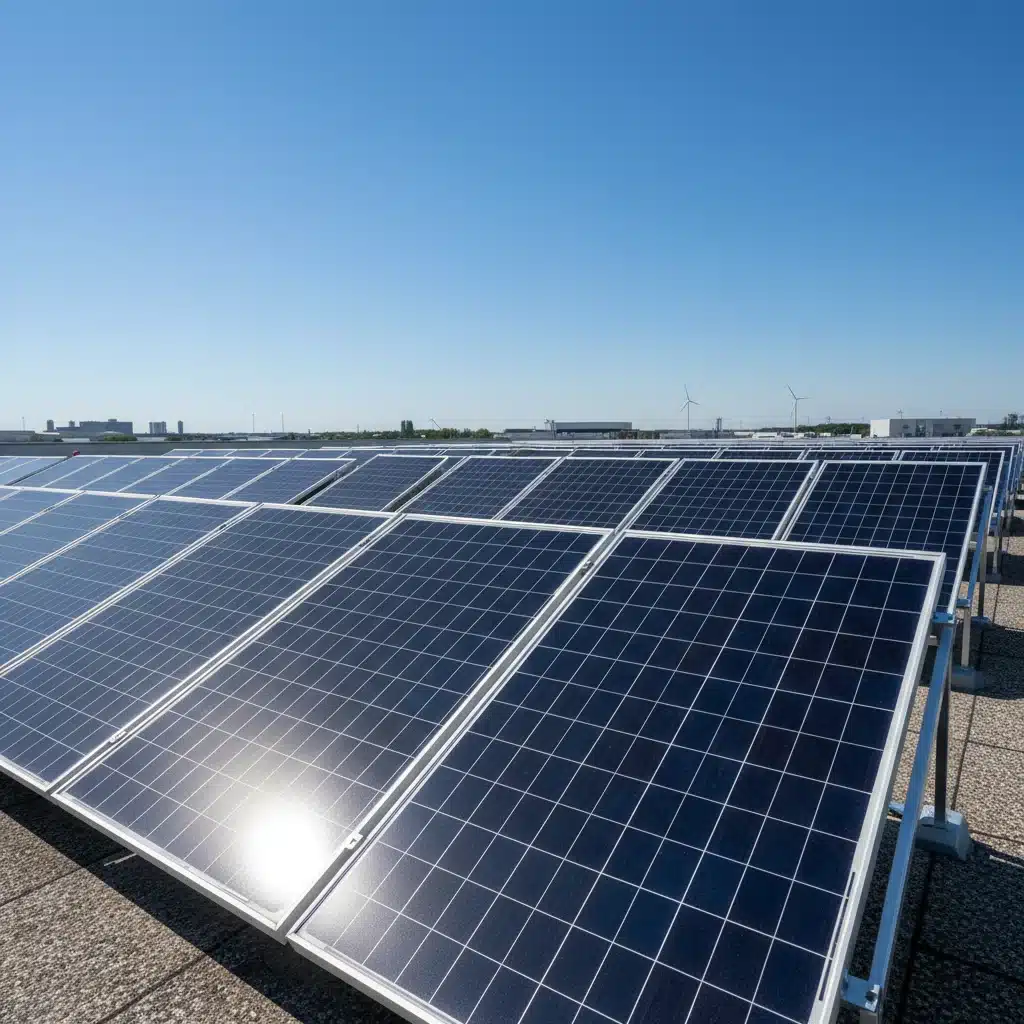
In the rapidly evolving landscape of renewable energy, commercial solar installations stand out as a beacon of sustainable investment. Businesses and large-scale enterprises are increasingly turning to solar power to reduce operational costs, enhance their environmental credentials, and secure a predictable energy future. A critical factor influencing the long-term viability and return on investment (ROI) of these substantial solar projects is the solar panel degradation rate. Historically, concerns about panels losing efficiency over time were a significant hurdle. However, thanks to relentless innovation and advancements in photovoltaic (PV) technology, the narrative has dramatically shifted. Today, new technologies promise and deliver annual power loss rates of less than 0.5% over a 25-year lifespan, making commercial solar more attractive and reliable than ever before.
Understanding solar panel degradation is paramount for anyone considering a commercial solar investment. This comprehensive guide will delve into what degradation entails, the factors influencing it, how modern technologies are combating it, and what these impressive low rates mean for your business’s bottom line and the future of sustainable energy.
The Fundamentals of Solar Panel Degradation
At its core, solar panel degradation refers to the gradual decrease in a solar panel’s power output over time. This is a natural phenomenon, much like any other electronic or mechanical device that experiences wear and tear. However, the rate and extent of this degradation are what truly matter. Early solar panels might have seen annual degradation rates of 1% or even higher, which could significantly impact their performance and profitability over a typical 20-25 year warranty period.
The primary mechanisms behind solar panel degradation include:
- Light-Induced Degradation (LID): This occurs shortly after a solar panel is first exposed to sunlight. It’s a temporary effect where the boron-oxygen pairs in the silicon wafers interact, leading to a slight drop in efficiency. Modern manufacturing techniques and cell treatments have largely mitigated LID, often reducing it to negligible levels within the first few days or weeks of operation.
- Potential-Induced Degradation (PID): This phenomenon involves high voltage differences between the solar cells and the grounded module frame, leading to charge leakage and power loss. PID is particularly relevant in large commercial arrays where high system voltages are common.
- Temperature-Induced Degradation: Extreme temperatures, especially prolonged exposure to high heat, can accelerate the aging of materials within the panel, such as the encapsulant and backsheet, leading to delamination or discoloration.
- Environmental Factors: Exposure to UV radiation, humidity, corrosive agents (like salt mist in coastal areas), dust, and physical stress from wind and snow can all contribute to the breakdown of panel components over time.
- Manufacturing Defects: While rare with reputable manufacturers, initial defects in materials or assembly can lead to premature degradation.
Understanding these factors allows manufacturers to design and produce panels that are increasingly resilient, leading to the remarkably low solar panel degradation rates we observe today.
The Technological Revolution: Achieving Less Than 0.5% Annual Loss
The journey from 1% to less than 0.5% annual solar panel degradation is a testament to continuous innovation in solar technology. Several key advancements have been instrumental in achieving these impressive figures:
1. Enhanced Cell Architectures
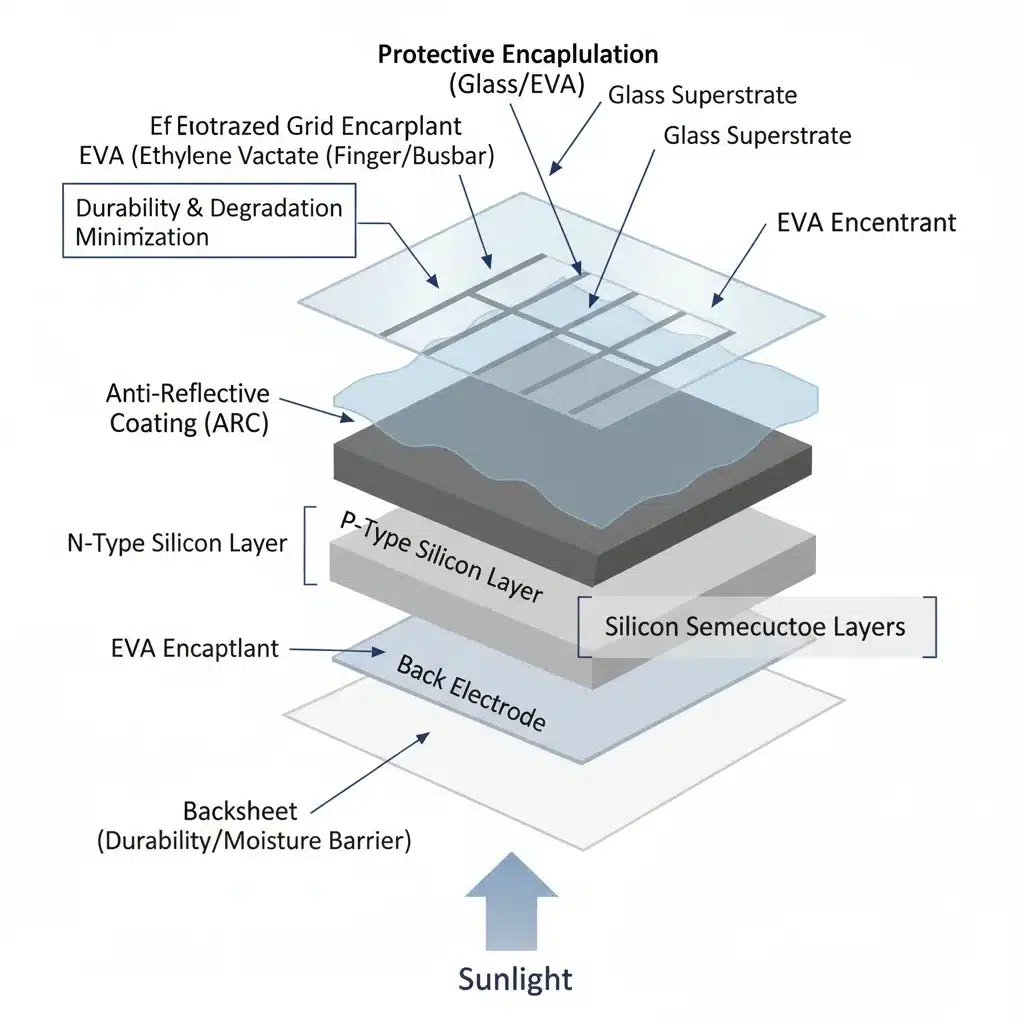
Modern solar cells utilize advanced architectures like Passivated Emitter and Rear Cell (PERC), Heterojunction Technology (HJT), and Tunnel Oxide Passivated Contact (TOPCon). These designs improve electron capture, reduce recombination losses, and inherently offer better resistance to LID and PID. For instance, TOPCon cells, with their ultra-thin silicon oxide layer, significantly reduce surface recombination, leading to higher efficiency and improved long-term stability.
2. Superior Encapsulation Materials
The encapsulant material, typically EVA (Ethylene Vinyl Acetate) or POE (Polyolefin Elastomer), protects the solar cells from moisture, oxygen, and UV radiation. Next-generation encapsulants offer improved UV resistance, reduced water vapor permeability, and better adhesion, preventing delamination and yellowing that can accelerate solar panel degradation.
3. Robust Backsheets and Front Glass
The backsheet protects the rear of the solar panel from environmental stressors, while the front glass (often tempered, low-iron glass) provides physical protection and allows maximum light transmission. Innovations include multi-layer backsheets with enhanced weatherability and anti-reflective, self-cleaning glass coatings that maintain performance and integrity over decades.
4. Advanced Module Assembly and Quality Control
Automated manufacturing processes, stringent quality control at every stage, and advanced testing protocols ensure that panels meet high durability standards. Techniques like electroluminescence (EL) imaging detect micro-cracks or defects invisible to the naked eye before panels leave the factory, minimizing initial manufacturing-related solar panel degradation.
5. Bifacial Technology
Bifacial solar panels can capture sunlight from both the front and rear sides, increasing overall energy yield. Their design often incorporates double-glass structures, which offer superior protection against moisture ingress and mechanical stress, further contributing to lower solar panel degradation rates compared to traditional panels.
6. PID-Resistant Technologies
Manufacturers employ various strategies to combat PID, including optimizing cell surface passivation, using specific encapsulant additives, and implementing system-level solutions like positive grounding or PID-resistant inverters. These measures ensure that high system voltages do not compromise panel integrity over time.
7. Half-Cut and Multi-Busbar Cells
Half-cut cells reduce current within each cell, minimizing resistive losses and hot spots, which can be a precursor to localized degradation. Multi-busbar technology improves current collection and reduces the impact of micro-cracks, enhancing overall module reliability and reducing the effects of solar panel degradation.
The Impact of Low Degradation Rates on Commercial Solar ROI
For commercial entities, the promise of less than 0.5% annual solar panel degradation is not just a technical achievement; it’s a significant financial advantage. Here’s why:
- Predictable Energy Production: With minimal degradation, businesses can accurately forecast their energy production and savings over the entire lifespan of the system. This predictability is crucial for financial planning and budget management.
- Enhanced Lifetime Value: A solar array that retains 90% or more of its initial power output after 25 years generates significantly more electricity and revenue than one experiencing higher degradation. This directly translates to a higher lifetime value for the investment.
- Faster Payback Periods: Consistent high performance means quicker realization of energy savings, leading to shorter payback periods for the initial capital outlay.
- Increased Property Value: A high-performing, long-lasting solar system adds substantial value to commercial properties, making them more attractive to potential buyers or tenants in the future.
- Reduced Maintenance and Replacement Costs: Durable panels with low degradation rates require less frequent maintenance and are less likely to need premature replacement, saving businesses time and money.
- Stronger Warranties: Manufacturers are confident in their products’ longevity, offering robust performance warranties that guarantee a certain percentage of initial power output after 25 or even 30 years. These warranties often guarantee 85-90% of original output, underpinned by the low solar panel degradation rates.
Consider a commercial solar system with an initial output of 1 MW. With an annual degradation rate of 1%, after 25 years, the system would be operating at approximately 77.8% of its original capacity. However, with a rate of 0.5%, it would still be operating at around 88.7% capacity. This seemingly small difference accumulates into a substantial amount of additional clean energy generated and significant financial savings over the system’s lifetime.
Understanding Solar Panel Warranties and Their Importance
When investing in commercial solar, understanding the warranties provided by manufacturers is crucial, as they directly reflect the expected solar panel degradation. There are typically two types of warranties:
- Product Warranty: This covers defects in materials and workmanship, usually for 10-12 years. It ensures the panel is free from manufacturing flaws.
- Performance Warranty (or Power Output Warranty): This is the most relevant for degradation. It guarantees that the panel will produce a certain percentage of its nominal power output over a specified period. For modern panels, this typically means:
- 97-98% of initial power output in the first year (accounting for initial LID).
- A linear degradation rate of 0.5% per year thereafter.
- Guaranteeing 80-85% of initial power output after 25 years.
The move to less than 0.5% annual degradation is reflected in these robust performance warranties, giving commercial buyers peace of mind and financial security. Always scrutinize these warranties and choose reputable manufacturers known for their quality and longevity.
Factors Influencing Actual Degradation in the Field
While new technologies promise ultra-low solar panel degradation, actual field performance can be influenced by several factors:
- Installation Quality: Proper installation, including correct wiring, mounting, and grounding, is essential. Poor installation can introduce stresses or vulnerabilities that accelerate degradation.
- Environmental Conditions: While panels are designed for harsh environments, extreme and prolonged exposure to certain conditions (e.g., very high humidity, corrosive industrial fumes, frequent hailstorms) can still have an impact.
- Maintenance Practices: Regular cleaning and occasional inspections can prevent issues like shading from dirt accumulation or early detection of component wear. While solar panels require minimal maintenance, neglecting it can subtly impact performance over time.
- System Monitoring: Continuous monitoring of system performance allows for early detection of any anomalies or unexpected drops in output, which could indicate accelerated solar panel degradation or other issues.
- Inverter and Balance of System Components: The efficiency and reliability of inverters, wiring, and other balance of system (BOS) components also play a role in overall system performance. A well-designed and maintained system ensures optimal energy harvesting throughout the panels’ lifespan.
By controlling these variables, commercial solar operators can ensure their systems achieve and even exceed the promised low solar panel degradation rates.
The Future of Solar Panel Degradation: Towards Zero?
The trend in solar panel degradation is unequivocally downwards. Researchers are continuously exploring new materials and manufacturing techniques to push the boundaries further. Innovations in perovskite solar cells, tandem cell structures, and advanced material science could potentially lead to even lower degradation rates, perhaps even approaching zero in the distant future.
Furthermore, predictive analytics and artificial intelligence are being employed to monitor solar panel health and predict potential degradation issues before they become significant. This proactive approach to maintenance and optimization will further extend the effective lifespan and efficiency of commercial solar arrays.
Choosing the Right Partner for Your Commercial Solar Investment
Given the technical complexities and the significant investment involved, choosing the right solar partner is crucial. A reputable commercial solar provider will:
- Offer High-Quality Panels: They will source panels from Tier-1 manufacturers known for their low solar panel degradation rates and strong warranties.
- Provide Expert Design and Installation: Their engineers will design a system optimized for your specific site, and their installers will ensure flawless execution, adhering to the highest industry standards.
- Offer Comprehensive Monitoring and Maintenance: They will provide solutions for continuous performance tracking and offer maintenance services to ensure your system operates at peak efficiency for decades.
- Demonstrate Financial Acumen: They will help you understand the long-term financial benefits, including ROI, payback periods, and how low degradation rates contribute to these metrics.
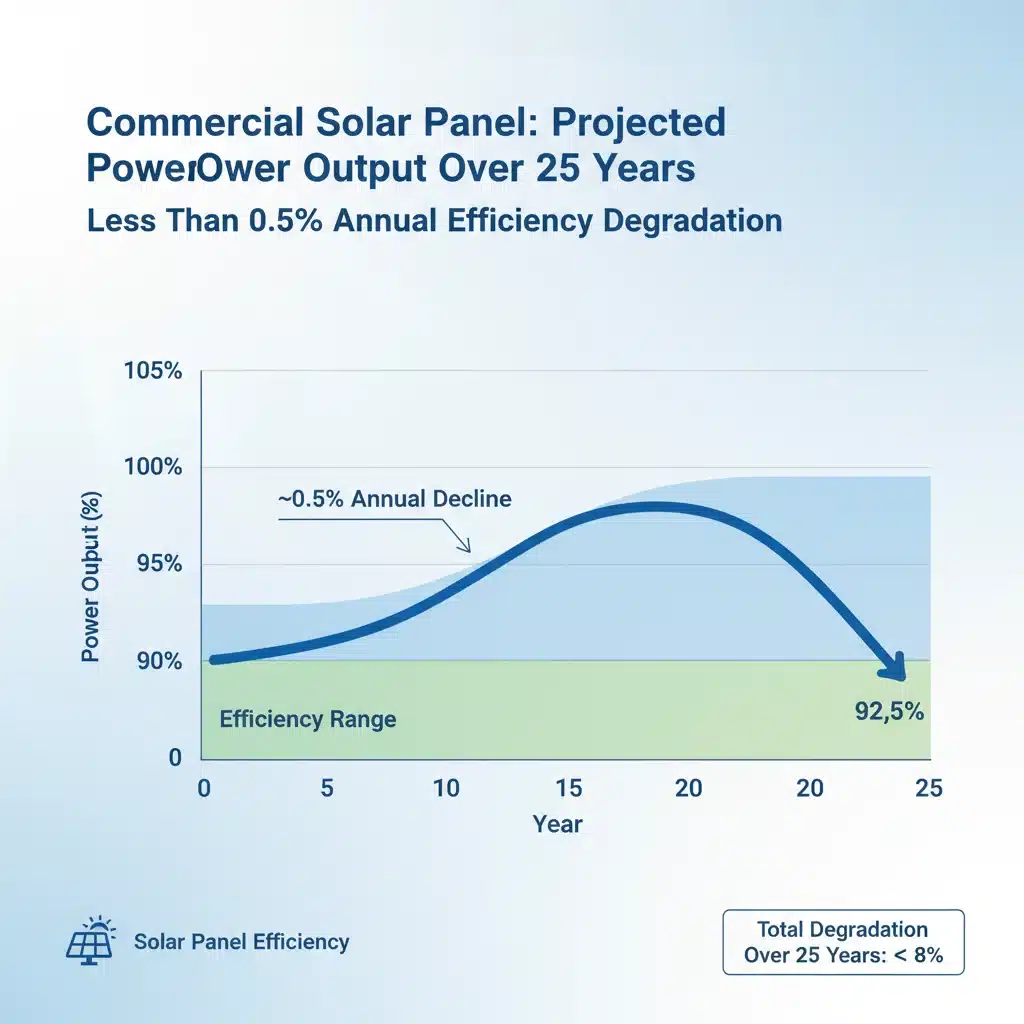
Investing in commercial solar is a long-term commitment, and the advancements in combating solar panel degradation have made this commitment more secure and profitable than ever before. The expectation of less than 0.5% annual power loss over 25 years is not just a marketing claim; it’s a reality backed by scientific innovation and rigorous testing, providing a solid foundation for sustainable business growth.
Conclusion: A Bright Future with Minimal Solar Panel Degradation
The evolution of solar technology has brought us to an exciting juncture where commercial solar installations are not only environmentally responsible but also exceptionally sound financial investments. The remarkable achievement of reducing solar panel degradation rates to less than 0.5% annually over a 25-year period is a game-changer. It means businesses can rely on consistent, high-yield energy production, leading to predictable savings, faster ROI, and enhanced asset value. As technology continues to advance, the efficiency and longevity of solar panels will only improve, solidifying solar’s position as the cornerstone of future energy infrastructure. For any commercial entity looking to embrace sustainable energy, the time is now, with the confidence that their solar investment will perform robustly for decades to come, experiencing minimal power loss along the way.