In the relentless pursuit of sustainability and operational cost reduction, businesses worldwide have embraced LED lighting as a cornerstone of their energy-saving strategies. For years, Light Emitting Diodes (LEDs) have reigned supreme, revolutionizing illumination with their superior efficiency, longevity, and versatility compared to incandescent and fluorescent alternatives. However, the world of lighting technology is far from stagnant. As we approach 2026, a new wave of innovations is emerging, promising to push the boundaries of energy efficiency even further, offering businesses the potential for an additional 25% or more in savings. This article delves into these groundbreaking new lighting technologies, exploring how they work, their benefits, and what businesses can expect as they move beyond the LED era to embrace the future of lighting.
The journey towards greater energy efficiency in lighting has been a continuous evolution. From the discovery of electric light to the widespread adoption of LEDs, each technological leap has brought us closer to illumination that is not only bright and reliable but also environmentally conscious and cost-effective. The next frontier, however, is not merely about incremental improvements but about fundamental shifts in how light is generated, controlled, and even utilized beyond mere visibility. This article aims to shed light on the exciting advancements that constitute the future lighting efficiency landscape.
The Current Landscape: LED’s Enduring Legacy and Its Limitations
Before we venture into the future, it’s crucial to acknowledge the profound impact of LEDs. LEDs transformed commercial and industrial lighting, offering significant reductions in energy consumption, maintenance costs, and carbon footprint. Their compact size, instant-on capabilities, and dimmability made them ideal for a myriad of applications, from intricate architectural lighting to robust industrial high bays. Businesses that transitioned from older lighting systems to LEDs often reported energy savings of 50-70%, a truly remarkable achievement.
However, even with their impressive capabilities, LEDs have inherent limitations. Their efficiency, while high, is approaching theoretical maximums for current semiconductor designs. Moreover, the disposal of LED fixtures, while less problematic than mercury-containing fluorescents, still presents environmental challenges due to various electronic components. Furthermore, the light quality, while vastly improved, can still sometimes lack the full spectrum and natural feel that some applications demand. These factors, combined with the continuous drive for even greater sustainability and efficiency, have fueled research into what comes next for future lighting efficiency.
Organic Light Emitting Diodes (OLEDs): The Flexible Future of Illumination
One of the most promising new lighting technologies is Organic Light Emitting Diodes, or OLEDs. Unlike traditional LEDs which are point sources of light, OLEDs are emissive, area-based light sources made from organic (carbon-based) compounds that emit light when an electric current is applied. This fundamental difference allows for incredibly thin, flexible, and transparent lighting panels that can be integrated seamlessly into architectural designs and product surfaces.
How OLEDs Work and Their Efficiency Potential
OLEDs operate on a similar principle to LEDs but use organic materials to create light. When electricity passes through the organic layers, they emit light directly. This process is inherently efficient, and because OLEDs emit light over a large surface area, they produce less glare and a more uniform, soft illumination, which is ideal for human comfort and visual appeal. The efficiency gains come from several factors:
- Reduced Heat Generation: OLEDs generate less heat compared to traditional LEDs, meaning less energy is wasted as heat, and cooling requirements are diminished.
- Direct Light Emission: As area emitters, OLEDs do not require diffusers or complex optics to spread light, reducing light loss and improving overall system efficiency.
- Material Advancements: Ongoing research in organic materials is continually improving the luminous efficacy (lumens per watt) of OLEDs, pushing them towards and beyond current LED benchmarks for certain applications.
By 2026, advancements in material science and manufacturing processes are expected to significantly boost OLED efficiency, making them a viable and highly competitive option for a wide range of commercial and residential applications. Imagine entire walls, ceilings, or even windows that double as light sources, providing beautifully diffused light while consuming minimal energy. This represents a significant leap for future lighting efficiency.
Quantum Dot Lighting: Unlocking a Broader Spectrum
Another exciting development poised to enhance future lighting efficiency is Quantum Dot (QD) technology. Quantum dots are semiconductor nanocrystals that emit light at specific wavelengths when excited by a light source, typically a blue LED. The color of the light emitted depends on the size of the quantum dot. This precise control over color allows for the creation of highly efficient light sources with exceptional color rendering capabilities.
The Science Behind QDs and Efficiency Advantages
The magic of quantum dots lies in their ability to convert light with very high efficiency and precision. In a quantum dot lighting system, a blue LED acts as the primary light source. The light from this LED then excites quantum dots, which re-emit light in specific colors (e.g., red and green). By mixing this re-emitted light with some of the original blue light, a full spectrum white light can be created. The advantages for future lighting efficiency include:
- Superior Color Quality: QDs can produce light with a much broader and more natural spectrum than conventional LEDs, leading to higher Color Rendering Index (CRI) values. This is crucial for environments where accurate color perception is vital, such as retail, art galleries, and healthcare.
- Enhanced Efficiency: Quantum dots can convert blue light to other colors with very high quantum yield (the ratio of photons emitted to photons absorbed), minimizing energy loss during conversion. This translates to more lumens per watt.
- Tunable Light: The ability to precisely control the color output means QD lighting systems can offer highly tunable white light, allowing businesses to adjust color temperature and intensity to suit different moods, tasks, or times of day, further optimizing energy use and human well-being.
As manufacturing costs decrease and stability improves, quantum dot technology is set to significantly contribute to future lighting efficiency, especially in applications demanding high-quality, adaptable illumination. Expect to see QD-enhanced LEDs and even standalone QD light sources becoming more prevalent by 2026.
Li-Fi (Light Fidelity): Beyond Illumination to Data Transmission
While not purely an illumination technology in the traditional sense, Li-Fi represents a revolutionary advancement that integrates lighting with high-speed wireless communication, creating a dual-purpose system that offers profound energy efficiency implications. Li-Fi uses visible light communication (VLC) to transmit data, leveraging the existing lighting infrastructure.
How Li-Fi Works and Its Efficiency Benefits
Li-Fi works by modulating the intensity of LED lights at extremely high speeds, imperceptible to the human eye. These rapid flickers encode data, which is then detected by a receiver on a device (like a laptop or smartphone) and converted back into information. The efficiency benefits for future lighting efficiency are indirect but substantial:
- Dual Functionality: Lights that also transmit data reduce the need for separate Wi-Fi infrastructure, streamlining systems and potentially reducing overall energy consumption for building services.
- Enhanced Security: Light cannot pass through walls, making Li-Fi networks inherently more secure than Wi-Fi. This localized data transmission means less energy is wasted broadcasting signals where they are not needed.
- Reduced Electromagnetic Interference: In environments sensitive to radio frequency interference (like hospitals or factories), Li-Fi offers a secure and interference-free alternative, potentially leading to more robust and efficient operations.
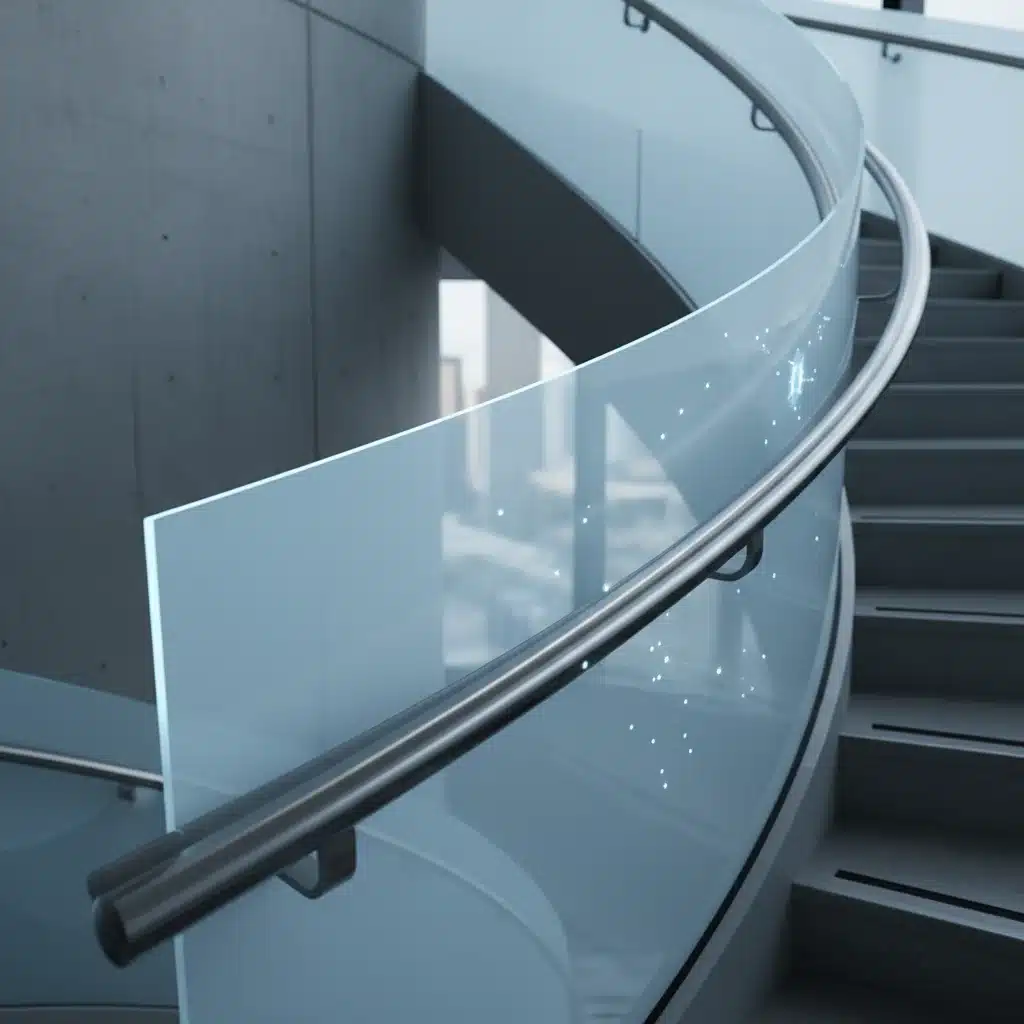
By 2026, we could see Li-Fi integrated into smart lighting systems, offering seamless, high-speed internet access while simultaneously illuminating spaces. This convergence of lighting and communication is a powerful driver for overall system efficiency and intelligent building management, pushing the boundaries of future lighting efficiency.
Smart Lighting Systems and AI Integration: The Brains Behind the Brightness
Beyond the light-emitting materials themselves, the intelligence governing lighting systems is undergoing a profound transformation. Smart lighting, powered by Artificial Intelligence (AI) and interconnected sensors, is becoming increasingly sophisticated, offering unparalleled control and optimization that directly translates into significant energy savings and improved future lighting efficiency.
Adaptive Illumination and Predictive Maintenance
Modern smart lighting systems go far beyond simple dimming. They incorporate:
- Occupancy Sensors: Lights turn on only when a space is occupied and dim or turn off when vacant, eliminating wasted energy.
- Daylight Harvesting: Sensors detect ambient natural light levels and adjust artificial lighting accordingly, ensuring optimal illumination while minimizing electricity use.
- Personalized Control: Users can customize lighting levels and color temperatures for individual workstations or zones, enhancing comfort and productivity, which can indirectly lead to better energy management as users optimize their immediate environment.
- AI-Driven Optimization: AI algorithms can learn patterns of occupancy, daylight availability, and even weather forecasts to predict lighting needs and proactively adjust settings for maximum future lighting efficiency. For example, an AI system might learn that a particular office area is typically empty between 1 PM and 2 PM and adjust its schedule accordingly.
- Predictive Maintenance: Smart systems can monitor the performance of individual fixtures, predicting potential failures before they occur. This allows for proactive maintenance, reducing downtime and ensuring the entire lighting system operates at peak efficiency, extending the lifespan of components and thus enhancing future lighting efficiency.
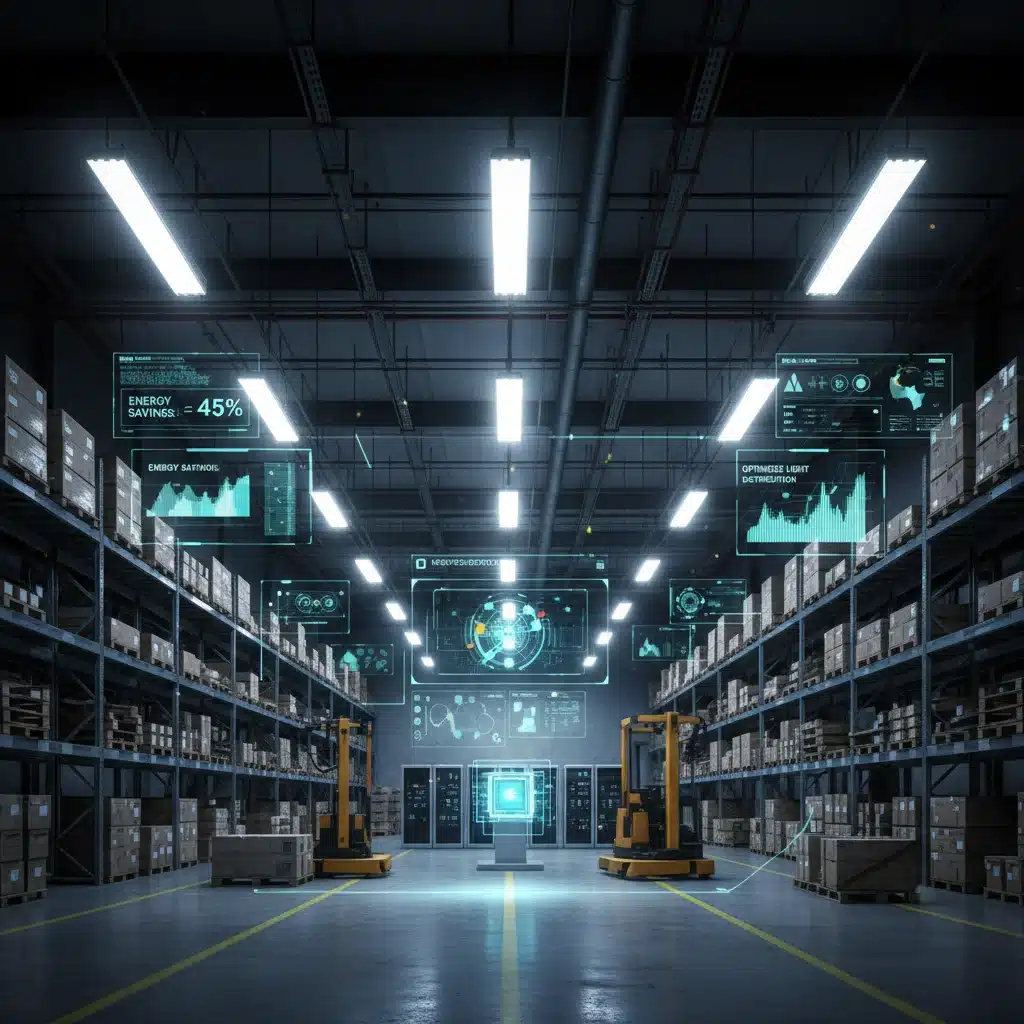
The integration of AI takes smart lighting from reactive to proactive, leading to a dynamic and highly efficient lighting environment. Businesses adopting these intelligent systems can expect substantial energy savings, often exceeding the 25% target when combined with advanced light sources.
Harnessing Human-Centric Lighting (HCL) for Enhanced Efficiency
Human-Centric Lighting (HCL) is not just about energy efficiency but also about optimizing lighting to support human well-being, productivity, and health. However, by aligning lighting with circadian rhythms and human needs, HCL can also contribute to future lighting efficiency in subtle yet significant ways.
Optimizing Productivity and Reducing Energy Waste
HCL systems dynamically adjust the color temperature and intensity of light throughout the day to mimic natural daylight cycles. For example, cooler, brighter light in the morning can boost alertness, while warmer, softer light in the afternoon can aid relaxation and prepare for evening rest. How does this relate to future lighting efficiency?
- Improved Focus and Reduced Errors: By providing optimal lighting conditions for tasks, HCL can reduce eye strain and improve concentration, potentially leading to fewer errors and more efficient work, which indirectly impacts overall operational efficiency.
- Enhanced Well-being: Employees who feel better and are more productive may be more conscious of energy use, contributing to a culture of sustainability.
- Integration with Smart Systems: HCL is often implemented using highly controllable and efficient light sources (like advanced LEDs, OLEDs, and QDs) integrated into smart lighting platforms. The precise control required for HCL inherently drives the adoption of more efficient technologies and control strategies, enhancing future lighting efficiency.
While the direct energy savings from HCL itself might be harder to quantify than from simply turning lights off, the holistic benefits to productivity and the requirement for sophisticated, efficient lighting infrastructure make it a key component of the future lighting efficiency landscape.
Solar-Integrated Lighting Solutions: The Ultimate Renewable Approach
For outdoor and even some indoor applications, solar-integrated lighting solutions are making significant strides in efficiency, moving beyond basic solar garden lights to robust commercial and industrial systems. These systems combine advanced light sources with highly efficient solar panels and energy storage.
Standalone Power and Grid Independence
The efficiency gains here are obvious: by harnessing the sun’s energy, these systems can operate entirely off-grid or significantly reduce reliance on grid electricity. Key advancements include:
- High-Efficiency Solar Cells: Improvements in photovoltaic technology mean smaller panels can generate more power.
- Advanced Battery Storage: Lithium-ion and other next-generation batteries offer greater capacity and longevity, ensuring reliable illumination even during extended periods without sunlight.
- Intelligent Power Management: Integrated controllers optimize charging and discharging cycles, maximizing battery life and ensuring consistent light output.
For parking lots, pathways, signage, and even some remote industrial facilities, solar-integrated lighting offers a pathway to virtually zero-energy lighting, representing the pinnacle of future lighting efficiency in suitable environments.
The Road Ahead: Implementing Future Lighting Efficiency Technologies
For businesses looking to capitalize on these advancements and achieve 25% or more in additional energy savings by 2026, several strategic considerations are paramount:
- Conduct a Comprehensive Lighting Audit: Understand your current energy consumption, light quality, and operational needs. This baseline is essential for measuring future savings.
- Stay Informed on Emerging Technologies: The pace of innovation is rapid. Partner with lighting consultants and suppliers who are knowledgeable about the latest advancements in future lighting efficiency.
- Prioritize Smart System Integration: Even with the most efficient light sources, intelligent control systems are crucial for maximizing savings. Look for platforms that offer scalability, interoperability, and AI-driven optimization.
- Consider Total Cost of Ownership (TCO): While upfront costs for new technologies might be higher, factor in energy savings, reduced maintenance, and potential productivity gains over the lifespan of the system.
- Pilot Programs: For larger organizations, consider implementing new lighting technologies in a pilot area to assess performance and gather data before a full-scale rollout.
- Invest in Training: Ensure facility managers and staff are trained on how to use and maintain new smart lighting systems to maximize their efficiency and benefits.
The transition to these next-generation lighting solutions is not just an upgrade; it’s an investment in a more sustainable, efficient, and technologically advanced future for your business. The potential for significant savings on energy bills, combined with enhanced operational efficiency and improved environmental credentials, makes a compelling case for embracing future lighting efficiency now.
Conclusion: Bright Prospects for Business Efficiency
The era of simply replacing incandescent bulbs with LEDs is drawing to a close. We are on the cusp of a new lighting revolution, driven by innovations like OLEDs, quantum dot technology, Li-Fi, and sophisticated AI-powered smart lighting systems. These advancements collectively promise to deliver unprecedented levels of energy efficiency, potentially offering businesses an additional 25% or more in savings beyond what LEDs currently provide, all within the next few years.
By understanding and strategically adopting these future lighting efficiency technologies, businesses can not only drastically reduce their operational costs and carbon footprint but also create more dynamic, responsive, and human-centric environments. The future of lighting is not just about brighter spaces; it’s about smarter, more sustainable, and ultimately more efficient operations. The time to look beyond LED and embrace the next generation of illumination is now, paving the way for a brighter, more efficient tomorrow.