Window Film Technology 2026: 10% Less Heat Gain & Loss
Window Film Technology 2026: Achieving 10% Less Heat Gain and Loss
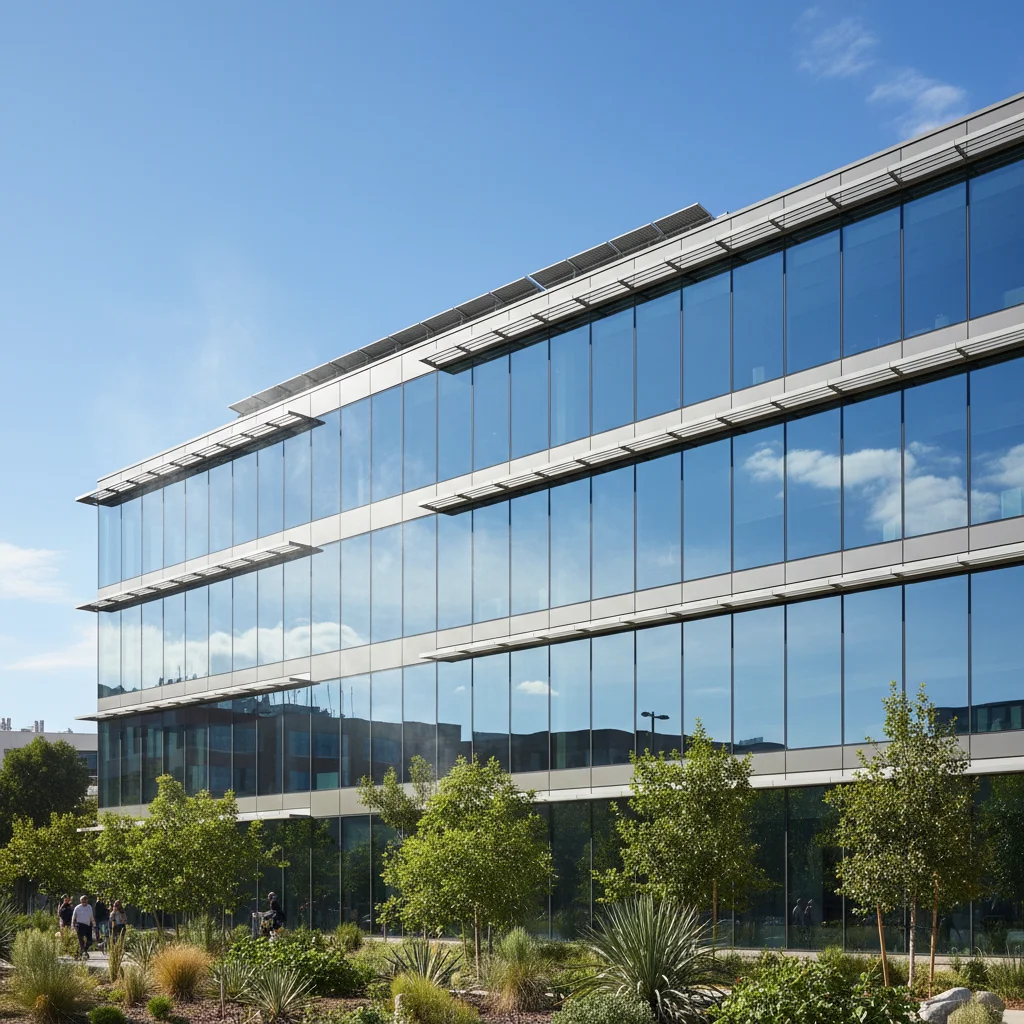
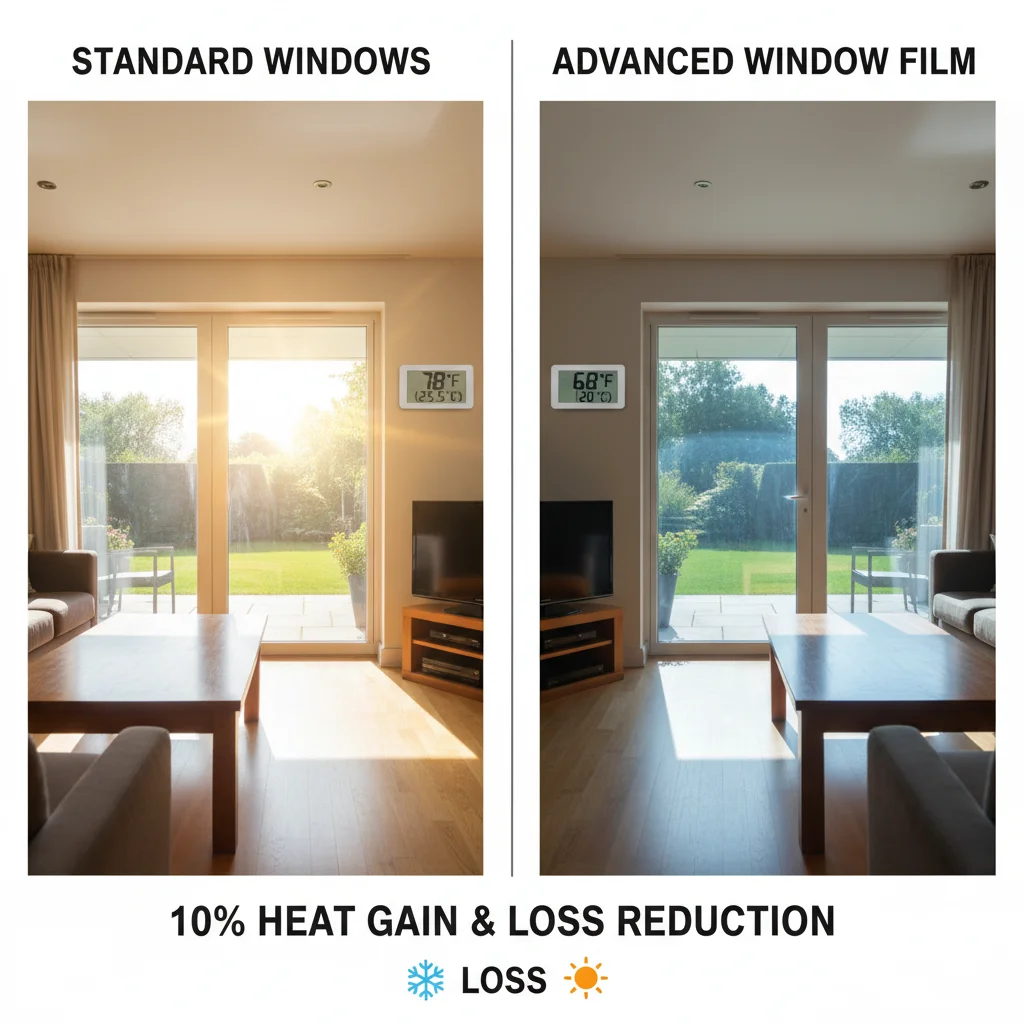
In an era increasingly defined by climate consciousness and the relentless pursuit of energy efficiency, building materials are undergoing a profound transformation. Among these, window film technology stands out as a silent, yet powerful, revolutionary force. As we approach 2026, the advancements in this field are not just incremental; they represent a significant leap forward, promising a tangible 10% reduction in heat gain during scorching summers and heat loss during biting winters. This isn’t merely a statistic; it’s a game-changer for homeowners, businesses, and the planet alike.
The global imperative to reduce carbon footprints and optimize energy consumption has fueled unprecedented innovation in the building sector. Windows, often considered the weakest link in a building’s thermal envelope, have been a primary target for improvement. Traditional windows, even double-paned ones, are notoriously inefficient, allowing a substantial amount of heat to transfer in and out. This inefficiency translates directly into higher energy bills, increased strain on HVAC systems, and a larger environmental impact. This is where cutting-edge window film technology steps in, offering a cost-effective and highly efficient solution.
The journey of window film from a simple tint to a sophisticated, multi-layered smart material is a testament to human ingenuity. Early window films were primarily designed for privacy and glare reduction, offering minimal thermal benefits. However, driven by advancements in material science, nanotechnology, and optical engineering, today’s films are complex systems engineered to selectively manage the electromagnetic spectrum. They can block unwanted infrared (heat) and ultraviolet (UV) radiation while allowing desirable visible light to pass through, maintaining natural illumination without the associated thermal penalties. The target for 2026, a 10% improvement in thermal performance, is a direct result of these ongoing innovations and the relentless drive towards sustainability.
The Science Behind the 10% Improvement: How Modern Window Film Technology Works
Achieving a 10% reduction in both heat gain and loss is not a trivial feat; it requires a deep understanding of thermal dynamics and advanced material science. Modern window film technology employs several sophisticated mechanisms to achieve this impressive efficiency:
Spectrally Selective Coatings
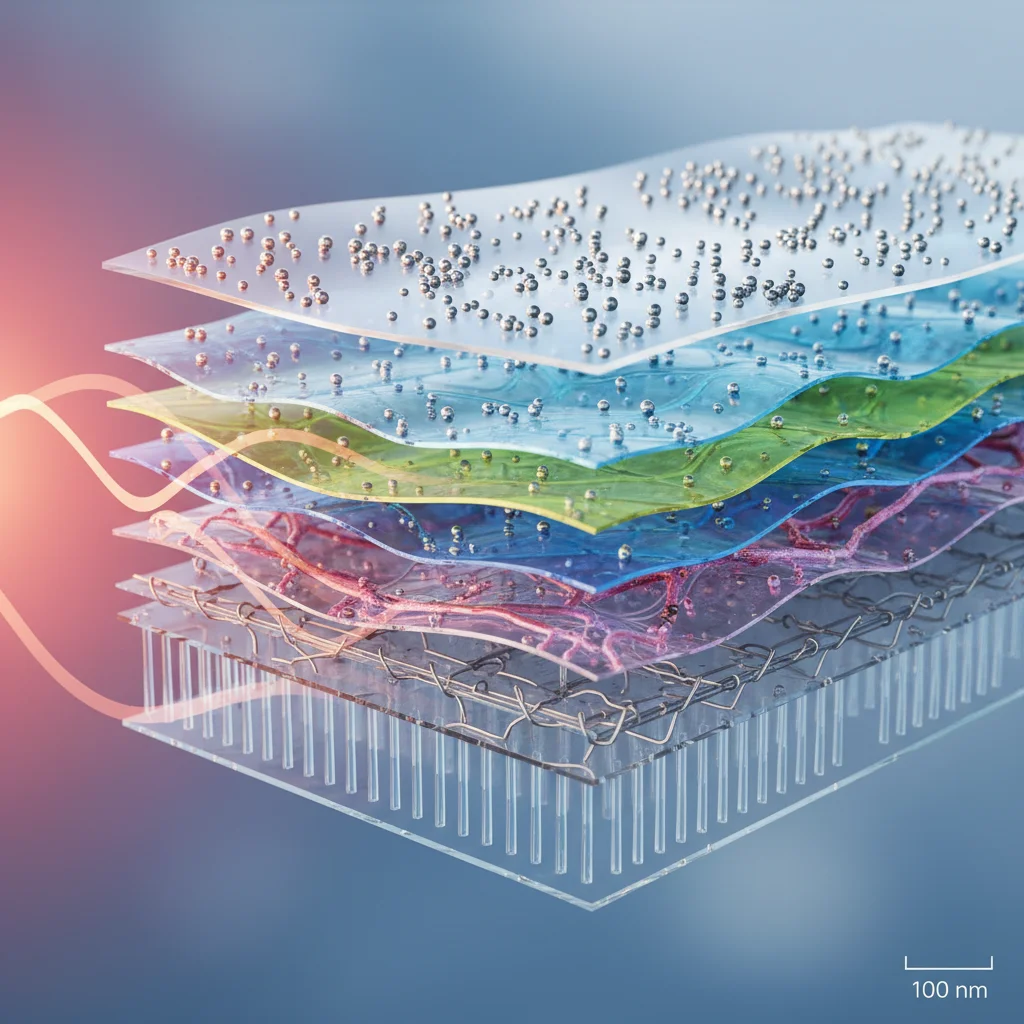
At the heart of advanced window films are spectrally selective coatings. These ultra-thin layers, often measured in nanometers, are engineered to allow visible light to pass through while reflecting or absorbing specific wavelengths of infrared (IR) and ultraviolet (UV) radiation. IR radiation is the primary driver of heat gain from the sun, while UV radiation is responsible for fading furniture and damaging skin. By precisely tuning these coatings, manufacturers can create films that provide superior heat rejection without significantly darkening interiors or altering the natural light spectrum.
Low-Emissivity (Low-E) Properties
Another crucial aspect of modern window film technology is its low-emissivity (Low-E) properties. Emissivity refers to a surface’s ability to emit radiant energy. In colder climates, Low-E films work by reflecting indoor heat back into the room, preventing it from escaping through the windows. Conversely, in warmer climates, they reflect external heat away from the building. This dual action is vital for achieving the ambitious 10% reduction in both heat gain and loss, providing year-round thermal comfort and energy savings.
Multi-Layered Construction and Nanotechnology
The films of 2026 are not single sheets but rather complex, multi-layered constructions. These layers can include various materials, each contributing to the film’s overall performance. Nanotechnology plays a pivotal role here, allowing for the precise arrangement of microscopic particles and structures that interact with light and heat in specific ways. For instance, some films incorporate ceramic nanoparticles that are highly effective at blocking IR radiation while remaining virtually invisible to the naked eye. Other layers might be designed for durability, scratch resistance, or enhanced adhesion, ensuring the longevity and effectiveness of the film.
Dynamic and Smart Film Integration
While still emerging, the integration of dynamic and smart film technologies is also contributing to the overall performance envelope. Though not yet commonplace, these films can change their properties (e.g., tint or transparency) in response to external stimuli like sunlight intensity or temperature. While the 2026 target primarily focuses on passive film performance, the research and development in smart films are informing the next generation of static films, pushing the boundaries of what is possible in thermal management. The lessons learned from dynamic technologies are being applied to create more efficient passive films that offer a fixed, yet superior, level of performance.
Benefits Beyond Energy Savings: The Holistic Impact of Advanced Window Film Technology
While the primary driver for adopting advanced window film technology is undoubtedly energy efficiency and the impressive 10% reduction in heat transfer, the benefits extend far beyond utility bill savings. These films contribute to a more holistic improvement in indoor environments and overall building sustainability.
Enhanced Indoor Comfort and Productivity
One of the most immediate and noticeable benefits of installing high-performance window film is the improvement in indoor comfort. By significantly reducing heat gain, especially near windows, these films eliminate hot spots and create a more uniform temperature distribution throughout a room. This leads to a more pleasant environment, whether in a home, office, or commercial space. Reduced glare also improves visual comfort, making it easier to work on computers, watch television, or simply enjoy the view without squinting. In commercial settings, this translates to increased employee productivity and reduced complaints related to uncomfortable temperatures.
UV Protection and Preservation of Interiors
The sun’s ultraviolet (UV) rays are a major cause of fading and degradation of interior furnishings, artwork, and flooring. Modern window film technology can block up to 99% of harmful UV-A and UV-B rays, acting as an invisible shield. This protection significantly extends the lifespan of carpets, upholstery, drapes, and other valuables, preserving their original appearance and reducing replacement costs. For museums, retail stores, and homes with valuable collections, this UV protection is an invaluable asset.
Increased Safety and Security
While not their primary function, some window films offer an added layer of safety and security. Thicker security films can hold shattered glass together in the event of an impact, whether from an accident, natural disaster, or attempted break-in. This reduces the risk of injury from flying glass and can deter intruders by making forced entry more difficult. While the 10% thermal efficiency is the focus, this secondary benefit adds significant value to the overall proposition of window film technology.
Reduced Carbon Footprint and Environmental Impact
The direct correlation between reduced energy consumption and a smaller carbon footprint is clear. By lowering the demand for heating and cooling, advanced window films directly contribute to a reduction in greenhouse gas emissions. This makes them a vital component in sustainable building practices and a key tool in the fight against climate change. For buildings aiming for green certifications (e.g., LEED), the installation of high-performance window film can contribute valuable points towards accreditation.
Cost-Effectiveness and Return on Investment (ROI)
Compared to replacing entire windows, which can be a costly and disruptive process, installing window film is a significantly more affordable and less invasive solution. The initial investment in high-quality window film technology is often recouped through energy savings within a few years, offering an attractive return on investment. Furthermore, many utility companies offer rebates or incentives for energy-efficient upgrades, making the financial case even stronger.
Addressing Common Misconceptions About Window Film
Despite its proven benefits, window film technology still faces some common misconceptions that can deter potential adopters. It’s crucial to address these to fully appreciate the advancements made by 2026.
Misconception 1: Window Film Makes Rooms Too Dark
One of the most prevalent concerns is that window film will significantly darken interiors, making rooms feel gloomy or artificial. While older films might have had this effect, modern spectrally selective films are engineered to maximize visible light transmission while rejecting heat. Many advanced films are virtually clear or have a very subtle tint, allowing occupants to enjoy natural light and outdoor views without compromise. The 10% heat reduction is achieved through selective wavelength management, not by simply blocking all light.
Misconception 2: Window Film Damages Windows or Voids Warranties
Concerns about film damaging windows or voiding warranties are understandable. However, reputable manufacturers produce films that are specifically designed to be compatible with various glass types, including single-pane, double-pane, and low-E coated windows. Professional installation by certified technicians further minimizes any risks. Many window film manufacturers offer their own warranties that cover the film and, in some cases, the window glass itself, providing peace of mind. It’s always advisable to consult with both the film manufacturer and the window manufacturer regarding compatibility and warranties.
Misconception 3: Window Film is Difficult to Clean or Maintain
Modern window film technology is designed for durability and ease of maintenance. The outer layers are often scratch-resistant and can be cleaned with standard, non-abrasive window cleaning solutions and soft cloths or squeegees. There are no special cleaning protocols required beyond what would normally be used for glass. With proper care, these films can last for 10-15 years or even longer, maintaining their performance and aesthetic appeal.
Misconception 4: Window Film is Only for Hot Climates
While window film is highly effective at reducing heat gain in hot climates, its low-emissivity properties make it equally beneficial in colder regions. By reflecting indoor heat back into the room, it significantly reduces heat loss through windows, leading to substantial heating energy savings. The 10% reduction in both heat gain and loss highlights its versatility as a year-round energy-saving solution, making it suitable for a wide range of climates.
Looking Ahead: The Future of Window Film Technology Beyond 2026
The 2026 target of a 10% reduction in heat gain and loss is a significant milestone, but the evolution of window film technology is far from over. The research and development pipeline is brimming with exciting possibilities that promise even greater efficiencies and functionalities.
Dynamic and Switchable Films
While static films are highly effective, the next frontier lies in dynamic and switchable films. These films can intelligently adapt to changing environmental conditions. Imagine windows that automatically tint themselves during peak sunlight hours to maximize heat rejection and then become clear again as the sun sets or on cloudy days. Technologies like electrochromic, thermochromic, and photochromic films are already in various stages of development and commercialization, offering unprecedented control over light and heat transmission. As these become more cost-effective and integrated, they will redefine the concept of smart windows.
Integrated Energy Generation
Beyond passive thermal management, future window films could actively generate energy. Transparent solar panels, which incorporate photovoltaic materials, are being developed to convert sunlight into electricity without significantly impeding visibility. While current efficiencies are lower than opaque solar panels, the sheer surface area of windows in buildings presents a massive untapped potential for integrated renewable energy generation. Combining thermal efficiency with energy generation would make windows true powerhouses of sustainability.
Enhanced Connectivity and Smart Home Integration
As smart home ecosystems become more sophisticated, future window films could be seamlessly integrated. Imagine controlling the tint of your windows via a smartphone app, or having them automatically adjust based on occupancy sensors, external weather forecasts, or even your personal preferences. This level of connectivity would unlock new levels of comfort, convenience, and energy optimization.
Self-Cleaning and Self-Healing Properties
Research is also underway to develop window films with self-cleaning and self-healing capabilities. Self-cleaning films, often incorporating photocatalytic coatings, could break down organic dirt when exposed to sunlight and allow it to be washed away by rain. Self-healing films, on the other hand, would be able to repair minor scratches or damage, extending their lifespan and maintaining their aesthetic appeal with minimal intervention.
Advanced Aerogel Integration
Aerogels, known as ‘frozen smoke,’ are ultra-lightweight materials with exceptional insulating properties. Integrating aerogel technology into window films could further enhance their thermal performance, pushing beyond the 10% reduction. While challenges remain in making aerogel films transparent and cost-effective, their potential for extreme insulation is immense, promising even greater energy savings.
The drive towards a more sustainable future is a powerful catalyst for innovation. The advancements in window film technology, leading to a projected 10% reduction in heat gain and loss by 2026, are a clear indication of this progress. These films are not just an upgrade; they are a fundamental component of modern, energy-efficient buildings. They offer a compelling blend of energy savings, enhanced comfort, UV protection, and environmental responsibility, making them an indispensable solution for anyone looking to optimize their living or working spaces. As we look beyond 2026, the future of window film promises even more intelligent, energy-generating, and self-sustaining solutions, further solidifying its role in shaping a greener world.
Embracing these technologies today means investing in a more comfortable, cost-effective, and environmentally friendly tomorrow. The silent revolution on our windows is gathering pace, and its impact will be felt for decades to come.