Demand-Side Management: Lower Business Energy Costs by 15% This Year
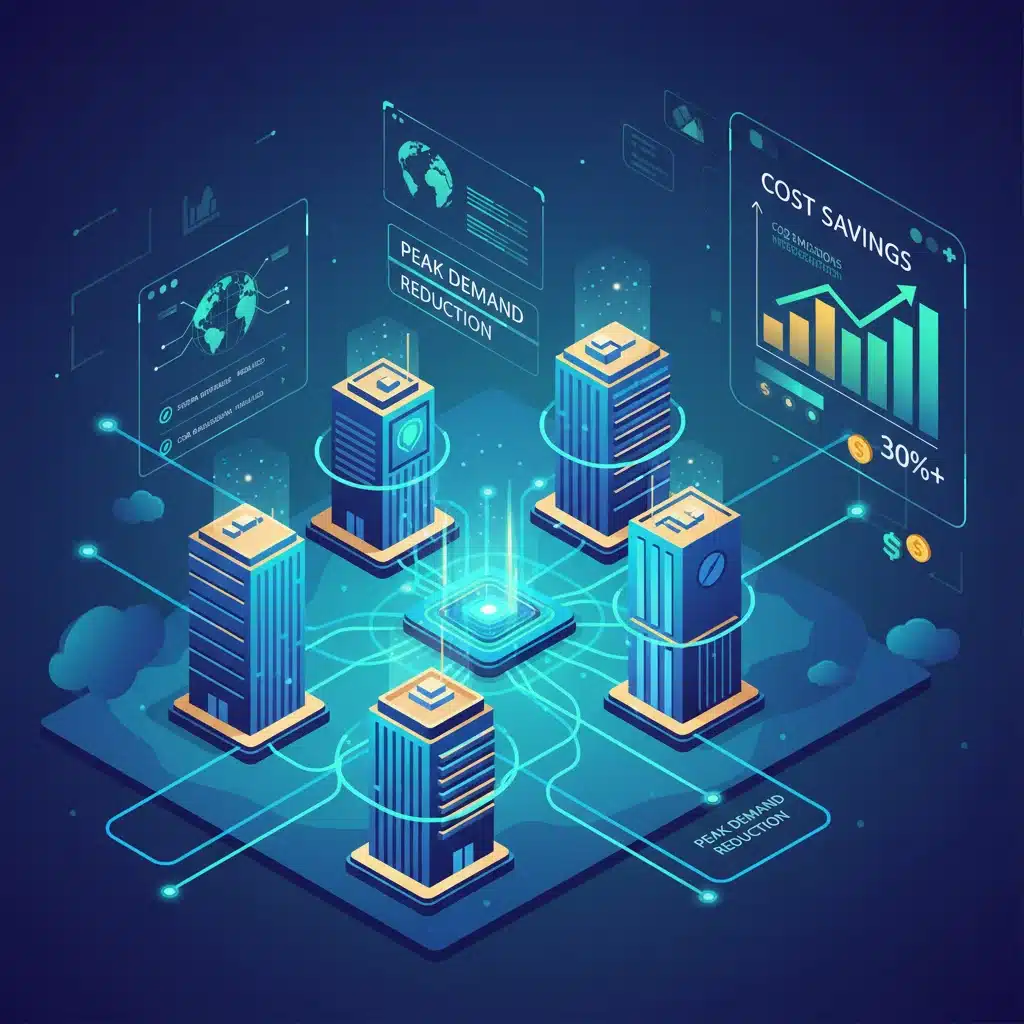
In an era where operational costs are under constant scrutiny, businesses are relentlessly searching for innovative ways to enhance their bottom line. Among the myriad strategies, demand-side management benefits (DSM) stands out as a powerful, often underutilized tool for significant energy cost reduction. For many businesses, energy expenses represent a substantial portion of their operating budget, particularly during peak demand periods when electricity prices soar. Imagine cutting these costs by a remarkable 15% this year – a goal that is not only achievable but increasingly critical for competitiveness and sustainability. This comprehensive guide will delve into the intricacies of demand-side management, offering actionable insights and strategies to help your business harness its full potential.
The energy landscape is dynamic, characterized by fluctuating prices, evolving regulations, and a growing emphasis on environmental responsibility. Businesses that proactively manage their energy consumption, rather than merely reacting to utility bills, gain a distinct advantage. Demand-side management is precisely this proactive approach. It encompasses a range of strategies designed to influence the timing and level of energy consumption, primarily to reduce demand during high-cost periods. This isn’t just about turning off lights; it’s about intelligent energy orchestration that optimizes operations without compromising productivity or comfort. By strategically implementing demand-side management benefits, companies can not only achieve substantial financial savings but also contribute to a more stable and sustainable energy grid.
Understanding Demand-Side Management (DSM)
At its core, demand-side management refers to programs and activities undertaken by electric utilities to encourage consumers to modify their level and pattern of electricity usage. However, for businesses, it translates into a strategic framework for actively controlling and optimizing their energy consumption. The primary goal is to reduce electricity demand during peak hours when electricity is most expensive and the grid is most stressed. This reduction can be achieved through various methods, including energy efficiency measures, demand response programs, and on-site generation or storage.
The concept of demand-side management benefits has evolved significantly over the years. Initially, it focused primarily on energy conservation. Today, with the advent of smart grid technologies, advanced metering infrastructure, and sophisticated data analytics, DSM has become a highly sophisticated discipline. It allows businesses to make informed decisions about when and how they use energy, leading to more predictable costs and greater operational control. Understanding these nuances is the first step toward unlocking the considerable savings potential that DSM offers.
Why is Peak Energy Cost Reduction So Important?
Peak energy costs are a significant burden for many businesses. Utilities often charge higher rates during periods of peak demand – typically late afternoons on hot summer days or cold winter mornings – to cover the increased generation and transmission costs required to meet that demand. These charges can manifest in several ways:
- Time-of-Use (TOU) Rates: Electricity prices vary based on the time of day, day of the week, and season. Peak hours have the highest rates.
- Demand Charges: These are fees based on the highest amount of electricity consumed during a specific interval (e.g., 15-minute window) within a billing cycle. Demand charges can account for a substantial portion of a commercial or industrial electricity bill, sometimes as much as 30-70%.
- Capacity Charges: Similar to demand charges, these are based on a customer’s contribution to the system’s peak load and are designed to recover the cost of maintaining sufficient generation capacity.
By effectively managing demand during these critical periods, businesses can significantly reduce their overall electricity expenditure. A 15% reduction in peak energy costs can translate into tens of thousands, even hundreds of thousands, of dollars in annual savings for larger enterprises. This makes demand-side management benefits not just an environmental initiative, but a powerful financial strategy.
Key Strategies for Effective Demand-Side Management
Implementing successful demand-side management requires a multi-faceted approach. Here are some of the most effective strategies businesses can employ:
1. Energy Efficiency Upgrades
The foundation of any good DSM program is maximizing energy efficiency. Reducing the total amount of energy consumed means there’s less demand to manage in the first place. This involves:
- LED Lighting Conversion: Replacing traditional incandescent or fluorescent lighting with LEDs can reduce lighting energy consumption by 50-80% and significantly lower cooling loads due to less heat generation.
- HVAC Optimization: Upgrading to high-efficiency HVAC systems, implementing smart thermostats, optimizing setpoints, and ensuring regular maintenance can drastically cut heating and cooling costs.
- Building Envelope Improvements: Enhancing insulation, sealing air leaks, and installing energy-efficient windows reduce the energy required to maintain comfortable indoor temperatures.
- Efficient Equipment: Replacing old, inefficient machinery and appliances with ENERGY STAR certified or equivalent high-efficiency models.
- Motor and Drive Upgrades: Installing variable frequency drives (VFDs) on motors can optimize energy use in industrial applications by matching motor speed to load requirements.
These upgrades provide continuous savings and reduce your baseline energy consumption, making subsequent DSM strategies even more impactful in realizing demand-side management benefits.
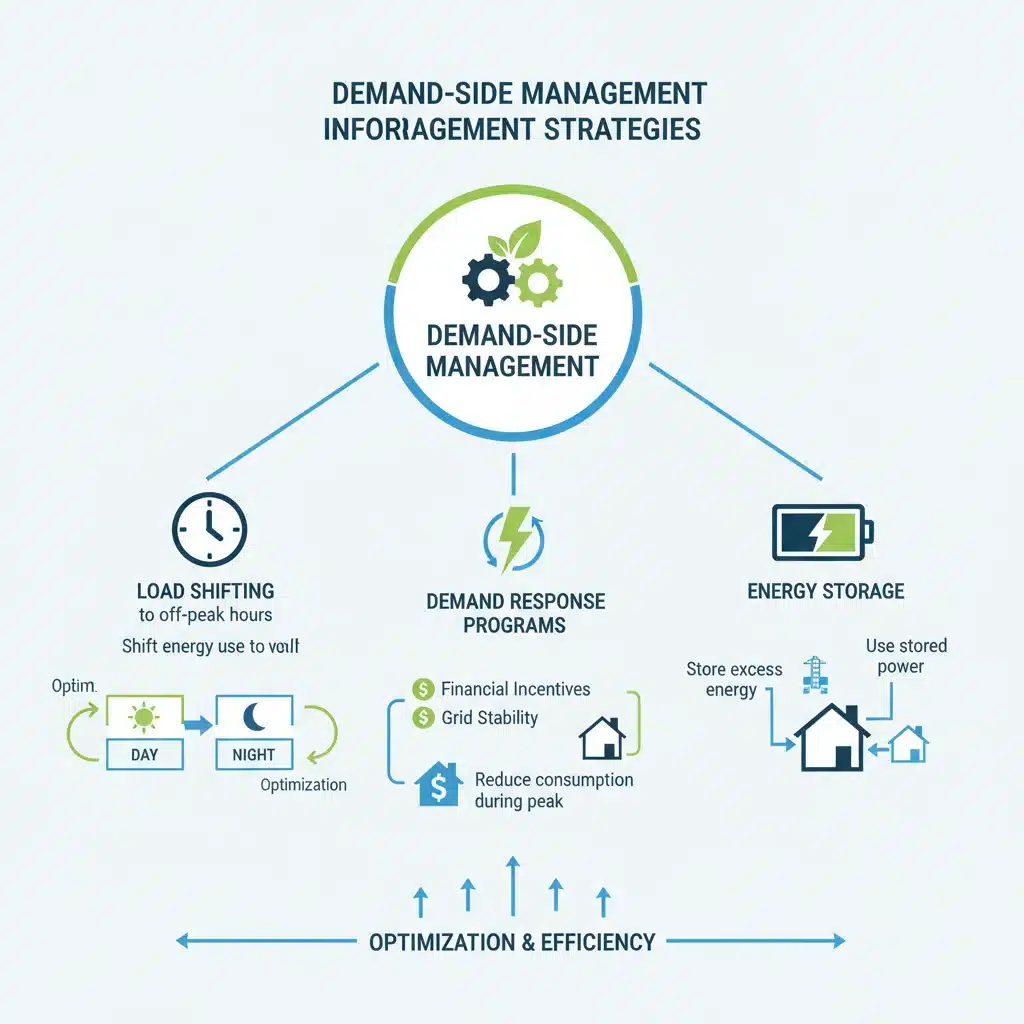
2. Demand Response Programs
Demand response (DR) programs are voluntary initiatives offered by utilities or third-party aggregators that incentivize businesses to reduce their electricity consumption during periods of high grid demand or when wholesale electricity prices are high. Participation in DR programs offers direct financial compensation or bill credits. Common DR strategies include:
- Load Shedding: Temporarily powering down non-essential equipment, such as specific production lines, lighting in unoccupied areas, or certain HVAC units.
- Load Shifting: Moving energy-intensive processes from peak hours to off-peak hours (e.g., running dishwashers or charging electric vehicle fleets overnight).
- Distributed Generation: Using on-site generators (e.g., diesel generators, natural gas turbines, or combined heat and power systems) to meet a portion of the facility’s electricity needs during a DR event, reducing reliance on the grid.
- Battery Storage Discharge: Discharging stored electricity from battery systems to power the facility during peak times, effectively reducing grid draw.
Businesses often receive advance notice of DR events, allowing them to plan and execute their response without significant disruption. The financial incentives can be substantial, directly contributing to the 15% cost reduction target.
3. Energy Storage Solutions
Battery energy storage systems (BESS) are rapidly becoming a cornerstone of advanced demand-side management. By storing electricity when it’s cheap (off-peak or from renewable sources) and discharging it when it’s expensive (peak hours), businesses can significantly reduce their demand charges and TOU costs. BESS can also participate in demand response programs, providing even greater financial returns. The benefits extend beyond cost savings to include enhanced energy resilience and the ability to integrate more renewable energy sources.
4. Smart Building Technologies and Automation
Modern building management systems (BMS) and energy management systems (EMS) are crucial for effective DSM. These systems use sensors, controls, and data analytics to:
- Monitor Energy Usage in Real-Time: Providing granular data on consumption patterns across different equipment and zones.
- Automate Load Adjustments: Automatically dimming lights, adjusting HVAC setpoints, or cycling non-critical loads based on pre-programmed schedules, occupancy sensors, or grid signals.
- Predictive Analytics: Using historical data and weather forecasts to anticipate peak demand periods and proactively implement strategies.
- Fault Detection and Diagnostics: Identifying inefficiencies or equipment malfunctions that lead to wasted energy.
Automation minimizes the need for manual intervention, ensuring consistent application of DSM strategies and maximizing demand-side management benefits.
5. On-Site Renewable Energy Generation
While not strictly a ‘demand-side’ strategy in the traditional sense, generating electricity on-site, particularly through solar photovoltaic (PV) systems, can significantly reduce a business’s reliance on grid electricity during peak demand. Solar generation often aligns well with daytime peak periods, especially in warmer climates where air conditioning drives up demand. Combining solar with battery storage further enhances its DSM capabilities, allowing businesses to store excess solar energy for use when the sun isn’t shining or during evening peaks.
Implementing a Demand-Side Management Program: A Step-by-Step Guide
Embarking on a DSM journey requires careful planning and execution. Here’s a structured approach to help your business achieve its 15% cost reduction goal:
Step 1: Conduct a Comprehensive Energy Audit
Before making any changes, you need to understand your current energy consumption patterns. An energy audit will identify where and when your business uses the most energy, pinpointing inefficiencies and opportunities for improvement. This includes analyzing historical utility bills, conducting site inspections, and potentially deploying sub-metering to get granular data on specific equipment or departments. This initial step is critical for identifying the most impactful demand-side management benefits opportunities.
Step 2: Set Clear Goals and Metrics
Define what success looks like. Beyond the 15% cost reduction target, set specific, measurable, achievable, relevant, and time-bound (SMART) goals. This might include reducing peak demand by a certain percentage, achieving specific energy efficiency benchmarks, or maximizing participation in demand response programs. Establish key performance indicators (KPIs) to track progress.
Step 3: Develop a Tailored DSM Strategy
Based on your energy audit findings and goals, design a customized DSM plan. This plan should outline the specific strategies you will implement (e.g., LED upgrades, DR participation, BESS installation), the timeline for implementation, estimated costs, and projected savings. Prioritize initiatives that offer the quickest payback and highest impact on peak demand. Consider a phased approach to manage investments and learning curves.
Step 4: Invest in Technology and Infrastructure
This is where capital investment comes into play. Acquire and install the necessary technologies, such as smart meters, building management systems, energy storage units, or new energy-efficient equipment. Ensure seamless integration of these systems to enable centralized control and data collection. Many governments and utilities offer incentives, rebates, or low-interest loans for energy efficiency and renewable energy projects, which can significantly offset upfront costs and accelerate the realization of demand-side management benefits.
Step 5: Educate and Engage Employees
Employee engagement is vital for the success of any DSM program. Educate your staff on the importance of energy conservation and their role in achieving energy goals. Simple actions like turning off lights, unplugging electronics, and reporting energy waste can collectively make a big difference. Clearly communicate the benefits of DSM, both for the business and for the environment, to foster a culture of energy awareness.
Step 6: Monitor, Analyze, and Optimize
DSM is not a one-time project; it’s an ongoing process. Continuously monitor your energy consumption data, analyze performance against your KPIs, and identify areas for further optimization. Use the insights gained to refine your strategies, make adjustments, and explore new technologies. Regular review and optimization ensure that your DSM program remains effective and continues to deliver maximum demand-side management benefits.
Real-World Benefits Beyond Cost Savings
While the prospect of reducing energy costs by 15% is a compelling driver, demand-side management offers a host of other significant advantages for businesses:
- Enhanced Grid Reliability: By reducing peak demand, businesses contribute to a more stable and reliable electricity grid, reducing the likelihood of blackouts and brownouts, which can have costly implications for operations.
- Environmental Stewardship: Lowering energy consumption, especially during peak periods often met by less efficient or fossil-fuel-intensive power plants, reduces greenhouse gas emissions and a business’s carbon footprint. This aligns with corporate social responsibility goals and appeals to environmentally conscious customers and investors.
- Improved Brand Image: Demonstrating a commitment to sustainability and energy efficiency can enhance a company’s public image, attracting new customers, retaining talent, and fostering positive community relations.
- Increased Energy Resilience: Implementing on-site generation (like solar) or energy storage provides a degree of independence from the grid, offering backup power during outages and enhancing operational resilience.
- Regulatory Compliance and Incentives: Many regions offer financial incentives, tax credits, or grant programs for businesses that adopt energy-efficient technologies or participate in DSM programs, further improving the return on investment. Staying ahead of potential energy regulations also positions businesses favorably.
- Operational Insights: The data collected through DSM initiatives provides invaluable insights into operational efficiency, allowing businesses to identify and address other areas for improvement beyond energy.
- Competitive Advantage: Businesses with lower operating costs due to effective DSM can offer more competitive pricing, invest more in innovation, or improve profit margins, gaining an edge in the marketplace.
These multifaceted demand-side management benefits underscore why DSM is not just a cost-cutting measure but a strategic imperative for modern businesses.
Overcoming Challenges in DSM Implementation
Despite the clear advantages, businesses may face challenges when implementing DSM programs. These often include:
- Upfront Capital Costs: Initial investments in energy-efficient equipment, smart technologies, or energy storage can be significant. However, these costs are often offset by long-term savings, incentives, and financing options.
- Complexity of Analysis: Understanding energy consumption patterns and identifying optimal DSM strategies can be complex. Partnering with energy consultants or leveraging advanced EMS can simplify this process.
- Operational Disruptions: Some DSM strategies, particularly demand response, might require temporary adjustments to operations. Careful planning and communication can minimize disruptions.
- Lack of Internal Expertise: Many businesses may not have in-house energy management expertise. Training existing staff or hiring specialized professionals can address this gap.
- Evolving Technology Landscape: The rapid pace of technological change can make it challenging to stay updated with the latest and most effective DSM solutions. Continuous learning and strategic partnerships are key.
Addressing these challenges proactively is crucial for successful DSM adoption and maximizing the realization of demand-side management benefits.
The Future of Demand-Side Management
The landscape of demand-side management is continuously evolving, driven by advancements in technology, increasing grid modernization, and growing environmental concerns. The future promises even more sophisticated and integrated DSM solutions:
- Artificial Intelligence and Machine Learning: AI-powered platforms will offer more precise load forecasting, predictive maintenance, and real-time optimization of energy use, anticipating peak events and automatically adjusting systems.
- Enhanced Grid Integration: Closer collaboration between businesses and utilities through advanced smart grid technologies will enable more dynamic and responsive demand response programs, potentially even allowing businesses to sell excess stored energy back to the grid.
- Internet of Things (IoT): Proliferation of IoT devices will provide even more granular data on energy consumption, allowing for hyper-localized and highly efficient energy management at every level of a business operation.
- Microgrids and Community Energy: Businesses may increasingly participate in or even host microgrids, allowing them to operate independently from the main grid during outages and share resources with neighboring facilities or communities, further enhancing resilience and local energy optimization.
- Electrification of Transport and Heating: As electric vehicles and electric heating solutions become more widespread, managing their charging and operational schedules will become a critical component of DSM, offering new opportunities for load shifting and grid balancing.
These future trends highlight that demand-side management benefits will only grow in importance and sophistication, making it an indispensable tool for businesses aiming for both economic efficiency and environmental leadership.
Conclusion: Seize Your 15% Energy Savings Today
The opportunity for businesses to significantly reduce their peak energy costs by 15% or more through demand-side management is not a distant dream but a tangible reality. By embracing strategies like energy efficiency upgrades, active participation in demand response programs, deployment of energy storage, and integration of smart building technologies, companies can unlock substantial financial savings. Beyond the immediate cost reductions, DSM offers a pathway to enhanced operational resilience, a reduced environmental footprint, and a stronger brand image.
The journey to effective energy management begins with understanding your consumption, setting clear goals, and strategically implementing proven solutions. While challenges may arise, the long-term demand-side management benefits far outweigh the initial hurdles. By proactively engaging with DSM, your business can navigate the complexities of the modern energy market, achieve remarkable cost efficiencies, and position itself as a leader in sustainability. Start planning your DSM strategy today and take control of your energy future.