Water Heater Efficiency: Save 18% Annually with a 2026 Upgrade
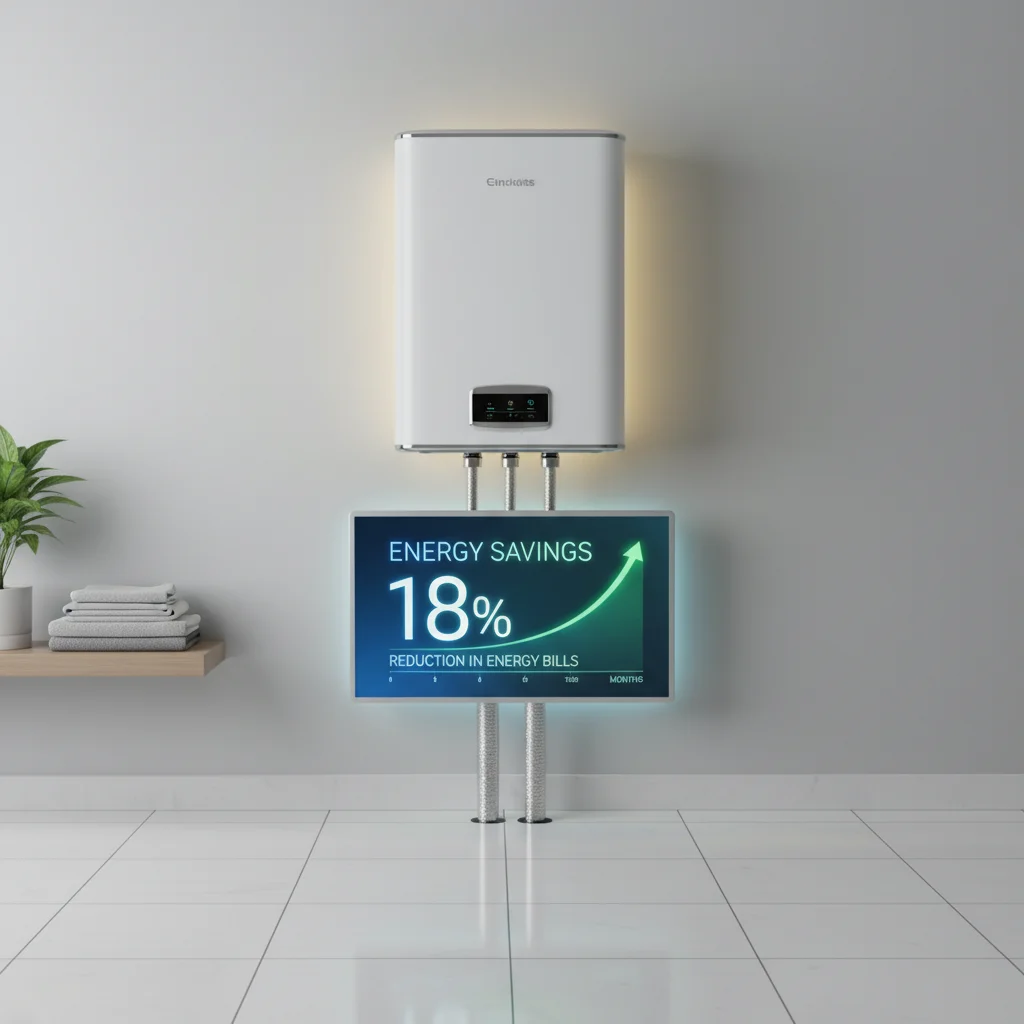
In the evolving landscape of home energy consumption, few appliances bear as much financial weight as your water heater. Often overlooked, this essential utility can be a silent drain on your finances, accounting for a significant portion of your monthly energy bill. However, a seismic shift is on the horizon for homeowners, presenting an unparalleled opportunity to transform their energy expenditure. We’re talking about the profound impact of upgrading your water heater to a high-efficiency model by 2026, a move that could potentially slash your annual heating costs by a remarkable 18%. This isn’t just about saving money; it’s about embracing smarter living, reducing your environmental footprint, and enhancing your home’s overall value and comfort. This comprehensive guide will delve deep into the world of water heater efficiency, exploring the technologies, financial incentives, and practical steps to ensure you capitalize on this pivotal upgrade.
The Hidden Costs of Inefficiency: Why Your Old Water Heater is Draining Your Wallet
Before we dive into the solutions, it’s crucial to understand the problem. Traditional tank-style water heaters, especially older models, are notorious energy guzzlers. They operate by continuously heating and reheating a large tank of water, regardless of whether you need it. This constant energy expenditure, known as standby heat loss, is where a significant portion of your money goes, often without you realizing it. Imagine heating a pot of water all day, every day, just in case you want a cup of tea. That’s essentially what an inefficient water heater does.
The average lifespan of a conventional water heater is 10-15 years. If your unit is approaching or has exceeded this age, it’s not just less efficient; it’s also more prone to breakdowns, leaks, and a diminished ability to provide hot water when you need it most. Rust and sediment buildup inside the tank further reduce its efficiency and can lead to costly repairs or even premature replacement. As energy prices continue to fluctuate and generally trend upwards, the financial burden of an outdated water heater becomes increasingly significant.
Moreover, the environmental impact of these older units cannot be ignored. Burning fossil fuels to heat water contributes to greenhouse gas emissions, exacerbating climate change. As individuals, our choices regarding home appliances have a cumulative effect, and opting for higher water heater efficiency is a tangible step towards a more sustainable future. The year 2026 isn’t just an arbitrary date; it represents a critical window of opportunity to align with emerging energy standards and leverage advancements in heating technology. By understanding the true cost of inefficiency, both financially and environmentally, homeowners can better appreciate the immense value of upgrading.
The 2026 Horizon: Why Now is the Time for a Water Heater Upgrade
The projection of an 18% annual saving isn’t pulled from thin air. It’s based on a combination of factors: advancements in water heating technology, increasing energy costs, and potential shifts in regulatory standards that favor more efficient appliances. As we approach 2026, manufacturers are continually refining their products, making high-efficiency models more accessible and affordable than ever before. These newer units are designed to minimize energy waste, provide hot water more effectively, and offer a longer operational lifespan.
Furthermore, government incentives, rebates, and tax credits are often available for homeowners who invest in energy-efficient upgrades. While these programs can vary by region and change over time, the general trend is towards encouraging the adoption of green technologies. Planning your upgrade for 2026 allows you to research and potentially qualify for these valuable financial aids, further sweetening the deal and accelerating your return on investment. The focus on water heater efficiency is not just a consumer trend; it’s a global imperative. By acting proactively, you position your home to benefit from these overarching shifts.
Considering the long-term financial benefits, an 18% annual saving on your heating bill translates into substantial money back in your pocket over the lifetime of the appliance. For a household spending, for instance, $600-$800 annually on water heating, an 18% reduction means saving over $100-$140 each year. Over 10-15 years, this adds up to well over a thousand dollars, not including the potential for increased home value and reduced repair costs. This makes the investment in a new, high-efficiency water heater not just a necessary expense but a strategic financial decision.
Exploring High-Efficiency Water Heater Options
The market for water heaters has diversified considerably, moving beyond the traditional tank model. Understanding the different types available is key to choosing the right one for your home and maximizing your water heater efficiency.
1. Tankless Water Heaters (On-Demand)
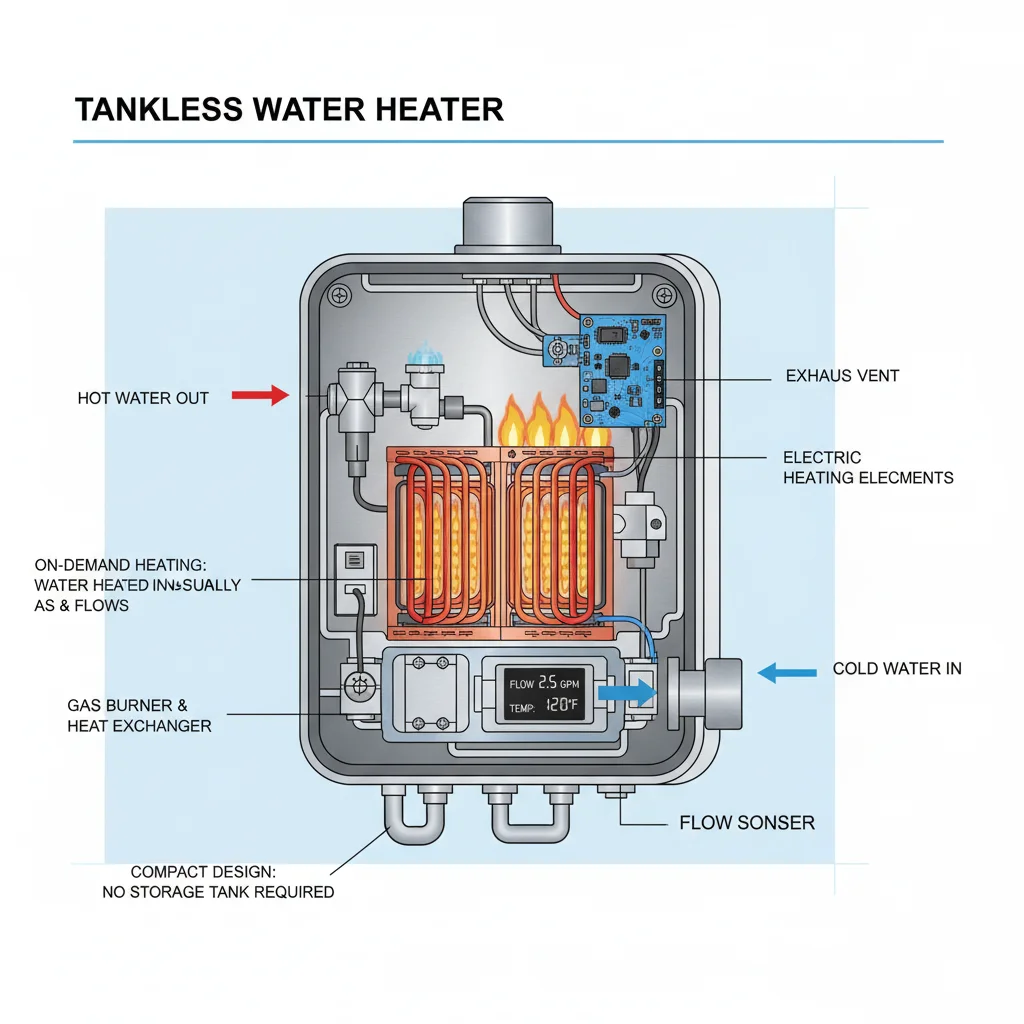
Tankless water heaters, also known as on-demand water heaters, are perhaps the most revolutionary option for energy savings. Instead of storing and heating water in a tank, they heat water directly as it flows through the unit. This eliminates standby heat loss, making them incredibly efficient. You get an endless supply of hot water, but only when you need it. While the initial cost can be higher than conventional tank models, the long-term savings on energy bills are substantial. They also have a longer lifespan (up to 20 years) and take up significantly less space.
Pros: Eliminates standby heat loss, endless hot water supply, longer lifespan, compact size.
Cons: Higher upfront cost, potential for flow rate limitations if multiple hot water demands occur simultaneously, requires sufficient gas line or electrical capacity.
2. Heat Pump Water Heaters (Hybrid)
Heat pump water heaters (HPWHs), often referred to as hybrid water heaters, are another excellent choice for water heater efficiency. They work by extracting heat from the air around them and transferring it to the water in the tank, much like a refrigerator in reverse. They use electricity to move heat rather than generate it directly, making them two to three times more energy efficient than conventional electric water heaters. They still have a storage tank, but their operating costs are significantly lower.
Pros: Very energy efficient (especially in warmer climates), significant energy bill savings, can be eligible for substantial rebates.
Cons: Require adequate space and a certain ambient temperature range to operate optimally, higher upfront cost than conventional electric models, may be noisy.
3. Solar Water Heaters
For those committed to renewable energy and living in sunny climates, solar water heaters offer the ultimate in water heater efficiency. These systems use solar panels (collectors) on your roof to absorb sunlight and heat water, which is then stored in a tank. While they often require a backup conventional or tankless system for cloudy days or high demand, the majority of your hot water needs can be met by the sun, leading to drastically reduced energy bills.
Pros: Extremely low operating costs, significant environmental benefits, can be eligible for major tax credits and incentives.
Cons: High upfront installation cost, dependent on sunlight, requires significant roof space, not suitable for all climates.
4. High-Efficiency Conventional Tank Water Heaters
Even if you prefer the familiarity of a tank-style water heater, modern high-efficiency conventional models offer significant improvements over their older counterparts. These units feature better insulation, more efficient burners (for gas models), and improved heat transfer mechanisms to reduce standby heat loss and ensure more effective heating. While not as efficient as tankless or heat pump models, they represent a solid upgrade from very old units and are generally more affordable upfront.
Pros: Lower upfront cost than advanced models, familiar technology, reliable performance.
Cons: Still subject to standby heat loss, less efficient than tankless or heat pump options.
The Financial Impact: Breaking Down the 18% Annual Savings
Let’s quantify the 18% annual savings. This percentage isn’t a guaranteed figure for every household, as actual savings depend on factors like your current water heater’s efficiency, your household’s hot water consumption habits, local energy prices, and the specific high-efficiency model you choose. However, it serves as a powerful benchmark for the potential financial benefits.
Calculating Your Potential Savings
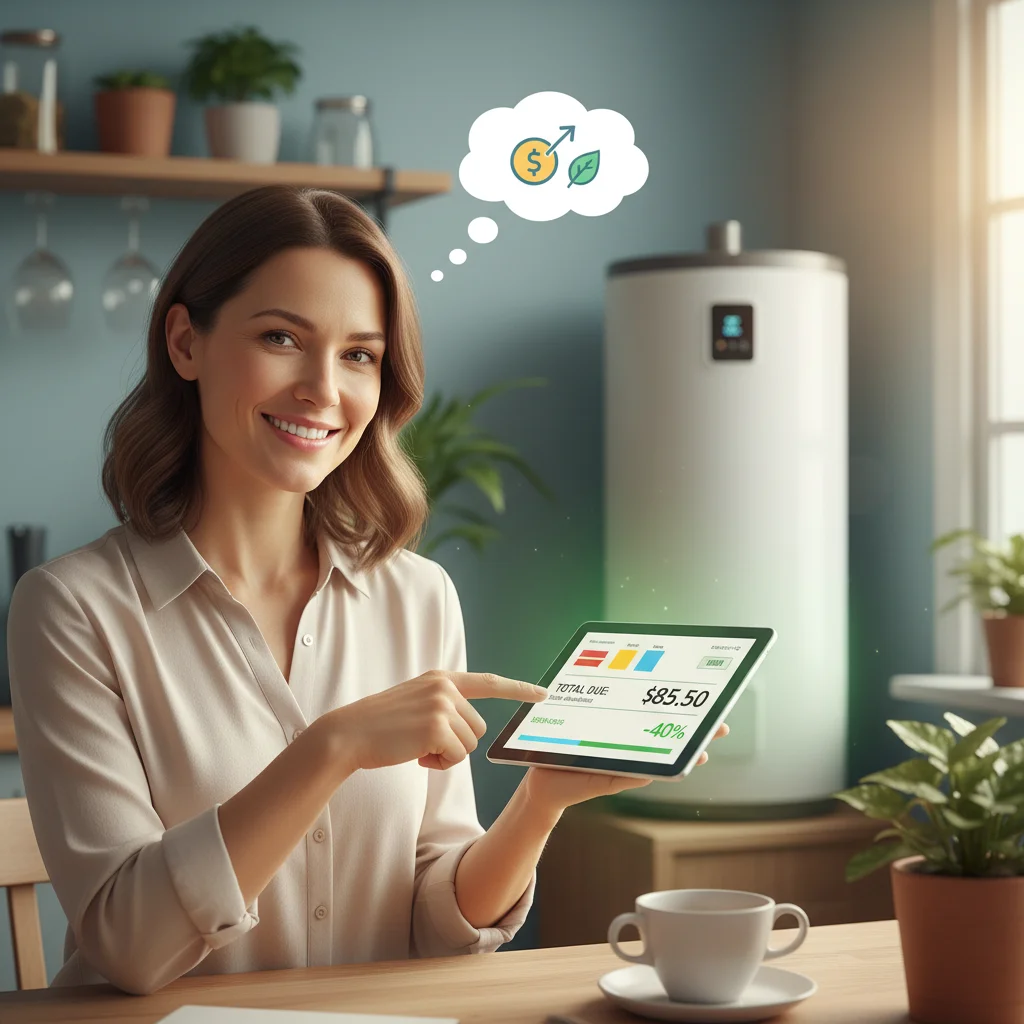
To get a rough estimate, consider your current annual energy bill specifically for water heating. If you don’t have a separate meter, a general rule of thumb is that water heating accounts for 15-20% of your total utility bill. Let’s assume your total annual utility bill is $2,400, and 20% goes to water heating, that’s $480 per year. An 18% saving on that $480 would be approximately $86.40 annually. Over a 15-year lifespan of a new efficient water heater, that’s over $1,296 saved, not including potential energy price increases.
For homes with higher hot water usage or those replacing extremely old and inefficient units, the savings can be even more dramatic. The initial investment in a high-efficiency water heater, while potentially higher, is often recouped within a few years through these energy savings. This makes the upgrade a financially sound decision, essentially paying for itself over time.
Beyond Energy Bills: Additional Financial Benefits
- Increased Home Value: Energy-efficient appliances are a significant selling point for potential homebuyers, often leading to a higher resale value for your home.
- Reduced Maintenance & Repair Costs: Newer models, especially from reputable brands, come with warranties and are less prone to breakdowns than aging units, saving you money on repairs.
- Eligibility for Rebates & Tax Credits: Many local, state, and federal programs offer financial incentives for installing energy-efficient water heaters. These can significantly offset the upfront cost, making the investment even more attractive.
- Peace of Mind: Knowing you have a reliable, efficient hot water supply without the constant worry of high bills or breakdowns provides intangible but valuable peace of mind.
Choosing the Right Water Heater for Your Home
Selecting the ideal high-efficiency water heater involves more than just looking at the price tag. Several factors should influence your decision to ensure you maximize your water heater efficiency and meet your household’s needs.
1. Fuel Type Availability
What fuel sources are available in your home? Natural gas, propane, or electricity? This will significantly narrow down your options. Heat pump water heaters are electric, while tankless models come in both gas and electric versions. Solar water heaters primarily use solar energy but often require an electric or gas backup.
2. Hot Water Demand
How much hot water does your household typically use? Consider the number of occupants, bathrooms, and hot water-consuming appliances (dishwasher, washing machine). Tankless heaters are great for endless hot water, but their flow rate might be an issue for very large households with simultaneous hot water demands. Heat pump water heaters come in various tank sizes to match demand.
3. Space Requirements
Tankless units are compact and can be wall-mounted, saving floor space. Heat pump water heaters require more space than conventional tank models, as they need adequate airflow around them to operate efficiently, typically a minimum of 1,000 cubic feet of unconditioned space (like a basement or garage). Solar systems require roof space for collectors and a dedicated storage tank.
4. Climate Considerations
Heat pump water heaters perform best in warmer climates or conditioned spaces where the ambient air temperature consistently stays above 40-50°F (4-10°C). In colder climates, their efficiency might drop, or they might rely more heavily on their electric resistance backup elements. Solar water heaters are most effective in sunny regions.
5. Budget and Installation Costs
While the focus is on long-term savings, the upfront cost is a practical consideration. Tankless and heat pump water heaters generally have higher initial costs and potentially more complex installation requirements (e.g., dedicated electrical circuits, larger gas lines, venting), which can add to the overall expense. Factor in installation costs when comparing options.
Installation and Maintenance: Ensuring Peak Efficiency
Even the most efficient water heater won’t perform optimally without proper installation and regular maintenance. These steps are crucial for maximizing your water heater efficiency and extending its lifespan.
Professional Installation is Key
Given the complexities of modern water heating systems, professional installation is highly recommended, and often required to maintain warranties. A certified plumber or HVAC technician will ensure the unit is correctly sized, properly vented (for gas models), and connected to the appropriate electrical or gas lines. Incorrect installation can lead to safety hazards, reduced efficiency, and premature failure of the unit.
Regular Maintenance for Longevity
- Annual Flush (Tank Models): For tank-style water heaters (including heat pump hybrids), flushing the tank annually helps remove sediment buildup, which can reduce efficiency and corrode the tank.
- Anode Rod Inspection (Tank Models): The anode rod prevents tank corrosion. Inspecting and replacing it every few years can significantly extend the life of your tank water heater.
- Air Filter Cleaning (Heat Pump Models): Heat pump water heaters have an air filter that needs regular cleaning to ensure proper airflow and efficient operation.
- Ventilation Check (Gas Models): Ensure that gas water heaters have clear and unobstructed ventilation to prevent carbon monoxide buildup and maintain combustion efficiency.
- Leak Checks: Regularly inspect all connections and pipes for any signs of leaks, which can lead to water damage and reduced efficiency.
Following these maintenance tips will not only help you achieve that promised 18% annual saving but also ensure your investment lasts for its full expected lifespan, providing reliable hot water for years to come.
Government Incentives and Rebates: Sweetening the Deal
One of the most compelling reasons to consider a water heater upgrade by 2026 is the potential for significant financial assistance through various programs. These incentives are designed to encourage homeowners to invest in energy-efficient technologies, benefiting both the individual and the environment.
Federal Tax Credits
The U.S. federal government often offers tax credits for the installation of certain energy-efficient home improvements, including specific types of water heaters (e.g., heat pump water heaters, solar water heaters). These credits can reduce your tax liability dollar-for-dollar, making the upfront cost of a new unit much more manageable. It’s crucial to check the latest IRS guidelines and eligibility requirements, as these programs can change.
State and Local Rebates
Many states, cities, and even local utility companies offer their own rebate programs for energy-efficient appliance upgrades. These rebates can range from a few hundred to over a thousand dollars, directly reducing the purchase price or installation cost of your new water heater. Websites like Energy Star’s rebate finder or your local utility provider’s website are excellent resources for discovering what’s available in your area.
Energy-Efficient Loans
Some financial institutions and government programs offer low-interest loans specifically for energy-efficient home improvements. These loans can help homeowners finance the initial investment in a high-efficiency water heater, with the savings on energy bills often helping to offset the loan payments.
How to Maximize Your Incentives
To ensure you take full advantage of available incentives:
- Research Early: Start looking into programs well before your planned upgrade date in 2026, as eligibility criteria and funding can change.
- Verify Eligibility: Ensure the specific model of water heater you choose qualifies for the incentives. Look for Energy Star certifications and specific efficiency ratings.
- Keep Records: Save all purchase receipts, installation invoices, and model numbers. These documents are typically required for rebate applications and tax credit claims.
- Consult with Professionals: Your installer may be knowledgeable about local incentives and can guide you through the application process.
By strategically planning your upgrade and leveraging these financial aids, the net cost of a high-efficiency water heater can be significantly reduced, making the 18% annual savings even more impactful on your household budget.
The Environmental Dividend: Beyond Financial Savings
While the 18% annual financial saving is a powerful motivator, the environmental benefits of upgrading to a high-efficiency water heater are equally compelling. As global concerns about climate change and resource depletion intensify, every step towards greater sustainability in our homes contributes to a larger collective effort.
Reducing Carbon Footprint
Water heating is a major contributor to residential greenhouse gas emissions, especially if your current unit relies on fossil fuels or inefficient electricity generation. By switching to a more efficient model – particularly a heat pump or solar water heater – you significantly reduce your home’s carbon footprint. Heat pump water heaters, for instance, use electricity to move heat rather than create it, consuming far less energy and thus reducing the demand on power plants. Solar water heaters harness the sun’s renewable energy, virtually eliminating emissions related to water heating.
Conserving Natural Resources
Less energy consumption means less demand for natural resources like coal, natural gas, and oil. This conservation helps to preserve finite resources and reduces the environmental impact associated with their extraction, processing, and transportation. By embracing water heater efficiency, you’re directly participating in the responsible stewardship of our planet’s resources.
Supporting Sustainable Technologies
Your decision to invest in a high-efficiency water heater also sends a clear signal to manufacturers and policymakers: there is a demand for sustainable home solutions. This market signal encourages further innovation and development of green technologies, accelerating the transition to a more sustainable future for everyone.
Improved Indoor Air Quality (for Gas Models)
For homes currently using older, less efficient gas water heaters, an upgrade can also contribute to improved indoor air quality. Newer gas models are designed with more efficient combustion processes and better venting, reducing the risk of indoor air pollutants. While direct correlation to savings isn’t always quantifiable, a healthier home environment is an invaluable benefit.
The environmental dividend of a water heater upgrade extends far beyond your property lines. It’s a contribution to cleaner air, reduced greenhouse gas emissions, and a more sustainable energy future. When you factor in these ecological benefits alongside the significant financial savings, the decision to upgrade by 2026 becomes not just smart, but essential.
Conclusion: Embrace the Future of Water Heating Efficiency
The opportunity to save 18% annually on your heating costs by upgrading your water heater by 2026 is more than just a promotional promise; it’s a tangible reality backed by technological advancements and a growing emphasis on energy conservation. Your water heater, often an unsung hero of your home, holds immense potential for both financial liberation and environmental stewardship.
From the instantaneous hot water of tankless systems to the air-harnessing power of heat pumps and the ultimate sustainability of solar options, the choices for maximizing water heater efficiency are diverse and compelling. Each option presents a unique blend of initial investment, operational savings, and environmental benefits, allowing you to tailor your choice to your specific household needs and values.
As you plan for 2026 and beyond, remember that this upgrade is not merely an expense but a strategic investment. An investment in reduced utility bills, increased home value, decreased maintenance costs, and a smaller carbon footprint. Take the time to research the best fit for your home, explore available incentives, and partner with qualified professionals for installation. By doing so, you’ll ensure that your home is not only prepared for the future but actively thriving in it, enjoying significant savings and contributing to a healthier planet, one hot shower at a time.