Commercial Solar Panel Recycling: 2026 Regulations & Best Practices
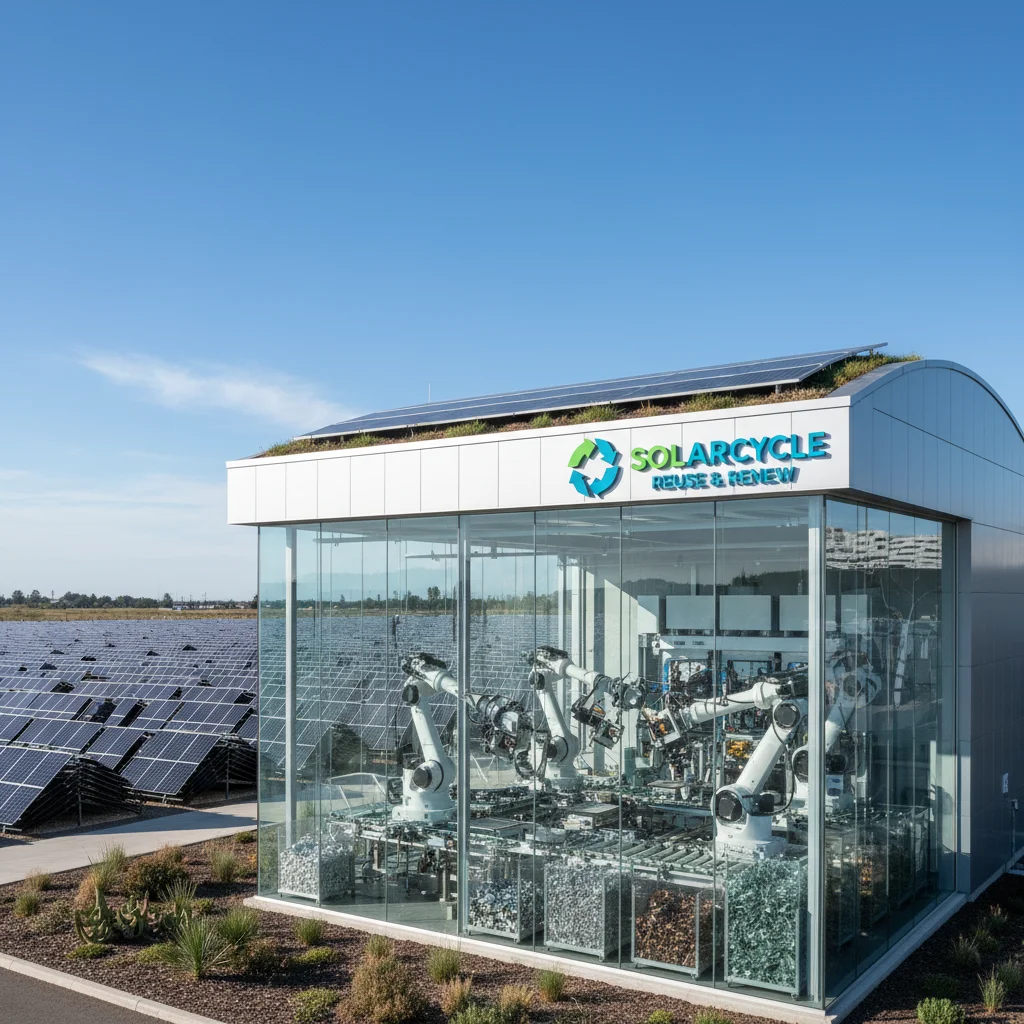
As the world accelerates its transition to renewable energy, solar power stands at the forefront of this revolution. With millions of photovoltaic (PV) panels installed globally each year, the question of their end-of-life management is becoming increasingly critical. The year 2026 is poised to be a pivotal moment, with new commercial solar panel recycling regulations expected to reshape how the industry handles its waste. Understanding these upcoming regulations and adopting best practices for solar panel recycling is not just about compliance; it’s about embracing a sustainable future and unlocking economic opportunities.
The exponential growth of solar energy, while commendable, presents a significant environmental challenge: the accumulation of decommissioned solar panels. These panels, typically with a lifespan of 25-30 years, contain valuable materials like silicon, silver, copper, and aluminum, but also potentially hazardous substances such as lead and cadmium. Without proper recycling infrastructure and regulatory frameworks, these materials could end up in landfills, leading to resource depletion and environmental contamination. The impending 2026 regulations aim to address this by establishing clearer guidelines and responsibilities for commercial solar panel recycling.
The Impending Wave: Why Commercial Solar Panel Recycling is Crucial by 2026
The global installed capacity of solar PV is projected to reach unprecedented levels in the coming years. While this is a testament to the success of renewable energy policies, it also means that the volume of waste from decommissioned panels will surge. Experts predict that by 2030, millions of tons of PV waste will be generated annually. This looming ‘e-waste tsunami’ necessitates proactive measures, and the 2026 regulations are a direct response to this forecast. Effective solar panel recycling is no longer an optional add-on; it’s an essential component of a truly sustainable energy system.
Beyond environmental stewardship, there’s a strong economic case for robust solar panel recycling. The materials embedded in PV panels represent a significant untapped resource. Recycling allows for the recovery of valuable raw materials, reducing the need for virgin material extraction and mitigating supply chain risks. This circular economy approach not only minimizes environmental impact but also creates new jobs and industries in the recycling sector. Companies that embrace advanced solar panel recycling technologies and strategies will gain a competitive edge in a rapidly evolving market.
Furthermore, public and investor pressure for sustainable business practices is growing. Companies demonstrating a commitment to responsible end-of-life management for their solar assets will enhance their brand reputation and attract environmentally conscious stakeholders. The 2026 regulations will likely elevate the importance of lifecycle assessment and extended producer responsibility (EPR) schemes, pushing manufacturers and installers to integrate recycling considerations from the design phase onwards. This holistic approach ensures that the environmental benefits of solar energy are not undermined by its waste.
Understanding the Landscape: Current Solar Panel Recycling Regulations
While 2026 marks a significant milestone, various regions already have some form of solar panel recycling regulations in place. The European Union, for example, has been a pioneer with its Waste Electrical and Electronic Equipment (WEEE) Directive, which includes PV panels. This directive mandates that producers are responsible for financing the collection, treatment, recovery, and environmentally sound disposal of PV waste. This has led to the establishment of collective compliance schemes and specialized recycling facilities across Europe.
In the United States, the regulatory landscape is more fragmented. Some states, like Washington and California, have implemented their own EPR programs for solar panels, requiring manufacturers to fund and manage the recycling of their products. However, a comprehensive federal framework for solar panel recycling is still under development. This patchwork of regulations can create complexities for commercial solar developers and operators working across different states, highlighting the need for more harmonized and effective policies.
Asia, particularly China, which is the largest producer and installer of solar panels, is also beginning to address the challenge. While large-scale national regulations are still emerging, there’s a growing recognition of the need for robust recycling infrastructure. Countries like Japan and South Korea have also initiated pilot programs and research into efficient solar panel recycling technologies. The global trend is clear: as solar adoption matures, so too must the regulatory and industrial capacity for its end-of-life management.
Anticipating 2026: Key Elements of Upcoming Commercial Solar Panel Recycling Regulations
While the precise details of the 2026 regulations will vary by jurisdiction, several key themes are expected to emerge as common threads across different regions. These themes reflect a growing understanding of the challenges and opportunities associated with solar panel recycling.
Extended Producer Responsibility (EPR) Expansion
EPR schemes are likely to become more widespread and stringent. This means that manufacturers, importers, and sometimes even distributors of solar panels will bear the primary responsibility, both financially and operationally, for managing the end-of-life of their products. This shift encourages product design for recyclability, as producers will directly incur the costs of difficult-to-recycle panels. The 2026 regulations will likely define clearer targets for collection and recycling rates, as well as reporting requirements for EPR compliance.
Mandatory Recycling Targets and Quotas
Expect to see the introduction or tightening of mandatory recycling targets for PV waste. These targets will push the industry to invest in and utilize recycling infrastructure more effectively. Quotas might be set as a percentage of panels sold or a total tonnage, aiming to divert a significant portion of decommissioned panels from landfills. Non-compliance could result in penalties, providing a strong incentive for businesses to integrate solar panel recycling into their operational planning.
Standardization of Collection and Logistics
Efficient solar panel recycling relies on effective collection and logistics networks. The 2026 regulations may introduce standards for how panels are collected, stored, and transported to recycling facilities. This could include requirements for safe handling to prevent breakage and contamination, as well as guidelines for establishing easily accessible collection points for commercial and utility-scale solar farms. Streamlined logistics will be crucial for reducing the overall cost and environmental footprint of recycling.
Material Recovery and Purity Standards
To maximize the economic and environmental benefits of recycling, there will likely be an increased focus on the quality and purity of recovered materials. Regulations may stipulate minimum recovery rates for specific valuable materials like silicon, silver, and copper. This will drive innovation in solar panel recycling technologies, encouraging the development of more advanced and efficient separation processes that yield high-purity secondary raw materials suitable for reintroduction into manufacturing supply chains.
Financial Mechanisms and Incentives
To support the transition, the 2026 regulations might introduce various financial mechanisms. These could include advanced recycling fees levied on new solar panel sales, which then fund recycling operations. Additionally, incentives for businesses that invest in recycling infrastructure or utilize recycled materials could be implemented. These financial levers are designed to make solar panel recycling economically viable and attractive for all stakeholders.
Best Practices for Commercial Solar Panel Recycling Post-2026
Adhering to the new regulations will require a strategic approach. Here are some best practices that commercial solar operators, developers, and manufacturers should consider adopting:
1. Lifecycle Planning and Design for Recyclability
The most effective recycling begins at the design stage. Manufacturers should prioritize materials that are easily separable and recyclable, reducing the use of hazardous substances, and designing panels for easier disassembly. Commercial operators should consider the end-of-life implications when selecting PV modules, favoring those with proven recyclability and transparent recycling pathways. Integrating solar panel recycling into the initial project planning can significantly reduce future costs and compliance burdens.
2. Partnering with Certified Recycling Providers
It is crucial to work with reputable and certified solar panel recycling facilities. These facilities adhere to environmental standards, employ advanced technologies for material recovery, and ensure the safe handling and disposal of hazardous components. Vetting potential recycling partners for their certifications, transparency in reporting, and material recovery rates will be essential for compliance and demonstrating environmental responsibility.
3. Establishing Efficient Decommissioning and Collection Protocols
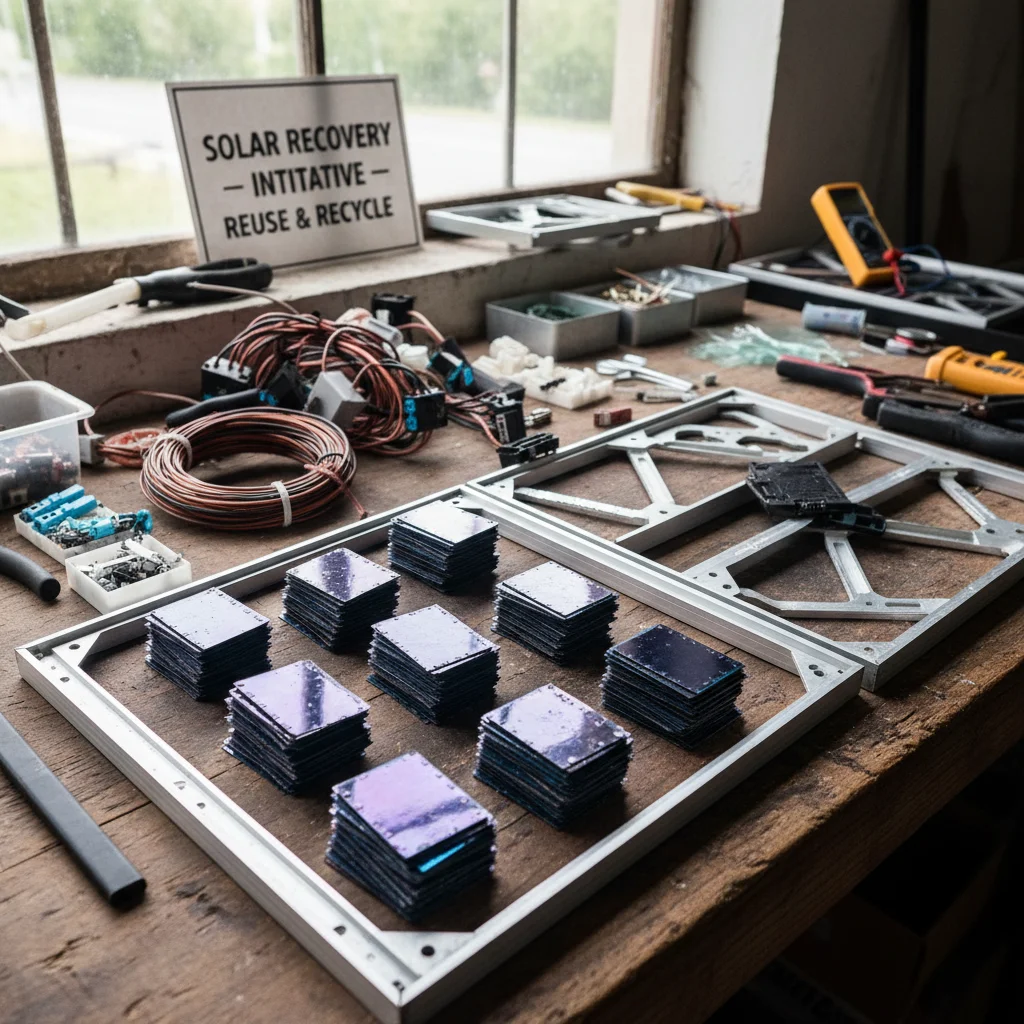
Proper decommissioning of solar arrays is the first step towards successful recycling. This involves safely dismantling panels, segregating different types of waste (e.g., inverters, cabling, mounting structures), and preparing panels for transport. Developing clear protocols for on-site handling, temporary storage, and transportation of decommissioned panels will minimize damage, optimize logistics, and ensure maximum material recovery during solar panel recycling.
4. Data Management and Reporting
Compliance with 2026 regulations will undoubtedly involve rigorous data collection and reporting. Businesses will need to track the number and type of panels they place on the market, as well as the volume of panels sent for recycling. Implementing robust data management systems will facilitate accurate reporting to regulatory bodies, demonstrate compliance with EPR obligations, and provide valuable insights for optimizing solar panel recycling processes.
5. Exploring Reuse and Repurposing Options
Before recycling, consider options for reuse and repurposing of solar panels. Panels that are still functional but perhaps less efficient than newer models could be used in off-grid applications, developing countries, or for educational purposes. Repurposing individual components, such as glass or aluminum frames, can also extend their lifespan and reduce the need for raw materials. Prioritizing reuse before solar panel recycling aligns with the higher tiers of the waste hierarchy.
6. Investing in Research and Development
The field of solar panel recycling is continuously evolving. Supporting and investing in research and development for new recycling technologies, material separation techniques, and circular economy models will be crucial. This includes exploring novel methods for recovering high-purity silicon, developing more environmentally friendly separation processes, and finding new applications for recycled materials. Staying abreast of technological advancements will ensure long-term sustainability and cost-effectiveness.
The Role of Technology in Advanced Solar Panel Recycling
Technological innovation is at the heart of efficient and sustainable solar panel recycling. Current recycling methods typically involve a combination of mechanical, thermal, and chemical processes.
Mechanical Processing
This initial stage involves dismantling the panel, separating the aluminum frame and junction box, and then shredding the remaining module. This allows for the recovery of glass and some plastics. However, fine separation of silicon, silver, and copper from the laminate layers remains a challenge.
Thermal Processing (Pyrolysis)
Pyrolysis involves heating the panels in an oxygen-free environment to burn off the encapsulant (EVA) and backsheet. This allows for easier separation of silicon cells and metal contacts. While effective, careful management of emissions is necessary.
Chemical Processing
Chemical methods, such as acid leaching, are used to dissolve and recover valuable metals like silver, copper, and even silicon. These processes can yield high-purity materials but require careful handling of chemicals and waste byproducts. Advanced chemical recycling techniques are being developed to minimize environmental impact and maximize recovery rates for solar panel recycling.
Emerging Technologies
Research is ongoing into more advanced techniques, including laser delamination for precise separation of layers, supercritical fluid extraction for encapsulant removal, and bioleaching methods using microorganisms to recover metals. These innovations promise higher recovery rates, reduced energy consumption, and lower environmental footprints, making solar panel recycling even more sustainable.
Economic Opportunities in the Solar Panel Recycling Sector
The growth of the solar panel recycling industry presents significant economic opportunities. As regulations become stricter and the volume of end-of-life panels increases, demand for recycling services will surge. This creates a market for:
- Specialized Recycling Facilities: Investment in new, high-tech facilities capable of processing large volumes of PV waste.
- Logistics and Collection Services: Companies specializing in the safe and efficient transport of decommissioned panels.
- Material Recovery and Sales: Businesses focused on refining and selling recovered materials (silicon, silver, copper, glass) back to manufacturers.
- Technology Development: Research and development into more efficient and environmentally friendly recycling processes.
- Consulting and Compliance Services: Experts advising solar companies on regulatory compliance and best practices for solar panel recycling.
These opportunities extend beyond direct recycling operations, fostering an entire ecosystem of supporting industries. The circular economy model for solar panels holds the potential to create a resilient supply chain, reduce reliance on volatile raw material markets, and contribute to green job creation.
Challenges and Solutions in Scaling Solar Panel Recycling
Despite the clear benefits and impending regulations, scaling solar panel recycling faces several challenges:
- Cost-Effectiveness: Currently, landfilling can still be cheaper than recycling in some regions, especially without strong regulatory incentives. Solutions include financial mechanisms (EPR fees, subsidies) and technological advancements to reduce recycling costs.
- Lack of Infrastructure: Many regions lack sufficient recycling facilities and collection networks. This requires significant investment from both public and private sectors to build out the necessary infrastructure.
- Technological Complexity: Solar panels are complex products with various materials laminated together, making separation challenging. Continuous R&D is needed to improve recovery rates and process efficiency.
- Logistical Hurdles: Panels are bulky and fragile, making transportation expensive and prone to damage. Standardized collection and regional hubs can help optimize logistics.
- Regulatory Harmonization: Fragmented regulations across different jurisdictions create complexity for global operators. International cooperation and harmonized standards are crucial for a truly global solar panel recycling solution.
Addressing these challenges requires a concerted effort from policymakers, industry players, and researchers. The 2026 regulations are a critical step in providing the necessary impetus and framework to overcome these hurdles and accelerate the development of a robust solar panel recycling ecosystem.
The Circular Economy and Solar Panel Recycling
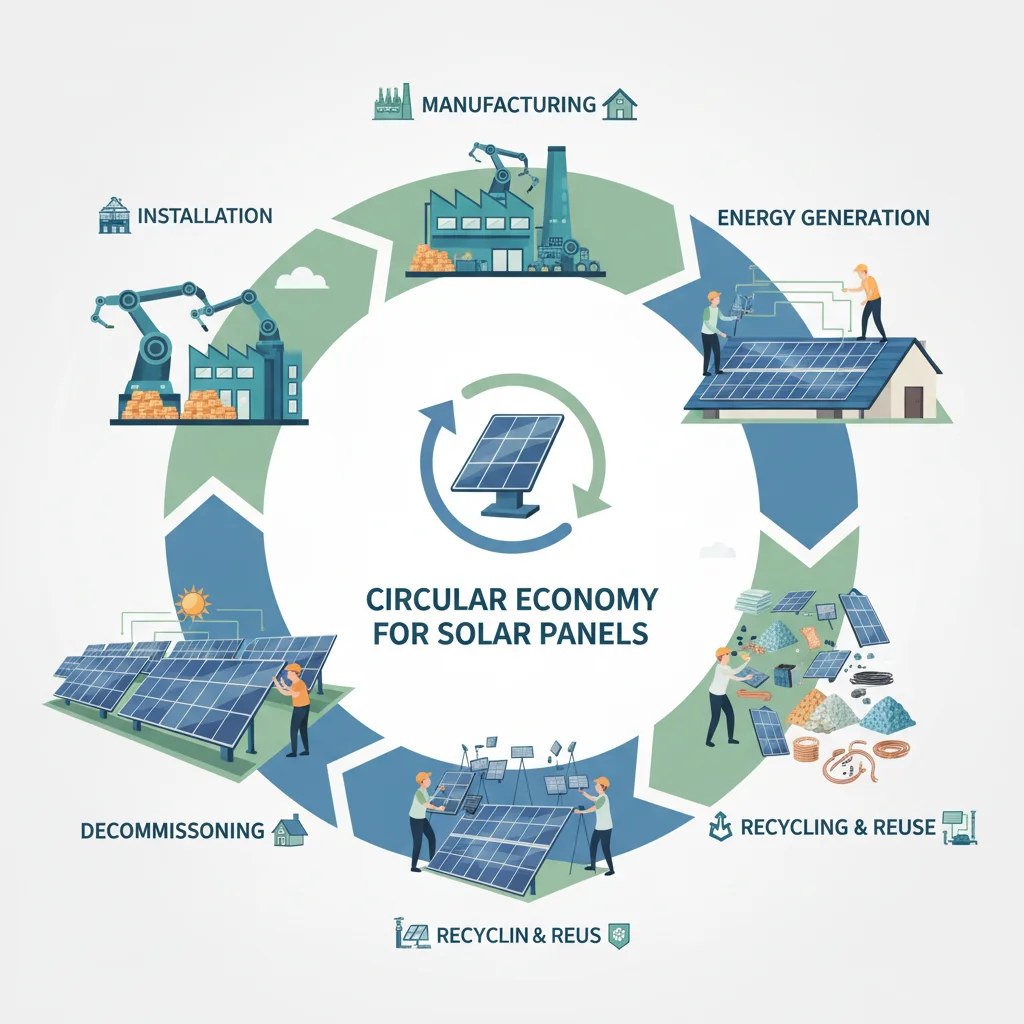
The concept of a circular economy is central to the future of solar panel recycling. Instead of a linear ‘take-make-dispose’ model, a circular approach aims to keep resources in use for as long as possible, extract the maximum value from them whilst in use, then recover and regenerate products and materials at the end of their service life. For solar panels, this means:
- Design for Longevity and Recyclability: Creating panels that last longer and are easier to disassemble and recycle.
- Maximizing Reuse: Finding secondary markets for functional panels or components.
- High-Efficiency Material Recovery: Developing advanced recycling processes to extract valuable materials with high purity.
- Reintegration of Secondary Materials: Using recycled silicon, glass, and metals back into the manufacturing of new solar panels or other products.
Embracing a circular economy for solar panels not only addresses waste management but also enhances resource security, reduces environmental impact, and creates new economic value. The 2026 regulations will undoubtedly push the industry further towards this regenerative model, making solar panel recycling an integral part of the sustainable energy transition.
Conclusion: A Sustainable Future Powered by Responsible Solar Panel Recycling
The year 2026 marks a critical juncture for the commercial solar industry. The anticipated regulations for solar panel recycling will fundamentally alter how businesses manage their PV assets at the end of their lifecycle. These regulations are not merely an obligation; they represent an opportunity to build a more sustainable, resource-efficient, and economically vibrant solar sector.
By proactively understanding and adopting best practices for solar panel recycling – from lifecycle planning and partnerships with certified recyclers to investing in cutting-edge technology and embracing the circular economy – companies can ensure compliance, enhance their environmental credentials, and unlock new economic value. The transition to a clean energy future must be holistic, encompassing not just the generation of power but also the responsible management of all resources involved. The commitment to robust solar panel recycling will be a defining characteristic of truly sustainable energy leadership in the years to come, ensuring that the legacy of solar power is as clean and bright as the energy it produces.