Top 5 Renewable Energy Upgrades for US Homes in 2026: A Comprehensive Guide
The 5 Most Impactful Home Renewable Upgrades for U.S. Homes in 2026
The landscape of home energy is evolving at an unprecedented pace, driven by environmental concerns, technological advancements, and the ever-present desire for energy independence and cost savings. As we look towards 2026, the potential for homeowners to significantly reduce their carbon footprint and energy bills through strategic investments in renewable energy is greater than ever. This comprehensive guide will delve into the five most impactful home renewable upgrades poised to transform U.S. residences in the coming years, offering a detailed look at their benefits, considerations, and what makes them stand out.
Investing in home renewable upgrades isn’t just about being environmentally conscious; it’s a smart financial decision. With various incentives, tax credits, and long-term savings on utility bills, these upgrades are becoming increasingly accessible and attractive to a broad spectrum of homeowners. From harnessing the power of the sun to tapping into the Earth’s stable temperatures, the options are diverse and effective. Let’s explore the top contenders that will define sustainable living in 2026.
1. Advanced Solar Photovoltaic (PV) Systems with Enhanced Efficiency
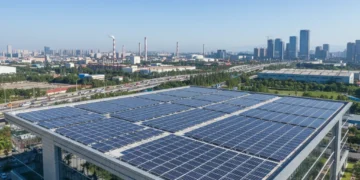
Solar power has long been a frontrunner in the renewable energy sector, and by 2026, it will continue to be one of the most impactful home renewable upgrades. However, the solar systems of tomorrow will be far more sophisticated than those of today. We’re talking about advancements in panel efficiency, aesthetics, and integration with smart home ecosystems.
The Evolution of Solar Technology
Current solar panels typically convert around 17-20% of sunlight into electricity. By 2026, we anticipate mainstream residential panels achieving efficiencies upwards of 23-25%, meaning more power generated from a smaller footprint. This is crucial for homes with limited roof space or those looking to maximize their energy production. Furthermore, perovskite solar cells, though still in earlier stages of commercialization, promise even higher efficiencies and lower manufacturing costs, potentially revolutionizing the industry by the end of the decade.
Aesthetic Integration and Building-Integrated Photovoltaics (BIPV)
One of the historical hurdles for solar adoption has been aesthetics. Traditional panels, while functional, can sometimes be an eyesore. By 2026, Building-Integrated Photovoltaics (BIPV) will see significant growth. This includes solar shingles, solar tiles, and even solar glass that seamlessly blend into the architectural design of a home, making solar power virtually invisible. These BIPV solutions not only generate electricity but also serve as roofing materials or windows, offering a dual function that adds value and appeal.
Smart Inverters and Microinverters
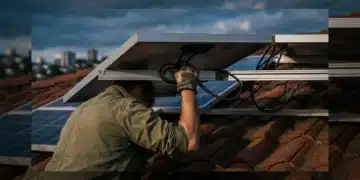
The brains behind the solar system, inverters, are also becoming smarter. String inverters, which connect multiple panels in a series, are giving way to microinverters, which are installed on individual panels. This allows each panel to operate independently, optimizing energy harvest even if one panel is shaded or underperforming. By 2026, smart inverters will offer enhanced monitoring, predictive maintenance, and seamless integration with home energy management systems, allowing homeowners greater control and insight into their energy production and consumption.
Cost-Effectiveness and Incentives
The cost of solar installation has dramatically decreased over the past decade, and this trend is expected to continue. Federal tax credits, state incentives, and local rebates will remain crucial drivers for solar adoption, making it one of the most financially attractive home renewable upgrades. The ability to sell excess electricity back to the grid through net metering further enhances the economic appeal, often leading to a relatively quick return on investment.
For homeowners considering solar in 2026, the decision will be easier than ever, with more efficient, aesthetically pleasing, and technologically advanced options available. It represents a foundational step towards energy independence and significant long-term savings.
2. Geothermal Heat Pump Systems: The Silent Workhorse of Home Renewable Upgrades
While not as visually prominent as solar panels, geothermal heat pump systems (GHPs) are perhaps the most efficient and reliable home renewable upgrades for heating and cooling. By leveraging the stable temperature of the Earth, GHPs can provide year-round comfort with significantly lower energy consumption compared to traditional HVAC systems.
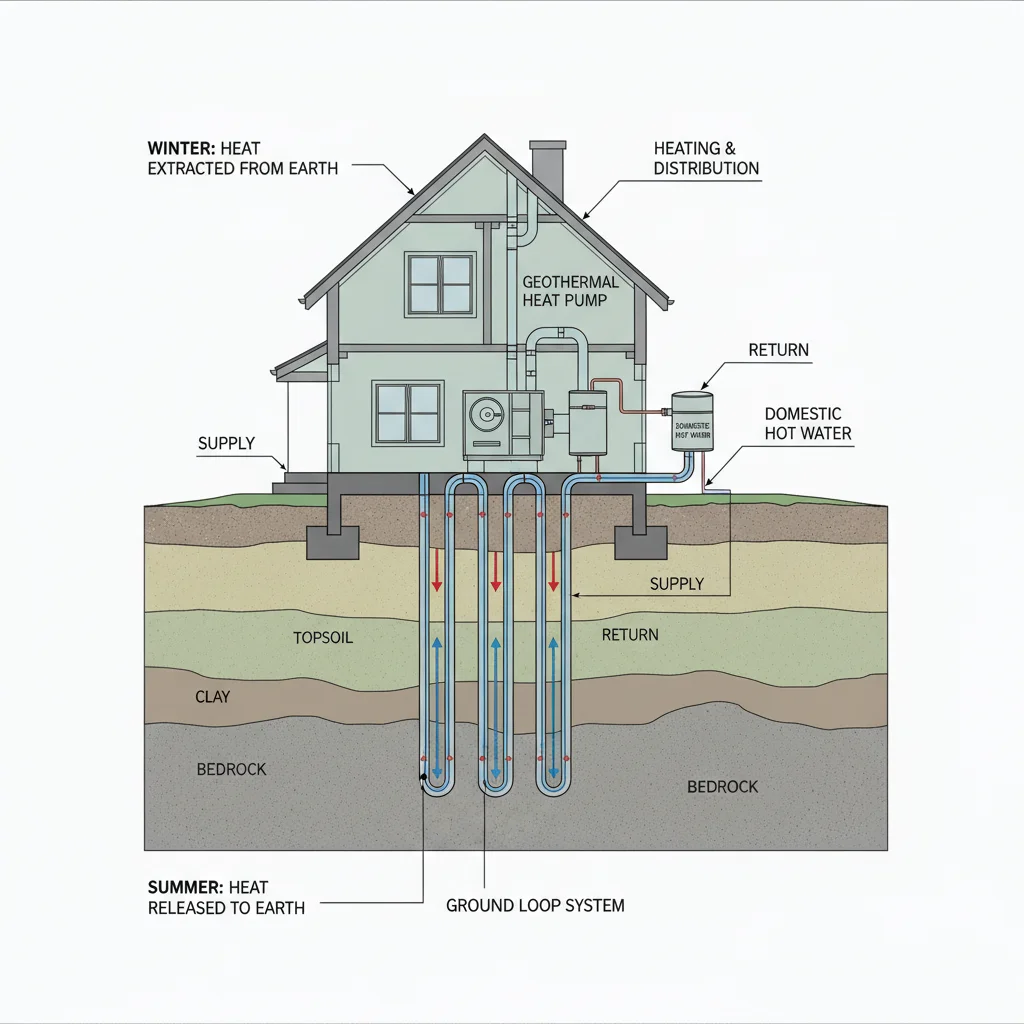
How Geothermal Works
Geothermal systems consist of an underground loop system filled with a fluid (water or an antifreeze solution) that circulates to absorb or dissipate heat from the ground. In winter, the fluid absorbs heat from the Earth and transfers it to the home. In summer, the process reverses, and heat from the home is transferred to the cooler ground. This exchange is incredibly efficient because the ground temperature remains relatively constant (around 50-60°F or 10-16°C) year-round, regardless of ambient air temperatures.
Unmatched Energy Efficiency
Geothermal heat pumps are renowned for their exceptional energy efficiency. They typically operate at efficiencies of 300-500%, meaning for every unit of electricity used, they can deliver 3-5 units of heating or cooling. This is far superior to even the most efficient air-source heat pumps, which struggle in extreme temperatures. For homeowners seeking the ultimate in energy savings for heating and cooling, geothermal is an unparalleled investment among home renewable upgrades.
Long Lifespan and Low Maintenance
The underground loop systems of GHPs are incredibly durable, often lasting 50 years or more with minimal maintenance. The indoor components, like the heat pump unit, typically have a lifespan of 20-25 years, comparable to or exceeding traditional HVAC systems. This longevity, combined with fewer moving parts exposed to harsh weather, translates to lower maintenance costs and greater peace of mind for homeowners.
Environmental Benefits
Beyond the financial savings, geothermal systems offer substantial environmental benefits. They produce zero on-site emissions and significantly reduce a home’s overall carbon footprint. By relying on a renewable, constant source of energy, GHPs contribute directly to a cleaner, more sustainable future, making them a cornerstone of impactful home renewable upgrades.
Installation Considerations and Incentives
The primary barrier to geothermal adoption has traditionally been the upfront installation cost, which can be higher than conventional systems due to the excavation required for the ground loops. However, federal tax credits (like the Investment Tax Credit for geothermal, which remains strong), state incentives, and utility rebates can significantly offset these costs. Furthermore, the long-term energy savings often lead to a payback period of 5-10 years, after which the system generates substantial savings for decades.
By 2026, increased awareness, streamlined installation processes, and continued governmental support will make geothermal heat pumps a more mainstream and highly desirable option for homeowners committed to sustainable living and significant energy cost reduction.
3. Advanced Home Battery Storage Systems: Powering Energy Independence
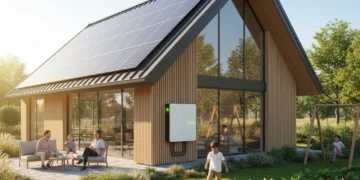
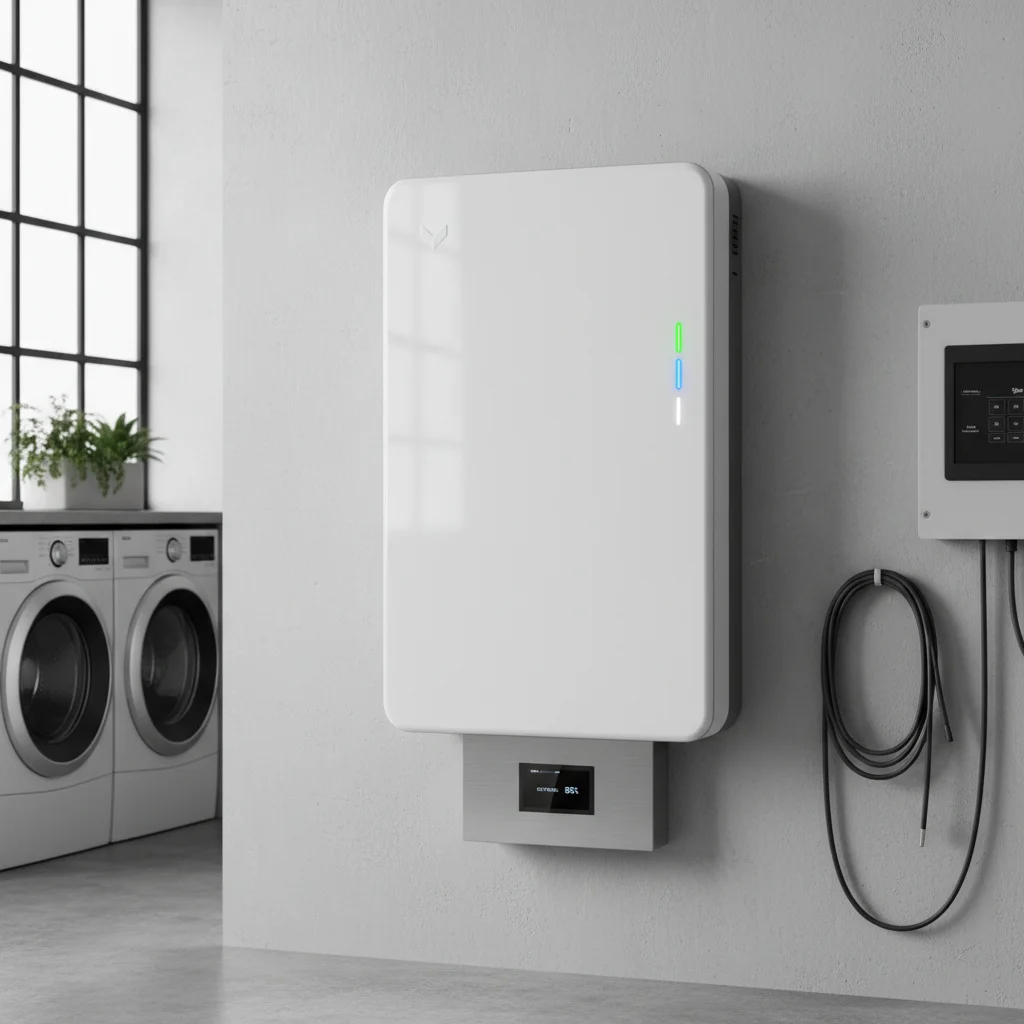
The rise of solar power has naturally led to a surge in demand for efficient energy storage solutions. By 2026, advanced home battery storage systems will be indispensable home renewable upgrades, allowing homeowners to store excess solar energy, provide backup power during outages, and optimize energy usage based on time-of-use rates.
The Role of Battery Storage
While solar panels generate electricity during the day, a home’s energy consumption often peaks in the evening when the sun has set. Battery storage bridges this gap, allowing homeowners to store surplus solar energy generated during sunny hours and use it when needed, rather than drawing from the grid. This maximizes self-consumption of renewable energy and reduces reliance on utility companies.
Lithium-Ion Dominance and Beyond
Currently, lithium-ion batteries, similar to those found in electric vehicles, dominate the home energy storage market. By 2026, we’ll see continued improvements in their energy density, lifespan, and safety features. Furthermore, emerging battery chemistries, such as solid-state batteries or flow batteries, could offer even greater performance and cost-effectiveness, expanding the options for home renewable upgrades.
Seamless Integration with Solar and Smart Homes
Modern battery storage systems are designed for seamless integration with solar PV arrays and smart home energy management systems. They can intelligently manage energy flow, deciding whether to store energy, send it to the grid, or draw from the grid based on factors like weather forecasts, electricity prices, and household demand. This level of automation ensures optimal energy utilization and cost savings.
Backup Power and Grid Resilience
One of the most compelling benefits of home battery storage is the provision of reliable backup power during grid outages. As climate change leads to more frequent and severe weather events, maintaining power during emergencies is becoming a top priority for many homeowners. A battery system, especially when paired with solar, can keep essential appliances running for hours or even days, offering unparalleled peace of mind.
Virtual Power Plants (VPPs) and Grid Services
Looking ahead to 2026, home battery systems will play an increasingly important role in supporting the broader electricity grid. Through programs like Virtual Power Plants (VPPs), homeowners can allow their batteries to discharge stored energy back to the grid during periods of high demand, helping to stabilize the grid and potentially earning them financial compensation. This transforms individual home renewable upgrades into collective assets for grid resilience.
The cost of battery storage is steadily decreasing, and various state and local incentives are making these systems more affordable. For any homeowner installing solar, adding battery storage is becoming an almost essential next step towards true energy independence and resilience.
4. Smart Home Energy Management Systems (SHEMS): The Brains of Your Green Home
While individual renewable technologies are powerful, their true potential is unleashed when they work together intelligently. Smart Home Energy Management Systems (SHEMS) will be critical home renewable upgrades by 2026, acting as the central nervous system that optimizes energy production, consumption, and storage across the entire home.
Holistic Energy Optimization
SHEMS go beyond simple smart thermostats. These sophisticated platforms integrate data from solar panels, battery storage, smart appliances, EV chargers, and utility grids to create a comprehensive energy profile for the home. They use AI and machine learning algorithms to predict energy needs, respond to real-time electricity prices, and automate energy-saving actions.
Predictive Analytics and Automation
Imagine a system that knows the weather forecast predicts a cloudy day, so it charges your battery fully overnight when electricity is cheapest, ensuring you have stored power for the next day. Or a system that automatically pre-cools your home during off-peak hours before a heatwave hits. This level of predictive analytics and automation is what SHEMS will offer by 2026, leading to significant energy savings and enhanced comfort.
Seamless Integration and User Control
Modern SHEMS will feature intuitive interfaces, often accessible via smartphone apps, allowing homeowners to monitor their energy usage, production, and savings in real-time. They will provide granular control over individual appliances and systems, enabling users to make informed decisions or let the system manage everything autonomously. This seamless integration of various home renewable upgrades into a single, cohesive platform is key.
Demand Response Participation
SHEMS also facilitate participation in utility demand response programs. During periods of peak grid demand, utilities might offer incentives for homeowners to temporarily reduce their energy consumption. A SHEMS can automatically adjust thermostat settings, delay appliance cycles, or draw from battery storage, earning the homeowner credits or rebates while contributing to grid stability.
Enhanced Home Comfort and Convenience
Beyond saving money, SHEMS enhance overall home comfort and convenience. By optimizing heating, cooling, lighting, and appliance usage, they create a more responsive and comfortable living environment. The ability to remotely monitor and control energy settings also adds a layer of convenience and peace of mind.
As more homes adopt solar, battery storage, and electric vehicles, a robust SHEMS will become an essential investment. It transforms a collection of individual home renewable upgrades into a truly smart, efficient, and sustainable living environment, making it a pivotal technology for 2026.
5. Small-Scale Wind Turbines: Tapping into the Power of the Wind
While often overshadowed by solar, small-scale wind turbines offer a viable and increasingly attractive option for home renewable upgrades, especially for properties with sufficient land and favorable wind conditions. By 2026, advancements in design, efficiency, and noise reduction will make these systems more accessible and effective for residential use.
Ideal for Specific Locations
Small-scale wind turbines are particularly well-suited for rural or semi-rural properties where obstructions are minimal and consistent wind speeds are present. Unlike solar, which relies solely on daylight, wind turbines can generate electricity day or night, and often perform best during winter months when solar output might be lower, offering a complementary energy source.
Design Innovations and Efficiency Gains
The wind turbines of 2026 will feature more aerodynamic designs, lighter materials, and advanced blade technologies that allow them to capture more energy from lower wind speeds. Vertical-axis wind turbines (VAWTs), which are often quieter and can capture wind from any direction, are also seeing significant development and may become more common in residential settings. These innovations are boosting the overall efficiency and energy output of small-scale systems.
Noise Reduction and Aesthetics
One of the historical concerns with residential wind turbines has been noise. However, significant progress has been made in reducing operational noise levels, making modern turbines much quieter and more neighbor-friendly. Aesthetic considerations are also being addressed, with designers creating more visually appealing and compact units that blend better with residential landscapes.
Hybrid Systems with Solar
The true power of small-scale wind turbines often comes from their integration into hybrid renewable energy systems alongside solar panels and battery storage. This combination provides a more consistent and reliable power supply, mitigating the intermittency of both wind and solar. When the sun isn’t shining, the wind might be blowing, and vice-versa, ensuring a continuous flow of renewable energy to the home and battery storage.
Financial Viability and Incentives
The upfront cost of a small-scale wind turbine can be substantial, but federal and state incentives, similar to those for solar, can help offset these expenses. The long-term savings on electricity bills, coupled with the potential for net metering, make wind power a financially sound investment for suitable properties. As technology advances and manufacturing scales, costs are expected to continue to decline, making them more competitive among home renewable upgrades.
For homeowners with the right conditions, a small-scale wind turbine offers a powerful way to diversify their renewable energy portfolio, achieve greater energy independence, and make a significant environmental impact. By 2026, these systems will be more refined and accessible, marking them as a noteworthy component of home energy solutions.
The Future of Home Renewable Upgrades: A Holistic Approach
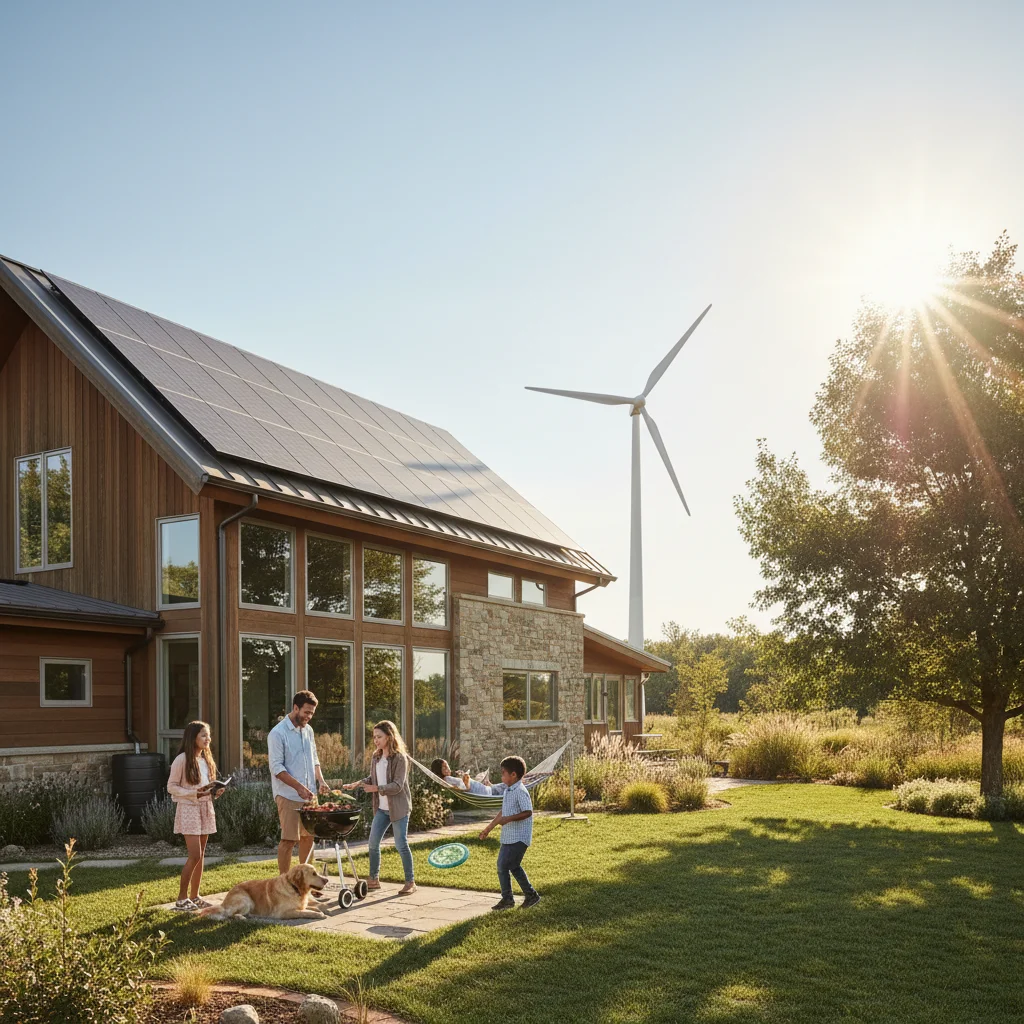
As we look towards 2026 and beyond, the most impactful home renewable upgrades will often involve a combination of these technologies. A fully optimized sustainable home might feature high-efficiency solar panels on the roof, a geothermal heat pump for heating and cooling, a robust battery storage system, a smart energy management system orchestrating everything, and potentially a small-scale wind turbine for supplementary power.
Integration is Key
The synergy between these systems is what truly unlocks their potential. Solar panels generate electricity, which can be immediately used, stored in batteries, or sent to the grid. Geothermal systems handle the bulk of heating and cooling demand with incredible efficiency. A smart energy management system ties it all together, ensuring every kilowatt-hour is utilized optimally, while a wind turbine adds another layer of generation resilience.
Increased Home Value and Market Demand
Homes equipped with these advanced home renewable upgrades are not only more sustainable and cost-effective to operate but also command higher market values. As energy costs rise and environmental awareness grows, prospective homebuyers are increasingly prioritizing properties with integrated renewable energy solutions. This makes these upgrades not just an operational investment but also a valuable asset enhancement.
Policy and Economic Drivers
Government policies, including tax credits, grants, and renewable energy mandates, will continue to play a crucial role in driving the adoption of these technologies. The economic benefits, such as reduced utility bills, protection against energy price volatility, and potential for energy independence, will further accelerate their integration into American homes.
Empowering Homeowners
Ultimately, these home renewable upgrades empower homeowners. They provide greater control over energy consumption, reduce reliance on external energy sources, and offer a tangible way to contribute to a more sustainable planet. The journey to a greener, more energy-independent home is becoming more accessible and rewarding than ever before.
Conclusion: A Sustainable and Prosperous Future
The period leading up to 2026 promises to be a transformative era for residential energy. The five home renewable upgrades discussed – advanced solar PV systems, geothermal heat pumps, sophisticated home battery storage, intelligent smart home energy management systems, and efficient small-scale wind turbines – represent the pinnacle of current and near-future sustainable living technologies. Each offers unique benefits, and when combined, they create a powerful ecosystem that can drastically reduce energy costs, minimize environmental impact, and enhance the comfort and value of U.S. homes.
For any homeowner looking to make a significant, positive impact on their energy footprint and financial future, now is the time to explore these innovative solutions. The path to a more sustainable and energy-independent home is clearer than ever, offering not just environmental stewardship but also a smart, long-term investment in your property and peace of mind.