Duct Sealing 2026: Prevent 20-30% HVAC Energy Loss & Save Money
The Impact of Duct Sealing: A 2026 Essential for Preventing 20-30% HVAC Energy Loss (FINANCIAL IMPACT)
In the ever-evolving landscape of home efficiency and sustainability, certain practices transition from recommended to absolutely essential. As we step further into 2026, one such practice stands out with undeniable financial and environmental implications: professional duct sealing. Often overlooked, the ductwork in your home is the circulatory system of your HVAC unit, responsible for distributing conditioned air to every room. However, studies consistently show that typical homes lose between 20% and 30% of conditioned air through leaks, holes, and poorly connected ducts. This isn’t just a minor inconvenience; it represents a significant drain on your wallet and an unnecessary burden on your HVAC system. Understanding the profound financial impact of this energy loss and the benefits of effective duct sealing benefits is paramount for every homeowner looking to optimize their living space in 2026 and beyond.
The quest for a comfortable home often leads us to focus on high-efficiency furnaces, advanced air conditioners, or better insulation. While these are crucial components of an energy-efficient home, they can only perform optimally if the system delivering the air is equally efficient. Leaky ducts force your HVAC system to work harder and longer to maintain desired temperatures, leading to increased energy consumption, higher utility bills, and premature wear and tear on expensive equipment. This article will delve deep into why duct sealing benefits are not just about comfort, but about smart financial planning, environmental responsibility, and securing a healthier indoor environment for your family. We will explore the mechanisms of energy loss, the tangible savings achieved through professional sealing, the advancements in sealing technologies, and what homeowners can expect in terms of return on investment in the current year.
The Silent Thief: How Unsealed Ducts Steal Your Energy and Money
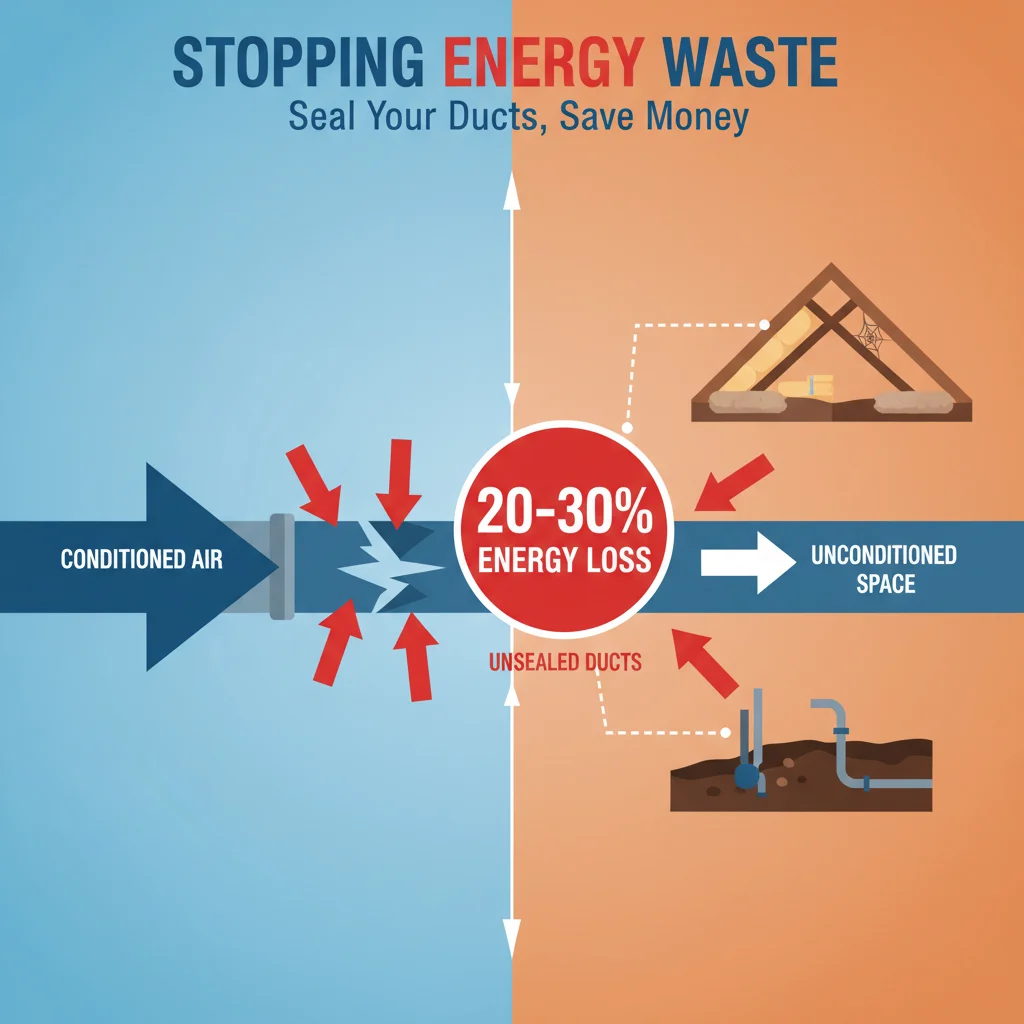
Imagine pouring water into a bucket full of holes and expecting it to stay full. That’s essentially what happens when conditioned air from your HVAC system travels through unsealed ducts. The air, whether heated in winter or cooled in summer, escapes into unconditioned spaces like attics, crawl spaces, or wall cavities before it ever reaches your living areas. This phenomenon is known as air leakage, and it’s a far more common problem than most homeowners realize. The Department of Energy estimates that in a typical house, about 20 to 30 percent of the air that moves through the duct system is lost due to leaks, holes, and poorly connected ducts. For many households, this translates directly to hundreds of dollars in wasted energy every year.
This substantial energy loss has several compounding effects. Firstly, your HVAC system has to run for longer periods to compensate for the lost air, leading to increased electricity or gas consumption. This directly inflates your monthly utility bills. Secondly, the constant overworking puts extra strain on your HVAC equipment, accelerating wear and tear and potentially leading to more frequent repairs or even premature system replacement. Considering the significant investment an HVAC system represents, anything that shortens its lifespan or increases its maintenance costs is a considerable financial drawback. Thirdly, the uneven distribution of conditioned air can lead to hot and cold spots throughout your home, diminishing overall comfort and prompting residents to adjust thermostats further, exacerbating the energy waste.
Beyond the direct financial drain, unsealed ducts can also compromise indoor air quality. Leaks in the return ductwork can pull in dust, allergens, moisture, and even hazardous fumes from unconditioned spaces into your home’s air supply. This can exacerbate allergies, asthma, and other respiratory issues, creating a less healthy living environment. Therefore, addressing duct leakage through effective duct sealing benefits extends beyond mere energy savings; it’s an investment in your home’s health and the well-being of its occupants. The financial implications are clear: ignoring leaky ducts is akin to leaving a window open while running your air conditioning or heating, but with the added detriment of potential air quality issues.
2026 Standards and the Growing Importance of Duct Sealing
As we navigate 2026, energy efficiency standards for residential and commercial buildings are becoming increasingly stringent. Governments and regulatory bodies worldwide are pushing for greater sustainability, and this includes a heightened focus on building envelopes and HVAC system performance. While specific regulations can vary by region, the general trend points towards a greater emphasis on minimizing energy waste, and duct sealing is emerging as a non-negotiable component of achieving these targets. New construction guidelines often mandate strict duct leakage tests, and existing homes are increasingly being incentivized to undergo energy audits that highlight the need for duct improvements.
Homeowners in 2026 are not just seeing rising utility costs; they are also becoming more aware of their carbon footprint and the environmental impact of their energy consumption. This growing awareness, coupled with financial pressures, makes solutions like duct sealing benefits more attractive than ever. Rebate programs, tax incentives, and financing options are often available for energy-efficiency upgrades, including duct sealing, further reducing the upfront cost and accelerating the return on investment. Staying ahead of these trends and proactively addressing energy inefficiencies like leaky ducts can not only save money but also increase your home’s market value and appeal, particularly to environmentally conscious buyers.
The technologies used in duct sealing have also advanced significantly. Gone are the days of merely patching visible holes with duct tape – a temporary and often ineffective solution. Modern professional duct sealing involves sophisticated techniques and materials, such as aerosol-based sealants that can find and seal leaks from the inside out, or high-grade mastic sealants and specialized tapes designed for long-term durability. These advancements ensure a more thorough and lasting seal, guaranteeing the promised energy savings and improved indoor air quality for years to come. In 2026, professional duct sealing benefits are not just about compliance; they are about leveraging modern solutions for maximum efficiency and long-term home performance.
The Tangible Financial Impact: Saving 20-30% on HVAC Energy Costs
Let’s get down to the numbers. The claim that duct sealing can save 20-30% on HVAC energy costs is not an exaggeration; it’s a well-documented fact supported by numerous energy efficiency studies and real-world case studies. To understand the magnitude of this saving, consider your annual heating and cooling expenses. For an average American household, these costs can easily range from $1,000 to over $2,000 per year, depending on climate, home size, and existing insulation levels. A 20-30% reduction means annual savings of $200 to $600 or more, year after year. Over the lifespan of your HVAC system, which can be 10-15 years, these savings accumulate to thousands of dollars.
For example, if your annual HVAC energy bill is $1,500, a 25% saving translates to $375 per year. Over 10 years, that’s $3,750 in your pocket instead of going to the utility company. When you factor in the potential for reduced maintenance costs and an extended lifespan for your HVAC unit due to less strain, the overall financial return on investment for professional duct sealing benefits becomes even more compelling. This isn’t a one-time saving; it’s a continuous benefit that improves your home’s financial health for the long haul. Moreover, these savings can offset the initial cost of the sealing service relatively quickly, often within a few years, making it an investment with a clear and attractive payback period.
Beyond direct utility bill reductions, there’s also the aspect of increased home value. As energy efficiency becomes a more significant selling point for prospective homebuyers, a home with a professionally sealed duct system and documented energy savings can command a higher market price. Energy-efficient homes are increasingly seen as more desirable and future-proof investments. Therefore, the financial impact of duct sealing benefits extends beyond immediate savings, contributing to the overall asset value of your property. It’s a strategic upgrade that pays dividends in multiple ways, both in the short and long term, making it an indispensable part of home maintenance in 2026.
Beyond Savings: The Multifaceted Benefits of Duct Sealing
While the financial savings are a primary driver for considering duct sealing, the benefits extend far beyond your utility bill. Professional duct sealing benefits contribute significantly to overall home comfort, indoor air quality, and the longevity of your HVAC system, creating a healthier and more enjoyable living environment.
Enhanced Home Comfort
One of the most immediate and noticeable benefits of sealed ducts is improved comfort. By preventing conditioned air from escaping and unconditioned air from entering, duct sealing ensures that heated or cooled air is delivered effectively to every room. This eliminates hot and cold spots, leading to more consistent temperatures throughout your home. No more shivering in one room while sweating in another! Your thermostat settings will more accurately reflect the actual temperature in your living spaces, leading to a truly comfortable and evenly regulated indoor environment. This consistent comfort means less fiddling with the thermostat and a more pleasant living experience for everyone.
Improved Indoor Air Quality (IAQ)
As mentioned earlier, leaky ducts can act as pathways for dust, allergens, mold spores, pet dander, and even insulation fibers from attics, crawl spaces, and wall cavities to enter your home’s air supply. This can significantly diminish indoor air quality, leading to respiratory issues, allergies, and general discomfort. By sealing these leaks, you effectively create a closed system, preventing the infiltration of these contaminants. This results in cleaner, healthier air circulating throughout your home, which is particularly beneficial for individuals with allergies, asthma, or other respiratory sensitivities. The positive impact of improved IAQ on health and well-being is invaluable and often underestimated as a key one of the duct sealing benefits.
Extended HVAC System Lifespan and Reduced Maintenance
When ducts leak, your HVAC system has to work harder and run longer to achieve and maintain the desired temperature. This constant overexertion puts undue stress on critical components like the compressor, fan motor, and heat exchanger. Over time, this increased workload can lead to premature wear and tear, necessitating more frequent repairs and potentially shortening the overall lifespan of your expensive HVAC unit. By ensuring that your ductwork is properly sealed, your HVAC system can operate more efficiently, with less strain. This not only reduces the likelihood of breakdowns and costly repairs but also extends the life of your equipment, delaying the need for a full system replacement. This longevity is a significant, often overlooked, financial advantage among the various duct sealing benefits.
Environmental Responsibility
Reducing energy consumption directly translates to a smaller carbon footprint. When your HVAC system uses less energy, it means less demand on power plants, which often rely on fossil fuels. By investing in duct sealing, you are actively contributing to environmental conservation and helping to combat climate change. This aspect of duct sealing benefits aligns with the growing global emphasis on sustainability and makes your home a more environmentally friendly dwelling.

The Duct Sealing Process: What to Expect in 2026
Understanding the process of professional duct sealing can help homeowners appreciate the value and expertise involved. While DIY attempts might offer minor improvements, achieving the 20-30% energy savings typically requires professional intervention and specialized techniques. Here’s a general overview of what to expect:
1. Initial Inspection and Energy Audit
A reputable HVAC professional will typically start with a thorough inspection of your existing ductwork. This often includes a visual assessment for obvious gaps and disconnections, as well as more advanced diagnostic tests like a blower door test with duct blaster or thermal imaging. These tools help pinpoint exactly where the leaks are occurring and quantify the extent of air loss. This initial audit is crucial for understanding your specific needs and providing an accurate estimate of potential savings and the scope of work. It helps identify all areas where duct sealing benefits can be maximized.
2. Cleaning and Preparation
Before sealing can begin, the ducts may need to be cleaned, especially if there’s significant dust or debris accumulation. This ensures that the sealing materials adhere properly and effectively. Any old, failing tape or sealant will also be removed to prepare the surfaces for the new, durable sealing application.
3. Sealing Techniques and Materials
Modern professional duct sealing employs a variety of effective techniques and materials:
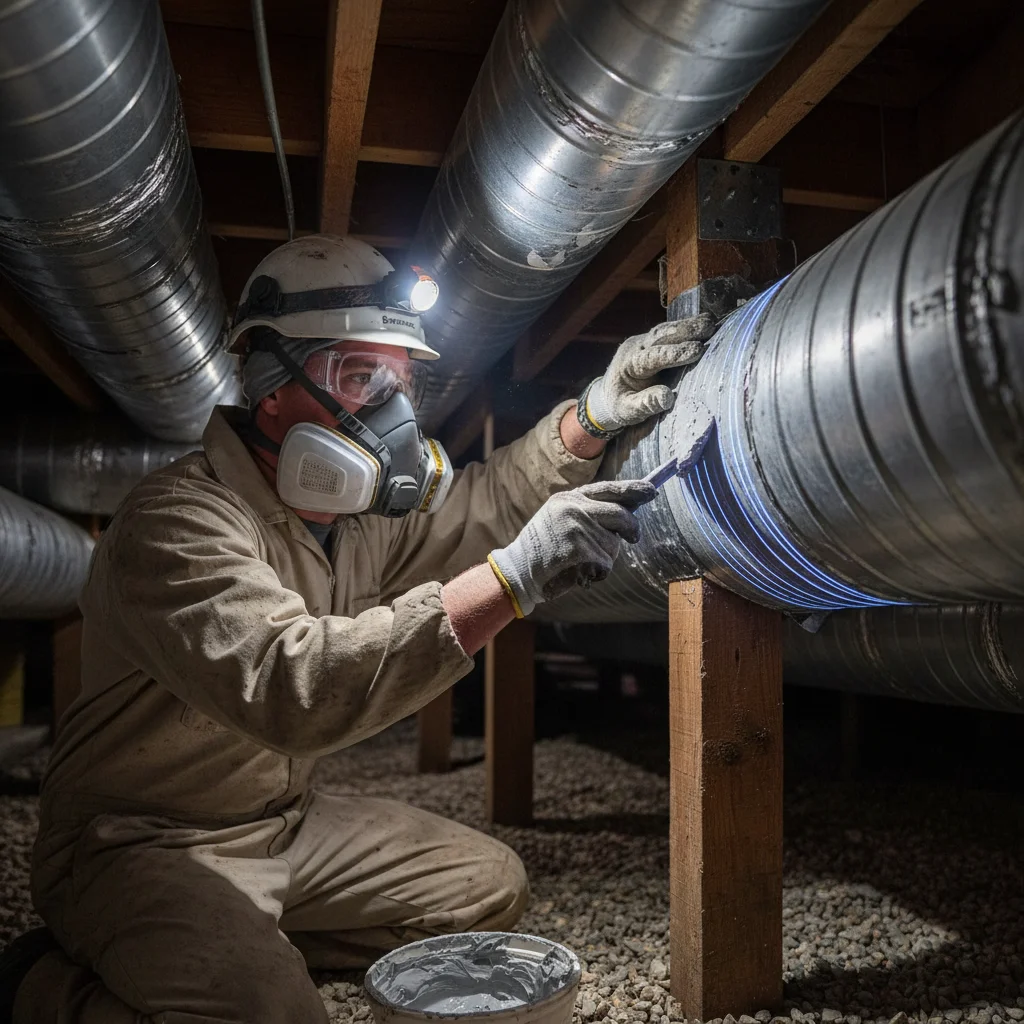
- Mastic Sealant: This thick, paste-like material is applied directly over seams, joints, and holes. Once cured, mastic creates a flexible, durable, and airtight seal that can last for decades. It’s highly effective for larger gaps and irregular surfaces.
- Specialized Foils and Tapes: Unlike standard duct tape, professional-grade foil tapes are designed for HVAC applications, offering superior adhesion and temperature resistance. They are often used in conjunction with mastic for added reinforcement on seams and connections.
- Aerosol-Based Sealants: For hard-to-reach leaks within the duct system, some professionals use aerosol sealing technology. This involves injecting a polymer sealant into the ductwork under pressure. The sealant particles are drawn to the leaks, where they accumulate and seal the openings from the inside. This method is particularly effective for sealing numerous small leaks that might be missed by manual inspection.
The choice of method depends on the specific characteristics of your ductwork and the nature of the leaks. A combination of these techniques is often used to ensure comprehensive sealing and maximize the duct sealing benefits.
4. Post-Sealing Verification
After the sealing process is complete, a professional will often conduct a post-sealing test, similar to the initial audit, to verify the effectiveness of the work. This test measures the reduction in air leakage, providing tangible proof of the improvement and confirming that the promised duct sealing benefits have been achieved. This step offers peace of mind and ensures that your investment has paid off in terms of improved airtightness.
Choosing the Right Professional for Duct Sealing
The success and longevity of your duct sealing project heavily depend on the expertise of the professionals you hire. Not all HVAC companies offer the same level of specialization in duct sealing. When seeking a contractor, consider the following:
- Experience and Certification: Look for companies with a proven track record in energy efficiency and duct diagnostics. Certifications from organizations like NATE (North American Technician Excellence) or BPI (Building Performance Institute) indicate a high level of training and knowledge.
- Comprehensive Assessment: A good contractor will perform a thorough energy audit, including diagnostic tests, to accurately identify problem areas and quantify leakage before quoting the work. Be wary of those who offer a quick fix without a proper assessment.
- Material Quality: Inquire about the types of sealants and tapes they use. Ensure they are using high-quality, long-lasting materials specifically designed for HVAC applications, not just generic hardware store products.
- Guarantees and Warranties: A reputable company will stand behind its work. Ask about warranties on their sealing services and the durability of the materials used.
- References and Reviews: Check online reviews and ask for references from previous clients to gauge customer satisfaction and the effectiveness of their services.
Investing in professional duct sealing benefits is a smart move for any homeowner in 2026. By choosing a qualified professional, you ensure that the job is done right, maximizing your energy savings, improving your home’s comfort and air quality, and extending the life of your HVAC system.
DIY vs. Professional Duct Sealing: Understanding the Limitations
Many homeowners might be tempted to tackle duct sealing as a DIY project to save on labor costs. While some minor, easily accessible leaks can be patched by a handy homeowner, achieving the significant 20-30% energy savings typically requires professional expertise and specialized equipment. Here’s why:
Accessibility Issues
Much of your home’s ductwork is located in hard-to-reach places: attics, crawl spaces, basements, and within walls and ceilings. These areas are often cramped, dusty, and sometimes hazardous. Professionals have the right tools, safety equipment, and experience to navigate these spaces safely and effectively. Reaching and properly sealing all leaks, especially those hidden from view, is incredibly challenging for a DIY enthusiast.
Identifying All Leaks
Visible gaps and disconnected sections are easy to spot. However, many leaks are small pinholes, cracks, or loose connections that are not immediately obvious. Professional contractors use diagnostic tools like duct blasters and thermal cameras to pressurize the duct system and precisely locate even the smallest leaks. Without these tools, a DIY approach will likely miss a significant portion of the leaks, leading to incomplete sealing and suboptimal results. This means you won’t fully realize the potential duct sealing benefits.
Using the Right Materials and Techniques
As discussed, modern duct sealing uses specific materials like mastic sealant and professional-grade foil tapes, which are far superior to standard duct tape (which quickly degrades and loses adhesion). Applying these materials correctly requires skill and knowledge. For instance, mastic needs to be applied in a specific manner to create a lasting, airtight seal. Improper application can lead to a seal that fails prematurely, negating your efforts and investment. Aerosol sealing, a highly effective method for internal leaks, is exclusively a professional service.
Ensuring a Lasting Seal
A professional seal is designed for longevity, often lasting for the life of the ductwork itself. DIY attempts, especially without the right materials or techniques, often result in seals that degrade quickly, requiring frequent re-application. This can lead to frustration and ultimately cost more in the long run than a single professional service. The long-term duct sealing benefits are best secured through expert work.
Safety Considerations
Working in attics and crawl spaces can expose you to insulation fibers, mold, pests, and extreme temperatures. There’s also the risk of falls or electrical hazards. Professionals are trained in safety protocols and equipped with personal protective equipment (PPE) to minimize these risks. For these reasons, while a DIY approach might save some initial money, the comprehensive, long-lasting, and safe solution for maximizing duct sealing benefits is almost always found with a qualified professional.
Conclusion: Make Duct Sealing a Priority in 2026
As we’ve explored, the decision to invest in professional duct sealing in 2026 is far more than a simple home improvement; it’s a strategic move towards a more energy-efficient, comfortable, and financially sound home. The statistics are clear: losing 20-30% of your conditioned air through leaky ducts is an unsustainable drain on your resources, leading to inflated utility bills, reduced HVAC lifespan, and compromised indoor air quality. The financial impact alone, with potential annual savings of hundreds of dollars, makes the return on investment compelling and swift.
Beyond the immediate financial relief, the multifaceted duct sealing benefits extend to a more comfortable living environment free from hot and cold spots, significantly improved indoor air quality that safeguards your family’s health, and a reduced environmental footprint. As energy standards tighten and awareness of sustainable living grows, a well-sealed duct system will not only optimize your current living experience but also enhance your home’s long-term value and appeal.
Don’t let your hard-earned money literally escape through the cracks. In 2026, make professional duct sealing a priority for your home. Consult with a certified HVAC professional to assess your ductwork, understand your specific energy loss, and implement a durable, effective sealing solution. Embrace the significant duct sealing benefits and transform your home into a beacon of efficiency, comfort, and sustainability for years to come.