The Future of Residential Solar: Innovations & Trends (2025-2030)
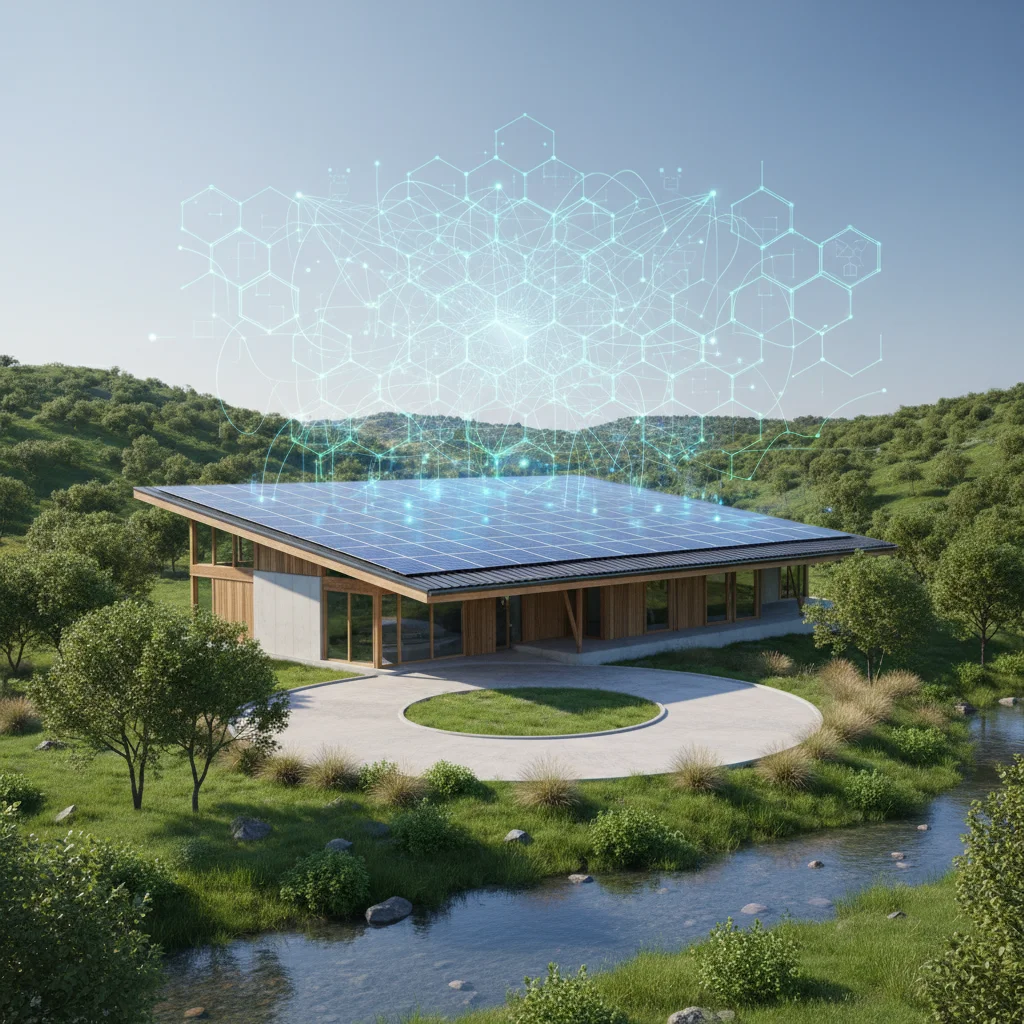
The sun, an inexhaustible source of energy, has been a beacon of hope for a sustainable future. For decades, solar power has been steadily gaining traction, but the next five years promise to be a period of unprecedented acceleration and transformation for residential solar. We are on the cusp of a revolution where homes will not just consume energy but actively produce, store, and intelligently manage it. This article delves deep into the fascinating world of the Future Residential Solar, exploring the groundbreaking trends and innovations that will redefine home energy as we know it between 2025 and 2030.
The global push towards decarbonization, coupled with rapidly advancing technology and supportive government policies, is creating a fertile ground for solar to flourish. Homeowners are increasingly seeking energy independence, lower utility bills, and a reduced carbon footprint, making residential solar an increasingly attractive and viable option. But what exactly does this future hold? Let’s unpack the key drivers and emerging technologies that will shape the residential solar landscape.
The Current Landscape: A Foundation for Growth
Before we project into the future, it’s essential to understand where we stand today. Residential solar installations have seen consistent growth, driven by decreasing panel costs, improved efficiency, and various incentives. However, challenges such as intermittency, grid integration complexities, and initial investment costs still exist. The innovations we’ll discuss are primarily aimed at addressing these very challenges, paving the way for a more robust and accessible solar ecosystem.
Current residential solar systems typically consist of photovoltaic (PV) panels, an inverter to convert DC to AC electricity, and often a net metering agreement with the utility. While effective, these systems are continually being refined. The Future Residential Solar will build upon this foundation, integrating more sophisticated components and intelligent controls to optimize performance and user experience.
Trend 1: Exponential Efficiency Gains and Aesthetic Integration
One of the most significant advancements in the Future Residential Solar will be the continued and rapid increase in solar panel efficiency. Traditional silicon-based panels are already highly efficient, but research and development are pushing the boundaries even further. Expect to see commercially viable panels exceeding 25-30% efficiency in the residential market.
Perovskite Solar Cells and Tandem Architectures
Perovskite solar cells are emerging as a game-changer. These materials offer high efficiency, flexibility, and potentially lower manufacturing costs. When used in tandem with traditional silicon cells, they can capture a broader spectrum of sunlight, significantly boosting overall efficiency. This tandem technology is expected to reach the residential market within the next five years, offering homeowners more power generation from smaller roof footprints.
Building-Integrated Photovoltaics (BIPV)
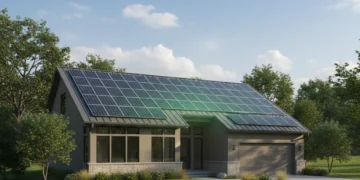
The aesthetic appeal of solar panels has historically been a consideration for some homeowners. The Future Residential Solar will increasingly feature Building-Integrated Photovoltaics (BIPV). This technology seamlessly integrates solar cells into building materials such as roof tiles, shingles, facades, and even windows. Imagine a roof that looks like a conventional roof but quietly generates electricity, or windows that tint and produce power. BIPV will make solar an invisible yet powerful component of home design, enhancing curb appeal while delivering clean energy.
These aesthetically pleasing solutions will remove a major barrier for homeowners who prioritize design, allowing solar to become a standard architectural element rather than an add-on. The development of flexible and transparent solar films will further expand BIPV applications, turning almost any surface into an energy generator.
Trend 2: Advanced Energy Storage Solutions
The intermittency of solar power – the sun doesn’t always shine – has been a primary challenge. Energy storage, particularly battery storage, is the lynchpin of the Future Residential Solar. While home batteries are already available, the next five years will see remarkable improvements in their capacity, cost, safety, and longevity.
Lithium-Ion Evolution and Beyond
Lithium-ion batteries will continue to dominate the market, but expect significant advancements. Denser chemistries will lead to smaller, more powerful batteries. Furthermore, research into solid-state batteries promises even greater safety, faster charging, and longer lifespans, potentially revolutionizing home energy storage by 2030. These advancements will make off-grid living more feasible and enhance grid resilience for connected homes.
Flow Batteries and Alternative Chemistries
Beyond lithium-ion, alternative battery technologies like flow batteries, which store energy in liquid electrolytes, are gaining traction for stationary storage. While currently more suited for larger-scale applications, smaller, more affordable versions could enter the residential market, offering longer discharge durations and potentially safer operations compared to some lithium-ion chemistries. The diversity in storage options will allow homeowners to choose solutions best suited to their specific energy needs and budget.
Vehicle-to-Home (V2H) and Vehicle-to-Grid (V2G) Integration
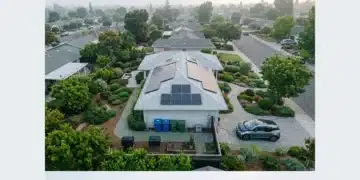
Electric Vehicles (EVs) are essentially large batteries on wheels. The Future Residential Solar will see seamless integration of EVs into home energy systems. V2H technology will allow EVs to power homes during outages or peak demand, turning them into mobile energy storage units. V2G takes this a step further, enabling EVs to feed excess energy back to the grid, contributing to grid stability and potentially earning revenue for homeowners. This bidirectional energy flow will blur the lines between transportation and home energy, creating a more interconnected and resilient system.
Trend 3: Smart Energy Management and AI Integration
The true intelligence of the Future Residential Solar lies in its ability to manage energy autonomously and efficiently. Artificial Intelligence (AI) and advanced analytics will play a pivotal role in optimizing solar production, consumption, and storage.
AI-Powered Predictive Analytics
AI algorithms will analyze weather patterns, electricity prices, household consumption habits, and solar production forecasts to make intelligent decisions. This means your home energy system will automatically charge your battery when electricity is cheap or solar production is high, and discharge it when prices are high or solar is unavailable. This predictive capability will maximize self-consumption and minimize reliance on the grid, leading to significant cost savings.
Smart Home Integration and IoT
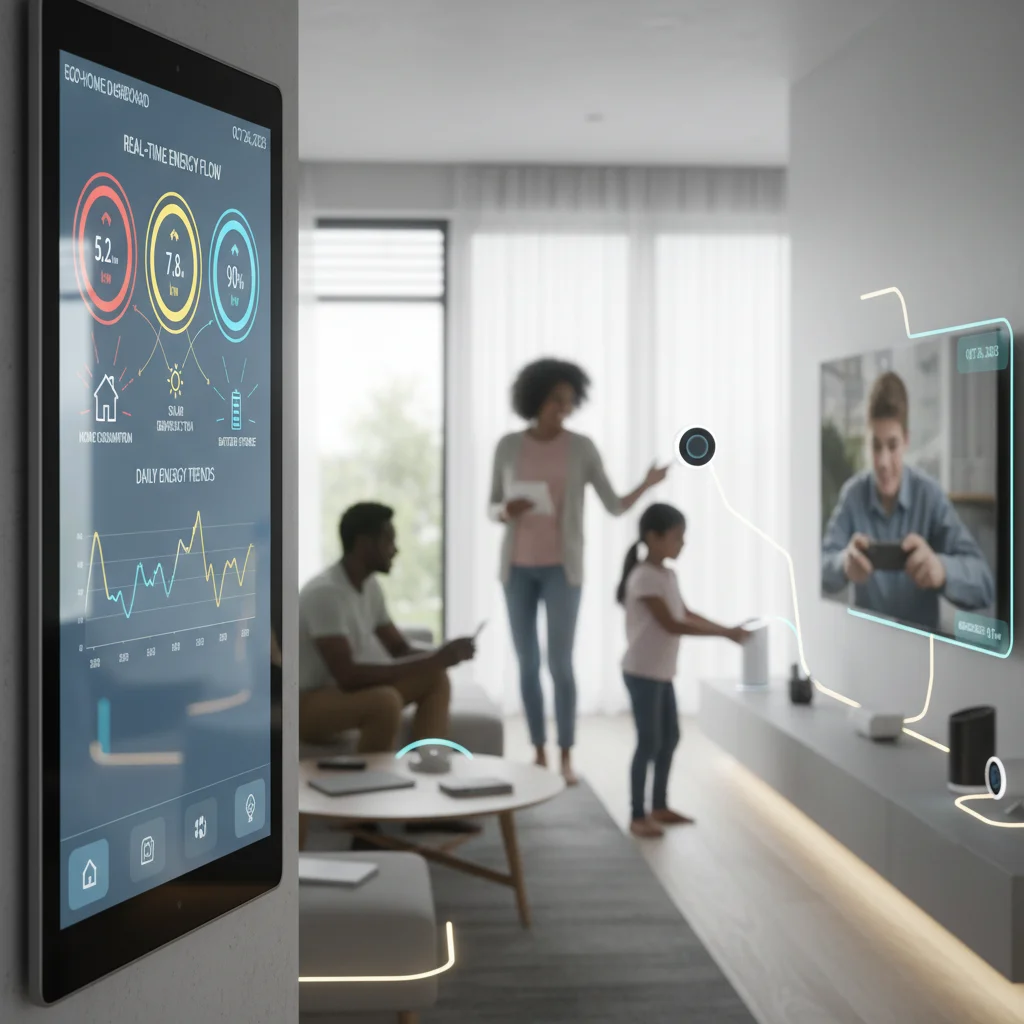
Residential solar systems will become an integral part of the broader smart home ecosystem. Through the Internet of Things (IoT), solar panels, batteries, smart appliances (thermostats, water heaters, EV chargers), and even smart blinds will communicate and coordinate. Imagine your solar system telling your smart thermostat to pre-cool your house when solar production is abundant, or your EV charging preferentially when solar power is at its peak. This holistic approach will create a truly optimized and responsive energy environment.
Virtual Power Plants (VPPs)
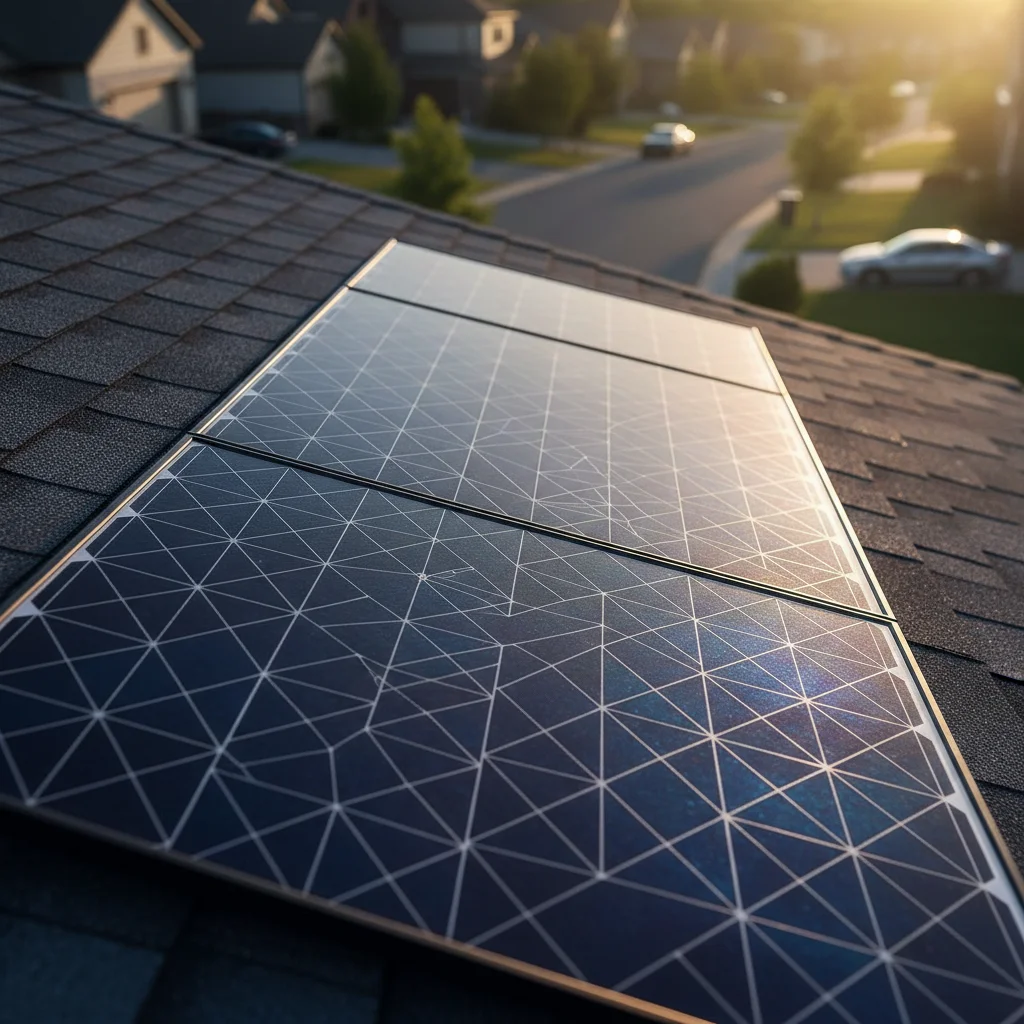
Individual home solar and storage systems will aggregate into Virtual Power Plants (VPPs). These networks of distributed energy resources can collectively act as a single, large power plant, providing services to the grid. Homeowners participating in VPPs can earn revenue by allowing their stored solar energy to be dispatched to the grid during times of high demand or grid instability. This concept transforms individual homes into active participants in the energy market, a key feature of the Future Residential Solar.
Trend 4: Enhanced Grid Interactivity and Resilience
The relationship between residential solar and the traditional grid is evolving from a one-way street to a dynamic, bidirectional partnership. The Future Residential Solar will be characterized by significantly enhanced grid interactivity and resilience.
Microgrids and Community Solar
Beyond individual homes, communities will increasingly adopt microgrids, which are localized grids that can disconnect from the main grid and operate autonomously. Residential solar and storage systems will be foundational components of these microgrids, providing localized power generation and enhancing community resilience during outages. Community solar projects will also gain traction, allowing those without suitable rooftops to benefit from solar energy through shared installations.
Advanced Inverters and Grid Services
Inverters, the brains of a solar system, are becoming increasingly sophisticated. Future inverters will be ‘grid-forming,’ meaning they can operate independently of the main grid and provide essential grid services like voltage and frequency regulation. This capability will make residential solar systems more valuable to utilities, contributing to overall grid stability and allowing for higher penetration of renewable energy.
Cybersecurity for Distributed Energy Resources
As residential solar systems become more interconnected and intelligent, cybersecurity will be paramount. Robust security protocols will be integrated into hardware and software to protect against cyber threats, ensuring the reliability and integrity of the distributed energy network. This focus on security is crucial for maintaining trust and facilitating widespread adoption of advanced solar technologies.
Trend 5: Accessibility and Affordability
While technological advancements are exciting, their true impact lies in their accessibility and affordability. The Future Residential Solar aims to make solar power a viable option for a much broader demographic.
Declining Costs of Technology
Historically, solar technology has followed a learning curve, with costs decreasing as production scales. This trend is expected to continue for panels, batteries, and inverters. Economies of scale, manufacturing efficiencies, and innovation will drive down the upfront investment, making solar more attainable for average homeowners.
Innovative Financing Models
Beyond direct purchase, new financing models will make solar more accessible. Power Purchase Agreements (PPAs), solar leases, and community solar subscriptions will continue to evolve, offering homeowners options to go solar with little to no upfront cost. Property Assed Clean Energy (PACE) programs and green mortgages will also expand, integrating solar costs into property values and making financing more seamless.
Policy Support and Incentives
Government policies and incentives, such as tax credits, rebates, and net metering programs, will remain crucial drivers. Expect to see continued support for renewable energy at local, state, and federal levels, further incentivizing homeowners to adopt solar. The focus will also shift towards policies that support energy storage and grid modernization, aligning with the advanced capabilities of future residential solar systems.
Challenges on the Horizon for Future Residential Solar
While the outlook is overwhelmingly positive, certain challenges must be addressed for the Future Residential Solar to reach its full potential.
Grid Modernization
The existing electrical grid infrastructure in many regions is aging and not designed for the bidirectional flow of power from millions of distributed energy resources. Significant investment in grid modernization, including smart grid technologies and advanced distribution management systems, will be necessary to accommodate the influx of residential solar and storage.
Regulatory Frameworks
Current regulatory frameworks often lag behind technological advancements. Policies around net metering, interconnection standards, and the value of distributed energy resources need to evolve to fairly compensate homeowners for the services their solar systems provide to the grid. Harmonizing these regulations across different jurisdictions will be key.
Supply Chain and Raw Materials
The rapid growth of solar and battery industries will place increased demand on critical raw materials like silicon, lithium, and rare earth elements. Ensuring sustainable and ethical sourcing, along with developing robust recycling programs for solar panels and batteries, will be vital to prevent supply chain bottlenecks and environmental impact.
Installer Workforce Development
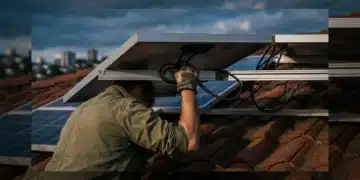
A skilled workforce is essential to install and maintain the growing number of residential solar and storage systems. Investment in training programs and vocational education will be crucial to meet the demand for qualified solar installers, electricians, and energy management specialists.
The Environmental and Economic Impact
The widespread adoption of Future Residential Solar will have profound positive impacts. Environmentally, it will drastically reduce carbon emissions from electricity generation, contributing significantly to climate change mitigation. It will also decrease air and water pollution associated with fossil fuel power plants, leading to improved public health.
Economically, residential solar creates local jobs in manufacturing, installation, sales, and maintenance. It empowers homeowners with greater energy independence, protecting them from volatile energy prices and reducing their monthly utility bills. The ability to sell excess energy back to the grid or participate in VPPs can also create new revenue streams for households.
Furthermore, increased energy resilience at the home and community level means fewer disruptions during extreme weather events or grid failures, translating into economic stability and peace of mind.
Conclusion: A Bright and Empowered Future
The Future Residential Solar is not just about panels on a roof; it’s about a fundamental shift in how we generate, consume, and interact with energy in our homes. The next five years will usher in an era of unprecedented efficiency, intelligence, and accessibility for home solar power. From advanced perovskite cells and seamless BIPV integration to sophisticated AI-driven energy management and robust battery storage, the innovations are poised to transform every aspect of residential energy.
Homeowners will become proactive participants in the energy ecosystem, contributing to a cleaner, more resilient, and more sustainable future. As technology continues to evolve and supportive policies gain momentum, the dream of an energy-independent, zero-carbon home is rapidly becoming a tangible reality. The journey towards a fully solar-powered residential sector is exciting, challenging, and ultimately, incredibly rewarding. Prepare for a future where your home is not just a place to live, but a powerful, intelligent, and sustainable energy hub.