Residential Solar Storage Solutions: A 2026 Guide to Battery Backup
The landscape of home energy is undergoing a profound transformation, driven by advancements in renewable technology and a growing desire for energy independence. As we look towards 2026, residential solar storage solutions are no longer a niche luxury but are rapidly becoming a mainstream necessity. This comprehensive guide will delve into the critical aspects of battery backup systems for solar-powered homes, exploring the latest innovations, economic benefits, environmental impacts, and what homeowners need to consider when investing in these powerful technologies.
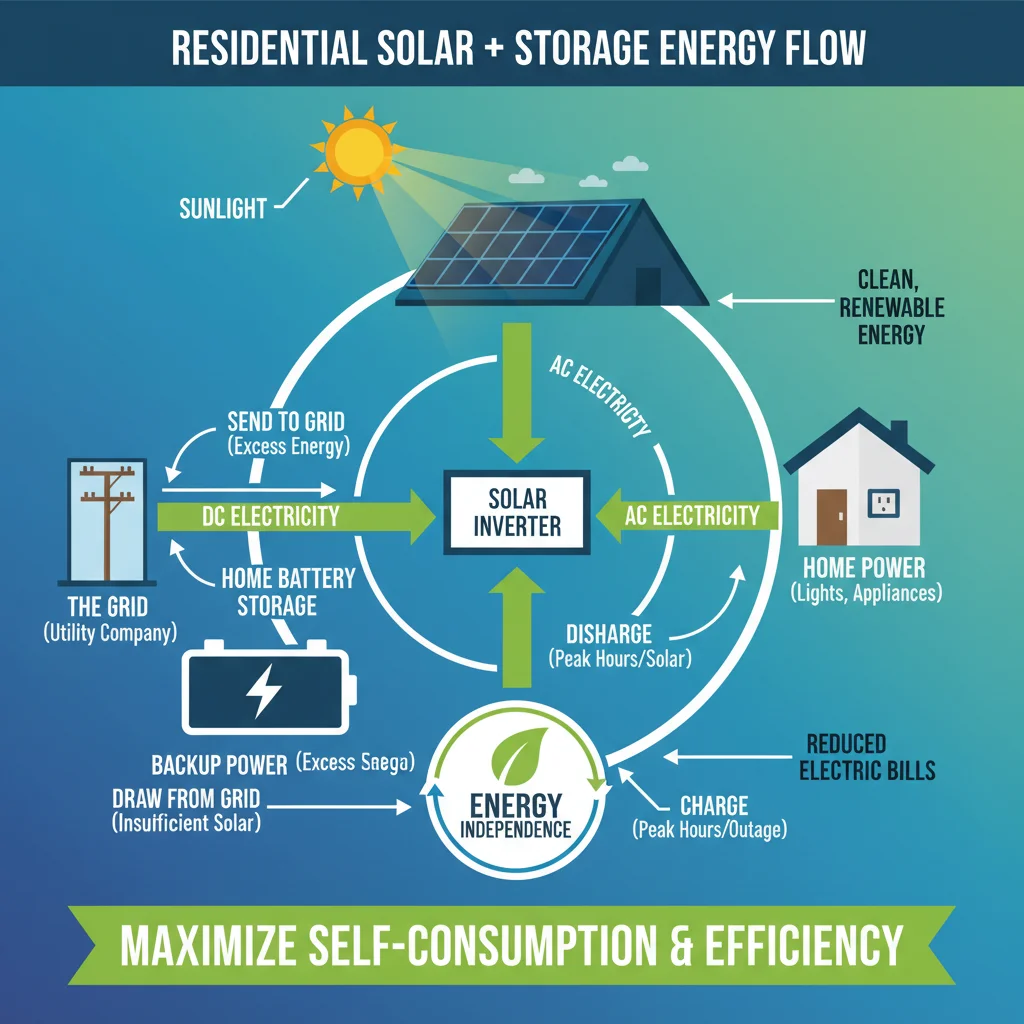
The global energy paradigm is shifting. Fossil fuels, once the bedrock of our power infrastructure, are giving way to cleaner, more sustainable alternatives. Solar energy stands at the forefront of this revolution, offering a reliable and increasingly affordable source of electricity. However, the inherent intermittency of solar power – the sun doesn’t always shine – has historically presented a challenge. This is where residential solar storage comes into play, providing the crucial link between fluctuating solar generation and consistent household demand. By storing excess energy generated during peak sunlight hours, homeowners can utilize it during the evening, on cloudy days, or during grid outages, thus achieving true energy self-sufficiency.
In 2026, the technology behind residential solar storage has matured significantly. Batteries are more efficient, more compact, and more affordable than ever before. This guide aims to equip you with the knowledge needed to navigate this evolving market, make informed decisions, and ultimately harness the full potential of your solar investment. From understanding different battery chemistries to deciphering installation complexities and exploring financial incentives, we will cover everything you need to know to future-proof your home’s energy supply.
The Evolution of Residential Solar Storage: What’s New in 2026?
The past few years have seen remarkable progress in the field of residential solar storage. What was once a nascent technology is now a robust and competitive market. Several key trends define the state of battery backup systems in 2026:
- Increased Energy Density and Efficiency: Modern batteries can store more energy in smaller footprints, making them ideal for residential applications where space might be limited. Improved round-trip efficiency means less energy is lost during charging and discharging cycles.
- Advanced Battery Chemistries: While lithium-ion (Li-ion) remains dominant, advancements in solid-state batteries, flow batteries, and even next-generation lead-acid alternatives are emerging, promising greater safety, longer lifespans, and reduced environmental impact.
- Smarter Energy Management Systems: Integrated AI and machine learning algorithms are optimizing battery usage. These smart systems learn household consumption patterns, predict solar generation, and automatically decide when to charge, discharge, or send excess energy back to the grid, maximizing savings and efficiency.
- Modular and Scalable Designs: Many 2026 residential solar storage systems are designed with modularity in mind, allowing homeowners to expand their storage capacity as their energy needs grow or as budget permits.
- Enhanced Grid Integration and Virtual Power Plants (VPPs): Batteries are no longer just for individual homes. They are increasingly being networked together to form VPPs, allowing homeowners to sell stored energy back to the grid during peak demand, providing grid stability, and generating additional revenue.
These innovations collectively contribute to making residential solar storage more accessible, more powerful, and more financially attractive for a broader range of homeowners. The focus has shifted from simply providing backup power to creating a dynamic, intelligent energy ecosystem within the home.
Why Invest in Residential Solar Storage in 2026? Unpacking the Benefits
The decision to integrate residential solar storage into your home solar system comes with a multitude of compelling advantages. Beyond the immediate benefit of backup power, these systems offer long-term financial, environmental, and practical gains that are increasingly relevant in today’s world.
1. Uninterrupted Power Supply and Grid Resilience
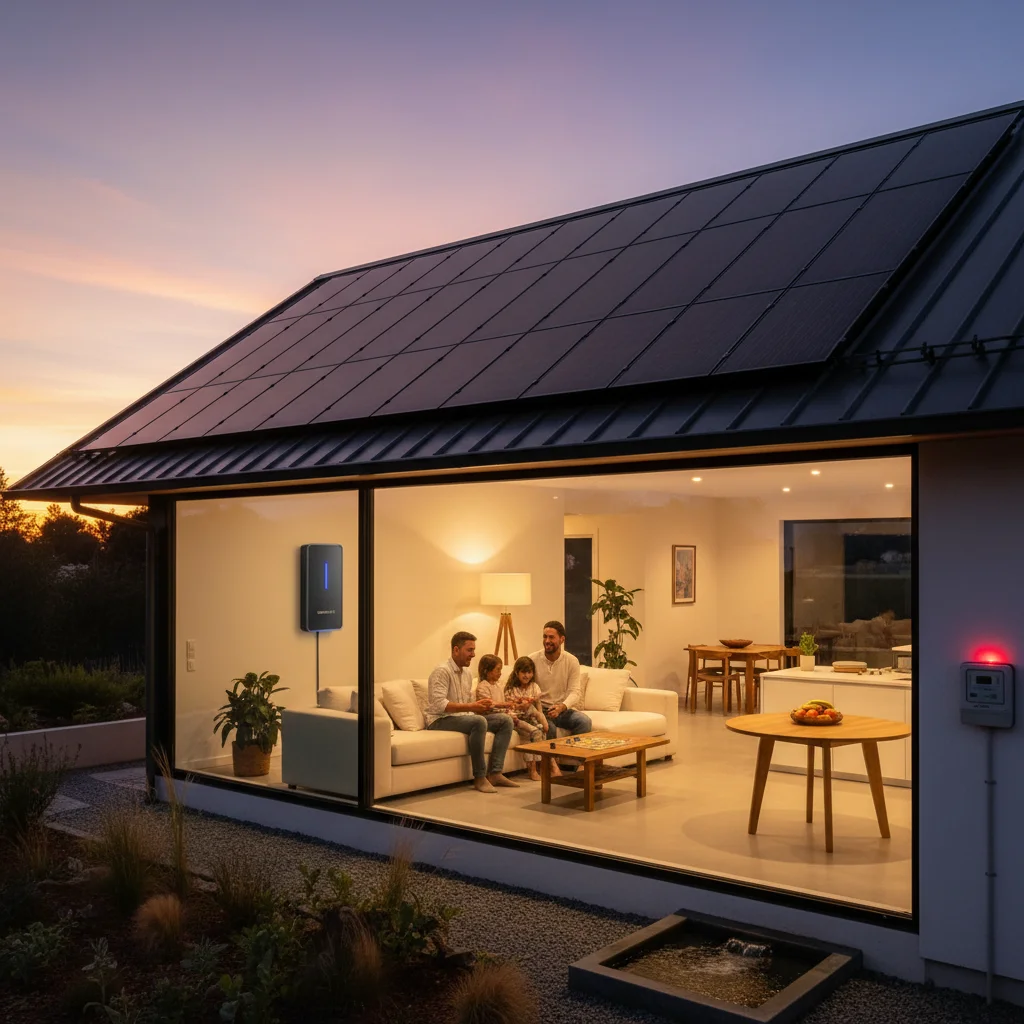
Perhaps the most immediate and tangible benefit of residential solar storage is the peace of mind it offers during power outages. Whether caused by severe weather, infrastructure failures, or unexpected events, grid disruptions can be costly and inconvenient. A well-sized battery backup system ensures that essential appliances, lighting, and communication systems remain operational, providing security and comfort. In 2026, with an increasing frequency of extreme weather events, this resilience is more valuable than ever.
2. Maximizing Solar Self-Consumption
Without battery storage, excess solar energy generated during the day often gets sent back to the grid, sometimes at a less-than-optimal buy-back rate from the utility company (net metering policies vary widely). With residential solar storage, you can store this surplus energy and use it when your solar panels aren’t producing, such as at night or on cloudy days. This significantly increases your self-consumption rate, reducing your reliance on grid electricity and maximizing the economic return on your solar investment.
3. Peak Shaving and Time-of-Use (TOU) Savings
Many utility companies implement Time-of-Use (TOU) rates, where electricity prices are higher during peak demand periods (e.g., late afternoon and evening). Residential solar storage allows you to strategically discharge your battery during these expensive peak hours, drawing stored solar energy instead of costly grid power. This practice, known as peak shaving, can lead to substantial savings on your monthly electricity bill.
4. Energy Independence and Security
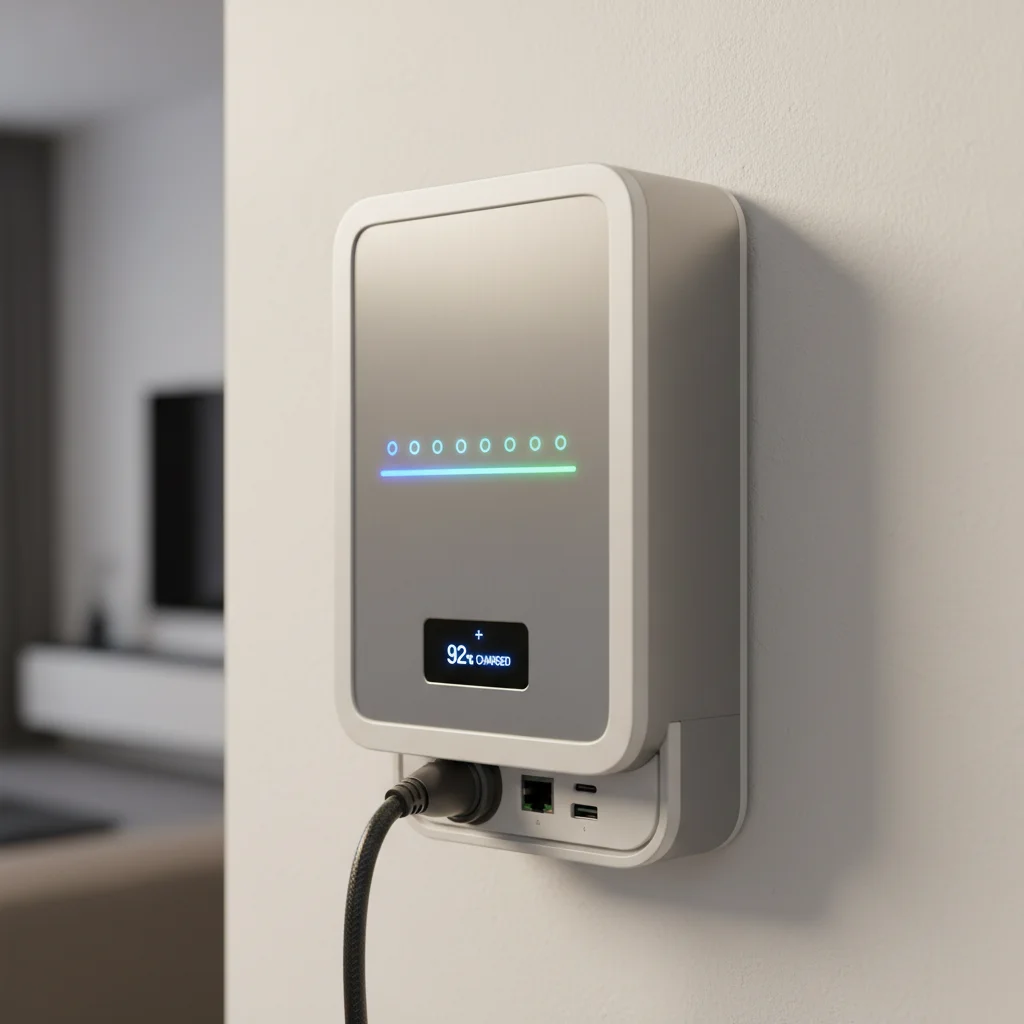
Reducing your dependence on the centralized grid provides a greater sense of control over your energy supply. Residential solar storage contributes significantly to this energy independence, shielding you from fluctuating electricity prices, potential grid instability, and the uncertainties of future energy markets. It’s an investment in your home’s long-term energy security.
5. Environmental Stewardship
By maximizing your use of clean, renewable solar energy and minimizing reliance on fossil-fuel-generated grid power, you significantly reduce your carbon footprint. Residential solar storage amplifies the environmental benefits of solar panels, contributing to a greener planet and a more sustainable future for everyone.
6. Potential for Financial Incentives and Grid Services
In 2026, numerous federal, state, and local incentives exist to encourage the adoption of residential solar storage. These can include tax credits, rebates, and performance-based incentives. Furthermore, as mentioned earlier, some utilities offer programs where homeowners can earn revenue by allowing their batteries to provide grid services, such as frequency regulation or demand response, effectively turning your battery into an income-generating asset.
Key Considerations for Choosing a Residential Solar Storage System in 2026
Selecting the right residential solar storage system requires careful consideration of several factors. The market offers a diverse range of products, and what works best for one homeowner might not be ideal for another. Here’s what to evaluate:
1. Battery Chemistry and Technology
- Lithium-ion (Li-ion): Still the most common choice due to high energy density, long cycle life, and relatively compact size. Variations like LFP (Lithium Iron Phosphate) are gaining popularity for their enhanced safety and longer lifespan.
- Flow Batteries: Emerging technology offering potentially longer lifespans, greater scalability, and inherent safety. However, they are typically larger and have a lower energy density than Li-ion.
- Advanced Lead-Acid: While traditional lead-acid batteries are less common for solar storage, advanced versions (e.g., Absorbent Glass Mat – AGM, Gel) offer a more economical option for some applications, though with shorter lifespans and lower efficiency than Li-ion.
- Solid-State Batteries: A promising next-generation technology offering even higher energy density, faster charging, and improved safety, though largely still in research and development for widespread residential applications in 2026.
Understanding the pros and cons of each chemistry is crucial for long-term performance and safety of your residential solar storage system.
2. Capacity and Power Output
Capacity (kWh): This refers to the total amount of energy the battery can store. Your capacity needs depend on your household’s energy consumption, how long you want to power your home during an outage, and whether you aim for full energy independence or just backup for critical loads.
Power Output (kW): This indicates how much electricity the battery can deliver at any given moment. A higher power output is necessary to run large appliances simultaneously (e.g., air conditioning, electric oven). Ensure the power output matches the peak demand of your essential loads.
3. Depth of Discharge (DoD) and Cycle Life
Depth of Discharge (DoD): This is the percentage of the battery’s total capacity that can be safely used before recharging. Most modern Li-ion batteries allow a high DoD (e.g., 90-100%), meaning you can use almost all the stored energy. Lower DoD generally extends battery life.
Cycle Life: This refers to the number of charge and discharge cycles a battery can undergo before its capacity significantly degrades (typically to 80% of its original capacity). A higher cycle life translates to a longer-lasting battery and better long-term value for your residential solar storage investment.
4. Inverter Compatibility and Integration
Your battery system needs to seamlessly integrate with your existing or new solar inverter. Some batteries come with integrated inverters (AC-coupled), while others require a separate inverter (DC-coupled). Hybrid inverters can manage both solar production and battery storage. Ensure compatibility for optimal system performance.
5. Warranty and Manufacturer Reputation
A strong warranty is vital for a long-term investment like residential solar storage. Look for warranties that cover both capacity retention (e.g., 70-80% capacity after 10 years) and defects. Research the manufacturer’s reputation for reliability, customer service, and longevity in the market.
6. Safety Features and Certifications
Safety is paramount. Ensure the battery system has robust safety features, including thermal management, overcharge/discharge protection, and short-circuit protection. Look for certifications from recognized bodies (e.g., UL, IEC) that attest to the product’s safety standards.
7. Installation and Maintenance Requirements
Consider the physical space required for the battery and its installation location (indoor/outdoor, temperature considerations). Understand the maintenance schedule, though most modern residential solar storage systems are largely maintenance-free.
8. Cost and Return on Investment (ROI)
The upfront cost of a residential solar storage system can be significant, but it’s important to consider the long-term ROI. Factor in potential savings on electricity bills, peak shaving benefits, net metering policies, and any available incentives. A thorough financial analysis can help you understand the payback period and overall economic benefit.
Installation and Integration of Residential Solar Storage Systems
The installation of a residential solar storage system is a complex process that requires expertise. It involves electrical wiring, system programming, and often, coordination with local utility companies for grid connection and permitting. Here’s a general overview of the steps involved:
1. Site Assessment and Design
A qualified installer will assess your home’s energy consumption, existing solar array (if any), electrical panel capacity, and potential battery placement. They will then design a system tailored to your specific needs, considering factors like desired backup duration, critical loads, and budget. This step is crucial for optimizing your residential solar storage performance.
2. Permitting and Interconnection Agreements
Before installation, necessary permits must be obtained from local authorities. If your system will be connected to the grid (which most are), an interconnection agreement with your utility company is also required. This ensures your system complies with safety standards and grid regulations.
3. Electrical Wiring and Component Installation
This involves installing the battery unit, inverter (if not integrated), charge controller, and any necessary wiring to connect the solar panels, battery, and home electrical panel. Critical loads (appliances you want powered during an outage) may be wired to a dedicated sub-panel or directly managed by the battery inverter.
4. System Configuration and Testing
Once physically installed, the system’s software is configured. This includes setting charging/discharging parameters, monitoring preferences, and integrating with smart home energy management systems. Thorough testing is then conducted to ensure all components are functioning correctly and safely.
5. Monitoring and Maintenance
Modern residential solar storage systems come with monitoring platforms that allow homeowners to track energy production, consumption, and battery status in real-time via web or mobile apps. While batteries are generally low-maintenance, regular checks by a professional can ensure optimal performance and longevity.
The Future of Residential Solar Storage: Beyond 2026
The trajectory of residential solar storage indicates an even more dynamic and integrated future. Looking beyond 2026, we can anticipate several exciting developments:
- Greater Affordability: Continued economies of scale, manufacturing improvements, and technological breakthroughs will drive down the cost of batteries, making them accessible to an even wider demographic.
- Enhanced Performance: Expect higher energy densities, faster charging capabilities, and even longer cycle lives from future battery chemistries.
- Widespread Grid Services and VPPs: The role of residential batteries in supporting grid stability will expand dramatically, leading to more opportunities for homeowners to participate in grid services and earn revenue.
- Integration with Electric Vehicles (EVs): Vehicle-to-home (V2H) and vehicle-to-grid (V2G) technologies will become more common, allowing EV batteries to serve as an additional layer of residential solar storage, further blurring the lines between home energy and transportation.
- Decentralized Energy Systems: Homes will increasingly become self-sufficient energy hubs, capable of generating, storing, and even trading energy with neighbors, fostering a more resilient and localized energy infrastructure.
These advancements will cement residential solar storage as an indispensable component of the sustainable home, offering unparalleled energy security, financial benefits, and environmental stewardship.
Conclusion: Powering Your Future with Residential Solar Storage
As we navigate the complexities of the 21st-century energy landscape, residential solar storage stands out as a beacon of innovation and empowerment for homeowners. In 2026, these systems are more than just backup power; they are intelligent energy managers that optimize your solar investment, reduce your utility bills, and provide invaluable peace of mind.
The decision to adopt residential solar storage is a strategic one, aligning with global efforts towards decarbonization while simultaneously enhancing individual energy resilience. By carefully considering the various battery technologies, sizing requirements, financial incentives, and professional installation, homeowners can confidently step into a future where their energy needs are met reliably, sustainably, and independently.
Embrace the power of the sun, store its energy, and secure your home’s energy future with the advanced residential solar storage solutions available today and in the years to come. The journey towards a truly sustainable and self-sufficient home begins with intelligent energy storage.