2026 Homeowner’s Guide: Boost Energy Independence with Solar Battery Storage
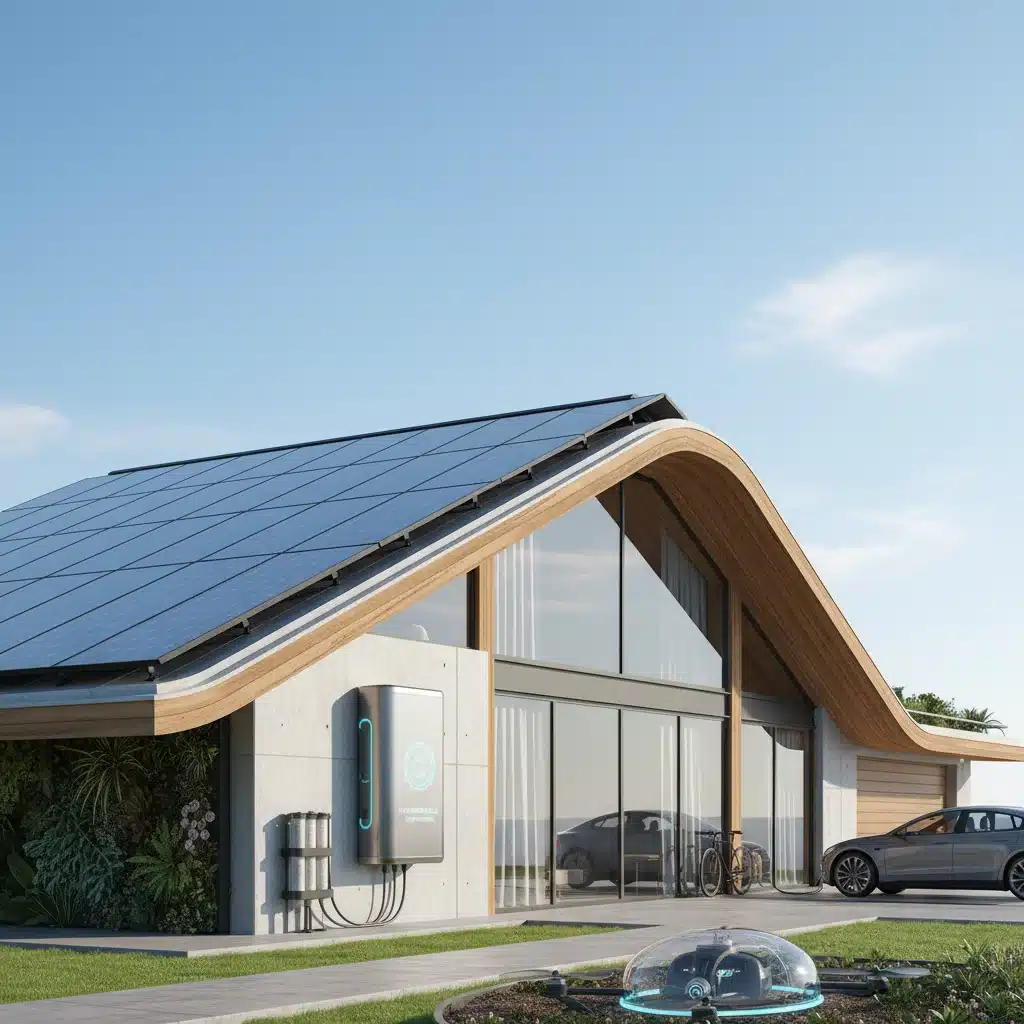
The 2026 Homeowner’s Guide to Integrating Solar Battery Storage: A 15% Increase in Energy Independence
In an era defined by fluctuating energy costs and a growing global commitment to sustainability, the concept of energy independence for homeowners has never been more appealing. As we step into 2026, advancements in renewable energy technology, particularly in solar battery storage, offer unprecedented opportunities for homeowners to take control of their power supply. This comprehensive guide will delve into how integrating solar battery storage can not only reduce your reliance on the grid but also significantly boost your energy independence, potentially by as much as 15% or more.
The promise of solar energy has always been clear: clean, abundant power derived directly from the sun. However, the intermittent nature of solar generation – panels only produce electricity when the sun shines – has historically presented a challenge. This is where solar battery storage systems come into play, acting as a crucial bridge between generation and consumption. By storing excess energy produced during peak sunlight hours, these batteries allow you to use solar power long after the sun has set, during cloudy days, or even during grid outages. For the modern homeowner, this translates to greater resilience, lower electricity bills, and a smaller carbon footprint.
This guide aims to equip you with the knowledge needed to confidently explore, select, and integrate a solar battery storage system into your home. We’ll cover everything from the fundamental principles of how these systems work to the financial incentives available, installation considerations, and future trends that will shape the landscape of home energy in the coming years. Prepare to unlock a new level of energy autonomy for your household.
Understanding Solar Battery Storage: The Heart of Home Energy Independence
At its core, a solar battery storage system is designed to capture and store electrical energy generated by your solar panels for later use. This simple concept has profound implications for how you manage and consume energy in your home. Instead of sending excess solar power back to the grid (often for minimal credit), you can store it locally, ready to be deployed exactly when you need it most.
How Solar Battery Storage Works
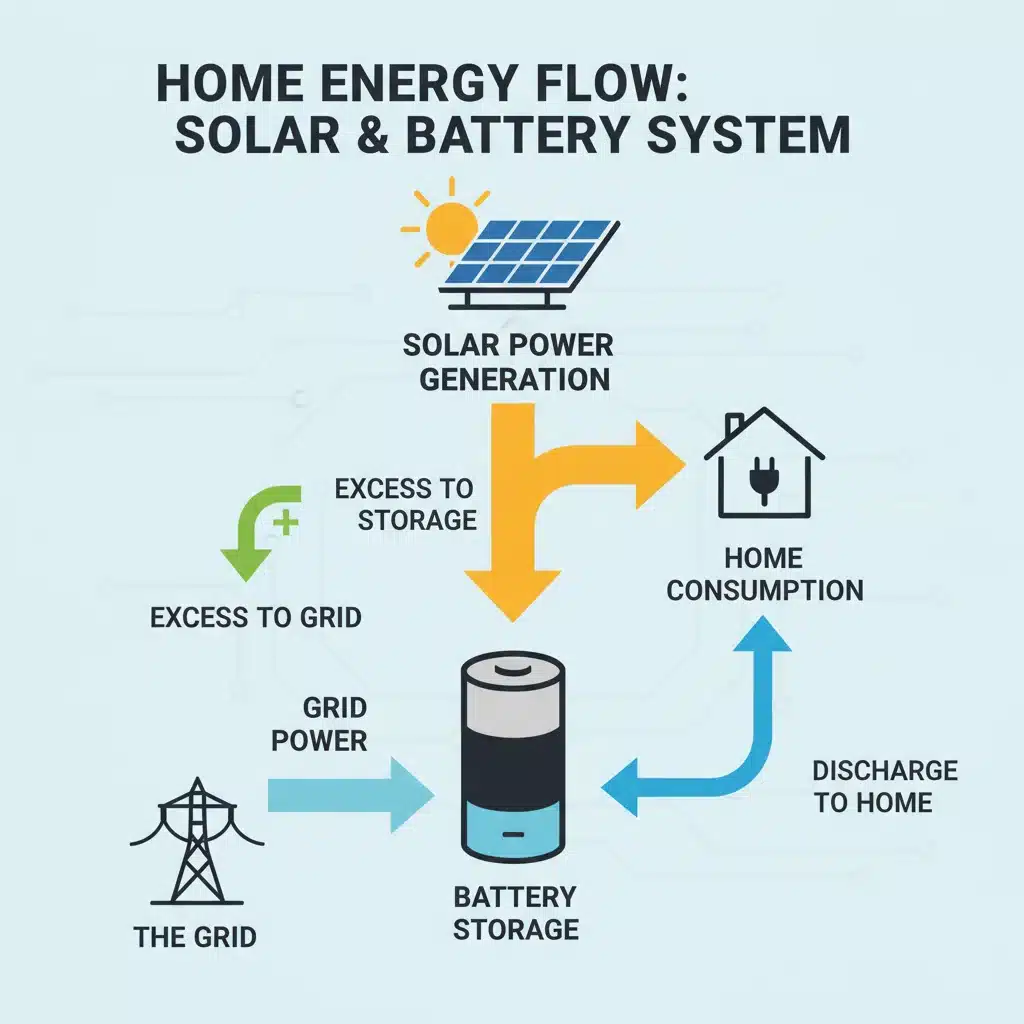
The process is relatively straightforward. When your solar panels generate more electricity than your home is currently consuming, an inverter directs that surplus energy to your battery bank. The battery then holds this charge until your home’s demand exceeds its solar generation (e.g., in the evening, during a power outage, or when electricity rates are higher). At these times, the inverter draws power from the battery to supplement your home’s needs, reducing or eliminating your reliance on grid electricity.
Key Components of a Solar Battery System
- Solar Panels: The primary source of electricity generation.
- Inverter: Converts the direct current (DC) electricity from solar panels and batteries into alternating current (AC) electricity that your home appliances use. Many modern systems use hybrid inverters that manage both solar production and battery charging/discharging.
- Battery Bank: The core storage unit, typically composed of lithium-ion cells, though other chemistries exist.
- Charge Controller: (Often integrated into the inverter) Regulates the voltage and current from the solar panels to the battery, preventing overcharging and optimizing battery life.
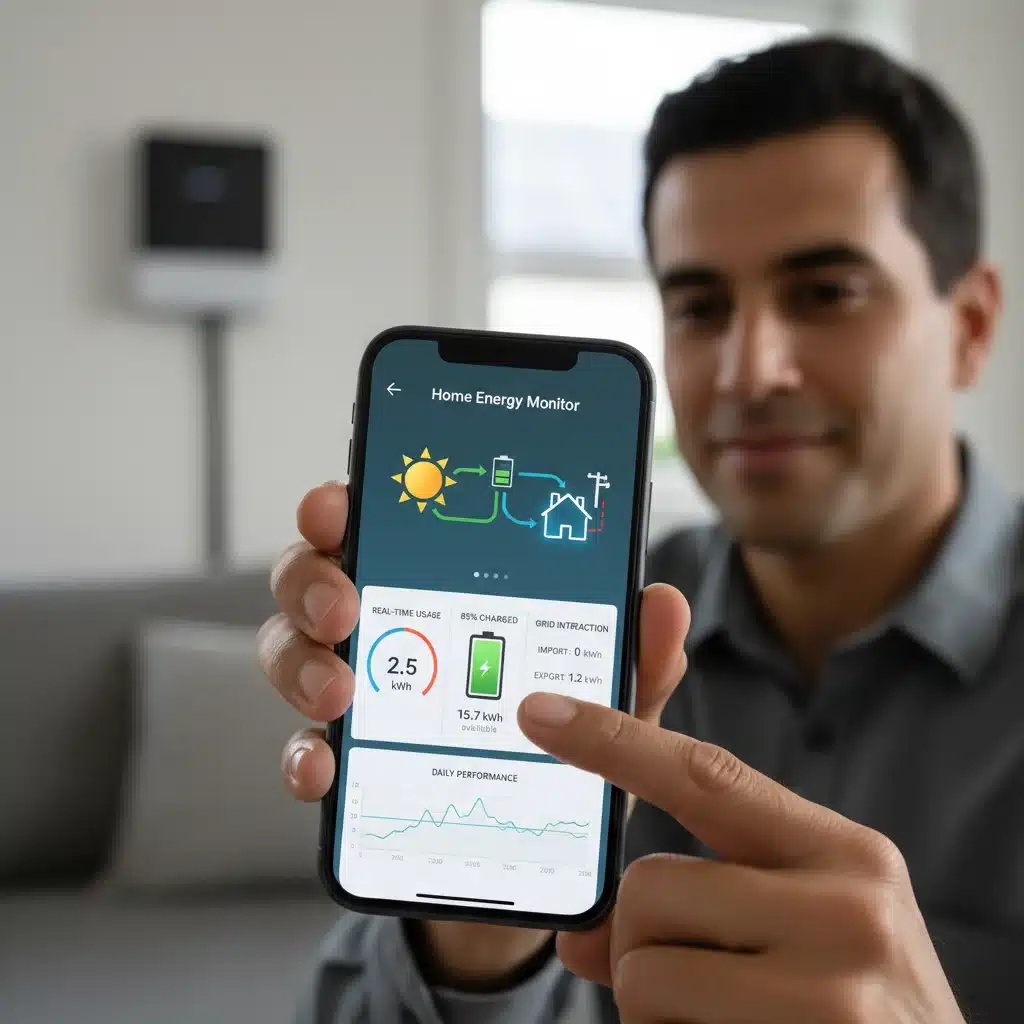
- Monitoring System: Software and hardware that allow you to track energy production, consumption, battery status, and grid interaction in real-time.
Understanding these components is the first step toward appreciating the sophistication and potential of a robust solar battery storage setup. This integrated approach is what allows for the significant increase in energy independence that homeowners are seeking in 2026.
The Tangible Benefits of Integrating Solar Battery Storage
Moving beyond the technicalities, let’s explore the compelling advantages that make solar battery storage a wise investment for homeowners in 2026.
1. Enhanced Energy Independence and Self-Sufficiency
This is arguably the most significant benefit. By storing your own solar power, you become less reliant on the utility grid. This means:
- Reduced Grid Dependence: You’ll draw less electricity from the grid, especially during peak demand times when prices are highest.
- Increased Self-Consumption: You maximize the use of the clean energy your panels produce, rather than sending it back to the grid for potentially low compensation. This directly contributes to the 15% (or more) increase in energy independence.
- Resilience During Outages: A properly sized solar battery storage system can act as a backup power source, keeping essential appliances running during blackouts, providing peace of mind and security.
2. Significant Cost Savings and Financial Incentives
While the initial investment in solar battery storage can be substantial, the long-term savings are considerable:
- Lower Electricity Bills: By consuming your stored solar energy, you reduce the amount of electricity you purchase from the utility, leading to noticeable savings on your monthly bills.
- Time-of-Use (TOU) Rate Optimization: Many utilities charge different rates at different times of the day. Batteries allow you to store cheap solar power and use it during expensive peak hours, effectively ‘arbitraging’ electricity prices.
- Government Incentives and Rebates: In 2026, numerous federal, state, and local incentives are available for solar and solar battery storage installations, including tax credits, grants, and performance-based incentives. These can significantly offset the upfront cost.
3. Environmental Impact and Sustainability
For environmentally conscious homeowners, solar battery storage is a powerful tool:
- Reduced Carbon Footprint: By maximizing your use of renewable solar energy, you decrease your reliance on fossil fuel-generated electricity, contributing to a cleaner environment.
- Support for a Greener Grid: The more homes that adopt solar battery storage, the less strain is placed on the conventional grid, facilitating a smoother transition to a more sustainable energy infrastructure.
4. Smart Home Integration and Energy Management
Modern solar battery storage systems are increasingly smart, offering advanced features:
- Intelligent Energy Management: AI-powered systems can learn your energy consumption patterns and optimize battery charging and discharging for maximum savings and efficiency.
- Remote Monitoring and Control: Most systems come with mobile apps and web portals, allowing you to monitor your energy usage and battery status from anywhere.
These benefits collectively paint a clear picture of why solar battery storage is not just a trend but a fundamental shift in how homeowners approach their energy needs in 2026 and beyond.
Choosing the Right Solar Battery Storage System for Your Home
Selecting the ideal solar battery storage system involves several key considerations. It’s not a one-size-fits-all solution, and careful planning will ensure you get the most out of your investment.
Key Factors to Consider
- Battery Chemistry:
- Lithium-ion (LiFePO4): The most common choice due to high energy density, long cycle life, and efficiency. They are generally more expensive upfront but offer better performance and longevity.
- Lead-Acid: Older technology, less efficient, shorter lifespan, and requires more maintenance. Rarely recommended for new residential solar installations in 2026.
- Flow Batteries: Emerging technology with potential for very long lifespans and scalability, though still less common for residential use.
- Capacity (kWh): This refers to how much energy the battery can store. Your capacity needs depend on your household’s energy consumption, how much solar you generate, and your goals (e.g., full home backup vs. peak shaving). A professional energy audit can help determine this.
- Power Output (kW): This indicates how much electricity the battery can deliver at any given moment. High power output is crucial if you plan to run multiple high-draw appliances simultaneously during an outage.
- Depth of Discharge (DoD): The percentage of the battery’s capacity that can be used without damaging it. Higher DoD (e.g., 90-100% for Li-ion) means more usable energy.
- Cycle Life: The number of charge/discharge cycles a battery can undergo before its capacity significantly degrades. A longer cycle life indicates a longer lifespan for the battery.
- Warranty: Look for comprehensive warranties that cover capacity degradation over a certain period or number of cycles.
- Brand Reputation and Compatibility: Choose reputable manufacturers known for reliability and customer support. Ensure the battery system is compatible with your existing or planned solar inverter.
Popular Solar Battery Storage Brands in 2026
The market for solar battery storage is robust, with several leading manufacturers offering cutting-edge solutions:
- Tesla Powerwall: Known for its sleek design, integrated inverter, and strong brand recognition.
- Enphase Encharge/IQ Battery: Designed to seamlessly integrate with Enphase microinverter systems, offering modularity and robust backup capabilities.
- LG Chem RESU: A reliable option offering various capacities and a proven track record.
- Generac PWRcell: A comprehensive home energy solution that integrates solar, battery storage, and smart energy management.
- FranklinWH: An emerging player offering modular, high-performance home battery solutions with intelligent energy management.
Researching these brands and consulting with certified installers will help you narrow down the best fit for your specific needs and budget, ensuring you get the most out of your solar battery storage investment.
The Installation Process and What to Expect
Once you’ve selected your solar battery storage system, the next step is professional installation. This is a critical phase that requires expertise to ensure safety, efficiency, and compliance with local codes.
Finding a Qualified Installer
This cannot be stressed enough: always work with certified and experienced solar and battery installers. Look for:
- Certifications: NABCEP (North American Board of Certified Energy Practitioners) certification is a strong indicator of expertise.
- Licenses and Insurance: Ensure they are properly licensed and insured in your state/region.
- References and Reviews: Check online reviews and ask for customer references.
- Experience with Battery Systems: Solar panel installation is different from battery installation; ensure they have specific experience with solar battery storage.
- Warranty and Support: Understand their installation warranty and post-installation support.
The Installation Timeline
The entire process, from initial consultation to system activation, can take several weeks to a few months, depending on permitting, equipment availability, and installer schedules. The actual on-site installation of the battery unit itself typically takes 1-3 days, assuming solar panels are already in place.
What to Expect During Installation
- Site Assessment: The installer will evaluate your home’s electrical panel, available space for the battery, and overall energy infrastructure.
- Permitting: Your installer will handle all necessary permits from your local municipality and utility company.
- Mounting: The battery unit will be securely mounted, typically in a garage, basement, or outside on a wall, away from direct sunlight and extreme temperatures.
- Electrical Wiring: The battery will be wired into your home’s electrical panel and connected to your solar inverter. This involves working with high voltages and currents, underscoring the need for professional expertise.
- System Commissioning: Once wired, the system will be tested and activated. The installer will typically walk you through the monitoring system and basic operation.
- Inspections: Local authorities will inspect the installation to ensure it meets all safety and building codes.
A seamless installation is crucial for the long-term performance and safety of your solar battery storage system. Don’t cut corners on this vital step.
Maximizing Your 15% (or More) Energy Independence
Simply installing a solar battery storage system is a great start, but optimizing its use is key to achieving maximum energy independence and savings. In 2026, smart technologies make this easier than ever.
Smart Energy Management Strategies
- Time-of-Use (TOU) Optimization: Program your battery to charge during off-peak hours (if grid power is cheaper) or from solar, and discharge during peak hours when electricity rates are highest. This is a primary driver of financial savings.
- Self-Consumption Maximization: Prioritize using your stored solar energy before drawing from the grid. Many modern battery systems have intelligent algorithms that learn your consumption patterns and optimize this automatically.
- Backup Prioritization: If resilience is a key goal, ensure your essential loads are properly wired to your battery backup circuit, and maintain a minimum charge level for emergencies.
- Load Shifting: If possible, shift high-energy consumption tasks (e.g., running dishwashers, washing machines) to times when your solar panels are producing abundant energy or when grid electricity is cheapest.
Monitoring and Maintenance
Regular monitoring is essential for optimal performance:
- Utilize Monitoring Apps: Most solar battery storage systems come with sophisticated apps that provide real-time data on energy production, consumption, battery charge, and grid interaction. Regularly review this data to understand your energy patterns.
- Software Updates: Ensure your system’s software is always up-to-date. Manufacturers frequently release updates that improve efficiency, add features, and address security vulnerabilities.
- Annual Check-ups: While modern batteries require minimal maintenance, an annual professional check-up can ensure all components are functioning optimally and identify any potential issues early.
- Keep it Clean: If your battery is installed outdoors, ensure it’s kept clean and free from debris that could impede ventilation.
Future Trends in Solar Battery Storage for Homeowners
The landscape of home energy is constantly evolving. Looking ahead from 2026, several trends will further enhance the value and capabilities of solar battery storage.
1. Increased Capacity and Affordability
As manufacturing processes improve and demand grows, we can expect battery capacities to increase while costs continue to decline, making solar battery storage even more accessible to a wider range of homeowners.
2. Vehicle-to-Home (V2H) and Vehicle-to-Grid (V2G) Integration
Electric vehicles (EVs) are essentially large batteries on wheels. Future systems will increasingly allow EVs to act as a temporary home battery (V2H) or even feed power back to the grid (V2G), creating a dynamic and flexible energy ecosystem.
3. Enhanced Grid Services and Virtual Power Plants (VPPs)
Home batteries will play a larger role in supporting the stability of the grid. Through VPPs, aggregated home battery systems can be dispatched by utilities to provide grid services, potentially earning homeowners additional revenue.
4. Advanced AI and Predictive Analytics
Smarter algorithms will leverage weather forecasts, electricity price predictions, and personal consumption habits to optimize battery operation with even greater precision, maximizing both savings and resilience.
5. Broader Energy Ecosystem Integration
Expect seamless integration of solar battery storage with other smart home devices, EV chargers, heat pumps, and smart appliances, creating a holistic and highly efficient home energy ecosystem.
Conclusion: Embrace Your Energy Independent Future with Solar Battery Storage
The year 2026 marks a pivotal moment for homeowners looking to secure their energy future. Integrating solar battery storage is no longer a niche luxury but a practical, financially savvy, and environmentally responsible choice. By understanding the technology, carefully selecting the right system, and optimizing its operation, you can significantly increase your home’s energy independence – easily achieving that 15% boost, and often much more.
Beyond the undeniable financial benefits and the peace of mind that comes with backup power, adopting solar battery storage positions your home at the forefront of sustainable living. You become an active participant in the clean energy revolution, contributing to a more resilient and environmentally friendly power grid for everyone.
Don’t wait for future energy uncertainties. Start your journey towards greater energy independence today. Consult with reputable solar and battery installers, explore the incentives available in your area, and take the decisive step to empower your home with the intelligence and resilience of solar battery storage. Your future self, and the planet, will thank you.