Residential Solar and Home Value: A 2026 Market Analysis
Residential Solar and Home Value: A 2026 Market Analysis
As we navigate further into the 21st century, the integration of sustainable technologies into our daily lives becomes increasingly prevalent. Among these, residential solar energy stands out as a transformative force, not only for its environmental benefits but also for its significant impact on property values. In this comprehensive analysis, we delve into the intricate relationship between residential solar and home value, providing a detailed market outlook for 2026. Understanding this dynamic is crucial for homeowners, prospective buyers, and real estate professionals alike.
The landscape of real estate is constantly evolving, with energy efficiency and sustainability emerging as key drivers of desirability and economic worth. Solar panels, once considered a niche luxury, are now a mainstream enhancement that can substantially boost a home’s market appeal and financial valuation. This article will explore the various facets of this trend, from the initial investment to long-term returns, regulatory frameworks, and consumer perceptions that collectively shape the future of solar-powered homes.
The Current State of Residential Solar in 2026
By 2026, the residential solar market has matured considerably. Technological advancements have led to more efficient, aesthetically pleasing, and affordable solar panel systems. The initial high costs that once deterred many homeowners have been significantly reduced through economies of scale, government incentives, and competitive market dynamics. Furthermore, battery storage solutions have become more accessible, allowing homeowners greater energy independence and resilience against power outages, further enhancing the appeal of solar home value.
The regulatory environment has also played a pivotal role. Many states and municipalities have implemented policies that encourage solar adoption, such as net metering, tax credits, and rebates. These incentives not only make solar more financially viable but also signal a long-term commitment from policymakers towards renewable energy, bolstering consumer confidence. The collective impact of these factors has transformed solar from a futuristic concept into a practical and profitable home improvement.
Technological Advancements and Efficiency Gains
The solar panels of 2026 are far more sophisticated than their predecessors. Efficiency rates have steadily climbed, meaning more electricity can be generated from smaller surface areas. This is particularly beneficial for homes with limited roof space. Advances in inverter technology, particularly microinverters, have improved system performance and reliability, allowing individual panels to operate independently, thus minimizing the impact of shading or panel malfunction on overall system output. These technological leaps directly contribute to the perceived and actual value of a solar-equipped home.
The Rise of Integrated Solar Solutions
Beyond traditional rooftop panels, 2026 sees an increase in integrated solar solutions. Building-integrated photovoltaics (BIPV), where solar cells are seamlessly incorporated into roofing materials, windows, and even facades, are gaining traction. These solutions offer a more discreet and aesthetically pleasing alternative to conventional panels, addressing one of the former hesitations for some homeowners. The visual appeal of a home is a significant factor in its market value, and integrated solar systems enhance this without compromising energy generation capabilities, thereby directly influencing solar home value.
Quantifying the Impact: How Solar Boosts Home Value
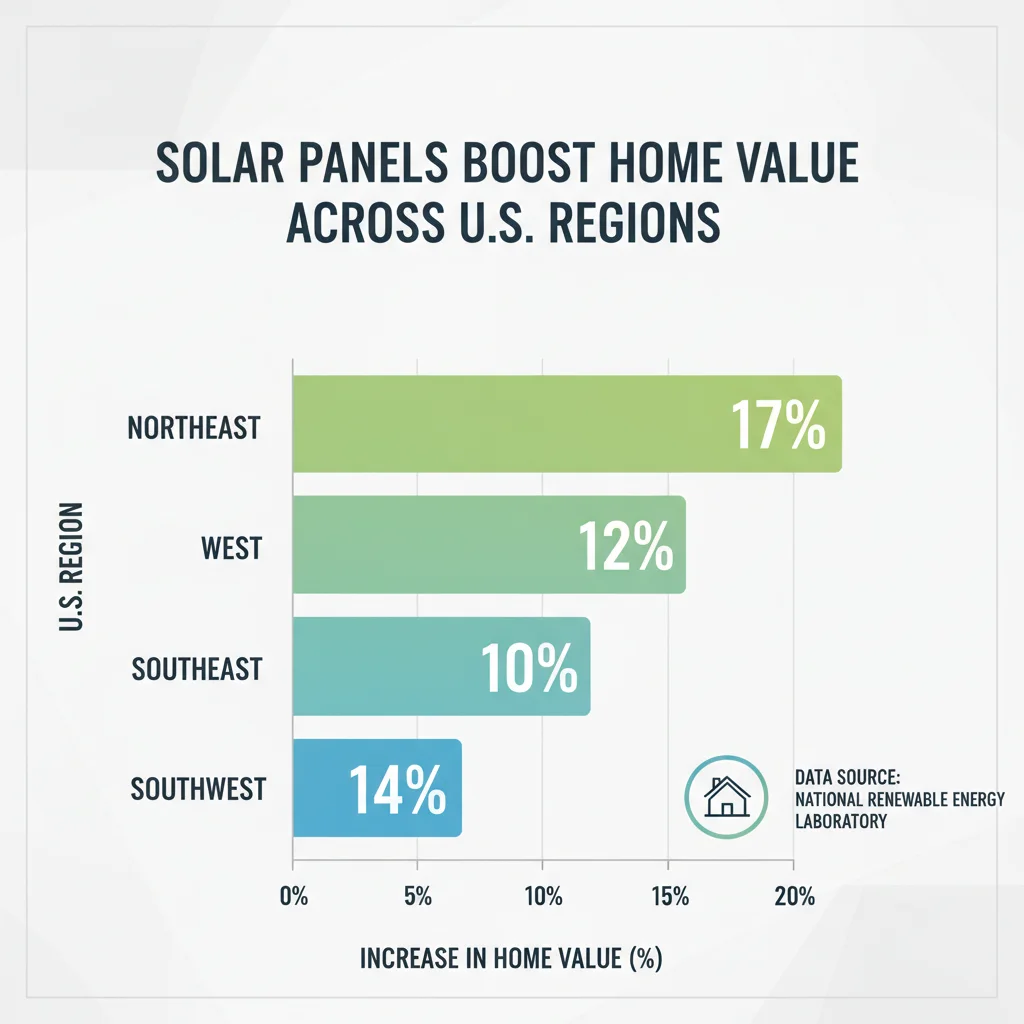
The question on every homeowner’s mind is: how much does solar truly add to my home’s value? While the exact figure can vary based on numerous factors, research consistently indicates a positive correlation. Studies by organizations like the National Renewable Energy Laboratory (NREL) and various real estate associations have shown that homes with solar panels sell for a premium compared to comparable non-solar homes. This premium is not merely a reflection of the system’s cost but also its future energy savings and environmental benefits.
Several metrics are used to quantify this impact. One common approach is to look at the percentage increase in sale price. Depending on the region and market conditions, this can range from 3% to 6% or even higher. Another method considers the added value per watt of installed solar capacity. This provides a more granular understanding of the investment’s return. Crucially, the value added by solar is often realized quickly, making it an attractive proposition for homeowners looking to improve their property’s marketability.
Factors Influencing the Value Add
- System Ownership vs. Lease: Homeowners who own their solar systems outright typically see a greater increase in home value than those who lease their systems. Leased systems can sometimes complicate real estate transactions, though this is becoming less of an issue with standardized agreements.
- System Size and Performance: A larger, more efficient system that significantly offsets a home’s electricity consumption will naturally add more value.
- Local Electricity Rates: In areas with high electricity rates, the savings generated by solar are more substantial, making solar homes more attractive and valuable.
- Regional Market Demand: Regions with a strong emphasis on sustainability and a higher demand for green homes will see a greater premium for solar-equipped properties.
- Age and Warranty of the System: Newer systems with long-term warranties are more appealing to buyers, ensuring peace of mind and future energy savings.
These factors collectively determine the precise uplift in solar home value, making it essential for homeowners to consider these variables when evaluating their solar investment.
Financial Benefits Beyond Property Value
While increased home value is a significant advantage, the financial benefits of residential solar extend far beyond the sale price. Homeowners enjoy substantial savings on electricity bills, which can amount to thousands of dollars over the lifespan of the system. This immediate financial relief is a powerful incentive for adoption and contributes to the overall economic attractiveness of solar energy. Furthermore, the ability to lock in energy costs provides a hedge against rising utility prices, offering long-term financial stability.
Government Incentives and Tax Credits
Federal, state, and local governments continue to offer various incentives to promote solar adoption. The federal investment tax credit (ITC), for instance, provides a significant percentage of the system cost as a tax credit, dramatically reducing the net expense for homeowners. State-specific incentives, such as rebates, performance-based incentives (PBIs), and property tax exemptions for solar installations, further sweeten the deal. These incentives play a crucial role in improving the return on investment for solar systems, thereby directly enhancing the perceived and actual solar home value.
Net Metering Policies
Net metering allows homeowners to sell excess electricity generated by their solar panels back to the grid, often at the retail rate. This mechanism effectively turns the home into a mini power plant, generating credits that can offset future electricity consumption. While net metering policies vary by state and are subject to change, they remain a vital component of the financial equation for solar homeowners, maximizing savings and contributing to the overall economic viability of solar power.
Market Trends and Predictions for 2026
The trajectory of the residential solar market towards 2026 is one of continued growth and innovation. Several key trends are shaping this future, impacting both the adoption rate and the financial benefits for homeowners. Understanding these trends is essential for anyone considering a solar investment or evaluating the solar home value in the coming years.
Increased Demand for Energy-Efficient Homes
Consumer preferences are shifting dramatically towards energy-efficient and sustainable homes. Buyers are increasingly willing to pay a premium for properties that offer lower operating costs and a reduced environmental footprint. This demand is driven by a combination of environmental consciousness, a desire for financial savings, and a growing awareness of climate change. As a result, homes with solar panels are becoming highly sought after, leading to faster sales cycles and higher appraisal values.
Integration with Smart Home Technology
The convergence of solar energy with smart home technology is another significant trend. Smart energy management systems allow homeowners to monitor and control their energy consumption, optimize solar generation, and manage battery storage more effectively. These integrated solutions enhance the user experience, maximize savings, and add a layer of sophistication that appeals to modern buyers, further boosting solar home value.
Expansion of Community Solar Programs
For homeowners who cannot install solar panels on their own roofs due to shading, structural limitations, or HOA restrictions, community solar programs offer an alternative. These programs allow individuals to subscribe to a share of a larger, off-site solar project and receive credits on their electricity bills. While not directly impacting individual home value in the same way rooftop solar does, the increasing availability of community solar expands access to renewable energy benefits, fostering a broader appreciation for solar’s advantages in the housing market.
The Role of Battery Storage
Battery storage systems are becoming more mainstream, offering homeowners increased energy independence and resilience. By storing excess solar energy generated during the day, batteries allow homes to power themselves at night or during grid outages. This feature significantly enhances the value proposition of solar, especially in areas prone to severe weather or unreliable grid infrastructure. The added security and self-sufficiency provided by battery storage are powerful selling points that contribute to a higher solar home value.
Challenges and Considerations
Despite the overwhelmingly positive outlook, there are still challenges and considerations that homeowners should be aware of when investing in solar energy. Addressing these proactively can help maximize the benefits and mitigate potential drawbacks.
Initial Investment and Financing Options
While solar costs have decreased, the initial investment can still be substantial. However, a variety of financing options are available, including solar loans, power purchase agreements (PPAs), and leases. Understanding the pros and cons of each option is crucial for making an informed decision that aligns with financial goals and home ownership plans. Ownership typically yields the highest increase in home value, but other options can still provide significant energy savings.
Permitting and Installation Complexities
The process of obtaining permits and installing solar panels can sometimes be complex and time-consuming, varying significantly by location. Homeowners should research local regulations and work with reputable solar installers who are familiar with the permitting process in their area. Streamlining these procedures is an ongoing effort in many jurisdictions, but it remains a factor to consider.
Maintenance and Durability
Modern solar panels are highly durable and require minimal maintenance, typically limited to occasional cleaning. However, homeowners should be aware of warranty terms for panels, inverters, and installation, ensuring long-term protection for their investment. Regular monitoring of system performance can also help identify and address any issues promptly.
Appraisal and Valuation Methodologies
While the real estate industry is increasingly recognizing the value of solar, appraisal methodologies are still catching up in some regions. It’s important to work with appraisers who are knowledgeable about solar energy and its impact on property value. The use of comparable sales data for solar-equipped homes is becoming more standardized, but variations still exist. Educating real estate agents and appraisers about the benefits of solar is crucial for ensuring accurate valuation of solar home value.
The Future of Solar in the Real Estate Market
Looking ahead to 2026 and beyond, residential solar is poised to become an even more integral component of the real estate market. The convergence of technological innovation, favorable policies, and growing consumer demand for sustainable living will continue to drive its adoption and enhance its value proposition. We can anticipate further advancements in solar panel efficiency, more sophisticated energy storage solutions, and even greater integration with smart home ecosystems.
The concept of ‘grid parity’ – where the cost of solar electricity is equal to or cheaper than traditional utility electricity – has already been achieved in many regions and will become even more widespread. This economic advantage, coupled with the environmental benefits, makes solar an increasingly compelling investment for homeowners. Real estate professionals will need to be well-versed in solar technology and its financial implications to effectively serve their clients.
Policy Evolution and Standardization
As solar adoption grows, policies will likely evolve to support a more distributed and resilient energy grid. This could include new net metering frameworks, updated building codes that encourage or mandate solar readiness, and standardized valuation methods for solar homes. Such policy stability will provide greater certainty for homeowners and investors, further solidifying the link between residential solar and home value.
Behavioral Changes and Consumer Awareness
The shift towards solar is not just about technology and economics; it’s also about changing consumer behavior and awareness. As more homes go solar, the societal norm will increasingly lean towards sustainable energy. This increased awareness will drive demand, making solar a standard feature rather than an optional upgrade, much like central air conditioning or modern appliances. This widespread acceptance will naturally elevate the market value of solar-equipped homes.
Conclusion: A Bright Future for Solar Home Value
In conclusion, the outlook for residential solar and its impact on home value in 2026 is exceptionally positive. Homeowners who invest in solar panels can expect to see a tangible increase in their property’s market value, coupled with significant long-term savings on electricity bills and a reduced environmental footprint. The confluence of technological advancements, supportive government policies, and shifting consumer preferences is creating a robust market where solar is not just a smart environmental choice but also a sound financial investment.
For anyone considering a home improvement project or evaluating a property purchase, understanding the profound benefits of solar energy is paramount. The enhanced appeal, financial returns, and contribution to a sustainable future make solar-equipped homes highly desirable assets in today’s and tomorrow’s real estate market. The future of solar home value is indeed bright, promising continued growth and benefits for years to come.