Residential Solar Inverters 2026: Top 3 Models for 98% Efficiency
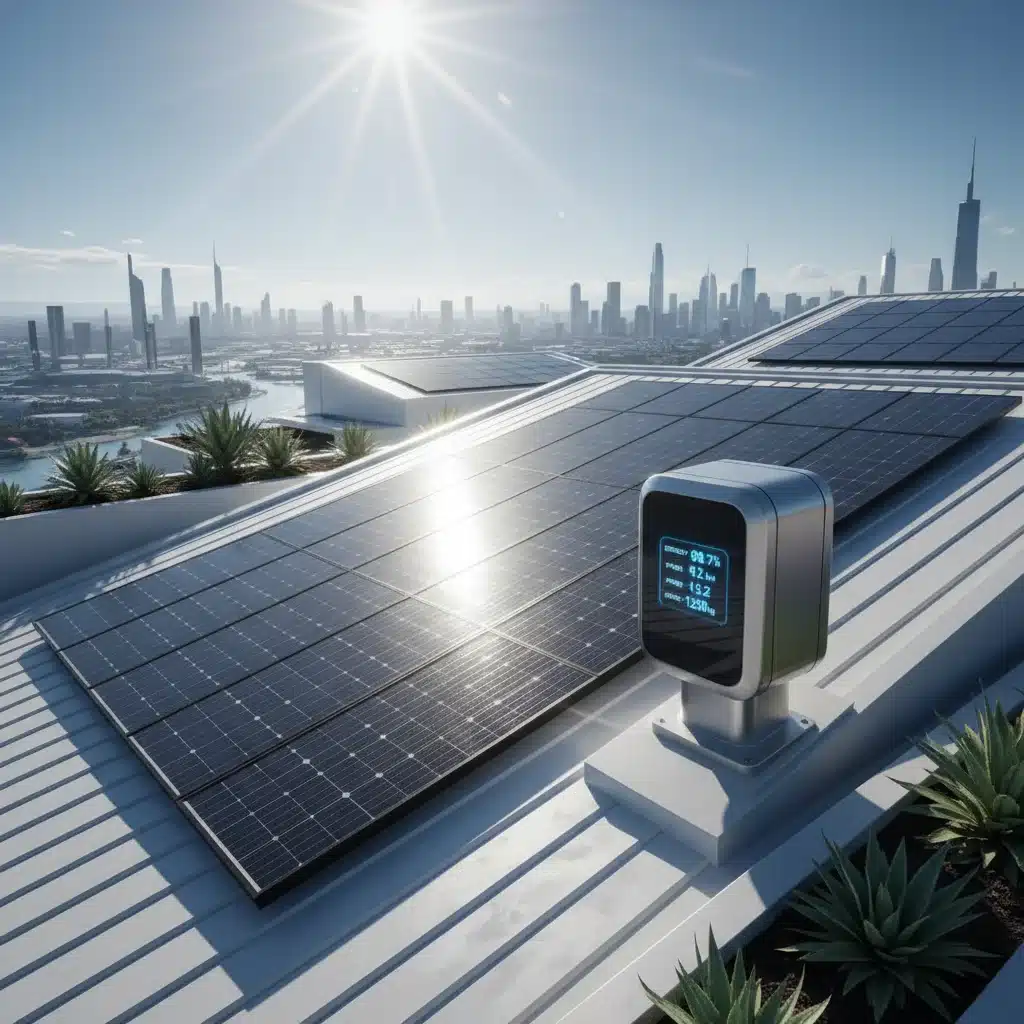
Choosing the Right Inverter for Your Residential Solar in 2026: Comparing 3 Leading Models for 98% Efficiency
The journey towards energy independence and reduced carbon footprint often begins at home, with the installation of a residential solar system. As we look towards 2026, the technology powering these systems continues to evolve at a breathtaking pace, with solar inverters standing at the forefront of innovation. The efficiency of your solar inverter is paramount, directly impacting how much usable electricity your home generates from the sun’s rays. In this comprehensive guide, we’ll delve into the critical role of solar inverters, explore the key factors driving their advancements, and meticulously compare three leading models projected to dominate the residential market in 2026, all boasting an impressive 98% or higher solar inverter efficiency.
Understanding the nuances of inverter technology is no longer just for solar professionals. Homeowners, increasingly savvy about their energy choices, are seeking systems that offer maximum output, reliability, and smart features. The market is flooded with options, but discerning the best fit for your unique residential needs requires a deep dive into specifications, performance metrics, and long-term value. This article aims to equip you with the knowledge to make an informed decision, ensuring your solar investment yields the highest possible returns.
The Heart of Your Solar System: Why Solar Inverter Efficiency Matters
At its core, a solar inverter is the brain of your photovoltaic (PV) system. Solar panels generate direct current (DC) electricity, but your home appliances and the utility grid operate on alternating current (AC). The inverter’s primary function is to convert this DC power into AC power. However, not all conversions are created equal. The efficiency of this conversion process is what we refer to as solar inverter efficiency.
A higher efficiency rating means less energy is lost during the conversion process, translating into more usable electricity for your home and potentially higher savings on your utility bills. For instance, a 98% efficient inverter means only 2% of the DC power generated by your panels is lost during conversion. While this might seem like a small percentage difference compared to, say, a 95% efficient inverter, over the 25-30 year lifespan of a solar system, these seemingly minor losses accumulate significantly, impacting your overall energy production and financial returns.
Types of Solar Inverters and Their Evolution
Before diving into specific models, it’s essential to understand the different types of inverters available, as each has its own advantages and ideal applications:
- String Inverters: These are the most common and cost-effective type. Panels are wired together in ‘strings,’ and the DC power from each string is fed into a single string inverter. While efficient for uniformly performing panels, their drawback is that if one panel in a string is shaded or underperforms, it can affect the output of the entire string.
- Microinverters: Instead of a single central inverter, microinverters are installed on each individual solar panel. This allows for panel-level optimization, meaning shading on one panel won’t affect the output of others. They are excellent for complex rooflines, partial shading, and provide granular monitoring. However, they tend to be more expensive upfront.
- Power Optimizers: These combine aspects of both string inverters and microinverters. An optimizer is attached to each panel to condition the DC power and perform maximum power point tracking (MPPT) at the panel level. The optimized DC power is then sent to a central string inverter for DC-to-AC conversion. This offers panel-level optimization with slightly lower costs than microinverters.
- Hybrid Inverters: Gaining significant traction, hybrid inverters combine a solar inverter and a battery inverter into a single unit. This allows for seamless integration of battery storage, enabling homeowners to store excess solar energy for use during grid outages or peak demand periods. Their solar inverter efficiency is crucial for overall system performance, especially when charging and discharging batteries.
The trend for 2026 clearly points towards hybrid inverters and systems incorporating power optimizers or microinverters, driven by the increasing demand for energy storage and enhanced system resilience. These advanced configurations are pushing the boundaries of solar inverter efficiency and smart energy management.
Key Features to Look for in 2026 High-Efficiency Inverters
Beyond the raw efficiency number, several other features contribute to an inverter’s overall value and performance. When evaluating models for 2026, keep these in mind:
- Maximum Power Point Tracking (MPPT): This technology ensures the inverter extracts the maximum possible power from the solar panels at any given moment, adapting to varying sunlight conditions. Multiple MPPT trackers are beneficial for complex roof orientations.
- Reliability and Warranty: An inverter is a significant investment. Look for manufacturers with a proven track record of reliability and robust warranties (typically 10-12 years, but some offer extensions).
- Smart Grid Capabilities: As grids become smarter, inverters are playing a crucial role. Look for features like reactive power control, frequency support, and the ability to participate in demand response programs.
- Monitoring and Diagnostics: Advanced monitoring platforms allow homeowners to track their system’s performance in real-time, identify issues, and understand energy production and consumption patterns.
- Battery Compatibility (for Hybrid Inverters): If you’re considering battery storage now or in the future, ensure the inverter is compatible with leading battery brands and can seamlessly manage energy flow between panels, battery, home, and grid.
- Safety Features: Arc fault protection, rapid shutdown capabilities, and robust surge protection are essential safety features.
- Future-Proofing: Technology evolves rapidly. Choose an inverter that can be easily updated via firmware and is designed with future energy management needs in mind.
Comparing the Top 3 Residential Solar Inverters for 2026 (98%+ Efficiency)
Based on current technological trajectories, market trends, and manufacturer commitments to innovation, we’ve identified three leading inverter solutions poised to excel in residential solar applications by 2026, all pushing the boundaries of solar inverter efficiency.
Model 1: SolarEdge Energy Hub Inverter (Enhanced for 2026)
SolarEdge has long been a dominant player in the optimized inverter market, and their Energy Hub solution is expected to see significant enhancements by 2026, solidifying its position as a top contender. This system combines power optimizers on each panel with a central hybrid inverter, offering unparalleled panel-level optimization and seamless integration with battery storage.
- Efficiency: Expected to maintain and potentially exceed 98.5% weighted efficiency. The panel-level optimization ensures that the system operates at its peak, even with partial shading or panel-level degradation. This focus on maximizing individual panel output directly contributes to superior overall solar inverter efficiency.
- Key Features:
- DC-Coupled Architecture: Highly efficient for battery charging/discharging as it avoids multiple DC-AC-DC conversions. This is a major factor in its high overall system efficiency.
- Backup Power: Provides whole-home or partial-home backup power during outages when paired with a compatible battery (e.g., SolarEdge Energy Bank).
- Smart Energy Management: Advanced monitoring platform with granular data down to the panel level. Features like demand-response readiness and load management are expected to be further refined.
- Safety: Built-in SafeDC feature reduces panel voltage to a safe level during shutdowns, exceeding rapid shutdown requirements.
- Scalability: Modular design allows for easy expansion of both solar capacity and battery storage.
- Ideal For: Homes with complex rooflines, potential shading issues, homeowners prioritizing maximum energy harvest, detailed monitoring, and seamless battery integration for backup and self-consumption.
- Considerations: Higher upfront cost compared to traditional string inverter systems due to the optimizers. Installation can be slightly more complex.
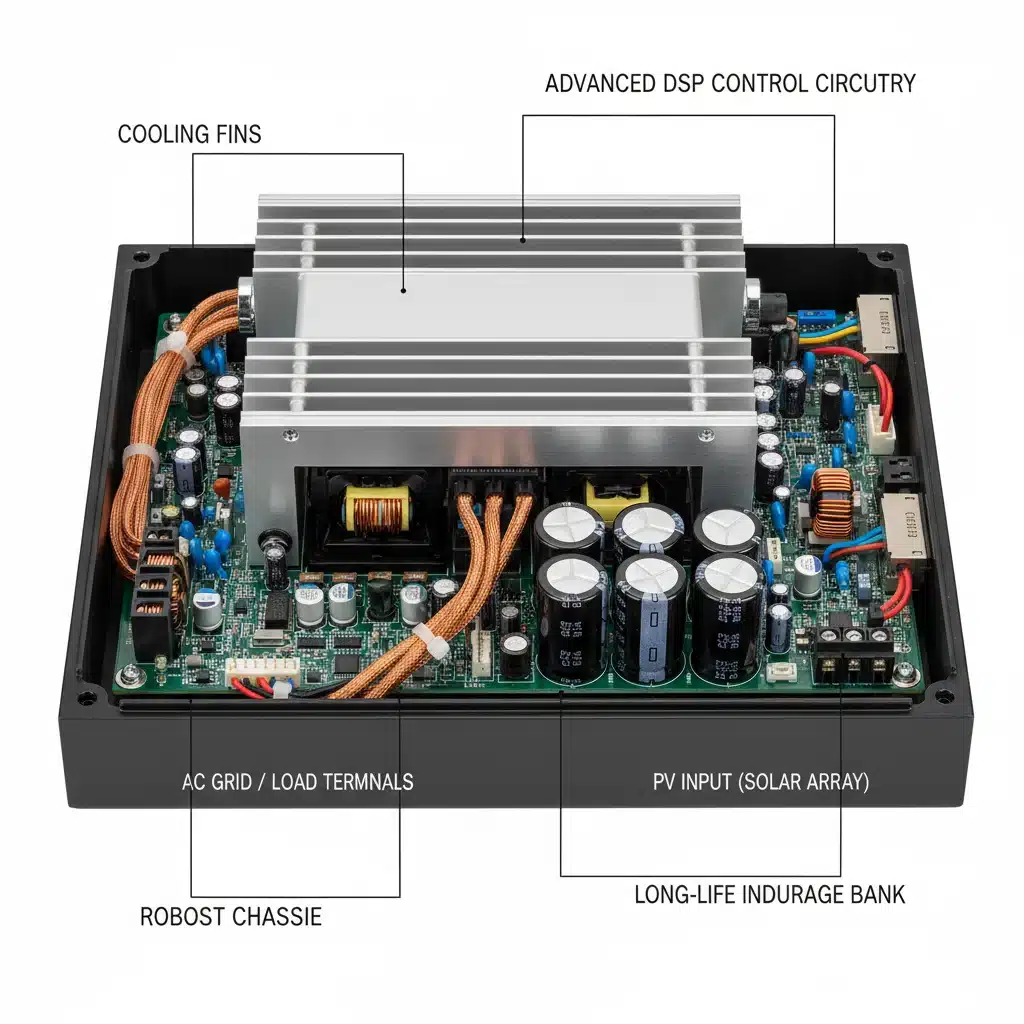
Model 2: Enphase IQ8 Series Microinverters (Next Generation for 2026)
Enphase revolutionized the solar industry with microinverters, and their IQ8 series (with anticipated enhancements for 2026) represents the pinnacle of this technology. By placing an inverter on each panel, Enphase systems offer ultimate resilience and flexibility.
- Efficiency: Individual microinverters in the IQ8 series consistently achieve over 97.5% peak efficiency, contributing to an overall system efficiency that can rival or exceed 98% due to panel-level optimization. The absence of a single point of failure and independent MPPT for each panel significantly boosts the effective solar inverter efficiency of the entire array.
- Key Features:
- Grid-Forming Technology: A standout feature of the IQ8 is its ability to form its own microgrid during a power outage, even without a battery, if enough sunlight is available. This ‘Sunlight Jump Start’ is a game-changer for energy resilience.
- Modular and Scalable: Easy to expand your solar system one panel at a time.
- Extreme Reliability: Microinverters are known for their longevity, often backed by 25-year warranties, matching the lifespan of solar panels.
- Advanced Monitoring: Comprehensive panel-level monitoring provides unparalleled insight into system performance and rapid fault detection.
- Enhanced Safety: DC power is converted to AC at the panel level, eliminating high-voltage DC wiring on the roof, which is a significant safety advantage.
- Battery Integration: Seamlessly integrates with Enphase Encharge batteries for robust home energy storage and backup.
- Ideal For: Homes with significant shading issues, complex roof architectures, homeowners prioritizing maximum uptime, individual panel monitoring, and robust safety features. Excellent for those seeking a highly modular and flexible system.
- Considerations: Higher per-watt cost compared to string inverter systems. More individual components mean potentially more points of failure, though Enphase’s reliability record is strong.
Model 3: Fronius Symo GEN24 Plus (Advanced Hybrid for 2026)
Fronius, an Austrian manufacturer renowned for its robust and innovative inverters, is expected to continue its leadership with advanced versions of its Symo GEN24 Plus hybrid inverter. This model is designed for high performance and versatility, particularly for homes looking to integrate battery storage.
- Efficiency: The Symo GEN24 Plus boasts a high European efficiency rating, typically above 98%. Its sophisticated MPPT algorithms ensure optimal energy harvesting, contributing to its excellent solar inverter efficiency even under varying conditions.
- Key Features:
- Multi Flow Technology: Enables simultaneous energy flows, allowing the inverter to power the home, charge the battery, and feed excess energy to the grid all at once. This maximizes self-consumption and efficiency.
- Integrated Backup Power: Offers a ‘PV Point’ emergency power socket that can provide basic backup power during outages, even without a battery. With a battery, it provides full home backup.
- Active Cooling: Utilizes active cooling technology to maintain optimal operating temperatures, enhancing durability and consistent performance, which is vital for long-term solar inverter efficiency.
- User-Friendly Monitoring: The Fronius Solar.web platform provides intuitive real-time monitoring and analysis of energy production and consumption.
- Open Interface: Compatible with a wide range of third-party batteries and smart home systems, offering flexibility and future-proofing.
- Ideal For: Homeowners seeking a high-quality, robust hybrid inverter with excellent backup capabilities and broad battery compatibility. Those who value European engineering and a strong emphasis on smart energy management.
- Considerations: Can be a premium-priced option. While compatible with many batteries, ensuring seamless integration might require specific battery choices.
Factors Beyond Efficiency: Making Your Final Decision
While solar inverter efficiency is a critical metric, it’s just one piece of the puzzle. A holistic approach considers several other factors:
Cost-Benefit Analysis
The initial cost of an inverter can vary significantly. Microinverters and optimized systems often have a higher upfront price but can offer better long-term performance, especially in challenging environments. String inverters are generally more budget-friendly. Consider the total cost of ownership over the system’s lifespan, including potential energy savings and maintenance.
System Scalability and Future Needs
Are you planning to add more solar panels in the future? Do you anticipate integrating an electric vehicle (EV) charger or additional battery storage? Choose an inverter system that can easily scale to meet your evolving energy demands. Hybrid inverters, in particular, offer excellent future-proofing for battery integration.
Warranty and Manufacturer Support
An inverter is a long-term investment. A strong warranty (10-12 years standard, often extendable) and reliable manufacturer support are crucial. Research the manufacturer’s reputation for customer service and product longevity. Look for local support options if available.
Installation Complexity and Aesthetics
Some inverter types are simpler to install than others. Microinverters, for example, distribute components across the roof, while string and hybrid inverters typically have a single unit mounted on a wall. Consider the aesthetic impact and the complexity of installation, which can influence labor costs.
Local Regulations and Grid Requirements
Always ensure your chosen inverter complies with local electrical codes, utility grid interconnection requirements, and any specific mandates from your energy provider. Some regions might have incentives for specific inverter features, like rapid shutdown or smart grid capabilities.
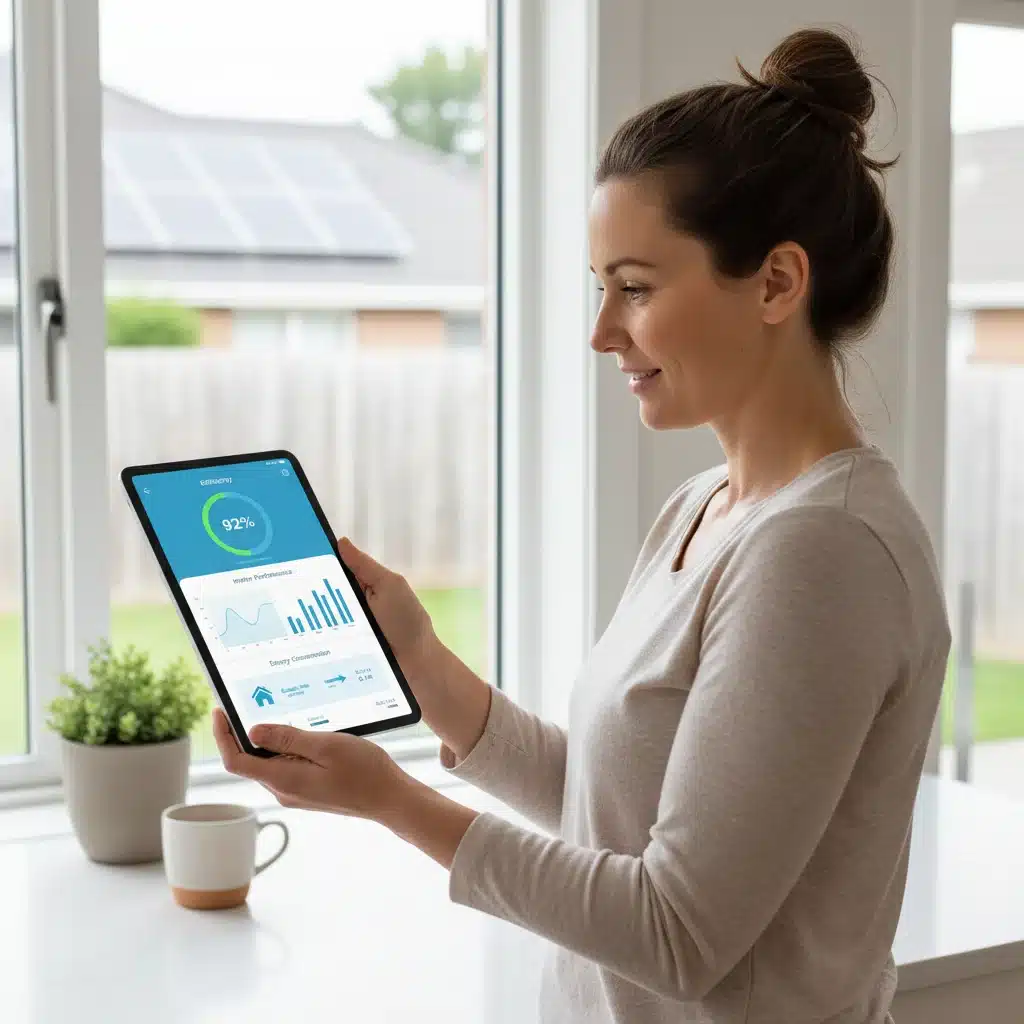
The Future of Residential Solar Inverters: What to Expect Post-2026
The pace of innovation in solar inverter technology shows no signs of slowing down. Beyond 2026, we can anticipate even more sophisticated features and higher levels of solar inverter efficiency.
- Even Higher Efficiencies: As semiconductor technology advances (e.g., Silicon Carbide – SiC, Gallium Nitride – GaN), expect inverters to push past 99% efficiency, minimizing energy losses even further.
- Enhanced AI and Machine Learning: Inverters will likely incorporate more advanced AI for predictive maintenance, optimized energy routing based on real-time weather forecasts and electricity prices, and even more personalized energy management.
- Seamless V2G/V2H Integration: Vehicle-to-Grid (V2G) and Vehicle-to-Home (V2H) technologies, allowing electric vehicles to act as mobile power banks, will become more commonplace, with inverters facilitating this bidirectional energy flow.
- Cybersecurity: As smart homes become more interconnected, robust cybersecurity features will be paramount to protect energy systems from potential threats.
- Standardization and Interoperability: Greater standardization across different brands and platforms will make it easier to integrate various smart home devices and energy management systems.
Conclusion: Powering Your Home with Peak Solar Inverter Efficiency
Choosing the right solar inverter for your residential system in 2026 is a decision that will impact your energy production, savings, and overall home energy independence for decades. The leading models from SolarEdge, Enphase, and Fronius, all boasting over 98% solar inverter efficiency, represent the cutting edge of what’s possible in renewable energy technology.
By carefully considering your home’s specific needs, roof characteristics, budget, and long-term energy goals, you can select an inverter that not only maximizes your solar investment but also provides peace of mind through reliable performance and smart energy management. The future of residential solar is bright, and with the right inverter at its heart, your home will be well-equipped to harness the full power of the sun.
Invest wisely, prioritize efficiency, and embrace the clean energy revolution that these advanced solar inverters are making possible.