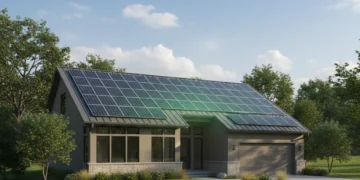
Sustainable Heating Future: Top 3 Technologies for U.S. Homes by 2026
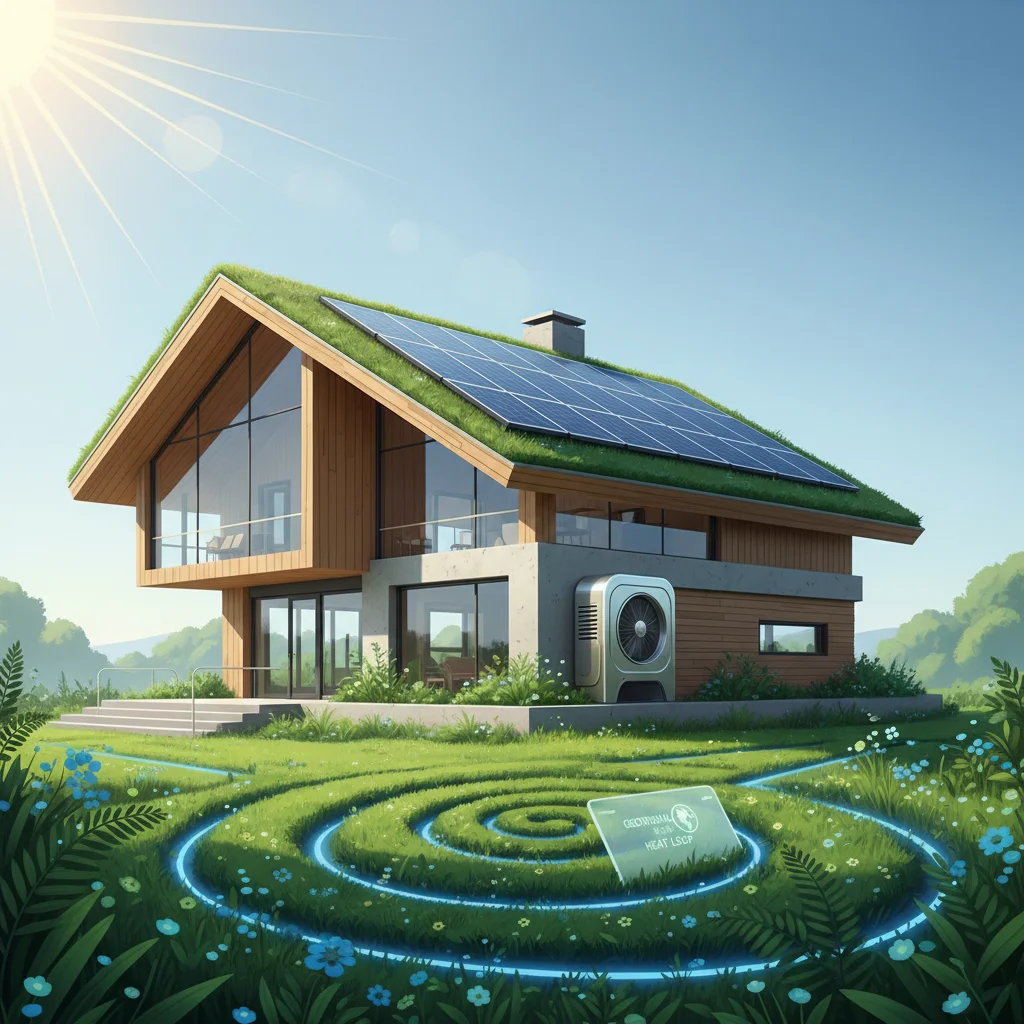
The Future of Sustainable Heating: 3 Technologies Transforming U.S. Homes by 2026
The quest for sustainable living has never been more urgent, and at the heart of this global endeavor lies the transformation of how we heat our homes. In the United States, a nation known for its diverse climate zones and significant energy consumption, the shift towards eco-friendly heating solutions is not just a trend; it’s a necessity. As we approach 2026, several Sustainable Heating Technologies are poised to redefine residential warmth, offering both environmental benefits and substantial long-term savings for homeowners. This article delves into the three most promising technologies that are set to lead this revolution: advanced heat pumps, innovative geothermal systems, and efficient solar thermal solutions.
The imperative to reduce carbon emissions, coupled with rising energy costs and governmental incentives, is accelerating the adoption of these technologies. Homeowners are increasingly seeking alternatives to traditional fossil fuel-based heating systems, not only for their ecological footprint but also for their enhanced efficiency and comfort. The market for Sustainable Heating Technologies is expanding rapidly, driven by technological advancements that make these systems more accessible, affordable, and effective than ever before.
Understanding these advancements is crucial for anyone looking to invest in their home’s future, reduce their environmental impact, and enjoy a more comfortable living space. From the frigid winters of the Northeast to the mild climates of the Sun Belt, these solutions offer tailored approaches to sustainable warmth. Let’s explore the innovations that are shaping the future of heating in U.S. homes.
1. Advanced Heat Pumps: The All-in-One Climate Solution
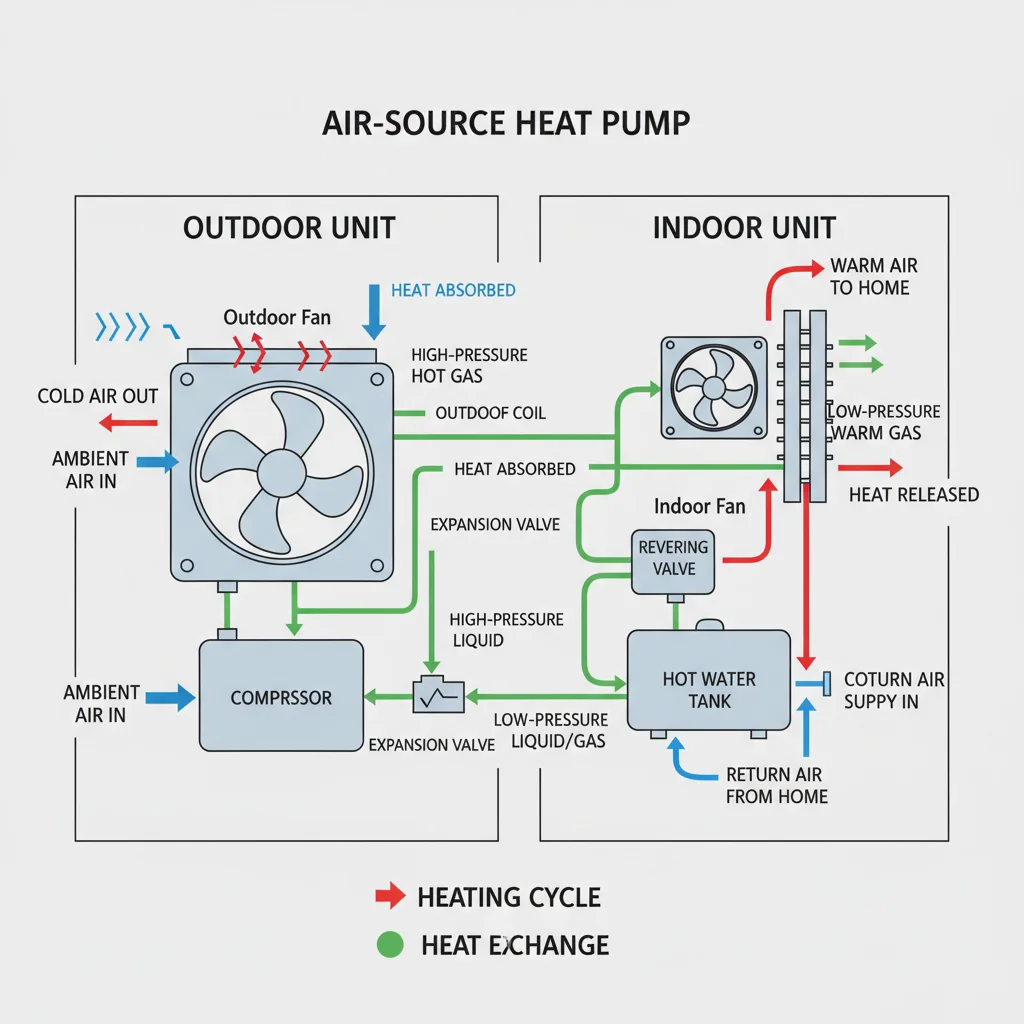
When discussing Sustainable Heating Technologies, heat pumps invariably come to the forefront. Once considered a niche product, modern heat pumps have evolved into sophisticated, highly efficient systems capable of providing both heating and cooling for a wide range of climates. Their principle of operation is elegantly simple yet incredibly effective: instead of generating heat, they transfer it. In winter, they extract heat from the outside air, ground, or water and move it indoors. In summer, the process reverses, expelling indoor heat to cool the home.
The Evolution of Heat Pump Technology
Early heat pumps faced limitations, particularly in extremely cold temperatures, where their efficiency would drop significantly. However, advancements in refrigerant technology, compressor design (such as variable-speed compressors), and intelligent control systems have dramatically improved their performance. Today’s cold-climate heat pumps can operate efficiently even when outdoor temperatures dip well below freezing, making them a viable option for virtually every region of the U.S.
Types of Heat Pumps:
- Air-Source Heat Pumps (ASHPs): These are the most common type, extracting heat from and expelling it to the air. Modern ASHPs, especially ductless mini-splits and central ducted systems, offer incredible flexibility and efficiency.
- Geothermal Heat Pumps (GHPs): While often considered a separate category due to their ground-source heat exchange, GHPs are fundamentally heat pumps. They leverage the stable underground temperatures for superior efficiency, discussed in more detail below.
- Water-Source Heat Pumps: Less common in residential settings, these use a nearby body of water (pond, lake) as a heat source/sink.
Benefits of Advanced Heat Pumps
The appeal of heat pumps extends beyond their environmental credentials. For homeowners, the benefits are tangible and significant:
- High Efficiency: Heat pumps are incredibly efficient, often achieving efficiencies of 300% to 500%. This means for every unit of electricity consumed, they deliver 3 to 5 units of heating or cooling energy. This drastically reduces energy bills compared to traditional furnaces or air conditioners.
- Dual Functionality: A single system provides both heating and cooling, eliminating the need for separate furnace and AC units, saving space and simplifying maintenance.
- Reduced Carbon Footprint: By transferring heat rather than generating it from fossil fuels, heat pumps significantly lower greenhouse gas emissions, especially when powered by renewable electricity.
- Improved Indoor Air Quality: Many modern heat pump systems include advanced filtration, contributing to cleaner indoor air by reducing dust, allergens, and pollutants.
- Long Lifespan and Low Maintenance: With proper installation and routine checks, heat pumps can last 15-20 years or more, often requiring less maintenance than separate heating and cooling systems.
- Financial Incentives: Federal, state, and local governments, along with utility companies, offer numerous rebates, tax credits, and incentives to encourage the adoption of heat pumps, making the initial investment more manageable.
The market penetration of heat pumps is projected to accelerate dramatically by 2026. Policy support, technological maturity, and increasing consumer awareness of their benefits are driving this growth. As the U.S. moves towards a more electrified and decarbonized energy grid, heat pumps will play a pivotal role in achieving these goals, cementing their status as a leading Sustainable Heating Technology.
2. Geothermal Systems: Tapping into Earth’s Stable Energy
While air-source heat pumps draw heat from the ambient air, geothermal systems, also known as ground-source heat pumps (GSHPs), harness the stable temperatures of the Earth itself. Below the frost line, the ground maintains a relatively constant temperature year-round, typically between 45°F and 75°F (7°C and 24°C), depending on the region. Geothermal systems leverage this thermal stability, making them incredibly efficient and reliable Sustainable Heating Technologies.
How Geothermal Systems Work
A geothermal system consists of three main components: an indoor heat pump unit, an underground piping system (the earth loop), and a fluid (usually water mixed with antifreeze) that circulates through the loop. In winter, the fluid absorbs heat from the warmer ground and carries it to the heat pump, which then concentrates and transfers it into the home’s air distribution system. In summer, the process reverses: heat from the home is absorbed by the fluid and dissipated into the cooler ground.
Types of Earth Loops:
- Closed-Loop Systems: These are the most common and can be installed horizontally (requiring more land) or vertically (requiring less land but deeper drilling).
- Open-Loop Systems: These use a well or surface water body as the heat exchange fluid source, returning the water to the same source. They are less common due to environmental regulations and water availability.
Advantages of Geothermal Heating
Geothermal systems offer a unique set of advantages that position them as premium Sustainable Heating Technologies:
- Exceptional Efficiency: Geothermal systems are often cited as the most efficient heating and cooling systems available. Their efficiency is consistently high because ground temperatures are far more stable than air temperatures, reducing the workload on the heat pump. They can achieve efficiencies of 400% or more.
- Lower Operating Costs: Due to their high efficiency, geothermal systems typically result in significantly lower utility bills compared to conventional heating and cooling. Savings can be as high as 30% to 60% on heating and 25% to 50% on cooling.
- Environmental Benefits: Geothermal systems emit no greenhouse gases on-site and consume very little electricity, especially when compared to fossil fuel systems. This makes them a cornerstone of sustainable home energy.
- Long Lifespan: The indoor components of a GHP can last 20-25 years, while the underground loop system can last 50 years or even longer, often outlasting the home itself. This longevity translates to a better return on investment over time.
- Quiet Operation: Since the primary heat exchange takes place underground and the outdoor unit is typically absent, geothermal systems are remarkably quiet.
- Consistent Comfort: Geothermal systems provide very even heating and cooling, avoiding the temperature fluctuations often associated with traditional furnaces and air conditioners.
- Reduced Maintenance: With fewer moving parts exposed to the elements, geothermal systems generally require less maintenance than conventional HVAC systems.
While the initial installation cost for geothermal systems can be higher than other options, the long-term savings, extended lifespan, and available incentives (such as federal tax credits) make them an increasingly attractive investment. As awareness grows and installation techniques become more streamlined, geothermal is set to become a more prevalent Sustainable Heating Technology in U.S. homes by 2026, especially in new constructions and major home renovations.
3. Solar Thermal Systems: Harnessing the Sun’s Direct Heat
When most people think of solar energy, they envision photovoltaic (PV) panels generating electricity. However, solar thermal systems offer a direct and highly efficient way to use the sun’s energy for heating. These systems capture sunlight to heat water or a heat-transfer fluid, which can then be used for domestic hot water, space heating, or even swimming pool heating. As a dedicated Sustainable Heating Technology, solar thermal is a powerful component of a holistic green home strategy.
Components and Operation of Solar Thermal Systems
A typical solar thermal system includes:
- Solar Collectors: These are the panels installed on the roof or ground that absorb solar radiation. There are two main types:
- Flat-Plate Collectors: Insulated boxes with a dark absorber plate under a glass or plastic cover, typically used for domestic hot water and space heating.
- Evacuated-Tube Collectors: More efficient, especially in colder climates or when higher temperatures are needed, consisting of parallel glass tubes with a vacuum between two layers of glass to reduce heat loss.
- Storage Tank: An insulated tank to store the heated water.
- Heat Exchanger: Transfers heat from the collector fluid to the water in the storage tank (in indirect systems).
- Pumps and Controls: To circulate the fluid and manage the system’s operation.
Solar thermal systems can be active (using pumps to circulate fluid) or passive (relying on natural convection). They can also be direct (where potable water flows directly through the collectors) or indirect (using a heat-transfer fluid like antifreeze, which then heats the potable water via a heat exchanger).
Applications and Benefits of Solar Thermal
Solar thermal technology is highly versatile, making it a valuable Sustainable Heating Technology for various home needs:
- Domestic Hot Water (DHW): This is the most common application. Solar water heaters can provide a significant portion, often 50-80%, of a home’s hot water needs, drastically reducing the demand on conventional water heaters.
- Space Heating: Solar thermal can supplement traditional space heating systems, especially in well-insulated homes or radiant floor heating systems.
- Pool Heating: Solar pool heaters are very cost-effective and can extend the swimming season considerably.
The benefits of integrating solar thermal into a home’s energy profile are compelling:
- Significant Energy Savings: By harnessing free energy from the sun, homeowners can substantially reduce their reliance on electricity or natural gas for water and space heating.
- Reduced Carbon Emissions: Solar thermal systems produce no emissions during operation, contributing to a cleaner environment.
- Long-Term Reliability: These systems are robust and durable, with lifespans often exceeding 20 years with minimal maintenance.
- Complementary to Other Systems: Solar thermal can work in conjunction with other heating systems, acting as a pre-heater or primary heater when sunlight is abundant, thereby reducing the load on secondary systems.
- Financial Incentives: Like other renewable energy technologies, solar thermal systems are eligible for federal tax credits and various state and local incentives, making them more financially accessible.
While solar thermal’s visibility might be overshadowed by solar PV, its specific application in heating makes it an indispensable part of the Sustainable Heating Technologies landscape. As energy efficiency standards become stricter and the desire for energy independence grows, solar thermal is poised for renewed growth and broader adoption across U.S. homes by 2026.

Integrating Sustainable Heating Technologies for Maximum Impact
The true power of these Sustainable Heating Technologies often lies in their integration. A holistic approach to home energy management can combine the strengths of each system to create an incredibly efficient and resilient living environment. For instance, a home might utilize solar thermal for domestic hot water, while an advanced air-source heat pump handles space heating and cooling. In regions with suitable ground conditions, a geothermal system could serve as the primary heating and cooling source, potentially supplemented by solar PV for electricity generation, making the home net-zero or even energy positive.
Key Considerations for Homeowners
Choosing the right sustainable heating solution involves several factors:
- Climate Zone: The effectiveness and efficiency of each technology can vary based on local climate conditions. Cold-climate heat pumps are excellent for northern states, while geothermal is universally efficient.
- Home Characteristics: The size, age, insulation levels, and existing ductwork of a home will influence the best choice. New constructions offer the most flexibility for integration.
- Budget and Incentives: Initial investment costs vary significantly. Researching federal, state, and local incentives (tax credits, rebates, grants) is crucial for making these technologies more affordable.
- Energy Goals: Whether the goal is to reduce utility bills, minimize carbon footprint, or achieve energy independence will guide the decision-making process.
- Professional Consultation: Engaging with certified HVAC and renewable energy professionals is essential for proper system design, installation, and ongoing maintenance.
The U.S. government, through initiatives and tax credits like the Inflation Reduction Act, is actively promoting the adoption of these technologies. This policy support, combined with growing consumer demand and continuous innovation, ensures that the trajectory for Sustainable Heating Technologies is upward. By 2026, we can expect to see a significant portion of new and retrofitted homes incorporating these advanced systems, leading to a greener, more energy-efficient housing stock across the nation.
The Economic and Environmental Imperative
Beyond individual home benefits, the widespread adoption of Sustainable Heating Technologies carries profound economic and environmental implications for the entire nation. Economically, it stimulates job growth in manufacturing, installation, and maintenance sectors for renewable energy technologies. It also reduces reliance on volatile fossil fuel markets, contributing to greater energy security and price stability for consumers.
Environmentally, the impact is even more critical. Residential heating accounts for a substantial portion of greenhouse gas emissions. By transitioning to highly efficient, low-carbon heating solutions, the U.S. can make significant strides towards meeting its climate goals. This shift contributes to cleaner air, reduced urban heat island effects, and a healthier planet for future generations. The move away from combustion-based heating systems also eliminates indoor air pollutants, further enhancing public health.
The journey towards a fully sustainable heating infrastructure is ongoing, but the path is clear. The innovations in heat pump technology, the unparalleled efficiency of geothermal systems, and the direct solar energy capture of solar thermal solutions represent the vanguard of this transformation. These are not just alternative heating methods; they are integral components of a modern, resilient, and environmentally responsible energy system.
Conclusion: A Warm, Green Future for U.S. Homes
By 2026, the landscape of home heating in the U.S. will look considerably different, largely thanks to the rapid adoption and refinement of Sustainable Heating Technologies. Advanced heat pumps, with their dual heating and cooling capabilities and impressive efficiency even in cold climates, are becoming the default choice for many new constructions and retrofits. Geothermal systems continue to offer the pinnacle of efficiency and longevity, leveraging the Earth’s stable temperatures for consistent, low-cost comfort. Meanwhile, solar thermal systems provide a direct and effective way to harness the sun’s energy for hot water and supplemental space heating, reducing reliance on conventional energy sources.
Homeowners have an unprecedented opportunity to invest in systems that not only reduce their carbon footprint but also offer significant long-term financial savings and enhanced comfort. The availability of robust financial incentives, coupled with increasing public awareness and technological maturity, is lowering barriers to entry and accelerating the transition to a sustainable heating future. As we move closer to 2026, these three technologies will be at the forefront, transforming U.S. homes into bastions of energy efficiency and environmental stewardship. Embracing these innovations is not just about staying warm; it’s about building a sustainable legacy for generations to come.